Posted on

Cotton vs Nylon Ballet Leotard: Which Fabric Is Best for Class?

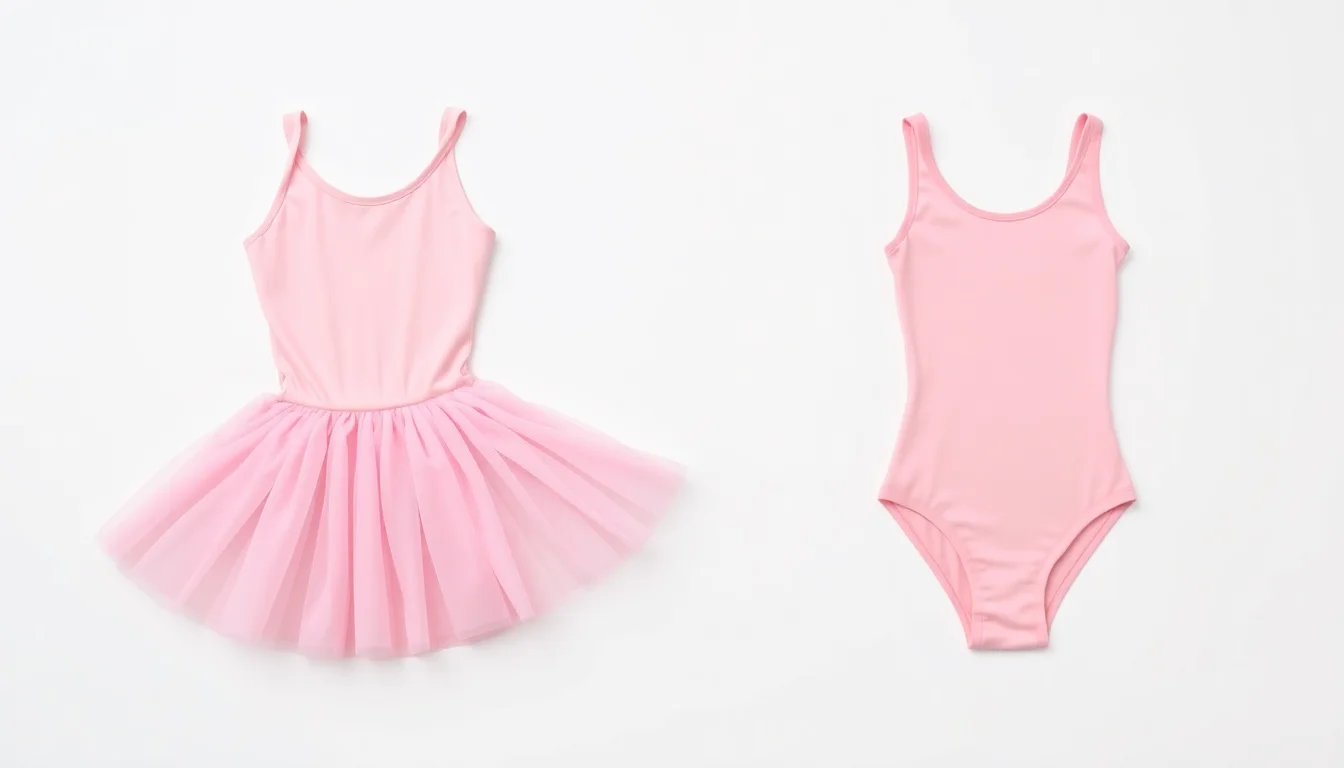
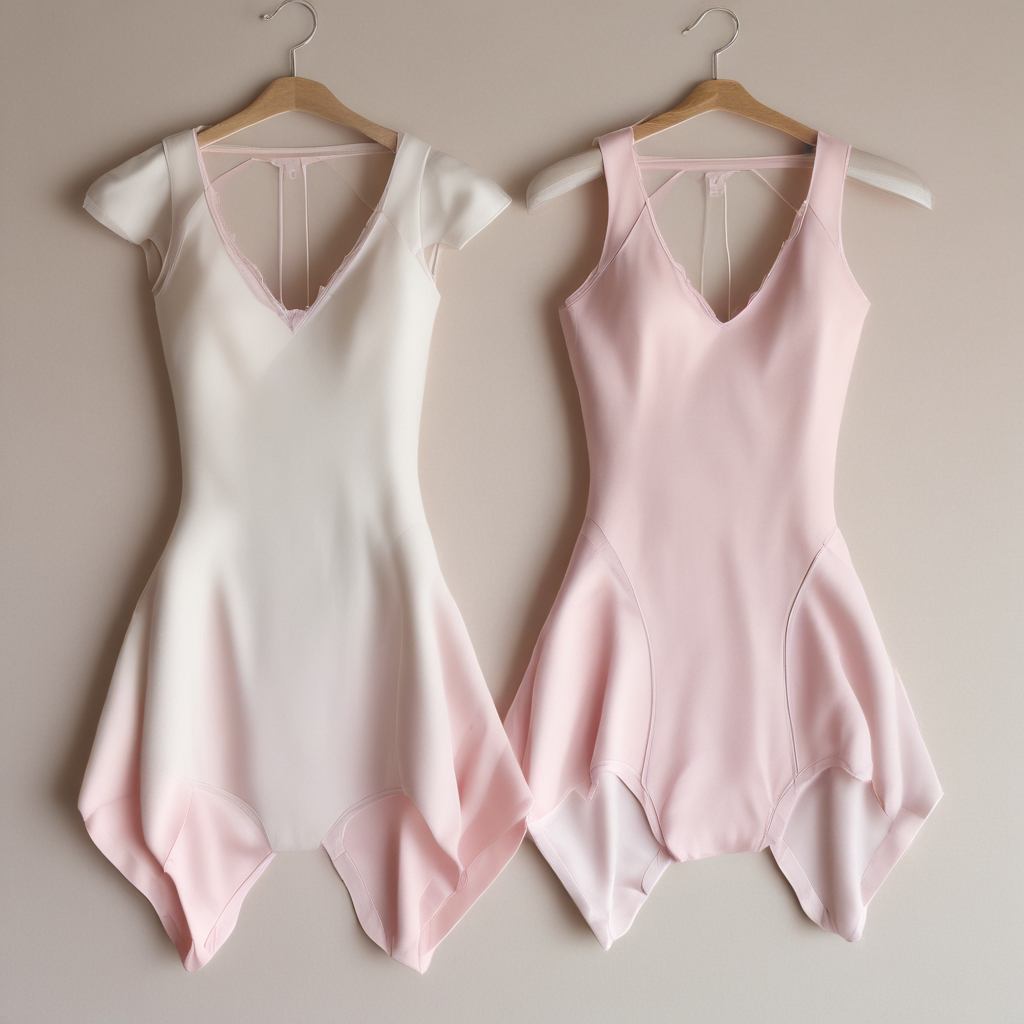
Two ballet leotards in different fabrics cotton and nylon comparison flat lay on cream linen

When buying a ballet leotard, the material matters almost as much as the fit. Cotton and nylon (also sold as nylon-lycra, polyamide or elastane blends) are the two most common fabric families, and they behave very differently in a dance class environment.

Cotton Ballet Leotards

Cotton leotards are soft, breathable and comfortable against the skin. They feel gentle and natural, which makes them popular for very young children whose skin is sensitive. Cotton also tends to be less shiny, giving the garment a matte, understated appearance.

The main limitation of cotton for dance is its behaviour when wet. Cotton absorbs sweat readily but holds onto moisture — after an active class, a cotton leotard can feel heavy and clammy. Cotton also has limited natural stretch and does not snap back to its original shape the way nylon does. Cotton blends — mixed with a small percentage of elastane — improve the stretch significantly while keeping the softness of cotton.

Nylon and Elastane Ballet Leotards

Nylon-elastane blends are the industry standard for dance and gymnastics leotards. The fabric stretches in all four directions, returns to its original shape after every movement, and does not retain moisture the way cotton does. Sweat wicks away from the skin during class, and the leotard remains lightweight throughout. Nylon leotards hold their shape across hundreds of washes and maintain their colour better than cotton over time.

What RAD Schools Typically Specify

Most RAD-affiliated schools specify a nylon or nylon-elastane leotard for class use — the fabric performs consistently throughout a demanding class and maintains its appearance across the school year. A cotton or cotton-blend leotard may be acceptable for toddler and Pre-Primary levels where classes are shorter and less physically demanding.

What About Examinations and Performances?

For examinations and end-of-year performances, nylon-elastane leotards have a cleaner, smoother line under stage lighting and retain their shape better through a long examination morning. Cotton can look slightly crumpled and may show sweat more visibly under bright lights.

Summary

For everyday ballet class, a nylon-elastane leotard is the practical choice: it performs better, lasts longer, and looks better throughout the school year. Cotton or cotton-blend leotards suit toddler-level classes or sensitive-skinned younger children. For RAD examinations and performances, nylon is almost universally the better choice. See our full RAD leotard colour guide for information on which colours are required at each grade level.
Posted on

Ballet Uniform by Exam Board: RAD vs ISTD vs BATD Comparison

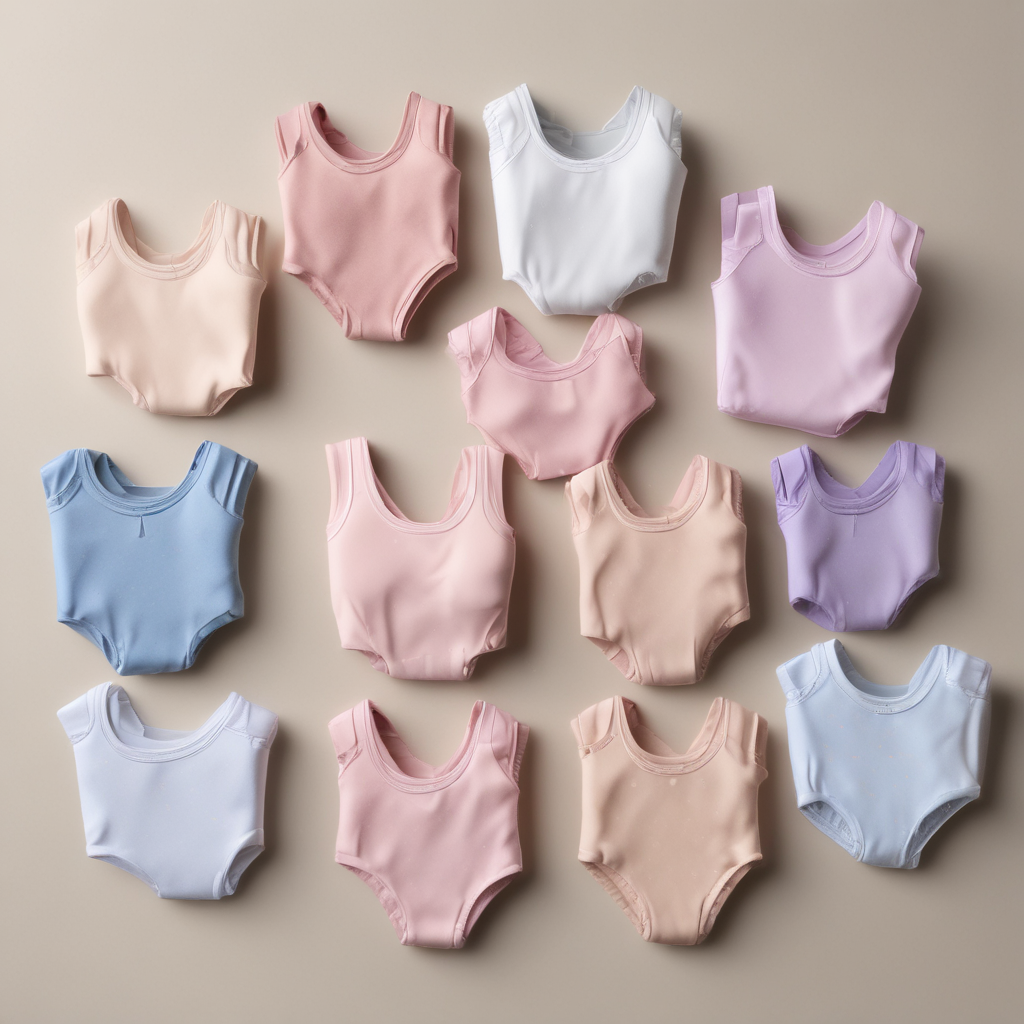
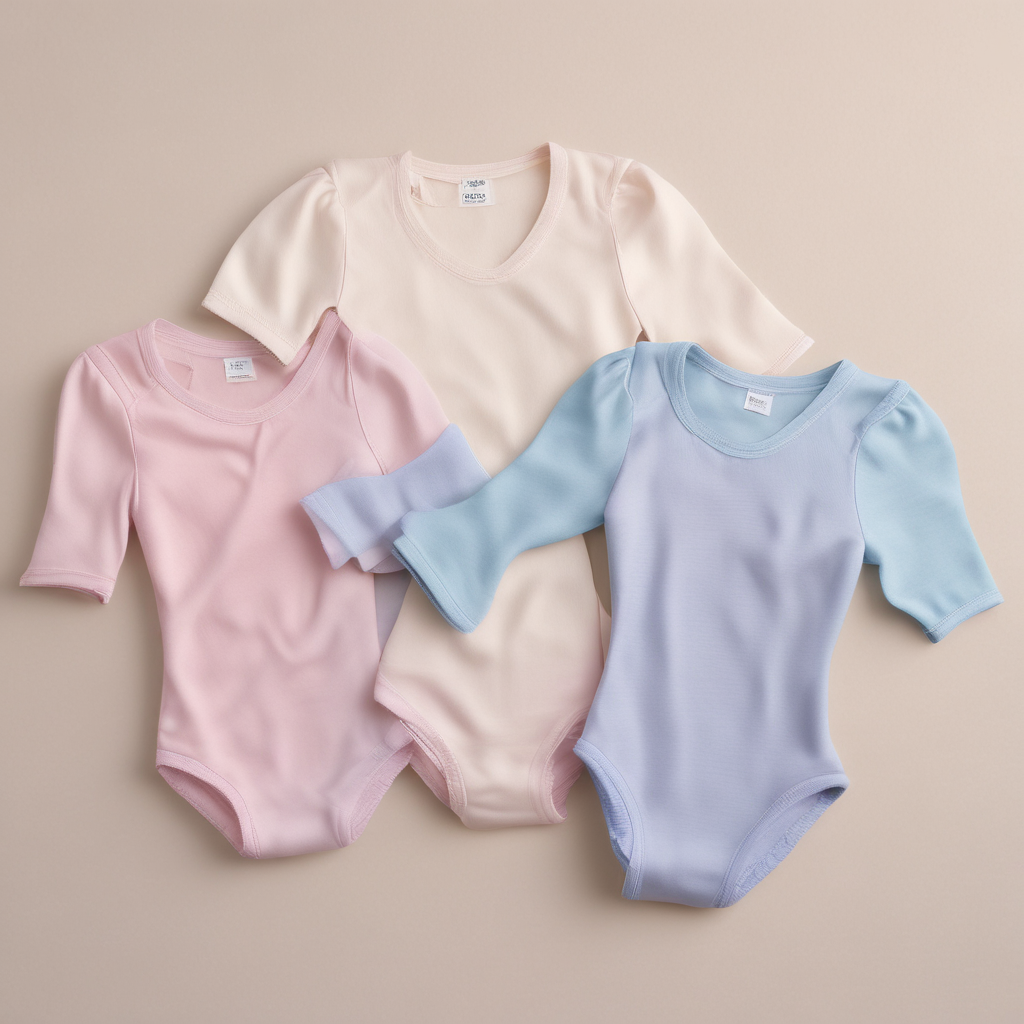
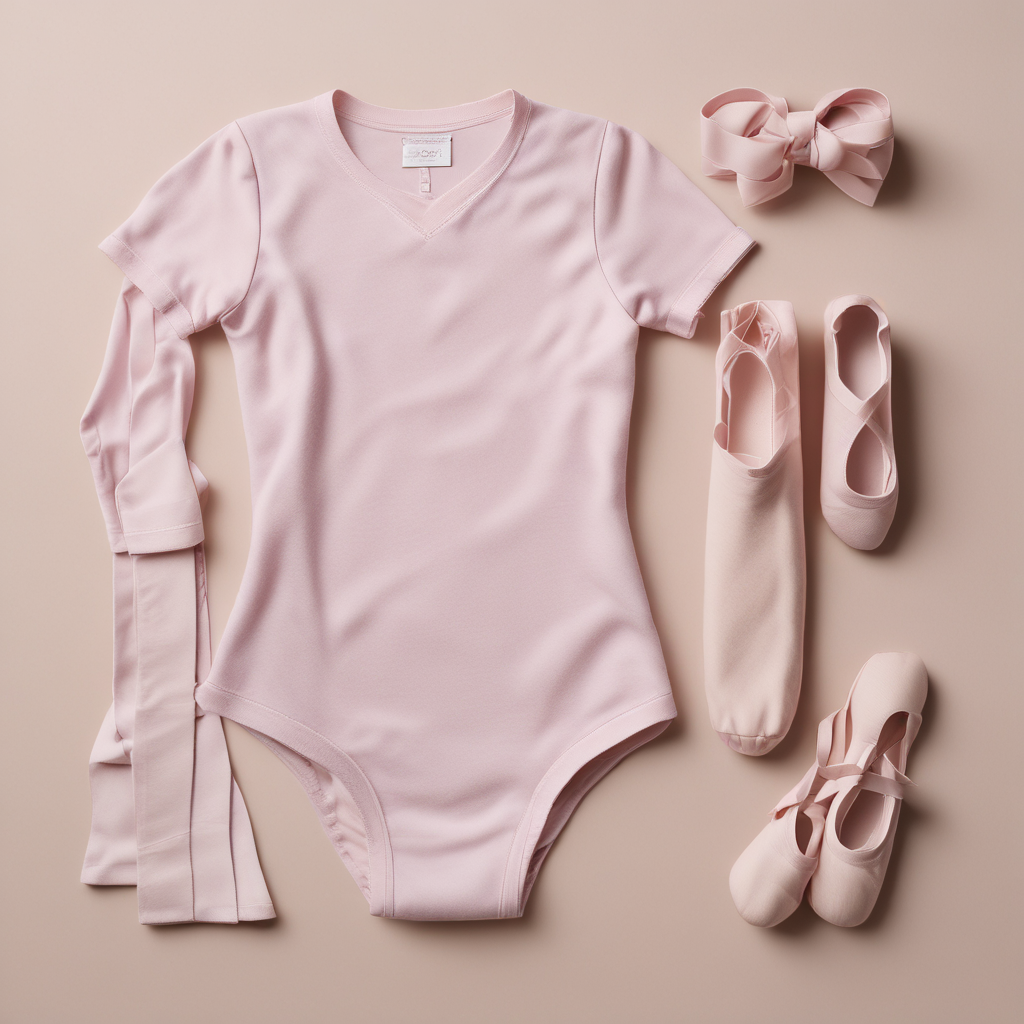
Ballet leotards in different exam board colors - pink, blue and lilac flat lay on cream linen

The three most common ballet examination boards in the UK and internationally — the Royal Academy of Dance (RAD), the Imperial Society of Teachers of Dancing (ISTD), and the British Association of Teachers of Dancing (BATD) — each have their own grading systems and, crucially, their own uniform requirements. If your child is starting at a new school, moving between schools, or you’re simply not sure which board your school uses, this guide explains the key uniform differences.

What Are Exam Boards and Why Do They Set Uniform Rules?

Ballet exam boards are independent organizations that set syllabi, train teachers, and conduct examinations across dance schools worldwide. Each board has its own method, aesthetic, and approach to classical ballet training. The uniform is part of this identity — it allows teachers to identify students by grade quickly and helps maintain a professional, distraction-free class environment.

Most dance schools affiliate with one primary exam board. Some schools offer multiple pathways, but this is less common.

RAD (Royal Academy of Dance) Uniform

RAD is one of the world’s largest ballet examination boards and is particularly widespread in the UK, Australia, and South Africa. The RAD color system is well-established:

  • Pre-Primary: Candy pink short-sleeve leotard, pink tights, canvas shoes
  • Primary: Candy or pale pink leotard, pink tights
  • Grade 1: Pale blue leotard (varies by school)
  • Grades 2–3: Blue or airforce blue leotard
  • Grades 4–5: Lilac leotard
  • Grades 6–8: Purple or burgundy leotard
  • Vocational: Black or dark leotard

All grades: pink footed or convertible tights, pink or skin-tone canvas or leather ballet shoes, elastic belt (in lower grades), neat bun.

ISTD (Imperial Society of Teachers of Dancing) Uniform

ISTD’s Classical Ballet syllabus has a different color progression than RAD. While the exact specifications are set at school level within ISTD guidelines, common patterns include:

  • Primary Ballet: typically a pale pink or white leotard
  • Grade 1–2: pale blue or white
  • Higher grades: colors vary significantly by school

ISTD schools have more flexibility in their specific uniform choices than RAD schools, which means more variation between different ISTD-affiliated studios. Always ask your specific school for their dress code rather than assuming from the board’s general guidance.

BATD (British Association of Teachers of Dancing) Uniform

BATD is smaller than RAD and ISTD but has a strong presence in certain regions. BATD schools typically specify:

  • Leotard colors that may differ from RAD’s system entirely
  • Pale or white leotards are more common in BATD’s classical ballet pathway in the early grades
  • Specific styles that align with the BATD aesthetic

As with ISTD, there is significant school-level variation. Ask the teacher or check the school handbook for the specific requirements.

What to Do When Switching Schools or Exam Boards

If your child moves from an RAD school to an ISTD or BATD school (or vice versa), their existing leotard will likely be the wrong color. The transition process:

  1. Get the new school’s written uniform policy before buying anything
  2. Ask about a grace period — most schools give 2–4 weeks for new students to obtain the correct uniform
  3. Don’t assume your existing dancewear is compatible even if the grade level is similar

Frequently Asked Questions

How do I find out which exam board my child’s school uses?

Ask the teacher or check the school’s website. The exam board is usually listed in the “About” section or in the registration materials. You can also look for logos on the studio wall or ask about upcoming examination dates and who conducts them.

My child’s school uses RAD but a friend’s uses ISTD. Can they share leotards?

Only if the colors happen to match the requirements at each school — which is unlikely. The color systems differ between boards and also between individual schools within a board, so sharing is usually not practical.

Does it matter which exam board a school uses?

Each board has a respected, well-developed syllabus. The right choice depends on the quality of the individual school and teacher rather than the board itself. RAD is the most internationally recognized, which can be helpful if you move countries frequently.

Posted on

Ballet Uniform Rules: What Teachers Enforce and Why

Complete RAD ballet class uniform flat lay with leotard tights shoes and belt on cream linen

If you’ve attended a ballet parents’ meeting or read a dance school handbook, you may have been surprised by the level of detail around uniform: specific leotard colors, particular tights, hair in a bun with no flyaways, no jewelry, no logos. For parents new to ballet, this can feel excessive. But every rule in a ballet dress code exists for a reason — and understanding those reasons makes it much easier to get your child dressed correctly every week.

Hair Must Be Secured Away from the Face

Hair in a ballet class must be completely off the face and neck, typically in a neat bun. This rule exists for several reasons:

  • Safety — loose hair can get caught in a partner’s hands during supported work
  • Visibility — teachers need to see the line of the neck, the head position, and the angle of the jaw in profile
  • Focus — repeatedly moving hair out of the face breaks concentration for the student and the class
  • Professional habit — ballet training builds discipline alongside technique, and personal presentation is part of that

Even at Pre-Primary level, hair should be in a bun. For young children with fine hair, clips or a snood may supplement the bun. For tips on achieving a secure bun, see our step-by-step ballet bun guide.

Grade-Specific Leotard Colors

Teachers enforce grade colors because they allow at-a-glance identification of each student’s level. In a mixed-age waiting room or a school with multiple classes at the same time, a teacher can look across the room and immediately see who belongs in which class. More importantly, it removes the distraction of students comparing outfits and focuses attention on movement.

The color system also motivates students — wearing a new color is a tangible sign of promotion and achievement.

No Jewelry in Class

Rings, necklaces, bracelets, and earrings are not permitted in most ballet classes. Stud earrings may be acceptable at some schools if they’re small and flat. The reasons are practical:

  • Necklaces and bracelets can catch on a partner during partnering work
  • Rings can scratch a partner’s skin in contact work
  • Dangling earrings can be pulled out accidentally
  • Shiny or decorative items distract other students

Specific Tights and Shoes

The tights-and-shoes rule isn’t about aesthetics — it’s about uniformity of line. A class in which every student is wearing the same color tights and shoes is visually coherent, allowing the teacher to assess group alignment and symmetry efficiently. Mismatched footwear or tights of different deniers makes the leg line inconsistent and distracts from technique assessment.

No Logos or Branded Casual Wear

Many schools do not permit branded activewear in class — no sports brand logos, no printed t-shirts, no casual gym shorts. This is part of creating a focused, professional environment distinct from a gym or recreation center. Ballet class is a studio, not a playground, and the dress code helps reinforce that distinction for young students.

Talking to Your Child’s School About the Dress Code

If you’re struggling to find a particular item, or if a rule seems unclear, the best approach is to ask the teacher or administrator directly. Most schools are accommodating when a parent is genuinely trying to comply — they’re far less understanding when a parent consistently ignores the policy without explanation.

Frequently Asked Questions

My daughter has sensitive skin and can’t wear certain fabrics. What should I do?

Speak to the teacher privately. Most schools will accommodate genuine medical or sensory needs — they need to know the situation to offer alternatives. Bring a doctor’s note if the school requests one.

Can my son wear shorts to ballet class instead of dance tights?

Some schools allow boys to wear dance shorts or joggers rather than tights, especially in the early grades. Check the specific school’s policy — boys’ uniform rules often differ from girls’.

My daughter’s leotard fits but the teacher says it’s the wrong color. How does this happen?

Leotard shades can look different on screen vs in person. If you ordered online and the color doesn’t match, compare it to the school’s swatch before wearing it to class. Most schools would prefer you return it and get the right shade rather than letting it slide.

Posted on

RAD Vocational Graded Ballet Uniform: What to Buy

RAD Vocational Graded examinations — Intermediate Foundation, Intermediate, Advanced Foundation, Advanced 1 and Advanced 2 — mark a significant step up from graded work. At this level, the uniform is more tailored, the expectations more precise, and the stakes higher. This guide covers everything a student and parent needs to know when purchasing for vocational examinations.

What Is the RAD Vocational Graded Syllabus?

Vocational Graded exams sit above the Grade 1–8 series and are designed for students pursuing ballet seriously, typically from around age 13 upwards. They prepare dancers for professional training pathways. The exams assess technical precision, artistry and musicality at a level beyond graded work.

There are five vocational levels in order:

  1. Intermediate Foundation (IF)
  2. Intermediate
  3. Advanced Foundation (AF)
  4. Advanced 1 (Adv 1)
  5. Advanced 2 (Adv 2)

Leotard Requirements at Vocational Level

The RAD specifies particular leotard colours and styles for vocational examinations. These differ by level and are updated with each syllabus edition, so always confirm with your teacher before ordering.

As a general guide under current RAD specifications:

  • Intermediate Foundation and Intermediate: Typically a mid-blue or sky-blue leotard
  • Advanced Foundation: A darker or richer blue tone, often royal or sapphire
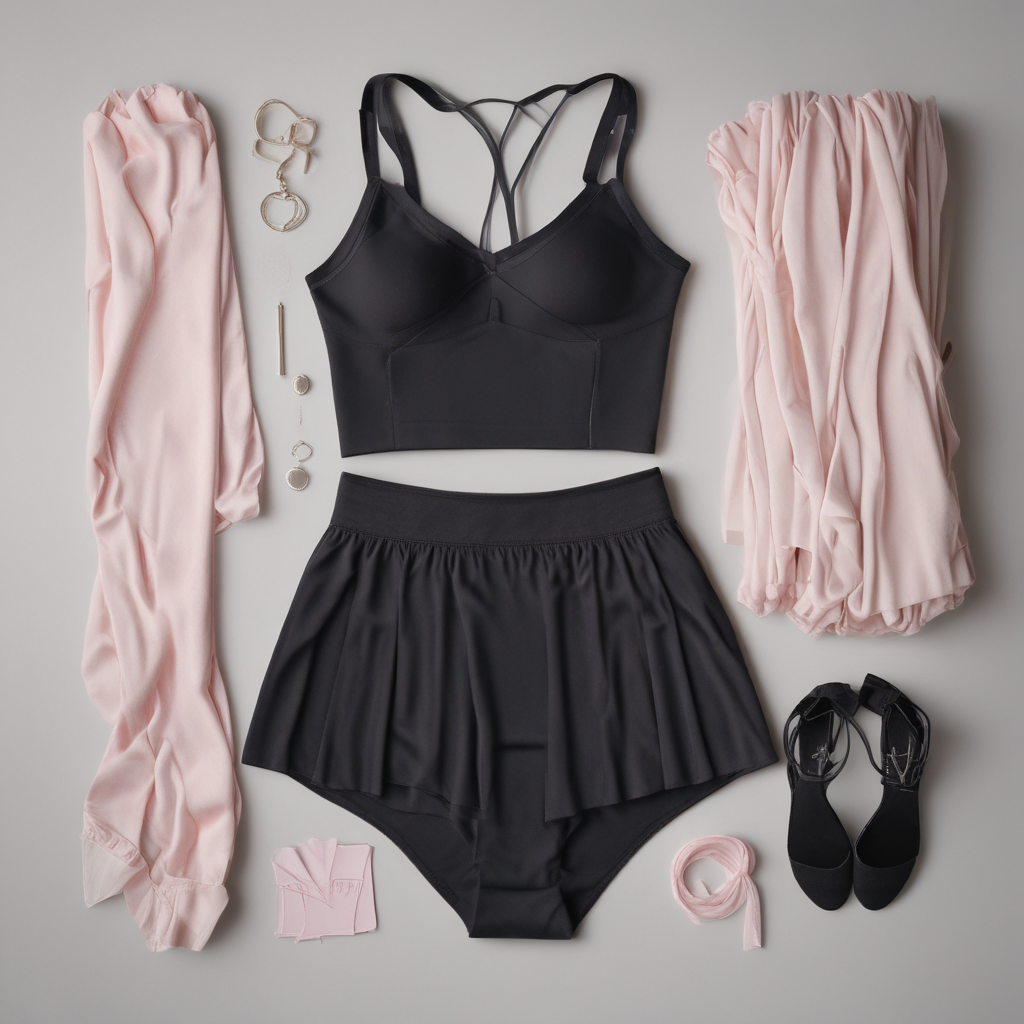
  • Advanced 1 and Advanced 2: Black camisole leotard is standard at these levels

Leotard style matters at vocational level. A camisole (sleeveless, low-back) cut is the norm for most vocational exams, as it allows examiners to assess alignment, shoulder placement and upper-body lines clearly. Avoid decorative details such as lace trims, bows or mesh panels unless specified by your school.

Skirt and Tutu Requirements

At vocational level, students typically wear a long or short mesh practice skirt depending on the specific exam. For most vocational graded exams, a black or matching-colour wrap skirt in chiffon or georgette is worn. Some schools use a short classical tutu for specific sections.

Always confirm the skirt style and length required for your student level directly with the teacher, as requirements can vary by school.

Ballet Shoes for Vocational Students

By the time a student reaches vocational level, they are almost certainly on pointe. Pointe shoes are required for all female vocational exam candidates, and the fitting must be professionally done. Do not attempt to select pointe shoes without a trained fitter, as poorly fitted shoes cause injury.

Male vocational students typically wear black full-sole or split-sole canvas ballet shoes. White canvas or leather shoes may be specified for certain syllabus sections — check with your teacher.

Tights and Accessories

Pink ballet tights (not theatrical pink — standard pink) are standard for female vocational students. Fishnet tights are worn in some character sections. A white or nude-tone leotard undergarment is sometimes worn underneath, and a ballet belt is typically worn at vocational level to emphasise line and correct uniform appearance.

Hair must be in a neat, secure ballet bun at all times during vocational examinations. Use a hair net, pins and bun spray as needed.

Where to Buy Vocational Ballet Uniform

Vocational students usually need a higher-specification version of standard items: a better-fitting leotard, more reliable pointe shoes, and polished accessories. At Zoe Dancewear, our leotard range includes black camisole styles with clean finishes suitable for Advanced 1 and Advanced 2 examinations. Our elastic belts, chiffon skirts and hair accessories are used by vocational students in multiple countries.

Frequently Asked Questions

Do vocational RAD exams have stricter uniform rules than graded exams?

Yes. At vocational level, the RAD typically specifies exact leotard colours per exam level, and examiners look at presentation as part of the overall assessment. The tolerance for variation is lower than at graded level. Always confirm exact requirements with your teacher before purchasing.

Can a student wear the same leotard for all vocational exams?

No. The leotard colour changes at different vocational levels. A student progressing from Intermediate Foundation to Advanced 2 will need different leotards for at least two or three levels. Plan for this when budgeting.

When should pointe shoes be fitted for a vocational exam?

Allow at least 6–8 weeks before the exam date for a professional fitting, breaking in the shoes, and teacher approval of the fit. Last-minute fittings often result in poorly broken-in shoes that affect technique during the exam.

Is a ballet belt compulsory at vocational level?

It is not always specified in the RAD syllabus uniform notes, but many teachers require it as part of correct presentation. A smooth, matching-colour elastic belt helps define the waist line and is standard practice at advanced levels.

Posted on

How to Order Ballet Uniforms for a Dance School: A Teacher’s Guide

Ballet school uniform ordering guide – stacked ballet leotards in multiple grade colours

Managing ballet uniform ordering for an entire school or studio is a different challenge from helping a single family buy the right leotard. Teachers and studio managers need to plan ahead, communicate clearly with parents, manage multiple grade requirements simultaneously, and handle the inevitable last-minute requests. This guide covers how to do it efficiently.

Planning Your Annual Uniform Order

The most efficient approach is to plan uniform needs at the beginning of each academic year. At that point, you know:

  • Which students are moving to a new grade (and therefore need new uniform colours)
  • Which new starters are joining (who need a complete starter kit)
  • Which students have outgrown last year’s uniform and need replacements

Sending a uniform requirements form to parents at the start of each year — listing the required items, colours and sizes for each grade — allows you to anticipate demand and place consolidated orders rather than dealing with individual family requests throughout the term.

Creating a Uniform Requirements List

Your uniform list should specify, for each grade or class level:

  • Leotard colour and style (e.g. “Sky blue tank-top leotard”)
  • Tights colour and style (e.g. “Pink footed ballet tights”)
  • Shoe type and any brand specifications
  • Skirt or dress requirements, if applicable
  • Belt colour and any accessories required
  • Hair requirements (bun, accessories, colour of ribbon if specified)
  • Exam-specific items for examination terms

Including product links from a trusted supplier reduces confusion and ensures parents buy the correct items.

Choosing a Ballet Uniform Supplier

When selecting a supplier for school orders, consider:

  • Stock consistency: Can the supplier reliably fulfill orders for the same item across a full academic year? Colour and style changes between batches cause visual inconsistency in class.
  • Size range: Does the supplier carry a full range of children’s and adult sizes?
  • Bulk pricing: Does the supplier offer school or volume pricing?
  • Returns policy: Can you exchange sizes if a student’s items do not fit?
  • Shipping speed and reliability: A supplier who takes 3 weeks to deliver is not useful for urgent term-start orders.

Handling Parent Orders: Two Approaches

There are two common models for school uniform management:

1. Centralised School Ordering

The school collects sizes and payments from parents, places one consolidated order, and distributes items to students. This gives more control over what is purchased and ensures uniformity, but adds administrative burden to teachers or admin staff.

2. Direct Parent Ordering

The school specifies the required items with supplier links, and each family orders directly. This removes the admin burden from the school but requires clearer communication to ensure parents buy exactly the right items.

A hybrid approach — the school manages starter kits and grade changes centrally, parents handle replacements directly — often works well for established schools.

Managing Exam Term Ordering

Examination terms require additional planning. Extra items often needed for exam terms:

  • Exam number bibs if your centre uses them
  • Character shoes and character skirts for relevant grades
  • Grade-specific accessories (belts, bows, ribbons)
  • Replacement tights and shoes for students who have outgrown or damaged theirs

Order exam items at least 6 weeks before the examination date. Last-minute orders risk late delivery and student stress.

Communicating with Parents

Clear, specific communication prevents the most common school uniform problems. Avoid vague descriptions like “pink leotard” — specify the exact shade and style. Include photos where possible. Confirm a deadline by which orders must be placed if you are using centralised ordering.

Frequently Asked Questions

How far in advance should schools place bulk orders?

For standard in-stock items, 2–3 weeks before the start of term is usually sufficient. For custom or branded items, allow 4–6 weeks. For examination terms, place orders at least 6 weeks before the exam date.

Can we get custom branding on uniforms?

Some suppliers offer custom branding on selected items such as bun kits, bags and accessories. The minimum order quantity for custom branding is typically 20–50 units depending on the item. Contact the supplier to confirm which items are available for branding and what the lead time is.

What is the best way to handle exchanges for wrong sizes?

Establish a clear exchange policy at the start of the year. For centralised orders, request a 10% size buffer — extra small and large sizes — to handle exchanges without requiring a new order. Confirm the supplier’s exchange policy with parents upfront so expectations are clear.

How do I handle students who cannot afford uniform?

Many schools maintain a small stock of second-hand or spare uniform items for families in financial difficulty. Some exam boards and dance education charities also provide hardship funds. Handle this sensitively and privately to protect the child’s dignity.

Posted on

Ballet Uniform Policy: What to Include in Your School’s Dress Code

Ballet school dress code policy – ballet uniform items arranged formally on white background

A clear, written uniform policy saves teachers time, reduces parent confusion, and ensures students are correctly dressed for class and examinations. Without a policy, questions about what is acceptable — and what is not — arise repeatedly throughout the year. This guide covers what to include in a ballet school dress code.

Why a Written Uniform Policy Matters

A written policy provides a reference point for teachers, parents and students that removes ambiguity. When a parent asks whether their daughter can wear a lilac leotard instead of royal blue, the answer is in the policy, not subject to individual negotiation. A consistent dress code also:

  • Creates a professional learning environment in which students focus on technique rather than appearance
  • Allows teachers to see body alignment and technique clearly
  • Teaches students discipline and respect for the class environment
  • Prepares students for the standards expected in examination and professional settings

What Your Uniform Policy Should Cover

1. Required Items by Class Level

List the specific required items for each class level or grade group. For each item, specify:

  • The item type (leotard, tights, shoes)
  • Colour — exact shade where possible (“ballet pink” or “RAD-approved royal blue” is clearer than “blue”)
  • Style (e.g. “camisole/wide-strap, no decorative panels” or “full-sole only for Pre-Primary”)
  • Where applicable, approved brands or suppliers

2. Hair Requirements

Specify how hair must be worn for class and examinations separately if requirements differ. Common requirements include:

  • Hair above the collar must be tied back (minimum)
  • All hair in a secure ballet bun for class from a specified grade onwards
  • No loose hair during barre or centre work
  • Grade-specific accessories (ribbons, bows) for examination terms

3. Jewellery and Accessories

Specify what is and is not permitted. Most schools allow:

  • Small stud earrings (sleepers) or no jewellery at all
  • No rings, bracelets or necklaces during class
  • No nail polish (or clear only) for class

4. Footwear Rules

Specify the required footwear for each class type and the rules around shoe hygiene. Important points:

  • Whether students may enter the studio in outdoor shoes (usually not — this protects sprung floors)
  • Whether split-sole shoes are permitted or when they are introduced
  • Pointe shoe policy — when students may begin pointe work and the approval process

5. Examination Uniform Specifications

Examination uniform is often more precisely specified than class uniform. Include a separate section for each examination grade listing:

  • The exact leotard colour and style for each grade
  • Any additional items required (belt, bow, skirt, character shoes)
  • Hair requirements for the exam day
  • Jewellery and makeup policy for examinations

6. Warm-Up and Streetwear Policy

Clarify what is acceptable to wear before and after class but not during class. Most schools allow:

  • Ballet wrap cardigan or knit warm-up top during the warmup portion of class
  • Leg warmers worn during the warm-up only
  • No outdoor clothes or school uniform in the studio

7. Consequences of Non-Compliance

State clearly what happens if a student arrives without correct uniform. Common approaches:

  • A reminder is issued and the student participates in class but the situation is logged
  • For repeated non-compliance, a written note is sent home to parents
  • For examinations, arriving in incorrect uniform may affect the presentation grade

How to Communicate the Policy

A policy is only effective if parents and students have read it. Distribute it:

  • As part of the enrolment pack for all new students
  • In a dedicated section of the school website or parent portal
  • As a reminder email at the start of each term
  • As a concise printed summary pinned to the changing room noticeboard

Review and update the policy at least once per year, especially when the RAD or other exam boards issue updated syllabus uniform specifications.

Supplier Information in Your Policy

Including direct links to recommended products in your policy — or maintaining a page on your website with approved products and links — dramatically reduces the number of parent enquiries about where to buy items. A list of approved products also prevents parents from buying from the wrong supplier and arriving with items in the wrong shade or style.

Frequently Asked Questions

How detailed should a ballet school dress code be?

Detailed enough to answer the most common parent questions, but not so long that it will not be read. A well-structured policy of 1–2 pages, with a summary table of requirements by grade, strikes the right balance. Parents are more likely to read and follow a concise, clear document than a lengthy policy.

Should the dress code be legally binding?

Dress codes for private dance schools are generally enforceable as a condition of enrolment, not as a legal contract. The policy should be included in or referenced by the enrolment agreement that parents sign when registering.

What if a parent disagrees with the uniform requirements?

Explain the reasoning behind the requirements — alignment visibility, RAD specification, professional standards — and refer them to the written policy. Where the requirement is an RAD specification, direct parents to the RAD website for confirmation that the requirement comes from the exam board, not the school’s personal preference.

How do I handle requests for religious or medical uniform modifications?

These should be handled sensitively on a case-by-case basis. Common accommodations include allowing opaque tights under a leotard, or permitting a sports hijab in a school-appropriate colour. Document any agreed accommodations in writing to ensure consistency.

Posted on

What Is a Character Skirt? A Ballet Parent’s Guide

What Is a Character Skirt? A Ballet Parent's Guide

Short answer: What Is a Character Skirt? A character skirt is the black mid-length skirt worn by female ballet students for the character and national dance sections of their class and examinations.

What Is a Character Skirt?

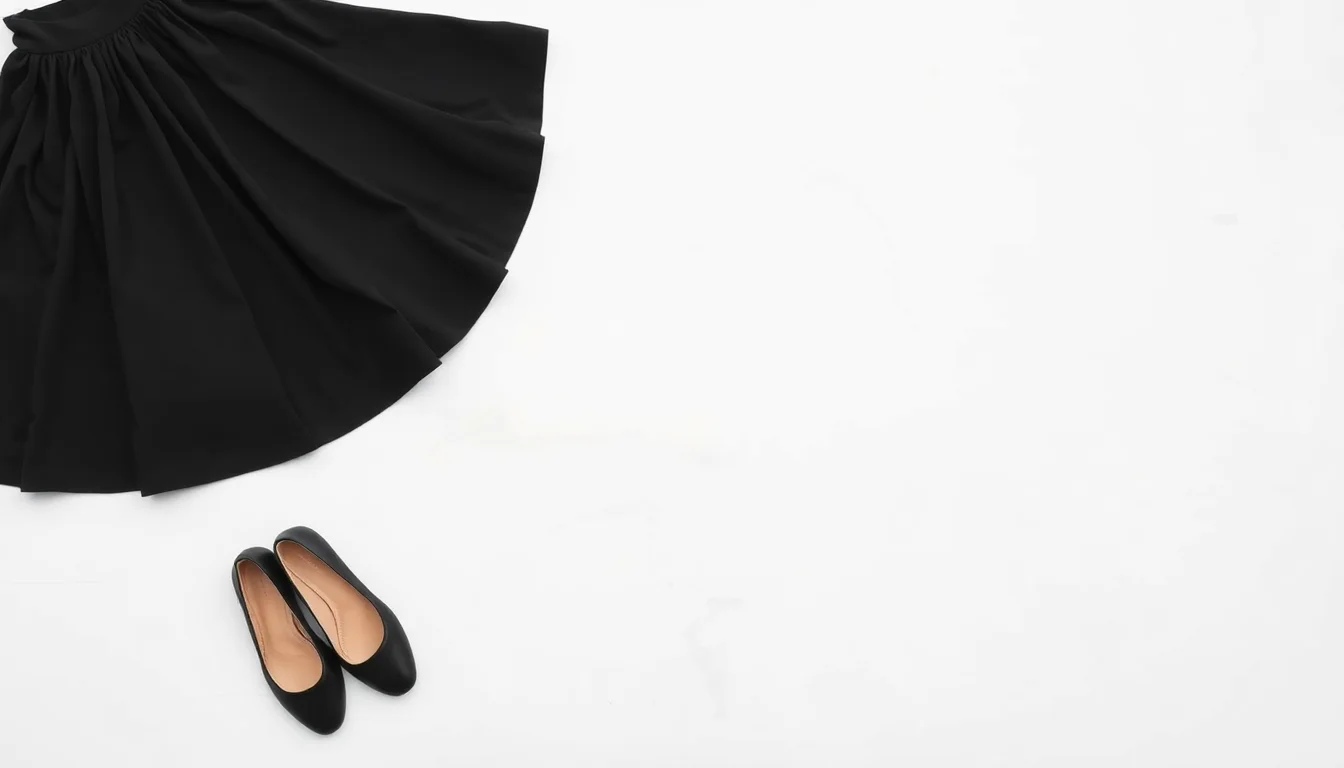
A character skirt is the black mid-length skirt worn by female ballet students for the character and national dance sections of their class and examinations. In the Royal Academy of Dance (RAD) syllabus, it is introduced at the Primary grade and remains part of the required uniform through all subsequent grades.

Character dance — also called national dance — draws on folk dance traditions from countries such as Hungary, Russia, Poland, and Spain. The character skirt replaces the free-flowing tutu of classical ballet with a more structured, practical garment that suits the stronger, earthier movements of character work.

What Does a Character Skirt Look Like?

A standard RAD character skirt is:

  • Black — the required colour across all RAD grades
  • Mid-length — falling to just below the knee or at the mid-calf, depending on the grade
  • Slightly flared — with enough volume to move during turns and kicks, but not a full circle skirt
  • Firm fabric — typically a polyester or cotton blend that holds its shape rather than floating loosely

Some character skirts have a decorative trim at the hem — a narrow ribbon or braid band in a contrasting colour. The RAD uniform specifications for each grade will confirm whether a trim is required.

When Is the Character Skirt Introduced?

The character skirt is introduced at the RAD Primary grade, when students are typically aged five to seven. At this level, students perform their first simple character exercises as part of the examination syllabus. From Primary onward, the skirt remains a permanent part of the class uniform alongside the grade-specific leotard and character shoes.

What Is a Character Skirt Worn With?

A character skirt is always worn:

  • Over the grade-specific leotard and pink ballet tights
  • With character shoes — not soft ballet shoes. Character shoes have a low Cuban or Spanish heel and a strap across the instep.
  • Without a separate wrap skirt or additional layers for examinations

During classical sections of the class (pliés, tendus, pointe work), the character skirt is typically removed and the student works in just their leotard and tights.

How Should a Character Skirt Fit?

The character skirt should sit at the natural waist and fall to approximately mid-calf or just below the knee. It should be comfortable enough to allow full hip and leg movement — high kicks, stamps, and turns — without being so loose that it moves erratically. Most character skirts fasten with a button or hook and eye at the back waist or with an elasticated waistband for younger students.

Check the RAD’s current published uniform specifications for the exact hemline length required for your child’s grade, as this can vary slightly.

How to Care for a Character Skirt

  • Machine wash on a gentle cycle at 30°C
  • Hang to dry — do not tumble dry, as heat can damage the fabric and cause shrinkage
  • Iron on a low setting if needed; hang after ironing to cool flat
  • Store hanging or folded flat — avoid cramming into a bag to prevent creasing

Frequently Asked Questions

What is a character skirt in ballet?

A character skirt is the black mid-length skirt required for character and national dance sections of RAD ballet classes and examinations. It is introduced at the Primary grade and is worn with character shoes rather than soft ballet shoes.

What grade do you start wearing a character skirt?

In the RAD syllabus, the character skirt is introduced at the Primary grade. This is typically for children aged five to seven. It continues to be worn from Primary through all subsequent grades.

What colour is a character skirt?

The standard RAD character skirt is black. Some grades may require a decorative trim at the hem; always check the RAD’s current published uniform requirements for the specific grade.

What are character shoes?

Character shoes are low-heeled shoes worn for character dance. They have a small Cuban or Spanish heel (typically 1–4 cm) and a strap across the instep. They are different from soft ballet shoes and are required for character sections of RAD examinations.

Can my child wear their character skirt for the whole ballet class?

The character skirt is usually worn only for the character sections of class and examinations. During classical ballet work (barre exercises, pointe work, centre work), the skirt is typically removed and the student works in their leotard and tights alone.

Posted on

Ballet Dress vs Leotard: When to Wear Each

Ballet Dress vs Leotard: When to Wear Each

Short answer: What Is the Difference? A leotard is the standard close-fitting base garment worn in ballet class. It covers the torso and may have long sleeves, short sleeves, cap sleeves, or be sleeveless, but…

What Is the Difference?

A leotard is the standard close-fitting base garment worn in ballet class. It covers the torso and may have long sleeves, short sleeves, cap sleeves, or be sleeveless, but it has no attached skirt. A ballet dress combines a fitted leotard bodice with an attached skirt — an all-in-one garment ideal for younger students.

When Is a Ballet Dress Worn?

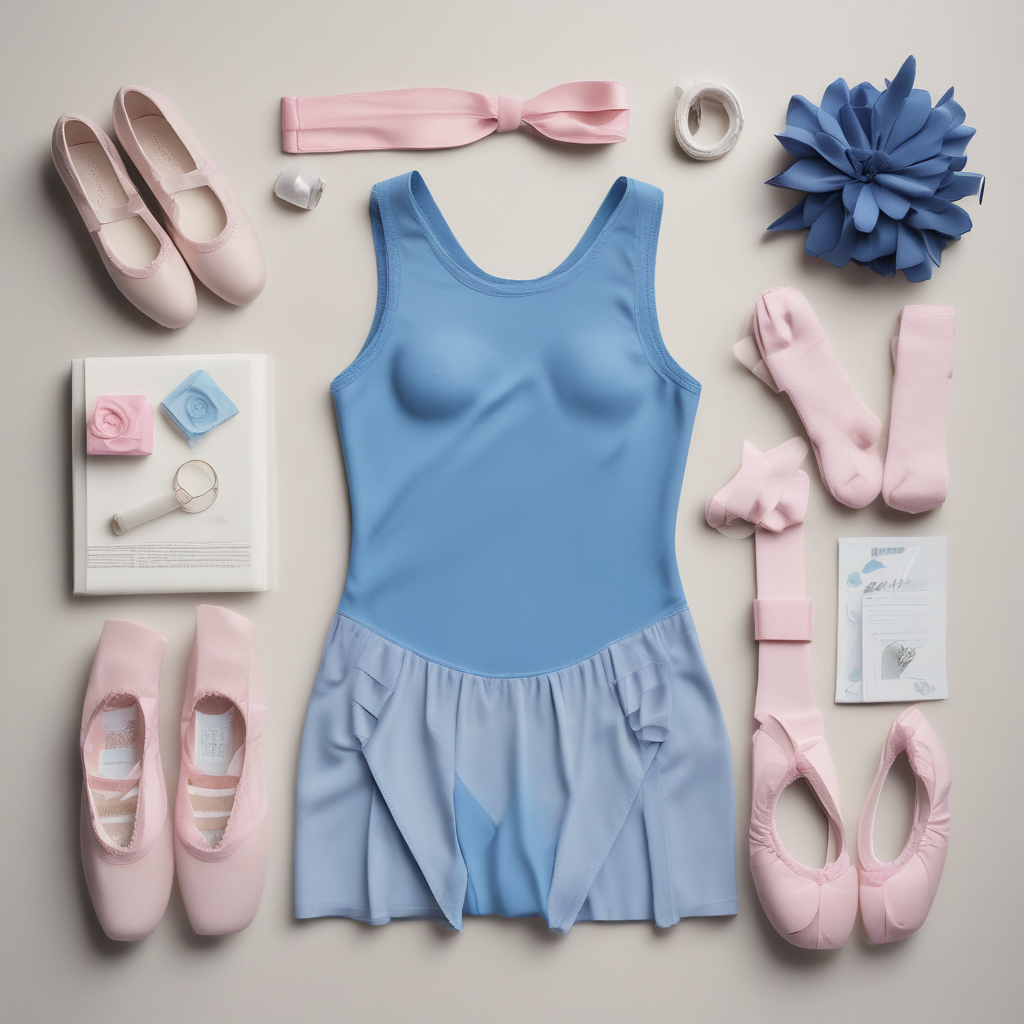
Ballet dresses are most commonly worn by younger students — typically those in the Pre-Primary and Primary grades of the RAD syllabus (children aged approximately three to seven). The dress gives a neat, easy-to-manage look and is ideal for class performances, photos, and demonstrations. Pale pink is the most common colour for beginners. Ballet dresses are also used for:

  • End-of-year shows and informal performances
  • Photo days
  • Festival and competition classes for younger ages

When Is a Plain Leotard Worn?

As students progress to Grade 1 and above, most schools transition to plain leotards worn with separate skirts or without a skirt. This allows the teacher a clear view of the student’s body alignment, hip placement, and leg lines — essential for technical training. Plain leotards with tights and no skirt are standard for:

  • Technical RAD examination classes
  • Higher-grade ballet training
  • Pointe work
  • Stretch and conditioning sessions

RAD Dress Code Summary

  • Pre-Primary: Pink ballet dress, pink tights, pink soft shoes
  • Primary: Pale blue leotard or dress, black character skirt, pink tights
  • Grade 1 upward: Grade-specific coloured leotard; separate skirts may be permitted for warm-up

Always confirm the specific requirements with your child’s school — there is some variation between dance schools.

Frequently Asked Questions

What is a ballet dress?

A ballet dress combines a fitted leotard bodice with an attached skirt in one garment. It is standard attire for younger ballet students in Pre-Primary and Primary grades.

Do older ballet students wear ballet dresses?

Older students typically wear plain leotards. From Grade 1 onward, most RAD schools specify a plain leotard in the grade-specific colour, allowing the teacher to see alignment and technique clearly.

What colour should a ballet dress be?

Pale pink is most common for beginners. The required colour depends on the dance school’s dress code — pale blue is common for Primary grade in RAD schools.

Can my child wear a ballet dress for higher grades?

In most cases, from Grade 1 upward the school will specify a plain leotard rather than a dress. Following the school’s dress code is important for examinations.