RAD Vocational Graded examinations — Intermediate Foundation, Intermediate, Advanced Foundation, Advanced 1 and Advanced 2 — mark a significant step up from graded work. At this level, the uniform is more tailored, the expectations more precise, and the stakes higher. This guide covers everything a student and parent needs to know when purchasing for vocational examinations.
What Is the RAD Vocational Graded Syllabus?
Vocational Graded exams sit above the Grade 1–8 series and are designed for students pursuing ballet seriously, typically from around age 13 upwards. They prepare dancers for professional training pathways. The exams assess technical precision, artistry and musicality at a level beyond graded work.
There are five vocational levels in order:
- Intermediate Foundation (IF)
- Intermediate
- Advanced Foundation (AF)
- Advanced 1 (Adv 1)
- Advanced 2 (Adv 2)
Leotard Requirements at Vocational Level
The RAD specifies particular leotard colours and styles for vocational examinations. These differ by level and are updated with each syllabus edition, so always confirm with your teacher before ordering.
As a general guide under current RAD specifications:
- Intermediate Foundation and Intermediate: Typically a mid-blue or sky-blue leotard
- Advanced Foundation: A darker or richer blue tone, often royal or sapphire
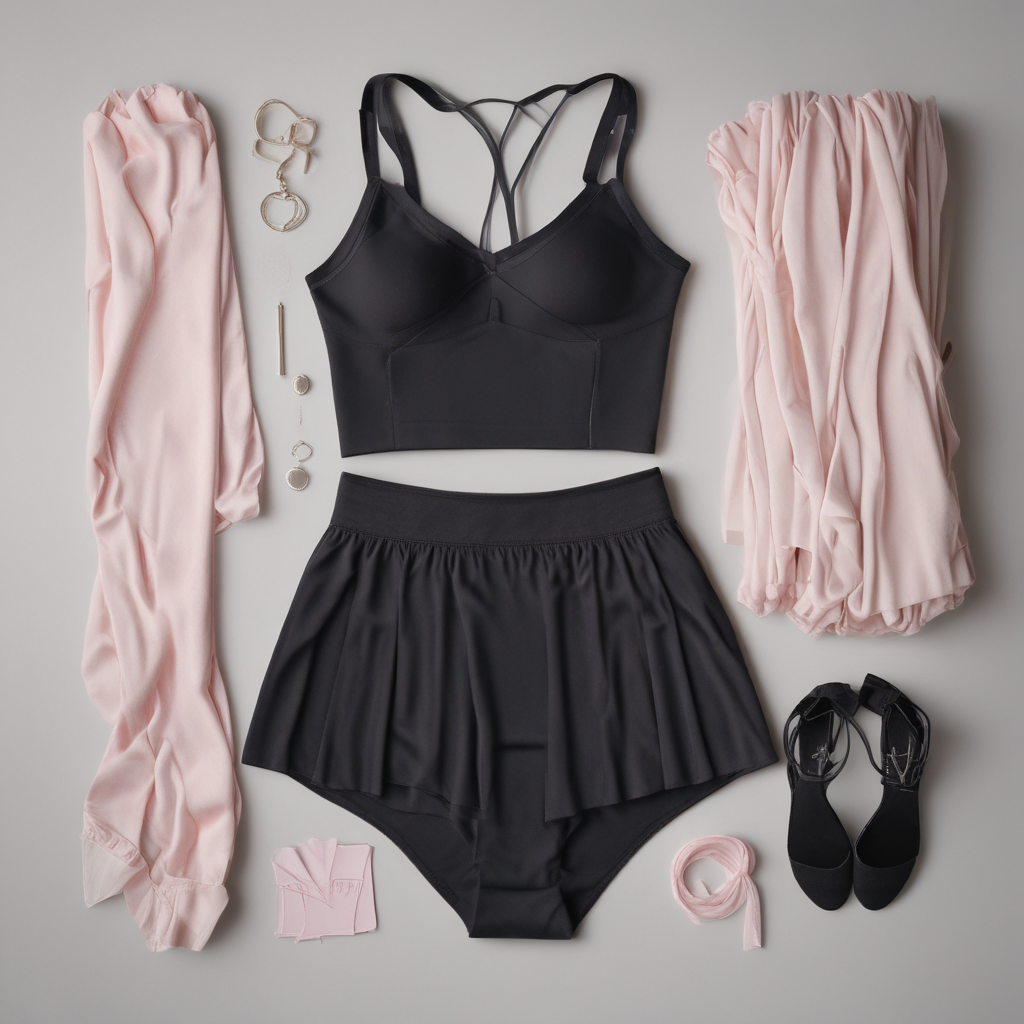
- Advanced 1 and Advanced 2: Black camisole leotard is standard at these levels
Leotard style matters at vocational level. A camisole (sleeveless, low-back) cut is the norm for most vocational exams, as it allows examiners to assess alignment, shoulder placement and upper-body lines clearly. Avoid decorative details such as lace trims, bows or mesh panels unless specified by your school.
Skirt and Tutu Requirements
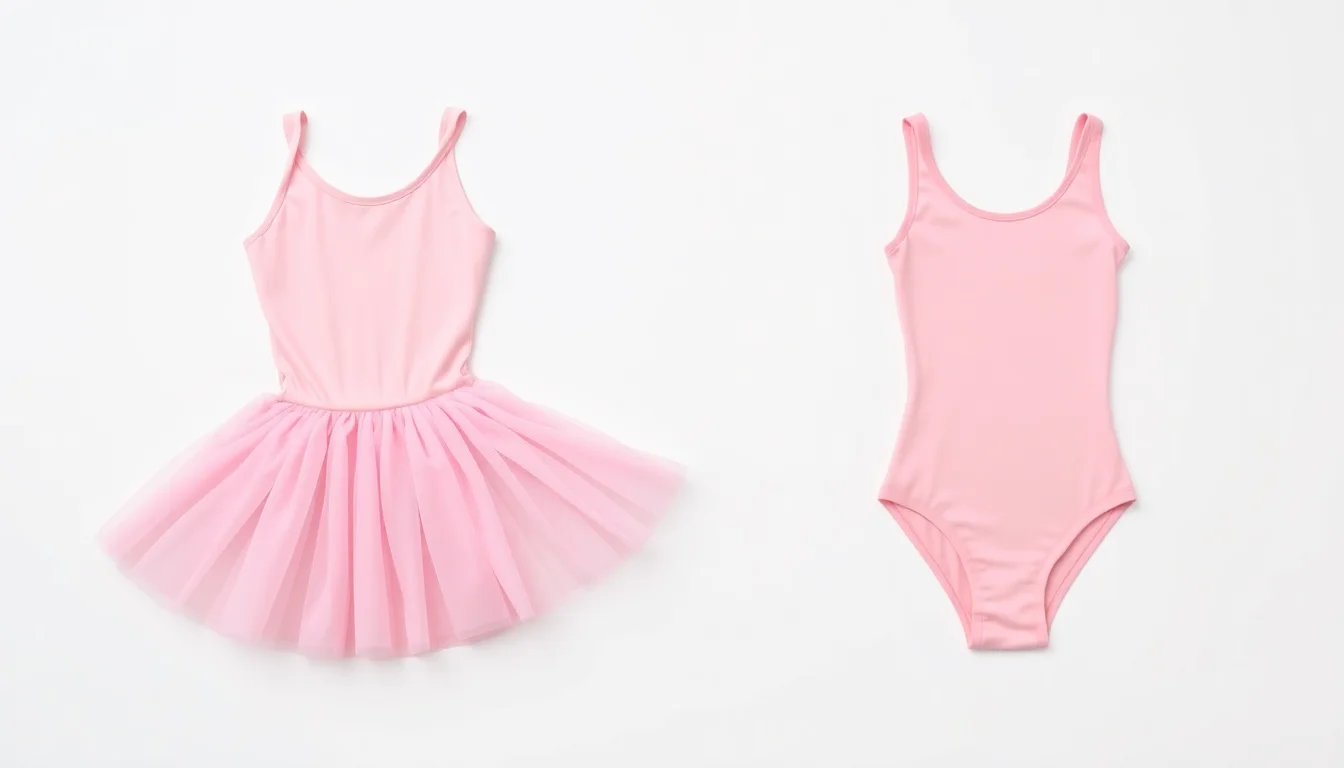
At vocational level, students typically wear a long or short mesh practice skirt depending on the specific exam. For most vocational graded exams, a black or matching-colour wrap skirt in chiffon or georgette is worn. Some schools use a short classical tutu for specific sections.
Always confirm the skirt style and length required for your student level directly with the teacher, as requirements can vary by school.
Ballet Shoes for Vocational Students
By the time a student reaches vocational level, they are almost certainly on pointe. Pointe shoes are required for all female vocational exam candidates, and the fitting must be professionally done. Do not attempt to select pointe shoes without a trained fitter, as poorly fitted shoes cause injury.
Male vocational students typically wear black full-sole or split-sole canvas ballet shoes. White canvas or leather shoes may be specified for certain syllabus sections — check with your teacher.
Tights and Accessories
Pink ballet tights (not theatrical pink — standard pink) are standard for female vocational students. Fishnet tights are worn in some character sections. A white or nude-tone leotard undergarment is sometimes worn underneath, and a ballet belt is typically worn at vocational level to emphasise line and correct uniform appearance.
Hair must be in a neat, secure ballet bun at all times during vocational examinations. Use a hair net, pins and bun spray as needed.
Where to Buy Vocational Ballet Uniform
Vocational students usually need a higher-specification version of standard items: a better-fitting leotard, more reliable pointe shoes, and polished accessories. At Zoe Dancewear, our leotard range includes black camisole styles with clean finishes suitable for Advanced 1 and Advanced 2 examinations. Our elastic belts, chiffon skirts and hair accessories are used by vocational students in multiple countries.
Shop from Zoe Dancewear
Frequently Asked Questions
Do vocational RAD exams have stricter uniform rules than graded exams?
Yes. At vocational level, the RAD typically specifies exact leotard colours per exam level, and examiners look at presentation as part of the overall assessment. The tolerance for variation is lower than at graded level. Always confirm exact requirements with your teacher before purchasing.
Can a student wear the same leotard for all vocational exams?
No. The leotard colour changes at different vocational levels. A student progressing from Intermediate Foundation to Advanced 2 will need different leotards for at least two or three levels. Plan for this when budgeting.
When should pointe shoes be fitted for a vocational exam?
Allow at least 6–8 weeks before the exam date for a professional fitting, breaking in the shoes, and teacher approval of the fit. Last-minute fittings often result in poorly broken-in shoes that affect technique during the exam.
Is a ballet belt compulsory at vocational level?
It is not always specified in the RAD syllabus uniform notes, but many teachers require it as part of correct presentation. A smooth, matching-colour elastic belt helps define the waist line and is standard practice at advanced levels.