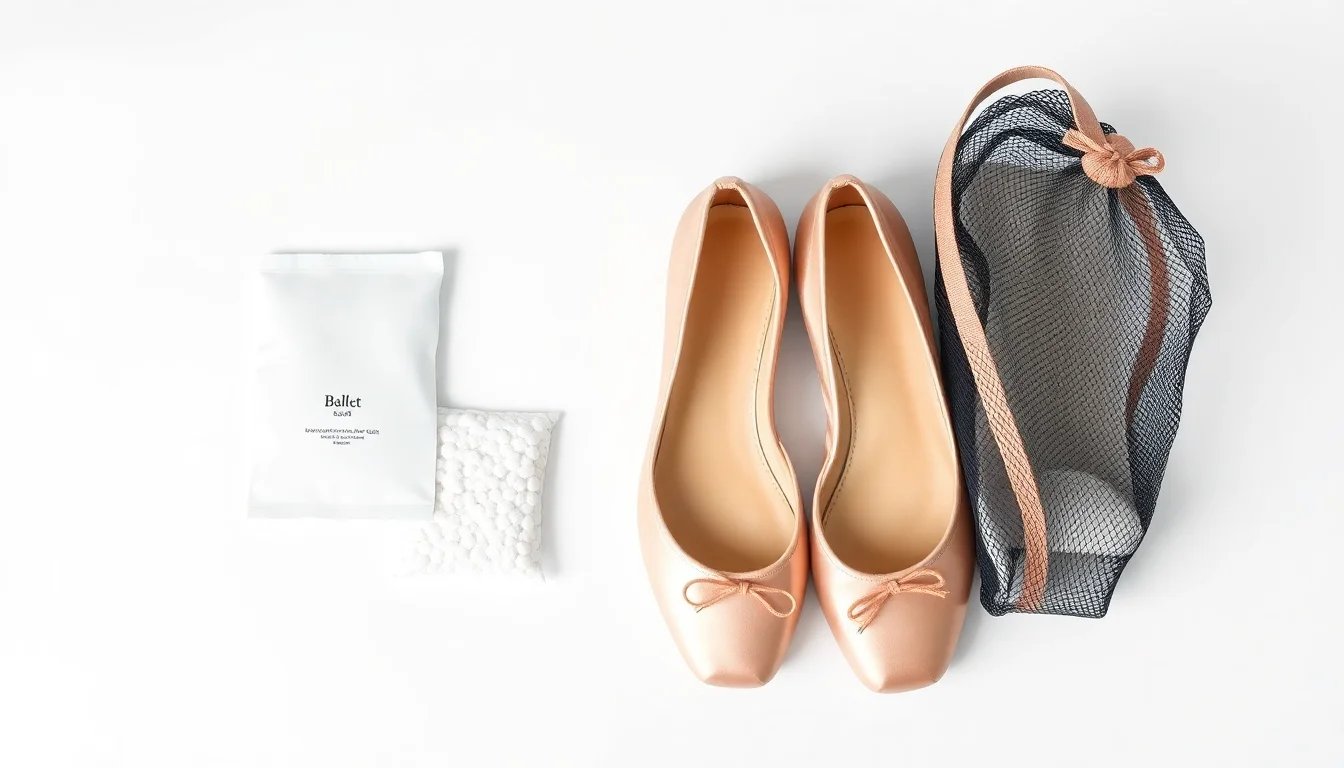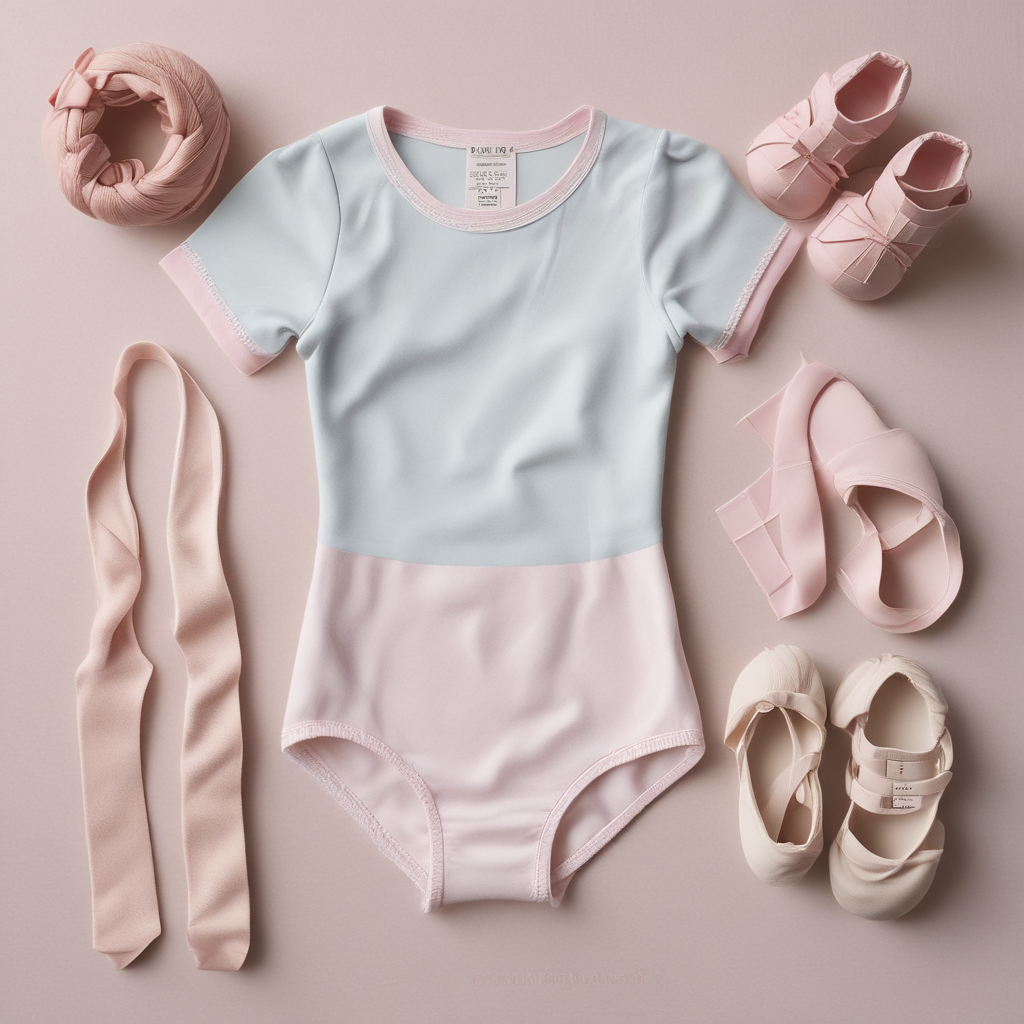
The start of a new ballet term — whether September, January, or after a summer break — is the perfect time to audit your child’s dance kit. Growth spurts, worn-out shoes, and faded leotards have a way of accumulating unnoticed over the holidays. A quick check before the first class saves you the panic of discovering nothing fits on a Tuesday morning.
Check Every Item Against Your Child’s Current Body
Children grow, and ballet kit needs to keep up. Before term starts, have your child try on every item:
- Leotard: Can they move freely at the hips? Are the straps pulling? Is the torso length comfortable? If it’s tight anywhere, it’s time to replace it.
- Tights: Are they still the right size? Tights that are too short pull at the crotch and are distracting in class. Check for holes, pills, and thinning around the knees.
- Ballet shoes: Press gently at the toe end with the child standing — if there’s less than a finger’s width of room, they’re too small. Check the elastic: is it still sewn securely?
- Elastic belt: Does it go around the waist comfortably without digging in? Replace if it’s stretched out or discolored.
- Warm-ups: Wrap cardigans, booties, and leg warmers should fit comfortably over the class uniform.
Are They in the Right Grade This Term?
If your child has been promoted to a new grade, they’ll need a new leotard color. Check with the school in advance — don’t wait for the teacher to tell you at the first class. If there’s been a grade change, allow 1–2 weeks to order the new leotard so it arrives in time.
Stock Up on Consumables
Some items run out and need regular replenishing:
- Hair pins (kirby grips/bobby pins) — these disappear constantly
- Hairnets — replace torn or stretched ones
- Clear hair elastics
- A spare pair of tights (tights get holes at the worst moments)
Refresh the Bag Itself
Check the ballet bag for:
- Broken straps or zippers that need repairing or replacing
- Old snack wrappers and debris from last term
- Lost property from the bottom of the bag (hair clips, socks, notes from the teacher)
Label everything with your child’s name before the first class. Lost property boxes fill up quickly at the start of a new term.
First Class of Term: What to Expect
The first class of a new term is often more relaxed than regular classes — teachers use it to assess where students are after the break, reintroduce exercises, and welcome any new students. It’s a good time for your child to settle back in without pressure.
If this is a new student’s first class, see our first ballet class guide for a full starter kit list.
September vs January Term: What’s Different
September is the biggest term start of the year — class levels are often reshuffled, new students join, and some students will have moved up a grade. January is usually a continuation of the autumn term’s syllabus, with exam preparation ramping up for spring exams.
For exam terms specifically, pay extra attention to uniform condition — you don’t want to be replacing a leotard two weeks before the examination.
Frequently Asked Questions
My daughter seems to need a new leotard every term. Is that normal?
For children in rapid growth phases (typically ages 8–12), yes — it’s common to need a new leotard every 1–2 terms. Buying one size up at the start of each year can help extend the life of each leotard.
Can I get away with not replacing tights if they’re only slightly worn?
For class, usually yes. For exams, always start fresh. Worn tights look unprofessional in an examination setting and are one of the easiest and cheapest things to replace.
My son started ballet last year and is moving up a grade. What does he need to change?
Boys’ uniform doesn’t typically use the same color-coded system as girls’. Check with the teacher whether any changes are needed — it may just be a new size of the same items.
Shop at ZoeDancewear
- Grade Leotards — replace or upgrade for the new term
- Pink Footed Ballet Tights — stock up for the full term
- New Ballet Student Starter Kit — everything needed from day one