Posted on

Ballet Gift Ideas Under £20: What Dance Parents Actually Buy

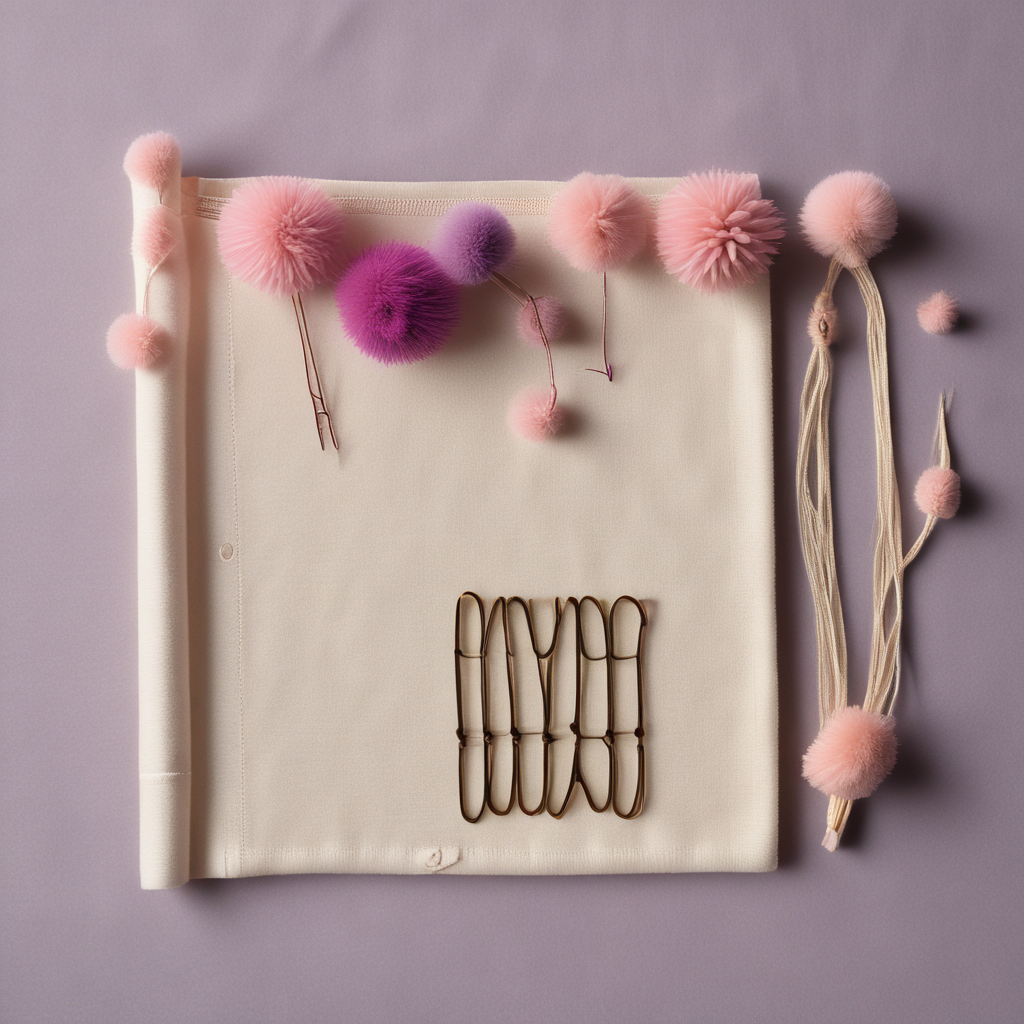
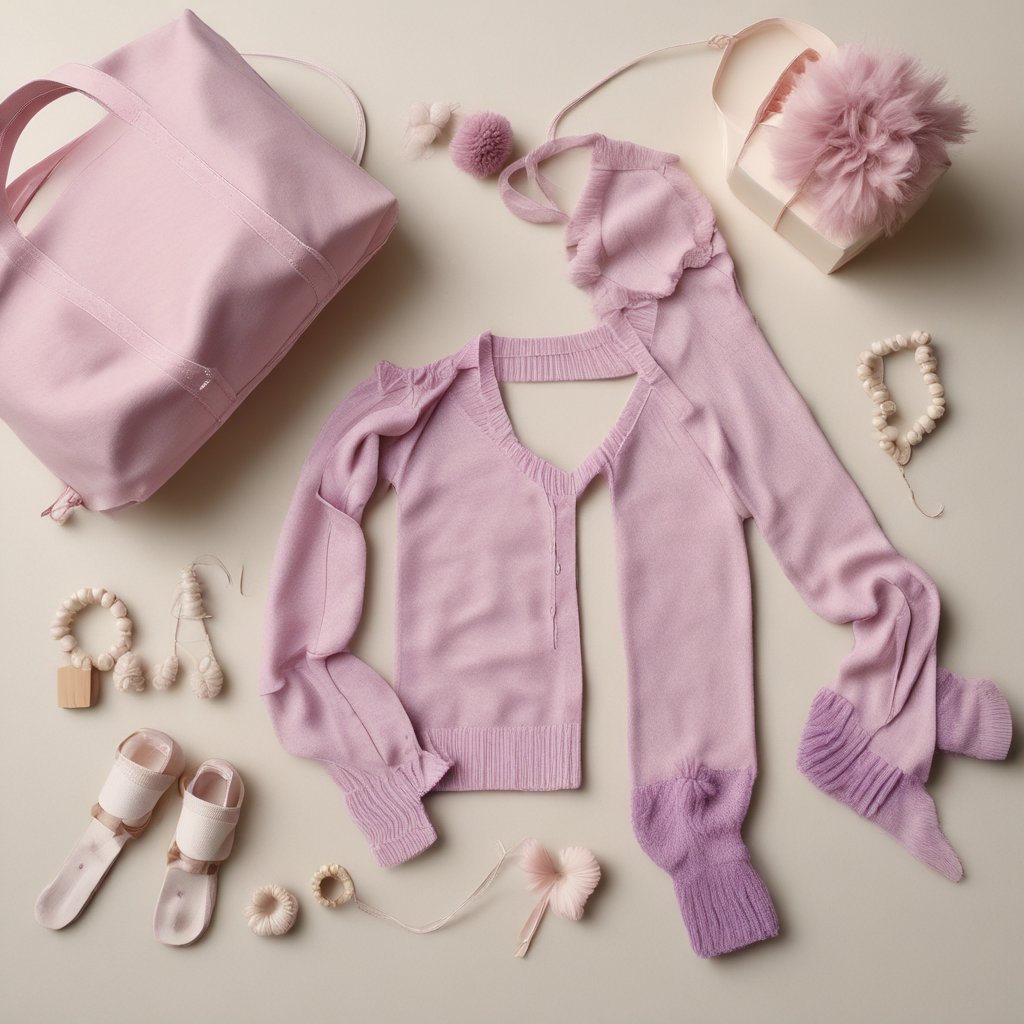
Small ballet gift items bobby pins hair nets tights and pom-poms on cream linen

Some of the most appreciated gifts for ballet dancers cost less than £20. Dancers and their parents know which items get used constantly and which end up at the back of a drawer — and the most-used items are often the most modest ones. Here is a reliable list of gifts that deliver genuine value within a practical budget.

Under £10

Bobby Pins and Hair Nets (£3–5)

This is almost embarrassingly practical, but it is genuinely one of the most used items in any dancer’s kit. Bobby pins disappear at a remarkable rate — into carpet, behind radiators, onto studio floors. A pack of good-quality pins in a matching hair colour, bundled with two or three hair nets, is something every dance family always needs more of. Package them in a small fabric pouch or organza bag to make the presentation more gift-like.

Pom-Poms (£5–8)

RAD students at several grade levels use pom-poms as props, and most children love them independently of class use. A pair of brightly coloured pom-poms — purple, red, blue or mixed — is a cheerful, low-cost gift that younger dancers in particular adore. They are also a handy spare when the class pair gets worn or lost before an examination.

Hair Accessories Set (£6–10)

A small set of ballet hair accessories — a matching elastic set, a few hair nets, a hairspray sample and a bun pin — organised in a fabric drawstring pouch, makes an attractive and genuinely useful gift. Many dance parents buy these sets for class bags specifically so the good accessories stay in the bag and the usual chaos of everyday hair accessories stays elsewhere.

£10–20

Ballet Tights — One Pair (£8–15)

A pair of pink footed ballet tights in the correct size for the dancer’s current grade is a practical and entirely welcome gift. Tights ladder, wear through at the heel and knee, and need replacing through the year. Confirm the school’s specified colour and style (most younger RAD students wear pink footed tights) and check the sizing chart before buying — dancewear sizing varies significantly between brands.

Leg Warmers (£10–18)

Soft ribbed knit leg warmers are one of the most popular ballet accessories for students from about age seven upward. They are used in the warm-up before class, during rest periods in longer rehearsal sessions, and — particularly in cold studios or during winter — throughout class. They are equally popular as cosy loungewear at home. A pair in pink or a neutral tone that suits the school’s warm-up kit colour is a reliably well-received gift.

Chiffon Ballet Skirt (£12–18)

A soft chiffon wrap skirt is both a useful class item and a beautiful one. At many grade levels a chiffon skirt is part of the standard RAD uniform, so a fresh skirt or a spare in the correct colour is always useful. If the dancer’s school does not require a skirt for class, a skirt in a slightly different shade makes a lovely prop for at-home practice or performances.

Small Ballet Bag or Shoe Bag (£10–20)

A cotton drawstring shoe bag or a small ballet tote is a practical gift at any age. Ballet shoes are best stored separate from everyday items to keep them clean and undamaged, and a dedicated shoe bag is often the first thing that wears out in a dancer’s kit. A simple, well-made option in a ballet-appropriate colour or with a small personalisation makes a nice, lasting gift.

Making It Special on a Small Budget

Even an inexpensive gift can feel thoughtful with the right presentation. A simple satin ribbon, a handwritten tag, or a small note about why you chose the item for that specific dancer elevates any gift. A bag of bobby pins in a beautiful little fabric pouch is more memorable than the same pins in their original plastic packet — the presentation costs almost nothing but changes how the gift feels entirely.
Posted on

Best Gifts for Ballet Dancers: Ideas for Every Age and Budget

Ballet dancer gift collection with bag pom-poms hair accessories and leg warmers on cream linen

Buying a gift for a ballet dancer is easier than it looks once you understand what dancers actually use and enjoy. The best gifts fall into two categories: things they need but might not buy themselves, and things that celebrate their passion in a way that feels considered rather than generic. Here is a curated list across both categories and multiple price points.

Practical Gifts That Dancers Actually Use

Ballet Bag

Every dancer needs a bag dedicated to their dance kit. A well-made ballet bag keeps shoes, tights, leotards and accessories separate from everyday items and is the one piece of kit that goes everywhere the dancer goes. Look for a bag with a separate shoe pocket to keep ballet shoes away from street shoes, and a main compartment large enough to hold a full kit change. A quality ballet tote or backpack is one of the most used and appreciated practical gifts for dancers of any age.

Pom-Poms for Class Accessories

Many RAD grades use pom-poms as props in examinations and performance work. Having a spare set — or a set in a favourite colour — is always welcome. Pom-poms are a low-cost, high-value gift that younger dancers in particular adore.

Hair Accessories Kit

Bobby pins get lost constantly. Hair nets disappear. Elastics snap. A well-stocked set of ballet hair accessories — matching pins, nets, elastics and a travel-size hairspray — is a genuinely useful gift that every dancer depletes regularly. Organise them in a small fabric pouch for a tidier presentation.

Tights (Always Needed)

Ballet tights are a consumable. They ladder, they develop holes at the heel, they wear thin at the knee. A set of two or three pairs of the correct tights for the dancer’s grade is a practical gift that will be welcomed by parents as much as by the dancer. Check the school’s specified colour and style — pink footed tights are the most common requirement — before buying.

Leg Warmers

Warm-up leg warmers are used before and after class to keep the muscles warm, and they are genuinely beloved by most ballet students. Soft ribbed knit leg warmers in pink or neutral colours are the most universally wearable style. They are also a comfortable loungewear item that gets worn at home as well as in the studio.

Experience and Treat Gifts

Ballet Performance Tickets

Watching live professional ballet is one of the most formative experiences a young dancer can have. Tickets to a production of The Nutcracker, Swan Lake or Sleeping Beauty at a regional theatre are a memorable gift that connects the daily discipline of class to the world of professional performance. Many companies offer family-priced tickets, making this accessible across a range of budgets.

Dance Books and Illustrated Guides

Illustrated books about ballet — covering technique, famous ballets, the lives of famous dancers — are popular with students from around age eight upward. They are a quiet companion to class training and a source of inspiration on days when motivation is low.

Ballet Class Intensive or Workshop

Many dance companies and independent studios offer holiday workshop programmes, master classes or intensives for students at various levels. A place on a workshop at a higher level than their regular class, or with a different teacher, is an exciting experience gift for a dedicated student.

What to Avoid

Avoid buying specific leotards, ballet shoes or uniform items unless you are absolutely certain of the school’s current dress code and the dancer’s exact size. Uniform requirements change between grades, and sizes in dancewear are notoriously brand-specific. A gift voucher from a specialist dancewear retailer is a far safer approach than guessing at a specific colour or style. Tutus and fancy dress ballet costumes are also generally not practical for class use — they are fun for costume parties but are not part of any dance school’s actual kit list.

Gift Ideas by Age Group

Ages 3–6: Pom-poms, small ballet bag, hair accessories kit, picture books about ballet.

Ages 7–11: Leg warmers, quality ballet bag, ballet book, performance tickets, workshop place.

Ages 12+: Performance tickets, workshop intensive, quality warm-up layer, dance journal, gift voucher for dancewear retailer.

Posted on

How to Tie Pointe Shoes: Ribbons and Elastic Tying Methods

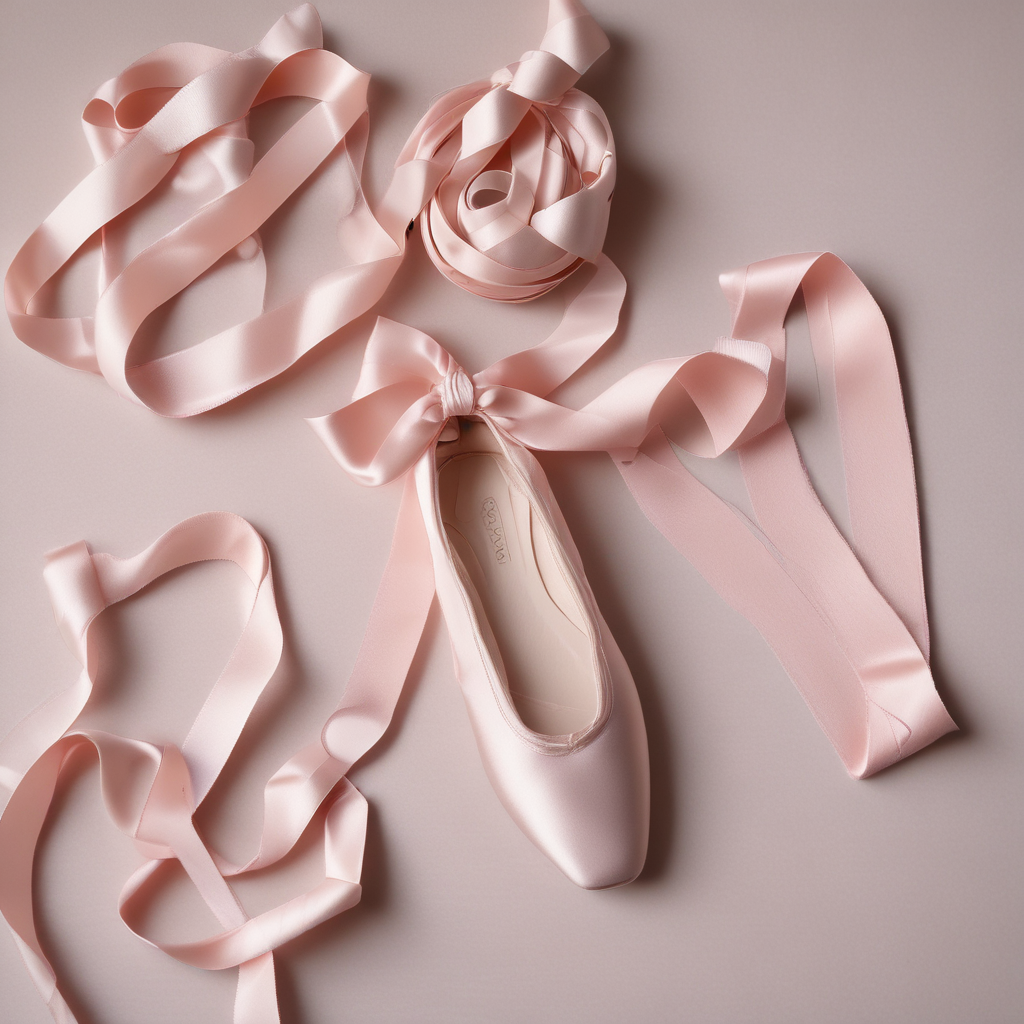
Pink ballet shoe ribbons and tying method flat lay on cream linen

Tying pointe shoe ribbons correctly is a skill every ballet student needs before they start pointe work. The ribbon must be tied firmly enough to stay secure through an entire class, neatly enough to satisfy a teacher, and in a specific place that does not press on the Achilles tendon.

The Standard Method

Wrap the inner ribbon (from the inside of the ankle) around the ankle first, crossing it toward the outside. Then wrap the outer ribbon over the top and cross it toward the inside. The two ribbons now cross at the front of the ankle in an X shape.

Continue wrapping: take both ribbons around the back of the ankle one more time so that the ribbons have completed one full circuit. Both ends should now be at the front or inner front of the ankle.

Tie the ends in a flat knot (reef knot or square knot): left over right, right over left. Do not use a bow — bows untie during class. Tuck the knot and the ribbon tails under the crossed sections of ribbon so they are hidden completely.

Where Should the Knot Sit?

The knot must never sit directly on the Achilles tendon at the back of the ankle — this is painful and can cause pressure injuries over time. The knot should sit on the inner front of the ankle, just inside the ankle bone, where it is hidden by the crossed ribbon sections.

How Tight Should the Ribbons Be?

Firm, but not circulation-restricting. You should be able to slide one finger between the ribbon and the ankle. If the ribbon leaves deep marks in the skin after class or causes tingling, it is too tight. If it slips down toward the heel during class, it is too loose.

How to Prevent the Knot From Coming Undone

  • Thread ribbon tails carefully: After knotting, thread each tail under several ribbon layers on the ankle rather than just tucking the tip.
  • A dab of hairspray on the knot: The slight tackiness helps the knot hold.
  • Safety pin: Pinning through the tucked knot is the most secure method for examinations.

What to Do If the Ribbon Comes Undone During Class

Stop, move to the side of the studio, and retie before continuing. Loose ribbons are a safety hazard — another dancer can catch their foot in a trailing ribbon and fall. For guidance on sewing ribbons and elastics onto new pointe shoes, see our guides on sewing ribbons and sewing elastics.

Posted on

How to Sew Elastics onto Pointe Shoes: The Beginner’s Guide

Ballet shoe sewing kit with elastic needle and thread on cream linen

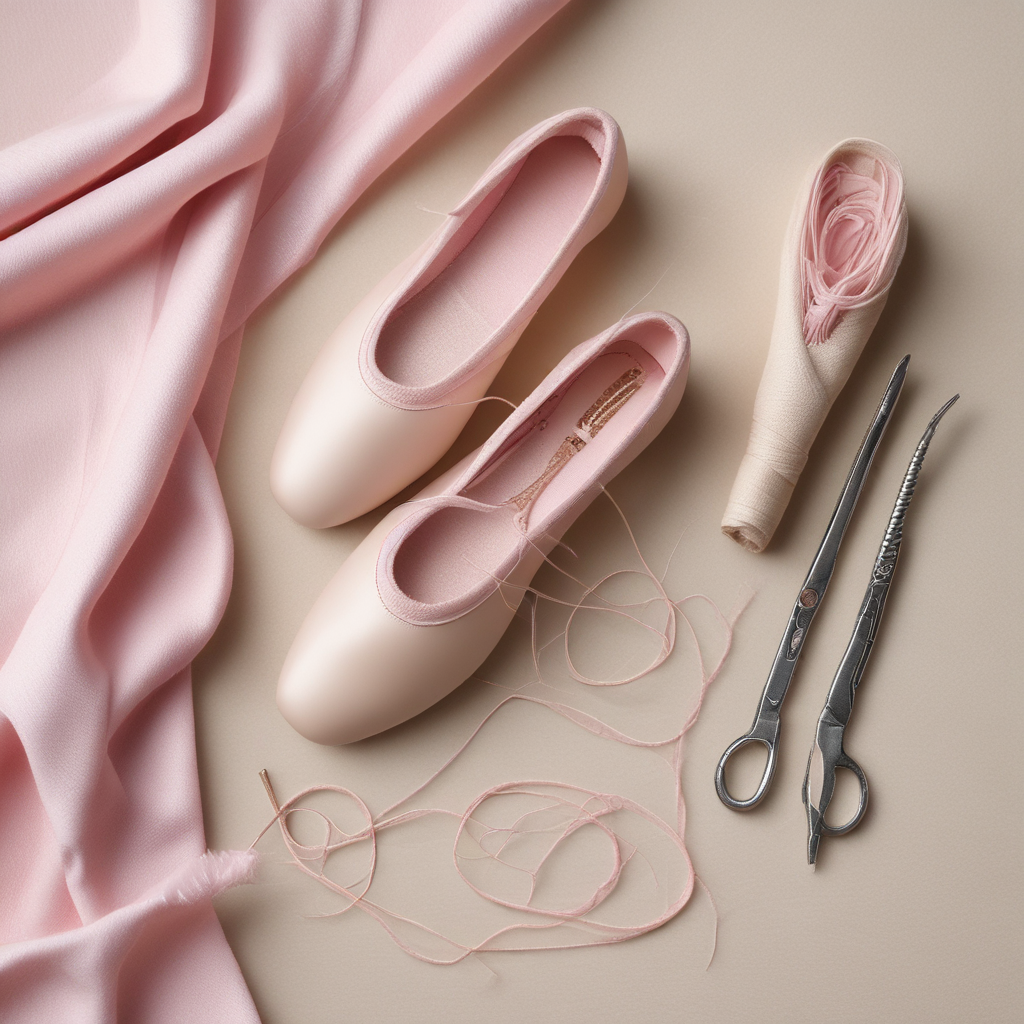
While ribbons are the most visible part of a pointe shoe’s securing system, many teachers also require a single elastic cross-strap at the back of the ankle for additional support. This elastic prevents the heel of the shoe from slipping down during relevé and arabesque.

What You Will Need

  • Elastic — approximately 20 to 25 cm, 1.5 to 2 cm wide, in a colour matching the shoe
  • Needle and strong thread (button thread or upholstery thread)
  • Scissors and a lighter to seal the elastic ends
  • Pins

Finding the Attachment Points

The attachment points sit at each side of the back seam of the shoe, approximately 2 cm forward from the heel seam. Put the shoe on the dancer’s foot and flex and point the foot several times. Observe where the back of the shoe sits relative to the ankle and mark the inside of the shoe where an elastic would naturally sit across the back of the heel without cutting in when the foot is pointed.

Sewing the Elastic

Fold approximately 1.5 cm of the elastic end back on itself and pin it to the inside lining of the shoe at the marked point. Sew through the folded end using firm, small running stitches forming a rectangle, then reinforce with an X through the centre. Sew through the canvas lining of the shoe, not the outer satin.

Attach the other end of the elastic to the opposite side of the heel, checking the length by holding the shoe on the dancer’s foot before sewing. The elastic should be taut enough to keep the heel firmly in contact with the Achilles tendon when the foot is flat, without restricting movement when the foot is fully pointed.

Checking the Result

Once both ends are sewn, have the dancer do several relevés in place. The heel of the shoe should remain firmly in contact with the foot throughout. If the heel lifts even slightly on the rise, the elastic is too loose and needs to be resewn shorter. For guidance on sewing the ribbons themselves, see our ribbon sewing guide.

Posted on

Easter Ballet Intensives: What to Bring and Wear

Ballet intensive packing kit with two sets of uniform and accessories on cream linen

Easter and summer holiday ballet intensives are a fantastic opportunity for committed students to accelerate their training. Unlike regular weekly classes, intensives pack 3–5 hours of ballet into a single day across several days. That level of training demands more careful preparation — both in terms of what your child wears and what they bring with them.

What Is a Ballet Intensive?

A ballet intensive is a series of classes held during school holidays, typically spanning 2–5 days. They may be run by your own dance school or by a visiting company or guest teacher. A typical day at an Easter intensive might include:

  • Morning technique class (60–90 minutes)
  • Repertoire or variations class (60 minutes)
  • Pas de deux or character work (45–60 minutes)
  • Cool-down or conditioning session

This is significantly more physical than a single weekly class, and the kit and nutrition requirements are correspondingly greater.

What to Wear for an Intensive

For most RAD-affiliated intensives, the standard uniform applies: grade leotard, pink tights, and ballet shoes. However, since students are working for multiple hours:

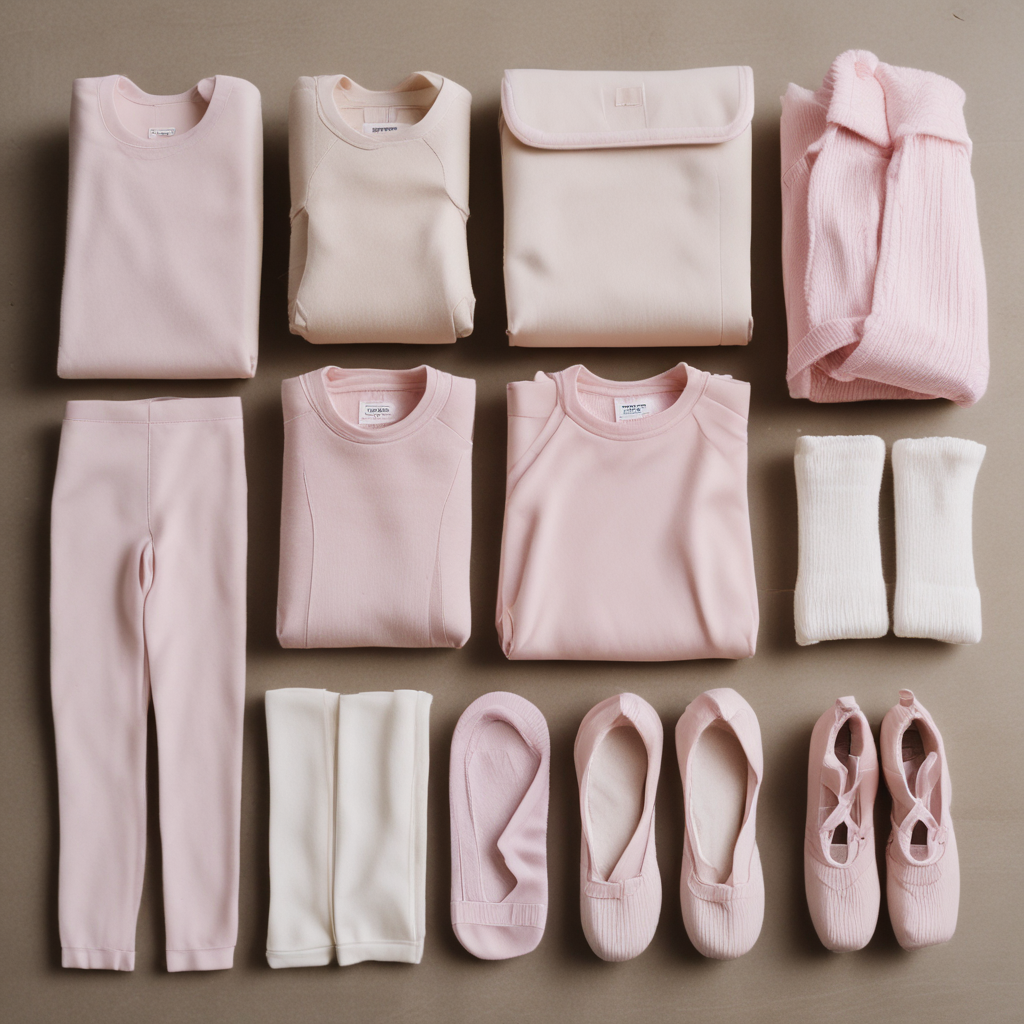
  • Bring a second leotard and tights — sweating through the morning leotard and changing into fresh kit for the afternoon session makes a real difference to both comfort and professionalism
  • Warm-up layers are essential — muscles that cool down between sessions need to warm up again. A ballet wrap cardigan and warm-up booties are important, not optional
  • Change of shoes — at intensive level, many students bring a spare pair of ballet flats in case their main pair gets soaked with sweat or the elastic pops

What to Pack for a Full Day of Classes

  • 2 sets of class uniform (leotard + tights + belt)
  • Ballet shoes (and a spare if available)
  • Warm-up cardigan or wrap
  • Leg warmers and/or warm-up booties
  • Full hair kit with extra pins — buns need redoing between sessions
  • Large water bottle — at least 750ml, refillable
  • Proper lunch and multiple snacks — this level of training burns far more energy than a weekly class
  • Foot care: plasters, vaseline, and toe pads for students doing pointe work
  • Any medications (e.g., pain relief for sore muscles — with parental permission form if required by the school)
  • A light cardigan or hoodie for the breaks between sessions to stay warm

Nutrition for an Intensive Day

Intensive ballet training is demanding on the body. Students need more fuel than a normal class day:

  • A substantial breakfast before the first class — porridge, eggs, or similar
  • A mid-morning snack (banana, rice cakes, or a protein snack)
  • A proper sit-down lunch with carbohydrates and protein — not just a sandwich
  • An afternoon snack
  • Consistent water throughout the day

Avoid heavy, high-fat meals immediately before class as they slow digestion and affect energy levels in class.

Looking After the Body Between Sessions

During breaks between classes:

  • Stretch gently rather than sitting completely still
  • Change out of sweaty kit if possible
  • Eat something even if not hungry — the body needs fuel
  • Rest the feet — sit rather than stand during longer breaks

After the final class of the day, a gentle cool-down stretch at home is helpful. Young bodies recover well, but high-volume training requires respect — monitor your child for signs of over-tiredness or pain that goes beyond normal muscle soreness.

Frequently Asked Questions

My daughter has never done an intensive before. What level should she be at?

Most Easter intensives are designed for students from Grade 3 upward, though this varies by the school hosting them. Some schools run beginner intensives for Grade 1–2 students. Check the prerequisite level with the school before registering.

Do I need to buy anything special for an intensive, or will regular class kit do?

Regular class kit is fine for the basic uniform. The main additional items are a second set of class clothes, more substantial food, a larger water bottle, and warm-up layers. Nothing completely new is required unless the intensive specifies otherwise.

My child is sore after day one of the intensive. Should I pull them out?

Some muscle soreness after an unusually high-volume day is normal. If it’s general tiredness and mild soreness, rest, hydration, and nutrition overnight should help. If there’s acute pain, swelling, or pain in a joint (not muscle), consult a doctor before continuing.

Posted on

What Is RAD Ballet? A Parent’s Introduction to the Royal Academy of Dance

Classic RAD ballet uniform items including pink leotard tights and shoes on cream linen

When your child starts ballet classes, you’ll likely hear the term “RAD” used frequently — by the school, in uniform guides, and on examination certificates. But what exactly is the RAD, and what does it mean for your child’s ballet training? This guide explains everything parents need to know about the Royal Academy of Dance.

What Does RAD Stand For?

RAD stands for the Royal Academy of Dance. It is an international dance education organization headquartered in London, UK. Founded in 1920 and granted a Royal Charter in 1936, the RAD is one of the world’s leading providers of ballet teacher training and graded ballet examinations.

The RAD develops and maintains a ballet syllabus used by thousands of dance schools in over 79 countries. When a school is “RAD-affiliated,” it means the teachers are trained in the RAD method and students are assessed using the RAD grading system.

The RAD Grading System: From Pre-Primary to Advanced

The RAD divides ballet training into two main tiers:

Graded Examinations (typically ages 3–16+):

  • Pre-Primary in Dance
  • Primary in Dance
  • Grade 1 through Grade 8

Vocational Graded Examinations (more advanced students, typically 11+):

  • Intermediate Foundation
  • Intermediate
  • Advanced Foundation
  • Advanced 1
  • Advanced 2

Students typically progress through one to two grades per year, depending on class frequency and individual development. Not every student takes examinations — some schools focus on class work without formal assessment, and that’s valid too.

What Happens in an RAD Ballet Exam?

RAD examinations are conducted by an external examiner sent by the RAD. Students perform set exercises and dances from the syllabus, which they’ve been preparing in class over the year. The examiner awards marks and provides feedback. Exams typically take 20–45 minutes depending on the grade and are done in small groups.

Students receive a grade: Merit, Distinction, Pass, or — rarely — not-yet-achieved. Most students who are entered for exams achieve at least a Pass, because teachers only enter students they feel are ready.

What Makes RAD Different from Other Methods?

The two main ballet examination bodies in the UK are the RAD and the ISTD (Imperial Society of Teachers of Dancing). Both have respected syllabi, but the RAD is more widely recognized internationally — particularly relevant if your family moves countries or if your child aspires to a professional career. The RAD’s graded system is also more standardized across schools than some other methods.

Do All Ballet Schools Use RAD?

No. Many excellent schools use ISTD, BATD, or other curricula, or teach a non-examination-based approach. The quality of teaching matters more than the examining body. If you’re choosing a school, observe a class and meet the teacher rather than simply looking for an RAD affiliation.

What Does RAD Mean for the Uniform?

RAD schools follow a color-coded uniform system where each grade has a specific leotard color. This makes the uniform more structured than at some other schools. For a full breakdown of what your child needs at each grade, see our RAD Ballet Uniform Guide by Grade.

Frequently Asked Questions

Is RAD ballet better than other types of ballet training?

Not inherently — the quality of the individual teacher matters most. RAD is widely respected and internationally recognized, which has practical benefits, but excellent dancers have emerged from all major training systems.

Does my child have to take RAD exams?

No. Many students attend RAD schools without sitting formal examinations. The exams are optional, though most schools encourage them as they provide structured goals and professional feedback.

At what age can a child start RAD ballet?

Most RAD schools accept children from age 3 for Pre-Primary classes. Some schools have younger “baby ballet” or “Minis” classes that feed into the formal RAD system from age 3 or 4.

Is an RAD certificate recognized professionally?

RAD vocational grades (Intermediate and above) are recognized by arts organizations and professional schools. Graded examinations (Grade 1–8) are valuable for student motivation and teacher assessment but are not vocational qualifications in themselves.

Posted on

Ballet Exam Preparation: Practical Tips for Dance Parents

Ballet exam preparation items flat lay - fresh tights leotard shoes and hair kit on cream linen

A ballet examination is an exciting milestone for young dancers — and a logistical challenge for parents. In the weeks leading up to the exam, a little preparation goes a long way toward making the day smooth and stress-free. This guide covers everything you can do at home to support your child before and on exam day.

Start Uniform Checks Six Weeks Before the Exam

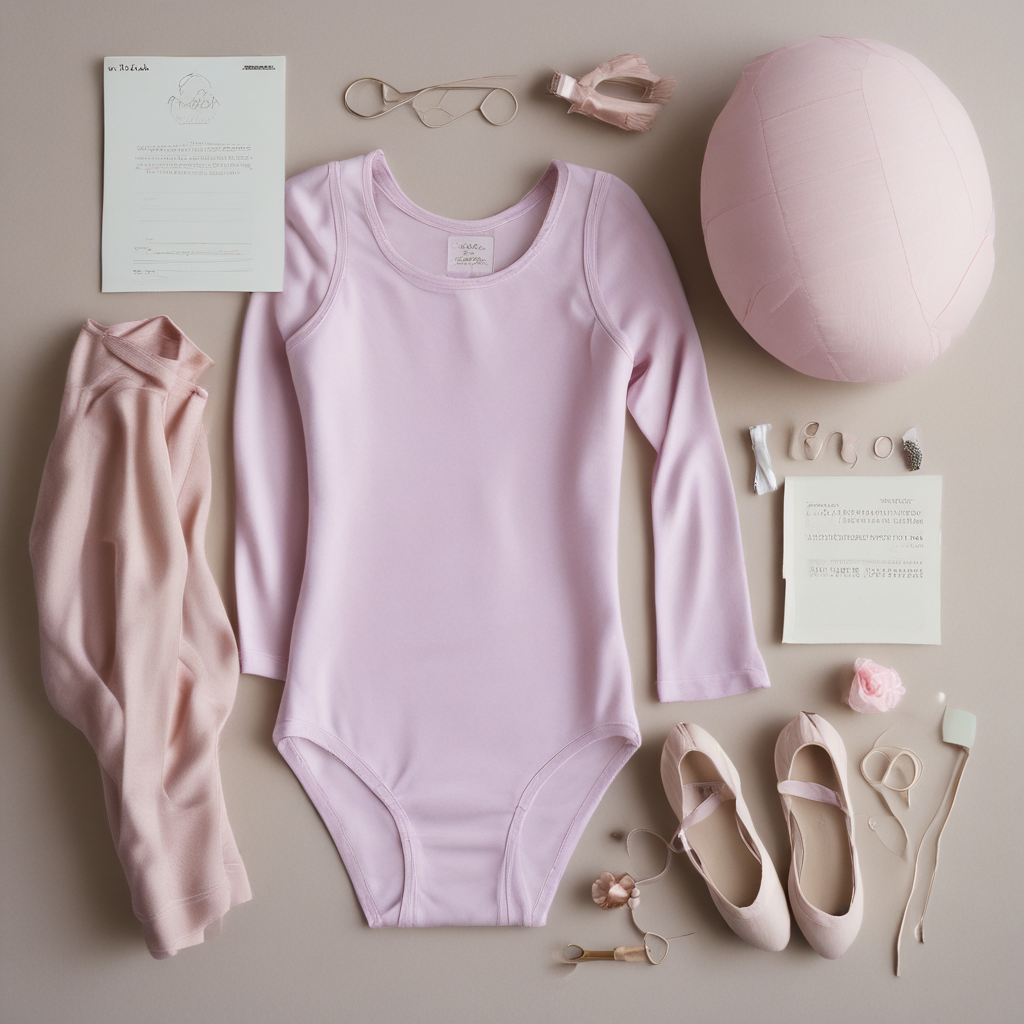
Don’t leave uniform to the last minute. Six weeks before the examination date, take out all the exam uniform and check:

  • Leotard: correct grade color, clean, no holes or stretched straps, proper fit (not too tight or too small)
  • Tights: no holes, pills, or runs — buy a fresh pair specifically for the exam
  • Ballet shoes: elastics secure, not worn through at the sole, the right color
  • Elastic belt: correct color, the right length for the current waist size
  • Hair accessories: hair net in the right color, enough pins, bun builder if used

Order any replacements early — dancewear delivery can take 7–10 days, and you don’t want to be scrambling the day before.

Practice the Hair for Class, Not Just the Day Before

Exam buns are more formal and polished than everyday class buns. Practice putting your child’s hair up in the exam style in the weeks before the examination so you’re confident on the day. The bun must:

  • Sit centered at the back of the head (not low like a chignon)
  • Have no flyaways or loose strands around the face or neck
  • Stay secure for the full duration of the exam (typically 20–45 minutes)
  • Be covered with a hair net in a matching color

For a step-by-step guide, see our How to Do a Ballet Bun guide. Products that help: clear elastic bands (not colored), kirby grips (bobby pins) in matching hair color, fine hairnet, and hairspray for flyaways.

The Week Before: What to Prepare

  • Wash and dry the leotard and tights so they’re clean but have been worn once — brand-new tights straight from the packet can be slightly stiff
  • Check that ballet shoes are clean and elastics are sewn securely
  • Pack the exam bag the evening before (see our RAD Exam Day Checklist for a full list)
  • Check the exam schedule — know the exact time and location, and plan to arrive 15–20 minutes early

Managing Nerves Before the Exam

It’s completely normal for children to feel nervous before an exam. Things that help:

  • Remind your child that the examiner is not there to catch them out — they genuinely want to see students at their best
  • Focus on what your child knows, not what they’re still perfecting
  • Avoid running through the whole exam syllabus the night before — a tired, over-rehearsed child performs worse than a rested one
  • Keep the morning calm and allow extra time so no one is rushing
  • Trust the teacher — if the teacher has entered your child for the exam, they believe the child is ready

On the Day of the Exam

Aim to arrive at the studio 15–20 minutes before the scheduled exam time. This gives your child time to warm up mentally, use the bathroom, and settle in without feeling hurried. Most schools have a warm-up class before the examiner begins, but confirm this with the teacher in advance.

After the exam, celebrate the effort regardless of the result. Exam grades come weeks after the exam — in the meantime, the experience of performing under formal conditions is itself valuable.

Frequently Asked Questions

Can I watch my child’s ballet exam?

Usually no — RAD exams are conducted privately with only the students, teacher, and examiner present. Some studios have a waiting area outside; others ask parents to return at a set time. Check your school’s policy in advance.

What happens if my child forgets something during the exam?

Forgetting a step or momentarily losing the combination is normal at all exam levels. The examiner is trained to put students at ease. If it happens, the teacher is usually nearby to quietly prompt or the child simply continues as best they can. It rarely affects the final grade as much as parents fear.

When do exam results come through?

RAD exam results are typically issued 4–8 weeks after the examination date. They come in the form of a certificate and mark sheet sent to the school, which then distributes them to students.

Posted on

Ballet Class vs Ballet Exam: What Your Child Wears and Why It’s Different

Two ballet uniform sets side by side - class and exam comparison flat lay on cream linen

Many parents assume that the uniform their child wears to class every week is also what they wear to their ballet exam. In most cases, that’s true — but there are important differences that can catch families off guard. This guide explains exactly what your child should wear for a regular RAD class versus a formal RAD examination.

Class Uniform: The Everyday Standard

In a typical RAD ballet class, students wear:

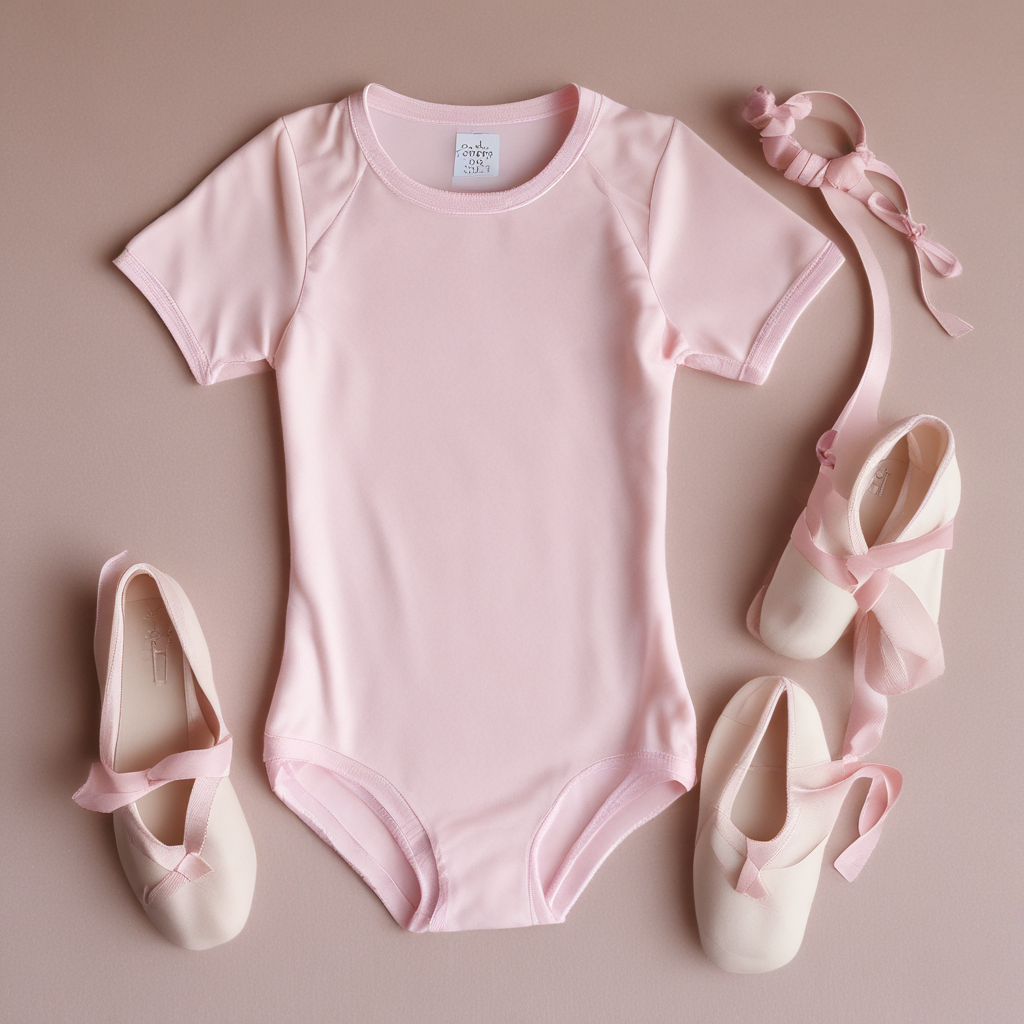
  • Grade-specific colored leotard (candy pink for Pre-Primary, blue for Grade 1–3, lilac for Grade 4–5, etc.)
  • Pink ballet tights
  • Canvas or leather ballet shoes with elastic
  • Elastic belt (usually required up to around Grade 4 or 5)
  • Hair in a bun

For class, there’s some tolerance for minor variations — a slightly different shade of pink, a leotard that’s technically the right color but a slightly older style. Teachers know families are busy and uniforms wear out. The focus is on the movement, not the clothes.

Exam Uniform: The Formal Standard

For a formal RAD examination, the expectation is higher:

  • New or near-new tights — no runs, no pills, no fading
  • Correct grade color leotard, clean and unworn-looking — not stretched or faded
  • Polished ballet shoes with securely sewn elastics (not stitching coming loose)
  • Precise bun — no flyaways, centered, covered with a hair net, no decorative clips or accessories
  • No jewelry (earrings, necklaces, bracelets all off)
  • No nail polish at most schools

The examiner is assessing the student’s standard of presentation as part of their overall professionalism. A sloppy bun or mismatched tights sends the wrong signal, even if the technique itself is excellent.

What Specifically Changes Between Class and Exam

Item Class Exam
Tights In good condition New pair preferred, no damage
Leotard Correct color, reasonable condition Clean, fitting well, no fading
Hair Neat bun, minor flyaways acceptable Polished bun, hair net, no loose strands
Shoes Good condition Clean, secure elastics
Jewelry Usually off, small studs sometimes tolerated No jewelry at all
Nail polish Often tolerated Usually not permitted

When There Is No Separate Exam Uniform

At most RAD schools, the class uniform and exam uniform are the same items — just worn in their best condition for the exam. There isn’t a separate “exam-only” leotard or different style; the grade color remains the same. The difference is entirely in the standard of presentation, not the items themselves.

However, some schools do introduce a specific exam style that differs from the everyday class leotard. If your school sends home an exam uniform checklist, follow it precisely — don’t assume that what worked for class will work for the exam.

Preparing the Exam Uniform in Advance

The week before the exam, lay out all the items and check:

  1. Tights: no damage, correct shade
  2. Leotard: clean, correct color, fits properly
  3. Shoes: elastics intact, no worn-through areas
  4. Hair kit: enough pins, correct color hair net

Wash the leotard and tights in advance so they’re clean but have been through one wash cycle — fresh-from-packet tights can be stiff. For a full exam day packing list, see our RAD Exam Day Checklist.

Frequently Asked Questions

Do I need to buy a new leotard specifically for the exam?

Not unless the current one is worn, faded, or doesn’t fit well. The same leotard worn for class is correct for the exam — just make sure it’s in good condition and freshly washed.

My daughter has pierced ears and always wears small studs. Is that okay for the exam?

Most exam boards prefer no jewelry at all for examinations. Stud earrings are a grey area — some examiners overlook very small flat studs; others note it. The safest approach is to remove them for exam day.

Can my son wear dance shorts instead of tights for the exam?

This depends on the school’s exam policy and the level. Ask the teacher directly — boys’ exam uniform varies more than girls’, and the teacher will know what the examiner expects.

Posted on

Back to Ballet: Term Start Checklist for Dance Parents

Full ballet kit flat lay for new term checklist on cream linen

The start of a new ballet term — whether September, January, or after a summer break — is the perfect time to audit your child’s dance kit. Growth spurts, worn-out shoes, and faded leotards have a way of accumulating unnoticed over the holidays. A quick check before the first class saves you the panic of discovering nothing fits on a Tuesday morning.

Check Every Item Against Your Child’s Current Body

Children grow, and ballet kit needs to keep up. Before term starts, have your child try on every item:

  • Leotard: Can they move freely at the hips? Are the straps pulling? Is the torso length comfortable? If it’s tight anywhere, it’s time to replace it.
  • Tights: Are they still the right size? Tights that are too short pull at the crotch and are distracting in class. Check for holes, pills, and thinning around the knees.
  • Ballet shoes: Press gently at the toe end with the child standing — if there’s less than a finger’s width of room, they’re too small. Check the elastic: is it still sewn securely?
  • Elastic belt: Does it go around the waist comfortably without digging in? Replace if it’s stretched out or discolored.
  • Warm-ups: Wrap cardigans, booties, and leg warmers should fit comfortably over the class uniform.

Are They in the Right Grade This Term?

If your child has been promoted to a new grade, they’ll need a new leotard color. Check with the school in advance — don’t wait for the teacher to tell you at the first class. If there’s been a grade change, allow 1–2 weeks to order the new leotard so it arrives in time.

Stock Up on Consumables

Some items run out and need regular replenishing:

  • Hair pins (kirby grips/bobby pins) — these disappear constantly
  • Hairnets — replace torn or stretched ones
  • Clear hair elastics
  • A spare pair of tights (tights get holes at the worst moments)

Refresh the Bag Itself

Check the ballet bag for:

  • Broken straps or zippers that need repairing or replacing
  • Old snack wrappers and debris from last term
  • Lost property from the bottom of the bag (hair clips, socks, notes from the teacher)

Label everything with your child’s name before the first class. Lost property boxes fill up quickly at the start of a new term.

First Class of Term: What to Expect

The first class of a new term is often more relaxed than regular classes — teachers use it to assess where students are after the break, reintroduce exercises, and welcome any new students. It’s a good time for your child to settle back in without pressure.

If this is a new student’s first class, see our first ballet class guide for a full starter kit list.

September vs January Term: What’s Different

September is the biggest term start of the year — class levels are often reshuffled, new students join, and some students will have moved up a grade. January is usually a continuation of the autumn term’s syllabus, with exam preparation ramping up for spring exams.

For exam terms specifically, pay extra attention to uniform condition — you don’t want to be replacing a leotard two weeks before the examination.

Frequently Asked Questions

My daughter seems to need a new leotard every term. Is that normal?

For children in rapid growth phases (typically ages 8–12), yes — it’s common to need a new leotard every 1–2 terms. Buying one size up at the start of each year can help extend the life of each leotard.

Can I get away with not replacing tights if they’re only slightly worn?

For class, usually yes. For exams, always start fresh. Worn tights look unprofessional in an examination setting and are one of the easiest and cheapest things to replace.

My son started ballet last year and is moving up a grade. What does he need to change?

Boys’ uniform doesn’t typically use the same color-coded system as girls’. Check with the teacher whether any changes are needed — it may just be a new size of the same items.

Posted on

Ballet Birthday Party: What to Wear and What to Buy as a Gift

Ballet birthday party outfit with pink leotard chiffon skirt and accessories on cream linen

Ballet-themed birthday parties are a perennial favorite for young dancers — and for children who haven’t started ballet but are enchanted by the idea. Whether you’re hosting a party or buying a gift for a young dancer, this guide covers the best outfit options and the most thoughtful, practical gift ideas.

What to Wear to a Ballet Birthday Party

The dress code for a ballet-themed party depends on whether it’s an activity party (with actual dancing) or a themed celebration (with decorations, a cake, and costumes).

For an Activity Ballet Party (with dancing)

If the birthday party includes a real ballet class or dance session:

  • Pink or white leotard — a simple leotard looks great and allows movement
  • Pink or white ballet tights
  • Ballet shoes or jazz flats (studio floors vary — check with the host what’s appropriate)
  • Tutu skirt — a practice tutu or soft tulle skirt adds to the occasion without getting in the way
  • Hair in a bun or ponytail

Avoid loose hair, dangly jewelry, and anything with hard buckles or embellishments that could catch in fabric or scratch other children.

For a Themed Celebration Party (no dancing)

If it’s a themed party without actual dance activity, the outfit can be more elaborate:

  • Full tutu costume with sparkle leotard — perfect for a princess-ballet theme
  • Floral crown or tiara
  • Ballet-style flats rather than actual ballet shoes (which are designed for studio floors)

Best Ballet Gift Ideas for Young Dancers

Giving a ballet gift to a child who attends ballet classes requires some thought — the wrong size leotard or incorrect grade color isn’t helpful. Here are the safest, most appreciated gifts:

Gifts That Are Always the Right Size

  • Ballet bag — every dancer needs one, and a beautiful tote or backpack is a great gift at any size
  • Ballet hair kit — a bun kit with pins, nets, and a bun builder always comes in useful
  • Gift voucher from a dancewear brand — lets the family choose the right size and color
  • Ballet accessories — hairpins, decorative hair accessories for shows, and character skirts are usually size-free or easy to size

Gifts for the Specific Dancer

If you know the child’s grade and school:

  • A replacement leotard in the correct grade color (ask the parent for the size and shade first)
  • Fresh tights — always useful and always runs out
  • RAD syllabus book for their current grade (check with parent if the school uses these)

Gifts for a Child Starting Ballet Soon

  • A new ballet student starter kit — leotard, tights, ballet shoes, and a bag
  • A ballet storybook or illustrated dance book for younger children
  • A ticket to a ballet performance — seeing real professional ballet is inspiring at any age

Party Favor Ideas with a Ballet Theme

If you’re hosting the party, ballet-themed party favors work well for all guests:

  • Small tulle bags with hair pins and a lip balm
  • Mini bun kits (a small net, two pins, and a clear elastic in a small bag)
  • Ballet sticker sheets
  • Personalized pencils with a ballet design

Frequently Asked Questions

My daughter is turning 7 and wants a ballet party but doesn’t do ballet. Can she still wear a tutu?

Absolutely. Ballet-themed parties don’t require actual ballet training. A soft tutu skirt over a leotard or a sparkly leotard with a tulle skirt is the classic look and works perfectly for a themed party.

What’s the most practical ballet gift for a child I don’t know well?

A gift voucher from a reputable dancewear brand is the safest option. It avoids the leotard size and grade color problem entirely, and parents will genuinely use it for something they need.

Is it okay to give a ballet gift to a child who doesn’t do ballet?

Yes — many children who don’t formally study ballet love the aesthetic. A beautiful tutu skirt, ballet-themed stationery, or a ticket to a ballet performance makes a lovely gift for any child who loves dance.