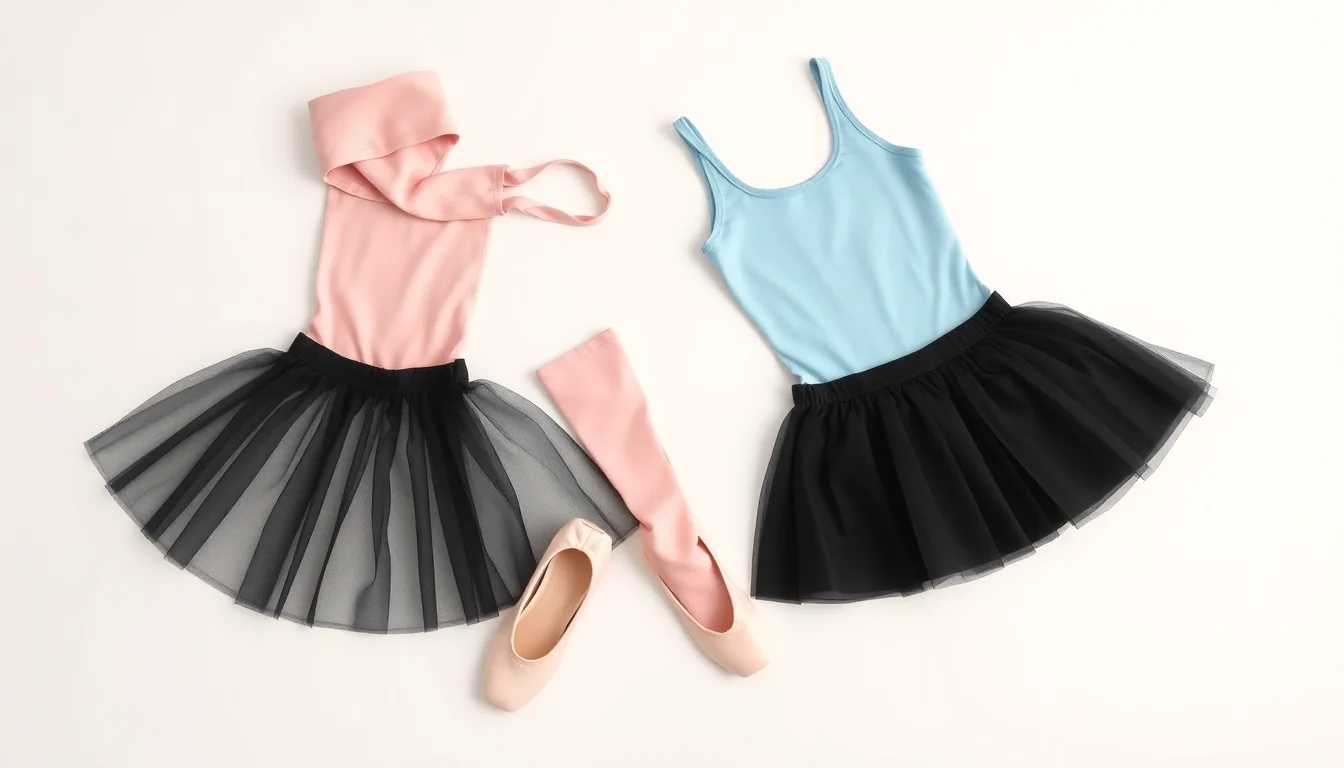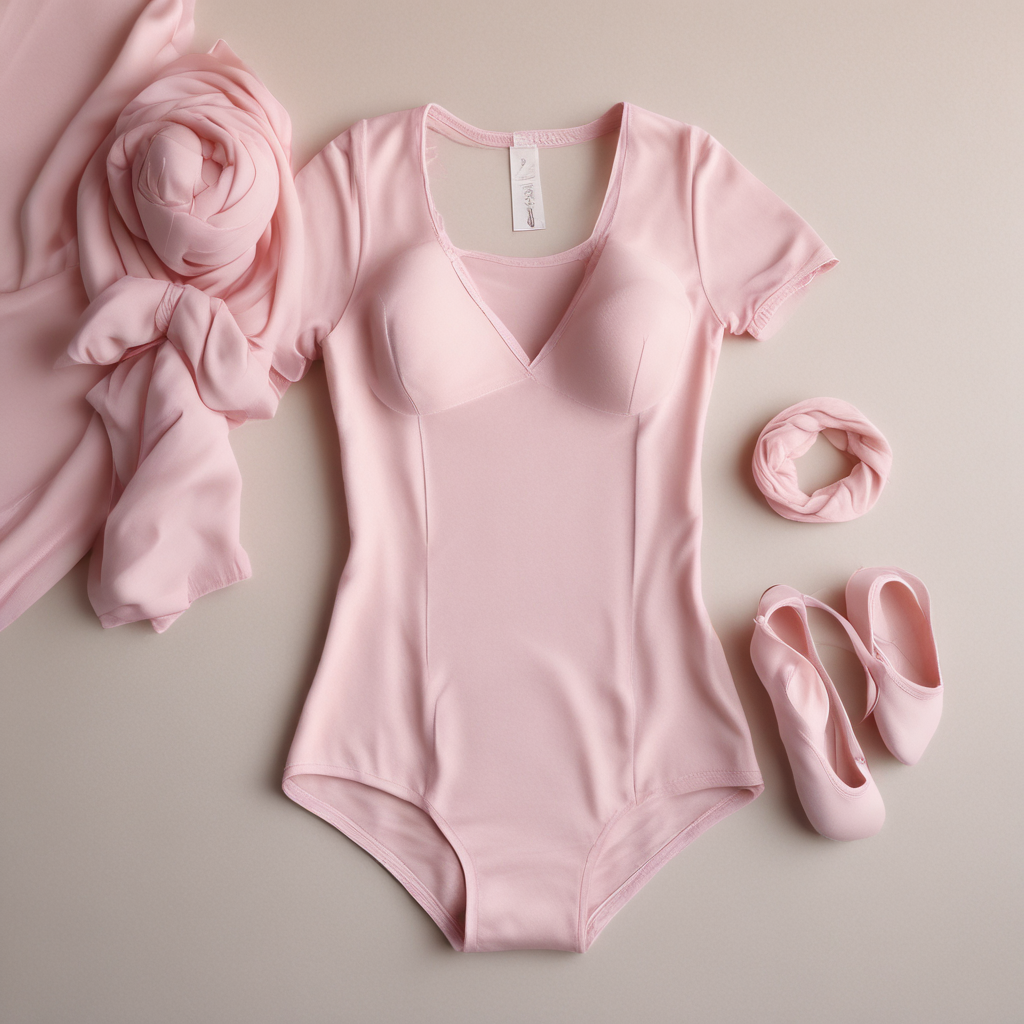
If your child has just started ballet at a Royal Academy of Dance school, you may have noticed that pink is one of the most common leotard colors you’ll encounter. But not any pink will do. RAD schools follow strict uniform guidelines, and the specific shade and style of pink leotard varies from grade to grade. This guide breaks down exactly which pink leotards are RAD-approved and how to find the right one for your child’s level.
Why RAD Uses Pink Leotards in the Early Grades
The RAD assigns specific colors to each grade as part of their uniform policy. Pink is associated with the foundational levels of training — Pre-Primary, Primary, and Grade 1 — where the focus is on developing basic movement, musicality, and classroom behavior. The soft, traditional pink color reflects the classical nature of ballet training and helps teachers identify students at the correct level at a glance.
As students progress through the grades, the colors shift toward lilac, purple, and eventually darker, more professional tones. Pink is essentially the starting color of the RAD journey.
Pre-Primary: Candy Pink or Pale Pink Leotard
For Pre-Primary students (typically ages 3–5), the standard is a short-sleeved candy pink leotard. This is a bright, clear pink — not hot pink, not dusty rose, but a cheerful mid-tone pink. Most RAD schools specify a crossover or tank-style leotard in this shade. Paired with pink ballet tights and canvas or soft leather ballet shoes, this creates the classic Pre-Primary look.
When shopping, look for leotards labeled “candy pink,” “bright pink,” or “ballet pink.” If in doubt, check the shade against the color swatch provided by your dance school.
Primary Grade: Similar Pink, Often with Specific Style Requirements
At Primary level (ages 5–7), the pink leotard continues, but some schools request a slightly different style — commonly a camisole leotard or one with a specific neckline. The shade typically remains in the candy pink to pale pink range. Your teacher or school will clarify the exact style they prefer.
At this stage, an elastic belt in matching pink or white is often added to define posture and encourage proper alignment.
Grade 1 and Beyond: When Pink Changes
By Grade 1 (ages 6–8), many RAD schools begin to introduce variation. Some continue with pink for Grade 1, while others transition to pale blue or a specific shade assigned by their school. From Grade 2 onward, the uniform color shifts away from pink entirely. Check your school’s handbook for the exact color assigned to each grade, as regional variations exist even within RAD-affiliated schools.
How to Choose the Right Pink Leotard
When buying a pink leotard for RAD class, keep these points in mind:
- Ask for a color swatch or shade name from your school — “pink” covers a wide spectrum, and the wrong shade stands out in class.
- Choose dancewear-grade fabric — nylon-spandex or polyester-spandex blends hold their shape and color through washing, unlike fashion leotards.
- Check the style — some schools prefer short sleeve, others camisole. Avoid spaghetti straps unless the school approves them.
- Size up if between sizes — leotards are cut snug and can feel tight. A size up gives room for growth without the leotard pulling or riding up.
Common Questions Parents Ask About Pink Ballet Leotards
Frequently Asked Questions
Can my child wear any pink leotard or does it have to be a specific brand?
RAD schools specify color and style, not brand. As long as the shade and style match the school’s uniform guide, any reputable dancewear brand is acceptable. Avoid fashion or gymnastics leotards, which may look similar but are cut differently.
What if I can’t find the exact shade of pink?
Bring a swatch from a leotard you already own and compare it to the school’s sample, or ask the teacher directly. Most schools are understanding if the shade is close, especially for very young beginners who are still growing quickly.
My daughter is between sizes. Should I size up or down?
Always size up for leotards. A slightly larger leotard looks neat and allows for growth, while a too-small leotard restricts movement and causes discomfort during class.
Does the pink leotard need to match the pink tights?
Ideally yes — a candy pink leotard pairs with ballet pink tights (a standard shade sold by all major dancewear brands). The two pinks are close but not identical, and that’s fine. No one expects a perfect match.
Shop RAD Ballet Leotards at ZoeDancewear
- RAD Grade Leotards — shop our full range of grade-specific ballet leotards by color
- Pink Footed Ballet Tights — the classic pairing for early RAD grades
- RAD Ballet Uniform Guide by Grade — complete grade-by-grade breakdown of RAD uniform requirements