Posted on

Tutu Colors: Black, Red, Blue, Green and More

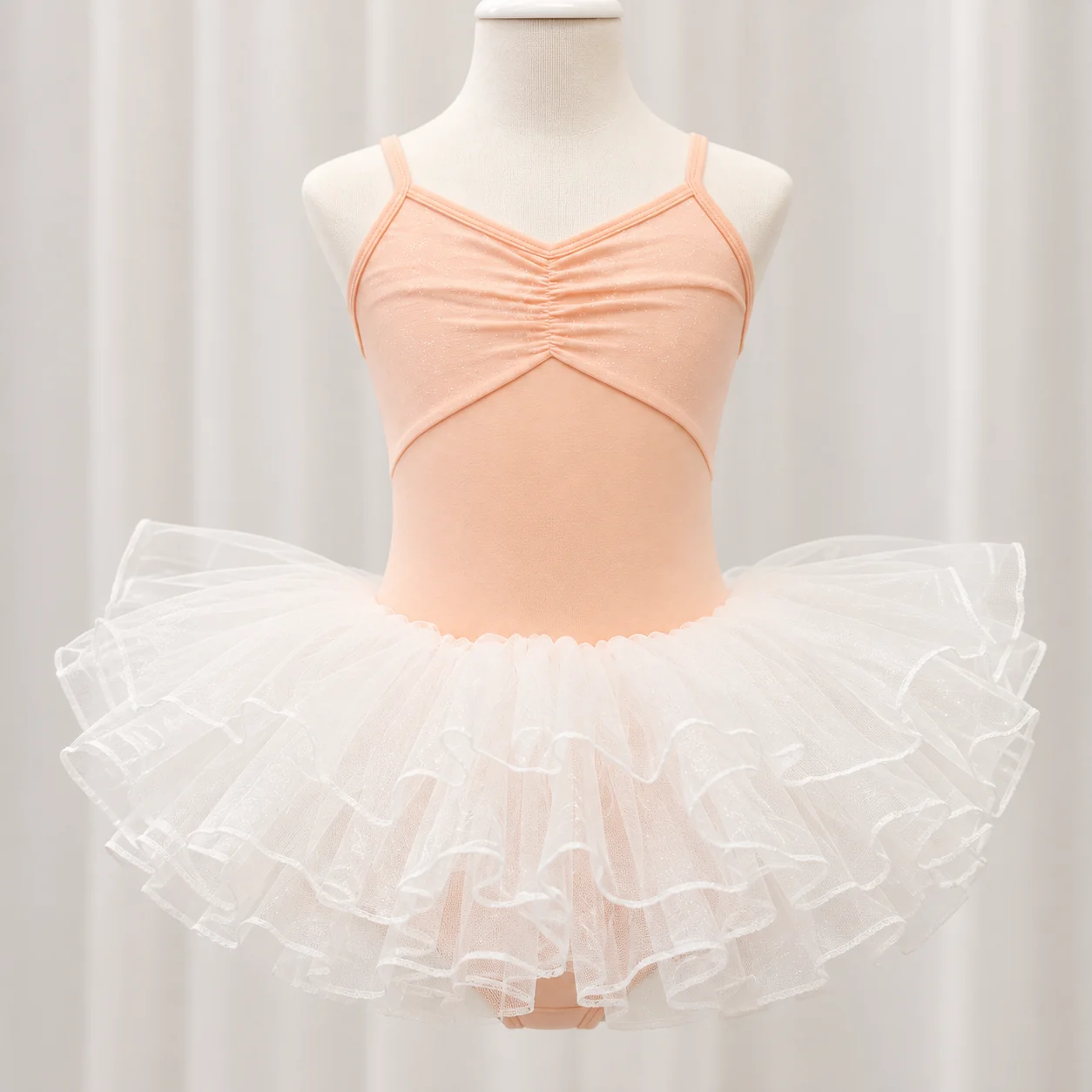
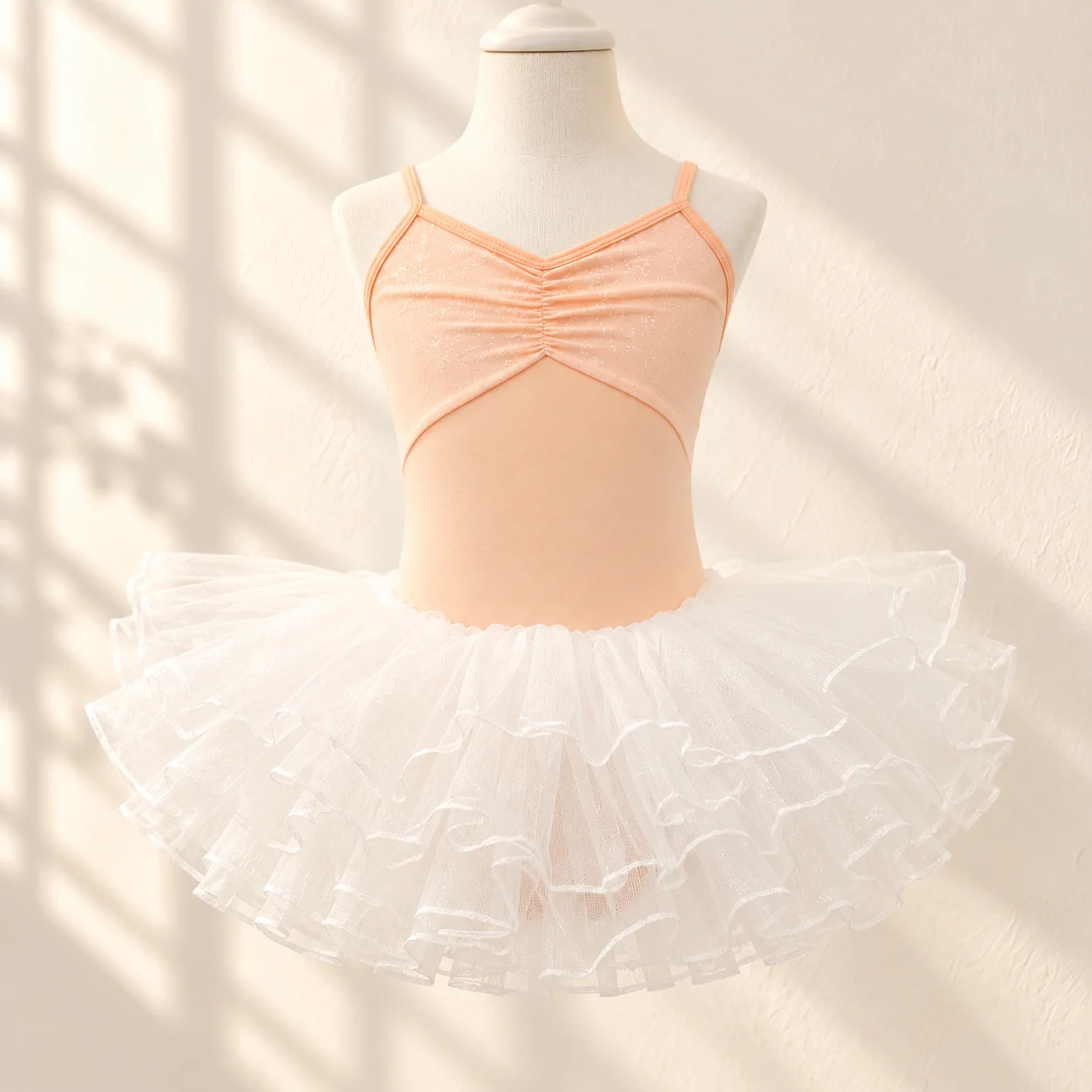
Orange camisole ballet leotard with ruched front and a white layered tutu skirt on a mannequin

Short answer: choose a tutu color by what it is for. White, pale pink and light blue are the classic choices for ballet class and soft, traditional pieces. Black, red, green, yellow and purple are mostly for performances, themes and costumes. For class, ask your teacher first, because many schools prefer a simple uniform.

What does each tutu color suit?

Color Often used for Good to know
White Classical pieces, snow and swan themes, early years The most traditional choice; shows marks easily
Pink Class, first tutus, sugar-plum style roles Soft, matches pink tights
Light blue Winter, water and fairy themes Pairs well with white or silver details
Black Dramatic or contemporary pieces, dark roles Hides marks; sharp against pale skin tones
Red Spanish and character themes, holiday shows A strong color for solo moments
Green Forest, spring and woodland themes Check how it looks under stage lights
Yellow Sun, flower and bright children’s pieces Pale tones look softer than bright ones
Purple Fairy and royal themes Matches lilac and lavender leotards

How do I match a tutu to a leotard?

  • Same family. A pink tutu over a pink leotard looks smooth and calm.
  • One strong color. If the tutu is bright, keep the leotard plain, such as black or white.
  • Match the tights. For stage, the tights usually match the costume plan, so ask the teacher or the costume list.

Which color is best for a beginner?

For a child’s first tutu, soft pink or white is easy to wear with almost any leotard. The tutu in our orange leotard and white tutu set is made for dancers about 100 to 130 cm tall.

Should the tutu match the school uniform?

In class, many schools use a simple uniform and sometimes no tutu at all. A colored tutu is mostly for shows, parties and photos. Check your school’s rules and do not buy a tutu for class until you know what is allowed.

How do I keep a colored tutu looking good?

  1. Hang it, or store it flat with the layers fluffed, not folded tightly.
  2. Spot clean marks with a damp cloth. Check the label before you wash a whole tutu.
  3. Keep dark colors away from pale ones in the bag, so dye does not rub off.
  4. Fluff the layers with your hands before a performance.

Is a tutu the same as a ballet skirt?

No. A tutu is a stiff or layered tulle skirt made to stand out. A ballet skirt for class is usually a light chiffon or georgette wrap or pull-on, made to move softly. Our guide to types of ballet skirts shows the difference.

What size tutu should a child or adult buy?

For children, choose by height first, then check the waist and the length. For teens and adults, check the waist and the length you want, from a short classical shape to a long romantic one. If the dancer is between sizes, choose the larger one, because a tutu with an elastic waist can be adjusted, but a tight one cannot.

Common mistakes when buying a colored tutu

  • Buying a bright color for class. Ask the teacher first, because many schools keep class simple.
  • Ignoring the stage lights. Some bright greens and yellows look different under lights, so ask what the show costume plan is.
  • Choosing by photo only. Colors can look different on screen, so check the description and the size chart.
Posted on

Adult Tutu and Tutu Dress for Women: What to Choose

Orange camisole leotard and white tulle tutu skirt shown at an angle on a mannequin

Short answer: an adult tutu is a layered tulle skirt that you wear over leotard and tights. A tutu dress is a leotard top with the tutu skirt attached. Choose a skirt if you want to mix and match, and a dress if you want one simple piece for a show, photos or a party. For class, a soft wrap skirt is usually the more practical choice.

What is the difference between a tutu skirt and a tutu dress?

Tutu skirt Tutu dress
What it is A skirt only A leotard top with a skirt attached
Worn with Your own leotard and tights Tights, and ballet shoes
Good for Shows, photos, themed classes, mixing colors Parties, recital pieces, one-piece looks
Fit Waist and length Height, bust and torso length

What types of tutu are there for adults?

  • Romantic tutu: a longer, soft skirt that falls below the knee.
  • Classical or platter tutu: a short, flat, stiff tutu that sticks out from the hip.
  • Fluffy or layered tutu: a lighter, party-style skirt with many tulle layers.

Our guide to types of ballet tutus goes through the shapes in more detail.

How do I choose the right size?

  1. Measure the waist. Use the narrowest part of the torso, and check the size chart.
  2. Decide the length. Short tutus end at the upper thigh, romantic tutus fall to the knee or below.
  3. For a dress, measure height and bust. A torso that is too short pulls at the shoulders.
  4. Between sizes, choose the larger one. Tulle and elastic waists stretch, but a tight bodice does not.

What should I wear under and with a tutu?

Wear a leotard and tights under a tutu skirt. For a dress, wear tights and a comfortable base layer if the lining is thin. Choose ballet shoes if you are dancing, or plain flats for photos and parties. If you need help with leotards, see our adult women’s leotard guide.

Can I wear a tutu to an adult ballet class?

Most adult classes use a simple outfit: leotard, tights and sometimes a wrap skirt. A tutu is fine for a themed class, a performance or a photo. Ask your teacher before you wear one to a regular class, because a stiff tutu can hide your hips and legs.

How do I keep it looking good?

  • Store it hanging or flat, so the layers keep their shape.
  • Spot clean, and avoid a hot wash.
  • Fluff the layers by hand before use.

Common mistakes when buying an adult tutu

  • Choosing only by dress size. Tutus are sized by waist and length, and a dress by height and bust, so use the chart.
  • Buying a stiff tutu for class. A stiff tutu hides the line of the legs and hips, so it suits shows more than daily practice.
  • Forgetting the layers underneath. A light, thin tutu often needs a leotard and tights under it.

Simple outfit ideas for a themed class or party

  • A plain black leotard, pale tights and a pastel tutu skirt.
  • A pink leotard, white tights and a white tutu for a classical look.
  • Flats or ballet shoes, and a hair bun, to finish the look.
Posted on

Mesh, Tube and Half Skirts for Dance: Which to Choose

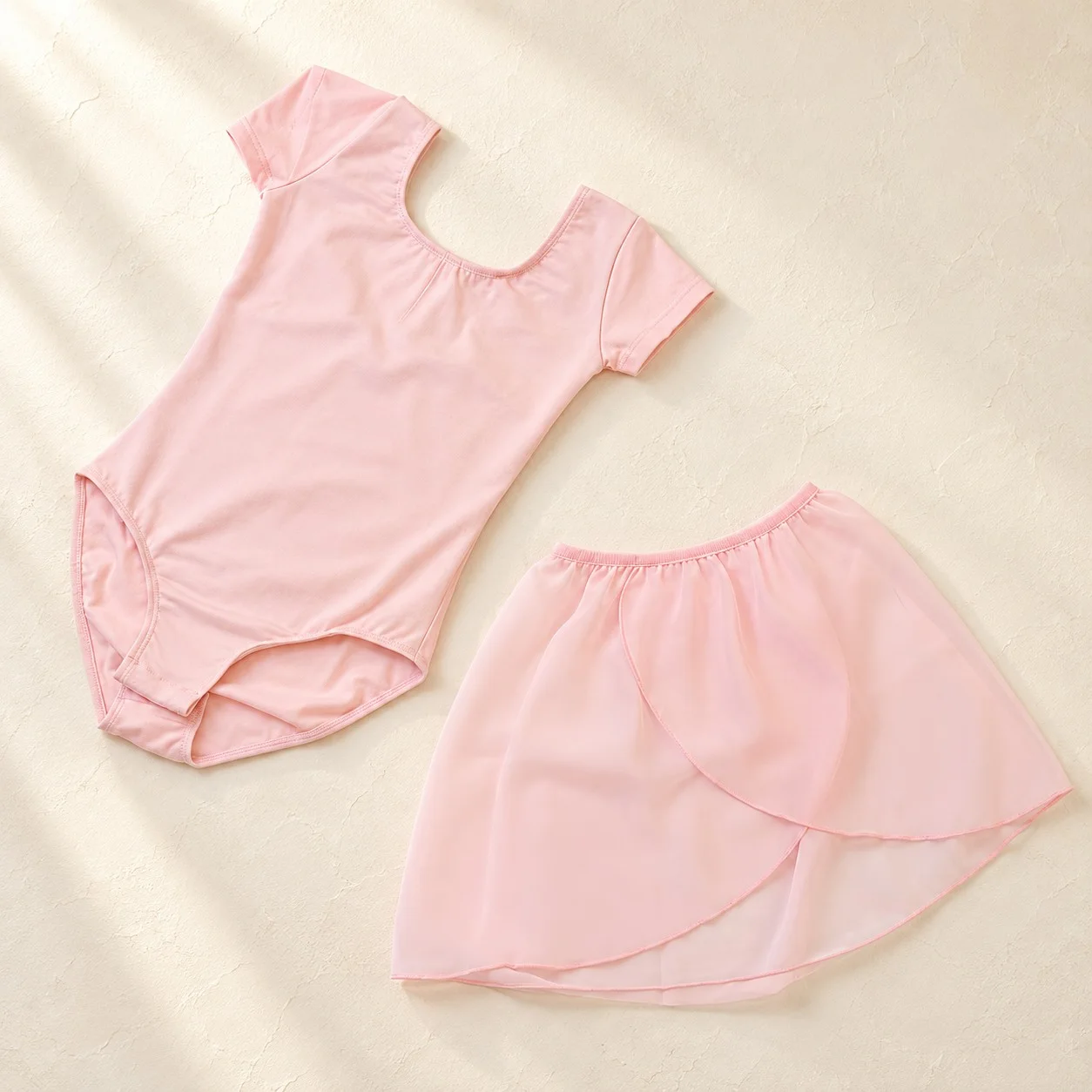
Pale pink short-sleeve ballet leotard with a matching pale pink chiffon skirt

Short answer: a mesh skirt is a light, see-through skirt, a tube skirt is a stretchy, tight pull-on that sits at the hip, and a half skirt covers only part of the hips. For ballet class, a soft wrap or pull-on chiffon skirt is usually the safe choice. Mesh, tube and half skirts are more common in jazz, contemporary and practice classes.

What are the main types of dance skirt?

Skirt What it is Good for
Mesh skirt Light, open-weave, usually pull-on Practice, jazz, layering over shorts
Tube skirt Stretchy, fitted pull-on that sits at the hips Modern, jazz, adult classes
Half skirt A partial skirt or short wrap over the hips Contemporary and practice
Wrap skirt (chiffon) A crossover skirt with a tie or elastic Ballet class, exams, shows
Tutu A layered tulle skirt Performances and photos

For more detail on classic ballet skirts, see our guide to types of ballet skirts.

Which skirt should I wear to ballet class?

Most ballet schools prefer a light chiffon or georgette skirt, often a wrap or pull-on style, so the teacher can still see the hips and legs. Some classes do not allow a skirt at all. Check the dress code first.

How should a dance skirt fit?

  • Waist. A soft elastic waist that stays put without squeezing.
  • Length. Short enough that it does not catch on the feet, long enough to feel comfortable.
  • Fabric. A light fabric that moves when you turn, and does not cling or ride up.
  • Layer. Fine tulle or mesh sits better over a leotard, not over bulky shorts.

How do I choose the size?

  1. Choose by height for children, and by waist and hip for teens and adults.
  2. Compare to the size chart on the product page.
  3. If you are between sizes, choose the larger one.

Our short-sleeve leotard and skirt set includes a soft chiffon skirt with an elastic waist, and you can also buy the skirt on its own. Sizes follow height, so check the size chart. For character dance, our black character skirt has a full-circle cut.

How do I look after a dance skirt?

Wash gently, in cool water, preferably by hand, and let it air dry. Avoid hot irons on mesh, tulle and chiffon. Hang the skirt up after class so it does not crease.

Simple layering ideas

  • A leotard, tights and a pull-on skirt for a light practice outfit.
  • A leotard and a wrap skirt for ballet class, tied at the waist.
  • A fitted top and a tube skirt for a modern or jazz class.

Common mistakes when buying a dance skirt

  • Choosing a skirt that is too long. It can catch on the feet during jumps and turns.
  • Buying a heavy fabric. A heavy skirt hides the legs and weighs down turns.
  • Forgetting the dress code. Some classes do not allow skirts, so ask first.
Posted on

The Nutcracker Characters: Who’s Who in Tchaikovsky’s Classic Ballet

Why The Nutcracker Matters for Dance Families

The Nutcracker is the most performed ballet in the world. Virtually every ballet school stages a version at Christmas, and millions of children see it as their first live ballet performance. Knowing the characters before you go makes the experience far richer — especially for young audience members following their first full-length story ballet.

The Main Characters in The Nutcracker

Clara (or Marie)

The story’s heroine — a young girl celebrating Christmas Eve with her family. In some productions she is called Clara, in others Marie. She receives a nutcracker doll as a gift from her mysterious godfather Drosselmeyer, and it is her bravery that saves the Nutcracker Prince during the battle with the Mouse King. Clara is usually danced by a young student from the company’s school — often one of the first major roles a young dancer performs on a professional stage.

The Nutcracker / The Nutcracker Prince

The enchanted doll that Clara receives as a Christmas gift. At midnight, the Nutcracker comes to life and leads the toy soldiers against the Mouse King’s army. After the battle, he is revealed to be a prince who has been under a spell. He takes Clara on a magical journey through the Land of Snow and into the Kingdom of Sweets.

Drosselmeyer

Clara’s eccentric godfather — a mysterious, one-eyed toymaker who arrives at the Christmas party with extraordinary mechanical toys and, of course, the nutcracker doll. Drosselmeyer is a dramatic character role, usually played by a senior male dancer. He guides Clara through the fantasy world and may have a deeper connection to the Nutcracker Prince depending on the production.

The Sugar Plum Fairy

The ruler of the Kingdom of Sweets who welcomes Clara and the Prince. The Sugar Plum Fairy’s grand pas de deux in Act II is one of the most technically demanding and celebrated passages in the classical ballet repertoire. Her solo variation and the duet with her Cavalier are what most audiences come to see. This role is always danced by the company’s leading ballerina.

The Cavalier (Sugar Plum Fairy’s Partner)

The Sugar Plum Fairy’s partner in the Act II grand pas de deux. In some productions he is identified with the Nutcracker Prince. The Cavalier’s role requires exceptional partnering skill, strong jumps, and elegant turns.

The Mouse King

The villain of Act I, leading his army of mice against the Nutcracker’s toy soldiers. The Mouse King has seven heads in the original story; most stage productions simplify this to a single crowned figure in a dramatic mouse costume. He is defeated when Clara throws her shoe at him.

The Divertissement Characters: The Kingdom of Sweets

Act II features a series of dances performed in honor of Clara and the Prince. These character dances represent different sweets and countries:

  • Spanish (Hot Chocolate) — bold and dramatic, castanets and passionate footwork
  • Arabian (Coffee) — slow and exotic, often featuring a sinuous solo or trio
  • Chinese (Tea) — quick and light, with acrobatic touches
  • Russian (Candy Canes / Trepak) — high-energy, featuring athletic jumps and turns
  • Danish (Marzipan Shepherdesses) — delicate and charming, usually performed by younger dancers or students
  • Mother Ginger and her Children (Polichinelles) — a comic scene where small children emerge from under Mother Ginger’s enormous skirt
  • Waltz of the Flowers — a large ensemble piece for the corps de ballet, one of Tchaikovsky’s most beloved passages

Productions Vary — What to Expect

No two Nutcracker productions are exactly alike. The Royal Ballet’s version differs from American Ballet Theatre’s, which differs again from a regional company’s staging. Some versions update the setting or costumes; others add storyline changes. Check the program notes for the specific production you are attending.

Frequently Asked Questions

How old is the role of Clara typically danced by?

At professional companies, Clara is usually danced by a student from the company’s affiliated school, typically aged 10 to 14 depending on the production’s physical requirements. In amateur productions, the age range is wider.

Is the Nutcracker suitable for very young children?

Most productions are appropriate for children aged 4 and over. The battle scene between the toy soldiers and mice can be exciting and slightly scary for very young children, but it is brief. The second act is gentle and magical throughout. Check the production’s recommended age guidance when booking.

Which Nutcracker music is most famous?

The Dance of the Sugar Plum Fairy (featuring the celesta), the Waltz of the Snowflakes, the Arabian Dance, and the Russian Trepak are the most widely recognized pieces. The entire score is by Pyotr Ilyich Tchaikovsky, composed in 1892.

Does Clara dance the whole ballet?

In traditional productions, Clara’s role in Act II is largely as an observer — she watches the divertissements and the Sugar Plum Fairy’s grand pas de deux. Some modern productions give Clara a more active dancing role throughout.