
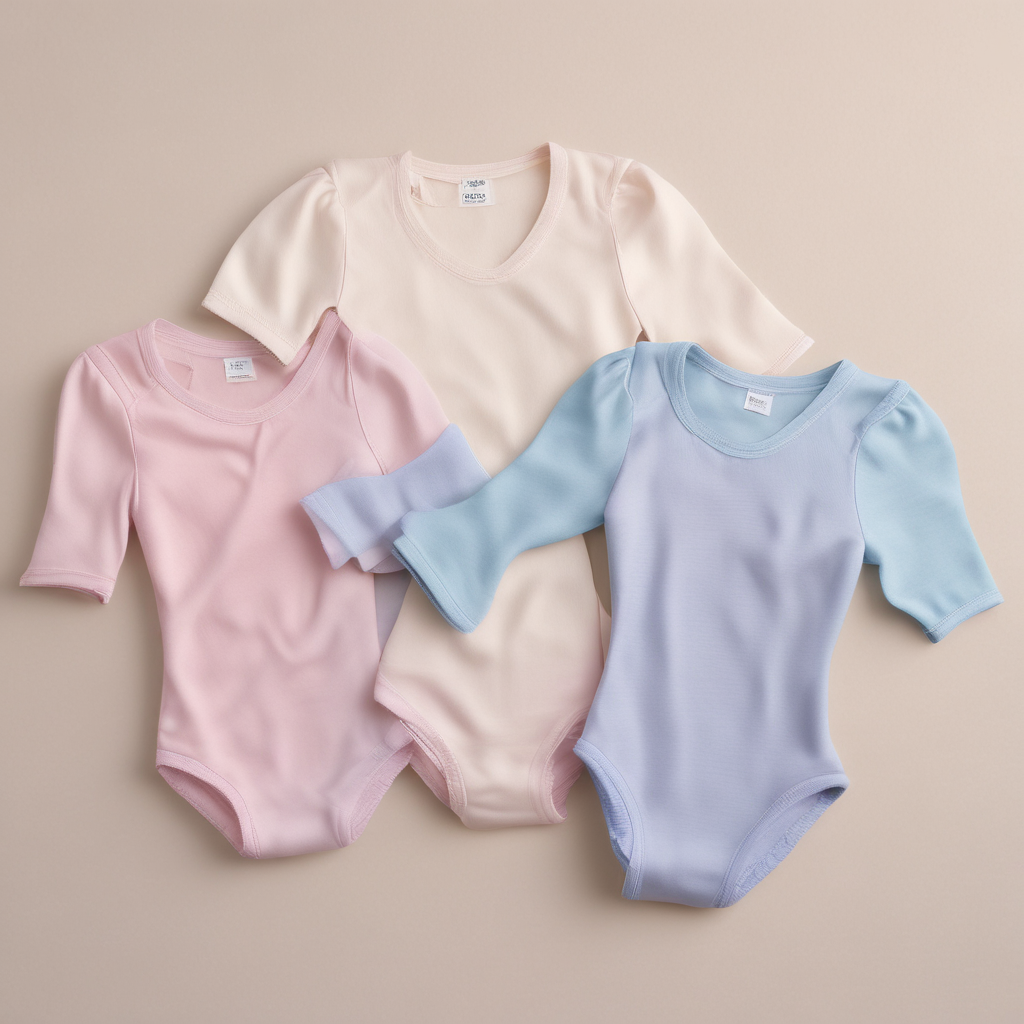
The three most common ballet examination boards in the UK and internationally — the Royal Academy of Dance (RAD), the Imperial Society of Teachers of Dancing (ISTD), and the British Association of Teachers of Dancing (BATD) — each have their own grading systems and, crucially, their own uniform requirements. If your child is starting at a new school, moving between schools, or you’re simply not sure which board your school uses, this guide explains the key uniform differences.
What Are Exam Boards and Why Do They Set Uniform Rules?
Ballet exam boards are independent organizations that set syllabi, train teachers, and conduct examinations across dance schools worldwide. Each board has its own method, aesthetic, and approach to classical ballet training. The uniform is part of this identity — it allows teachers to identify students by grade quickly and helps maintain a professional, distraction-free class environment.
Most dance schools affiliate with one primary exam board. Some schools offer multiple pathways, but this is less common.
RAD (Royal Academy of Dance) Uniform
RAD is one of the world’s largest ballet examination boards and is particularly widespread in the UK, Australia, and South Africa. The RAD color system is well-established:
- Pre-Primary: Candy pink short-sleeve leotard, pink tights, canvas shoes
- Primary: Candy or pale pink leotard, pink tights
- Grade 1: Pale blue leotard (varies by school)
- Grades 2–3: Blue or airforce blue leotard
- Grades 4–5: Lilac leotard
- Grades 6–8: Purple or burgundy leotard
- Vocational: Black or dark leotard
All grades: pink footed or convertible tights, pink or skin-tone canvas or leather ballet shoes, elastic belt (in lower grades), neat bun.
ISTD (Imperial Society of Teachers of Dancing) Uniform
ISTD’s Classical Ballet syllabus has a different color progression than RAD. While the exact specifications are set at school level within ISTD guidelines, common patterns include:
- Primary Ballet: typically a pale pink or white leotard
- Grade 1–2: pale blue or white
- Higher grades: colors vary significantly by school
ISTD schools have more flexibility in their specific uniform choices than RAD schools, which means more variation between different ISTD-affiliated studios. Always ask your specific school for their dress code rather than assuming from the board’s general guidance.
BATD (British Association of Teachers of Dancing) Uniform
BATD is smaller than RAD and ISTD but has a strong presence in certain regions. BATD schools typically specify:
- Leotard colors that may differ from RAD’s system entirely
- Pale or white leotards are more common in BATD’s classical ballet pathway in the early grades
- Specific styles that align with the BATD aesthetic
As with ISTD, there is significant school-level variation. Ask the teacher or check the school handbook for the specific requirements.
What to Do When Switching Schools or Exam Boards
If your child moves from an RAD school to an ISTD or BATD school (or vice versa), their existing leotard will likely be the wrong color. The transition process:
- Get the new school’s written uniform policy before buying anything
- Ask about a grace period — most schools give 2–4 weeks for new students to obtain the correct uniform
- Don’t assume your existing dancewear is compatible even if the grade level is similar
Frequently Asked Questions
How do I find out which exam board my child’s school uses?
Ask the teacher or check the school’s website. The exam board is usually listed in the “About” section or in the registration materials. You can also look for logos on the studio wall or ask about upcoming examination dates and who conducts them.
My child’s school uses RAD but a friend’s uses ISTD. Can they share leotards?
Only if the colors happen to match the requirements at each school — which is unlikely. The color systems differ between boards and also between individual schools within a board, so sharing is usually not practical.
Does it matter which exam board a school uses?
Each board has a respected, well-developed syllabus. The right choice depends on the quality of the individual school and teacher rather than the board itself. RAD is the most internationally recognized, which can be helpful if you move countries frequently.
Shop at ZoeDancewear
- RAD Grade Leotards by Color — shop by grade color for RAD examinations
- RAD Ballet Uniform Guide by Grade — complete RAD color system explained
- How Ballet Grades Work — pre-primary to grade 8 explained for parents