
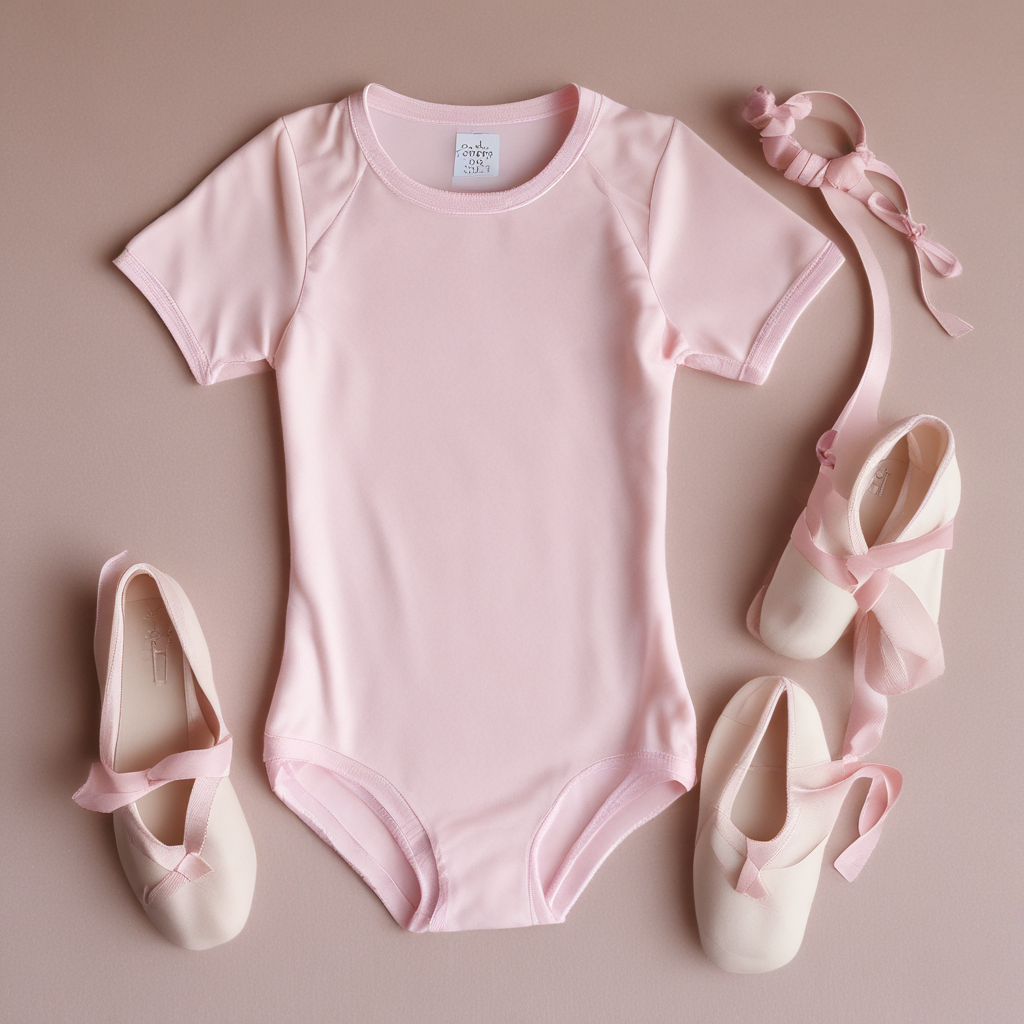
When your child starts ballet classes, you’ll likely hear the term “RAD” used frequently — by the school, in uniform guides, and on examination certificates. But what exactly is the RAD, and what does it mean for your child’s ballet training? This guide explains everything parents need to know about the Royal Academy of Dance.
What Does RAD Stand For?
RAD stands for the Royal Academy of Dance. It is an international dance education organization headquartered in London, UK. Founded in 1920 and granted a Royal Charter in 1936, the RAD is one of the world’s leading providers of ballet teacher training and graded ballet examinations.
The RAD develops and maintains a ballet syllabus used by thousands of dance schools in over 79 countries. When a school is “RAD-affiliated,” it means the teachers are trained in the RAD method and students are assessed using the RAD grading system.
The RAD Grading System: From Pre-Primary to Advanced
The RAD divides ballet training into two main tiers:
Graded Examinations (typically ages 3–16+):
- Pre-Primary in Dance
- Primary in Dance
- Grade 1 through Grade 8
Vocational Graded Examinations (more advanced students, typically 11+):
- Intermediate Foundation
- Intermediate
- Advanced Foundation
- Advanced 1
- Advanced 2
Students typically progress through one to two grades per year, depending on class frequency and individual development. Not every student takes examinations — some schools focus on class work without formal assessment, and that’s valid too.
What Happens in an RAD Ballet Exam?
RAD examinations are conducted by an external examiner sent by the RAD. Students perform set exercises and dances from the syllabus, which they’ve been preparing in class over the year. The examiner awards marks and provides feedback. Exams typically take 20–45 minutes depending on the grade and are done in small groups.
Students receive a grade: Merit, Distinction, Pass, or — rarely — not-yet-achieved. Most students who are entered for exams achieve at least a Pass, because teachers only enter students they feel are ready.
What Makes RAD Different from Other Methods?
The two main ballet examination bodies in the UK are the RAD and the ISTD (Imperial Society of Teachers of Dancing). Both have respected syllabi, but the RAD is more widely recognized internationally — particularly relevant if your family moves countries or if your child aspires to a professional career. The RAD’s graded system is also more standardized across schools than some other methods.
Do All Ballet Schools Use RAD?
No. Many excellent schools use ISTD, BATD, or other curricula, or teach a non-examination-based approach. The quality of teaching matters more than the examining body. If you’re choosing a school, observe a class and meet the teacher rather than simply looking for an RAD affiliation.
What Does RAD Mean for the Uniform?
RAD schools follow a color-coded uniform system where each grade has a specific leotard color. This makes the uniform more structured than at some other schools. For a full breakdown of what your child needs at each grade, see our RAD Ballet Uniform Guide by Grade.
Frequently Asked Questions
Is RAD ballet better than other types of ballet training?
Not inherently — the quality of the individual teacher matters most. RAD is widely respected and internationally recognized, which has practical benefits, but excellent dancers have emerged from all major training systems.
Does my child have to take RAD exams?
No. Many students attend RAD schools without sitting formal examinations. The exams are optional, though most schools encourage them as they provide structured goals and professional feedback.
At what age can a child start RAD ballet?
Most RAD schools accept children from age 3 for Pre-Primary classes. Some schools have younger “baby ballet” or “Minis” classes that feed into the formal RAD system from age 3 or 4.
Is an RAD certificate recognized professionally?
RAD vocational grades (Intermediate and above) are recognized by arts organizations and professional schools. Graded examinations (Grade 1–8) are valuable for student motivation and teacher assessment but are not vocational qualifications in themselves.
Shop at ZoeDancewear
- RAD Grade Leotards — correct colors for every RAD grade
- Ballet Leotard Colors by RAD Grade — visual color guide from Pre-Primary to Vocational
- Girls’ First Ballet Class: What to Buy — starter guide for new RAD students