Posted on

Fishnet Tights for Dance: When Dancers Wear Them and How to Choose

Fishnet Tights for Dance: When Dancers Wear Them and How to Choose

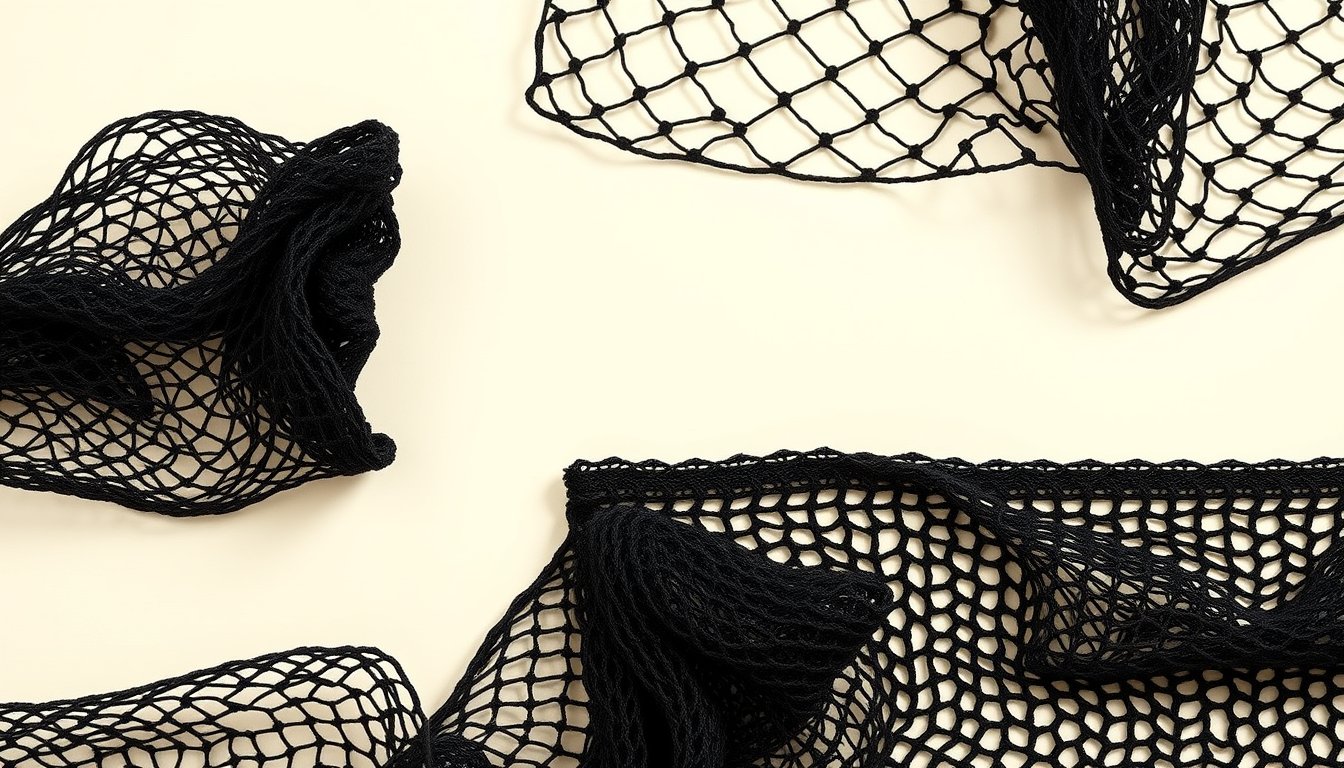
Fishnet tights are made from a diamond or hexagonal open-weave fabric. In dance they are most commonly worn for musical theatre, jazz, Latin ballroom, cabaret and character work. The open weave creates a leg-lengthening effect under stage lighting and gives a more theatrical look than plain opaque tights. They are rarely worn in classical ballet class but often required for shows and performances.

Short answer: Fishnet tights are made from a diamond or hexagonal open-weave fabric. In dance they are most commonly worn for musical theatre, jazz, Latin ballroom, cabaret and character work.

When Do Dancers Wear Fishnet Tights?

Common uses: musical theatre and jazz performances; Latin and ballroom competitions where skin-tone fishnets are worn with short dresses; character dance examinations where fishnets may be required with a character skirt; and end-of-year shows with a cabaret or vintage theme. Always check the specific costume brief — mesh size, denier and colour all vary by show.

Fishnet Tights: Mesh Size Explained

Small-mesh fishnets (1–5 mm holes) look more refined and suit exam or competition settings. Large-mesh fishnets (10 mm and above) are bolder and more theatrical — right for stage but too casual for exams. Medium mesh (5–8 mm) is the most versatile size for dance use.

Choosing the Right Colour

Black fishnet tights are most common for performance. Skin-tone or nude fishnets are used in Latin ballroom and for numbers calling for a natural leg look. White fishnets appear in some vintage show contexts. For ballet exams, stick to the colour specified by the teacher or exam board.

How to Make Dance Fishnet Tights Last

Hand wash or machine wash cold in a mesh laundry bag. Dry flat rather than tumble drying. Avoid pulling hard on the waistband. Store flat rather than rolled, which can stretch the mesh over time.

Frequently Asked Questions

Can ballet students wear fishnet tights in class?

Not usually. RAD classes require plain pink or skin-tone tights depending on grade. Fishnet tights are for performances or where specifically required by the teacher for a show costume.

Are fishnet tights appropriate for children in dance?

Yes, in a dance context — they are a standard part of many dance costumes from age 6 upwards when required by the costume brief for a performance.

Browse dance tights at ZoeDancewear

See also: For shows and performances, see our guide to glitter and sparkle tights for ballet.
Posted on

How Much Do Ballet Shoes Cost? A Full Price Guide by Type

How Much Do Ballet Shoes Cost? A Full Price Guide by Type

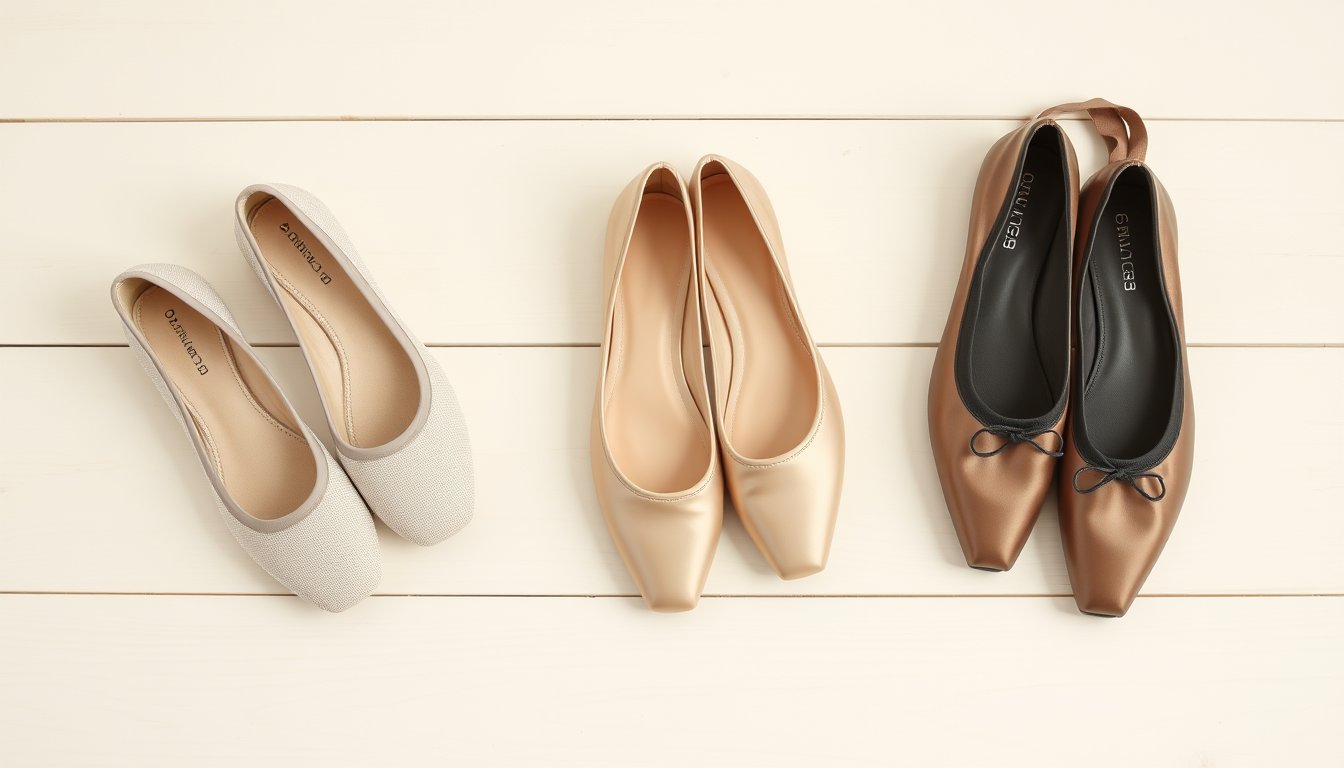
Ballet shoe prices range from around £10 for a basic canvas flat to £80 or more for professional-grade pointe shoes. The price depends on the material (canvas vs leather), the construction (full sole vs split sole), and whether the shoe is beginner or advanced grade. Most children in RAD ballet classes need a canvas or leather flat — pointe shoes are only introduced when a teacher confirms readiness.

Short answer: Ballet shoe prices range from around £10 for a basic canvas flat to £80 or more for professional-grade pointe shoes.

Canvas Ballet Shoes: Price Range

Canvas split-sole and full-sole flats are the most affordable option. Beginner and school-supply canvas shoes cost £10–£18. Mid-range canvas shoes from established brands cost £18–£30. Canvas shoes are lightweight and washable, making them practical for young students. They wear out faster than leather and typically need replacing every 6–12 months of regular use.

Leather Ballet Shoes: Price Range

Leather ballet shoes are more durable and mold to the foot over time. Full-sole leather shoes for beginners cost £15–£28. Split-sole leather shoes for more advanced students cost £20–£35. Professional leather shoes from specialist brands can cost £35–£55.

Pointe Shoes: Price Range

Pointe shoes are significantly more expensive due to specialist construction. Beginner and intermediate pointe shoes cost £40–£65. Mid-range professional shoes cost £60–£80. High-end custom shoes can cost £80–£120 or more. Pointe shoes also wear out quickly — needing replacement every 3–6 months — so the ongoing cost adds up.

Character Shoes: Price Range

Character shoes (for examinations involving character dance or musical theatre) cost £25–£55 depending on heel height, material and brand. Basic school-grade character shoes start around £25. Professional styles with a Cuban heel and quality leather upper cost £40–£55.

Other Costs to Budget For

Elastic for ballet shoes (£2–£4), ribbons and elastics for pointe shoes (£4–£8), toe pads (£5–£15), and regular replacement as shoes wear out. Budget over a full year, not just the initial purchase.

Frequently Asked Questions

Are cheaper ballet shoes good enough for class?

For beginner and recreational students, budget canvas shoes at £10–£18 are perfectly suitable. As students advance, better construction matters more for technique and injury prevention.

How often do ballet shoes need replacing?

Canvas flats last 6–12 months of regular use. Leather flats last 12–24 months. Pointe shoes wear out much faster — every 3–6 months for students in regular classes.

Shop ballet shoes at ZoeDancewear

nn

Shop at ZoeDancewear

Stretch-Canvas Ballet Shoes u2014 professional-quality canvas slippers at an affordable price. Free shipping over $99 to the US.

Posted on

Ballet Dance Belt: What It Is and Why Male Dancers Wear One

Ballet Dance Belt: What It Is and Why Male Dancers Wear One

A dance belt is a specialist undergarment designed for male dancers. It works like a thong-cut brief but is constructed with a wider, more supportive front panel that holds everything firmly in place during leaps, jumps, kicks and partner lifts. Male ballet students wear a dance belt under their tights or ballet trousers from the point they begin serious technique training — usually around Grade 3–4 or when partnering work starts.

Short answer: A dance belt is a specialist undergarment designed for male dancers. It works like a thong-cut brief but is constructed with a wider, more supportive front panel that holds everything firmly in…

Why Do Male Ballet Dancers Wear a Dance Belt?

Standard underwear shifts position during movement, creates visible lines under tights, and offers no targeted support during extreme ranges of motion. A dance belt solves all three: the snug front panel keeps everything in position throughout class; the thong-style back leaves no visible underwear lines under costume tights; and the reinforced construction provides real support during jumps and partner work.

When Should Boys Start Wearing a Dance Belt?

Most teachers introduce dance belts when boys begin more demanding technique classes — around RAD Grade 3–4, typically age 10–13. For recreational classes at younger ages, standard underwear under ballet trousers is usually acceptable. The teacher will advise when the time is right.

How Should a Dance Belt Fit?

A dance belt should sit snugly at or slightly below the natural waist without riding down or gaping. The front panel should hold everything firmly in place without restricting movement. Try the belt on and run through plié and kick movements before deciding — it should feel supportive but not tight enough to restrict breathing or leg extension.

Dance Belt Styles: Full Seat vs Thong

Full-seat dance belts have a full back panel and are more comfortable for long rehearsals. Thong-style dance belts have a minimal back that is completely invisible under tights and costume pieces. Most ballet teachers prefer the thong style under performance tights. For class and rehearsal, full-seat styles are often more practical.

Frequently Asked Questions

What colour dance belt should a boy buy?

Nude or skin-tone is standard for ballet — invisible under pink or skin-tone tights. Black is appropriate under dark performance trousers. White shows through light-coloured tights and should be avoided.

Is a dance belt the same as a jockstrap?

Similar in purpose but different in design. A jockstrap has a separate cup pocket and open back. A dance belt is a continuous smooth garment designed for the full range of motion in dance, with no hard elements.

Browse dance accessories at ZoeDancewear

Posted on

Dance Uniforms for Ballet Schools: A Buying Guide for Teachers and Parents

Dance Uniforms for Ballet Schools: A Buying Guide for Teachers and Parents

A dance school uniform serves several practical purposes: it meets exam board requirements, helps teachers see body alignment clearly, and gives the studio a consistent professional appearance. Choosing the right uniform for each age group and grade takes planning. This guide is for dance school owners, principals and parents managing uniform for a group.

Short answer: A dance school uniform serves several practical purposes: it meets exam board requirements, helps teachers see body alignment clearly, and gives the studio a consistent professional appearance.

What Does a Ballet School Uniform Typically Include?

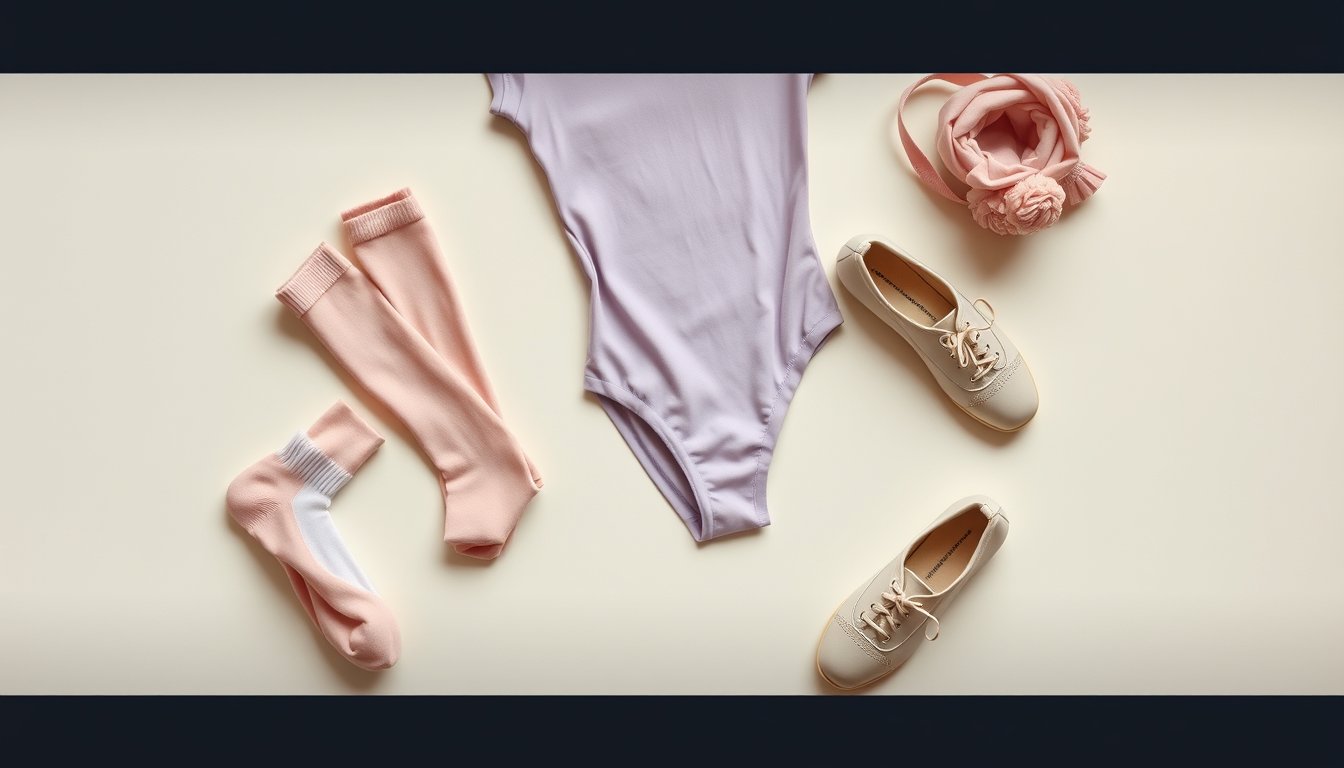
For RAD ballet, the core uniform is: a leotard in the grade colour, pink ballet tights, white or pink ankle socks (for younger grades), and pink canvas or leather ballet shoes. Older students may add a wrap skirt for barre work. Hair must be in a neat bun with a hair net. Some schools also specify a warm-up layer for the start of class. Confirm the exact specification against the current RAD requirements each year.

RAD Grade Colours: A Quick Reference

RAD leotard colours currently follow: Pre-Primary and Primary: pink; Grades 1–3: light blue; Grade 4: navy; Grade 5: burgundy; Grades 6–8 and above: black. Always verify against the official RAD documentation as colours occasionally update.

Buying for a Whole Class: Practical Tips

Measure students at the start of each term — children grow quickly and an ill-fitting uniform affects technique and motivation. Buy one size up for students close to a size boundary. If purchasing in bulk, ask your dancewear supplier about school account discounts. Keep a small stock of common sizes in the studio for students who arrive without correct uniform.

What Fabrics Work Best for Dance Uniforms?

Nylon-lycra (80/20 blend) is standard for ballet leotards — it moves with the body, holds colour well and washes easily. Cotton-lycra is softer but less durable and may sag after repeated washing. For tights, nylon with elastane gives the best balance of durability and stretch.

What to Standardise and What to Leave Flexible

Standardise visible items: hair net colour (match to hair), sock style (ankle for most grades), and shoe colour (pink for girls; black or white for boys depending on grade). Warm-up layers and dance bags can often be left to individual choice without affecting the class appearance.

Frequently Asked Questions

How often should dance school uniforms be replaced?

Ballet shoes every 6–12 months. Leotards and tights one to two years with regular washing. Review condition at the start of each term and alert parents early if replacements are needed before exam season.

Can parents buy dance uniforms from any retailer?

In most cases yes, as long as items meet the specification. Some schools have a preferred supplier for convenience — check with your school before ordering.

Shop RAD-specification dance uniforms at ZoeDancewear

Posted on

Ballerina Outfit for Adults: Complete Guide to What to Wear to Class

Ballerina Outfit for Adults: Complete Guide to What to Wear to Class

Adult ballet classes are generally far less strict about uniform than children’s RAD classes. Most adult beginners and intermediate students can choose from a range of comfortable, fitted dancewear as long as the teacher can see their body alignment clearly. A leotard and tights is still the most practical option, but fitted shorts, dance trousers or yoga leggings are acceptable in most adult recreational classes.

Short answer: Adult ballet classes are generally far less strict about uniform than children's RAD classes. Most adult beginners and intermediate students can choose from a range of comfortable, fitted…

The Classic Adult Ballet Outfit: Leotard and Tights

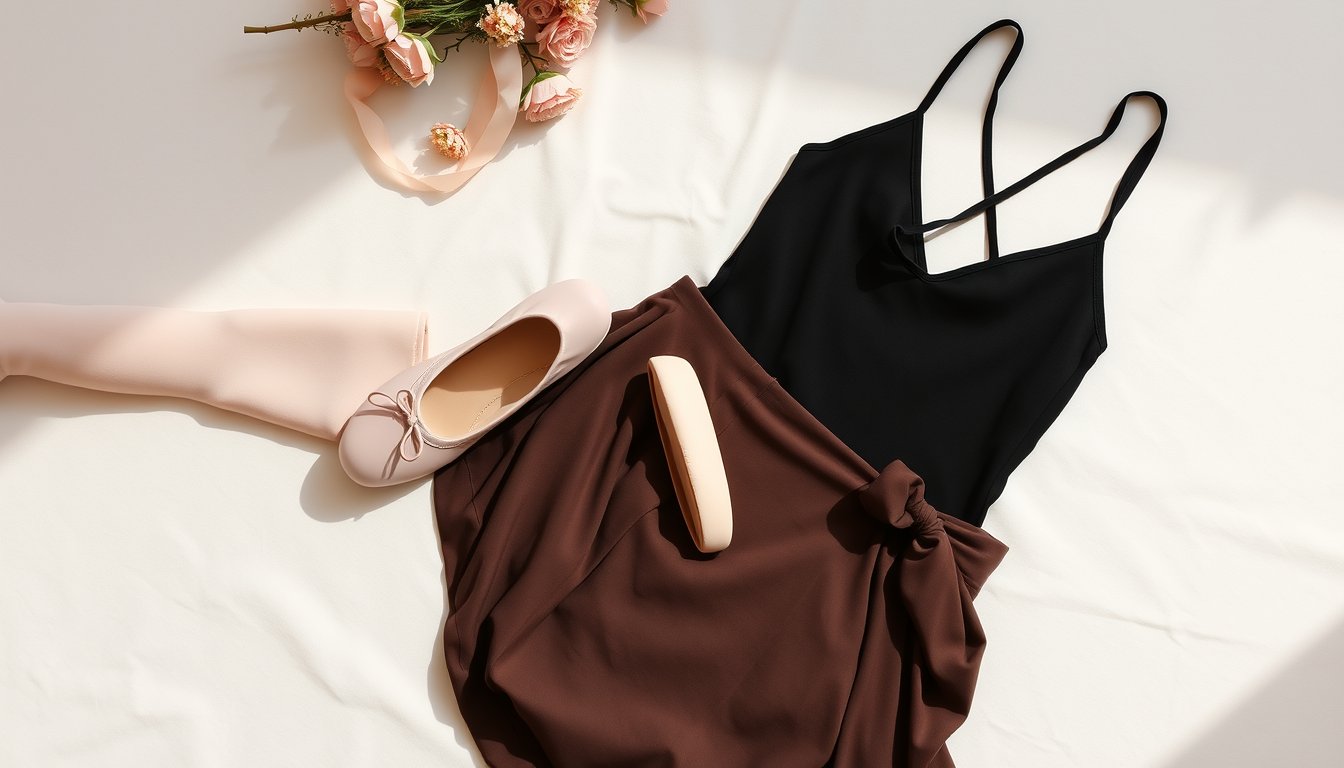
A leotard and pink or skin-tone tights remains the clearest and most practical outfit for adult ballet. The teacher can see your spine, hips, knees and ankles without loose fabric obscuring alignment. A camisole or tank leotard in black or a dark neutral is a popular starting point for adults who feel self-conscious — understated and versatile. Add a wrap skirt or chiffon skirt if you prefer more coverage at the hips.

Comfortable Alternatives for Adult Beginners

If you are not ready for a leotard, these work well in most adult beginner classes: fitted crop top or dance vest with high-waist leggings; fitted yoga top tucked into dance shorts; fitted long-sleeve top with slim-fit dance trousers. Avoid loose T-shirts or joggers — the teacher needs to see your alignment, and loose clothing makes this harder.

What Kind of Tights Should Adults Wear?

Pink ballet tights look traditional and are what most teachers prefer, but skin-tone tights or sheer black tights are usually fine in adult recreational classes. Footless tights or dance stirrups are a practical alternative if you dislike full-footed tights. Avoid thick opaque leggings in place of tights — they are too thick for ballet shoes to sit correctly at the heel.

Shoes and Feet for Adult Ballet

Pink canvas split-sole ballet flats are standard. They are lightweight, affordable (£10–£25) and suitable from beginner to intermediate. Leather full-sole flats are used in classes that emphasise foot articulation. Bare feet are sometimes allowed in adult contemporary-ballet classes but not in technique-focused ballet.

Hair and Accessories for Adult Ballet

Hair should be tied up and away from the face and neck — a bun, ponytail or braid all work. Long hair falling forward obscures your posture. Jewellery should be minimal: remove earrings, bracelets and rings that could catch on fabric.

Frequently Asked Questions

Do adult beginners need a leotard for ballet?

In most adult recreational classes, no — a fitted top and leggings is fine. A leotard and tights is the most practical option but not compulsory unless the school specifically requires it. Check with the teacher before your first class.

Can adults wear shorts for ballet?

Yes — fitted dance shorts (mid-thigh length) with a leotard or fitted top are common in adult ballet classes. Very short shorts ride up during floorwork; loose shorts obscure knee alignment.

Shop adult ballet leotards at ZoeDancewear

Posted on

Ballet Pants and Warm-Up Trousers: When and How to Wear Them

Ballet Pants and Warm-Up Trousers: When and How to Wear Them

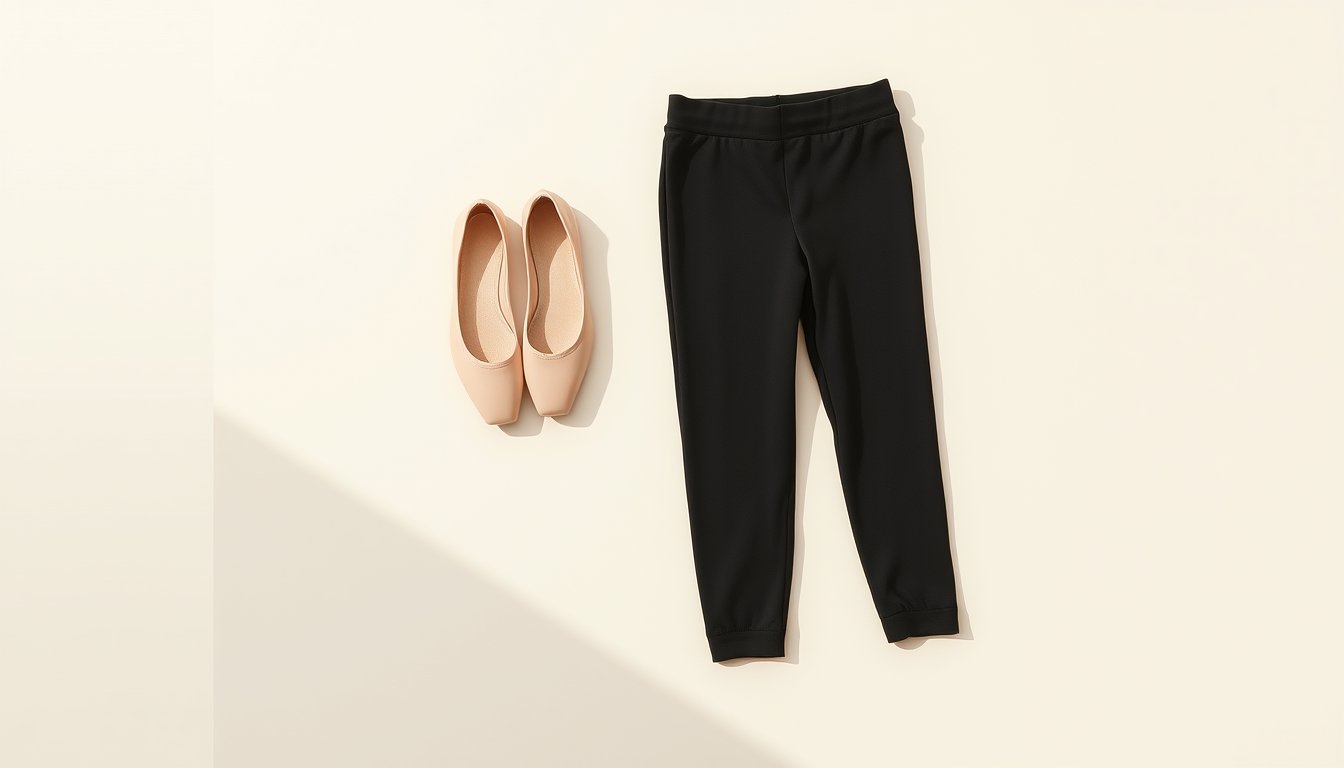
Ballet pants (also called dance warm-up trousers or ballet trousers) are fitted, stretch trousers designed to be worn during the warm-up phase of ballet class or as an alternative to tights for male students. They differ from standard gym leggings in that they are cut to allow a full ballet range of motion — deep pliés, high kicks and grand battements — without restricting at the hip or knee.

Short answer: Ballet pants (also called dance warm-up trousers or ballet trousers) are fitted, stretch trousers designed to be worn during the warm-up phase of ballet class or as an alternative to tights for…

When Are Ballet Pants Worn in Class?

In recreational and adult ballet classes, some students wear ballet trousers for the entire class. In structured RAD classes, dance trousers are usually a warm-up layer worn at the barre and removed before centre work. For male students, ballet trousers in white or black may form part of the class uniform alongside a white fitted top.

Ballet Pants vs Leggings: What Is the Difference?

Ballet trousers are cut with a longer, straighter leg and made from lighter fabric — usually nylon-lycra or thin ponte — that does not cling in thick rolls. They often have a straight or slightly flared leg below the knee, giving a cleaner line than the tight ankle-grip of gym leggings. Very thick gym leggings sit too heavily around the ankle and inside ballet shoes.

Warm-Up Trousers vs Practice Pants

Warm-up trousers are loose around the hip and thigh with an elasticated waist — designed to go on and off quickly over a leotard and tights. Practice pants are more fitted and worn throughout class as an alternative to tights. Both have their place; the choice depends on class context and teacher preference.

Choosing the Right Fit

Ballet pants should sit at the natural waist without digging in when you bend. The leg should cover the ankle without bunching. Check that you can execute a full grand plié and high développé — the fabric should stretch without going transparent.

Care and Longevity

Wash on a cold gentle cycle and hang to dry. Avoid washing with rough fabrics like denim that pill the surface. Quality ballet trousers last two to three years of regular class use if cared for correctly.

Frequently Asked Questions

Can girls wear ballet trousers to class?

Yes, in most adult and recreational classes. In children’s RAD classes there may be a uniform requirement for tights and leotard — check the school’s dress code.

What colour ballet pants should I buy?

Black is the most versatile — it goes with any leotard colour. Navy and grey are also practical. White is traditional for male dancers. Avoid white for female students unless specifically required, as white can become transparent when stretched.

Browse ballet warm-up clothes at ZoeDancewear