Posted on

Dance Dresses and Skirted Leotards: When and How to Wear Them

Dance Dresses and Skirted Leotards: When and How to Wear Them

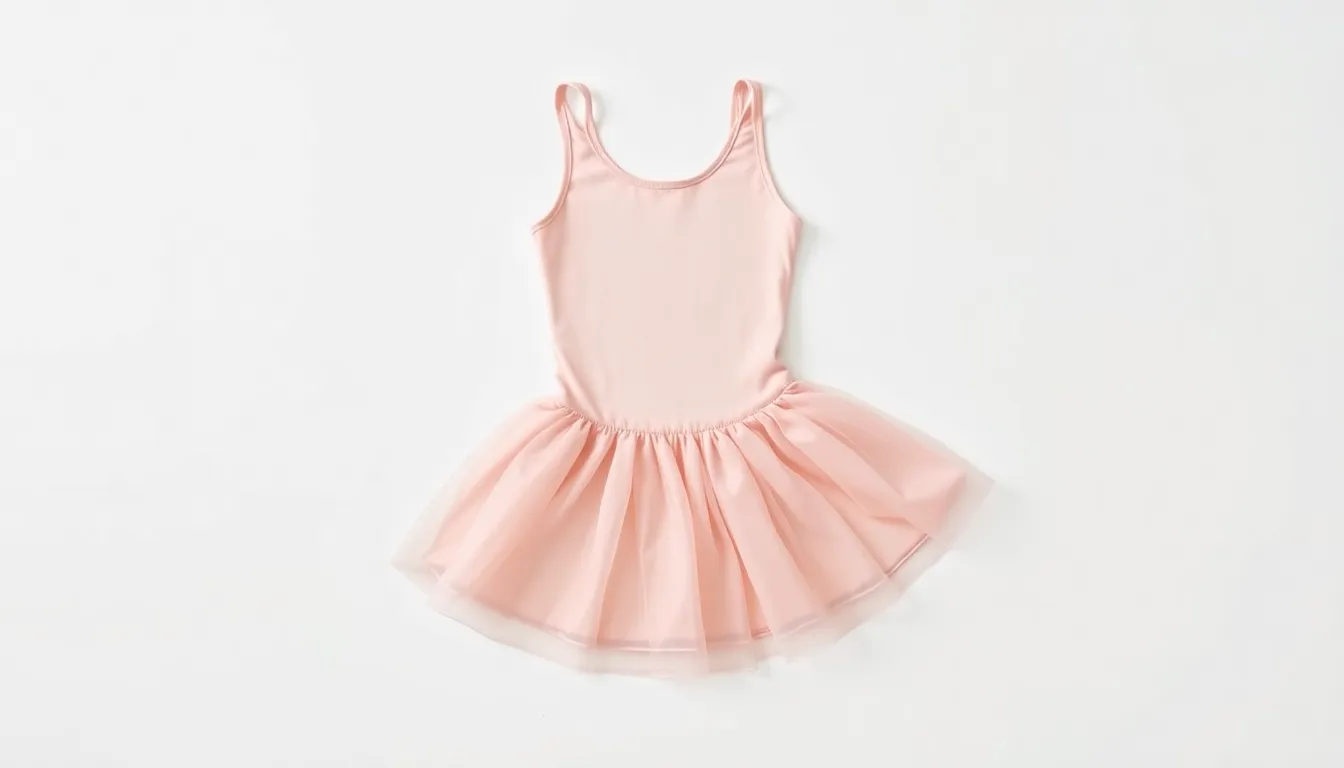
A dance dress or skirted leotard is a single garment that combines a fitted leotard bodice with an attached skirt — either a gathered, chiffon, mesh or tulle skirt stitched directly to the waist. They eliminate the need for a separate skirt layer and give a neat, unified look for performances, festivals and certain types of ballet class. They are most common in early-years ballet, dance festivals, end-of-year shows and adult recreational classes.

Short answer: A dance dress or skirted leotard is a single garment that combines a fitted leotard bodice with an attached skirt — either a gathered, chiffon, mesh or tulle skirt stitched directly to the waist.

Dance Dress vs Leotard and Separate Skirt: What Is the Difference?

A leotard worn with a separate wrap skirt can be adjusted — the skirt can be removed after barre work, or replaced with a different skirt for a different class. A skirted leotard or dance dress is a single piece where the skirt is permanently attached. The advantage is a neater appearance with no risk of the skirt shifting or coming undone. The disadvantage is less versatility — the skirt cannot be removed or swapped. For examinations and performances, the integrated look of a dance dress is often preferred.

Skirted Leotards for Young Children

Skirted leotards and dance dresses are especially popular for pre-primary and primary ballet students. They give a complete, balanced look without parents needing to manage a separate skirt layer. Soft tulle or chiffon attached to a camisole or cap sleeve bodice is the most common style. In RAD classes, the skirted leotard should match the grade colour if it replaces a plain leotard — check with the teacher before buying.

Dance Dresses for Adult Classes

Adult ballet students who prefer a skirt but want a more streamlined look often choose skirted leotards or wrap-style dance dresses. A chiffon skirt attached to a camisole leotard in black or navy gives a professional appearance without the bulk of a separate wrap skirt. Some adult class teachers specify a skirted leotard for certain styles of class — particularly where the skirt is part of the choreographic aesthetic, as in balletic contemporary classes.

Performance and Recital Dance Dresses

For end-of-year shows and ballet festivals, children’s classes often wear matching dance dresses rather than individually assembled outfits. The teacher or school specifies the dress — often in a specific shade or with a particular skirt shape — and parents order it from the school’s designated supplier. These dresses usually need to withstand multiple performances and should be washed according to the care label to maintain the skirt’s volume.

How to Choose a Dance Dress or Skirted Leotard

Consider: the type of skirt (tulle for structured volume, chiffon for flowing softness, mesh for a modern look); the bodice style (camisole for warm weather, long sleeve for cool studios); the colour (grade-specific for RAD class, or teacher’s preference); and the size (measure the chest and hips and check the size chart, as skirted leotards often size differently from plain leotards due to the added skirt structure at the waist).

Frequently Asked Questions

Can a skirted leotard be worn instead of a plain leotard for RAD exams?

This depends on the RAD grade and the exam board’s current requirements. Some grades allow a skirted leotard; others specify a plain leotard and a separate skirt. Always confirm with your teacher before purchasing for an examination.

How do you wash a skirted leotard?

Hand wash or machine wash on a delicate cold cycle in a mesh laundry bag. Turn inside out to protect the skirt from snagging. Do not tumble dry — hang to air dry, shaking the skirt out gently to restore its shape. Iron the skirt on a cool setting if needed, not the bodice.

Are dance dresses the same as ballet costumes?

Not quite. A dance dress or skirted leotard is suitable for class, festivals and light performances. A ballet costume is a more elaborate garment made specifically for a performance — often with more detailed construction, embellishment and a specific aesthetic related to the production.
Browse leotards and dance dresses at ZoeDancewear

Posted on

Ouch Pouches and Toe Pads for Pointe Shoes: Which Type Is Right for You?

Ouch Pouches and Toe Pads for Pointe Shoes: Which Type Is Right for You?

Toe pads and ouch pouches sit between your toes and the inside of the pointe shoe box to cushion the pressure of dancing en pointe. Without protection, the hard box presses directly against the tips of the toes and the skin at the nail bed, causing blisters, bruising and nail damage. Choosing the right type of pad for your foot shape and shoe makes a significant difference to both comfort and technique.

Short answer: Toe pads and ouch pouches sit between your toes and the inside of the pointe shoe box to cushion the pressure of dancing en pointe.

Types of Toe Protection for Pointe Shoes

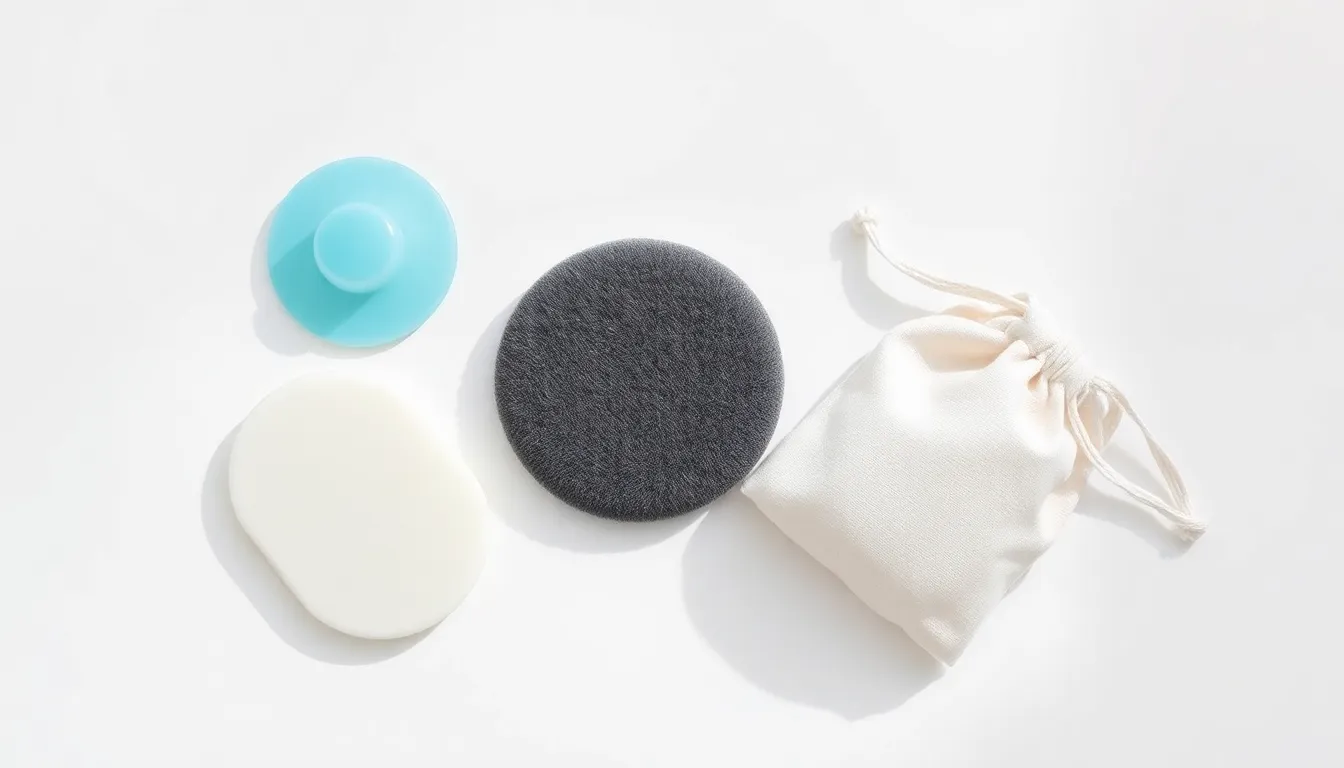
The main types are: gel toe caps (a soft silicone sleeve that covers one or more toes), ouch pouches (a small fabric or gel pouch that the toes sit inside), lambswool (natural wool that is moulded around the toes), and foam or fabric pads (flat half-moon shaped pads that sit under the toes). Each type has different thickness, weight and feel — all of which affect how the foot sits in the shoe.

Gel Toe Caps and Ouch Pouches: Pros and Cons

Gel toe caps are individual sleeves made from silicone gel. They are reusable, easy to clean and provide even cushioning across the tip of the toe. They suit dancers with prominent big toes or sensitive nail beds. Ouch pouches are small fabric or neoprene pouches lined with gel that hold all the toes together inside the box. They are quick to put on and give good all-round cushioning, making them popular with beginners and students in regular class. Both types add a small amount of bulk to the toe box, so the shoe must be fitted with them in place.

Lambswool: The Traditional Choice

Lambswool is the oldest form of pointe shoe padding and is still used by many professional dancers. A small amount of natural wool is teased out, wrapped around the toes and moulded into shape. It is very thin — it adds almost no bulk to the box — and compresses to the exact shape of the foot. The downside is that it takes practice to apply correctly, and it needs replacing more often than gel options. Many teachers recommend learning with lambswool so students can feel the floor correctly through the shoe.

Foam and Fabric Pads: Lightweight Options

Flat foam pads (sometimes called half-moon pads or metatarsal pads) sit under the toes rather than over them. They reduce pressure on the metatarsal heads — the knuckles at the base of the toes — rather than the tips. They are very thin and do not change the fit of the shoe. Some dancers use them alongside a gel cap for dual-zone protection.

How to Know If You Are Using the Right Pad

If your toes feel crushed even with padding, the shoe may be too narrow, or the pad is too thick. If your foot slides forward inside the box, the pad is too thin or the shoe is too wide. A well-padded pointe shoe should feel snug across all toes with no single point of high pressure. Always try pads on with your pointe shoes during a fitting, not separately.

Do You Need Toe Pads for Every Class?

Yes. Dancing en pointe without any toe protection risks nail bruising, blisters and long-term toe damage. Even professional dancers use some form of padding, even if it is only a thin layer of lambswool. The type and thickness may reduce as technique improves and calluses develop, but padding is never completely removed.

Frequently Asked Questions

What is an ouch pouch?

An ouch pouch is a small padded pouch — usually made from soft fabric or neoprene with a gel lining — that the toes slide into before putting on pointe shoes. It cushions all toes at once and is quick to apply, making it popular for students and recreational dancers.

Can I use regular gel toe separators instead of dance toe pads?

Dance-specific toe pads are designed to fit inside a pointe shoe box — they are thin, low-profile and shaped for the foot en pointe. Regular gel toe separators are too thick, too wide and will push the toes out of the correct position inside the box. Use only products designed for pointe work.

How often do toe pads need replacing?

Gel pads last several months with regular washing (hand wash, air dry). Lambswool needs replacing every few weeks. Foam pads compress over time and should be replaced when they no longer spring back. Replace any pad that has lost its cushioning or developed an odour that washing does not remove.

Shop ballet accessories at ZoeDancewear

Posted on

Boys’ Ballet Clothes: What Male Students Need for Class

Boys' Ballet Clothes: What Male Students Need for Class

Boys’ ballet clothes are simple and practical: a fitted top, ballet trousers or tights, ballet shoes and a dance belt underneath. Unlike girls’ uniform — which involves leotard colour-coding by RAD grade — boys’ uniform is generally white top and black or white trousers or tights at most levels, with a black or white ballet shoe depending on school preference.

Short answer: Boys' ballet clothes are simple and practical: a fitted top, ballet trousers or tights, ballet shoes and a dance belt underneath.

The Core Boys’ Ballet Uniform

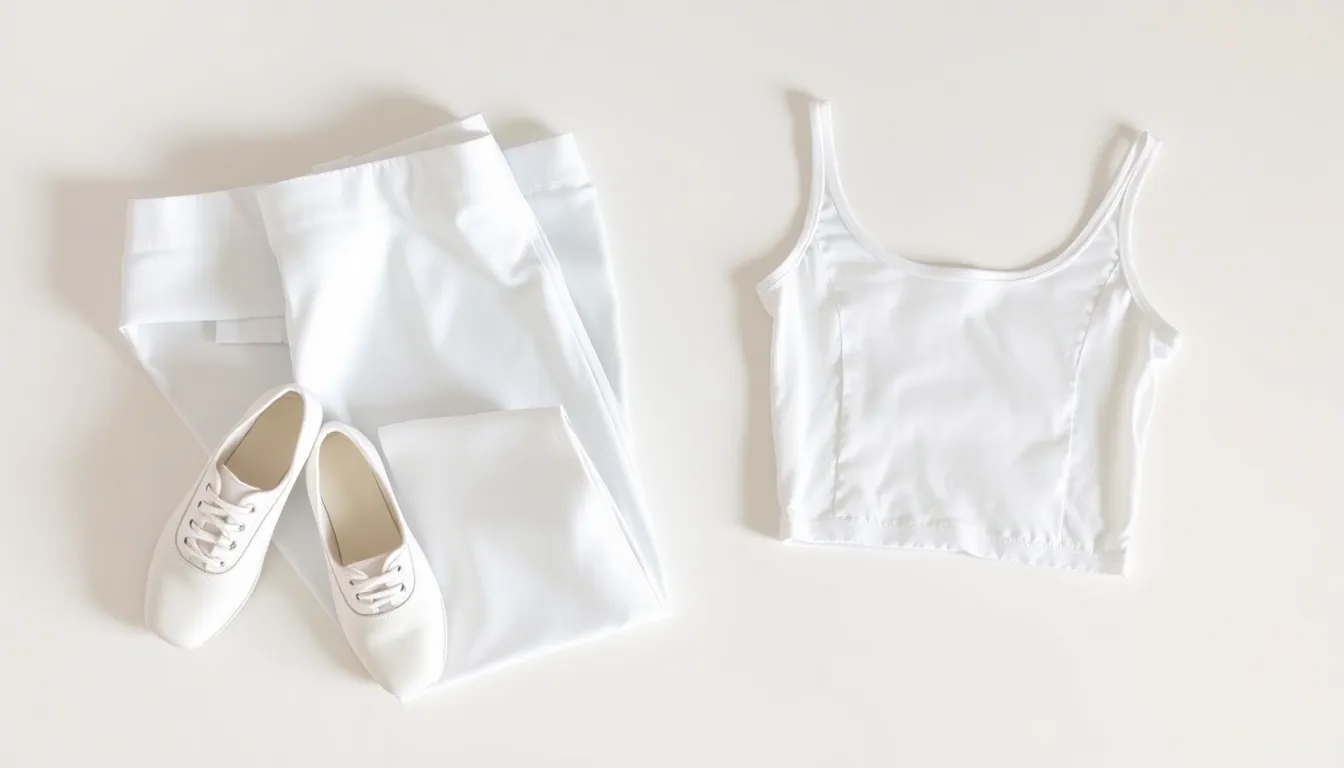
The standard boys’ ballet class outfit consists of: a white fitted T-shirt or ballet top (not a loose cotton tee), black or white ballet trousers or fitted ballet tights, white or black canvas ballet shoes, a dance belt worn under the trousers or tights, and white ankle socks for younger boys. Some RAD schools specify all-white for boys in junior grades and add black shoes for senior students — always confirm with your teacher.

What Is a Dance Belt and When Do Boys Start Wearing One?

A dance belt is a specialist undergarment designed for male dancers. It provides support during jumps, kicks and partner work while remaining invisible under tights or trousers. Most teachers introduce dance belts when boys begin more demanding classes — around RAD Grade 3–4, typically age 10–13. For younger boys in recreational classes, standard underwear under ballet trousers is usually acceptable until the teacher advises otherwise.

Ballet Shoes for Boys

Boys wear canvas or leather ballet flats — the same construction as girls’ shoes but typically in white or black rather than pink. White canvas split-sole shoes are standard in many RAD junior grades; black leather full-sole shoes are often specified for older boys and senior-grade work. Have shoes fitted properly by a dancewear specialist: boys’ feet grow quickly and the fit matters for technique.

Ballet Tops for Boys: What to Look For

A fitted ballet top or dance T-shirt in white allows the teacher to see the spine, shoulder and chest alignment clearly. Choose a close-fitting jersey or stretch cotton — loose T-shirts bunch up and hide posture problems. Some boys prefer a fitted sleeveless dance vest in warmer studios. Long sleeves are acceptable for warm-up but should be removed or pushed up before exercises begin.

Ballet Trousers vs Tights for Boys

Younger boys (pre-primary to Grade 2) usually wear white or black fitted ballet trousers. Older boys and male students studying for higher grades may wear white or black full-coverage ballet tights, which give a cleaner line for technique assessment and are standard in many professional training environments. The dance belt goes on first, under the tights.

Frequently Asked Questions

Do boys need a specific leotard for RAD ballet?

Some RAD schools do ask boys to wear a plain white or black leotard, particularly in early grades. However, this varies by school. Most commonly, boys wear a fitted top and trousers. Confirm with the school before buying.

What colour ballet shoes do boys wear?

Most commonly white for junior grades and black for senior grades, though schools vary. Check the school’s dress code. Black and white shoes are both available in canvas and leather split-sole styles.

Can boys wear the same tights as girls in ballet?

Boys wear full-coverage tights (not the footless or convertible styles often preferred by girls). Male ballet tights are slightly different in cut — with a reinforced seat and a front panel designed to work with a dance belt. Female-cut tights will not fit correctly on a male dancer.

Browse ballet accessories at ZoeDancewear

nn

Shop at ZoeDancewear

Boys Ballet Practice Set u2014 white top and black shorts in one set, sizes 100 to 170. Free shipping over $99 to the US.

Posted on

Ballet Slippers vs Ballet Shoes: What Is the Difference?

Ballet Slippers vs Ballet Shoes: What Is the Difference?

Ballet slippers and ballet shoes are the same thing: a soft, lightweight flat dance shoe worn for ballet class, examinations and rehearsal. The terms are used interchangeably. Both refer to the flat canvas or leather shoe worn for floor-based training — not to be confused with pointe shoes (the hard-toed shoes used for dancing en pointe) or character shoes (the heeled shoes used for character dance examinations).

Short answer: Ballet slippers and ballet shoes are the same thing: a soft, lightweight flat dance shoe worn for ballet class, examinations and rehearsal.

Why Are They Called Both Slippers and Shoes?

The word “slipper” reflects the shoe’s soft, slip-on construction — there are no laces, buckles or fastenings beyond a simple drawstring at the toe. In the UK, “ballet slipper” and “ballet shoe” are both widely used. In the US, “ballet slipper” tends to be the more common term for the flat training shoe. Either name refers to the same product: a soft, flexible, flat shoe with a fabric or leather upper and a thin sole.

Full Sole vs Split Sole Ballet Slippers

Full-sole ballet slippers have a single piece of leather or suede running the entire length of the shoe sole. They provide more resistance when the foot points and are traditionally recommended for beginners and younger students whose foot muscles are still developing. Split-sole ballet slippers have two separate sole sections — one at the ball of the foot and one at the heel — with nothing across the arch. The arch is free to flex and point fully, which gives a cleaner aesthetic line and is preferred by more advanced students.

Canvas vs Leather Ballet Slippers

Canvas ballet slippers are lighter, cheaper, machine-washable and mould quickly to the shape of the foot. They are the most popular choice for children in regular classes. Leather ballet slippers are more durable, mould to the foot over time and offer a more defined shape against the foot. They are preferred in many professional training contexts and by students who want a longer-lasting shoe. Both are available in full-sole and split-sole styles.

Ballet Slippers for Girls vs Women vs Boys

Girls’ ballet slippers are most commonly pink — either pale pink or theatrical pink depending on the school. Women’s ballet slippers are available in pink, black and nude tones. Boys’ and men’s slippers are white or black. The construction is the same across all versions; only the colour and sometimes the width fitting differ. Some brands offer wider fittings for broader feet.

How Should Ballet Slippers Fit?

Ballet slippers should fit snugly with no excess fabric at the toe box, but the toes should not be forced into a curl. There should be no gaping at the heel or sides. The elastic across the instep should hold the shoe firmly without digging in. Try slippers on with ballet tights — not thick socks — and check the fit in a plié and a relevé. A well-fitting slipper should feel like a second skin: secure, but never restricting.

Frequently Asked Questions

Are ballet slippers the same as pointe shoes?

No. Ballet slippers (flat training shoes) and pointe shoes are completely different. Ballet slippers are soft and flexible and used for all floor-based training. Pointe shoes have a hard box and a rigid shank that support the dancer on the tips of the toes — they are only introduced when a teacher confirms the student is ready, usually at Grade 5 RAD or equivalent.

Can ballet slippers be worn outside?

Ballet slippers are not designed for outdoor use. The thin suede or leather sole wears through very quickly on outdoor surfaces, and dirt and grit from outside damages the studio floor. Always change into ballet shoes inside the studio.

How long do ballet slippers last?

Canvas slippers typically last 6–12 months of regular class use. Leather slippers last 12–24 months. Replace them when the sole develops holes, the upper splits or the elastic loses its stretch.

Shop ballet slippers at ZoeDancewear

Posted on

What to Wear for Contemporary Dance and Lyrical Classes

What to Wear for Contemporary Dance and Lyrical Classes

Contemporary dance and lyrical dance classes typically have a flexible dress code: fitted clothing that allows a full range of movement, bare feet or soft shoes, and hair tied back. Unlike classical ballet, there is rarely a specific colour or uniform requirement. The goal is clothing that lets the teacher see your body alignment and that moves with you — not constrains you.

Short answer: Contemporary dance and lyrical dance classes typically have a flexible dress code: fitted clothing that allows a full range of movement, bare feet or soft shoes, and hair tied back.

Top and Torso: What Works Best

A fitted crop top, dance vest or camisole leotard are all suitable for contemporary and lyrical classes. The teacher needs to see your spine, ribcage and shoulder alignment, so avoid baggy T-shirts or oversized jumpers during exercises. Many students wear a leotard as a base layer and add a fitted crop top or long-sleeve layer over it for warmth during the warm-up. Black, navy and earth tones are most common in contemporary classes — there is no colour requirement.

Bottoms: Shorts, Leggings or Flares

High-waist dance shorts (mid-thigh length), fitted leggings and wide-leg dance trousers are all common in contemporary and lyrical classes. Flared yoga trousers and palazzo dance pants are popular for lyrical styles where the flow of the fabric is part of the aesthetic. Avoid very tight gym leggings that restrict hip rotation or rise up during floorwork. Fitted leggings in a matte stretch fabric are the most practical all-purpose option.

Feet: Bare, Half Sole or Lyrical Shoes

Many contemporary teachers prefer bare feet so students can feel the floor and use the intrinsic muscles of the foot fully. Half-sole shoes (also called pirouette shoes or turning shoes) cover only the ball of the foot and toes, leaving the heel bare — they allow floor contact while protecting the skin during turns and slides. Lyrical shoes are a soft, flexible full-shoe option that covers the whole foot in a thin canvas or mesh upper with a suede sole. Which you use depends on the teacher’s preference and the studio floor surface.

Hair and Accessories

Hair must be tied back — a bun, ponytail or braid. Loose hair catches during turns and obscures the neck and shoulder lines. Contemporary classes do not require a formal ballet bun, so a secure ponytail or messy bun is fine. Avoid jewellery that could catch on fabric or another dancer during partner work or contact improvisation sections.

Layering for Contemporary Dance

Many contemporary students arrive in a warm-up layer: a hoodie, wrap cardigan or oversized knit top. This goes on before class and during breaks, and comes off when the body is warm. Studios with wooden sprung floors can be cold, and keeping muscles warm reduces injury risk. A dance belt is required for male students as in any other dance class.

Frequently Asked Questions

Can I wear a ballet leotard for contemporary class?

Yes — a leotard and footless tights or a leotard with fitted shorts is a practical and widely accepted outfit for contemporary class. Many students who do both ballet and contemporary simply keep the same base layer and change their shoes.

Do I need specific lyrical shoes?

Not always. Many teachers allow bare feet or half-sole shoes. Lyrical shoes are useful if the studio has a rough floor surface that scratches bare feet, or if you are performing in a recital where the stage surface requires some sole coverage. Check with your teacher before buying.

What is the difference between contemporary and lyrical dance clothing?

In practice, the dress codes for contemporary and lyrical classes overlap significantly. Lyrical styles tend toward softer, more flowing fabrics — wide-leg trousers, chiffon layers. Contemporary may be more minimal: a leotard, shorts and bare feet. Both prioritise freedom of movement over aesthetics.

Browse dance warm-up clothes at ZoeDancewear

Posted on

How to Make Your Pointe Shoes Last Longer: Care and Maintenance Guide

How to Make Your Pointe Shoes Last Longer: Care and Maintenance Guide

Pointe shoes typically last between 12 and 30 hours of dancing — for a student in regular classes, that can mean a new pair every 2–4 months. While pointe shoes will always wear out because the materials are designed to soften with use, a consistent care routine can add weeks to each pair and prevent premature breakdown.

Short answer: Pointe shoes typically last between 12 and 30 hours of dancing — for a student in regular classes, that can mean a new pair every 2–4 months.

How to Break In Pointe Shoes Correctly

Breaking in pointe shoes means softening the shank and box just enough for the shoe to conform to your foot, without destroying the support. Gentle methods include: pressing the shank over the edge of a table to introduce a curve at the ball of the foot; pressing the sides of the box firmly with your hands; and dancing in the shoes gradually over the first few classes rather than wearing them for a full session immediately. Never soak the shoes in water or use a hammer — this destroys the box materials and makes the shoes unsafe.

Drying Pointe Shoes After Class

The most damaging thing for pointe shoes is moisture. Sweat saturates the layers of fabric, paper and paste inside the box and shank, softening them permanently. After every class, take the shoes out of your bag, loosen the ribbons and open the heel, and leave the shoes to dry in a well-ventilated area — never in a sealed bag or damp dance bag. A breathable mesh shoe bag or a dry rack is ideal. Allow at least 24 hours of drying between classes.

Hardening the Box: Extending Shoe Life

Some dancers apply a small amount of clear nail varnish or specialist pointe shoe hardener to the inside of the box at the platform and sides to slow the softening process. This is most effective on a new shoe — applying it once the box has already softened will not restore the original structure. Ask your teacher before trying this as it changes how the shoe feels on the foot.

Rotating Between Two Pairs

If you dance more than twice per week, rotating between two pairs of pointe shoes significantly extends the life of both. Each pair gets at least 48 hours to dry fully between sessions. The overall cost is similar — you do not buy shoes more often — but each pair lasts longer because it is never saturated two days in a row.

How to Know When a Pointe Shoe Is Dead

A dead pointe shoe provides no support and is a safety risk. Signs: the shank bends easily along its full length when you press it; the box collapses when you press the sides; the platform fabric has worn through; or the shoe no longer holds its shape around the heel. If in doubt, bring the shoes to class and ask your teacher to assess them. Dancing in dead shoes risks ankle and foot injury.

Frequently Asked Questions

Can you wash pointe shoes?

No. Washing — or even soaking — a pointe shoe destroys the internal structure. The box is made from layers of fabric, paper and paste that dissolve or warp when wet. Spot-clean the outer satin with a damp cloth if needed. Allow to air dry naturally; never use a dryer or direct heat.

How should pointe shoes be stored?

Store pointe shoes in a breathable bag or open on a shelf — never in a sealed plastic bag or compressed in the bottom of a dance bag. Keep them away from direct heat (radiators, sunny windowsills) which can dry out and crack the satin. Do not store them with other shoes that could bend or crush the box.

Do ribbons and elastics affect how long pointe shoes last?

Ribbons and elastics do not affect the internal structure of the shoe, but poorly sewn ribbons that pull the shoe out of shape at the heel can accelerate heel breakdown. Sew ribbons and elastics as close to perpendicular as possible and avoid pulling the drawstring excessively tight, which puckers the vamp and distorts the box shape.

Shop ballet shoes at ZoeDancewear

Posted on

Barre Grip Socks for Ballet: Do You Need Them for Class?

Barre Grip Socks for Ballet: Do You Need Them for Class?

Barre grip socks — also called barre socks or non-slip ballet socks — have small rubber or silicone dots on the sole that grip wooden and laminate studio floors. They are most useful during barre exercises and floor work, where bare feet or smooth socks can slip. Whether your dancer needs them depends on the class type, studio surface and teacher preference.

Short answer: Barre grip socks — also called barre socks or non-slip ballet socks — have small rubber or silicone dots on the sole that grip wooden and laminate studio floors.

What Are Barre Grip Socks?

Barre grip socks look like standard ankle socks but have a pattern of rubber or silicone grip dots printed on the footbed. The dots create friction against smooth floors so the foot stays in place during tendus, battements and relevés. Most styles come to the ankle; some are full-foot and others have a toe-open or heel-open cut for better floor feel.

When Do Dancers Wear Barre Grip Socks?

Grip socks are most common in adult ballet fitness classes, barre workout studios, and pre-primary classes where very young children are not yet wearing ballet shoes. They are also helpful during warm-up on cold studio floors before shoes go on. In formal RAD ballet classes, students usually wear ballet shoes rather than grip socks during exercises, but grip socks can be useful in the changing room or for home practice.

Barre Socks vs Regular Ballet Socks

Regular ballet ankle socks are made from soft cotton or nylon and lie flat — they offer no grip at all on polished wood. Barre grip socks trade a little sock softness for the non-slip rubber sole. If your dancer wears ballet shoes for all class exercises, regular socks are fine inside the shoe. If they spend time on bare floors — either before shoes go on or in a barre fitness class — grip socks are a practical upgrade.

What to Look for When Buying Barre Socks

Look for socks with grip dots across the full ball of the foot and heel, not just a small central patch. A high cotton or bamboo content feels softer and manages moisture better than pure nylon. For ballet specifically, a low-cut ankle style is less bulky inside the shoe. Sizes run small-medium and large-extra-large in most brands, so check the weight chart before ordering.

Can Boys and Men Wear Grip Socks for Ballet?

Yes. Grip socks are unisex and available in neutral colours. Male dancers taking barre fitness classes or practising at home on smooth floors benefit from the same non-slip sole as female dancers. Choose a plain black or grey style if a neutral look is preferred.

Frequently Asked Questions

Are barre grip socks the same as yoga socks?

They are very similar. Both have rubber grip dots on the sole. Yoga socks often have an open-toe design and slightly more coverage around the arch. Either works well for barre class — the key feature is the non-slip sole rather than the exact style.

Can you wear barre socks inside ballet shoes?

Yes, ankle-cut barre socks fit comfortably inside canvas and leather ballet shoes. The grip dots sit on the insole of the shoe rather than the floor, which does not affect performance.

How do you wash barre grip socks?

Turn them inside out and machine wash on a cold gentle cycle. Avoid tumble drying, which can crack the rubber dots. Air dry flat to preserve grip and sock shape.

Shop ballet accessories and socks at ZoeDancewear

Posted on

Snap Clips for Ballet Buns: How to Use Them and Which to Buy

Snap Clips for Ballet Buns: How to Use Them and Which to Buy

Snap clips (sometimes called clic clacs or snap hair clips) are small hinged metal or plastic clips used to anchor loose wisps of hair around a ballet bun. They click shut over a thin fold of hair and hold it flat against the bun without bulging under a hair net. A packet of snap clips is one of the most useful items in a dancer’s kit bag.

Short answer: Snap clips (sometimes called clic clacs or snap hair clips) are small hinged metal or plastic clips used to anchor loose wisps of hair around a ballet bun.

Snap Clips vs Bobby Pins: What Is the Difference?

Bobby pins are bent metal pins that you slide into the hair — they work by tension. Snap clips have a spring-loaded hinge: you open the clip, place it over the hair and release it so the clip snaps shut. Snap clips are faster to apply, less likely to scrape the scalp, and easier for young dancers to use independently. Bobby pins give slightly more secure hold on very thick or slippery hair.

What Size Snap Clips Do You Need for a Ballet Bun?

For ballet buns, a small snap clip (approximately 4–5 cm) is ideal. Smaller clips are neater under a hair net and less visible in the finished bun. Match the clip colour to your dancer’s hair — black, brown and blonde snap clips are widely available.

How to Secure a Ballet Bun with Snap Clips

After forming the bun, pull any escaping wisps back toward the bun and pin them with a snap clip angled toward the centre. Use two to four clips evenly spaced around the perimeter. Place the hair net over the bun, then add two or three bobby pins through the net into the bun to keep the net from sliding.

How Many Snap Clips Do You Need Per Bun?

Two to four snap clips is usually enough for fine or medium-thickness hair. Very thick or curly hair may need six or more. Buy a packet of at least 20 — clips are easy to lose on studio floors, and having extras saves stress on exam days.

Tips for Exam and Performance Buns

Use light-hold hairspray on the bun before placing the net and clips. This reduces flyaways so fewer clips are needed. Check the bun from the front, side and back — clips should be invisible under the net and the bun should sit centrally on the back of the head.

Frequently Asked Questions

What colour snap clips should I buy for ballet?

Match the clip colour to your dancer’s hair: black for dark hair, brown for mid tones, blonde or clear for fair hair. Most ballet teachers want clips to be invisible against the hair, not decorative.

Can snap clips damage hair?

Snap clips are gentler than tight bobby pins because the spring action distributes pressure evenly. Plastic-coated metal snap clips are the most hair-friendly option.

Browse ballet hair accessories at ZoeDancewear

nn

Shop at ZoeDancewear

Ballet Hair Bow with Long Ribbons u2014 adds a decorative finish over any bun clip or net. Free shipping over $99 to the US.

Posted on

Demi Pointe Shoes: What They Are, Who Needs Them and How to Choose

Demi Pointe Shoes: What They Are, Who Needs Them and How to Choose

Demi pointe shoes (also called soft blocks or pre-pointe shoes) look almost identical to satin pointe shoes from the outside, but they have a soft, flexible sole and no hard shank inside. Because the box is not rigid enough to support the full weight of the dancer, they cannot be used for work en pointe. Their purpose is to train the feet in the correct position and feeling of a pointe shoe before a student is strong enough.

Short answer: Demi pointe shoes (also called soft blocks or pre-pointe shoes) look almost identical to satin pointe shoes from the outside, but they have a soft, flexible sole and no hard shank inside.

What Is the Difference Between Demi Pointe and Full Pointe Shoes?

A full pointe shoe has a rigid shank and a hard box that supports the toes when rising fully onto the tips of the toes. A demi pointe shoe has the same shape and satin outer, but the shank is soft and the box is lightly padded rather than hardened. The student can flex and point the foot freely — building pointe-ready strength — without the risk of injury from dancing en pointe prematurely.

Who Should Wear Demi Pointe Shoes?

Demi pointe shoes are introduced by a teacher when a student is approaching, but not yet ready for, full pointe work. This usually falls in Grade 4–5 of RAD ballet, typically between ages 10 and 12, depending on bone development and strength. The decision should always be made by a qualified ballet teacher — never based on age alone.

How Do Demi Pointe Shoes Help?

They teach students to distribute weight correctly across the toes, how the heel lifts and the foot articulates through demi and three-quarter pointe, and how the shoe’s fit feels different from a ballet flat. Building this muscle memory in a safe shoe makes the transition to full pointe much smoother.

How Should Demi Pointe Shoes Fit?

They should fit snugly around the toes with no excess material at the toe box. Toes should touch the end of the box but not be forced into a curl. The shoe should feel firm around the heel without gaps. Have demi pointe shoes fitted by a specialist dancewear fitter — guessing from a size chart risks an incorrect fit.

Frequently Asked Questions

Can demi pointe shoes be used for pointe work?

No. Using them en pointe risks serious ankle and foot injury. Only wear demi pointe shoes for the exercises your teacher assigns.

Are demi pointe shoes the same as pre-pointe shoes?

Yes. Pre-pointe shoe, soft block, and demi pointe shoe all describe the same thing: a satin ballet shoe shaped like a pointe shoe but with a soft sole and no functional block.

Explore ballet shoes at ZoeDancewear

Posted on

Pointe Shoe Fitting: What to Expect and How to Get the Right Fit

Pointe Shoe Fitting: What to Expect and How to Get the Right Fit

A pointe shoe fitting is a specialist appointment where a trained fitter assesses the dancer’s foot — length, width, toe box shape, arch and heel — and matches it to the correct pointe shoe brand, style and size. The right fit distributes weight evenly across the toes, supports the ankle, and prevents injury. Most first fittings take 30–60 minutes.

Short answer: A pointe shoe fitting is a specialist appointment where a trained fitter assesses the dancer's foot — length, width, toe box shape, arch and heel — and matches it to the correct pointe shoe…

When Is a Dancer Ready for a Pointe Shoe Fitting?

The teacher decides when a student is ready — never the student or parent alone. A teacher will assess bone development (usually after age 11–12), foot and ankle strength, core stability, and alignment. Most RAD students reach pointe readiness at Grade 5 or Intermediate Foundation level. Rushing pointe work risks permanent injury to developing bones.

How to Prepare for a Pointe Shoe Fitting

Book an appointment rather than walking in. Bring your teacher’s recommendations if given. Wear or bring ballet tights. Avoid thick socks — fit is assessed with tights. Bring any toe pads your teacher has already recommended.

What Happens During the Fitting?

The fitter will measure your feet, examine toe shape (Egyptian, square or tapered), assess metatarsal width, and look at arch flexibility. They will bring several brands to try. You will stand in first position, rise to demi pointe, and — with the fitter supporting you — test the feel at full pointe. A correctly fitted shoe should feel snug but not painful, with toes fully extended and the box sitting evenly around all toes.

How Do You Know If a Pointe Shoe Fits Correctly?

You should feel even pressure across all toes with no single toe taking all the weight. The shoe should not crinkle at the sides (too wide) or pinch the smallest toe (too narrow). The heel should not gape when you flex. Your foot should sit fully inside the platform with no overhang at the front.

How Often Should Pointe Shoes Be Replaced?

A student in regular classes may need new shoes every 3–6 months. Signs of a worn-out shoe: a shank that bends easily along its full length, a soft or collapsed box, satin torn through the platform. Dancing in dead pointe shoes causes injury.

Frequently Asked Questions

Should I buy pointe shoes online?

First-time pointe shoes must be fitted in person. Every foot is different and brand sizing varies widely. Once you know your exact brand, style, size and width, reorders can be done online.

Do I need toe pads for pointe shoes?

Most dancers use gel caps, ouch pouches or lambswool to cushion the tips of the toes. Your fitter or teacher will advise which type suits your foot and shoe style.

Shop ballet shoes at ZoeDancewear