Posted on

Lace Ballet Leotard: Styles, When It Is Worn, and How to Choose

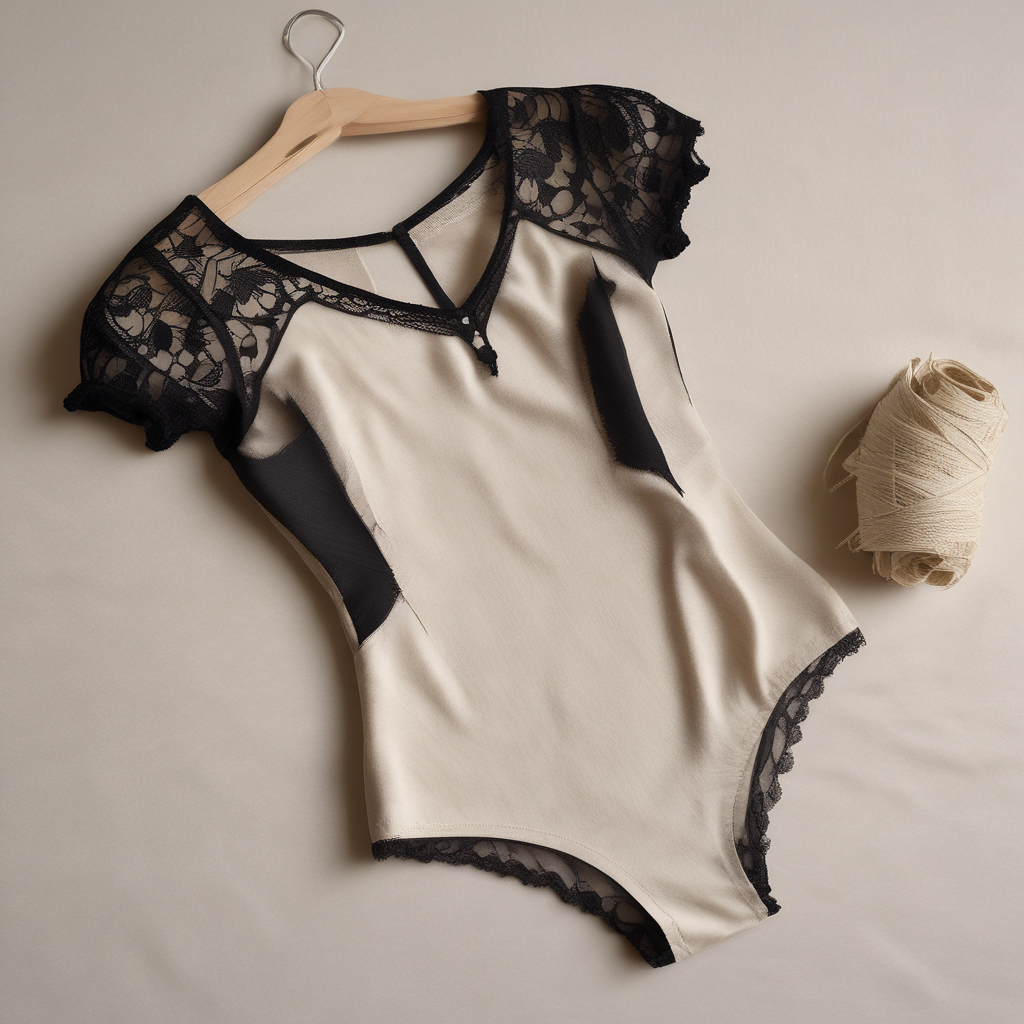
Black lace ballet leotard with delicate lace detail flat lay on cream linen

Lace ballet leotards are among the most visually striking options in dancewear. The delicate texture catches light beautifully on stage, and the pattern adds a sense of elegance that plain fabric cannot replicate. But lace is not always appropriate for everyday class use, and choosing when and how to wear it makes the difference between an appropriate uniform choice and one that draws a teacher’s correction.

When Is a Lace Leotard Worn in Ballet?

Lace leotards are most commonly worn for:

  • End-of-year performances and showcases — where the visual impact matters more than technical uniformity
  • Examinations at vocational level — some RAD vocational syllabi allow more expressive uniform choices
  • Adult ballet classes — where uniform codes are generally less strict than children’s classes
  • Photoshoots and performances — where aesthetic appeal is the primary consideration

For standard RAD graded classes in Pre-Primary through Grade 8, a plain leotard in the correct grade colour is almost always required. Lace panels are generally not permitted as a substitute for the plain leotard specified in the RAD dress code. Always confirm with your child’s teacher before purchasing a lace leotard for class use.

Types of Lace Used in Ballet Leotards

Stretch lace panels: The most practical option, stretch lace panels are incorporated into specific sections of the leotard — across the back, along the neckline, or at the sleeves — while the main body of the leotard remains in a solid stretch fabric. The combination gives the visual interest of lace without sacrificing the fit and performance of a standard leotard.

All-over lace with lining: Some leotards use lace across the entire outer surface, with a solid lining underneath for coverage. These tend to be less breathable and are generally reserved for performance and photoshoot use rather than active class wear.

Lace trim and appliqué: Decorative lace at the neckline, hem or sleeve edges of an otherwise plain leotard. This is the most subtle approach and may be permitted in some class settings where all-over lace would not be.

Caring for Lace Leotards

Lace requires more careful handling than plain stretch fabric. Hand wash in cool water with a gentle detergent, supporting the lace panels as you rinse rather than wringing or scrubbing. Do not machine wash unless the garment label specifically permits it. Lay flat to dry — hanging a lace leotard while wet can stretch the lace out of shape. Store folded rather than on a hanger for the same reason.

What Colours Are Available?

The most common colours for lace ballet leotards are black and white, which photograph and perform particularly well under stage lighting. Pink, nude and lilac lace leotards are also widely available and suit a ballet aesthetic. For performances that use costume-specific colours, custom or bespoke options exist, but for general purpose use the neutral palette is the most versatile.

Black Lace Leotard for Ballet

A black lace leotard is a popular choice for adult ballet students, contemporary class, and senior RAD vocational levels. Black lace catches light differently from plain black fabric and gives a more dramatic appearance, which suits more expressive or contemporary choreography. For younger students, black is typically reserved for RAD Grade 6 and above or adult classes — confirm with the school’s dress code. Our RAD colour guide covers which grades wear which base colours.
Posted on

Ballet Bun Tutorial: Step-by-Step Guide for Dance Parents

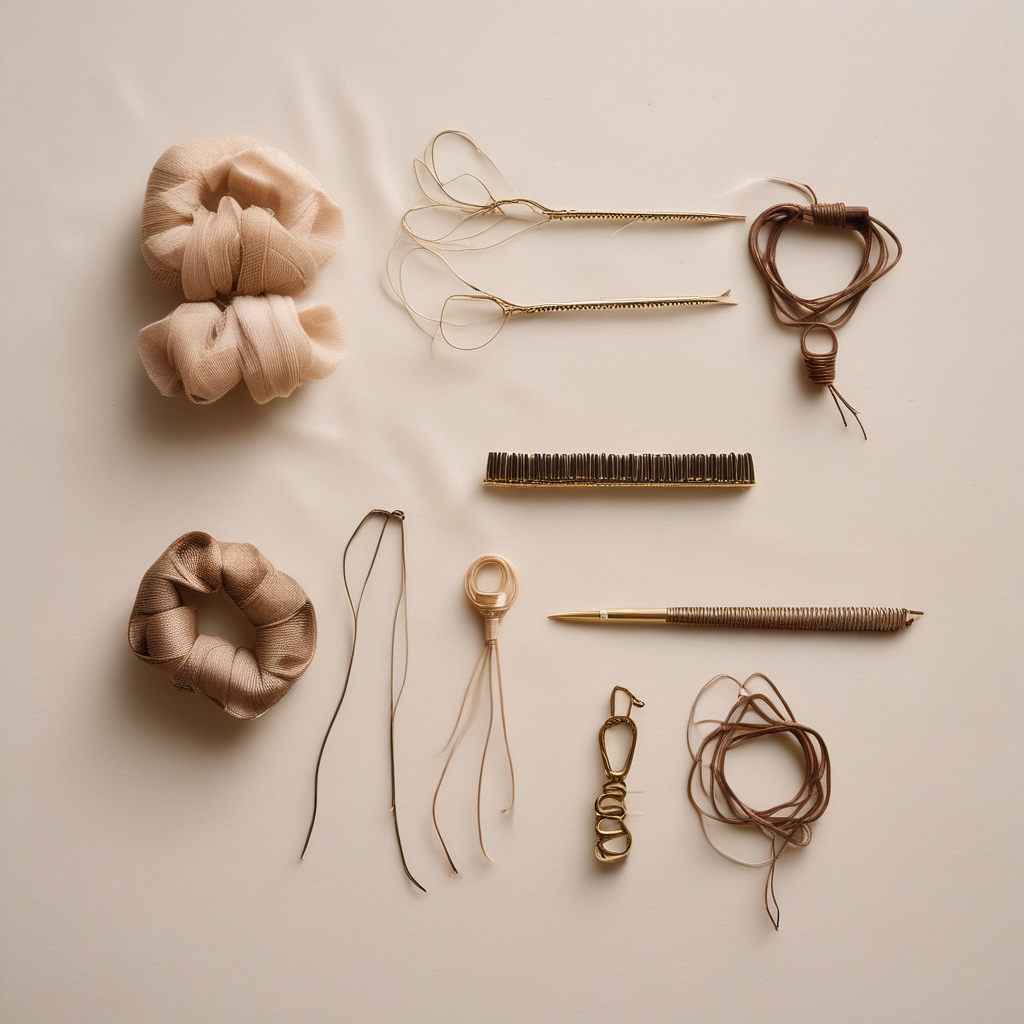
Ballet bun hair accessories kit with bobby pins hair net and elastics on cream linen

The ballet bun is one of those things that looks simple until you are standing behind a seven-year-old with five minutes before class and a pack of bobby pins that keep falling on the floor. With the right technique and the right tools, a secure bun takes about three minutes once you have practised it a few times.

What You Will Need

  • Fine-toothed comb or tail comb
  • Hair elastics — one for the ponytail, one for the bun
  • Bobby pins (at least six, matching hair colour)
  • Hair net (matching hair colour)
  • Hairspray or hair gel for flyaways

The hair net is the single most important item for a tidy bun that lasts through a full class. Without it, even a well-constructed bun will loosen as the dancer moves.

Step 1: Smooth the Hair Back

Start with brushed, dry hair. Apply a small amount of hair gel to the hairline if there are flyaways along the sides. Use the tail comb to create a clean centre parting if required by the school.

Step 2: Create the Ponytail

Gather all the hair at the crown of the head. For most ballet schools the ponytail sits at the very top of the head — a high placement gives the finished bun a cleaner silhouette. Secure with a hair elastic.

Step 3: Divide and Twist

Divide the ponytail into two equal sections. Twist both sections in the same direction until the whole ponytail is twisted firmly from base to tip. Holding the twisted ponytail taut, wind it around its own base in a circle, keeping the coil flat against the head.

Step 4: Secure the Bun

Wrap a second hair elastic around the outside of the coiled bun to hold it in place. Push bobby pins through the edges of the bun, angling them inward and downward toward the scalp. Six to eight pins are usually sufficient for shoulder-length or longer hair.

Step 5: Add the Hair Net

Open the hair net and slip it over the entire bun. Stretch the net down around the edges and tuck any loose ends underneath. Secure the hair net with two or three extra bobby pins pushed through the net and into the bun. This final step holds stray hairs in place and gives the bun a smooth, finished appearance.

Step 6: Tidy the Edges

Apply hairspray lightly over the whole style, holding the can at arm’s length. Mist lightly — enough to tame flyaways without making the hair crunchy.

Troubleshooting

The bun keeps falling down: The ponytail base is too low or not secured firmly enough. Add more pins through the very bottom edge of the bun.

Flyaways will not stay down: Apply a small amount of gel directly to the flyaway before pinning. Hairspray alone is not always enough for fine hair.

The bun looks messy after class: More pins and a hair net. There is no shortcut for this one.

Posted on

Satin Ballet Shoes: When Do Dancers Wear Them and Are They Worth It?

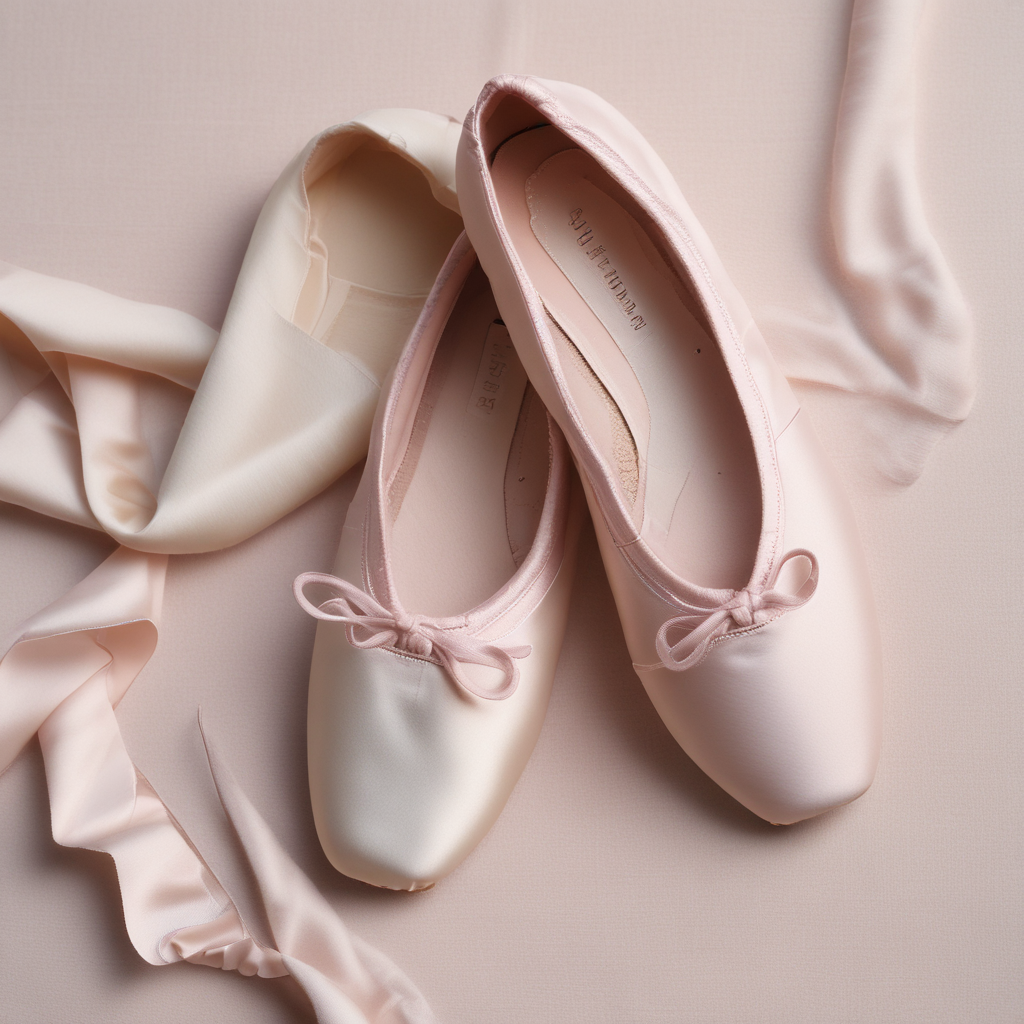
Pale pink satin ballet shoe beside canvas ballet shoe comparison flat lay on cream linen

Satin ballet shoes are the shoes most people picture when they think of ballet. Pale pink, smooth, elegant — they feature in every ballet photo and are the shoe of choice for many performance photographs. But satin shoes are not the same as the canvas shoes used in daily classes, and understanding the difference will save you money and protect your child’s foot development.

What Are Satin Ballet Shoes?

Satin ballet shoes are made from a smooth, shiny woven fabric — traditionally silk satin, now more commonly a polyester or nylon blend. They are soft, lightweight and visually striking. Most satin ballet shoes are full sole, meaning the leather or suede sole runs the full length of the shoe from heel to toe.

When Are Satin Shoes Worn?

Satin shoes are primarily performance and examination shoes. Many dance schools ask students to wear satin shoes for their end-of-year show, their RAD graded examination, or for stage performances. The polished look of satin photographs beautifully under stage lighting and gives the foot a clean line that reads well to an audience.

Some younger children’s RAD class kits also include satin shoes as part of the standard uniform — check your school’s specific dress code, as this varies between studios.

Why Not Wear Satin Shoes Every Day?

Satin is not a durable material for daily class use. The fabric scuffs and marks quickly on studio floors, stains from sweat and rosin, and tears far more easily than canvas. More importantly, satin shoes do not stretch or mould to the foot the way stretch canvas shoes do. Canvas breathes better, holds its shape through washing, and adapts to the individual foot over time. For technique work, canvas is the more practical choice.

How Do Satin and Canvas Fit Differently?

Satin shoes tend to run slightly smaller than the same brand in canvas because the fabric has less give. If your child usually wears a UK 1 in canvas, start by trying a UK 1.5 in satin, then adjust based on the fit check described in our ballet shoe fitting guide. Always measure the foot fresh rather than assuming the same size across materials.

Do You Need Both Canvas and Satin?

Many dance families keep a pair of canvas shoes for everyday class and a separate pair of satin shoes for examinations and performances. This approach protects both pairs and ensures the satin shoes look their best when it matters. Canvas shoes are the everyday workhorse; satin shoes are kept for best.

If your school only requires one type of shoe, canvas is almost always the practical recommendation for class use. If your child is preparing for an RAD examination and the school’s dress code requires satin, budget for a pair specifically for that purpose.

Posted on

Ballet Exam Preparation: Practical Tips for Dance Parents

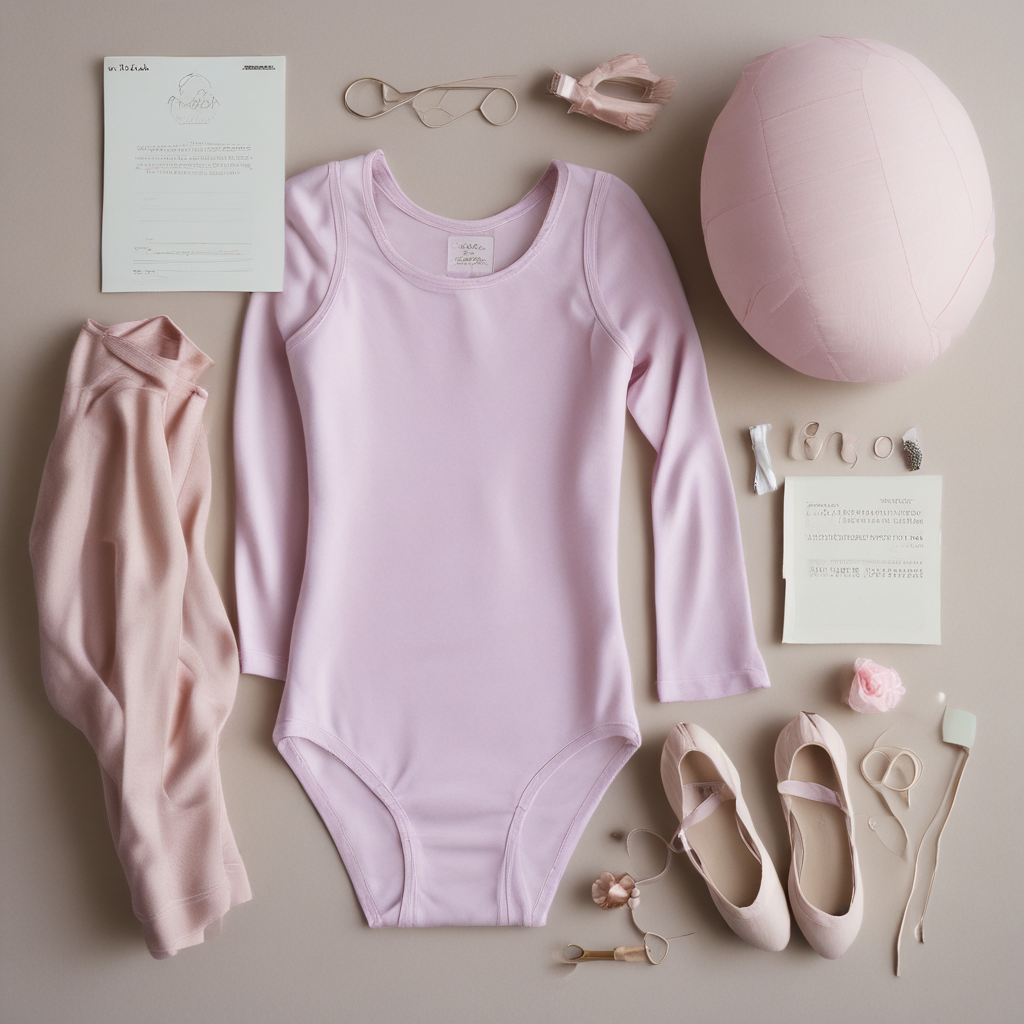
Ballet exam preparation items flat lay - fresh tights leotard shoes and hair kit on cream linen

A ballet examination is an exciting milestone for young dancers — and a logistical challenge for parents. In the weeks leading up to the exam, a little preparation goes a long way toward making the day smooth and stress-free. This guide covers everything you can do at home to support your child before and on exam day.

Start Uniform Checks Six Weeks Before the Exam

Don’t leave uniform to the last minute. Six weeks before the examination date, take out all the exam uniform and check:

  • Leotard: correct grade color, clean, no holes or stretched straps, proper fit (not too tight or too small)
  • Tights: no holes, pills, or runs — buy a fresh pair specifically for the exam
  • Ballet shoes: elastics secure, not worn through at the sole, the right color
  • Elastic belt: correct color, the right length for the current waist size
  • Hair accessories: hair net in the right color, enough pins, bun builder if used

Order any replacements early — dancewear delivery can take 7–10 days, and you don’t want to be scrambling the day before.

Practice the Hair for Class, Not Just the Day Before

Exam buns are more formal and polished than everyday class buns. Practice putting your child’s hair up in the exam style in the weeks before the examination so you’re confident on the day. The bun must:

  • Sit centered at the back of the head (not low like a chignon)
  • Have no flyaways or loose strands around the face or neck
  • Stay secure for the full duration of the exam (typically 20–45 minutes)
  • Be covered with a hair net in a matching color

For a step-by-step guide, see our How to Do a Ballet Bun guide. Products that help: clear elastic bands (not colored), kirby grips (bobby pins) in matching hair color, fine hairnet, and hairspray for flyaways.

The Week Before: What to Prepare

  • Wash and dry the leotard and tights so they’re clean but have been worn once — brand-new tights straight from the packet can be slightly stiff
  • Check that ballet shoes are clean and elastics are sewn securely
  • Pack the exam bag the evening before (see our RAD Exam Day Checklist for a full list)
  • Check the exam schedule — know the exact time and location, and plan to arrive 15–20 minutes early

Managing Nerves Before the Exam

It’s completely normal for children to feel nervous before an exam. Things that help:

  • Remind your child that the examiner is not there to catch them out — they genuinely want to see students at their best
  • Focus on what your child knows, not what they’re still perfecting
  • Avoid running through the whole exam syllabus the night before — a tired, over-rehearsed child performs worse than a rested one
  • Keep the morning calm and allow extra time so no one is rushing
  • Trust the teacher — if the teacher has entered your child for the exam, they believe the child is ready

On the Day of the Exam

Aim to arrive at the studio 15–20 minutes before the scheduled exam time. This gives your child time to warm up mentally, use the bathroom, and settle in without feeling hurried. Most schools have a warm-up class before the examiner begins, but confirm this with the teacher in advance.

After the exam, celebrate the effort regardless of the result. Exam grades come weeks after the exam — in the meantime, the experience of performing under formal conditions is itself valuable.

Frequently Asked Questions

Can I watch my child’s ballet exam?

Usually no — RAD exams are conducted privately with only the students, teacher, and examiner present. Some studios have a waiting area outside; others ask parents to return at a set time. Check your school’s policy in advance.

What happens if my child forgets something during the exam?

Forgetting a step or momentarily losing the combination is normal at all exam levels. The examiner is trained to put students at ease. If it happens, the teacher is usually nearby to quietly prompt or the child simply continues as best they can. It rarely affects the final grade as much as parents fear.

When do exam results come through?

RAD exam results are typically issued 4–8 weeks after the examination date. They come in the form of a certificate and mark sheet sent to the school, which then distributes them to students.

Posted on

Ballet Class vs Ballet Exam: What Your Child Wears and Why It’s Different

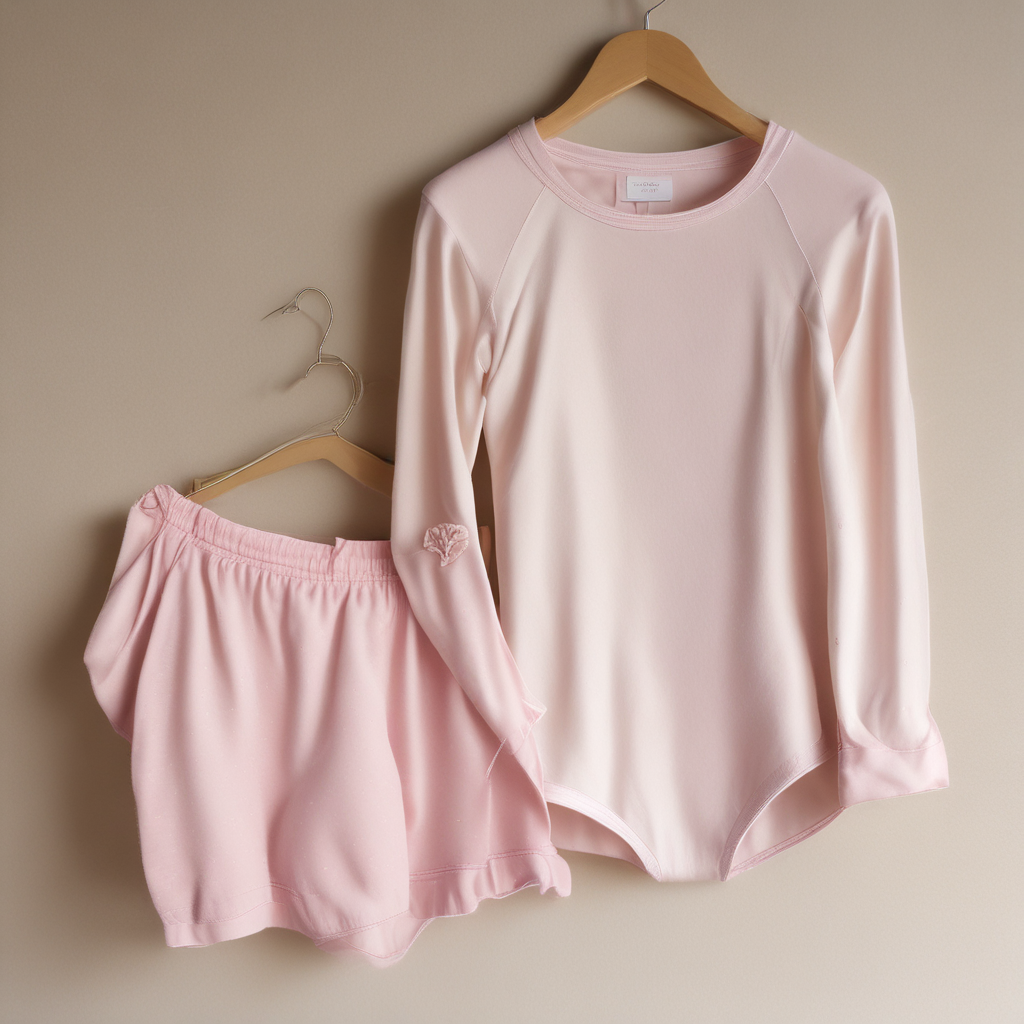
Two ballet uniform sets side by side - class and exam comparison flat lay on cream linen

Many parents assume that the uniform their child wears to class every week is also what they wear to their ballet exam. In most cases, that’s true — but there are important differences that can catch families off guard. This guide explains exactly what your child should wear for a regular RAD class versus a formal RAD examination.

Class Uniform: The Everyday Standard

In a typical RAD ballet class, students wear:

  • Grade-specific colored leotard (candy pink for Pre-Primary, blue for Grade 1–3, lilac for Grade 4–5, etc.)
  • Pink ballet tights
  • Canvas or leather ballet shoes with elastic
  • Elastic belt (usually required up to around Grade 4 or 5)
  • Hair in a bun

For class, there’s some tolerance for minor variations — a slightly different shade of pink, a leotard that’s technically the right color but a slightly older style. Teachers know families are busy and uniforms wear out. The focus is on the movement, not the clothes.

Exam Uniform: The Formal Standard

For a formal RAD examination, the expectation is higher:

  • New or near-new tights — no runs, no pills, no fading
  • Correct grade color leotard, clean and unworn-looking — not stretched or faded
  • Polished ballet shoes with securely sewn elastics (not stitching coming loose)
  • Precise bun — no flyaways, centered, covered with a hair net, no decorative clips or accessories
  • No jewelry (earrings, necklaces, bracelets all off)
  • No nail polish at most schools

The examiner is assessing the student’s standard of presentation as part of their overall professionalism. A sloppy bun or mismatched tights sends the wrong signal, even if the technique itself is excellent.

What Specifically Changes Between Class and Exam

Item Class Exam
Tights In good condition New pair preferred, no damage
Leotard Correct color, reasonable condition Clean, fitting well, no fading
Hair Neat bun, minor flyaways acceptable Polished bun, hair net, no loose strands
Shoes Good condition Clean, secure elastics
Jewelry Usually off, small studs sometimes tolerated No jewelry at all
Nail polish Often tolerated Usually not permitted

When There Is No Separate Exam Uniform

At most RAD schools, the class uniform and exam uniform are the same items — just worn in their best condition for the exam. There isn’t a separate “exam-only” leotard or different style; the grade color remains the same. The difference is entirely in the standard of presentation, not the items themselves.

However, some schools do introduce a specific exam style that differs from the everyday class leotard. If your school sends home an exam uniform checklist, follow it precisely — don’t assume that what worked for class will work for the exam.

Preparing the Exam Uniform in Advance

The week before the exam, lay out all the items and check:

  1. Tights: no damage, correct shade
  2. Leotard: clean, correct color, fits properly
  3. Shoes: elastics intact, no worn-through areas
  4. Hair kit: enough pins, correct color hair net

Wash the leotard and tights in advance so they’re clean but have been through one wash cycle — fresh-from-packet tights can be stiff. For a full exam day packing list, see our RAD Exam Day Checklist.

Frequently Asked Questions

Do I need to buy a new leotard specifically for the exam?

Not unless the current one is worn, faded, or doesn’t fit well. The same leotard worn for class is correct for the exam — just make sure it’s in good condition and freshly washed.

My daughter has pierced ears and always wears small studs. Is that okay for the exam?

Most exam boards prefer no jewelry at all for examinations. Stud earrings are a grey area — some examiners overlook very small flat studs; others note it. The safest approach is to remove them for exam day.

Can my son wear dance shorts instead of tights for the exam?

This depends on the school’s exam policy and the level. Ask the teacher directly — boys’ exam uniform varies more than girls’, and the teacher will know what the examiner expects.

Posted on

RAD Vocational Graded Ballet Uniform: What to Buy

RAD Vocational Graded examinations — Intermediate Foundation, Intermediate, Advanced Foundation, Advanced 1 and Advanced 2 — mark a significant step up from graded work. At this level, the uniform is more tailored, the expectations more precise, and the stakes higher. This guide covers everything a student and parent needs to know when purchasing for vocational examinations.

What Is the RAD Vocational Graded Syllabus?

Vocational Graded exams sit above the Grade 1–8 series and are designed for students pursuing ballet seriously, typically from around age 13 upwards. They prepare dancers for professional training pathways. The exams assess technical precision, artistry and musicality at a level beyond graded work.

There are five vocational levels in order:

  1. Intermediate Foundation (IF)
  2. Intermediate
  3. Advanced Foundation (AF)
  4. Advanced 1 (Adv 1)
  5. Advanced 2 (Adv 2)

Leotard Requirements at Vocational Level

The RAD specifies particular leotard colours and styles for vocational examinations. These differ by level and are updated with each syllabus edition, so always confirm with your teacher before ordering.

As a general guide under current RAD specifications:

  • Intermediate Foundation and Intermediate: Typically a mid-blue or sky-blue leotard
  • Advanced Foundation: A darker or richer blue tone, often royal or sapphire
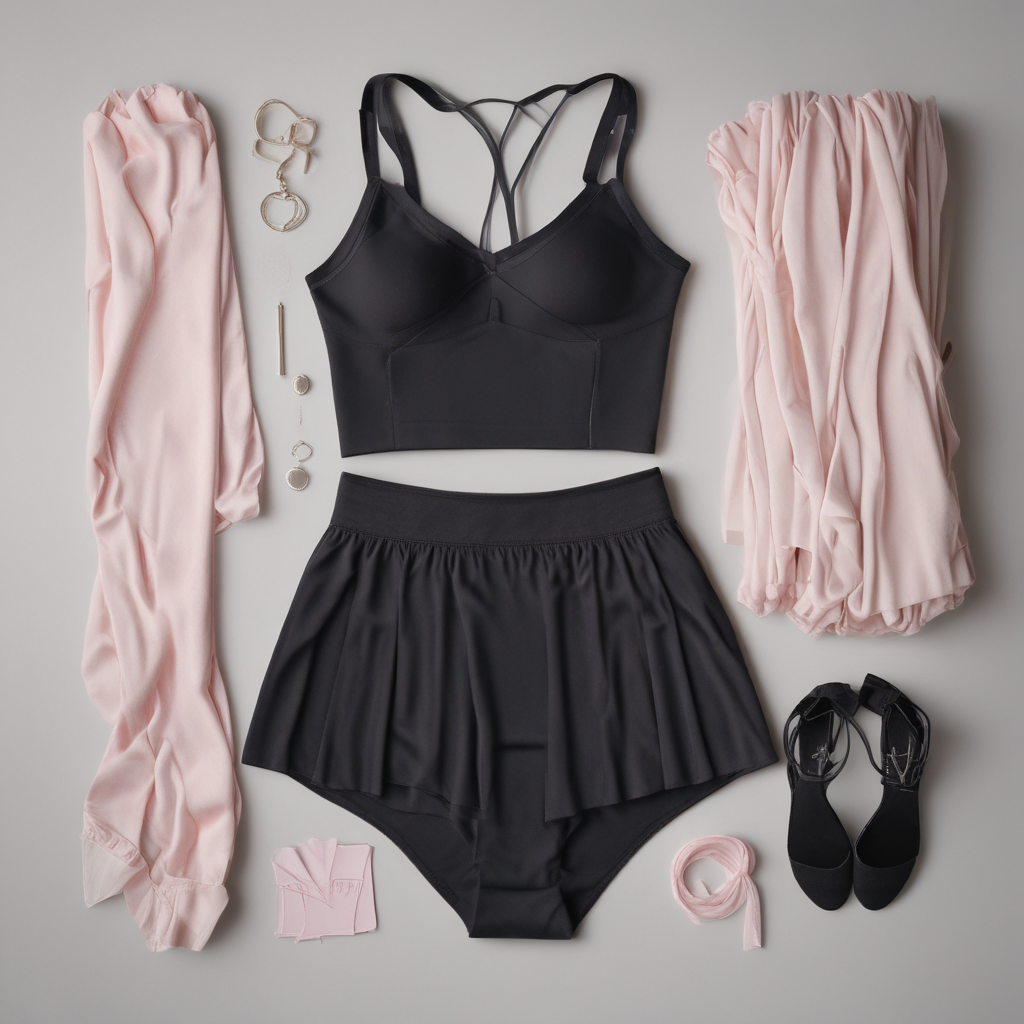
  • Advanced 1 and Advanced 2: Black camisole leotard is standard at these levels

Leotard style matters at vocational level. A camisole (sleeveless, low-back) cut is the norm for most vocational exams, as it allows examiners to assess alignment, shoulder placement and upper-body lines clearly. Avoid decorative details such as lace trims, bows or mesh panels unless specified by your school.

Skirt and Tutu Requirements

At vocational level, students typically wear a long or short mesh practice skirt depending on the specific exam. For most vocational graded exams, a black or matching-colour wrap skirt in chiffon or georgette is worn. Some schools use a short classical tutu for specific sections.

Always confirm the skirt style and length required for your student level directly with the teacher, as requirements can vary by school.

Ballet Shoes for Vocational Students

By the time a student reaches vocational level, they are almost certainly on pointe. Pointe shoes are required for all female vocational exam candidates, and the fitting must be professionally done. Do not attempt to select pointe shoes without a trained fitter, as poorly fitted shoes cause injury.

Male vocational students typically wear black full-sole or split-sole canvas ballet shoes. White canvas or leather shoes may be specified for certain syllabus sections — check with your teacher.

Tights and Accessories

Pink ballet tights (not theatrical pink — standard pink) are standard for female vocational students. Fishnet tights are worn in some character sections. A white or nude-tone leotard undergarment is sometimes worn underneath, and a ballet belt is typically worn at vocational level to emphasise line and correct uniform appearance.

Hair must be in a neat, secure ballet bun at all times during vocational examinations. Use a hair net, pins and bun spray as needed.

Where to Buy Vocational Ballet Uniform

Vocational students usually need a higher-specification version of standard items: a better-fitting leotard, more reliable pointe shoes, and polished accessories. At Zoe Dancewear, our leotard range includes black camisole styles with clean finishes suitable for Advanced 1 and Advanced 2 examinations. Our elastic belts, chiffon skirts and hair accessories are used by vocational students in multiple countries.

Frequently Asked Questions

Do vocational RAD exams have stricter uniform rules than graded exams?

Yes. At vocational level, the RAD typically specifies exact leotard colours per exam level, and examiners look at presentation as part of the overall assessment. The tolerance for variation is lower than at graded level. Always confirm exact requirements with your teacher before purchasing.

Can a student wear the same leotard for all vocational exams?

No. The leotard colour changes at different vocational levels. A student progressing from Intermediate Foundation to Advanced 2 will need different leotards for at least two or three levels. Plan for this when budgeting.

When should pointe shoes be fitted for a vocational exam?

Allow at least 6–8 weeks before the exam date for a professional fitting, breaking in the shoes, and teacher approval of the fit. Last-minute fittings often result in poorly broken-in shoes that affect technique during the exam.

Is a ballet belt compulsory at vocational level?

It is not always specified in the RAD syllabus uniform notes, but many teachers require it as part of correct presentation. A smooth, matching-colour elastic belt helps define the waist line and is standard practice at advanced levels.

Posted on

RAD Exam Day Checklist: Everything Your Child Needs

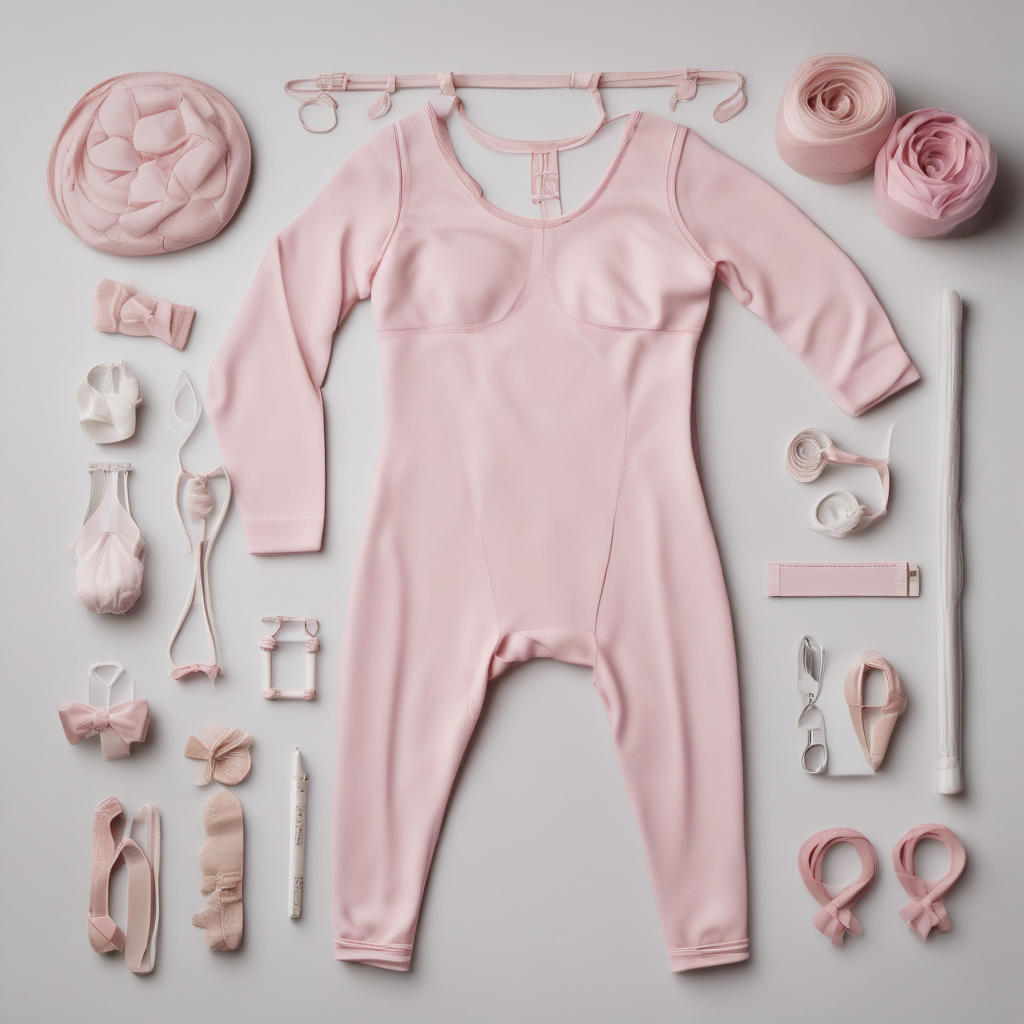
RAD exam day checklist – ballet uniform items laid out ready for examination day

RAD ballet examinations are a significant milestone for any young dancer. Months of preparation go into mastering the syllabus, and the last thing any family wants is for exam day to be disrupted by a missing item or a wardrobe malfunction. This checklist covers everything your child needs to arrive prepared, composed and dressed correctly.

The RAD Exam Checklist: At a Glance

  • Correct leotard for the grade (right colour and style)
  • Ballet skirt or dress if required for the grade
  • Clean, correct-colour ballet tights (bring one spare pair)
  • Ballet shoes — fitted, broken in, with secure elastics
  • Ballet belt if required by the school
  • Hair in a secure ballet bun with net, pins and bun spray
  • Grade-specific hair accessories (ribbons or bows if required)
  • Exam number bib if issued by the school
  • Warm-up clothes (cardigan, leg warmers, booties) for waiting
  • Water bottle with a secure cap

Uniform: Grade-by-Grade Quick Reference

The correct uniform varies by RAD grade. Use this as a double-check the morning of the exam — always confirm with your teacher in advance as colours are updated between syllabus editions.

  • Pre-Primary and Primary: Pink leotard, pink tights, pink ballet shoes (full sole)
  • Grades 1–2: Royal blue or sky blue leotard, pink tights, pink ballet shoes
  • Grades 3–5: Burgundy or raspberry leotard, pink tights, pink ballet shoes
  • Grades 6–8: Purple leotard with long skirt, belt and bow

Shoes: What to Check the Night Before

Inspect ballet shoes the evening before the exam:

  • Check elastics are securely sewn and have not frayed or snapped
  • Check drawstring is intact and tied correctly
  • Ensure shoes are clean — canvas shoes can be spot-cleaned with a damp cloth and left to dry overnight
  • Confirm the shoes fit well — do not put a child in shoes that are too tight hoping they will stretch

Hair: Prepare the Night Before

Ballet bun preparation is one of the most time-consuming parts of exam morning. For students with longer or thicker hair, prepare the bun the night before where possible, or at minimum have all equipment laid out and ready:

  • Fine-tooth comb and detangling spray
  • Hair ties and secondary elastic
  • Hairpins in matching hair colour
  • Hair net in matching colour
  • Bun spray or hairspray for flyaways
  • Grade-specific hair accessories (ribbons, bows)

What to Bring for Waiting Time

Exams often involve a waiting period before the student enters the examination room. Bring:

  • Warm-up clothes that are easy to remove quickly — a wrap cardigan, not a pullover jumper
  • Leg warmers and warm-up booties to keep muscles warm while waiting
  • Water bottle — hydration is important, avoid carbonated drinks
  • A quiet activity for waiting such as reading or drawing

What Not to Bring

  • Jewellery — rings, necklaces, stud earrings beyond small sleepers are usually not permitted
  • Nail polish or makeup (unless your school specifies otherwise for Grades 6+)
  • Perfume or strong-scented products — distracting in a small exam room
  • Food or drinks to be consumed in the exam room

The Night Before: Final Checklist

  1. Lay out all uniform items (leotard, tights, skirt/belt/bow, shoes)
  2. Check shoes and repair any loose elastics
  3. Wash and dry tights if needed
  4. Pack bag with spare tights, water, snack, hair kit
  5. Set alarm to allow enough time for hair before leaving the house

Frequently Asked Questions

What happens if my child wears the wrong uniform to a RAD exam?

The examiner may note the discrepancy, and in some cases it can affect the presentation mark. More importantly, a child who is aware they are incorrectly dressed may become anxious, which can affect performance. Always double-check with the teacher a week before the exam — not on the day.

Can my child wear makeup to a RAD exam?

For graded exams (Pre-Primary through Grade 8), makeup is generally not worn. For vocational exams and performance assessments, light stage makeup may be appropriate. Check your school’s policy and the current RAD guidelines for the specific exam your child is taking.

How early should we arrive on exam day?

Aim to arrive 20–30 minutes before the scheduled exam time. This allows for changing, a brief warmup if permitted, and settling nerves without rushing. Confirm the call time with your teacher or the exam centre directly.

What if tights ladder on exam day?

Always pack a spare pair of tights. Clear nail polish dabbed on a small ladder can stop it spreading temporarily if no spare is available. Most exam centres will allow a brief delay for a quick change, but do not rely on this — bring a spare.

Posted on

RAD Grade 1 and Grade 2 Ballet Uniform Guide

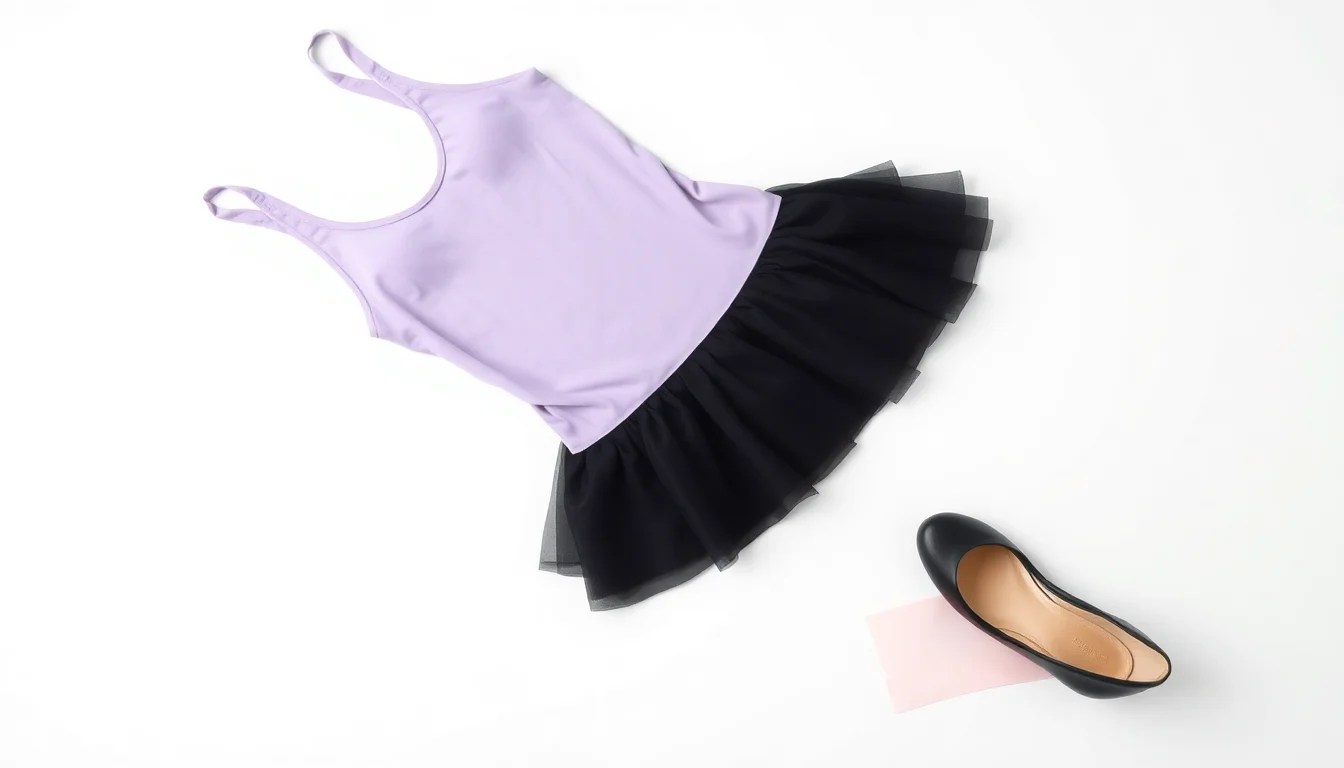
RAD Grade 1 and Grade 2 Ballet Uniform Guide

RAD Grade 1 and Grade 2 mark the transition from introductory ballet into the graded syllabus, and the uniform becomes more structured to reflect this. Both grades share a similar uniform palette, though individual schools may choose slightly different shades. Character work is fully integrated at this level, making a character skirt and character shoes essential additions to the kit list.

Short answer: RAD Grade 1 and Grade 2 mark the transition from introductory ballet into the graded syllabus, and the uniform becomes more structured to reflect this.

Leotard colour for Grade 1 and Grade 2

The most common convention for Grade 1 and Grade 2 is a pale blue or lavender leotard — similar to Primary grade, though some schools use a slightly different shade to distinguish the grades from each other. Because there is variation between schools, it is essential to check your studio’s specific uniform list rather than purchasing based on a general guide alone. The leotard style is typically sleeveless or short-sleeved, in a plain or lightly detailed design.

Character skirt requirements

At Grade 1 and Grade 2, character skirt work is a core part of the syllabus. The character skirt is worn over the leotard and tights for the character dance sections of class and examination. The standard skirt for these grades is a mid-length, lightweight style — often tiered or circular cut — in black or a dark colour as specified by the school. Some schools issue character skirts directly; others require parents to purchase them. Confirm the required length and fabric with your teacher before buying.

Shoes for Grade 1 and Grade 2

Students at these grades wear soft ballet shoes for the ballet sections of class, and low-heeled character shoes for character work. The character shoe at Grade 1–2 level is typically a low-profile heel of one to one and a half centimetres — a Mary Jane or T-bar style in black leather. Cuban heels are generally introduced from Grade 3 onward. Some teachers transition students to split sole ballet shoes at Grade 1 or 2, depending on foot development and ability.

Tights and hair for Grade 1–2 examinations

Pink footed tights are standard across Grade 1 and Grade 2. Hair should be in a neat ballet bun, secured with pins and a hairnet, completely off the face and neck. For examinations, the appearance should be clean and uniform: no visible jewellery, no nail polish, and no clothing other than the specified uniform items. A tidy, well-prepared student allows the examiner to focus entirely on the work.

Frequently Asked Questions

What leotard color is required for RAD Grade 1?

The specific color required for Grade 1 varies by school and regional guidance, but the RAD syllabus provides a color per grade. Many schools use a mid-blue or similar for this level. Always confirm the exact shade with your teacher or school.

Do Grade 1 and Grade 2 students use character shoes?

Yes — character work is fully integrated at Grade 1 and 2, and most schools require character shoes with a small kitten heel at this level. Your teacher will specify the exact heel height and color required.

Does the character skirt change between Grade 1 and Grade 2?

The character skirt style is generally consistent through Grade 1 and 2 — the same black mid-length skirt used from the Primary grade. The key change between grades is the leotard color and any accessories specific to the grade.