
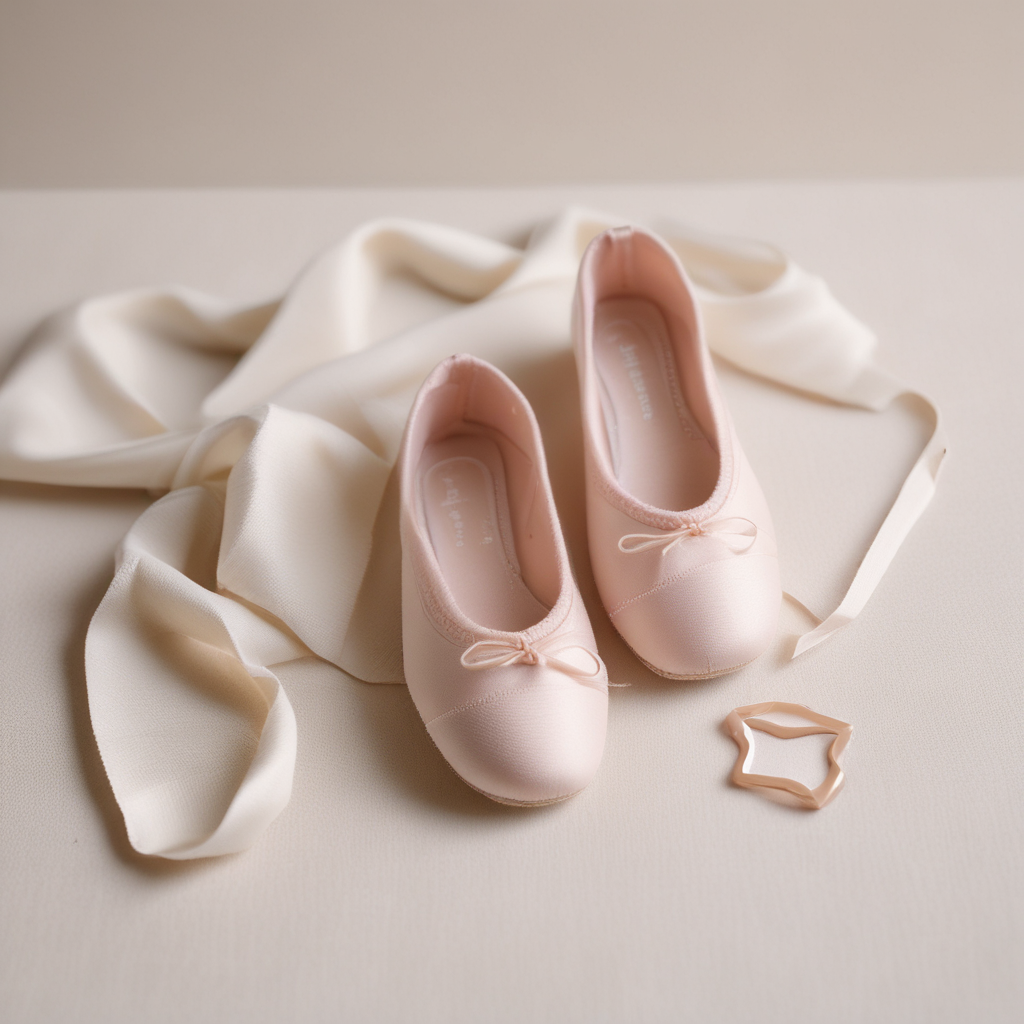
Ballet toe pads are small cushioning inserts worn inside ballet shoes to protect the toes from friction and pressure. They are often recommended for students who are approaching or beginning pointe work, but some dancers also use lightweight padding in flat ballet shoes when doing extensive demi-pointe or relevé work.
What Do Toe Pads Actually Do?
When a dancer rises to demi-pointe in flat shoes, or goes en pointe in pointe shoes, the toes bear a significant amount of weight and experience friction against the shoe. Toe pads create a soft barrier between the skin and the shoe material, reducing blistering and protecting the bony tips of the toes. They also help manage moisture — many toe pads are made from silicone gel or moisture-wicking fabric that reduces the sweating that contributes to blisters.
Types of Toe Pads
Silicone gel toe pads: The most common type for pointe work. Silicone moulds to the shape of the toes, distributes pressure evenly, and is washable and reusable. They come in full-toe versions covering all five toes, and individual toe covers targeting specific areas.
Foam toe pads: Lighter and thinner than silicone, preferred by advanced dancers who want minimal padding. They compress over time and need replacing more frequently.
Fabric toe pads: Made from cotton or terry fabric, the most breathable option and suitable for pre-pointe and demi-pointe work in flat shoes.
Do Children Need Toe Pads in Flat Ballet Shoes?
Most young children doing RAD grades one through five do not need toe pads for standard classes. Flat canvas ballet shoes are soft enough that blistering is not usually a problem. However, if a child develops a sore spot at the tip of the big toe from frequent relevé work, a thin fabric or silicone toe cap can help while the skin toughens.
When Does Pointe Work Begin?
Most RAD teachers begin pointe work from around eleven to thirteen years old. Our guide on when ballet students start pointe work covers the assessment criteria in detail. Once a student begins pointe work, toe pads become standard equipment.
How to Choose the Right Toe Pad
- Stage of training: Pre-pointe students need lighter padding than students in pointe shoes.
- Toe shape: Dancers with a longer second toe may need individual toe caps rather than a full pad.
- Shoe fit: Toe pads take up space inside the shoe. Try the pad in the shoe before buying in bulk.
- Sweat levels: Silicone can feel warm. If your dancer has warm feet, try a fabric option first.
Caring for Toe Pads
Silicone gel pads should be washed after every use in cool soapy water and air dried. Fabric pads can be machine washed on a gentle cycle in a laundry bag. Replace pads when they lose their shape, develop tears, or no longer provide cushioning.