
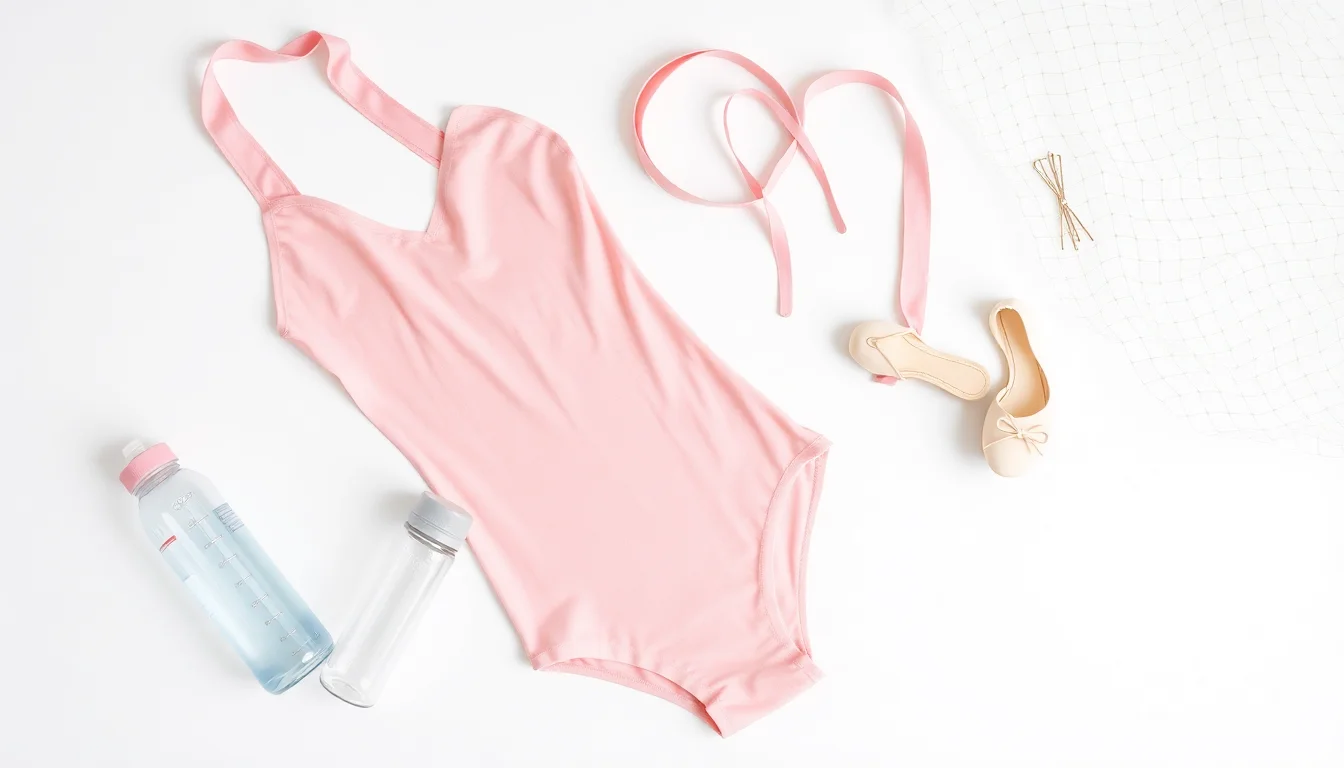
Ballet classes follow traditions and conventions that help students focus, respect the teacher, and make the most of their time in the studio. These are not arbitrary rules — they reflect the discipline that is central to ballet as an art form. Understanding them before a child’s first class makes the experience smoother for everyone.
Short answer: Ballet classes follow traditions and conventions that help students focus, respect the teacher, and make the most of their time in the studio.
Arrival and preparation
Students should arrive at the studio with enough time to change, put on shoes, and prepare before class begins — usually ten to fifteen minutes early. Arriving late disrupts the warm-up and the other students, and many teachers will ask a late student to observe rather than join class midway through.
Hair must be up and secured before entering the studio, shoes must be on and tied, and all clothing should be in order. The transition from street clothes to dance clothes is part of the preparation mindset for class.
Behaviour inside the studio
Students stand quietly at the barre or in their place while waiting for the teacher to begin. Chatting with friends during class is discouraged. When the teacher speaks or demonstrates, students stop what they are doing and pay full attention. Mobile phones are left in the changing room and must not be used during class. Food and drinks other than water in a closed bottle are not permitted in the studio.
Respecting the teacher and classmates
In ballet, it is traditional to acknowledge the teacher at the start and end of class with a bow or curtsey. This signals that the class is beginning or ending and is part of the professional culture of dance. Students address teachers by their given name or as “Miss” or “Mister”, depending on the school’s convention.
More experienced students are given precedence in certain situations, such as crossing the floor. Less experienced dancers wait for their turn. Watching and learning from older students when given the opportunity is encouraged.
What is expected of parents?
Parents should not enter the studio during class unless invited. Coaching from the doorway or calling instructions to a child during class undermines the teacher’s authority and distracts the students. End-of-term performances and observation days are the correct moments for parents to see their child in class. Outside of these, the best thing a parent can do is arrive on time, ensure the child is dressed correctly, and collect them promptly afterwards.
Shop from Zoe Dancewear
Frequently Asked Questions
Why do ballet students curtsy or bow at the end of class?
The reverence (curtsy or bow) at the end of class is a tradition that teaches students to respect the art form, the teacher and the pianist. It marks the formal end of the lesson and acknowledges the teacher's time.
Can parents watch a ballet class?
Many schools have viewing days a few times per year, but parents are usually not in the studio during regular classes. Observing can distract children and inhibit their learning. Check the school's policy — some schools have observation windows.
What should a student do if they arrive late to ballet class?
A late student should wait at the door until the teacher acknowledges them and signals that it is acceptable to enter. Walking in during an exercise is disruptive. Most schools ask late students to warm up briefly at the back of the room before joining the class.