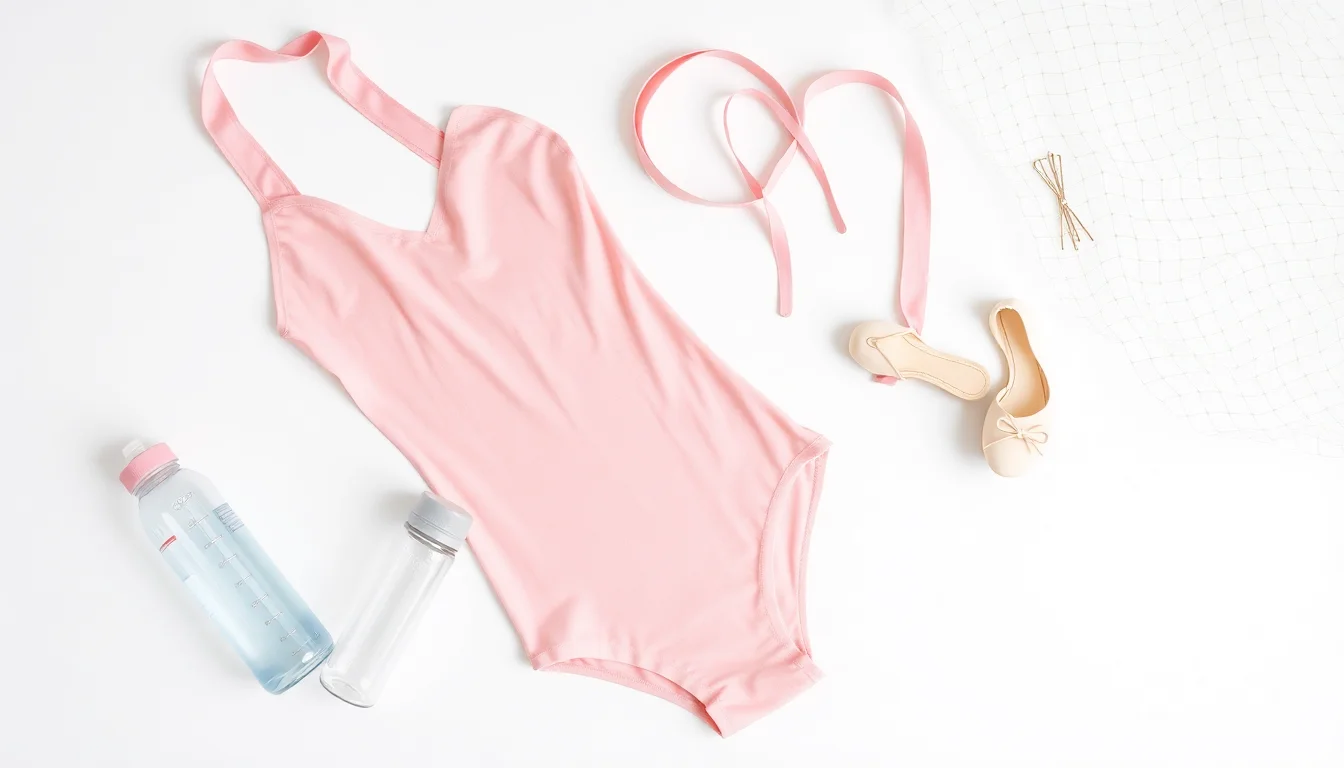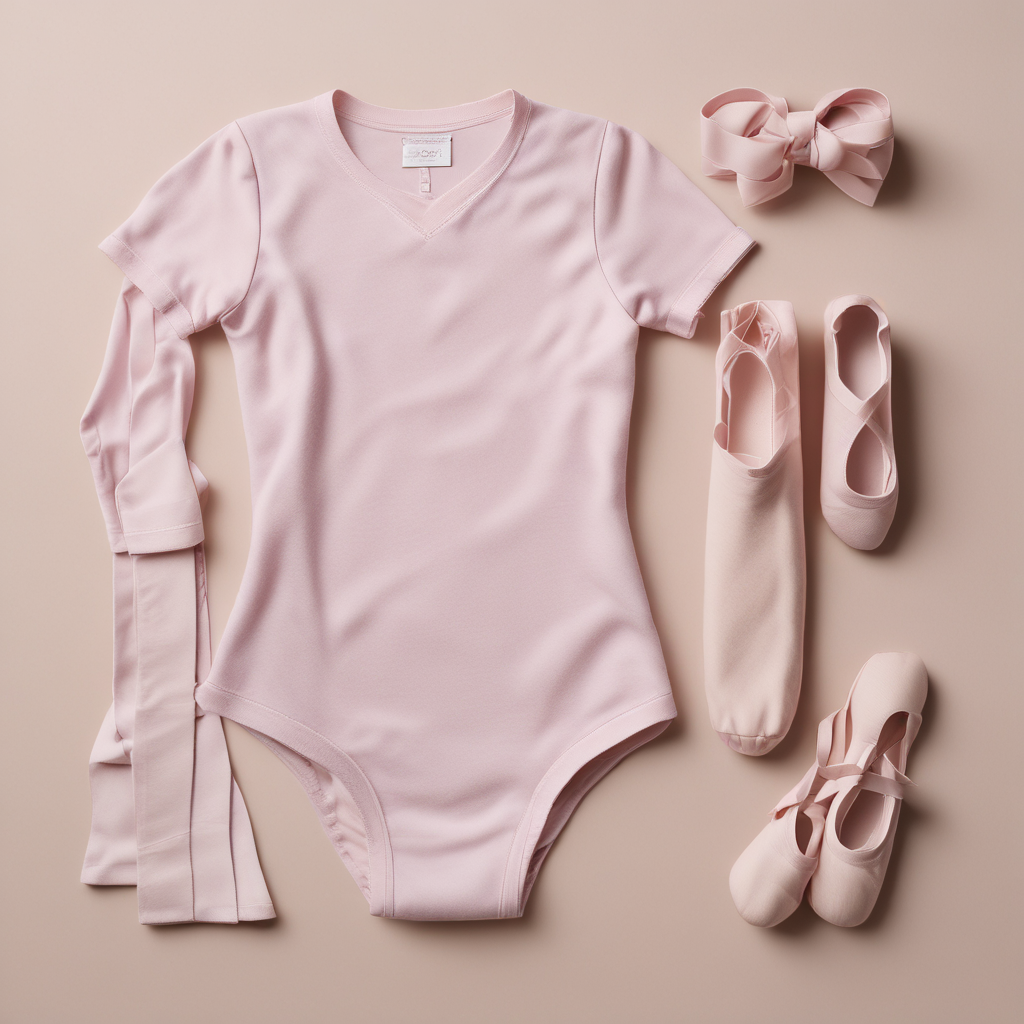
If you’ve attended a ballet parents’ meeting or read a dance school handbook, you may have been surprised by the level of detail around uniform: specific leotard colors, particular tights, hair in a bun with no flyaways, no jewelry, no logos. For parents new to ballet, this can feel excessive. But every rule in a ballet dress code exists for a reason — and understanding those reasons makes it much easier to get your child dressed correctly every week.
Hair Must Be Secured Away from the Face
Hair in a ballet class must be completely off the face and neck, typically in a neat bun. This rule exists for several reasons:
- Safety — loose hair can get caught in a partner’s hands during supported work
- Visibility — teachers need to see the line of the neck, the head position, and the angle of the jaw in profile
- Focus — repeatedly moving hair out of the face breaks concentration for the student and the class
- Professional habit — ballet training builds discipline alongside technique, and personal presentation is part of that
Even at Pre-Primary level, hair should be in a bun. For young children with fine hair, clips or a snood may supplement the bun. For tips on achieving a secure bun, see our step-by-step ballet bun guide.
Grade-Specific Leotard Colors
Teachers enforce grade colors because they allow at-a-glance identification of each student’s level. In a mixed-age waiting room or a school with multiple classes at the same time, a teacher can look across the room and immediately see who belongs in which class. More importantly, it removes the distraction of students comparing outfits and focuses attention on movement.
The color system also motivates students — wearing a new color is a tangible sign of promotion and achievement.
No Jewelry in Class
Rings, necklaces, bracelets, and earrings are not permitted in most ballet classes. Stud earrings may be acceptable at some schools if they’re small and flat. The reasons are practical:
- Necklaces and bracelets can catch on a partner during partnering work
- Rings can scratch a partner’s skin in contact work
- Dangling earrings can be pulled out accidentally
- Shiny or decorative items distract other students
Specific Tights and Shoes
The tights-and-shoes rule isn’t about aesthetics — it’s about uniformity of line. A class in which every student is wearing the same color tights and shoes is visually coherent, allowing the teacher to assess group alignment and symmetry efficiently. Mismatched footwear or tights of different deniers makes the leg line inconsistent and distracts from technique assessment.
No Logos or Branded Casual Wear
Many schools do not permit branded activewear in class — no sports brand logos, no printed t-shirts, no casual gym shorts. This is part of creating a focused, professional environment distinct from a gym or recreation center. Ballet class is a studio, not a playground, and the dress code helps reinforce that distinction for young students.
Talking to Your Child’s School About the Dress Code
If you’re struggling to find a particular item, or if a rule seems unclear, the best approach is to ask the teacher or administrator directly. Most schools are accommodating when a parent is genuinely trying to comply — they’re far less understanding when a parent consistently ignores the policy without explanation.
Frequently Asked Questions
My daughter has sensitive skin and can’t wear certain fabrics. What should I do?
Speak to the teacher privately. Most schools will accommodate genuine medical or sensory needs — they need to know the situation to offer alternatives. Bring a doctor’s note if the school requests one.
Can my son wear shorts to ballet class instead of dance tights?
Some schools allow boys to wear dance shorts or joggers rather than tights, especially in the early grades. Check the specific school’s policy — boys’ uniform rules often differ from girls’.
My daughter’s leotard fits but the teacher says it’s the wrong color. How does this happen?
Leotard shades can look different on screen vs in person. If you ordered online and the color doesn’t match, compare it to the school’s swatch before wearing it to class. Most schools would prefer you return it and get the right shade rather than letting it slide.
Shop at ZoeDancewear
- Grade-Specific Ballet Leotards — all RAD grade colors available
- Ballet Class Dress Code Guide — complete breakdown of what’s expected
- How to Do a Ballet Bun — step-by-step guide for parents