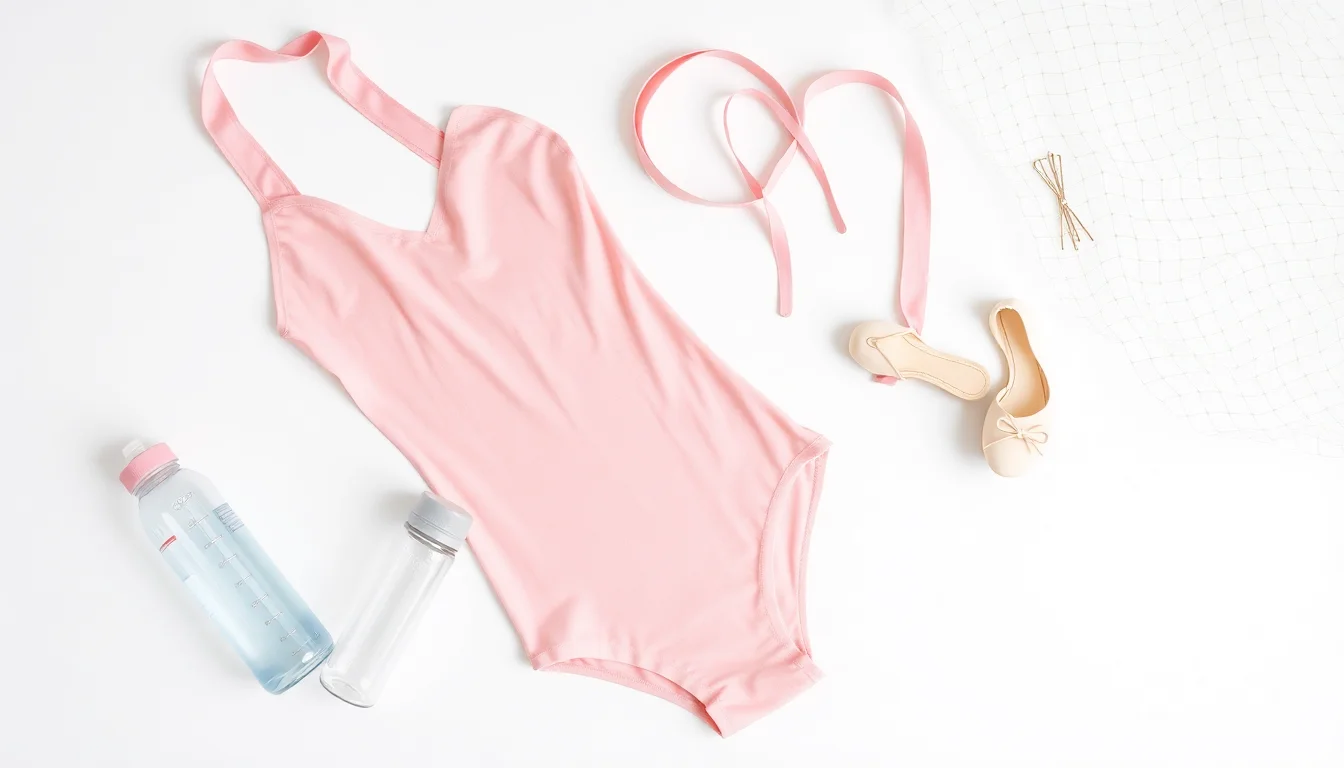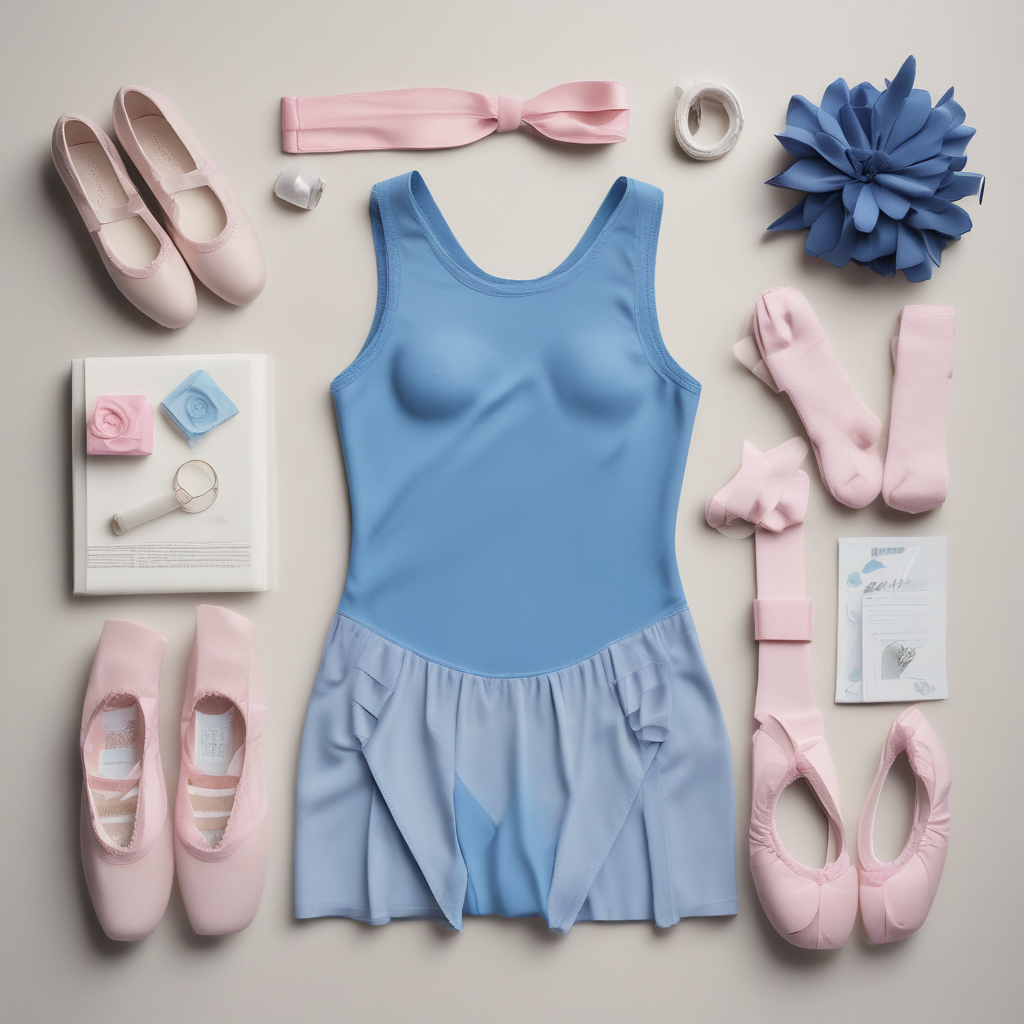
A clear, written uniform policy saves teachers time, reduces parent confusion, and ensures students are correctly dressed for class and examinations. Without a policy, questions about what is acceptable — and what is not — arise repeatedly throughout the year. This guide covers what to include in a ballet school dress code.
Why a Written Uniform Policy Matters
A written policy provides a reference point for teachers, parents and students that removes ambiguity. When a parent asks whether their daughter can wear a lilac leotard instead of royal blue, the answer is in the policy, not subject to individual negotiation. A consistent dress code also:
- Creates a professional learning environment in which students focus on technique rather than appearance
- Allows teachers to see body alignment and technique clearly
- Teaches students discipline and respect for the class environment
- Prepares students for the standards expected in examination and professional settings
What Your Uniform Policy Should Cover
1. Required Items by Class Level
List the specific required items for each class level or grade group. For each item, specify:
- The item type (leotard, tights, shoes)
- Colour — exact shade where possible (“ballet pink” or “RAD-approved royal blue” is clearer than “blue”)
- Style (e.g. “camisole/wide-strap, no decorative panels” or “full-sole only for Pre-Primary”)
- Where applicable, approved brands or suppliers
2. Hair Requirements
Specify how hair must be worn for class and examinations separately if requirements differ. Common requirements include:
- Hair above the collar must be tied back (minimum)
- All hair in a secure ballet bun for class from a specified grade onwards
- No loose hair during barre or centre work
- Grade-specific accessories (ribbons, bows) for examination terms
3. Jewellery and Accessories
Specify what is and is not permitted. Most schools allow:
- Small stud earrings (sleepers) or no jewellery at all
- No rings, bracelets or necklaces during class
- No nail polish (or clear only) for class
4. Footwear Rules
Specify the required footwear for each class type and the rules around shoe hygiene. Important points:
- Whether students may enter the studio in outdoor shoes (usually not — this protects sprung floors)
- Whether split-sole shoes are permitted or when they are introduced
- Pointe shoe policy — when students may begin pointe work and the approval process
5. Examination Uniform Specifications
Examination uniform is often more precisely specified than class uniform. Include a separate section for each examination grade listing:
- The exact leotard colour and style for each grade
- Any additional items required (belt, bow, skirt, character shoes)
- Hair requirements for the exam day
- Jewellery and makeup policy for examinations
6. Warm-Up and Streetwear Policy
Clarify what is acceptable to wear before and after class but not during class. Most schools allow:
- Ballet wrap cardigan or knit warm-up top during the warmup portion of class
- Leg warmers worn during the warm-up only
- No outdoor clothes or school uniform in the studio
7. Consequences of Non-Compliance
State clearly what happens if a student arrives without correct uniform. Common approaches:
- A reminder is issued and the student participates in class but the situation is logged
- For repeated non-compliance, a written note is sent home to parents
- For examinations, arriving in incorrect uniform may affect the presentation grade
How to Communicate the Policy
A policy is only effective if parents and students have read it. Distribute it:
- As part of the enrolment pack for all new students
- In a dedicated section of the school website or parent portal
- As a reminder email at the start of each term
- As a concise printed summary pinned to the changing room noticeboard
Review and update the policy at least once per year, especially when the RAD or other exam boards issue updated syllabus uniform specifications.
Supplier Information in Your Policy
Including direct links to recommended products in your policy — or maintaining a page on your website with approved products and links — dramatically reduces the number of parent enquiries about where to buy items. A list of approved products also prevents parents from buying from the wrong supplier and arriving with items in the wrong shade or style.
Shop from Zoe Dancewear
Frequently Asked Questions
How detailed should a ballet school dress code be?
Detailed enough to answer the most common parent questions, but not so long that it will not be read. A well-structured policy of 1–2 pages, with a summary table of requirements by grade, strikes the right balance. Parents are more likely to read and follow a concise, clear document than a lengthy policy.
Should the dress code be legally binding?
Dress codes for private dance schools are generally enforceable as a condition of enrolment, not as a legal contract. The policy should be included in or referenced by the enrolment agreement that parents sign when registering.
What if a parent disagrees with the uniform requirements?
Explain the reasoning behind the requirements — alignment visibility, RAD specification, professional standards — and refer them to the written policy. Where the requirement is an RAD specification, direct parents to the RAD website for confirmation that the requirement comes from the exam board, not the school’s personal preference.
How do I handle requests for religious or medical uniform modifications?
These should be handled sensitively on a case-by-case basis. Common accommodations include allowing opaque tights under a leotard, or permitting a sports hijab in a school-appropriate colour. Document any agreed accommodations in writing to ensure consistency.