Posted on

Ballet Bun Tutorial: Step-by-Step Guide for Dance Parents

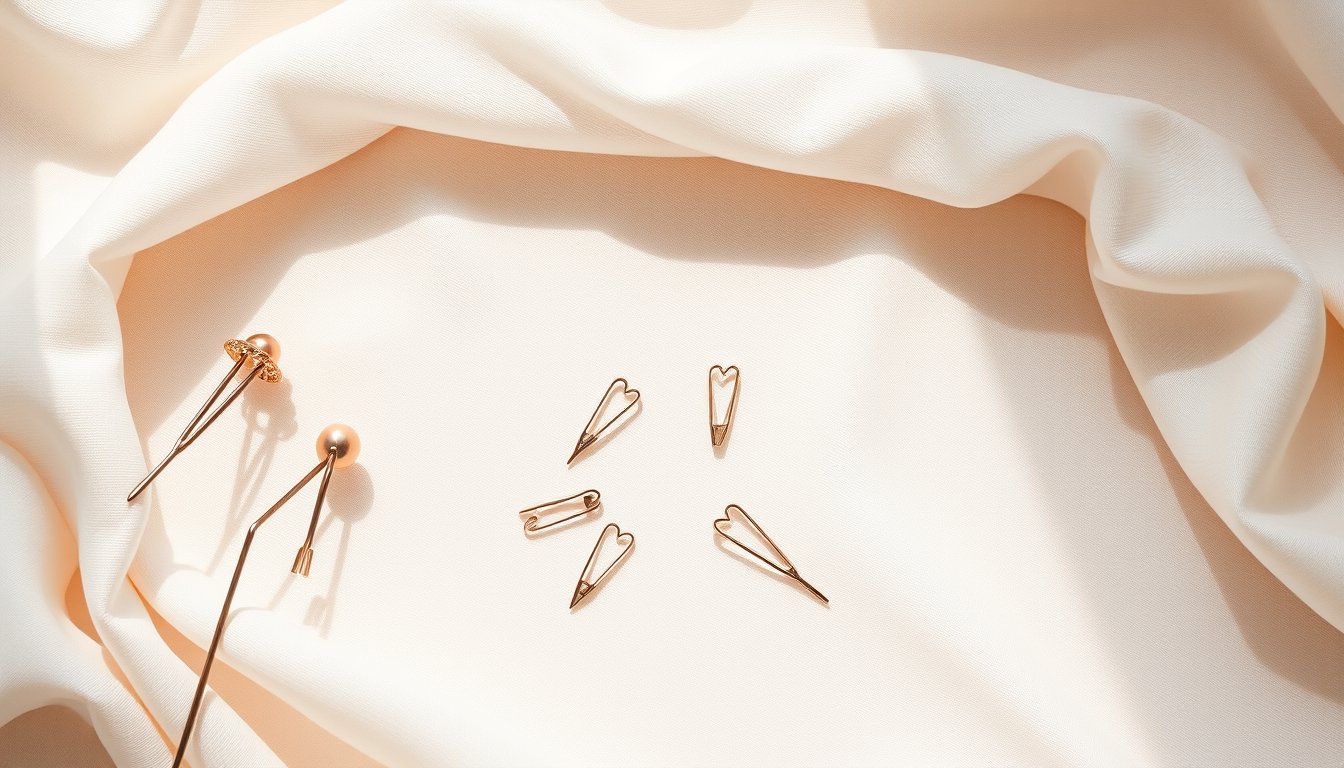
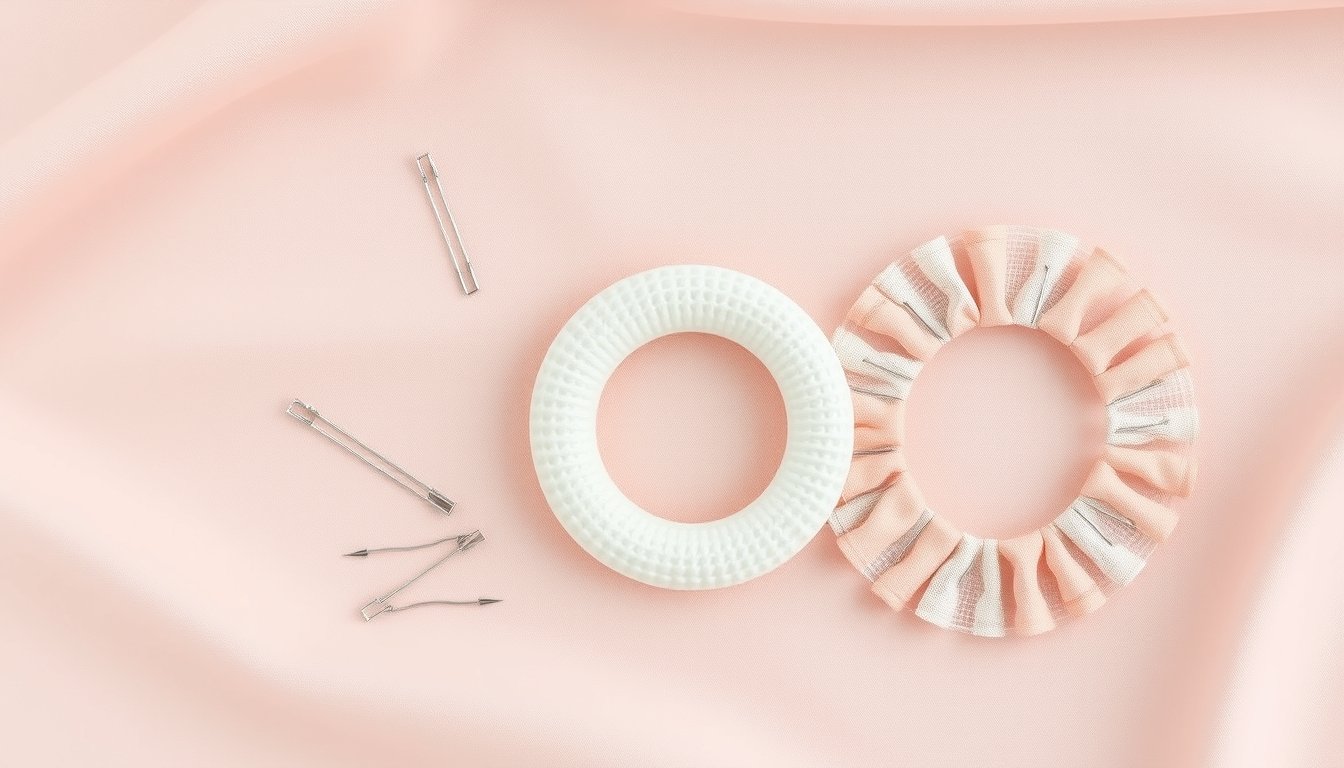
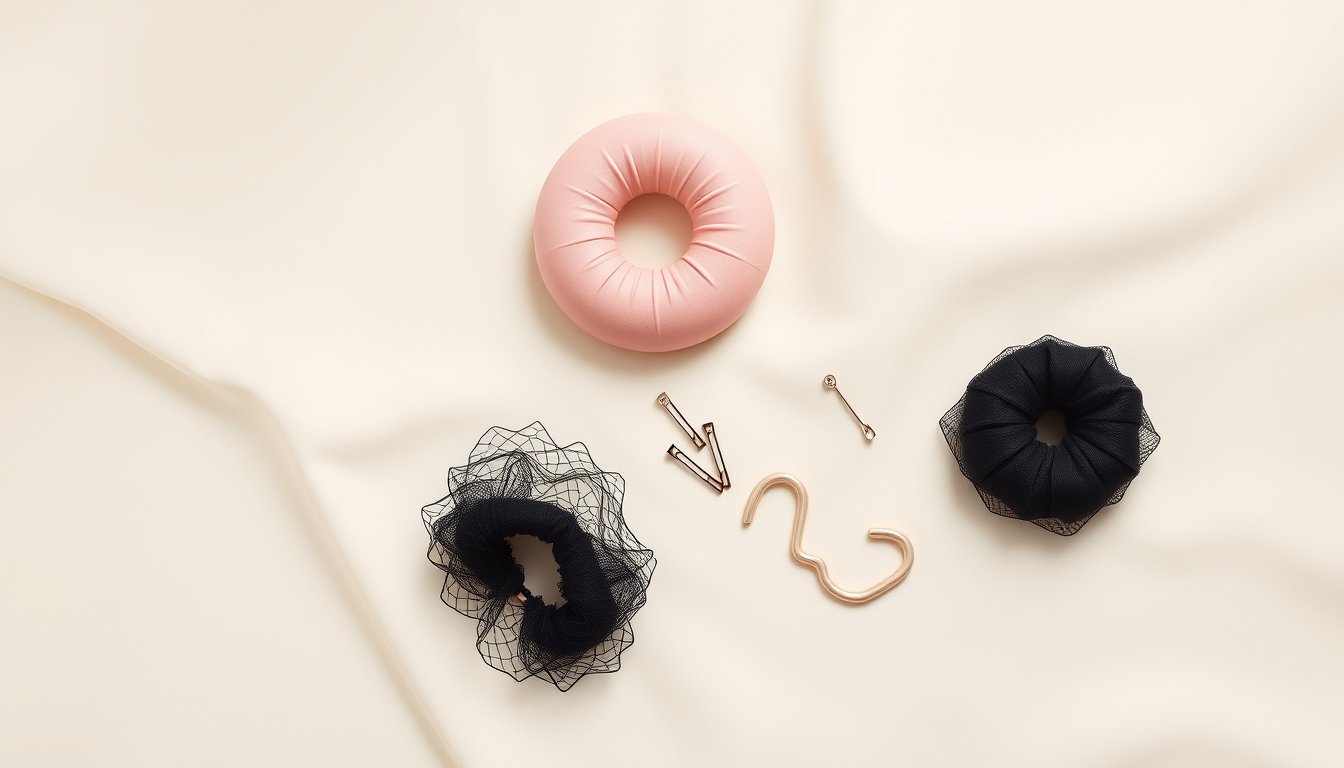
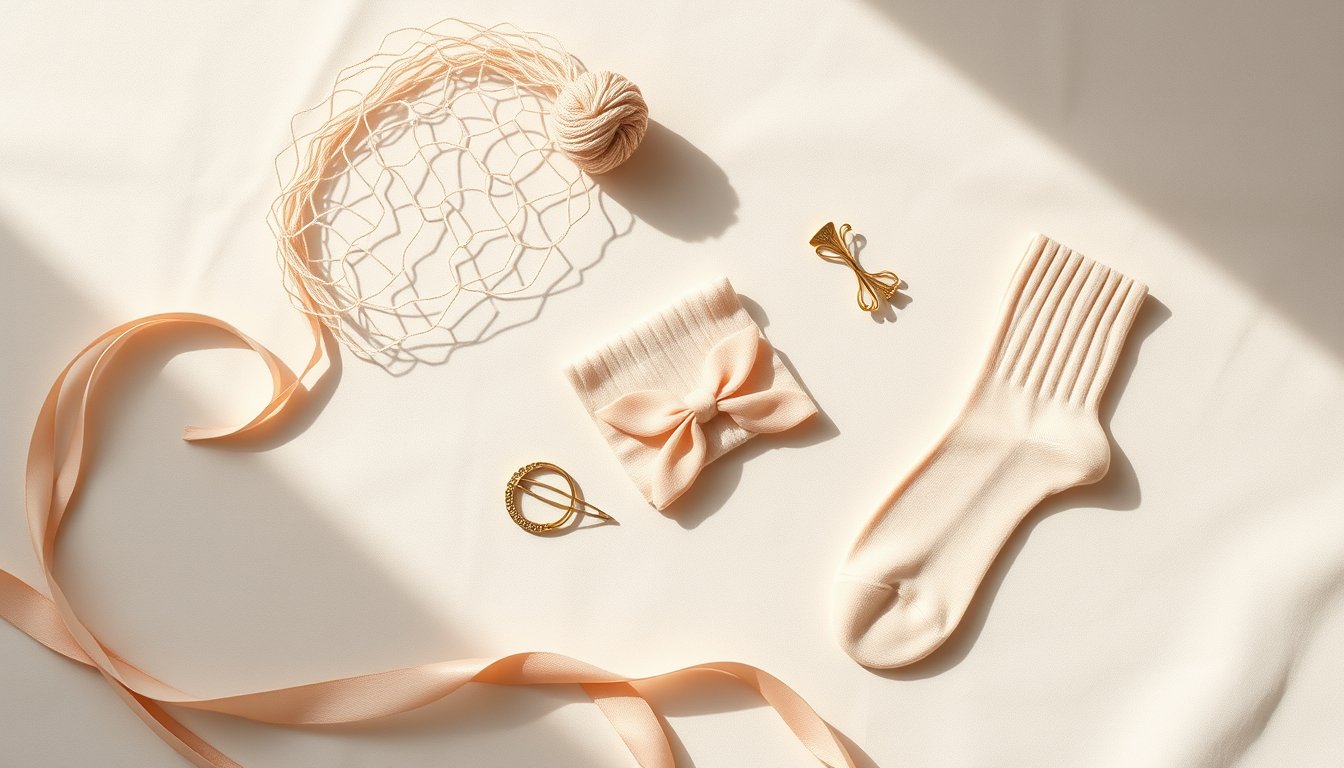
Ballet bun hair accessories kit with bobby pins hair net and elastics on cream linen

The ballet bun is one of those things that looks simple until you are standing behind a seven-year-old with five minutes before class and a pack of bobby pins that keep falling on the floor. With the right technique and the right tools, a secure bun takes about three minutes once you have practised it a few times.

What You Will Need

  • Fine-toothed comb or tail comb
  • Hair elastics — one for the ponytail, one for the bun
  • Bobby pins (at least six, matching hair colour)
  • Hair net (matching hair colour)
  • Hairspray or hair gel for flyaways

The hair net is the single most important item for a tidy bun that lasts through a full class. Without it, even a well-constructed bun will loosen as the dancer moves.

Step 1: Smooth the Hair Back

Start with brushed, dry hair. Apply a small amount of hair gel to the hairline if there are flyaways along the sides. Use the tail comb to create a clean centre parting if required by the school.

Step 2: Create the Ponytail

Gather all the hair at the crown of the head. For most ballet schools the ponytail sits at the very top of the head — a high placement gives the finished bun a cleaner silhouette. Secure with a hair elastic.

Step 3: Divide and Twist

Divide the ponytail into two equal sections. Twist both sections in the same direction until the whole ponytail is twisted firmly from base to tip. Holding the twisted ponytail taut, wind it around its own base in a circle, keeping the coil flat against the head.

Step 4: Secure the Bun

Wrap a second hair elastic around the outside of the coiled bun to hold it in place. Push bobby pins through the edges of the bun, angling them inward and downward toward the scalp. Six to eight pins are usually sufficient for shoulder-length or longer hair.

Step 5: Add the Hair Net

Open the hair net and slip it over the entire bun. Stretch the net down around the edges and tuck any loose ends underneath. Secure the hair net with two or three extra bobby pins pushed through the net and into the bun. This final step holds stray hairs in place and gives the bun a smooth, finished appearance.

Step 6: Tidy the Edges

Apply hairspray lightly over the whole style, holding the can at arm’s length. Mist lightly — enough to tame flyaways without making the hair crunchy.

Troubleshooting

The bun keeps falling down: The ponytail base is too low or not secured firmly enough. Add more pins through the very bottom edge of the bun.

Flyaways will not stay down: Apply a small amount of gel directly to the flyaway before pinning. Hairspray alone is not always enough for fine hair.

The bun looks messy after class: More pins and a hair net. There is no shortcut for this one.
Posted on

Barre Grip Socks for Ballet: Do You Need Them for Class?

Barre Grip Socks for Ballet: Do You Need Them for Class?

Barre grip socks — also called barre socks or non-slip ballet socks — have small rubber or silicone dots on the sole that grip wooden and laminate studio floors. They are most useful during barre exercises and floor work, where bare feet or smooth socks can slip. Whether your dancer needs them depends on the class type, studio surface and teacher preference.

Short answer: Barre grip socks — also called barre socks or non-slip ballet socks — have small rubber or silicone dots on the sole that grip wooden and laminate studio floors.

What Are Barre Grip Socks?

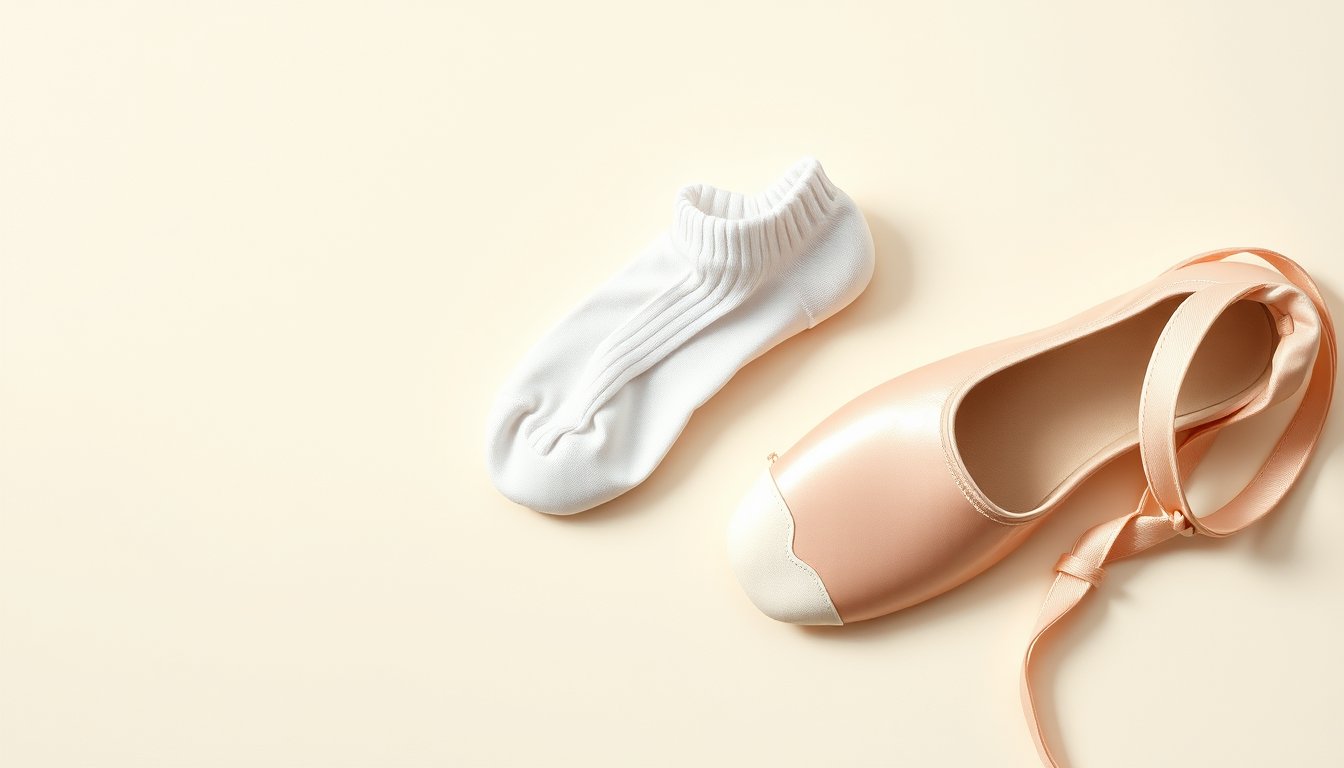
Barre grip socks look like standard ankle socks but have a pattern of rubber or silicone grip dots printed on the footbed. The dots create friction against smooth floors so the foot stays in place during tendus, battements and relevés. Most styles come to the ankle; some are full-foot and others have a toe-open or heel-open cut for better floor feel.

When Do Dancers Wear Barre Grip Socks?

Grip socks are most common in adult ballet fitness classes, barre workout studios, and pre-primary classes where very young children are not yet wearing ballet shoes. They are also helpful during warm-up on cold studio floors before shoes go on. In formal RAD ballet classes, students usually wear ballet shoes rather than grip socks during exercises, but grip socks can be useful in the changing room or for home practice.

Barre Socks vs Regular Ballet Socks

Regular ballet ankle socks are made from soft cotton or nylon and lie flat — they offer no grip at all on polished wood. Barre grip socks trade a little sock softness for the non-slip rubber sole. If your dancer wears ballet shoes for all class exercises, regular socks are fine inside the shoe. If they spend time on bare floors — either before shoes go on or in a barre fitness class — grip socks are a practical upgrade.

What to Look for When Buying Barre Socks

Look for socks with grip dots across the full ball of the foot and heel, not just a small central patch. A high cotton or bamboo content feels softer and manages moisture better than pure nylon. For ballet specifically, a low-cut ankle style is less bulky inside the shoe. Sizes run small-medium and large-extra-large in most brands, so check the weight chart before ordering.

Can Boys and Men Wear Grip Socks for Ballet?

Yes. Grip socks are unisex and available in neutral colours. Male dancers taking barre fitness classes or practising at home on smooth floors benefit from the same non-slip sole as female dancers. Choose a plain black or grey style if a neutral look is preferred.

Frequently Asked Questions

Are barre grip socks the same as yoga socks?

They are very similar. Both have rubber grip dots on the sole. Yoga socks often have an open-toe design and slightly more coverage around the arch. Either works well for barre class — the key feature is the non-slip sole rather than the exact style.

Can you wear barre socks inside ballet shoes?

Yes, ankle-cut barre socks fit comfortably inside canvas and leather ballet shoes. The grip dots sit on the insole of the shoe rather than the floor, which does not affect performance.

How do you wash barre grip socks?

Turn them inside out and machine wash on a cold gentle cycle. Avoid tumble drying, which can crack the rubber dots. Air dry flat to preserve grip and sock shape.

Shop ballet accessories and socks at ZoeDancewear

Posted on

Snap Clips for Ballet Buns: How to Use Them and Which to Buy

Snap Clips for Ballet Buns: How to Use Them and Which to Buy

Snap clips (sometimes called clic clacs or snap hair clips) are small hinged metal or plastic clips used to anchor loose wisps of hair around a ballet bun. They click shut over a thin fold of hair and hold it flat against the bun without bulging under a hair net. A packet of snap clips is one of the most useful items in a dancer’s kit bag.

Short answer: Snap clips (sometimes called clic clacs or snap hair clips) are small hinged metal or plastic clips used to anchor loose wisps of hair around a ballet bun.

Snap Clips vs Bobby Pins: What Is the Difference?

Bobby pins are bent metal pins that you slide into the hair — they work by tension. Snap clips have a spring-loaded hinge: you open the clip, place it over the hair and release it so the clip snaps shut. Snap clips are faster to apply, less likely to scrape the scalp, and easier for young dancers to use independently. Bobby pins give slightly more secure hold on very thick or slippery hair.

What Size Snap Clips Do You Need for a Ballet Bun?

For ballet buns, a small snap clip (approximately 4–5 cm) is ideal. Smaller clips are neater under a hair net and less visible in the finished bun. Match the clip colour to your dancer’s hair — black, brown and blonde snap clips are widely available.

How to Secure a Ballet Bun with Snap Clips

After forming the bun, pull any escaping wisps back toward the bun and pin them with a snap clip angled toward the centre. Use two to four clips evenly spaced around the perimeter. Place the hair net over the bun, then add two or three bobby pins through the net into the bun to keep the net from sliding.

How Many Snap Clips Do You Need Per Bun?

Two to four snap clips is usually enough for fine or medium-thickness hair. Very thick or curly hair may need six or more. Buy a packet of at least 20 — clips are easy to lose on studio floors, and having extras saves stress on exam days.

Tips for Exam and Performance Buns

Use light-hold hairspray on the bun before placing the net and clips. This reduces flyaways so fewer clips are needed. Check the bun from the front, side and back — clips should be invisible under the net and the bun should sit centrally on the back of the head.

Frequently Asked Questions

What colour snap clips should I buy for ballet?

Match the clip colour to your dancer’s hair: black for dark hair, brown for mid tones, blonde or clear for fair hair. Most ballet teachers want clips to be invisible against the hair, not decorative.

Can snap clips damage hair?

Snap clips are gentler than tight bobby pins because the spring action distributes pressure evenly. Plastic-coated metal snap clips are the most hair-friendly option.

Browse ballet hair accessories at ZoeDancewear

Posted on

Ballet Bun Accessories: Nets, Pins, Covers and Bun Builders

Ballet Bun Accessories: Nets, Pins, Covers and Bun Builders

A secure, neat ballet bun requires more than a hair tie. The four main bun accessories — nets, pins, bun covers and donut formers (bun builders) — each do a different job. Using the right combination for the dancer’s hair type and the occasion (class vs. examination) makes a significant difference in how long the bun lasts and how tidy it looks.

Short answer: A secure, neat ballet bun requires more than a hair tie. The four main bun accessories — nets, pins, bun covers and donut formers (bun builders) — each do a different job.

Hair Nets

A hair net is placed over the finished bun to flatten stray hairs and give the bun a smooth, contained appearance. For ballet, use a small circular “bun net” rather than the large full-head catering nets. They come in black, brown, blonde and auburn — choose the closest match to the dancer’s hair colour. A slightly smaller net grips better than one that is too large. See our full guide: hair nets for ballet buns.

U-Shaped Bun Pins

U-shaped pins (also called hairpins or bun pins) are the primary anchor for the bun. They are longer than standard kirby grips and are inserted through the bun at an angle into the ponytail base to hold the whole structure to the head. Use at least four to six pins spaced evenly around the bun. The pin should go through the hair, not just over the surface, to grip properly.

Kirby Grips / Bobby Pins

Shorter than bun pins, kirby grips are used around the edge of the bun and to pin flyaways flat. They are also used to secure the hair net once it is in place. Buy them in quantity — they disappear constantly. Wavy-edged grips grip more than smooth-edged ones.

Bun Covers

A bun cover is a small fabric disc that fastens over the top of the finished bun with an elastic loop at the back. It completely covers the bun and gives a uniform, smooth appearance — more polished than a net alone. Bun covers are most commonly used for RAD examinations and performances where appearance is formally assessed. They come in colours matched to hair: black, brown, blonde, auburn and sometimes white for performances. The cover sits directly over the net, not in place of it.

Donut Former (Bun Former / Bun Builder)

A donut former is a foam or mesh ring placed at the base of the ponytail to create and maintain a round bun shape. The ponytail is pulled through the hole in the donut, fanned out over the surface, and pinned underneath. Without a former, creating a round, even bun is difficult — the hair tends to flatten or shift during class. Formers come in small (for young children and fine hair), medium and large sizes. Choose a size appropriate to the dancer’s hair volume.

For Examinations: What Level of Finish Is Expected?

For everyday class: net + pins is the standard minimum. For examinations: net + pins + bun cover is the expected finish at most RAD schools. For performances: consider gel or edge spray to smooth the hairline, in addition to the full net and cover combination.

For a complete list of bun kit items, see our ballet bun kit guide.

Frequently Asked Questions

What is a bun cover and when is it used?

A bun cover is a fabric or net circle that sits over the finished bun for a polished, covered appearance. It is most common for performances, formal exams and competitions where a neat presentation is important. It adds an extra layer of security over pins and net.

U-shaped pins versus bobby pins — what is the difference?

Bobby pins are small, flat clips that grip a thin section of hair. U-shaped pins (also called hair pins) are longer and more curved, designed to anchor large sections of hair or whole bun sections. Both are needed for a secure exam bun.

How do I stop a hair net slipping off a thin bun?

Double the net over so it sits twice as thick on the bun, and use bobby pins to anchor it to the base of the bun rather than just laying it over the top. A small amount of hair spray applied before placing the net also helps it grip.

Posted on

Hair Nets for Ballet Buns: Types, Sizes and How to Use Them

Hair Nets for Ballet Buns: Types, Sizes and How to Use Them

A hair net for a ballet bun is a fine mesh cap placed over the finished bun to hold stray hairs flat and give the bun a smooth, professional appearance. Choosing the right size and colour makes a significant difference to how the finished bun looks — the wrong net will either slide off or leave visible gaps.

Short answer: A hair net for a ballet bun is a fine mesh cap placed over the finished bun to hold stray hairs flat and give the bun a smooth, professional appearance.

What Type of Hair Net Do You Need for Ballet?

Ballet bun nets are different from the large catering-style hair nets that cover the whole head. For a ballet bun you need a small, circular or slightly oval mesh net that is sized to sit over the bun only, not over the whole head of hair. These are sometimes sold as “bun nets” or “ballet nets.”

Sizes

Bun nets are typically sold in two sizes:

  • Small (child): approximately 55-65 mm diameter when flat — for a bun about the size of a tennis ball or smaller
  • Large (adult): approximately 70-85 mm diameter when flat — for a fuller adult bun

Buy one size smaller than you expect — nets stretch to fit and a slightly smaller net grips more firmly. A net that is too large slides off the bun during class.

Colours

Hair nets are available in black, dark brown, medium brown, light brown/auburn and blonde. Choose a colour as close to the dancer’s natural hair colour as possible. An obviously mismatched net (a black net on blonde hair, or vice versa) looks untidy and draws attention in examinations.

If you cannot find an exact match, go one shade darker rather than lighter — a slightly darker net blends better than one that is too pale.

How to Put On a Ballet Bun Net

  1. Form the bun using a donut former or by pinning and coiling the hair into a bun shape.
  2. Secure the bun with U-shaped pins all around the base.
  3. Stretch the net over your hands to open it up.
  4. Place the net over the bun, letting it sit on top, then stretch the lower edge down and under the bun.
  5. Tuck the net under the bun and pin in place with kirby grips if needed.
  6. Smooth any loose hairs under the net with a grip or a small amount of gel.

How Many Nets Does a Dancer Need?

Nets are consumable — they tear, stretch out of shape and get lost. A dancer who has class once or twice a week will go through two to four nets per term. Buying in packs of six to ten is practical and more economical than buying individually. Keep a spare in the dance bag at all times.

Net vs Bun Cover: Which Do You Need?

A hair net holds the bun together and smooths stray hairs, but still shows the texture of the hair underneath. A bun cover is a solid fabric disc that goes over the net and gives the bun a completely smooth, uniform appearance. For everyday class, a net alone is usually sufficient. For examinations and performances, many RAD schools prefer or require a bun cover on top of the net.

See our complete bun kit guide for everything else you need for a perfect exam bun, or check our exam uniform checklist.

Frequently Asked Questions

What color hair net should I buy for ballet?

Choose a color that closely matches the dancer's hair — dark brown, light brown, or blonde. Nets that match the hair color become almost invisible once placed over the bun, which is the goal for a tidy exam appearance.

How big should the hair net be for a ballet bun?

A standard bun net (roughly 45 to 50 cm across when stretched) works for most bun sizes. For a very large, thick bun, choose an extra-large net. For a small bun on fine hair, a regular net should be sufficient.

How many hair nets should I keep in the dance bag?

Keep at least four to six in the bag at all times. Nets snag, develop holes and are easily lost. Buying a pack of ten at a time is more economical than buying singles and ensures you always have a good one for exam day.

Posted on

Ballet Bun Kit: Everything You Need for a Perfect Exam Bun

Ballet Bun Kit: Everything You Need for a Perfect Exam Bun

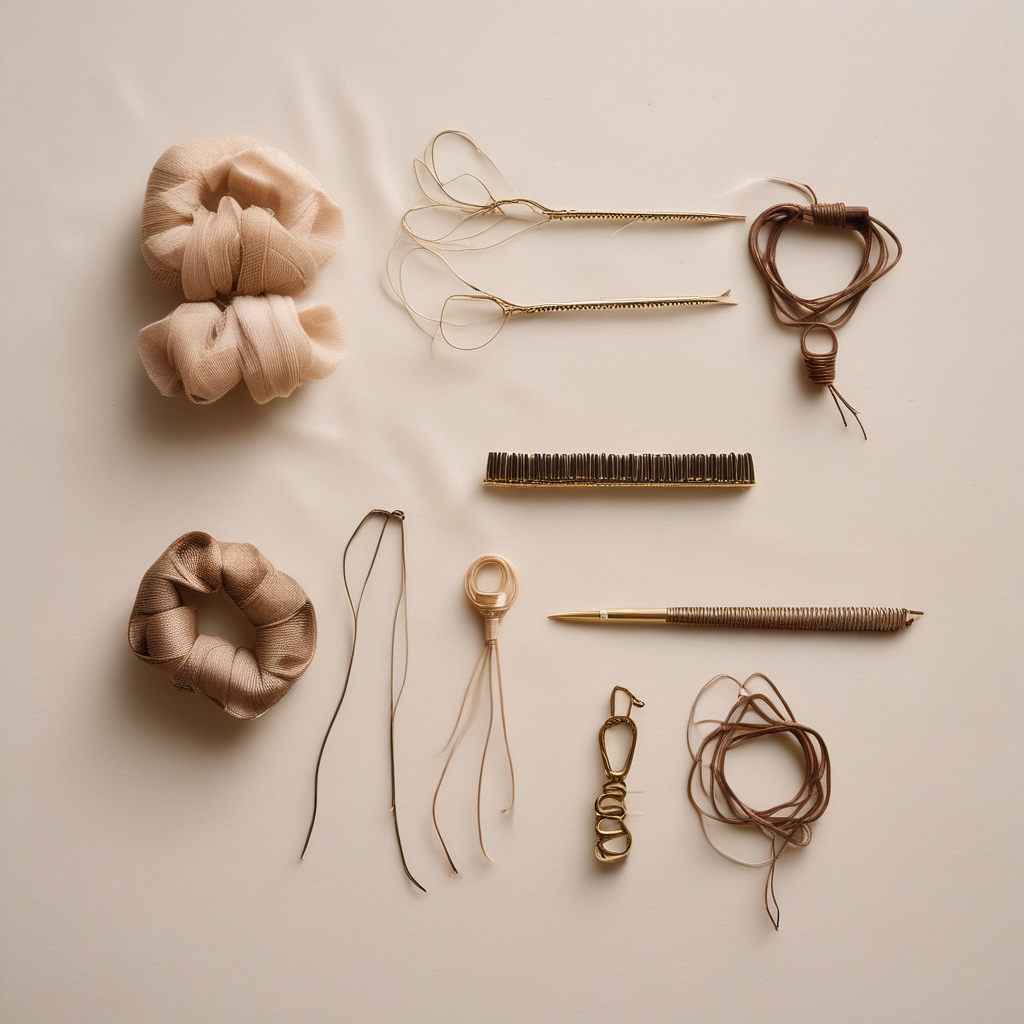
A ballet bun kit is a set of hair accessories used to create and secure the neat, flat bun required for RAD class and examinations. A complete kit typically includes a donut former, a hair net, U-shaped pins, a bun cover and a pack of kirby grips or bobby pins. Having all of these items together saves time on class mornings and avoids the common problem of missing one key item when you need it most.

Short answer: A ballet bun kit is a set of hair accessories used to create and secure the neat, flat bun required for RAD class and examinations.

What Goes in a Ballet Bun Kit?

1. Donut Former (Bun Former)

A foam or fabric ring that goes over the ponytail to create the round shape of the bun. The hair is spread over the donut and secured underneath. Choose a size that matches the volume of the dancer’s hair — a small former will not give a full look, and a large one will look oversized on a young child.

2. Hair Net

The hair net goes over the completed bun to hold stray hairs flat and give the bun a smooth, professional appearance. Buy nets in a colour that matches the dancer’s hair — black, brown, blonde or auburn. Buy one size smaller than you expect — they stretch to fit and a snug net holds better.

3. U-Shaped Pins (Bun Pins)

U-shaped pins (sometimes called bun pins or hairpins) are longer than standard kirby grips and go through the bun into the ponytail base to anchor the whole bun to the head. Use at least four to six pins in a circular pattern around the bun for a secure hold that lasts through class.

4. Kirby Grips / Bobby Pins

Shorter than bun pins, kirby grips are used around the edge of the bun to flatten stray hairs and tuck in loose ends. A pack of 30-50 is a sensible quantity — they get lost constantly in changing rooms and at home.

5. Bun Cover

A bun cover is a small fabric disc that snaps over the top of the finished bun to give it a very smooth, polished appearance for exams. It is particularly popular for RAD examinations and performances where appearance is assessed. Bun covers come in colours matched to hair colour.

Optional: Hair Spray and Smoothing Gel

A light hairspray or edge control gel helps smooth flyaways and keeps the bun neat through a full class. Use sparingly — a heavy application makes the hair sticky and harder to undo after class.

How to Store a Bun Kit

A small zip pouch or tin is the best way to keep a bun kit together. Loose pins at the bottom of a dance bag disappear quickly. Label the pouch with the dancer’s name if it goes to class.

When Does My Child Need a Ballet Bun?

Most RAD schools require a bun from the first graded class onwards. Some schools ask for a bun from the very first lesson, including Early Years and Foundation. Check with your teacher — some schools have specific rules about bun style, size and cover for examination days.

For more on what your dancer needs for class and exams, see our ballet bag essentials guide and exam uniform checklist.

Frequently Asked Questions

What is the most important item in a ballet bun kit?

Bobby pins and a hair net are the two items that make or break a ballet bun. Without enough pins, the bun falls apart; without a net, flyaway hairs create an untidy look for exams. A bun donut or former is a nice extra but not strictly essential.

How many bobby pins does a ballet bun need?

The number depends on the thickness and length of the hair, but most buns use between ten and twenty pins. Always buy more than you think you need — pins disappear regularly and you do not want to run out the morning of an exam.

Is a bun donut necessary for a ballet bun?

A donut or bun former makes the process easier and gives a rounder, fuller bun shape, but it is not required. Many dancers make a tidy bun using only a hair tie, pins and a net. The donut is most useful for finer or shorter hair.

Posted on

Ballet Accessories: What Every Dancer Needs for Class, Exams and Gifts

Ballet Accessories: What Every Dancer Needs for Class, Exams and Gifts

Short answer: ballet accessories are the extras that go with the uniform: hair supplies, a waist belt or ribbon, warm layers, a bag, and for younger dancers props for creative movement. A beginner needs only a few. Add the rest as the dancer moves to exams, performances and more advanced classes.

What ballet accessories does a dancer need?

Accessory What it is for Who needs it
Hair supplies A neat bun: hair ties, pins, a hairnet Everyone with long hair
Waist belt or ribbon Defines the waist, and in some schools shows the level Students whose school uses one
Warm layers Wrap top, cardigan, leg warmers Cold studios and long classes
Dance bag Carries the uniform and shoes Everyone
Props Ribbons, wands, hoops, shakers for creative movement Young children
Exam extras Number bibs, certificate folder Dancers taking exams

What should a beginner buy first?

  1. The uniform and shoes your school asks for.
  2. Hair supplies for a neat bun.
  3. A dance bag to keep everything together.
  4. A warm layer, if the studio is cold.

Everything else can wait until your teacher asks for it.

What are the best accessories for young children?

Young dancers learn through play, so props are a favorite. Ribbons, wands, shakers, hoops and wings are used in creative movement classes to build rhythm, coordination and imagination. Browse our ballet props for options in many colors. Always choose props that are light and safe for the age of the child, and supervise play.

What accessories are useful for exams?

Dancers taking exams often need a neat waist belt or ribbon, number bibs for group exams and a folder for the certificate. Rules differ between schools and examination centers, so ask your teacher for the list. We are not affiliated with any examination board, and this guide is general advice.

What makes a good ballet gift?

  • For a young dancer: a prop set or a hair bow.
  • For a teen: a warm wrap top, leg warmers or a dance bag.
  • For a teacher: a hand bell, a certificate folder or a nutcracker figure.
  • For a student’s end-of-term gift: a stretch band or a training block for home practice.

How do I look after accessories?

Keep small items in a pouch inside the dance bag. Wash fabric items gently, and let them air dry. Keep ribbons and bows flat, so they keep their shape. Check props for loose parts before each use.

How do I choose quality accessories without overspending?

  • Buy the basics first. Hair supplies, a bag and a warm layer are used every week.
  • Choose plain colors that match the uniform and are easy to replace.
  • Check the size and the safety of anything a young child will hold or wear.
  • Wait for the teacher’s list before buying exam extras, because every school is different.

For the full class packing list, see our ballet bag essentials guide.

Frequently Asked Questions

What hair accessories does a ballet student absolutely need?

The essentials are hair ties, bobby pins (at least two packs to avoid running out), and a hair net that matches the dancer's hair color. A bun donut or former is helpful but not strictly essential for a beginner.

When does a ballet student need a waist belt?

Check the RAD grade requirements. In the RAD syllabus, an elastic waist belt in a specific color is introduced as a uniform item at certain grade levels. Your teacher's grade-specific uniform list will say when it is required.

What props are used in RAD Early Years ballet exams?

The most common RAD prop items for Early Years and Foundation levels are pom-poms, ribbons on sticks and garlands. The specific props are published in the RAD syllabus for each level, and your teacher will tell you exactly what is needed.

Posted on

Ballet Bag Essentials: What to Pack for Class

Ballet Bag Essentials: What to Pack for Class

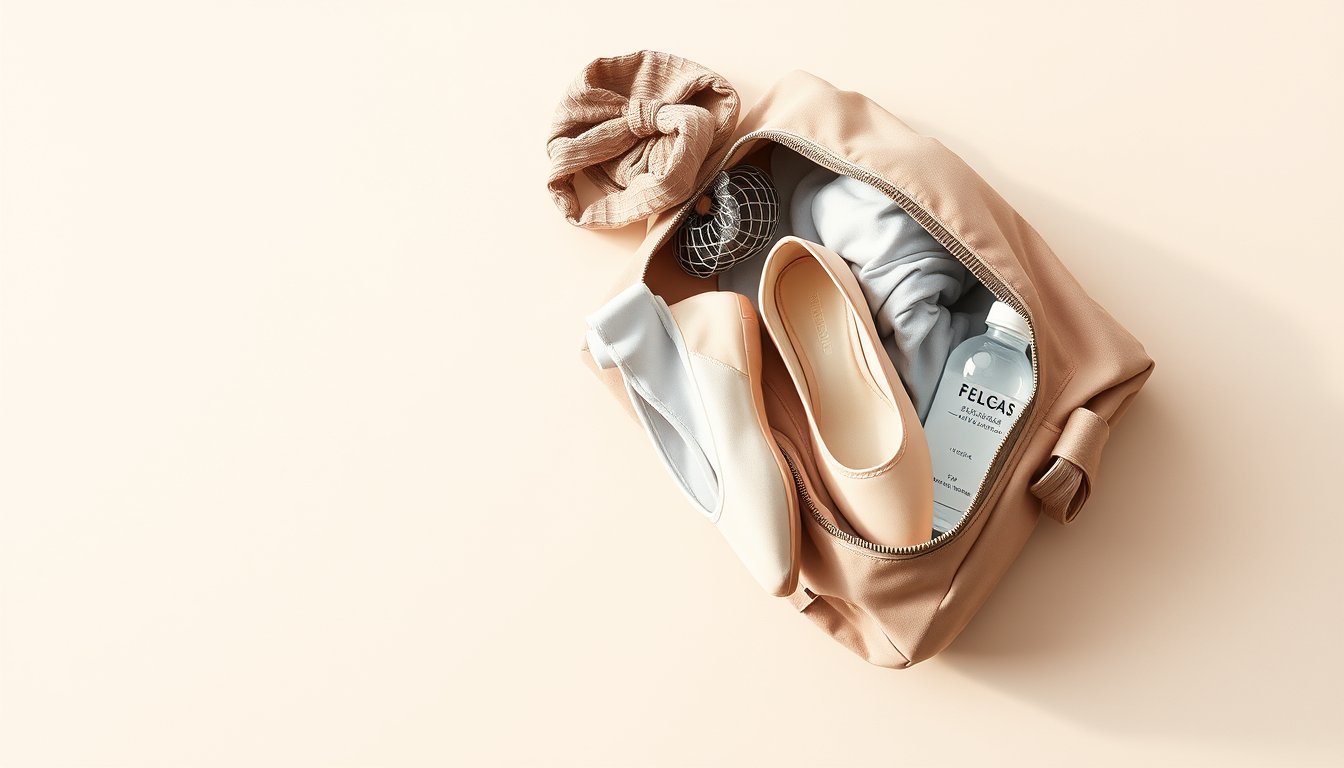
Short answer: a ballet bag should hold the uniform, ballet shoes, a spare pair of tights, hair supplies, a warm layer, water and a small repair kit. Pack it the night before so nothing is forgotten, and label every item with the dancer’s name.

What goes in the bag?

Category Items
Uniform Leotard, tights, skirt if required.
Shoes Ballet shoes with elastics sewn on. A plastic bag for dirty shoes.
Spare A spare pair of tights and spare elastics.
Hair Hair ties, pins, a hairnet and a small brush.
Warm layers Wrap top, cardigan, leg warmers or warm-up pants.
Health Water bottle, small snack, and any personal items.
Repair kit Safety pins, needle, thread and a small pair of scissors for the parent to carry.

What kind of bag is best?

A drawstring backpack is popular for young children, as they can carry it easily. Older dancers prefer a roomy tote or duffel. Whatever the style, choose a bag with a separate pocket for shoes and one for damp items. A bag that is too big will hold more than a child can carry, so keep it to the essentials.

How do I keep the uniform neat?

  • Fold the leotard and tights and keep them in a separate pouch.
  • Put hairpins and ties in a small container so they do not scatter.
  • Hang the bag to air out after class and remove damp items.
  • Wash the bag lining from time to time, as it collects dust and sweat.

What extras are worth having?

A small towel is helpful in summer. A spare shirt makes the trip home more comfortable. A small mirror or comb helps older dancers fix their bun. A pair of flip-flops or slippers is handy for walking to the changing room, and a small plastic bag keeps wet items away from the rest.

How do I pack for an exam?

Add the exam uniform, exam number and pins, a spare set of hair supplies and a bigger snack. Pack it two days before the exam, then check it again the night before. If your school uses colored belts or other level items, pack them in an easy-to-reach pocket.

How can I involve my child?

Give the child a checklist and let them tick off each item. It builds independence and helps them remember what to bring. A small laminated list inside the bag lid works well. Over time, most dancers pack their own bags confidently.

How do I keep the bag from smelling?

Dance bags gather sweat and moisture. Take everything out after class and let it air. Keep ballet shoes in a mesh or cotton pouch, not a plastic bag, so they can breathe. Add a small sachet or a cedar block to the bag, and wash the bag lining every month or two. Never leave damp leotards in a closed bag overnight.

What should be in a first-aid pouch?

  • Adhesive bandages for small blisters.
  • A small tube of antiseptic cream.
  • Safety pins and a few spare hair pins.
  • A small pack of tissues.

Keep the kit small and refill it when needed.

How do I teach organization?

Give children a simple routine: bag by the door, uniform folded in the same order, shoes on top. Use pouches in different colors for different items. At the end of class, check the changing room for items left behind. Over time, children learn to rely on their own routine.

What about older dancers?

Older dancers often add a foam roller, a resistance band, a small towel, spare pointe shoe ribbons and sewing supplies. If you are building a bag for an older student, start with the basics above and let them add what they need.

Frequently Asked Questions

What is the best type of bag for a young ballet student?

A medium-sized tote or backpack that fits the leotard, tights, shoes, hair supplies and a water bottle is ideal. Young children find a backpack easier to carry themselves; older students often prefer a tote for quick access.

Should ballet shoes be stored loose in the bag or in a bag?

Store them in a small mesh or cotton drawstring bag inside the main dance bag. This keeps them clean and separate from the uniform, and allows the shoes to breathe so they do not develop odor.

What should be in a basic ballet bag repair kit?

A small repair kit should include a needle and thread (to re-sew loose shoe elastic), spare hair pins and a hair net, safety pins, and a spare pair of tights. This covers most in-class emergencies.