Posted on

Ballet Bun Tutorial: Step-by-Step Guide for Dance Parents

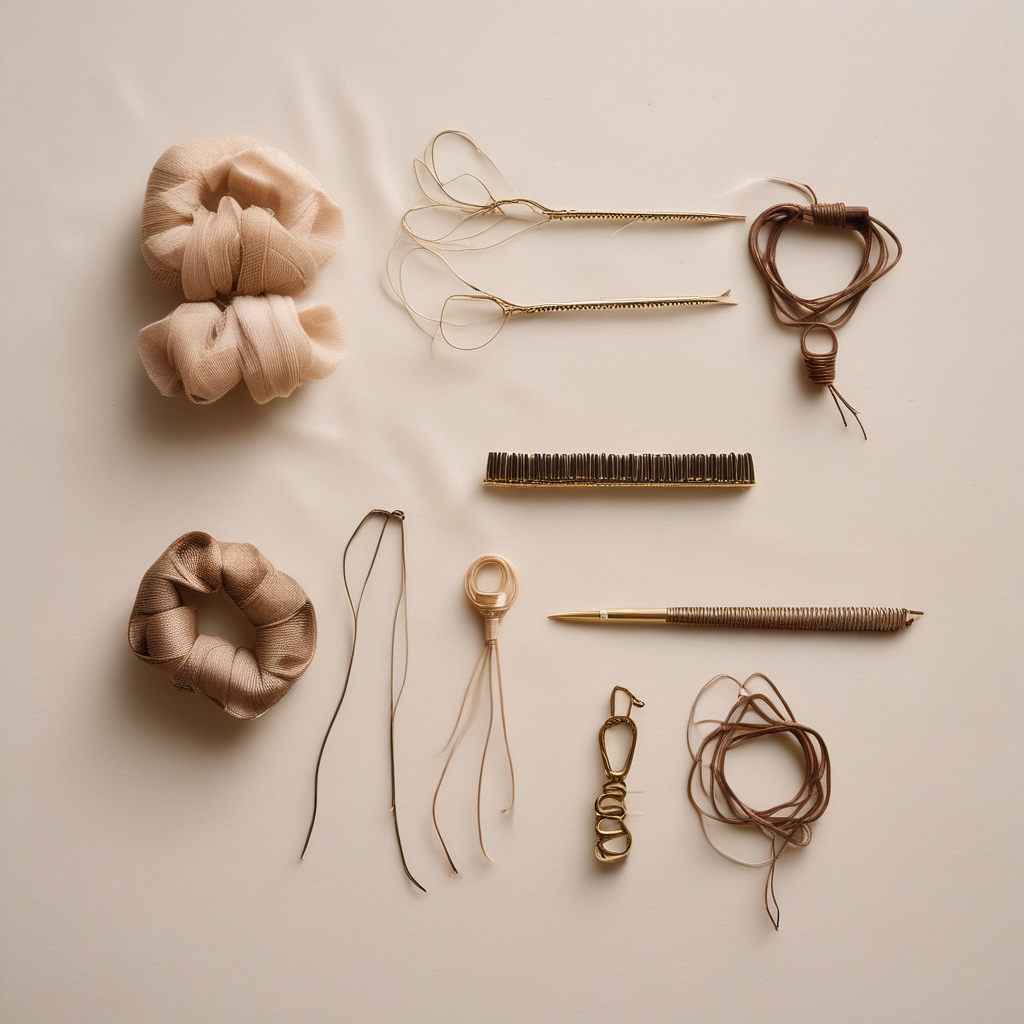
Ballet bun hair accessories kit with bobby pins hair net and elastics on cream linen

The ballet bun is one of those things that looks simple until you are standing behind a seven-year-old with five minutes before class and a pack of bobby pins that keep falling on the floor. With the right technique and the right tools, a secure bun takes about three minutes once you have practised it a few times.

What You Will Need

  • Fine-toothed comb or tail comb
  • Hair elastics — one for the ponytail, one for the bun
  • Bobby pins (at least six, matching hair colour)
  • Hair net (matching hair colour)
  • Hairspray or hair gel for flyaways

The hair net is the single most important item for a tidy bun that lasts through a full class. Without it, even a well-constructed bun will loosen as the dancer moves.

Step 1: Smooth the Hair Back

Start with brushed, dry hair. Apply a small amount of hair gel to the hairline if there are flyaways along the sides. Use the tail comb to create a clean centre parting if required by the school.

Step 2: Create the Ponytail

Gather all the hair at the crown of the head. For most ballet schools the ponytail sits at the very top of the head — a high placement gives the finished bun a cleaner silhouette. Secure with a hair elastic.

Step 3: Divide and Twist

Divide the ponytail into two equal sections. Twist both sections in the same direction until the whole ponytail is twisted firmly from base to tip. Holding the twisted ponytail taut, wind it around its own base in a circle, keeping the coil flat against the head.

Step 4: Secure the Bun

Wrap a second hair elastic around the outside of the coiled bun to hold it in place. Push bobby pins through the edges of the bun, angling them inward and downward toward the scalp. Six to eight pins are usually sufficient for shoulder-length or longer hair.

Step 5: Add the Hair Net

Open the hair net and slip it over the entire bun. Stretch the net down around the edges and tuck any loose ends underneath. Secure the hair net with two or three extra bobby pins pushed through the net and into the bun. This final step holds stray hairs in place and gives the bun a smooth, finished appearance.

Step 6: Tidy the Edges

Apply hairspray lightly over the whole style, holding the can at arm’s length. Mist lightly — enough to tame flyaways without making the hair crunchy.

Troubleshooting

The bun keeps falling down: The ponytail base is too low or not secured firmly enough. Add more pins through the very bottom edge of the bun.

Flyaways will not stay down: Apply a small amount of gel directly to the flyaway before pinning. Hairspray alone is not always enough for fine hair.

The bun looks messy after class: More pins and a hair net. There is no shortcut for this one.
Posted on

RAD Exam Day Checklist: Everything Your Child Needs

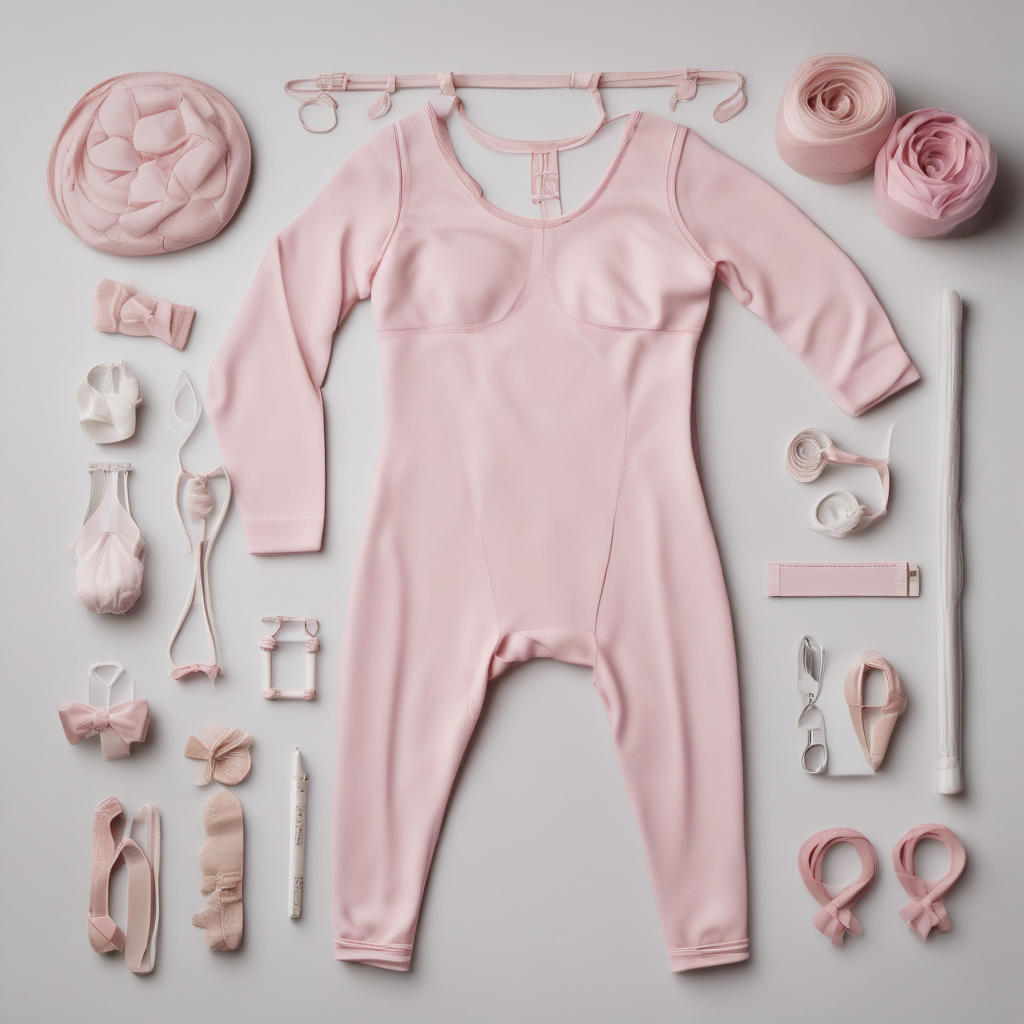
RAD exam day checklist – ballet uniform items laid out ready for examination day

RAD ballet examinations are a significant milestone for any young dancer. Months of preparation go into mastering the syllabus, and the last thing any family wants is for exam day to be disrupted by a missing item or a wardrobe malfunction. This checklist covers everything your child needs to arrive prepared, composed and dressed correctly.

The RAD Exam Checklist: At a Glance

  • Correct leotard for the grade (right colour and style)
  • Ballet skirt or dress if required for the grade
  • Clean, correct-colour ballet tights (bring one spare pair)
  • Ballet shoes — fitted, broken in, with secure elastics
  • Ballet belt if required by the school
  • Hair in a secure ballet bun with net, pins and bun spray
  • Grade-specific hair accessories (ribbons or bows if required)
  • Exam number bib if issued by the school
  • Warm-up clothes (cardigan, leg warmers, booties) for waiting
  • Water bottle with a secure cap

Uniform: Grade-by-Grade Quick Reference

The correct uniform varies by RAD grade. Use this as a double-check the morning of the exam — always confirm with your teacher in advance as colours are updated between syllabus editions.

  • Pre-Primary and Primary: Pink leotard, pink tights, pink ballet shoes (full sole)
  • Grades 1–2: Royal blue or sky blue leotard, pink tights, pink ballet shoes
  • Grades 3–5: Burgundy or raspberry leotard, pink tights, pink ballet shoes
  • Grades 6–8: Purple leotard with long skirt, belt and bow

Shoes: What to Check the Night Before

Inspect ballet shoes the evening before the exam:

  • Check elastics are securely sewn and have not frayed or snapped
  • Check drawstring is intact and tied correctly
  • Ensure shoes are clean — canvas shoes can be spot-cleaned with a damp cloth and left to dry overnight
  • Confirm the shoes fit well — do not put a child in shoes that are too tight hoping they will stretch

Hair: Prepare the Night Before

Ballet bun preparation is one of the most time-consuming parts of exam morning. For students with longer or thicker hair, prepare the bun the night before where possible, or at minimum have all equipment laid out and ready:

  • Fine-tooth comb and detangling spray
  • Hair ties and secondary elastic
  • Hairpins in matching hair colour
  • Hair net in matching colour
  • Bun spray or hairspray for flyaways
  • Grade-specific hair accessories (ribbons, bows)

What to Bring for Waiting Time

Exams often involve a waiting period before the student enters the examination room. Bring:

  • Warm-up clothes that are easy to remove quickly — a wrap cardigan, not a pullover jumper
  • Leg warmers and warm-up booties to keep muscles warm while waiting
  • Water bottle — hydration is important, avoid carbonated drinks
  • A quiet activity for waiting such as reading or drawing

What Not to Bring

  • Jewellery — rings, necklaces, stud earrings beyond small sleepers are usually not permitted
  • Nail polish or makeup (unless your school specifies otherwise for Grades 6+)
  • Perfume or strong-scented products — distracting in a small exam room
  • Food or drinks to be consumed in the exam room

The Night Before: Final Checklist

  1. Lay out all uniform items (leotard, tights, skirt/belt/bow, shoes)
  2. Check shoes and repair any loose elastics
  3. Wash and dry tights if needed
  4. Pack bag with spare tights, water, snack, hair kit
  5. Set alarm to allow enough time for hair before leaving the house

Frequently Asked Questions

What happens if my child wears the wrong uniform to a RAD exam?

The examiner may note the discrepancy, and in some cases it can affect the presentation mark. More importantly, a child who is aware they are incorrectly dressed may become anxious, which can affect performance. Always double-check with the teacher a week before the exam — not on the day.

Can my child wear makeup to a RAD exam?

For graded exams (Pre-Primary through Grade 8), makeup is generally not worn. For vocational exams and performance assessments, light stage makeup may be appropriate. Check your school’s policy and the current RAD guidelines for the specific exam your child is taking.

How early should we arrive on exam day?

Aim to arrive 20–30 minutes before the scheduled exam time. This allows for changing, a brief warmup if permitted, and settling nerves without rushing. Confirm the call time with your teacher or the exam centre directly.

What if tights ladder on exam day?

Always pack a spare pair of tights. Clear nail polish dabbed on a small ladder can stop it spreading temporarily if no spare is available. Most exam centres will allow a brief delay for a quick change, but do not rely on this — bring a spare.

Posted on

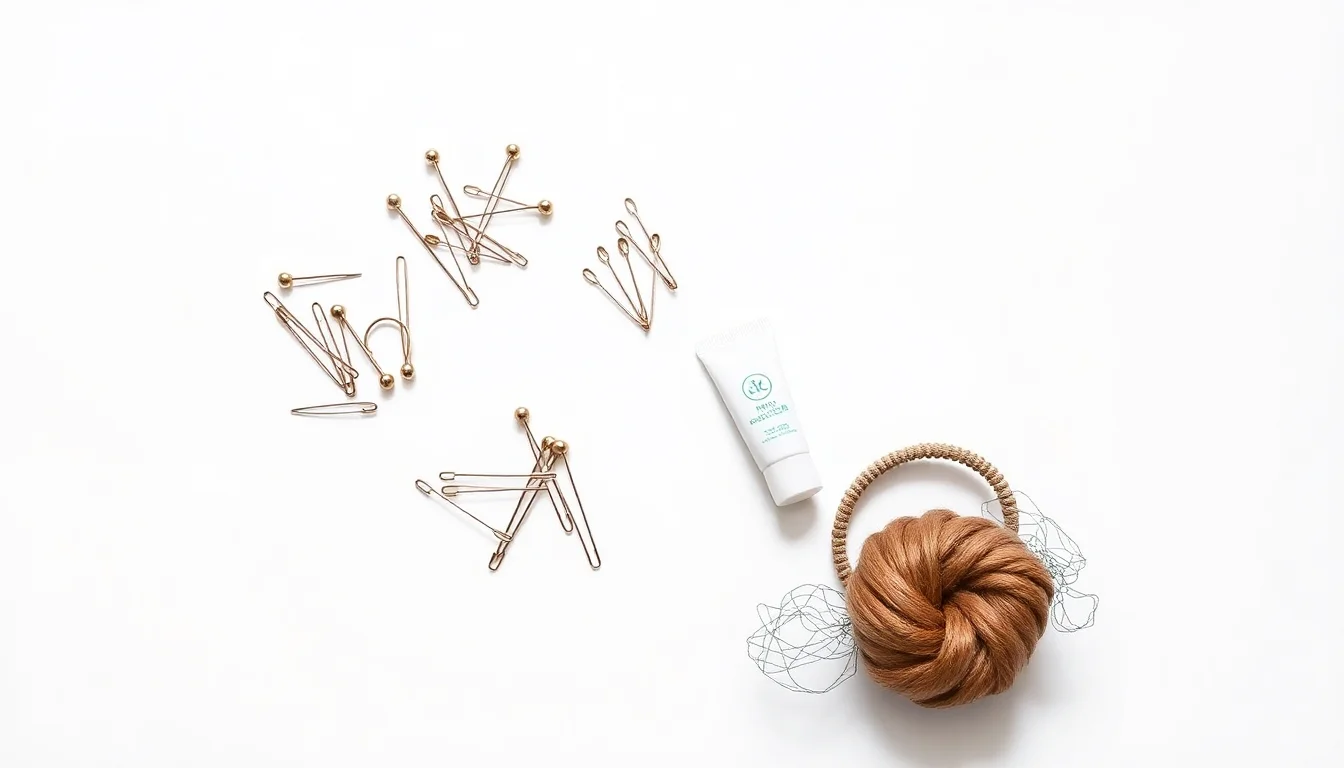
How to Do a Ballet Bun: Step-by-Step Guide for Beginners

How to Do a Ballet Bun: Step-by-Step Guide for Beginners

A neat ballet bun is the standard hairstyle for ballet class and graded exams. All hair must be off the face and neck, and a firm, flat bun at the back of the head is the classic way to achieve this. With the right tools and a little practice, most parents can make a tidy bun in under five minutes.

Short answer: A neat ballet bun is the standard hairstyle for ballet class and graded exams. All hair must be off the face and neck, and a firm, flat bun at the back of the head is the classic way to achieve this.

What you need to make a ballet bun

Before you start, gather everything together so you are not searching mid-way through:

  • A fine-tooth comb or soft bristle brush
  • Hair gel or edge control for flyaways
  • One or two hair elastics (matching the hair colour)
  • A bun donut or bun ring (optional, for a fuller shape)
  • 8–12 bobby pins or U-pins
  • A hairnet that matches the hair colour
  • Hairspray to finish

Most dance schools sell starter bun kits that include several of these items together.

How to make a ballet bun step by step

  1. Brush all hair smooth. Work from the nape of the neck upward, removing tangles and smoothing any bumps. Apply a small amount of gel to the hairline to catch flyaways.
  2. Pull hair into a high ponytail. Position the ponytail at the crown of the head, directly above the ears. Secure with a hair elastic. The ponytail should feel firm — no loops or loose strands.
  3. Twist and coil. Hold the ponytail at its tip and twist the whole length tightly into a rope. Then coil the twisted rope around the base of the elastic in a flat spiral, tucking the end underneath as you go.
  4. Pin the bun in place. Press bobby pins into the bun at four evenly spaced points (top, bottom, left, right), angling each pin down toward the scalp. Add more pins around the edge if needed.
  5. Cover with a hairnet. Stretch the hairnet over the whole bun, tucking the edges under and securing with two or three extra pins. Spray lightly with hairspray and smooth any remaining flyaways.

Tips for fine, short or curly hair

Fine hair tends to slide out of pins. Use gel generously at the roots and choose U-pins rather than standard bobby pins, as they grip more of the hair. A bun donut — a foam ring in the hair colour — adds volume and gives the bun a rounder shape, which can look neater on fine hair than a flat coil.

For curly or textured hair, apply a leave-in conditioner before brushing to reduce frizz and make the hair easier to smooth. Work in sections and take more time at the ponytail stage to ensure all strands are gathered evenly. A bun donut is especially useful here because it gives the hair a defined shape to wrap around.

How to keep a ballet bun neat all class long

The bun needs to stay in place through jumping, turning and floor work, so the foundation — the ponytail — must be pulled as tight as the dancer can comfortably tolerate. Common reasons a bun falls apart mid-class are: not enough pins, pins placed at the surface instead of anchored into the scalp, or a ponytail that was left slightly loose. Carrying a small emergency kit in the dance bag — a few extra pins, a spare elastic and a travel hairspray — can fix most bun disasters before class.

What the RAD requires for exam hair

For Royal Academy of Dance examinations, hair must be completely off the face and neck. A neat, secure bun placed at the crown or upper back of the head is the expected style for all grades from Pre-Primary upward. The RAD does not specify a particular product or method, but the bun must remain in place for the full length of the exam. Avoid decorative accessories unless your teacher has confirmed they are permitted.

Frequently Asked Questions

What is the best hair tie to start a ballet bun?

Use a fabric-covered elastic (often called a bun tie or ballet hair tie) in a color that matches the dancer's hair. Metal-free elastics are gentler on hair and do not snag. Avoid very thin or tight elastics that cut into the hair.

How do I stop a ballet bun falling down during class?

The most common reason a bun falls is too few pins. Use at least ten to fifteen bobby pins, placed around the bun and pointing inward toward the center. A hair net placed over the finished bun and pinned to the base adds a final layer of security.

My child has thin, fine hair — how can we make a bigger bun?

A bun donut or foam former creates volume and fullness even with fine hair. Place it at the base of the ponytail and wrap the hair over and around it before pinning. The donut adds size and makes the bun look fuller.