Posted on

Satin Ballet Shoes vs Canvas vs Leather: Full Comparison

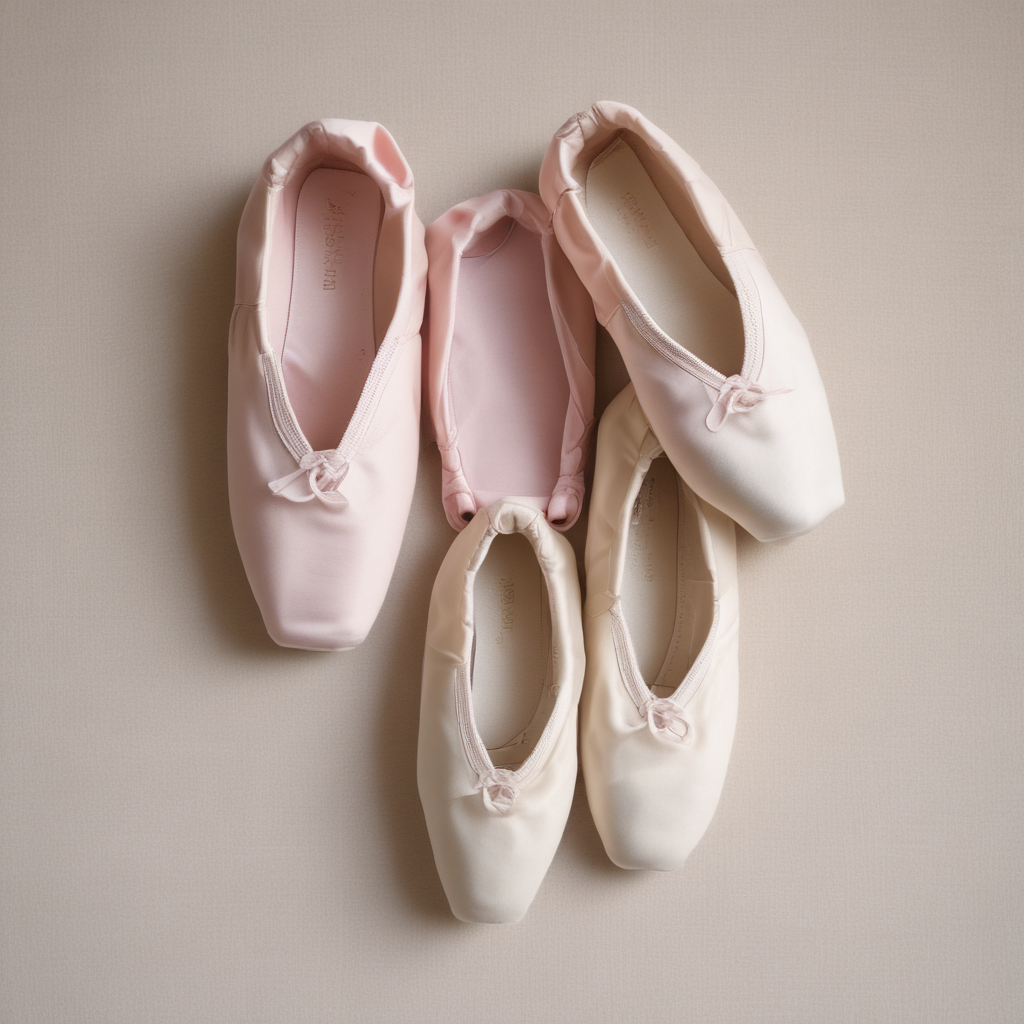
Three types of ballet shoes - satin, canvas and leather comparison flat lay on cream linen

Walk into any dancewear store and you’ll find ballet shoes in three distinct materials: satin, canvas, and leather. Each has a specific purpose, and wearing the right material in the right context can make a real difference to how your child’s footwork looks and feels. This guide breaks down the differences, pros and cons, and when to use each type.

Canvas Ballet Shoes

Canvas is the most popular choice for regular class and RAD graded examinations. It’s lightweight, breathable, and molds to the foot quickly. Canvas shoes have a brushed cotton or nylon upper that stretches to follow the natural shape of the foot, making them comfortable from the first wear.

Best for: Everyday class, RAD graded examinations, beginners
Pros: Lightweight, machine washable, affordable, molds to foot quickly
Cons: Less durable than leather, can wear through faster in older or more active students

Leather Ballet Shoes

Leather shoes are more structured and durable than canvas. They take longer to break in but last considerably longer and hold their shape well over time. Full-sole leather shoes are often preferred for younger students whose feet are still developing, as the firmer sole encourages correct foot placement.

Best for: Younger beginners (full-sole), students whose canvas shoes wear out quickly
Pros: Very durable, good structure, excellent for full-sole development work
Cons: Heavier than canvas, takes longer to break in, cannot be machine washed

Leather ballet shoes come in pink (standard) and sometimes white. The most common colors at RAD schools are pink for girls and black or white for boys.

Satin Ballet Shoes

Satin ballet shoes look stunning and are associated with the romantic image of the ballerina — but they’re designed for performance, not everyday class. The delicate satin upper scuffs, tears, and marks easily and has no practical advantage in a normal class environment.

Best for: Stage performances, shows, photograph shoots
Pros: Beautiful appearance under stage lighting, available in many colors
Cons: Delicate and easily damaged, not suitable for regular use, often slip-prone on studio floors

For most RAD schools, satin shoes are not permitted for class or examination use. Check your school’s policy before purchasing.

Side-by-Side Comparison

Feature Canvas Leather Satin
Durability Medium High Low
Break-in time Minimal Moderate Minimal
Best use Class & exams Class & exams Performance
Machine washable Yes No No
Price range $ $$ $$

Which Should You Buy?

For most children in RAD classes, canvas is the right choice for everyday class and examinations. It’s comfortable, practical, and appropriate. Consider leather if your child goes through canvas shoes very quickly or if the school specifically recommends it for beginners.

Satin shoes are a separate purchase for special occasions. If your child’s school has an end-of-year show or performance, you may need a pair specifically for the event — but these shouldn’t replace their regular class shoes.

Frequently Asked Questions

Can my child wear satin shoes to RAD class?

Most RAD schools do not permit satin shoes for class or examinations. Satin is a performance material and doesn’t provide the grip needed on studio floors. Always check your school’s policy, but if in doubt, go with canvas.

Are leather shoes better for beginners than canvas?

Full-sole leather shoes offer more support for very young feet, but canvas is also suitable. Many teachers prefer canvas for its flexibility. Ask your teacher what they recommend for your child’s age and level.

My daughter’s canvas shoes have worn through at the toe. How long should they last?

Canvas shoes typically last 3–6 months for a child in regular class, depending on class frequency and how active the child is. If they’re wearing through faster, consider leather as a more durable alternative.

Posted on

How to Buy Ballet Shoes Online: Measuring, Sizing and What to Avoid

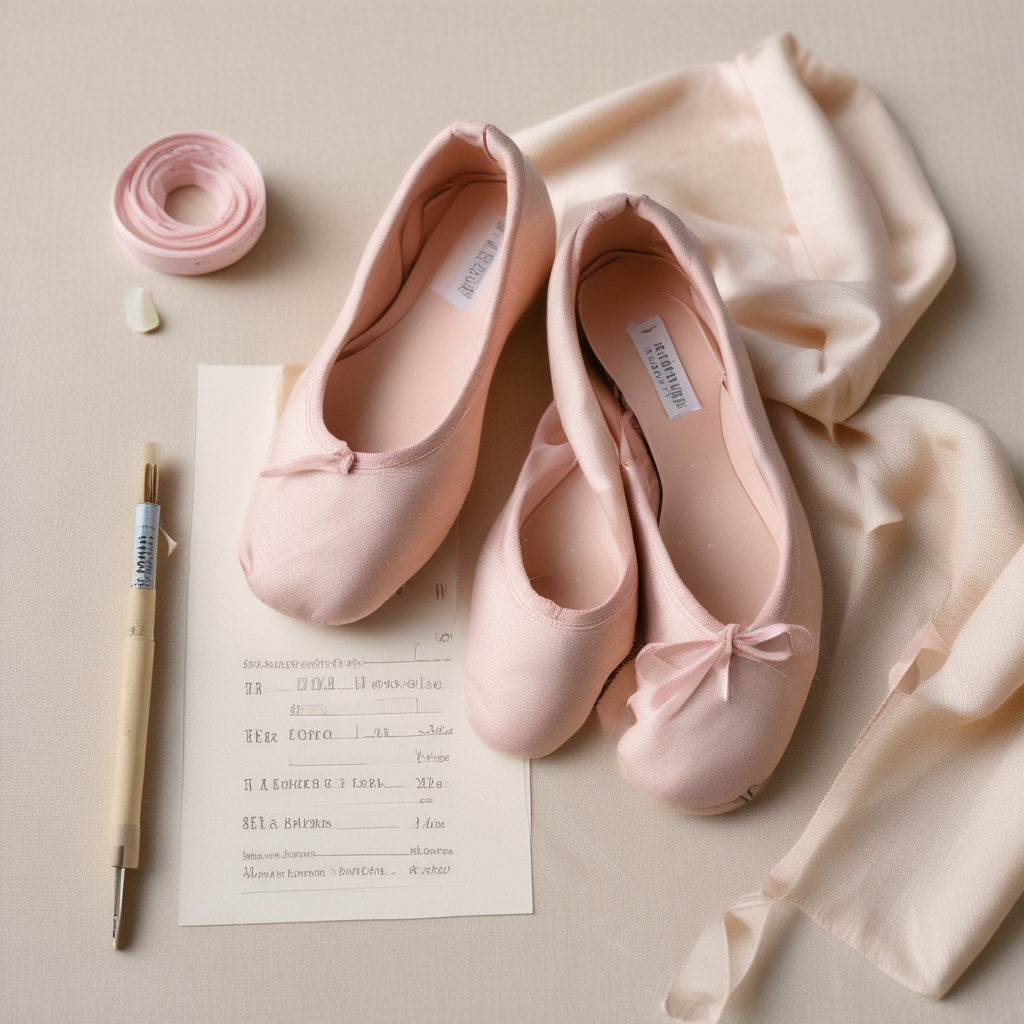
Soft pink canvas ballet shoes with size chart and measuring tape for online buying guide on cream linen

Buying ballet shoes online is faster and often cheaper than going to a specialist store — but it comes with real risks if you don’t know what you’re doing. Ballet shoes that fit incorrectly can affect a child’s technique, cause blisters, and need replacing much sooner than expected. With the right approach to measuring and size selection, you can shop online confidently and get the right fit first time.

Step 1: Measure Your Child’s Feet at Home

You’ll need a piece of paper, a pencil, and a ruler or tape measure.

  1. Place the paper on a hard floor and have your child stand on it with their full weight on that foot
  2. Trace around the foot, holding the pencil vertically — not at an angle
  3. Measure from the heel to the tip of the longest toe in centimeters or inches
  4. Also measure the widest point of the foot (across the ball)
  5. Repeat for the other foot and use the larger measurement

Measure feet in the afternoon or evening when they’re at their largest. Feet swell slightly during the day, just as they do after activity.

Step 2: Use the Brand’s Size Chart, Not General Shoe Sizes

Ballet shoe sizing does not match regular shoe sizing. A child who wears a size 2 in school shoes may need a size 1 or 1.5 in ballet shoes — or a size 3. Every brand has its own size chart, and you should use the chart provided by the brand you’re purchasing from, not a generic conversion table.

Most quality dancewear brands publish their size charts in centimeters and sometimes inches. Match your measured foot length to the corresponding ballet shoe size, then check the width column if available.

Step 3: Account for Growing Room

Ballet shoes are worn snug — but not painfully tight. The traditional fitting guideline is approximately one thumb’s width from the longest toe to the end of the shoe. For children who are growing quickly, buying with one size of growing room is common, but be aware that a shoe that’s too large will cause the foot to slide and won’t give the correct feedback during class.

If your child is between sizes, size up by one. If you’re buying for a child who seems to grow overnight, consider buying two pairs in different sizes at once.

What to Check in the Product Listing

Before adding a ballet shoe to your cart, confirm:

  • Material — canvas, leather, or satin? Canvas is correct for most RAD classes
  • Sole type — full sole or split sole? Check with your teacher which is appropriate
  • Width options — narrow, medium, or wide? If your child has a particularly wide or narrow foot, check the brand offers this
  • Color — pink is standard for girls; white or black for boys depending on the school
  • Elastic or ribbons — most children’s shoes come with elastic; some come with ribbons instead. Check which your school requires

Common Mistakes When Buying Ballet Shoes Online

  • Using regular shoe size without checking the brand’s chart — the most common error
  • Ordering satin shoes instead of canvas — satin is for performance, not class
  • Choosing the cheapest option without checking reviews — very cheap ballet shoes often have poor sole adhesion and fall apart quickly
  • Not measuring both feet — fit to the larger foot
  • Ignoring the return policy — check that the retailer accepts returns on unworn shoes in case the size is wrong

When to Go In Person Instead

For a child’s very first pair of ballet shoes, an in-person fitting at a specialist dance shop is strongly recommended. The fitter can assess foot shape, width, arch, and toe structure to find the best match. Once you know the brand and size that works for your child, repeat orders can safely be done online.

Frequently Asked Questions

My child’s feet are half sizes. How do I handle that when ordering online?

Most ballet shoe brands do not offer half sizes. When you’re between sizes, round up rather than down. A slightly larger shoe can be helped with a small cotton toe spacer or by tightening the elastic; a too-small shoe has no fix.

Can I order two sizes and return one?

Yes, as long as the retailer’s return policy permits unworn returns. This is a practical approach for children in a rapid growth phase. Keep the boxes and tissue, don’t remove the tags, and don’t let your child stand on a hard floor in both pairs before you’ve decided.

How quickly should I reorder when the current shoes feel snug?

As soon as the toes start touching the end. Don’t wait until the shoes are genuinely painful — by that point the child has likely been dancing in uncomfortable shoes for weeks.