
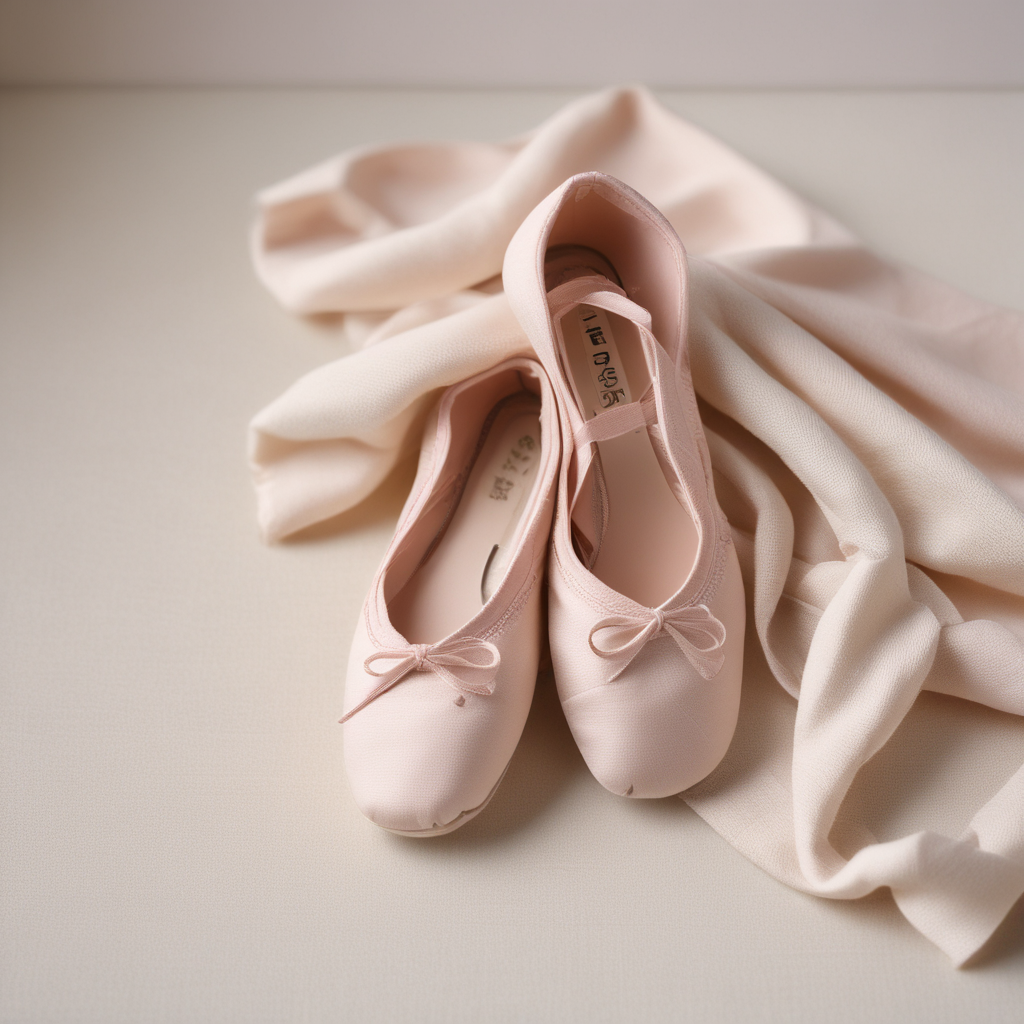
If you have been to a ballet parent evening, spoken with a dance teacher, or read anything about ballet training, you have almost certainly heard the word turnout. It comes up constantly in discussions about technique, class readiness, and even footwear. Here is a clear explanation of what turnout actually is, why ballet places so much emphasis on it, and what parents need to understand about how it develops.
What Is Turnout?
Turnout is the outward rotation of the legs from the hip joint, so that the feet point away from each other rather than forward. When a ballet dancer stands in first position — heels together, feet pointing outward — they are demonstrating their turnout. The angle of turnout varies enormously between individuals, from a natural few degrees to the 180-degree flat line associated with professional dancers.
Crucially, turnout comes from the hip joint and the rotation of the entire leg, not from forcing the feet outward at the ankle or knee. A dancer who rotates at the knee or ankle rather than the hip is said to be “forcing” or “winging” their turnout — a habit that causes knee and ankle injuries and is exactly what ballet teachers spend years training students to avoid.
Why Does Ballet Emphasise Turnout?
Turnout originated in the 17th-century French court, where ballet was performed on a raised stage viewed from below. Turning the legs out allowed the audience to see the shape of the leg and foot clearly, and it became a foundational aesthetic principle of classical ballet. Over centuries it was codified into the five positions of the feet, all of which require outward rotation of the legs.
Beyond aesthetics, turnout also has functional advantages. Rotated legs allow a dancer to travel sideways (in the second and fourth positions) far more efficiently than parallel legs, and enable the extended leg positions — arabesque, grand battement, développé — that define classical ballet vocabulary.
How Much Turnout Is Enough?
Natural turnout varies based on the shape of the hip socket, the angle at which the femur (thigh bone) sits in the socket, and the flexibility of the surrounding ligaments. Some of this is genetic. A student with naturally wide hip sockets may achieve 160–180 degrees of turnout without strain; another student with narrower hip sockets may manage 120–140 degrees of genuine, safe turnout regardless of how much they train.
No ballet teacher expects every student to achieve 180-degree turnout, and responsible teaching never forces a student’s legs beyond their safe anatomical range. What teachers are looking for is that the student uses their available turnout consistently and correctly — rotating from the hip, keeping the knee over the toe, and not collapsing the arch of the foot to fake greater rotation than the hip actually allows.
Does Turnout Improve with Training?
Yes, within limits set by anatomy. The ligaments and soft tissue around the hip joint have some capacity to lengthen with consistent, patient training over years. RAD training from a young age, before the skeleton fully matures, allows a degree of gradual development that is not possible in adult beginners. However, even intensive professional training does not fundamentally alter the bony structure of the hip socket — natural anatomy sets the ceiling.
What does improve substantially with training is the muscular control required to hold and use turnout efficiently. Even a student with naturally wide turnout will not use it well without the specific strengthening and neuromuscular training that ballet classes provide.
What Parents Can Do to Support Turnout Development
The most important thing is to ensure the student attends classes consistently, wears correctly fitted ballet shoes that support the foot, and does not force any position that their teacher has not specified. Trying to improve turnout at home without qualified guidance often leads to compensating habits that take years to correct. Trust the process and the teacher.