Posted on

Do Ballet Leotards Run Small? How to Size Up Correctly

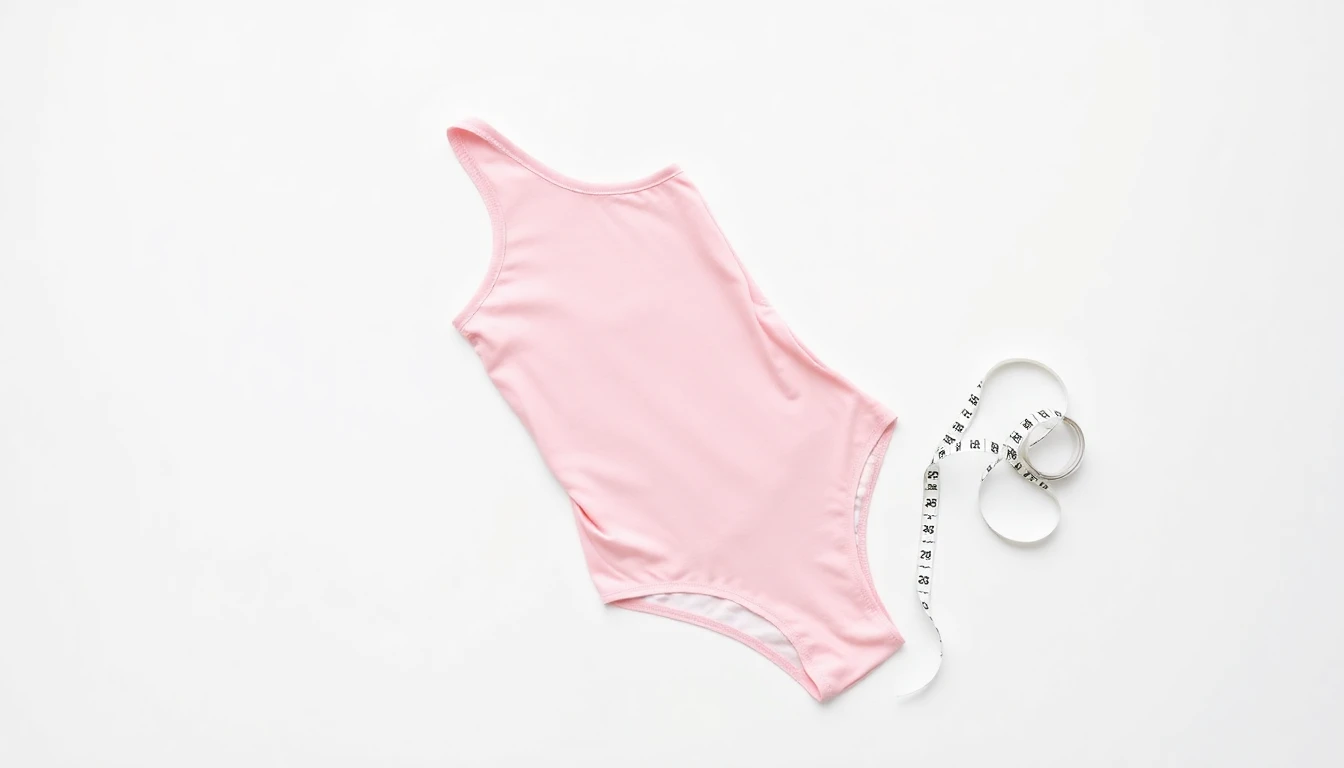
Ballet leotard with measuring tape and size chart for sizing guide on cream linen

If you’ve ever ordered a ballet leotard in your child’s usual clothing size and found it too small on arrival, you’re not alone. Ballet leotards consistently run smaller than standard clothing, and understanding why — and how to measure correctly — will save you the hassle of returns and exchanges.

Why Do Ballet Leotards Run Small?

Ballet leotards are designed to fit close to the body for two reasons: to allow teachers to see the dancer’s alignment and body line, and to prevent fabric from bunching or shifting during movement. A leotard with excess fabric looks untidy and can interfere with port de bras (arm movements) if the back gapes or the straps shift.

Because of this, manufacturers cut ballet leotards to a snugger standard than everyday activewear. The fabric itself is usually high-stretch, so the leotard stretches to fit the body rather than having excess fabric built in. This is correct — but it does mean that the size label doesn’t correspond to street clothing sizes.

How Much Smaller Do They Run?

The difference varies by brand and age range:

  • For children’s leotards, many brands run approximately one size smaller than standard clothing (a child who wears age-8 clothing may need an age-10 leotard)
  • For adult leotards, sizing often corresponds to bust measurement rather than dress size, and can run 1–2 sizes smaller than a regular top
  • Within the same brand, the sizing is usually consistent — once you know your child’s leotard size in a brand, you can usually reorder in the same size

How to Measure for a Ballet Leotard

Don’t rely on clothing size or age. Measure directly:

  1. Chest: measure around the fullest part of the chest, keeping the tape parallel to the floor
  2. Waist: measure around the natural waist, typically 2–3 cm above the belly button
  3. Height: most brands include height in their size chart as it affects the torso length

Match these three measurements against the brand’s specific size chart. Height is often the deciding factor for children — a tall child with a slim build needs a leotard with a longer torso, even if their chest and waist measurements are average.

What Happens If the Leotard Is Too Small

A leotard that’s too small will:

  • Pull at the hips and restrict leg movement
  • Cut into the shoulders and straps if the torso is too short
  • Create an uncomfortable wedge effect that’s distracting in class
  • Cause the child to tug at the leotard during class, which teachers find disruptive

What Happens If the Leotard Is Too Large

A leotard that’s too big:

  • Bunches at the chest and back, obscuring line
  • Allows the straps to fall off the shoulders
  • May have excess fabric at the gusset, which looks untidy

A slightly large leotard is preferable to a slightly small one — it won’t cause physical discomfort. But very oversized leotards look sloppy and the child will grow out of them faster than expected.

When to Size Up Proactively

If your child is between sizes or is currently in a rapid growth phase, size up. A slightly larger leotard looks better than one that’s visibly too tight, and it extends the leotard’s usable life by several months.

For the full guide to measuring your child for dancewear, see our How to Measure for a Ballet Leotard guide.

Frequently Asked Questions

My child is between ages 8 and 10 on the size chart. Which should I order?

Size up to age 10. You can always adjust fit slightly with accessories (like a belt pulling in the waist) but there’s no way to make a leotard larger once purchased.

Do adult ballet leotards run small too?

Yes, typically. Adult dancewear sizing is often based on bust measurement rather than standard dress size, and garments are cut to fit snugly. Check the brand’s specific chart and measure before ordering.

Why did my daughter’s leotard shrink after washing?

High-stretch fabrics can lose some elasticity if washed in hot water or tumble dried. Always wash ballet leotards at 30°C in a gentle cycle and hang or lay flat to dry.

Posted on

Ballet Shoes Width Fitting: Narrow, Medium and Wide Options

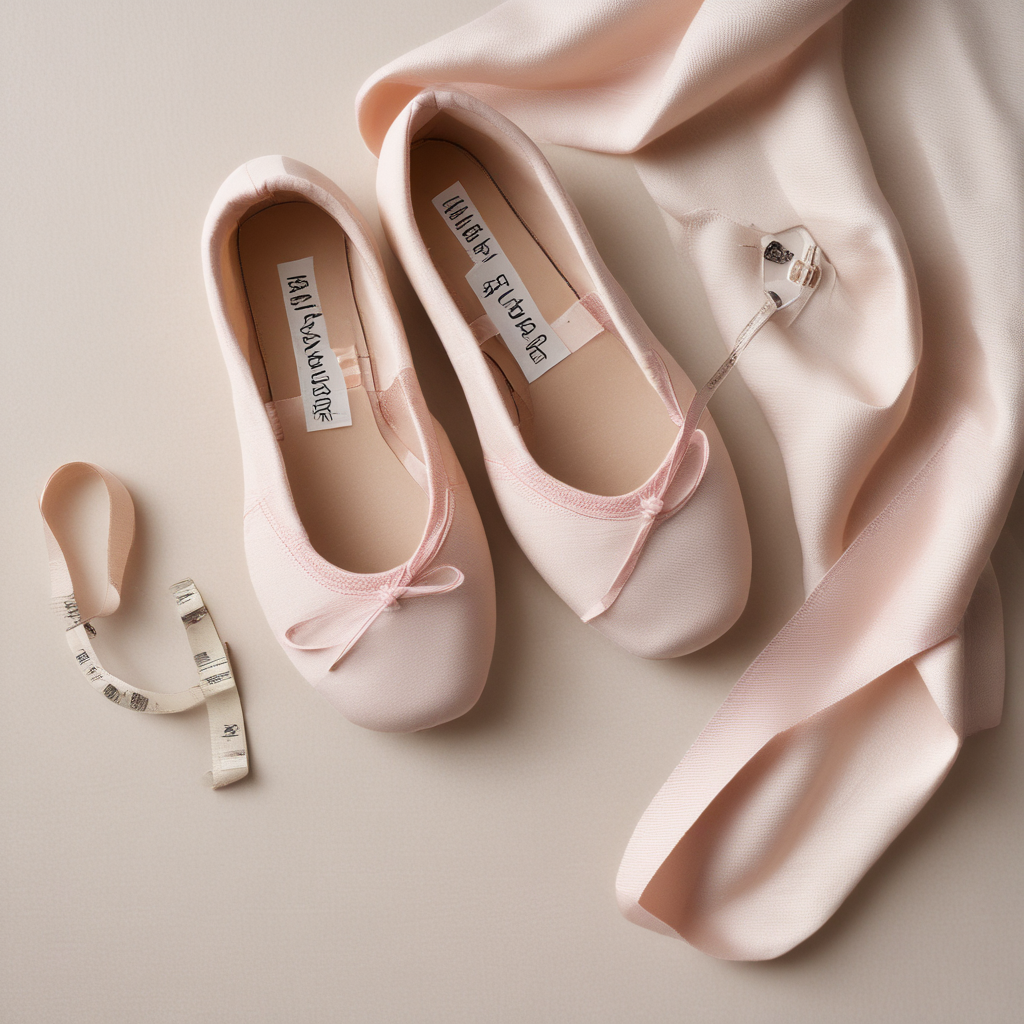
Soft pink canvas ballet shoes with measuring tape for width fitting guide on cream linen

When parents buy their child’s first pair of ballet shoes, they typically think about length — but width is equally important. A ballet shoe that’s too narrow pinches the toes and restricts development; one that’s too wide slips at the heel and gives the foot no support. Most children’s ballet shoes are available in at least two widths, and knowing your child’s foot width before you buy can save a lot of returns and discomfort.

Why Width Matters in Ballet Shoes

Unlike casual shoes, ballet shoes are designed to be a close, supportive fit. The sole wraps under the foot and the canvas or leather upper should sit flush against the foot with minimal bunching. A ballet shoe in the wrong width will:

  • Cause pain or blistering along the sides of the foot if too narrow
  • Slip at the heel and bunch at the toe box if too wide, affecting balance and technique
  • Restrict natural foot development in growing children if consistently worn in the wrong width

Common Width Options: What the Letters Mean

Most dancewear brands use a letter system for width:

  • B or N (Narrow) — for slim, narrow feet with minimal volume
  • C or M (Medium/Standard) — the most common width; fits the average foot shape
  • D or W (Wide) — for broader feet or feet with a higher arch
  • E or X (Extra Wide) — less common; available in some specialist brands

Not every style comes in every width. Canvas ballet shoes from major brands typically come in at least Narrow and Medium; some also offer Wide. Leather shoes tend to have fewer width options.

How to Measure Your Child’s Foot Width at Home

You’ll need a ruler or tape measure and a piece of paper:

  1. Have your child stand on the paper with their weight evenly distributed
  2. Trace around the foot with a pencil held vertically (not angled)
  3. Measure the widest point of the outline (usually across the ball of the foot)
  4. Compare to the brand’s width chart — most brands publish width measurements in millimeters or inches for each width code

Do this measurement in the afternoon or evening when feet are at their largest. Allow 2–3mm of room beyond the traced measurement for comfort.

Choosing Width for Different Foot Types

As a general guide:

  • Long, slim toes with a narrow instep → Narrow (B/N)
  • Average proportions → Medium (C/M)
  • Wide forefoot, short toes, high arch, or Egyptian-shaped foot → Wide (D/W)

Many children fall in the medium category, but children with particularly wide or narrow feet can struggle in standard sizing. If your child complains that ballet shoes feel tight across the toes even in the correct length, try the next width up.

Width vs Length: Getting Both Right

Ballet shoes are traditionally fitted with a thumb’s width of growing room from the longest toe to the end of the shoe. When sizing up for growth, stay in the correct width — don’t go up a width to compensate for length. A shoe that’s too wide across the ball of the foot is problematic regardless of how the length feels.

Many brands use size and width together, for example “3C” (size 3, medium width) or “4N” (size 4, narrow width). Check the full size code when reordering.

Frequently Asked Questions

My child’s shoe is gaping at the side — is that a width problem?

Yes. Gaping at the side of the shoe usually means the width is too large, or the style has too much volume for the foot. Try the same size in a narrower width, or look for a style with more streamlined construction.

Can ballet shoe width affect a child’s technique?

Yes, significantly. A shoe that’s too wide allows the foot to roll inward (pronate), which affects alignment from the ankle up. A shoe that’s too narrow prevents the toes from relaxing into the floor during demi-pointe work.

Should I measure both feet?

Always. Most people have one foot slightly larger or wider than the other. Fit to the larger foot, and if there’s a significant difference, mention it to the store or teacher.

Do ballet shoe widths differ between brands?

Yes. A “medium” in one brand may fit differently than a “medium” in another. Width codes are not standardized across manufacturers, so always check the specific brand’s measurement chart.

Posted on

How to Measure for a Ballet Leotard: A Parent’s Sizing Guide

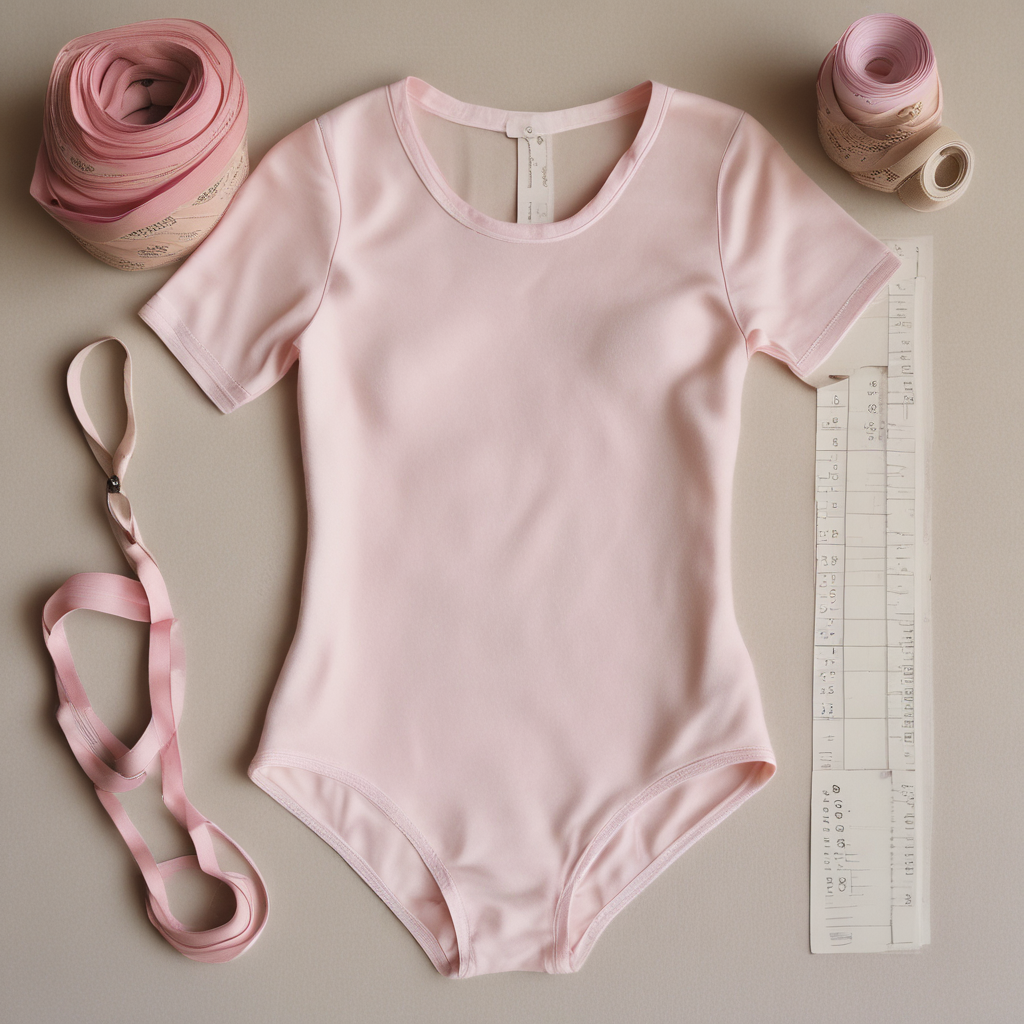
How to Measure for a Ballet Leotard: A Parent's Sizing Guide

Ballet leotards must fit snugly without restricting movement — too loose and they bunch and wrinkle during class, too tight and they are uncomfortable and may limit range of motion. Most leotard sizing is based on a combination of height and chest measurement, but the most useful single measurement for fit is the girth.

Short answer: Ballet leotards must fit snugly without restricting movement — too loose and they bunch and wrinkle during class, too tight and they are uncomfortable and may limit range of motion.

What measurements do you need for a ballet leotard?

For most children’s leotards, the key measurements are:

  • Height — measured from the floor to the top of the head in bare feet, standing straight
  • Chest — measured around the widest part of the chest, directly under the armpits, keeping the tape level and not too tight
  • Waist — measured around the narrowest point of the waist
  • Girth — the single most useful measurement; measured from the top of one shoulder, down through the crotch, and back up to the same shoulder

The girth measurement tells you how long the body of the leotard needs to be from shoulder to crotch. A leotard that is too short in the girth will pull down at the neckline or pull up uncomfortably at the leg opening.

How to take the girth measurement correctly

Have the child stand upright in underwear. Place the end of a soft measuring tape at the top of one shoulder, run it straight down the front of the body, between the legs, and up the back to the same shoulder. Note the number. Take this measurement twice and use the average. This is the girth measurement and is the most reliable predictor of leotard fit for a growing child.

How to choose the right size from a size chart

Most dancewear brands provide size charts with height and chest ranges for each size label. Match the child’s measurements against the chart and, when the measurements fall between two sizes, size up rather than down. Leotards are worn over tights which add a small amount of bulk, and a slightly larger leotard that fits properly is always preferable to one that is technically the right size but feels restrictive.

Note that different brands size differently — a size 6 in one brand may correspond to a size 8 in another. Always use the brand’s own measurement chart rather than relying on age labels.

How to check the fit before buying

If you are shopping in a dance store, have the child try the leotard on over their tights. Ask them to raise both arms overhead: the neckline and shoulder straps should not pull significantly. Have them do a small squat: the crotch seam should not pull down uncomfortably. If the store does not allow trying on, purchase from a retailer with a clear exchange or returns policy in case the size needs to change.

Frequently Asked Questions

What is the girth measurement and why is it important for leotards?

The girth is the measurement from the front shoulder, down through the crotch and back up to the back shoulder. This measurement determines whether the torso length is right — a leotard that is too short in the girth will pull and be uncomfortable.

Do I measure over clothes for a ballet leotard?

Take measurements over a thin layer of clothing or an existing leotard. Measuring over bulky clothes will give you a larger number and result in a leotard that is too big. The tape should lie flat against the body with no slack.

My child is between sizes — should I size up or down for a ballet leotard?

Always size up. A slightly larger leotard is wearable and will last a little longer as the child grows. A leotard that is too small will pull at the shoulders, dig in at the leg openings and restrict movement.