
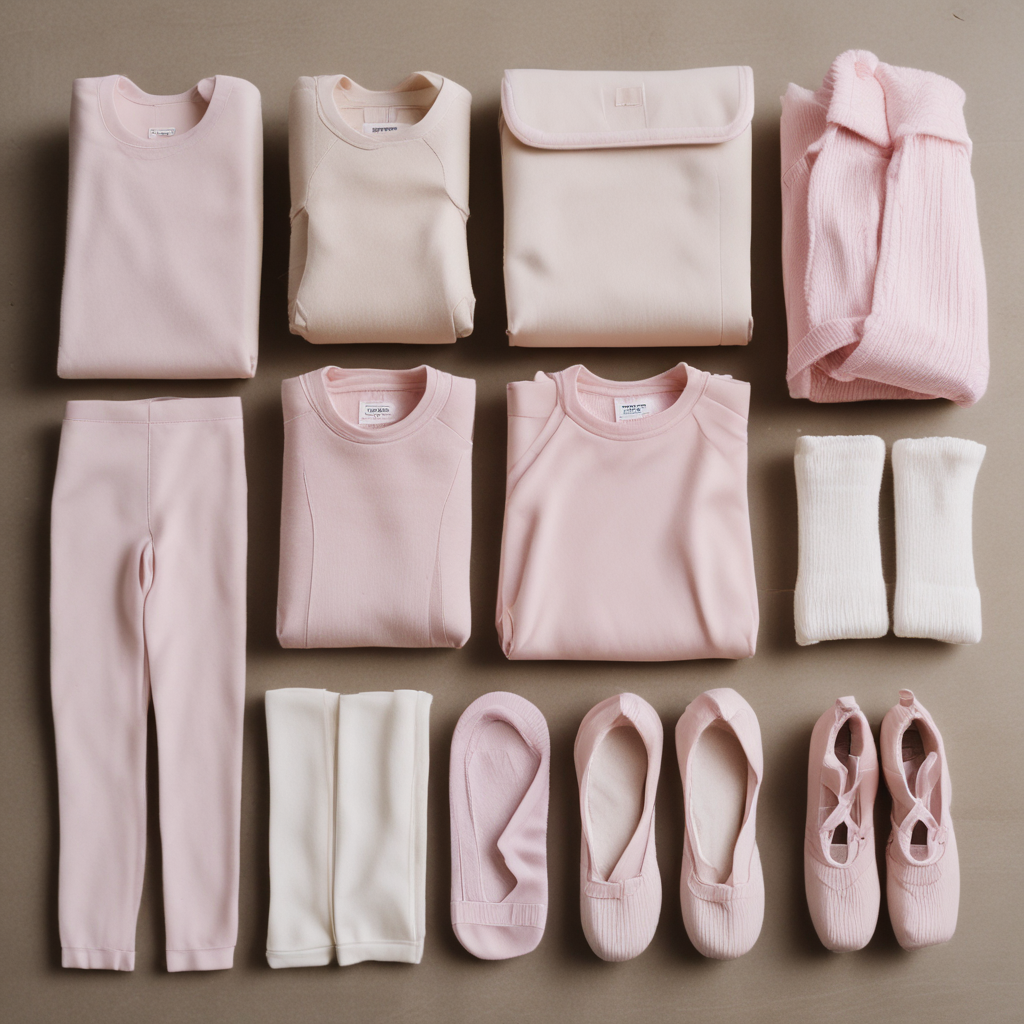
Easter and summer holiday ballet intensives are a fantastic opportunity for committed students to accelerate their training. Unlike regular weekly classes, intensives pack 3–5 hours of ballet into a single day across several days. That level of training demands more careful preparation — both in terms of what your child wears and what they bring with them.
What Is a Ballet Intensive?
A ballet intensive is a series of classes held during school holidays, typically spanning 2–5 days. They may be run by your own dance school or by a visiting company or guest teacher. A typical day at an Easter intensive might include:
- Morning technique class (60–90 minutes)
- Repertoire or variations class (60 minutes)
- Pas de deux or character work (45–60 minutes)
- Cool-down or conditioning session
This is significantly more physical than a single weekly class, and the kit and nutrition requirements are correspondingly greater.
What to Wear for an Intensive
For most RAD-affiliated intensives, the standard uniform applies: grade leotard, pink tights, and ballet shoes. However, since students are working for multiple hours:
- Bring a second leotard and tights — sweating through the morning leotard and changing into fresh kit for the afternoon session makes a real difference to both comfort and professionalism
- Warm-up layers are essential — muscles that cool down between sessions need to warm up again. A ballet wrap cardigan and warm-up booties are important, not optional
- Change of shoes — at intensive level, many students bring a spare pair of ballet flats in case their main pair gets soaked with sweat or the elastic pops
What to Pack for a Full Day of Classes
- 2 sets of class uniform (leotard + tights + belt)
- Ballet shoes (and a spare if available)
- Warm-up cardigan or wrap
- Leg warmers and/or warm-up booties
- Full hair kit with extra pins — buns need redoing between sessions
- Large water bottle — at least 750ml, refillable
- Proper lunch and multiple snacks — this level of training burns far more energy than a weekly class
- Foot care: plasters, vaseline, and toe pads for students doing pointe work
- Any medications (e.g., pain relief for sore muscles — with parental permission form if required by the school)
- A light cardigan or hoodie for the breaks between sessions to stay warm
Nutrition for an Intensive Day
Intensive ballet training is demanding on the body. Students need more fuel than a normal class day:
- A substantial breakfast before the first class — porridge, eggs, or similar
- A mid-morning snack (banana, rice cakes, or a protein snack)
- A proper sit-down lunch with carbohydrates and protein — not just a sandwich
- An afternoon snack
- Consistent water throughout the day
Avoid heavy, high-fat meals immediately before class as they slow digestion and affect energy levels in class.
Looking After the Body Between Sessions
During breaks between classes:
- Stretch gently rather than sitting completely still
- Change out of sweaty kit if possible
- Eat something even if not hungry — the body needs fuel
- Rest the feet — sit rather than stand during longer breaks
After the final class of the day, a gentle cool-down stretch at home is helpful. Young bodies recover well, but high-volume training requires respect — monitor your child for signs of over-tiredness or pain that goes beyond normal muscle soreness.
Frequently Asked Questions
My daughter has never done an intensive before. What level should she be at?
Most Easter intensives are designed for students from Grade 3 upward, though this varies by the school hosting them. Some schools run beginner intensives for Grade 1–2 students. Check the prerequisite level with the school before registering.
Do I need to buy anything special for an intensive, or will regular class kit do?
Regular class kit is fine for the basic uniform. The main additional items are a second set of class clothes, more substantial food, a larger water bottle, and warm-up layers. Nothing completely new is required unless the intensive specifies otherwise.
My child is sore after day one of the intensive. Should I pull them out?
Some muscle soreness after an unusually high-volume day is normal. If it’s general tiredness and mild soreness, rest, hydration, and nutrition overnight should help. If there’s acute pain, swelling, or pain in a joint (not muscle), consult a doctor before continuing.
Shop at ZoeDancewear
- Pink Footed Ballet Tights — stock a spare pair for intensive days
- Ballet Bags and Accessories — large bags for intensive day kit
- How to Pack a Ballet Bag — full packing checklist by age