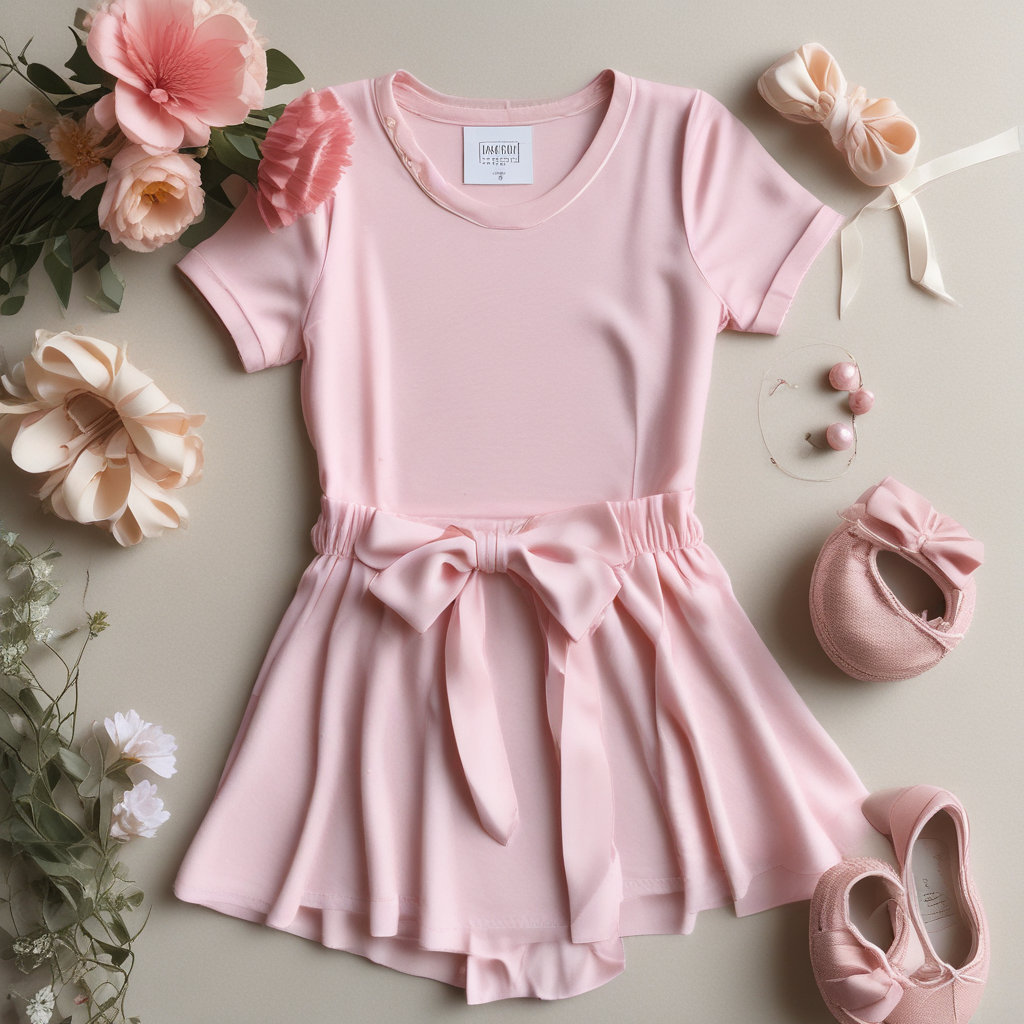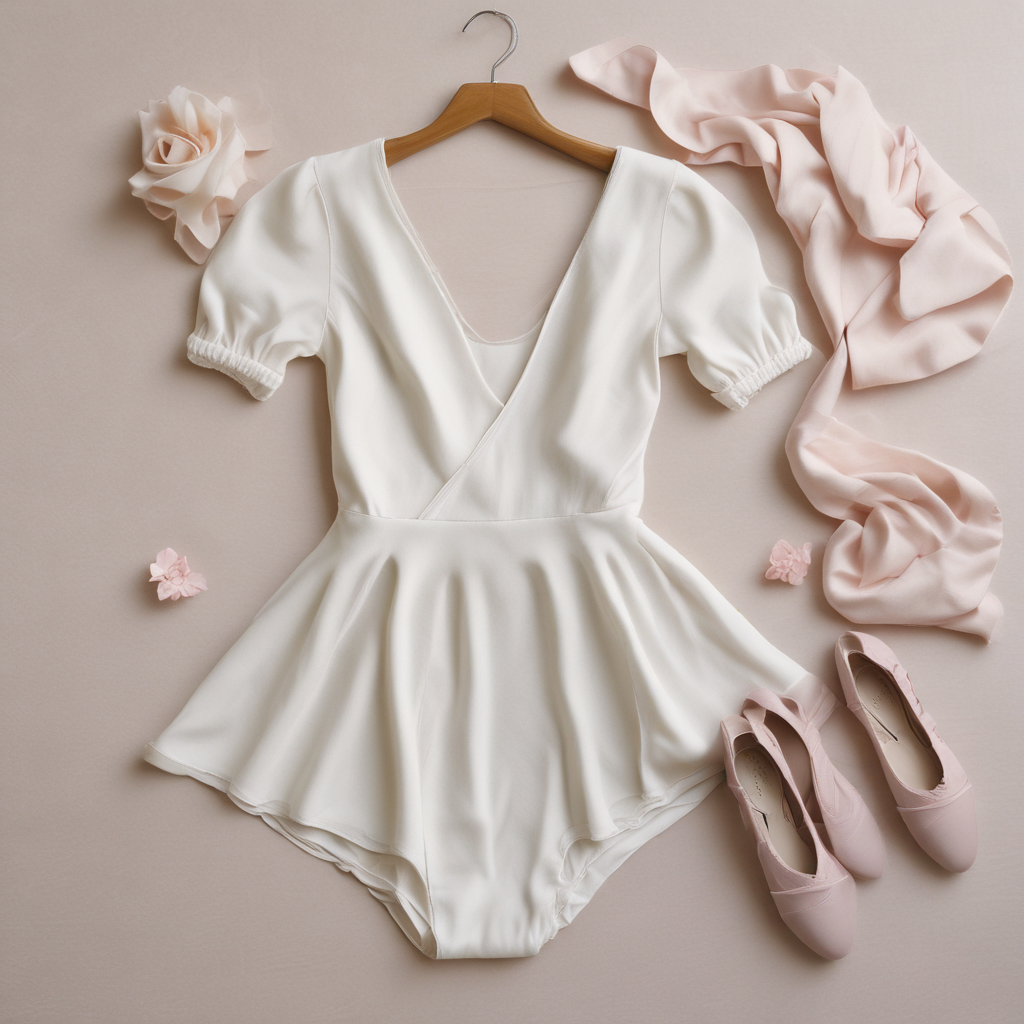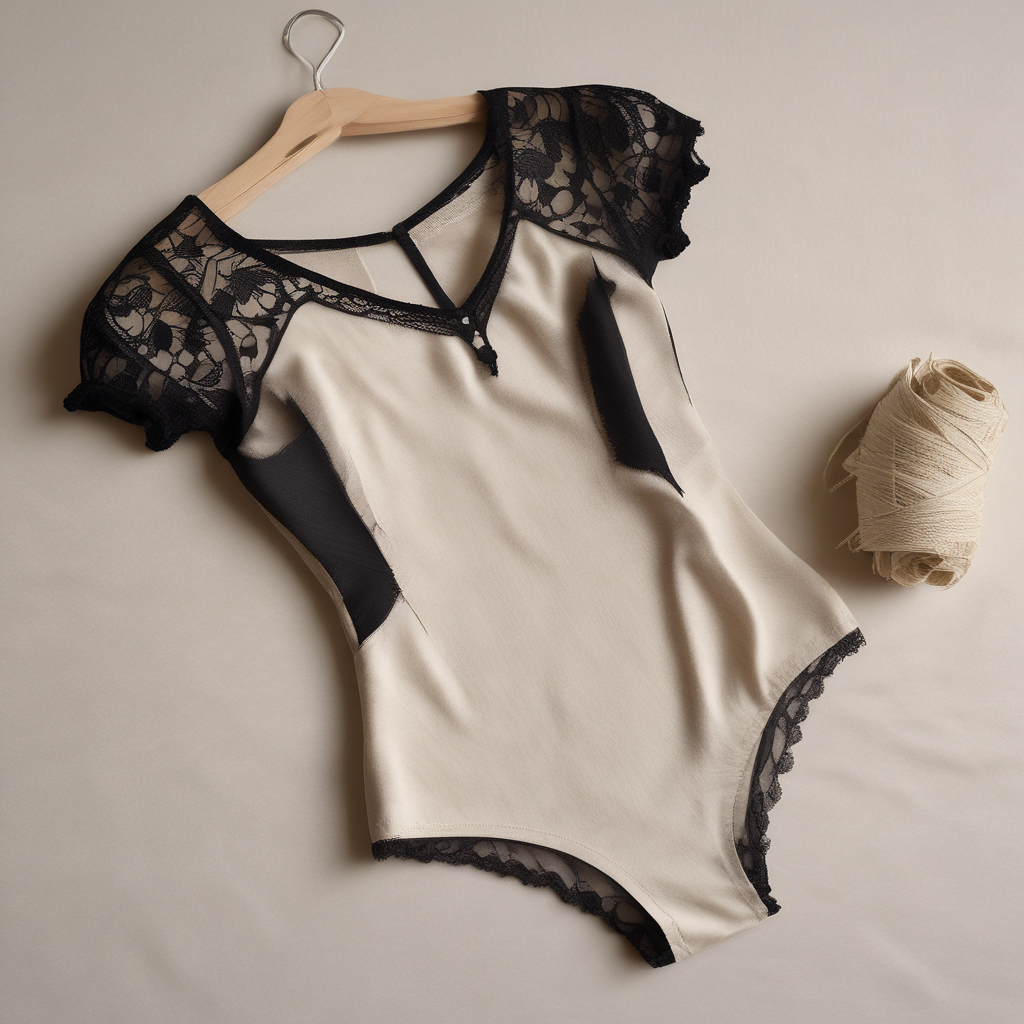
Lace ballet leotards are among the most visually striking options in dancewear. The delicate texture catches light beautifully on stage, and the pattern adds a sense of elegance that plain fabric cannot replicate. But lace is not always appropriate for everyday class use, and choosing when and how to wear it makes the difference between an appropriate uniform choice and one that draws a teacher’s correction.
When Is a Lace Leotard Worn in Ballet?
Lace leotards are most commonly worn for:
- End-of-year performances and showcases — where the visual impact matters more than technical uniformity
- Examinations at vocational level — some RAD vocational syllabi allow more expressive uniform choices
- Adult ballet classes — where uniform codes are generally less strict than children’s classes
- Photoshoots and performances — where aesthetic appeal is the primary consideration
For standard RAD graded classes in Pre-Primary through Grade 8, a plain leotard in the correct grade colour is almost always required. Lace panels are generally not permitted as a substitute for the plain leotard specified in the RAD dress code. Always confirm with your child’s teacher before purchasing a lace leotard for class use.
Types of Lace Used in Ballet Leotards
Stretch lace panels: The most practical option, stretch lace panels are incorporated into specific sections of the leotard — across the back, along the neckline, or at the sleeves — while the main body of the leotard remains in a solid stretch fabric. The combination gives the visual interest of lace without sacrificing the fit and performance of a standard leotard.
All-over lace with lining: Some leotards use lace across the entire outer surface, with a solid lining underneath for coverage. These tend to be less breathable and are generally reserved for performance and photoshoot use rather than active class wear.
Lace trim and appliqué: Decorative lace at the neckline, hem or sleeve edges of an otherwise plain leotard. This is the most subtle approach and may be permitted in some class settings where all-over lace would not be.
Caring for Lace Leotards
Lace requires more careful handling than plain stretch fabric. Hand wash in cool water with a gentle detergent, supporting the lace panels as you rinse rather than wringing or scrubbing. Do not machine wash unless the garment label specifically permits it. Lay flat to dry — hanging a lace leotard while wet can stretch the lace out of shape. Store folded rather than on a hanger for the same reason.
What Colours Are Available?
The most common colours for lace ballet leotards are black and white, which photograph and perform particularly well under stage lighting. Pink, nude and lilac lace leotards are also widely available and suit a ballet aesthetic. For performances that use costume-specific colours, custom or bespoke options exist, but for general purpose use the neutral palette is the most versatile.
Black Lace Leotard for Ballet
A black lace leotard is a popular choice for adult ballet students, contemporary class, and senior RAD vocational levels. Black lace catches light differently from plain black fabric and gives a more dramatic appearance, which suits more expressive or contemporary choreography. For younger students, black is typically reserved for RAD Grade 6 and above or adult classes — confirm with the school’s dress code. Our RAD colour guide covers which grades wear which base colours.