Posted on

What Should a Girl Wear to Dance Class? Outfits for Ballet, Jazz and Hip Hop

What Should a Girl Wear to Dance Class? Outfits for Ballet, Jazz and Hip Hop

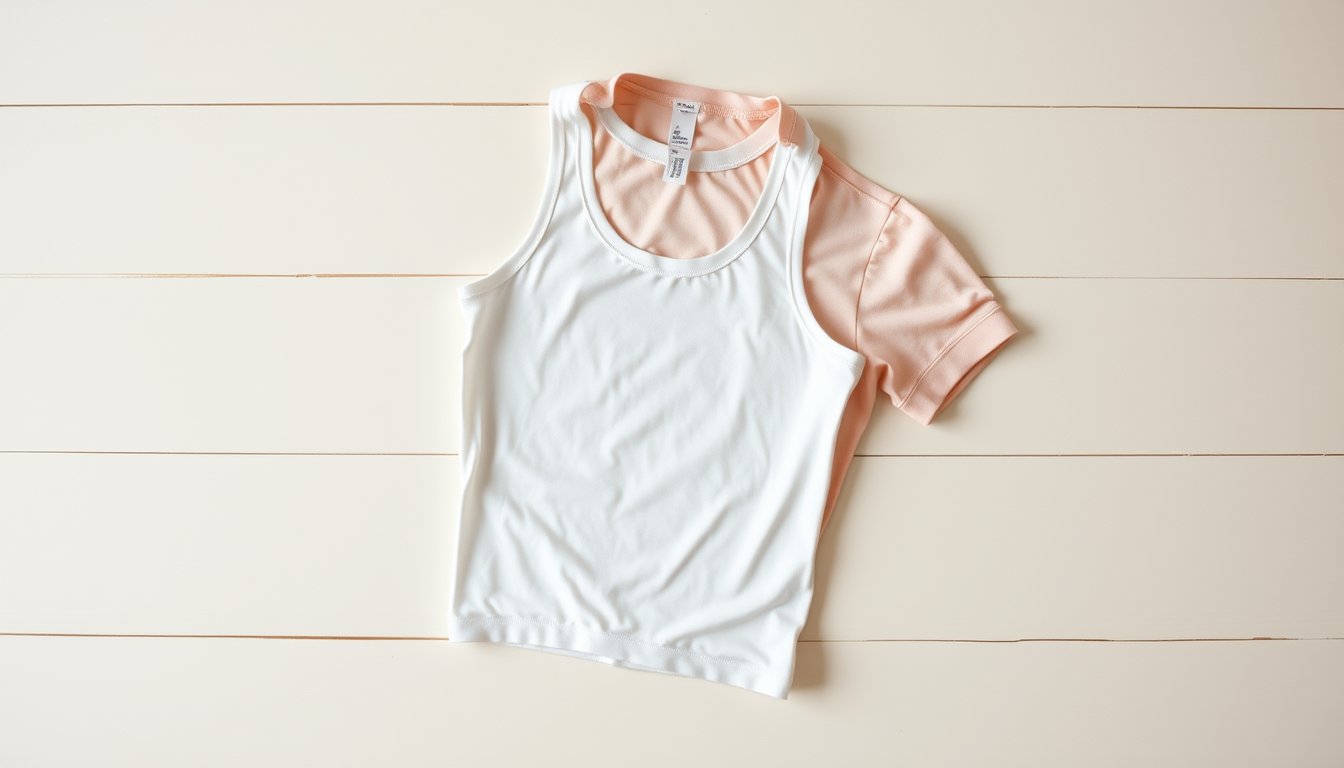
Short answer: for ballet a girl usually wears a leotard, tights and ballet shoes. For jazz and hip hop she wears a fitted top or tank, leggings or shorts, and the shoes the class asks for. For creative movement, comfortable stretchy clothes are enough. Always check the school’s dress code first.

What should she wear to each type of class?

Class Top Bottom Shoes
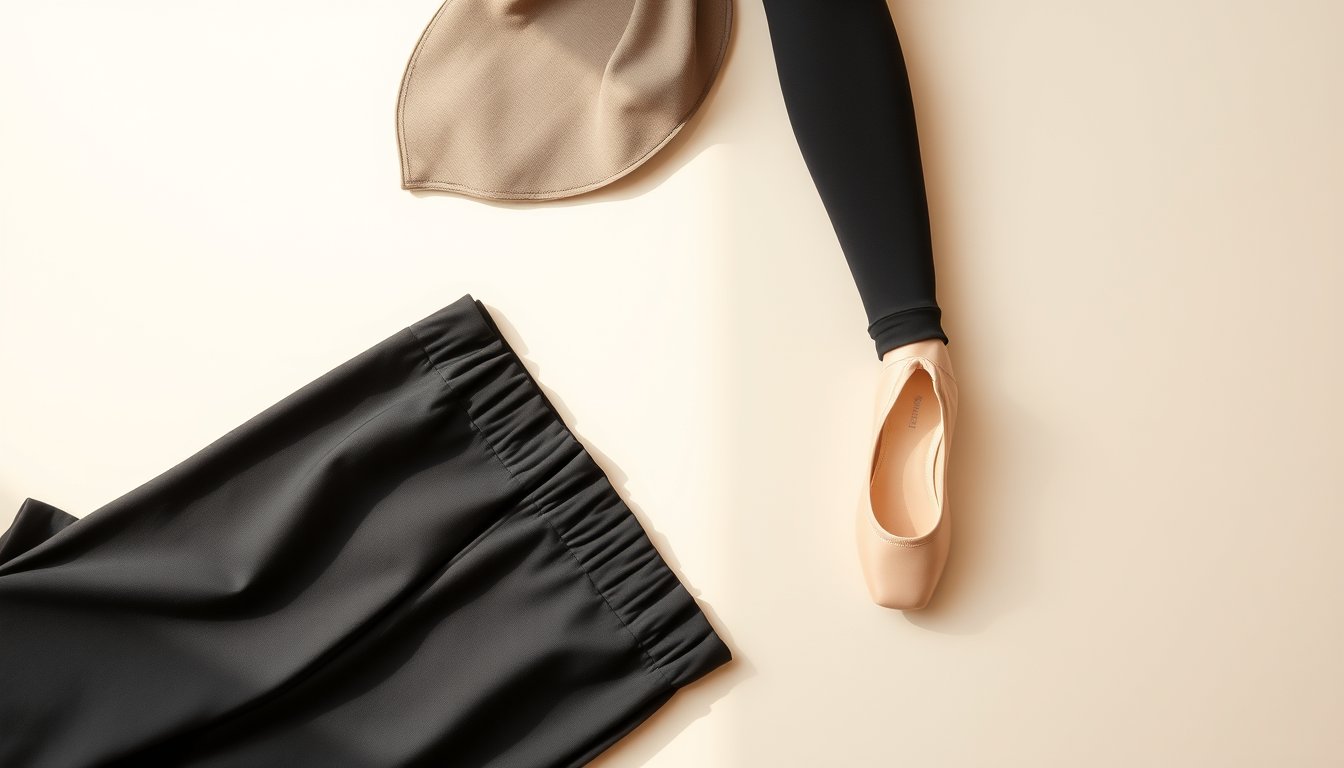
Ballet Leotard Ballet tights, optional skirt Ballet shoes
Creative movement Leotard or fitted tank Leggings or tights Bare feet or soft shoes
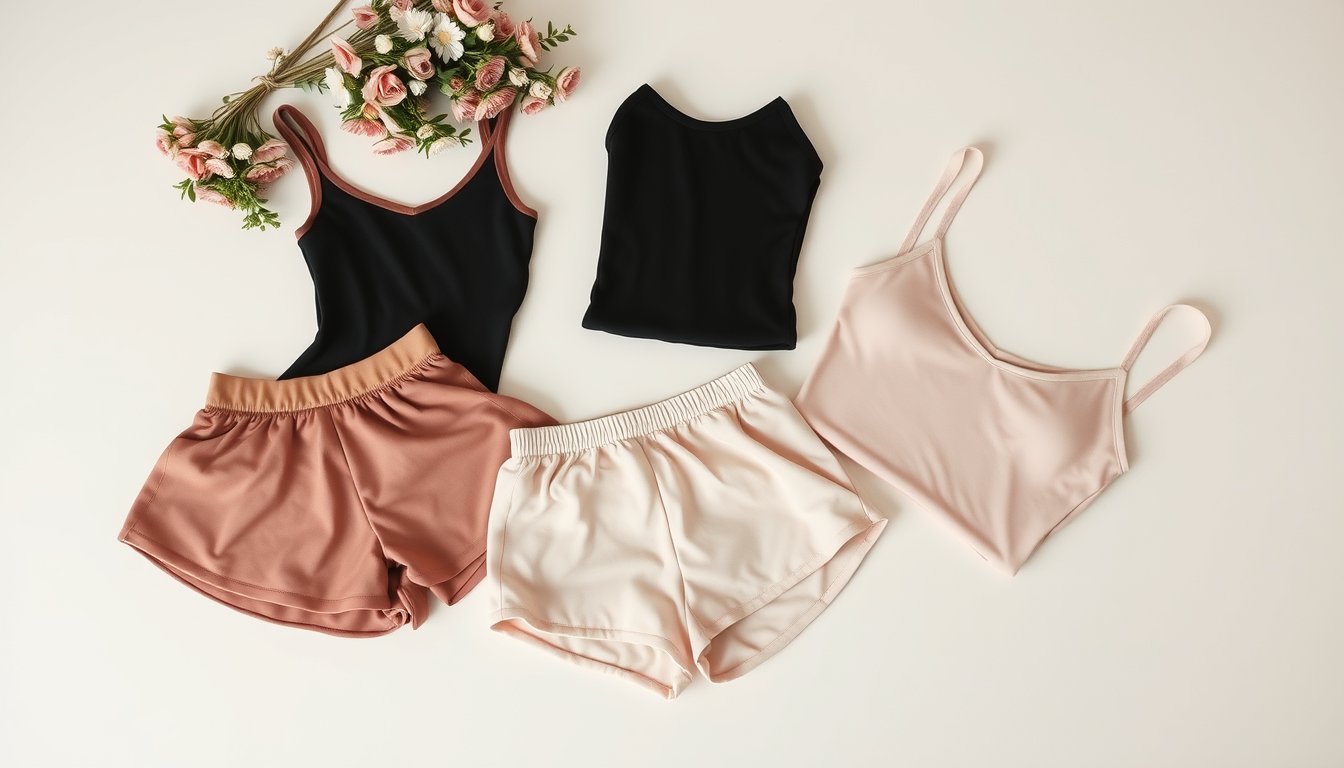
Jazz Fitted tank or leotard Leggings, shorts or tights Jazz shoes or bare feet
Hip hop Fitted or loose tee Leggings, joggers or shorts Clean sneakers

What does she wear for her first class?

If you do not know the dress code yet, send her in a fitted top, leggings or tights, and either bare feet or the shoes the teacher suggests. Ask the teacher before buying the full uniform. Our guide to a girl’s first ballet class lists what to buy.

What should I look for in dance clothes for children?

  • Stretch. The clothes should move with her without pulling.
  • Soft fabric. Cotton blends are comfortable on sensitive skin.
  • Flat seams and no scratchy labels.
  • A fit that stays in place when she jumps, turns and bends.
  • Room to grow a little, but not so much that it bunches.

How do I choose the size?

Choose by height first, then check the chest and torso. If she is between sizes, choose the larger one. Our size guide shows height ranges for each style.

Do girls need a skirt?

Not always. Some schools want a leotard and tights only, so the teacher can see the line of the legs. Others allow a simple skirt or wrap skirt. Skirts are popular with younger dancers for performances and photos.

How many outfits should we buy?

Two sets are enough for a weekly class: one to wear and one to wash. Choose a plain color first. Write her name inside each piece, and wash gently in cool water so the colors last.

What about hair?

For ballet, tie hair back in a neat bun or tidy ponytail. For jazz and hip hop, a ponytail or braids that stay off the face are fine.

Common mistakes with children’s dance clothes

  • Buying by age. Height is a better guide than age.
  • Choosing clothes that are too loose. Loose clothes hide the body line in ballet and slip in jazz.
  • Forgetting the shoes. Each class uses a different shoe, so ask before buying.
  • Skipping the name label. Many outfits look alike in a changing room.

If class is cold, add a soft layer from our guide to dancer warm-up clothes.

Frequently Asked Questions

What should a girl wear to her first jazz dance class?

A fitted tank top or T-shirt, leggings or jazz pants, and jazz shoes or trainers are standard for jazz. Check the school's requirements first — many schools ask for a specific shoe style for jazz, such as a split-sole jazz shoe or jazz sneaker.

Can the same outfit be worn for both ballet and hip hop?

Not really. Ballet requires a fitted leotard and tights with ballet shoes; hip hop is much more relaxed and accepts baggy or fitted tops, loose trousers or joggers, and supportive trainers. Different classes have very different dress codes.

Does it matter what color leotard my daughter wears to dance class?

It matters for RAD ballet exams, where the color is specified by grade. For most other dance styles and for general dance classes, the school may allow any color or may have a simple guideline. Check with the studio before buying.

nn

Shop at ZoeDancewear

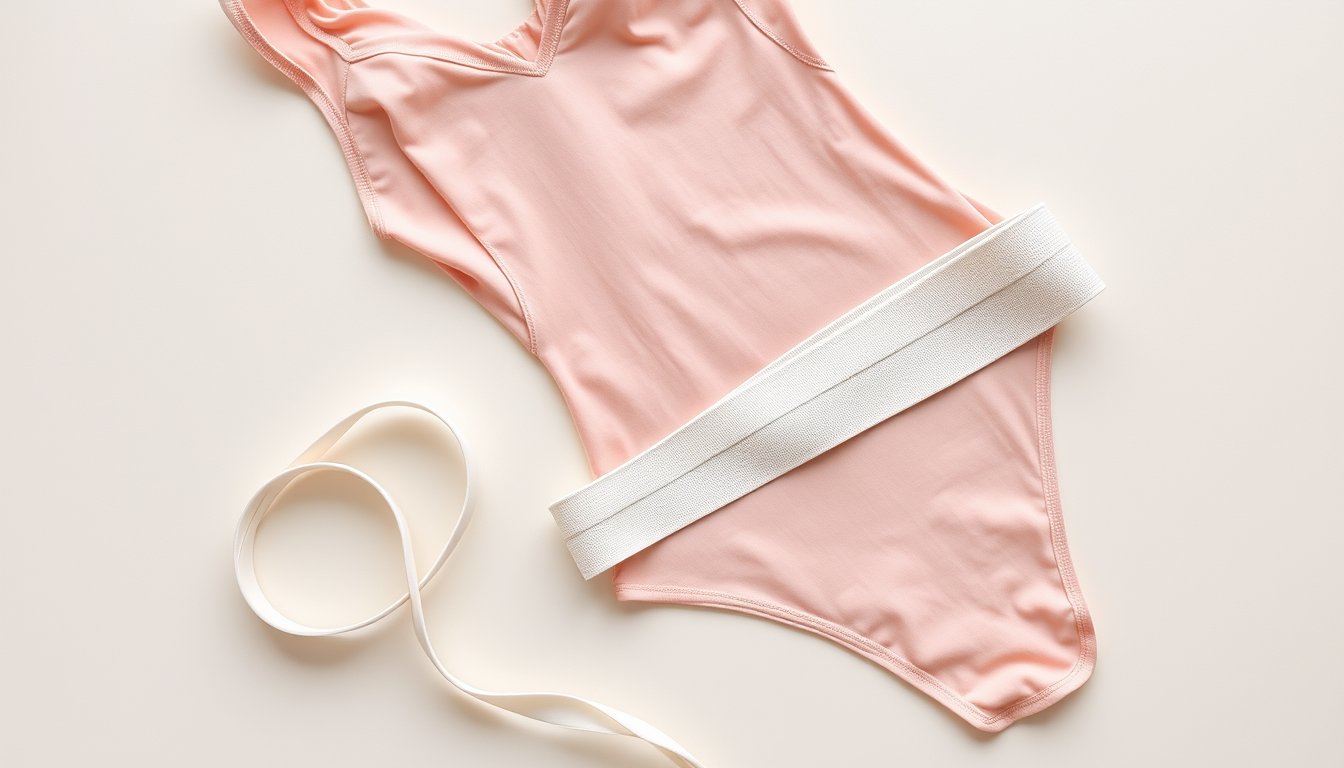
Girls Short-Sleeve Ballet Leotard and Skirt Set u2014 complete class outfit in one: pink leotard with chiffon skirt. Free shipping over $99 to the US.
Posted on

How to Tie a Bow on a Dress, Sash or Ballet Waist Ribbon

How to Tie a Bow on a Dress, Sash or Ballet Waist Ribbon

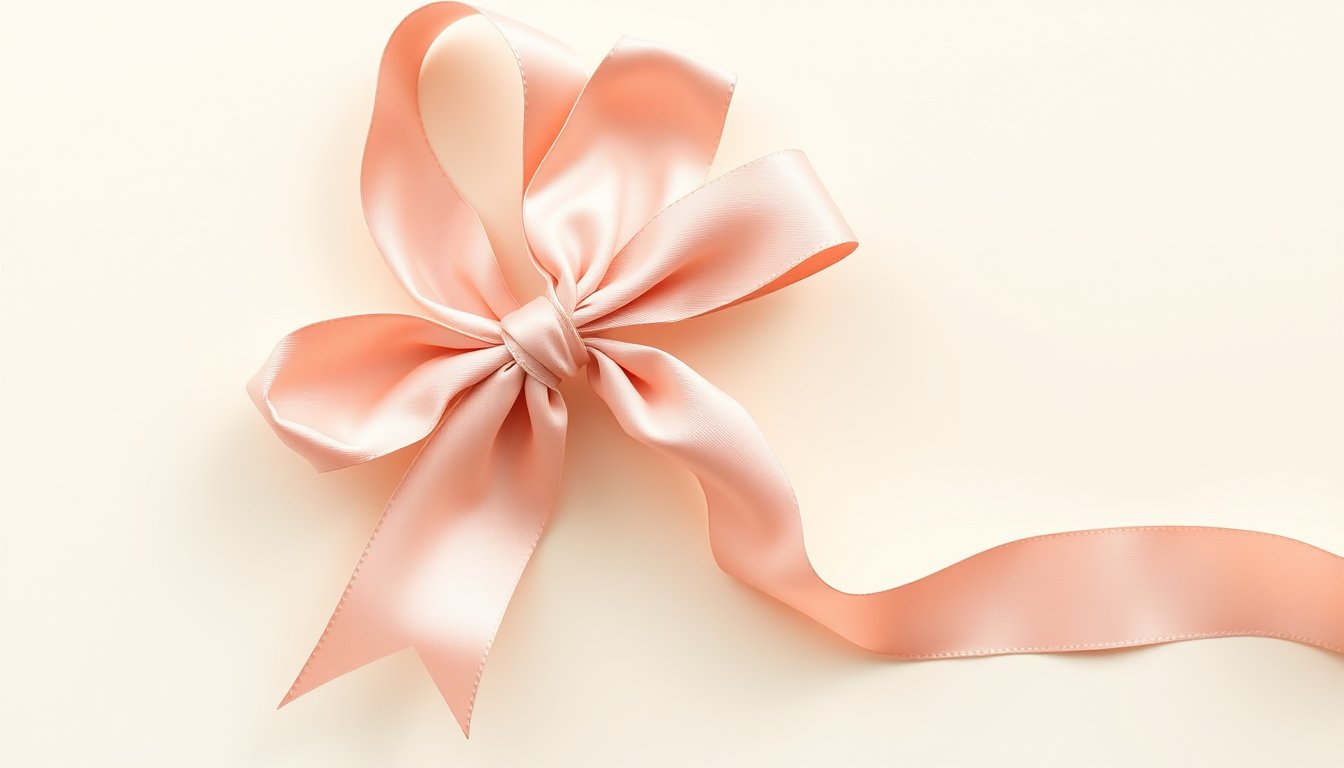
Short answer: to tie a bow on a dress, sash or ballet waist ribbon, cross the two ends, pull one under and snug to make a knot, form a loop with each end, cross the loops, pull one through, then tighten and tug the loops until the bow sits flat. Leave both tails equal and tuck them in so they stay neat.

How do I tie a bow on a dress, step by step?

  1. Center the ribbon. Wrap the sash or ribbon around the waist so the two ends meet at the front or back, and make the ends even in length.
  2. Make a starting knot. Cross the right end over the left, pull it under and snug it tight. This is the first half of a normal shoelace knot.
  3. Make two loops. Fold each end into a loop about the length you want the bow to be, and hold one loop in each hand.
  4. Cross the loops. Lay the right loop over the left loop.
  5. Pull one loop through. Tuck the right loop under and through the gap between the loops, and pull gently on both loops.
  6. Tighten and flatten. Pull the loops sideways until the knot is firm, then straighten the bow and tuck the tails so they hang evenly.

How do I make the bow lie flat?

  • Keep the ribbon flat as you wrap it, with no twists, before you start the knot.
  • Pull the first knot snug, because a loose first knot makes a loose bow.
  • Make both loops the same size. An uneven bow tips to one side.
  • Smooth the loops with your fingers after tightening.

Why does my bow keep coming undone?

Problem Likely cause Fix
Bow slips undone The ribbon is slippery satin Tie the first knot twice before making the loops
Bow tips to one side Loops are different sizes Re-tie, and make the loops the same size
Bow looks bulky The ribbon is too wide or stiff Use shorter, smaller loops
Tails are uneven The ends started at different lengths Even the ends before the first knot

How do I tie a waist ribbon over a ballet leotard?

Put the leotard on first, then wrap the ribbon around the natural waist, which is the narrowest part of the torso. Tie the bow at the center back or at the side, as the teacher or school prefers, so the ribbon does not rub when the dancer bends forward. Tuck any long tails into the ribbon or trim them so they cannot catch on the hands in port de bras.

What if the ribbon is elastic?

An elastic ribbon or belt needs less tension. Tie the knot loosely, because it stretches as you tighten it. Some elastic belts have a slider or a bow-style fastening that sets the length without a knot. Our adjustable elastic belt is an example.

How can I make a bow look neat for photos?

Cut both tails to the same length at a slight angle, or heat-seal the ends if the ribbon is synthetic so it cannot fray. Fluff the loops gently, and check the bow from a few steps away. A small, tidy bow usually looks better than a large one.

Which bow style should I choose?

Style Look Good for
Classic bow Two loops and two tails Dresses, ribbons and waist sashes
Small flat bow Short loops, tucked tails Ballet class and exams, where a tidy look matters
Double knot bow Extra turn on the first knot Slippery satin that slips open
Side bow Bow worn at the hip A softer look for performances

A quick tip for children

Children can learn the bow with the old rhyme for shoelaces: make a loop, wrap around, push through and pull. Practice with a wide ribbon on a chair back first, then on the waist. If a child cannot tie the bow alone yet, tie it for her and teach her the steps a little at a time. A leotard set that comes with a waist ribbon and bow, like our black camisole leotard set, gives plenty of practice.

Frequently Asked Questions

How do I stop a bow on a wrap dress from coming undone during dance?

After forming the bow, tuck the two tails in opposite directions around the waistband. You can also use a small safety pin through the inside of the first knot to anchor it. A double knot before the bow also adds security.

What is the correct position for a bow on a ballet waist ribbon?

The bow should sit on the hip rather than at the front center or back center. This keeps it flat and out of the way when the dancer sits, lies down or leans back at the barre.

How long should the tails of a bow be on a ballet skirt?

Aim for tails of roughly five to eight centimeters each. Too short and the bow looks stingy; too long and the tails flap during pirouettes and jumps. Trim the ribbon ends with scissors cut on the diagonal to prevent fraying.

Posted on

Elastic Belts for Ballet Class: How to Choose and Wear One

Elastic Belts for Ballet Class: How to Choose and Wear One

Short answer: a ballet elastic belt is a stretchy band worn at the waist over the leotard to define the waistline, and in some schools to show the dancer’s level. Choose a soft, high-stretch belt with an adjustable length and a flat fastening, so it stays put and can be reset as a child grows.

What is an elastic belt for ballet?

It is a narrow, stretchy band worn around the natural waist over a leotard. It gives a clean waistline, holds a skirt or tunic in place for some uniforms, and in many schools its color shows the dancer’s level. The belt is part of the uniform, so the color and style are often set by the school.

What should I look for?

Feature What to look for
Stretch High stretch that recovers, so it does not sag after a class
Fastening Flat and low-profile, so it does not dig in when the dancer bends
Adjustment A slider or adjustable length, so one belt fits as a child grows
Width Narrow enough to stay neat, not so wide that it bunches
Color The color your school asks for

How do I choose the right size for a child?

Measure around the natural waist, the narrowest part of the torso. Choose a belt that can be adjusted a little tighter and a little looser, and leave room to grow. If the belt is too tight, it will leave marks and restrict breathing. If it is too loose, it will slip down to the hips.

How do I wear it?

  1. Put on the leotard and tights first.
  2. Place the belt at the natural waist, not on the hips.
  3. Close the fastening, and set the length so it feels snug but comfortable.
  4. Smooth the fabric and make sure the fastening sits at the front or side, as the school prefers.
  5. Do a few bends. If the belt rolls or slips, adjust it again.

What if my school asks for a certain color?

Many schools use belt colors to show the dancer’s level, but colors differ from school to school. Ask your teacher for the exact color before you buy. Our exam uniform checklist covers the rest of the uniform. We are not affiliated with any examination board, and this is general advice.

How do I look after an elastic belt?

Hand wash in cool water, rinse well and air dry. Heat and fabric softener wear out the elastic. Store it flat or rolled, not stretched, so it keeps its recovery. Replace it when it no longer snaps back.

Elastic belt or waist ribbon?

A ribbon is tied in a bow and can be adjusted by tying looser or tighter. An elastic belt stretches and fastens flat, so it does not need tying. A belt is quicker to put on for a child and stays flatter under a skirt. A ribbon gives a softer, decorative look. Many dancers keep one of each, and use whichever the class requires.

Common mistakes

  • Wearing it on the hips. It slips down and has no effect on the waistline.
  • Choosing a very wide belt. It bunches when the dancer bends.
  • Setting it too tight. It restricts breathing and leaves marks.
  • Ignoring the school color. Check the color before buying.

Is a ballet belt the same as a kids belt?

No. A kids belt, toddler belt or girls belt is usually a fashion or school belt with a buckle, made to hold up trousers. A ballet belt is a soft elastic band worn over a leotard to define the waistline, and it has no hard buckle. Children’s elastic belts for ballet should be flat, light and adjustable, so they do not dig in when the dancer bends.

Frequently Asked Questions

What width is standard for a ballet elastic belt?

Most ballet belts are between two and four centimeters wide. Narrower belts are more comfortable for small children. Wider belts give a stronger waistline definition for older students. Check the school's specifications if the belt is a uniform item.

Can an elastic belt replace a skirt in ballet class?

No — a belt defines the waist but does not cover the hips and thighs the way a skirt does. They serve different purposes. Some schools use both: the belt as a uniform indicator of level, and a skirt as a warm-up layer.

How should an elastic belt fit?

It should sit snugly at the natural waist without being so tight that it digs in or restricts breathing. You should be able to slip two fingers under the belt comfortably. If it is cutting in during deep pliés, it is too tight.

nn

Shop at ZoeDancewear

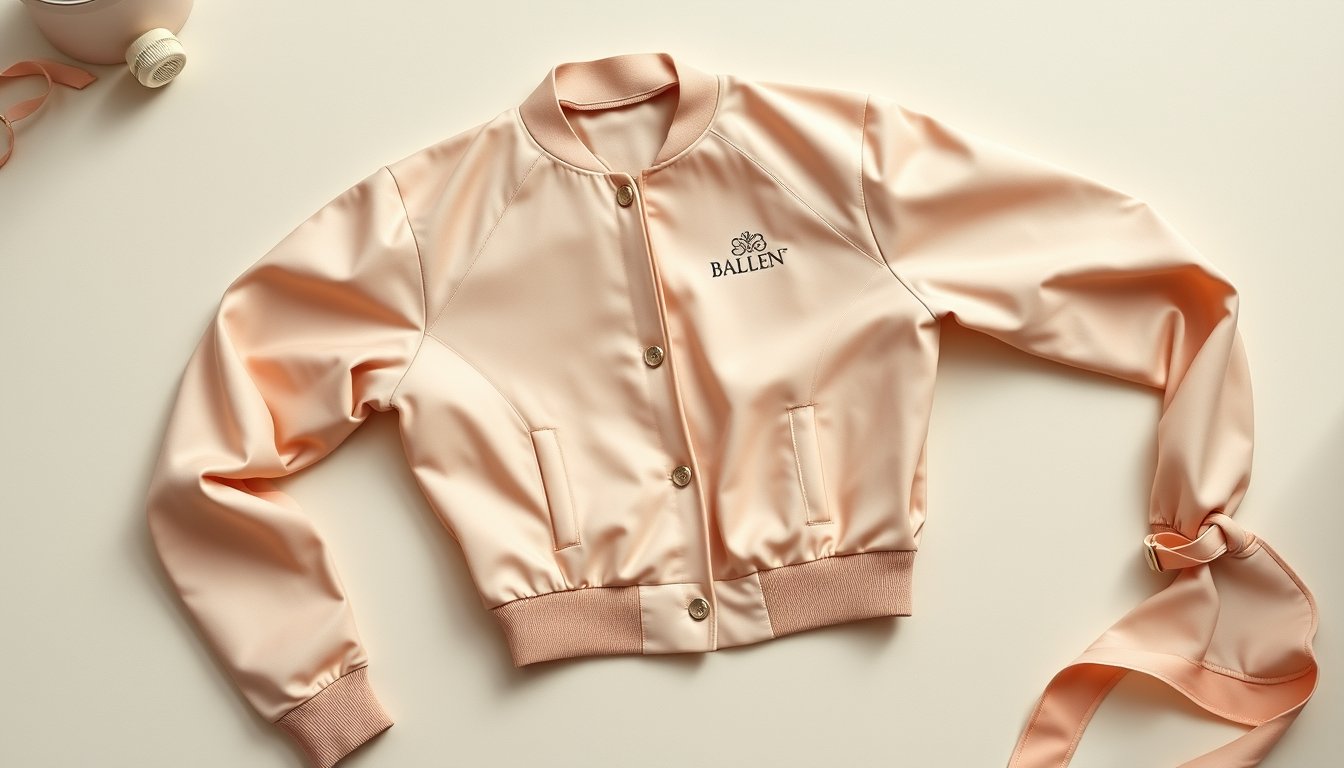
Adjustable Ballet Elastic Belt u2014 slider-fastening, 14 color options, for RAD exams and class use. Free shipping over $99 to the US.
Posted on

Types of Ballet Tutus: Classical, Romantic and Practice Tutus

Types of Ballet Tutus: Classical, Romantic and Practice Tutus

Short answer: the main types of ballet tutus are the classical tutu (a stiff, flat skirt that sticks out from the hips), the romantic tutu (a soft, longer, bell-shaped skirt) and the practice tutu (a light skirt used in class and rehearsal). Each suits a different style of ballet.

See also: For show preparation and rehearsal, see our detailed guide to practice tutus and romantic tutus.

What is a classical tutu?

The classical tutu, sometimes called a platter tutu, has a flat, stiff skirt that extends horizontally from the hips. Many layers of net are sewn into a firm basque. It shows off the legs and fast footwork, so it is used in classical ballets that feature technical dancing.

What is a romantic tutu?

The romantic tutu is soft and bell-shaped, falling below the knee, usually to mid-calf. It is made of layers of soft tulle that drift as the dancer moves. It suits ballets with a dreamy, ethereal mood.

What is a practice tutu?

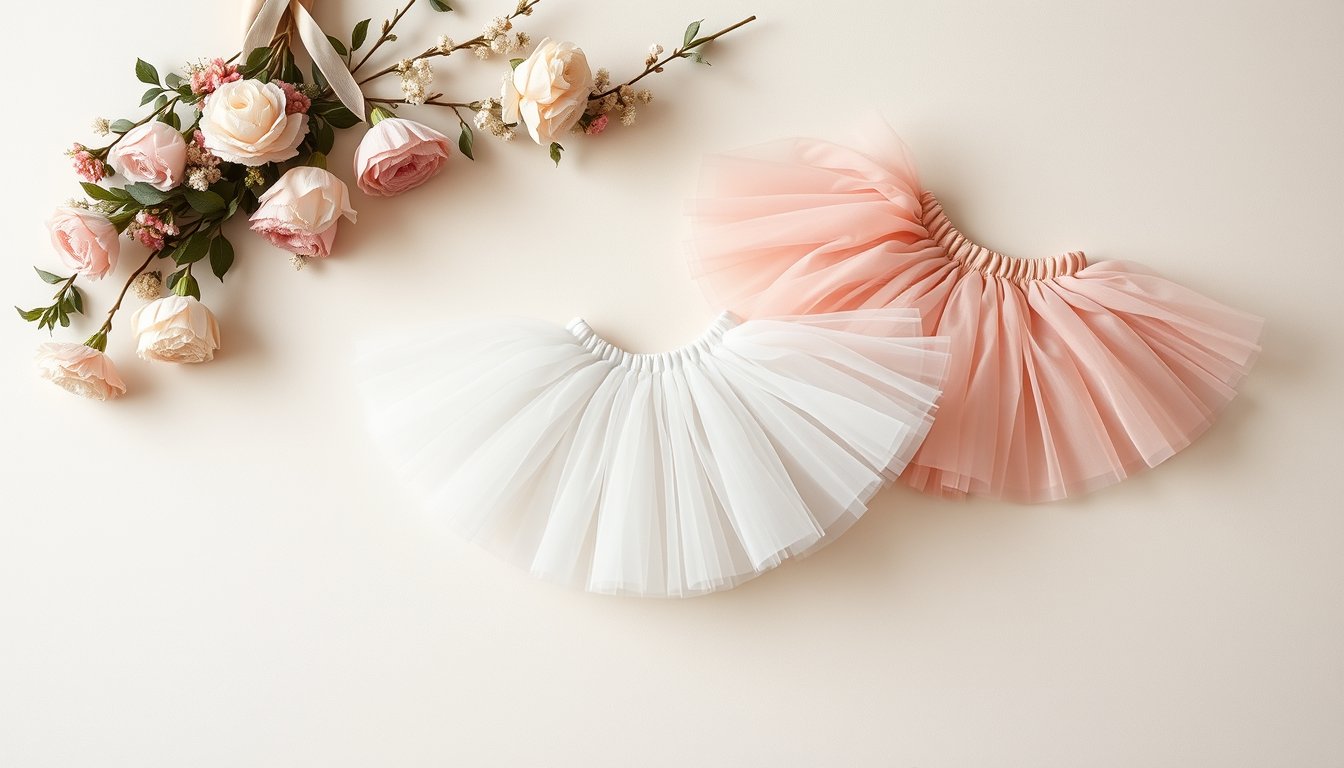
A practice tutu is a lighter, simpler tutu worn in class or rehearsal. It lets dancers get used to the feel and weight of a skirt without wearing a full costume. It is also the type most children’s classes use, usually with an elastic waistband.

How do they compare?

Type Shape Length Typical use
Classical Flat and stiff Short, from the hips Classical stage works
Romantic Soft bell Mid-calf Dreamy, lyrical ballets
Practice Soft and light Thigh to knee Class and rehearsal

What should I choose for a child?

For classes, a soft practice tutu or a light tulle skirt is best. Stage tutus are costume pieces made for a specific performance, so they are usually provided by the school or company. For a recital, ask the teacher which style is required before buying.

What is a tutu made of?

  • Tulle or net. The main skirt fabric, available in soft or stiff finishes.
  • Basque. The fitted bodice and waist piece of a stage tutu.
  • Elastic. Used for practice and children’s skirts.

How do I care for a tutu?

Store it flat or hung, never crushed. Spot-clean gently and avoid machine washing for stage tutus. Fluff the layers by hand after each use.

What other tutu styles are there?

Style Description
Pancake tutu A very flat classical tutu, like a pancake.
Bell tutu A shorter, rounded style that sits between classical and romantic.
Powderpuff tutu A fluffy, shorter tutu with a rounded shape.
Children’s tutu A soft, lightweight skirt for young dancers.

How are stage tutus made?

Stage tutus are made by hand, with many layers of net sewn onto a fitted basque. The basque is boned to hold the shape and fitted to each dancer. A professional tutu can take many hours to make and is fitted precisely, which is why it is not a casual purchase.

Where is each style used?

  • Classical tutus appear in works built on bright, technical dancing.
  • Romantic tutus appear in works with ghostly, dreamy scenes.
  • Practice tutus appear in class, rehearsal and school shows.

What should parents do?

Most families only need a simple practice skirt or tutu for class. For a performance, ask the teacher what costume is needed and whether the school provides it before buying. This saves money and avoids mismatches.

What is a ballerina tutu?

A ballerina tutu is the layered tulle skirt worn by ballerinas on stage. A classical tutu sits flat and stiff at the hip like a plate, and a romantic tutu falls softer and longer to the calf. Ladies’ tutus are made in adult sizes, so measure the waist and check the length before you order. See platter vs romantic tutu and our guide to the adult tutu and tutu dress. For children, our orange leotard and tutu set is a ready-made outfit.

Frequently Asked Questions

What is the flat, stiff tutu called that sticks straight out?

That is the classical tutu, also called a platter tutu or pancake tutu. It is constructed from many layers of net and has an internal support structure to keep it horizontal. It is associated with the late 19th century style of classical ballet.

Can you buy a good romantic tutu for a recital performance?

Yes — many dance suppliers sell ready-made romantic tutus suitable for school performances. These are less elaborate than professional costumes but look good on stage. Measure the child's waist and check whether the length falls to the calf or ankle.

What is a practice tutu used for?

Practice tutus are lightweight skirts used in class and rehearsal to help dancers get used to the feel and restriction of a tutu shape. They are simpler and cheaper than performance tutus and are usually made with fewer layers of tulle.

Posted on

Types of Ballet Skirts: Wrap, Pull-On, Chiffon and Mesh

Types of Ballet Skirts: Wrap, Pull-On, Chiffon and Mesh

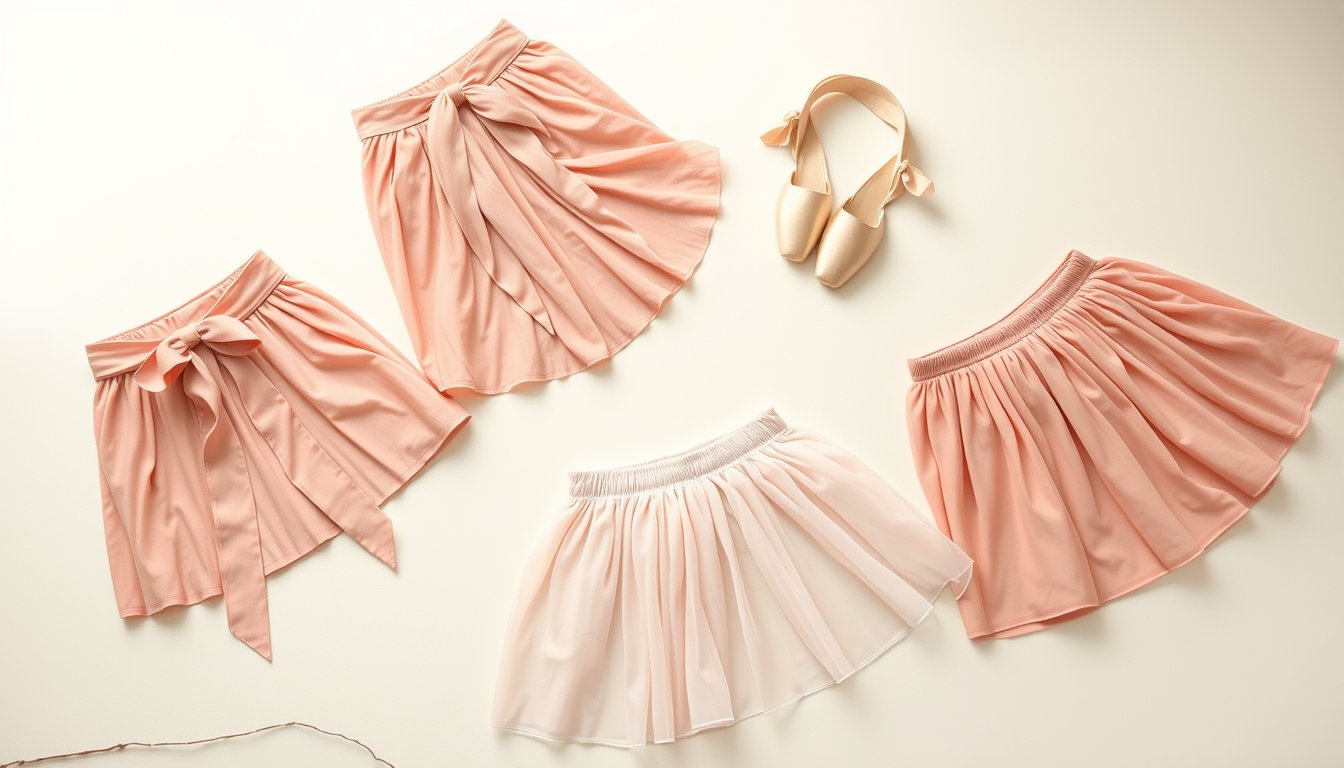
Short answer: the main ballet skirts are wrap skirts (tied at the waist), pull-on skirts (with an elastic waist), chiffon or georgette skirts (light and flowing), mesh skirts (a little firmer) and tulle skirts (soft and full). Chiffon wrap and pull-on skirts are the most common in class.

What are the main types?

Type Fabric How it fastens Best for
Wrap skirt Chiffon or georgette Ties at the waist Class, teens and adults
Pull-on skirt Chiffon or mesh Elastic waist Young children
Chiffon skirt Light, flowing Wrap or elastic Class and exams
Mesh skirt Firmer, slightly sheer Elastic Class, with more body
Tulle skirt Soft, full net Elastic Early Years and performance

How do I choose?

  • Age. Young children usually find pull-on skirts easiest. Older dancers like the adjustable wrap.
  • School rules. Some schools require a skirt for certain levels and a specific color.
  • Movement. Choose a skirt light enough to move without covering the legs.
  • Length. Short to mid-thigh for beginners, longer for older dancers if the school allows it.

What is the difference between chiffon and mesh?

Chiffon is very light and floats when the dancer moves. Mesh has a bit more body, so it keeps its shape and does not cling. Both are used for ballet skirts, and the choice is mostly about the look and feel the dancer prefers.

Are skirts required for ballet class?

Not always. Some schools require one at certain levels, others do not. Skirts are often removed for the barre if the teacher asks. Always check your uniform list.

How do I look after them?

  1. Wash gently in cool water, in a mesh bag, or by hand.
  2. Do not wring or tumble dry.
  3. Hang to dry. Iron on low only if needed, with a cloth over the fabric.
  4. Store hung or flat to prevent creases.

How do I choose the size?

Use waist and height. A wrap skirt should overlap by a few inches, while a pull-on skirt should sit comfortably without rolling. See our size guide, and size up if between sizes.

How long should a ballet skirt be?

For beginners, a short skirt at the thigh or just above the knee is the usual choice. It lets the teacher see the knees and legs clearly. For older dancers, a longer chiffon skirt to the knee or mid-calf looks elegant and is used for some classes and performances. Always check whether your school sets a maximum length.

What colors are common?

  • Black. Classic and smart, common at older levels.
  • Ballet pink. Traditional for younger dancers.
  • Lilac, lavender and pale blue. Popular pastel choices.
  • White. Used for Early Years and performances.

How should a skirt move?

A good ballet skirt floats during a turn and settles softly. If it clings to the legs or hides them, it is too heavy. If it flies up too quickly, it may be too light for class. Try the skirt on at home with a simple turn to check it moves well.

Should I buy more than one?

One skirt is enough to start. A second in a different color gives variety, and a spare is useful if one is in the wash. Keep a skirt for exams or shows that is only worn for those occasions.

What is a ballerina skirt?

A ballerina skirt is a soft, layered skirt worn over a leotard, often tulle or chiffon. It can be short, knee-length or long. For class, a simple wrap or pull-on skirt is common. For shows, a longer layered skirt gives a floating look. See also Swan Lake outfit ideas.

What are ballet skirts made of, and what are they called?

Ballet skirts are usually made of chiffon, georgette, tulle or mesh. A wrap skirt ties at the waist, a pull-on skirt has an elastic waistband and a tutu skirt is layered tulle. Light fabrics such as chiffon move well and do not hide the leg line. See how to tie a ballet wrap skirt for the simplest style.

What is a flutter skirt?

A flutter skirt is a light, loose skirt that moves in the air when you turn, usually made of chiffon or georgette. Lengths vary from thigh length to mid-calf. Short and thigh-length skirts leave the leg line clear and are easy to move in, and longer ones look softer on stage. Choose by the look and the dress code of your class.

Frequently Asked Questions

What is the best ballet skirt fabric for class?

Chiffon and georgette are the most popular for class — they are light, flow well and do not restrict movement. Mesh skirts hold their shape a little more firmly and wear well. Avoid heavy or stiff fabrics that will drag or restrict jumps.

Should a ballet skirt be tied at the front or side?

A wrap skirt is typically tied at the side or slightly toward the front hip — never at the center back, where the knot presses into the spine when lying down or doing floor stretches.

Can a toddler wear a pull-on skirt over a leotard?

Yes, a pull-on elastic-waist skirt is the easiest style for young children because there is nothing to tie. Choose a lightweight chiffon or mesh pull-on that sits comfortably on the hips without slipping down.

Posted on

Custom Dance Jackets for Ballet Schools and Dance Groups

Custom Dance Jackets for Ballet Schools and Dance Groups

Short answer: a custom dance jacket is a jacket made for your school or group, usually with your name or logo, in your colors and in sizes for every dancer. To order well, decide the style, colors, fabric, sizes and quantity first, collect measurements early, and allow extra time for samples and production.

What is a custom dance jacket?

It is a warm-up jacket made for a school, studio, group or performance team. It can carry the school’s name, a logo, student names or a team number, and is often worn at competitions, performances, rehearsals and class. It also helps a group look like a team.

What should I decide first?

Decision Things to think about
Style Zip-up jacket, bomber, track jacket or cropped jacket
Fabric Light knit for warm rooms, fleece or padded for cold ones
Colors School colors, with contrast trim or logo color
Decoration Embroidery or print, on the chest, back or sleeve
Names Add student names, or keep it uniform
Sizes Children’s and adult sizes, with a size run
Quantity Order a few extra for new students

How do I plan the order?

  1. Count the dancers. Include teachers and assistants.
  2. Collect measurements. Height and chest are the most useful. Ask parents to measure at home.
  3. Agree the design. Choose colors and logo placement, and send a clear logo file.
  4. Ask for a sample or mockup before the full order, if the number is large.
  5. Allow production and delivery time. Custom orders take longer than ready-made items, and shipping from China adds more time.
  6. Check on arrival. Count the jackets, check the sizes and keep a few spares.

How long does it take?

It depends on the design and quantity, so allow several weeks, and more if the jackets are needed for a performance date. Ask for the timing before you confirm, and order well ahead of any event.

What if a size is wrong?

Mistakes happen with group orders. Ask the supplier how exchanges for custom items work before you order, because custom and personalized items are often not returnable.

How can we help?

Dance teachers and schools can ask about group orders on our School and bulk orders page. Tell us the style, colors, size range and quantity you need, and we will reply with the options.

Tips to avoid problems

  • Measure before choosing a size. Ask each family to send height and chest.
  • Keep the design simple. One or two colors and one logo are clearer and easier to produce.
  • Send a high-quality logo file. A blurry file makes a blurry result.
  • Plan for new students. Order a few spare sizes so latecomers match the group.
  • Put everything in writing. Colors, sizes, quantities and dates avoid mistakes.

Frequently Asked Questions

How far in advance should a dance school order custom jackets?

Allow at least eight to twelve weeks from placing the order to delivery, especially if samples are required for approval. Peak ordering periods around recital season can extend lead times further.

What information should be printed on a custom dance jacket?

The most common choices are the school or studio name, the student's name, a year or production title, and the school's logo or crest. Keep it simple — too many design elements look cluttered on a jacket.

What is the minimum order quantity for custom dance jackets?

This varies by supplier, but most require a minimum of ten to twenty-five jackets per order. Smaller schools sometimes combine orders for efficiency. Ask for a sample garment before committing to the full order.

Posted on

Can You Wear a Hoodie or Sweatshirt in Ballet Class?

Can You Wear a Hoodie or Sweatshirt in Ballet Class?

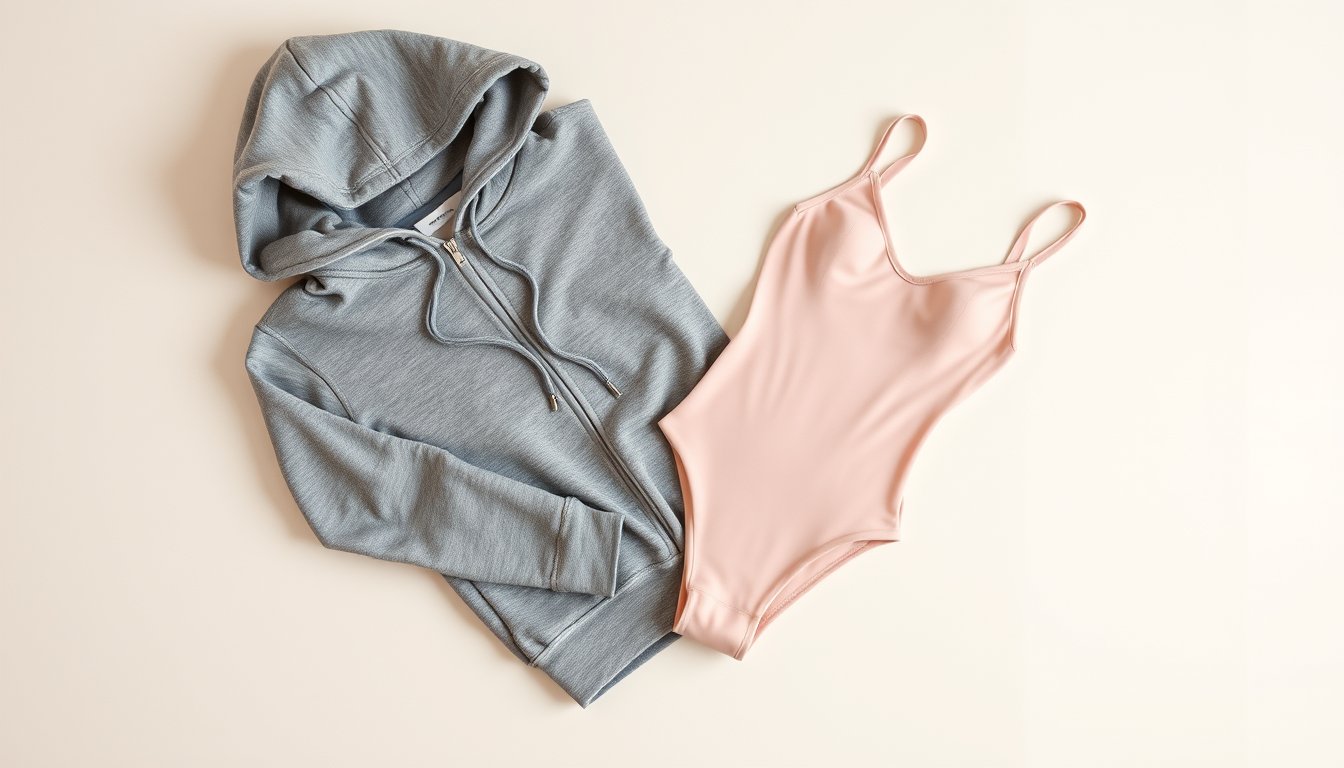
Short answer: a hoodie or sweatshirt is fine to wear to and from ballet class and while warming up, but most teachers ask dancers to take it off once class begins. Baggy tops hide the shoulders, back and arms, which a teacher needs to see. Choose a fitted wrap top or cardigan if you need a warm layer in class.

Why do teachers ask for hoodies to come off?

Ballet is about line. A teacher watches the shoulders, spine, hips and arms to correct posture. A thick hoodie or sweatshirt hides all of that. The hood and strings can also swing during turns, and a loose hem can catch on the hands in port de bras.

When is a hoodie fine?

  • Traveling to and from class. It keeps the body warm on the way.
  • Before class, while stretching and waiting.
  • After class, to cool down slowly.
  • Rehearsal breaks, and while waiting to go on.

What should I wear in class instead?

Piece Why it works
Wrap top Short and fitted, so posture stays visible
Wrap cardigan A soft layer you can take off in seconds
Shrug Light and shows the back
Leg warmers Warm the legs without covering the top
Warm-up pants Easy to remove for the center

What if the studio is very cold?

Ask the teacher whether you may keep a fitted layer on for the first exercises. Many teachers allow it while the room warms up. A fitted knit is usually accepted when a hoodie is not.

What should I look for in a dance hoodie?

  • Soft, light fabric. A thin cotton or fleece is easier to move in than heavy cotton.
  • A cropped or short length. It will not cover the hips.
  • No hanging strings, or strings that can be tucked away.
  • A good size. Roomy enough to fit over the uniform, but not so big that it swallows the dancer.

Check your school’s rules

Every school is different. Ask your teacher what is allowed in class, and what to wear in an exam. We are not affiliated with any examination board, and this guide is general advice.

A good routine for cold days

  1. Travel to the studio in a hoodie or coat.
  2. Change into the leotard and tights.
  3. Put on a fitted wrap top and leg warmers for the barre.
  4. Take off the extra layers once warm, as the teacher asks.
  5. Put the hoodie back on after class to cool down gently.

This keeps the dancer warm without hiding the posture. Our guide to dancer warm-up clothes lists every piece and when to wear it.

Frequently Asked Questions

What warm-up top should I buy instead of a hoodie for ballet?

A ribbed knit wrap cardigan or a fitted ballet cardigan is the standard alternative. These are designed for dance: they open easily, sit close to the body and do not hide the shoulders and arms the way a hoodie does.

Is it acceptable to wear a hoodie to and from a ballet class?

Absolutely. A hoodie is a perfectly fine travel layer for getting to and from the studio. The issue is wearing it during class itself, where the teacher needs to see your body shape. Leave it in your bag once class starts.

Can a warm hoodie replace leg warmers in a cold studio?

No — a hoodie warms the upper body but does nothing for the calf and ankle muscles that need the most warmth in ballet. Leg warmers are purpose-made for this and should be used alongside an upper-body layer.

Posted on

Girls’ Dance Tops and Tank Tops: How to Choose for Ballet

Girls' Dance Tops and Tank Tops: How to Choose for Ballet

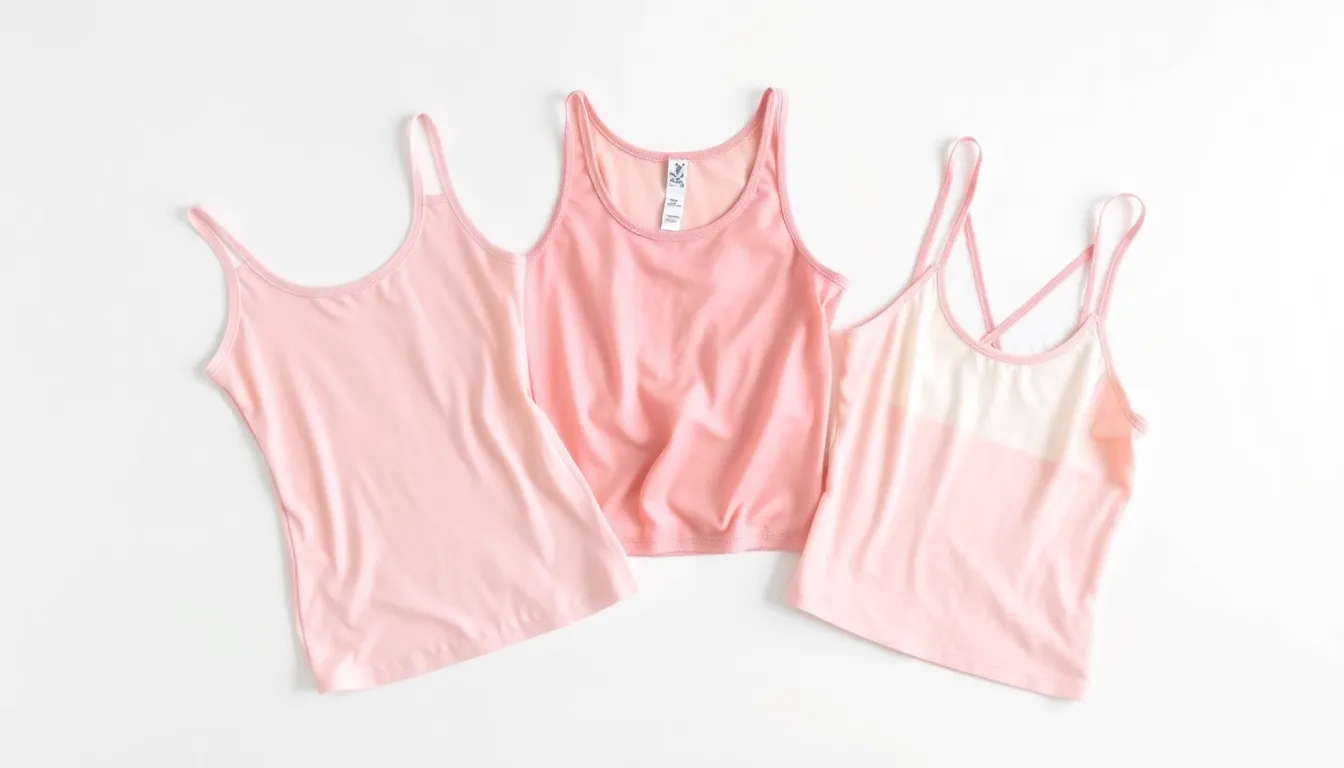
Short answer: for a girl’s ballet or dance class, choose a fitted tank top or dance top in a soft stretch fabric that stays in place when she raises her arms. It should end at the hip, have flat seams and no scratchy labels. Check the school’s dress code first, because many ballet classes still prefer a leotard.

What is a dance top?

A dance top is a fitted, stretchy top made for movement. Common styles are a tank top, a camisole, a short-sleeved top and a cropped style. They are worn with tights, leggings or dance shorts in jazz, hip hop and creative movement classes, and sometimes in beginner ballet.

Which style suits which class?

Class Usual choice
Ballet Leotard. A fitted tank may be allowed.
Creative movement Comfortable tank or T-shirt with leggings
Jazz and hip hop Fitted tank, short-sleeved top or crop top
Warm-up before class A wrap top or cardigan over the leotard or top

How should a girl’s dance top fit?

  • Snug but not tight. It should follow the body without leaving marks.
  • Stays down. It should not ride up when the arms lift or when she bends forward.
  • Straps that stay. Wide enough that they do not slip off the shoulder.
  • Room for a growth spurt. A little room is fine, but not so much that it bunches.

What fabric is best?

A cotton blend with some stretch is soft, breathable and kind to young skin. Nylon blends are smooth and dry quickly. Avoid fabrics that are stiff, scratchy or heavily decorated with glitter, because they irritate the skin and shed.

What should she wear with it?

  • Ballet: ballet tights, soft ballet shoes and a neat bun.
  • Jazz and creative movement: leggings or dance shorts, and bare feet or jazz shoes.
  • Cold days: a light wrap top or cardigan over it.

How many do we need?

Two is a comfortable start, so one can be washed while the other is used. Label them with the child’s name, and wash gently in cool water so the elastic and color last.

Choosing the size

Choose by height first and chest second, and go up a size if she is between two. Our size guide shows height ranges for each style.

Tips for parents

  • Let your child try the top on and do a few arm lifts and bends in the fitting.
  • Check that the neckline stays in place and the straps do not dig in.
  • Sew or write a name label inside the top.
  • Buy a plain color first, because it matches every class.

If this is a first class, read what to buy for a girl’s first ballet class before you shop. The list is short and does not need to be expensive.

Frequently Asked Questions

Can my daughter wear a cotton tank top to ballet class?

A thin cotton tank can work for casual classes, but cotton absorbs sweat heavily and loses its shape when wet. A polyester-spandex blend dance top is more practical — it stays fitted, dries quickly and keeps its shape throughout class.

Are strappy or spaghetti-strap dance tops appropriate for ballet?

Very thin straps can slip off the shoulder during arm movements and look untidy. A wider camisole strap or a simple tank strap is more secure and looks neater. Check the school's dress code for any restrictions on strap styles.

What age should girls start wearing proper dance tops rather than leotards?

There is no fixed age. Many girls continue wearing leotards throughout their training because they are the most practical and secure option. Dance tops become a preference in adult or teen recreational classes where the dress code is flexible.

Posted on

What Shirt to Wear for Ballet Class: T-Shirts and Dance Tops

What Shirt to Wear for Ballet Class: T-Shirts and Dance Tops

Short answer: many ballet classes prefer a leotard, but some beginner and adult classes allow a fitted T-shirt or dance top. Choose a fitted, stretchy top that you can tuck in or that ends at the hip, so the teacher can still see your shoulders, back and posture. Loose, long or baggy shirts hide the body line.

Why do teachers prefer fitted tops?

A ballet teacher corrects posture by looking at the shoulders, spine, ribs and hips. A fitted top lets them see those lines. A loose shirt hides them and can also swing up during turns and covers the hands in port de bras.

Which tops can be worn?

Top Allowed? Notes
Leotard Usually yes The standard choice at most schools
Fitted dance T-shirt Often, for beginners and adults Short-sleeved, stretchy, ends at the hip
Fitted tank or camisole top Often Shows the shoulders clearly
Crop-style dance top Sometimes Check the school’s rule on the midriff
Loose cotton T-shirt Not recommended Hides the line and rides up
Hoodie or sweatshirt For warm-up only Taken off once class starts

What should I look for in a dance top?

  • A fitted shape. Close to the body without squeezing.
  • Stretch. It should move with the arms and back.
  • The right length. It should stay put when the dancer lifts her arms.
  • Soft seams. Flat seams and no scratchy labels.
  • Plain colors. Plain colors keep the focus on the dancer’s line.

What about girls and children?

Most children’s classes ask for a leotard so the uniform is simple and quick to put on. A fitted top is fine if your school allows it, but a leotard stays in place better and does not need to be tucked in. For a first class, a fitted T-shirt and leggings are fine until you know what the school expects.

What about adults?

Adult classes are often more relaxed. A fitted tank, short-sleeved top or leotard are all common. If you feel more comfortable with a longer top, ask the teacher where to draw the line, and choose one that you can tuck in.

Is a leotard better than a shirt?

For most dancers, yes. A leotard stays in place, shows the body line and needs no tucking. If you are unsure, our guide to leotard styles and our size guide can help you choose.

A quick checklist before you buy

  • Ask the teacher whether a top or only a leotard is accepted.
  • Choose a fitted style in a stretch fabric, in a plain color.
  • Check the length by lifting both arms. The hem should stay at the hip.
  • Pair it with fitted tights, so the leg line stays clear.

If class is cold, add a fitted wrap top or cardigan over the top, and take it off once you are warm.

Can I wear a ballet t-shirt to class?

Many schools allow a fitted, plain t-shirt for boys, men and some adult classes. Girls usually wear a leotard. Choose a close fit so the teacher can see the posture, and tuck it in or choose a shorter length. For boys, see our boys’ ballet practice set.

Frequently Asked Questions

Can a fitted tank top replace a leotard for adult ballet?

In most adult recreational classes, yes. A fitted dance tank or tight athletic top that stays in place when you raise your arms is acceptable. It works best tucked in or worn with a leotard as a base layer for extra coverage.

Why do ballet teachers dislike loose T-shirts?

A loose T-shirt hides the shoulder alignment, the position of the shoulder blades, the curve of the spine and the position of the ribcage. These are all areas a teacher corrects in every class, so they need to see them clearly.

What length should a ballet top be?

A top that ends at the hip or just below the waistband of the tights is ideal. A top that is too long covers the hip joint, which hides important alignment cues. A top that is too short may ride up during arm work.

Posted on

Dance Warm-Up Pants: How to Choose the Right Pair

Dance Warm-Up Pants: How to Choose the Right Pair

Short answer: dance warm-up pants are soft, stretchy pants that dancers pull on over their tights to keep the legs warm before class and between exercises. Choose a stretch fabric, a fit that is relaxed but not baggy, an elastic waist, and a style you can take off quickly without removing your shoes.

What are dance warm-up pants?

They are light pants made of knit, fleece or stretch cotton, worn over the leotard and tights in a cold studio, while traveling to class and while waiting. They are a warm-up layer, not the class uniform, so teachers normally ask dancers to take them off once the body is warm.

What styles are there?

Style Description Good for
Straight leg A relaxed, straight line from hip to ankle Everyday warm-up
Snap-off or tearaway Side snaps that open down the whole leg Quick removal in a class break
Joggers Gathered at the ankle Travel and cold rooms
Wide leg Loose and flowing Adults and teens who prefer a loose fit
Capri or knee length Shorter and lighter Warm studios

How should they fit?

  • Waist. A soft elastic waist that stays up without squeezing.
  • Length. Long enough to cover the ankles, but not so long that the dancer steps on the hem.
  • Room in the leg. Enough room for tights and for bending the knee deeply.
  • Ankle. Wide enough to pull over ballet shoes, or a style with snaps so you do not have to.

What fabric is best?

A soft cotton blend or light fleece with some stretch is comfortable and quiet. Very thick or shiny fabrics can feel heavy and noisy. Choose fabric that does not cling to the tights, so the pants slide on and off easily.

Are warm-up pants allowed in ballet class?

Usually for the start of class, yes. Most teachers ask students to remove them for the center and for any exercise where the legs need to be seen. In exams, warm-up pants are taken off before the examiner enters. Always check your school’s rules.

How many pairs do I need?

One pair is enough to begin with. Choose black or a dark color that goes with everything, and label the inside with the dancer’s name. For a growing child, buy a snug fit with a little room to grow instead of a size far too big.

Care

Wash on a gentle cycle in cool water, skip fabric softener and tumble dry on low or hang to dry. Check the pockets and snaps before washing.

Warm-up pants or leg warmers?

Leg warmers cover the lower leg and leave the knee and thigh free, so the teacher can see the knee line. Warm-up pants cover the whole leg and are warmer, but they hide the line completely. Many dancers wear pants to arrive and warm up, then switch to leg warmers or bare tights for class. If the studio is cold and you only want one piece, leg warmers are the more flexible choice.

Sizing tips for children

Children grow quickly. Choose a pair that fits now with a small amount of room, and fold the cuff once rather than buying two sizes up. Check that the waist is elastic and soft, and keep the pair clearly labeled with a name.

What are dance clothes pants?

“Dance clothes pants” and “dance pants” are the everyday names for the soft, stretchy pants dancers wear over tights or a leotard before and after class. Choose a soft elastic waist, a smooth fabric that does not cling, and a leg that is loose enough to bend in. Black is the most practical color. Baggy styles are fine for warming up, but take them off if the teacher wants to see the line of the legs.

Frequently Asked Questions

Can a dancer wear warm-up pants over ballet shoes?

Yes. Wide-leg styles or trousers with a snap or zip at the ankle are designed for exactly this — pull them on and off without removing shoes. Tight ankle hems may catch on the shoe and should be avoided.

What fabric is best for dance warm-up pants?

A cotton-polyester stretch blend or a lightweight jersey fabric is ideal. These fabrics are warm, move with the dancer and wash well. Avoid thick fleece, which is too bulky for movement, or very thin fabrics that offer little warmth.

Are warm-up pants part of the exam uniform?

No. Warm-up pants are worn before the exam and must be removed before entering the examination room. Only the specified leotard, tights and shoes are worn for the examination itself.