Posted on

Ballet Leg Warmers vs Warm-Up Booties: What Is the Difference?

Ballet Leg Warmers vs Warm-Up Booties: What Is the Difference?

Ballet leg warmers cover the legs from ankle to knee or thigh and keep the muscles warm during and between exercises. Warm-up booties slip over ballet shoes and keep the feet and ankles warm. Both are warm-up accessories, not part of the examination uniform, and most serious dancers eventually own both.

Short answer: Ballet leg warmers cover the legs from ankle to knee or thigh and keep the muscles warm during and between exercises.

Ballet Leg Warmers

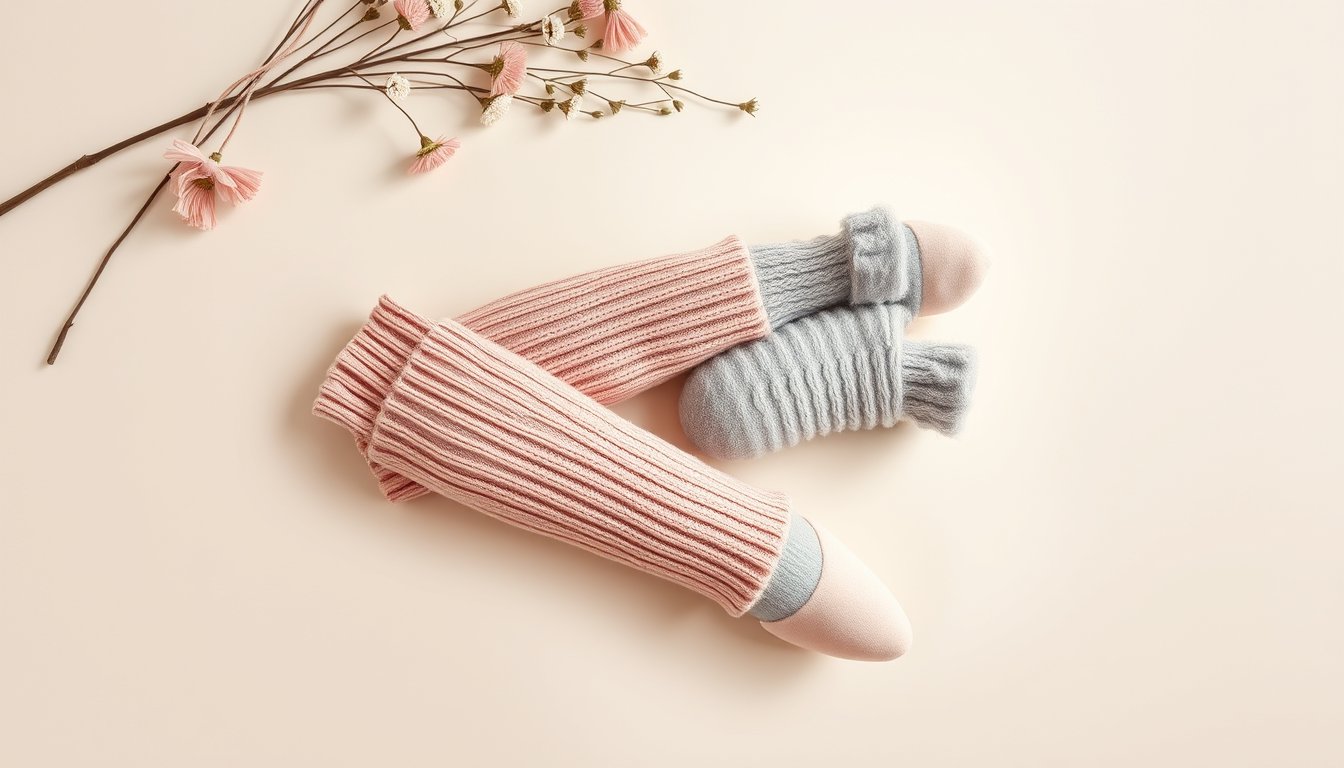
Ballet leg warmers are long knitted tubes worn over tights, starting at the ankle and reaching the knee or above. They are pulled on before class and removed once the body is warm, usually after the barre section.

Why dancers use them

  • Keep the calf and thigh muscles warm before class begins
  • Reduce the risk of muscle strain in cold studios
  • Standard kit at most dance schools for teen and adult students

What to look for

  • Knitted ribbed fabric that holds its shape
  • Long enough to cover the calf fully — short leg warmers slip down during movement
  • Color: black is standard and matches any leotard; pink is also traditional

Warm-Up Booties

Warm-up booties (also called dance booties or shoe warmers) are soft fleece or knitted covers that slip over the ballet shoe. They cover the foot and ankle and are removed before any work that requires feeling the floor through the sole of the shoe.

Why dancers use them

  • Keep the feet warm at the start of class, especially in cold studios or in winter
  • Protect the feet during floor stretches and exercises at the beginning of class
  • Can be worn over pointe shoes during warm-up to keep the feet supple

What to look for

  • Soft, flexible material that does not restrict the foot
  • A grip sole or suede patch underneath to prevent slipping
  • Easy to pull off quickly — teachers often ask students to remove them partway through the barre

Do You Need Both?

Most adult and teen dancers use both. Leg warmers are the more essential of the two for most class environments — cold legs are a more common problem than cold feet. Warm-up booties are especially valued by dancers who train in cold studios or who do a lot of floor work at the beginning of class.

Are They Part of the RAD Uniform?

No. Leg warmers and warm-up booties are warm-up accessories and are not part of the RAD examination uniform. They should be removed before an exam begins. Check with your teacher about whether they are allowed during graded class warm-ups — policies vary by school.

See our warm-up clothes guide for a full overview of what to wear before and after class, or browse our shop for current warm-up options.

Frequently Asked Questions

Do I need both leg warmers and warm-up booties?

You do not need both to start — leg warmers are the higher priority because they protect the calf and ankle muscles, which are heavily used in ballet. Booties are a nice addition for pointe students who need extra foot warmth before they put their shoes on.

Can warm-up booties be worn over pointe shoes?

Yes — booties are specifically designed to slip over the shoes. They keep the feet warm between exercises at the barre and prevent the shoes from getting cold and stiff. Remove them before jumping or center work.

How do I choose the right size of warm-up booties?

Booties should fit snugly over your ballet shoes without being tight enough to compress the foot or restrict blood flow. Most brands size them to fit over their own or generic ballet shoe sizes — measure the widest part of your shoe-clad foot.

nn

Shop at ZoeDancewear

Ballet Leg Warmers u2014 classic knit design — worn over the calf and ankle for barre warm-up. Free shipping over $99 to the US.
Posted on

Ballet Wrap Sweater vs Ballet Cardigan: Which Warm-Up Top Should You Buy?

Ballet Wrap Sweater vs Ballet Cardigan: Which Warm-Up Top Should You Buy?

A ballet wrap sweater and a ballet cardigan both serve the same basic purpose: keeping a dancer warm during the early part of class before the body heats up. The difference is in how they fasten and how they fit. A wrap sweater crosses at the front and ties at the waist; a cardigan buttons or zips and hangs more loosely.

Short answer: A ballet wrap sweater and a ballet cardigan both serve the same basic purpose: keeping a dancer warm during the early part of class before the body heats up.

What Is a Ballet Wrap Sweater?

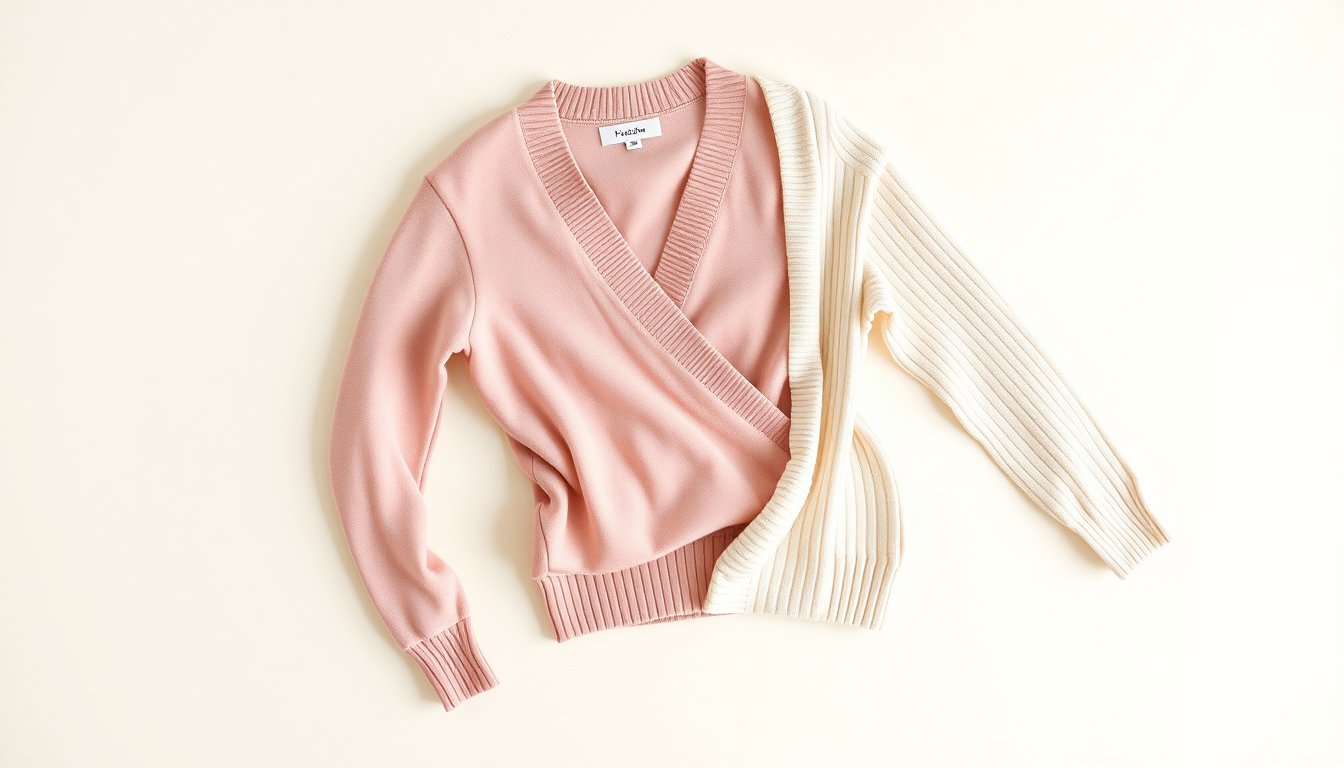
A ballet wrap sweater (also called a wrap top or crossover sweater) is made from stretchy knit fabric and wraps across the chest, fastening with a tie at the back or side. It sits close to the body and stays in place during movement. Most ballet wrap sweaters are designed to be worn over a leotard and removed during class without disturbing the uniform underneath.

Best for

  • Students who want a neat, fitted look at the barre
  • Classes where teachers prefer students to look tidy during warm-up
  • Dancers who like the look of a wrap silhouette

What Is a Ballet Cardigan?

A ballet cardigan is a knitted cover-up that opens at the front, usually with buttons or a zip. It is looser fitting than a wrap sweater and easier to pull on and off quickly. Some ballet cardigans are long-line styles that cover the hips; others are cropped at the waist.

Best for

  • Dancers who get cold between exercises and need to put something on quickly
  • Students who prefer a relaxed, less structured fit
  • Dancers who also wear their cover-up on the way to class

Key Differences at a Glance

Wrap Sweater Cardigan
Fastening Tie at back or side Buttons or zip
Fit Close-fitting Relaxed
Removes during class Easy (untie) Very easy (unbutton/unzip)
Looks tidy over leotard Yes Depends on style
Suitable for barre work Yes Usually yes

Which Should You Choose?

If your school has a specific warm-up policy, check with your teacher first. Many RAD schools allow either style. If you are buying for a young student, a cardigan is easier to manage independently because it does not require tying. For teen and adult students who want a professional look at the barre, a wrap sweater is the more traditional choice.

In terms of color, black is the most versatile option and works with any leotard color. Dusty pink and grey are also popular choices that stay looking clean through a term of classes.

Care and Washing

Both styles are typically machine washable at 30 degrees. Turn inside out before washing, and air dry to maintain the shape of the knit. Do not tumble dry — heat causes knitted fabrics to shrink and lose their shape.

Browse our shop for current warm-up options, or see our warm-up clothes guide for more on what to wear before and after class.

Frequently Asked Questions

What is the main practical difference between a wrap sweater and a cardigan for ballet?

A wrap sweater ties at the waist so it stays in place during movement and gives a tailored look over the leotard. A cardigan hangs open and is easier to take on and off quickly, which makes it practical for removing between exercises.

Can a regular fashion cardigan be used as a ballet warm-up?

A thin, close-fitting fashion cardigan can work in a casual class. For everyday use, a proper dance cardigan made from ribbed knit is better — it is cut to allow full arm movement without restricting the shoulders.

Which style keeps dancers warmer — a wrap top or a cardigan?

A wrap top that ties at the waist covers the core more thoroughly and holds heat in better than an open cardigan. For very cold studios, a wrap top or a zip-front dance jacket is warmer than an unbuttoned cardigan.

nn

Shop at ZoeDancewear

Ribbed Knit Ballet Cardigan u2014 long-sleeve knit cardigan, warm, stretchy and easy to move in. Free shipping over $99 to the US.
Related guide: What Is a Ballet Wrap Top? Complete Guide to Styles, Fabric & Fit — covers materials, fit, sizing and care for all warm-up layer styles.

Posted on

Canvas vs Leather Ballet Shoes: Which Is Better for Class and Exams?

Canvas vs Leather Ballet Shoes: Which Is Better for Class and Exams?

Canvas ballet shoes are lighter, more flexible and easier to machine-wash. Leather ballet shoes are more durable, mould to the foot over time and give a cleaner line through the arch. For most RAD grade students, canvas is the more practical choice — but the right answer depends on the dancer’s level and school requirements.

Short answer: Canvas ballet shoes are lighter, more flexible and easier to machine-wash. Leather ballet shoes are more durable, mould to the foot over time and give a cleaner line through the arch.

Canvas Ballet Shoes

Advantages

  • Lightweight — less resistance, easier to point the foot fully
  • Flexible from day one — no breaking-in period
  • Machine washable — practical for young students who wear shoes every week
  • Lower cost — usually cheaper than leather equivalents

Disadvantages

  • Wear out faster than leather, especially through the sole
  • Stretch with use — a snug fit when new may become loose within a term
  • Not as durable for daily use at higher training levels

Leather Ballet Shoes

Advantages

  • Durable — last significantly longer than canvas for frequent users
  • Mould to the foot — become more comfortable with wear as the leather softens
  • Good arch definition — leather holds a shape that shows the foot line clearly
  • More stable — less stretching over time

Disadvantages

  • Stiffer when new — need a breaking-in period
  • Heavier than canvas
  • Cannot be machine washed — hand wash or wipe clean only
  • Usually more expensive

Full Sole vs Split Sole

Both canvas and leather come in full-sole and split-sole versions. Full-sole shoes have a single piece of suede across the whole sole and are generally recommended for beginners — they provide more resistance, which helps build the foot muscles needed for proper pointing. Split-sole shoes have two suede pads with a flexible arch section between. They show the arch line more clearly and are typically used at Grade 4 and above.

What Do RAD Schools Typically Require?

Most RAD schools use pink canvas full-sole shoes for Grades 1-3 and allow split-sole from Grade 4 onwards. Some schools specify leather for older students. Always confirm with your teacher before buying — the wrong sole or color can be an issue in an exam.

Buying Guide Summary

Canvas Leather
Best for Beginners, young students, frequent washers Advanced students, daily training
Lifespan One to two terms of weekly class One to two years with care
Flexibility Immediate Improves with breaking-in
Washing Machine washable Hand wash only
Price Lower Higher

Our size guide includes a conversion chart if you are ordering online. For other questions about RAD uniform, see our FAQ or contact us.

Frequently Asked Questions

Which type of ballet shoe lasts longer — canvas or leather?

Leather is more durable than canvas and usually outlasts it, especially for students who dance several times a week. However, leather takes longer to break in and does not mold to the foot as quickly as canvas.

Are canvas ballet shoes machine washable?

Canvas shoes can be washed in a mesh laundry bag on a cold, gentle cycle and air dried. Leather shoes must not be machine washed — clean them by wiping with a damp cloth and allow to air dry away from direct heat.

Which ballet shoe does RAD recommend for exams?

The RAD does not specify canvas or leather — either material is acceptable. Most RAD teachers recommend canvas for its flexibility and ease of care. Always confirm with your teacher what they prefer before buying.

nn

Shop at ZoeDancewear

Stretch-Canvas Ballet Shoes u2014 canvas split-sole — machine-washable and easy to break in. Free shipping over $99 to the US.
Posted on

Ballet Socks: When to Wear Them and How They Differ from Tights

Ballet Socks: When to Wear Them and How They Differ from Tights

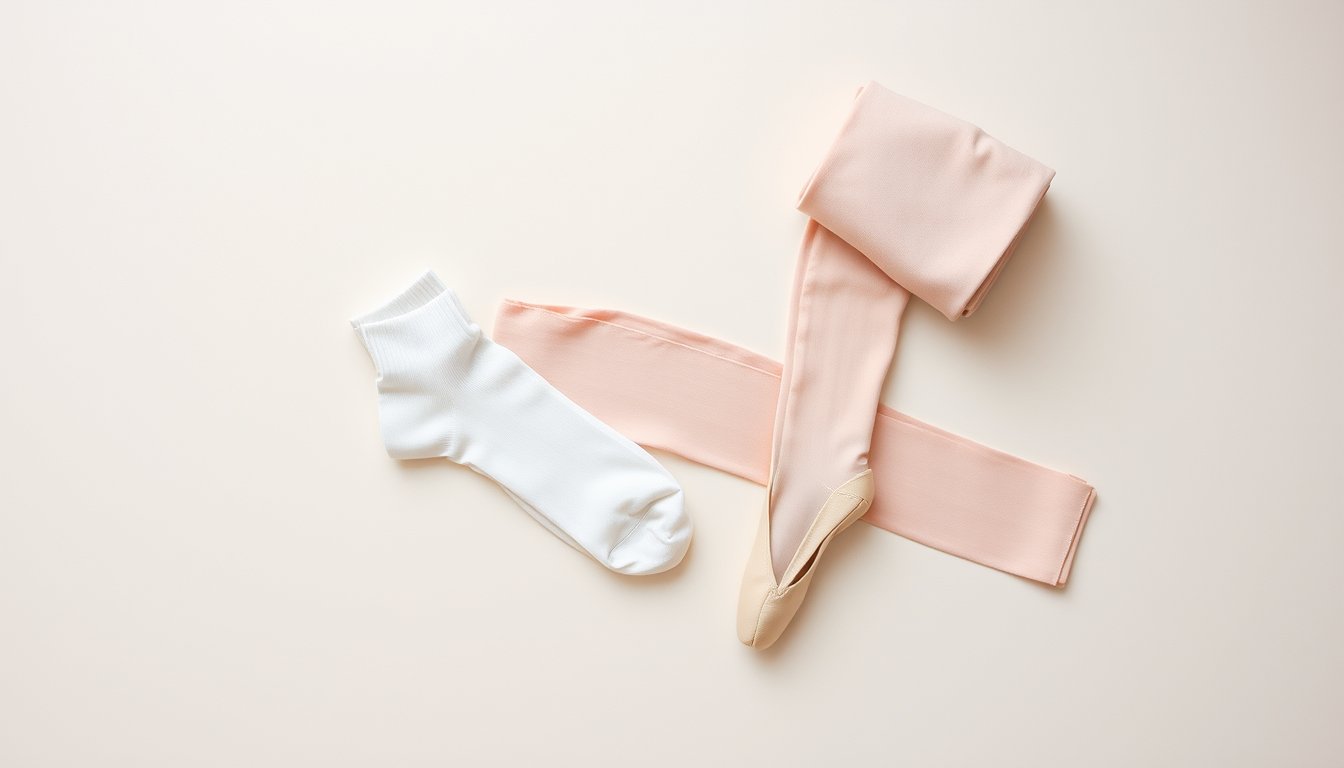
Ballet socks are thin, low-cut socks worn inside soft ballet shoes. They are not the same as ballet tights and serve a different purpose. Whether a dancer should wear socks or tights depends on the class level, school rules and the type of shoes.

Short answer: Ballet socks are thin, low-cut socks worn inside soft ballet shoes. They are not the same as ballet tights and serve a different purpose.

What Are Ballet Socks?

Ballet socks are ankle-length or no-show socks made from thin cotton or a cotton-blend fabric. They sit inside the ballet shoe and are not visible above the shoe line. Their main purpose is hygiene — they absorb sweat and protect the inside of the shoe — and a small amount of comfort and padding.

Ballet Socks vs Ballet Tights: What Is the Difference?

Feature Ballet Socks Ballet Tights
Coverage Foot and ankle only Full leg and body
Worn with Soft shoes (inside) Leotard (outside or underneath)
Visibility Hidden inside shoe Fully visible
RAD exam requirement Not required Required at most levels
Hygiene role Primary purpose Secondary purpose

Do RAD Students Need Ballet Socks?

RAD grade classes require tights as part of the official uniform — not socks. However, some teachers allow or recommend thin socks inside shoes for hygiene, especially for younger students whose feet sweat more. Always check your school’s dress code before adding socks to your kit.

When Ballet Socks Are Useful

  • Practice classes where tights are not required — some teachers run informal warm-up classes in which socks replace tights
  • Inside split-sole shoes — the gap in a split-sole shoe means bare skin touches the floor; a thin sock solves this
  • Hot weather — a thin sock can be more comfortable than full tights in summer
  • Inside new shoes — socks protect both the shoe interior and the foot while breaking in a new pair

What to Look For in a Ballet Sock

  • Thin profile — the sock should not bulk up inside the shoe or affect fit
  • Low cut — no-show or ankle styles stay hidden
  • Cotton or cotton-blend — breathable and absorbent
  • Color matched to shoe or skin tone — usually white or pink for ballet

For full RAD uniform requirements including tights, see our tights guide or browse our shop by level.

Frequently Asked Questions

Do you wear socks under ballet shoes?

Most dancers do not wear socks under ballet shoes — tights are worn instead and provide enough coverage and warmth. Bare-foot socks or thin low-cut socks are sometimes used in very young children's classes or when tights are not required.

What are grip socks used for in ballet?

Grip socks have rubber dots on the sole that prevent sliding on studio floors. They are most useful for barre fitness and Pilates-inspired ballet classes, and for floor exercises where barefoot work on a smooth floor can be slippery.

Can I wear regular sports socks to a ballet class?

Only if the school specifically allows it. Thick sports socks prevent the foot from feeling the floor properly, which is important in ballet for developing foot articulation and pointing the foot correctly.

Shop at ZoeDancewear

Pink Ballet Ankle Socks — soft high-stretch nylon, fold-over cuff, available in S and M. Free shipping over 9 to the US.

Posted on

What Fabric Is a Ballet Leotard Made Of? Polyester, Nylon and Cotton Explained

What Fabric Is a Ballet Leotard Made Of? Polyester, Nylon and Cotton Explained

Most ballet leotards are made from a blend of polyester and elastane (also called Lycra or spandex). This combination gives the stretch, shape retention and color fastness that dance class demands. Some leotards use nylon instead of polyester, and a minority use cotton — each has trade-offs.

Short answer: Most ballet leotards are made from a blend of polyester and elastane (also called Lycra or spandex).

Polyester-Elastane: The Most Common Fabric

The majority of ballet leotards — including most RAD examination uniform — are made from a polyester-elastane blend, typically 80-90% polyester with 10-20% elastane.

What polyester does

  • Holds its shape wash after wash without pilling
  • Retains color — a burgundy Grade 3 leotard will still look burgundy after two years of class
  • Dries quickly after washing or sweating
  • Is easy to care for at low temperatures

What elastane adds

  • Four-way stretch so the leotard moves with the dancer
  • Recovery — it returns to its original shape after stretching
  • A smooth, flat appearance under stage or exam lighting

Nylon-Elastane

Nylon is softer against the skin than polyester and has a slightly silkier feel. Leotards made from nylon-elastane tend to be more expensive. Performance is very similar to polyester-elastane, though nylon can be slightly less color-stable over time with repeated washing.

Cotton and Cotton Blends

Some practice leotards use cotton or a cotton-elastane blend. Cotton is breathable and soft but absorbs sweat, takes longer to dry and can stretch out of shape over time. Cotton leotards are generally not recommended for examination wear because they do not hold their shape as consistently under movement.

What to Look for on a Label

  • Elastane content of at least 10% — less than this and the leotard will not recover its shape after stretching
  • Polyester or nylon as the main fibre — this gives color fastness and durability
  • Machine-washable at 30 degrees or below — most modern dance fabrics are, and a low temperature protects color and fibre

How to Care for a Polyester Leotard

  • Wash at 30 degrees or cold, inside out
  • Do not use fabric softener — it degrades elastane fibres over time
  • Air dry rather than tumble dry — heat breaks down elastane and can cause the leotard to lose stretch
  • Do not iron directly on the fabric

Does Fabric Matter for RAD Exams?

RAD examination centers check color and style, not fabric composition. However, a leotard that loses its color, pills or stretches out of shape before an exam is a practical problem. A polyester-elastane blend holds up best over a full academic year of weekly classes.

Browse our full range of RAD ballet uniform sets, or check our size guide if you are unsure which size to order.

What does “stretch dancewear” mean?

Stretch dancewear is clothing made from fabric that stretches in at least one direction, usually nylon or cotton blended with spandex (also called elastane or Lycra). The stretch lets the garment move with the body and return to shape. When you buy, check the fabric label and the way the fabric recovers, so the garment does not bag at the knees or sag at the seat.

Frequently Asked Questions

Is polyester or nylon better for a ballet leotard?

Both are good, but nylon tends to be softer against the skin and holds its color well. Polyester is more resistant to chlorine and UV if the leotard is worn outdoors. For dance class, the main factor is the elastane content — 15 to 20 percent gives good stretch.

Can a ballet leotard be made from cotton?

Yes, but pure cotton has less stretch recovery than synthetic blends and tends to sag and lose shape over time. A cotton-lycra blend keeps the comfort of cotton while maintaining the fit. Pure cotton leotards are more common for very young children.

Why do some ballet leotards pill after washing?

Pilling happens when fibers break down due to friction in the wash. Turning the leotard inside out, washing in a mesh laundry bag on a gentle cycle, and air drying instead of tumble drying significantly reduces pilling.

Posted on

Ballet Gifts Under $30: Practical Ideas Dancers Actually Use

Ballet Gifts Under $30: Practical Ideas Dancers Actually Use

The best ballet gifts under $30 are the everyday essentials dancers go through quickly: bun supplies, belts, accessories and small props. This list focuses on things that get used in every class, not items that sit on a shelf.

Short answer: The best ballet gifts under $30 are the everyday essentials dancers go through quickly: bun supplies, belts, accessories and small props.

Under $10

Hair Bun Nets and Pins

Hair bun nets are the consumable a dancer always needs more of. They tear, go missing in changing rooms and get stretched out of shape. A pack of nets and a packet of U-shaped pins makes a sensible stocking filler. Cost: under $5.

Ballet Socks

Thin ballet socks are worn inside soft shoes for hygiene and comfort. Young dancers go through them quickly. A pack of three in white or pink is always useful and costs well under $10.

Hair Donut Former

A foam or fabric donut former helps create a neat, full-looking bun without the effort. They come in sizes matched to the dancer’s hair volume and color. Under $5 and genuinely useful.

$10-$20

Pom-Poms (Pair)

For RAD Early Years and Foundation students, pom-poms are used in class and show routines. A pair of metallic pom-poms in red, blue or purple makes a fun, practical gift at $9.99. See our Pom-Poms for available colors.

Ballet Belt

RAD Grades 1-8 students need an examination belt in their grade color. If you know the dancer’s current grade, a belt is one of the most useful gifts you can give. It is required for exams and many class sessions. Belts typically cost $10-$15 and have a long lifespan if cared for.

Bun Cover

A bun cover snaps over the finished bun to keep it neat during class and exams. They wear out over a term or two, so a spare is always appreciated. Choose a color that matches the dancer’s hair.

$20-$30

Warm-Up Booties

Warm-up booties slip over ballet shoes and keep a dancer’s feet warm during floor exercises and the early part of barre work. Most dancers who try them never go back. Cost: around $20-$25.

Ballet Leg Warmers

Knitted leg warmers are standard kit for teen and adult dancers and are worn in almost every class. Buy in black or pink for maximum versatility. Cost: around $15-$25.

A Drawstring Dance Bag

A lightweight drawstring bag is useful for separating shoes or carrying a spare uniform to class. Our Drawstring Ballet Backpack fits shoes, a leotard and basic accessories comfortably.

How to Choose the Right Gift

  • Check what RAD grade the dancer is in — belts and some leotard colors are grade-specific
  • For accessories like leg warmers, black is always a safe color choice
  • For bun supplies, ask a parent what color nets and pins they currently use

If you need help matching a gift to a specific grade, our FAQ and size guide are a good starting point, or contact us directly.

Frequently Asked Questions

What ballet accessories cost under $15 and are always useful?

Hair bun nets (sold in packs), a pack of bobby pins, ribbon for sewing onto ballet shoes, and no-show ballet socks are all under $15 and get used up. These are the best small gifts for a dancer at any level.

Are ballet grip socks a good gift under $30?

Yes. Barre grip socks are a practical and often-overlooked gift. They are useful for barre fitness and Pilates as well as ballet, and a good pair in a dancewear-appropriate color makes a thoughtful present.

What ballet prop makes a fun gift for a young dancer?

Pom-poms are used in RAD Early Years and Foundation exams and are a delightful gift for young children. Choose ones made for dance use — a proper pair in the required colors for the child's level adds to their class kit.

nn

Shop at ZoeDancewear

Nutcracker Figure u2014 a beautiful keepsake for ballet fans at an affordable price. Free shipping over $99 to the US.
Posted on

What to Buy a Ballet Dancer for Christmas: Practical Gift Ideas

What to Buy a Ballet Dancer for Christmas: Practical Gift Ideas

If you are buying a Christmas gift for a ballet dancer, the most useful presents are the consumables and accessories they use every single week — not the decorative ballerina items that pile up on a shelf. This guide focuses on practical gifts a dancer will genuinely use in class.

Short answer: If you are buying a Christmas gift for a ballet dancer, the most useful presents are the consumables and accessories they use every single week — not the decorative ballerina items that pile up…

Gifts That Get Used at Every Class

Hair Bun Supplies

Every student with long hair needs a tidy bun for class and exams. Hair bun nets disappear constantly, pins get lost and bun covers wear out. A small basket of bun supplies — nets in two sizes, a pack of pins, a bun cover and a donut former — is always welcome and always needed. This kind of gift is especially good for younger students whose parents are still learning to do a bun.

Ballet Belt

Students in RAD Grades 1-8 need a specific examination belt in their grade color. If the dancer is moving into a new grade in January, a belt is a Christmas gift that is immediately useful and might otherwise be forgotten until the last minute before an exam.

Pom-Poms for Early Years and Foundation Students

RAD Early Years and Foundation classes use pom-poms in creative movement and prop exercises. Our Pom-Poms (available in red, blue and purple) are sold as a pair for $9.99. They make an excellent practical gift for a young dancer: bright, fun and used in actual class.

Gifts a Dancer Will Remember

A Good Dance Bag

Most dancers outgrow their first bag quickly. A well-made tote or backpack with space for shoes, uniform, water and snacks is a gift that lasts for years. Our Bow-Detail Ballet Tote and Drawstring Ballet Backpack are both sized for a full class kit.

A Wrap Top or Cardigan

A ballet wrap sweater or knit cardigan is the item most adult and teen dancers say they wish they had bought sooner. It is worn during the barre warm-up, over the leotard between exercises and in the changing room. Buy in black or grey for maximum use.

A Leotard in a Grade-Appropriate Color

If you know the dancer’s grade and school dress code, a leotard in the correct grade color is a genuinely useful gift. Our shop organises uniform sets by level so you can find the right grade quickly. Check our size guide before ordering — ballet sizing runs small compared with everyday clothes.

Gifts to Avoid at Christmas

  • Pointe shoes: always require a professional fitting and teacher approval. Never buy as a surprise.
  • Ballet shoes: also need an in-person fitting. A gift card toward shoes is much safer.
  • Costumes from online marketplaces: often do not match school or exam color requirements.

When in Doubt, Ask

A quick message to the dancer’s teacher before you buy could save you from getting the wrong color or the wrong grade. Most teachers are happy to confirm what a student needs. Alternatively, our contact page is open if you need help identifying the right uniform for a specific RAD grade.

Frequently Asked Questions

What consumable ballet gifts work for any dancer?

Hair nets, bobby pins, and a spare pair of tights in the correct color are used up every term and always needed. These small items may seem modest but are genuinely useful, especially if bought in multi-packs.

What is a good ballet gift for a dancer who is starting pointe?

Toe pads or ouch pouches, a small roll of medical tape for the toes, and a new pair of ribbon and elastic to sew onto their shoes are all practical gifts for a dancer starting pointe work.

Can you buy ballet class vouchers as a Christmas gift?

Yes — many dance schools sell gift vouchers for classes. This is one of the most useful gifts for a dancer, especially for adult beginners who want to try ballet. Check whether your local studio offers them.

nn

Shop at ZoeDancewear

Nutcracker Figure u2014 a timeless ballet Christmas gift for dancers of any age. Free shipping over $99 to the US.
Posted on

Best Gifts for Ballet Dancers (2025): Ideas for Every Budget

Best Gifts for Ballet Dancers: Ideas for Every Budget

The best gifts for ballet dancers are practical items they use every week: quality dancewear, accessories and tools that make class easier. Decorative gifts are nice, but dancers genuinely appreciate things they actually need.

Short answer: Hairnets, leg warmers, and a good dance bag are the most used gifts. For higher budgets, a ribbed knit cardigan or turning board will be used for years.

Quick picks by budget

  • Under $20: hair bun nets, bobby pins, snap clips, barre socks, toe tape
  • $20–$50: leg warmers, practice tutu skirt, tulle arm cuffs, dance pom-poms, knee pads
  • $50 and above: ribbed knit cardigan, ballet turning board, dance bag

Gifts for ballet dancers under $20

Ballet hairnets

Every ballet dancer needs hairnets for every single class. A standard bun requires at least two per session and they disappear quickly. A multi-pack in the dancer’s hair colour — black, brown or blonde — is one of the most practical small gifts you can give and will be used immediately.

Bobby pins and snap clips

Bobby pins and snap clips are consumed at the same rate as hairnets in most dance bags. A generous supply in neutral colours covers most needs. Bun covers and bun formers are also worth including.

Barre socks (grip socks)

Sticky-grip barre socks are used in studio warm-ups, barre fitness classes, and home practice. Dancers go through them quickly — a fresh pair is always welcome.

Toe tape

Professional and pre-professional dancers use toe tape to protect their toes during long rehearsals and pointe work. It is specific enough that most non-dancers do not think to buy it, which makes it a genuinely considered gift.

Ballet gifts from $20 to $50

Ballet leg warmers

Leg warmers are one of the most universally appreciated gifts for ballet dancers at any level. They are worn over tights during warm-up in cooler studios and most dancers cycle through several pairs every season. A ribbed knit pair in black or a warm neutral is always useful.

Dance pom-poms

For younger dancers who enjoy performance pieces, a set of dance pom-poms is a genuinely exciting gift used in RAD Early Years and Foundation classes. Choose colours that match the dancer’s studio uniform.

Ballet tulle arm cuffs

Tulle arm cuffs are a newer ballet accessory that works both in class and for recital styling. Available in 15 colours, they are a low-cost gift that looks considered and is genuinely useful for end-of-year performances.

Practice tutu skirt

A soft mesh rehearsal skirt adds variety to studio wear and is often not something dancers buy for themselves. Romantic-length tutus in dusty pink or white work for adults; shorter styles suit younger dancers rehearsing for a show.

Ballet gifts from $50 and above

Ribbed knit ballet cardigan

A well-made ribbed knit ballet cardigan is the kind of gift a dancer uses every single session. A neutral colour with a waist tie works over any leotard and lasts for years with proper care.

Ballet turning board (pirouette board)

A pirouette turning board is one of the most practical training tools for intermediate and advanced students who practise at home. It simulates the slip of a studio floor on wooden or carpeted surfaces. It suits dancers from about RAD Grade 3 upward who are actively working on their pirouettes.

Dance bag

Dancers carry a lot: shoes, tights, hairnets, spare leotard, water bottle, snacks. A spacious bag with a separate shoe pocket is used at every class and rehearsal. Our Bow-Detail Ballet Tote is designed to fit a full uniform set.

Gifts for dance teachers

Dance teachers are often overlooked. The most appreciated gifts tend to be practical:

  • A quality insulated cup or thermos — teachers run consecutive classes with no breaks
  • A gift card to a dancewear retailer — teachers buy their own practice clothes and replace them often
  • A contribution toward new studio props or accessories

Avoid generic “best teacher” branded items — most teachers receive these in large quantities. A handwritten note from the student alongside a practical gift is almost always the most valued combination.

What to avoid

  • Pointe shoes: Never buy these as a gift. Pointe shoes must be professionally fitted and cleared by the dancer’s teacher. A gift card is much safer.
  • Shoes without fitting: All ballet shoes must be fitted in person. Gift a card toward a shoe fitting instead of guessing the size.
  • Specific branded dancewear: Unless you know the dancer’s exact size in that brand, a gift card is safer than guessing a leotard.
  • Food gifts: Some dancers have dietary requirements or restrictions connected to training. Food gifts can feel loaded when body image is a sensitive subject.

Frequently asked questions

What do ballet dancers need most?

Hairnets, leg warmers, and a practical dance bag are the most widely used gifts for ballet dancers at any level. Hairnets and bobby pins are consumed constantly, leg warmers wear out each season, and a good bag is used at every single class. For higher budgets, a ribbed knit cardigan or pirouette turning board will be used for years.

What is a good gift for a ballet dancer under $20?

A multi-pack of hairnets in the dancer’s hair colour is the single most practical gift under $20 — used immediately and never wasted. Bobby pins, snap clips, and barre socks are close seconds. Toe tape is a great choice for pre-professional or advanced dancers.

Can I buy pointe shoes as a gift?

No. Pointe shoes must be professionally fitted in person at a specialist dance store. Buying them as a gift, even in the right size, can result in the wrong shape for that dancer’s foot. A gift card to a specialist dancewear retailer gives the dancer the freedom to buy the right pair with professional guidance.

What gifts do ballet dance teachers actually want?

A quality insulated cup or thermos, a gift card to a dancewear retailer, or a contribution toward studio props are all genuinely appreciated. Handwritten notes from students are remembered long after the gifts themselves. Avoid scented items and generic branded gifts — teachers receive these in large quantities each year.

What is a good ballet gift for a teenager?

A pirouette turning board is ideal for a teen who practises at home — it is useful, specific to ballet, and genuinely exciting for dancers who are serious about their technique. For a less technical gift, tulle arm cuffs or a quality dance bag works at any level.

Are ballet gifts appropriate for birthdays and Christmas?

Yes. Ballet accessories suit any occasion — dancers use them throughout the year and replace them regularly. Hairnets and barre socks work as stocking fillers; a cardigan or turning board makes a strong birthday or Christmas main gift for a dancer who is actively training.

Posted on

Where to Buy Ballet Shoes: Near Me vs Online, and How to Get the Right Fit

Where to Buy Ballet Shoes: Near Me vs Online, and How to Get the Right Fit

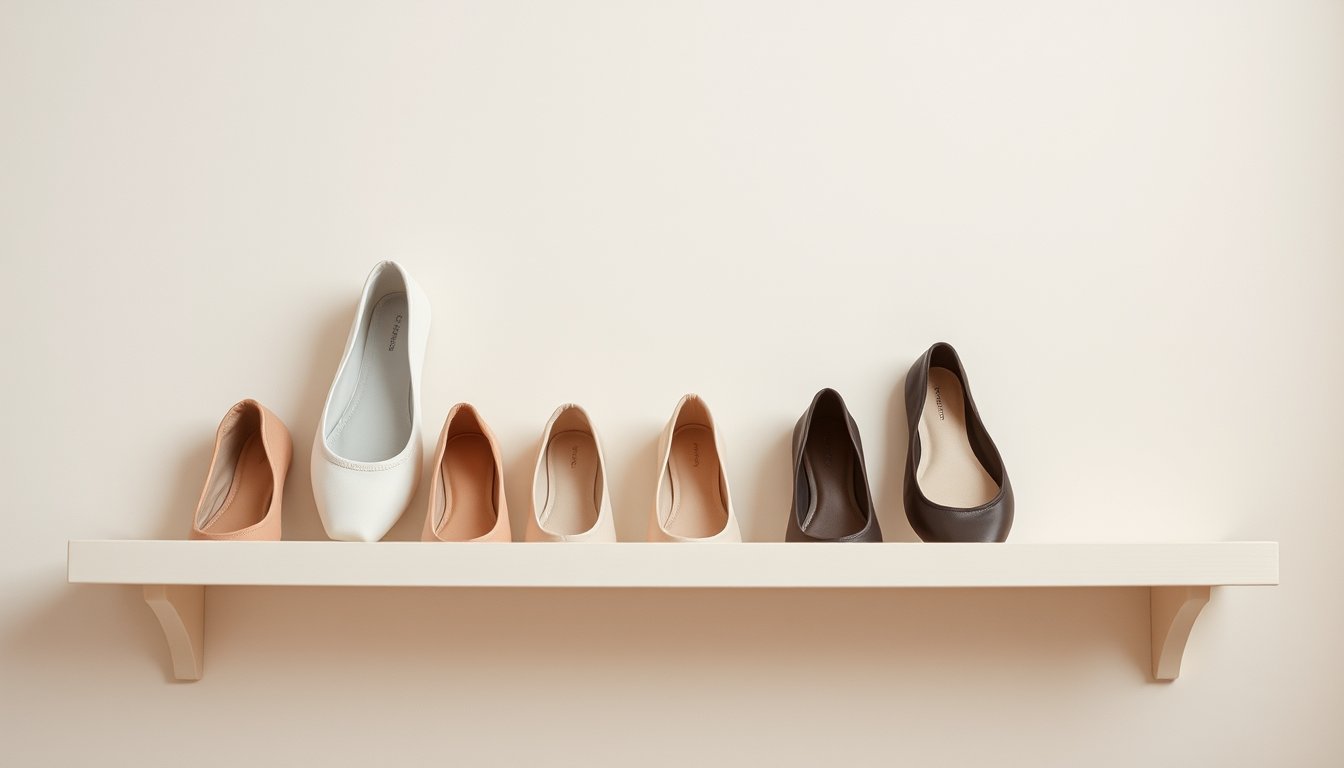
Short answer: you can buy ballet shoes at a local dance shop, where a fitter can check the fit in person, or online, where you measure your foot at home and choose from a size chart. Beginners and growing children are often fine online if they measure carefully. If the school names a style or color, check that first.

Should I buy ballet shoes near me or online?

Local dance shop Online
Fit check A fitter looks at the foot in person You measure at home
Choice The styles in stock A wider range of styles and colors
Price Often higher Often lower
Convenience Travel and opening hours Delivered to your door
Exchange Quick, in person Needs shipping time

If you are a first-time buyer with no idea where to start, a visit to a local shop can help. If you already know your size, or you are replacing a pair, online is quick and easy.

How do I measure for ballet shoes?

  1. Measure in the afternoon. Feet are slightly larger later in the day.
  2. Stand on a sheet of paper with your heel against a wall and your weight evenly on both feet.
  3. Mark the longest toe. This is usually the big toe, but for some people it is the second toe.
  4. Measure from the wall to the mark. Measure both feet, and use the longer one.
  5. Compare the length to the size chart. If you are between sizes, or have a wider foot, choose the next size up.

How should ballet shoes fit?

  • Snug, like a second skin. The shoe should hold the foot without squeezing.
  • Toes flat. The toes should lie flat and not curl up.
  • No gaps at the heel. The heel should not slip.
  • Room to grow only a little. Too much room makes the shoe bag and slip, which is harder to dance in.

What type of ballet shoe should a beginner choose?

Most beginners wear soft ballet shoes, also called ballet slippers, in canvas or leather, with a flexible sole. Canvas is soft and often easier to fit on a growing foot, and leather is durable. Our stretch-canvas ballet shoes have cross elastics and a suede sole for indoor studio practice, in sizes 23 to 41.

What should I check before I buy?

  • Ask your teacher whether the school needs a certain color or style.
  • Check how the elastics are attached, and whether they come attached already.
  • Check the return and exchange policy, in case the size is wrong.
  • Measure again if the child has grown since the last pair.

How often do children need new ballet shoes?

Children’s feet grow quickly, so check the fit every few months, and replace the shoes when the toes press against the front, the sole splits or the elastics stretch out. Wear them only in the studio, to keep the sole in good shape.

Common mistakes when buying ballet shoes

  • Buying too big to grow into them. Loose shoes slip and make balance harder.
  • Measuring only one foot. Feet are often slightly different sizes, so check both.
  • Ignoring the school’s rules. Some schools ask for a certain color or sole.
  • Wearing shoes outdoors. Dirt and wet ground damage the sole.

If you are shopping for a growing child, our first ballet class guide and ballet bag checklist show what else to buy at the same time.

Frequently Asked Questions

Is it safe to buy ballet shoes online without trying them on?

Yes, if you measure the foot carefully according to the brand's instructions. Measure both feet, use the larger measurement, and follow the brand's size chart. Many online retailers offer free returns so you can exchange if the fit is off.

What is the difference between buying ballet shoes locally versus online?

A local dance shop gives you a trained fitter who can check the width, arch and heel fit in person — invaluable for children whose feet are still developing or for a first pair of pointe shoes. Online offers more choice and often lower prices.

Should I buy ballet shoes in my child's current shoe size?

No. Ballet shoe sizing is independent of street shoe sizing and most brands run differently. Always measure the foot fresh using the brand's measurement guide rather than converting from a regular shoe size.

nn

Shop at ZoeDancewear

Stretch-Canvas Ballet Shoes u2014 soft pink canvas split-sole slippers, shipped worldwide. Free shipping over $99 to the US.
Posted on

Ballet Accessories: What Every Dancer Needs for Class, Exams and Gifts

Ballet Accessories: What Every Dancer Needs for Class, Exams and Gifts

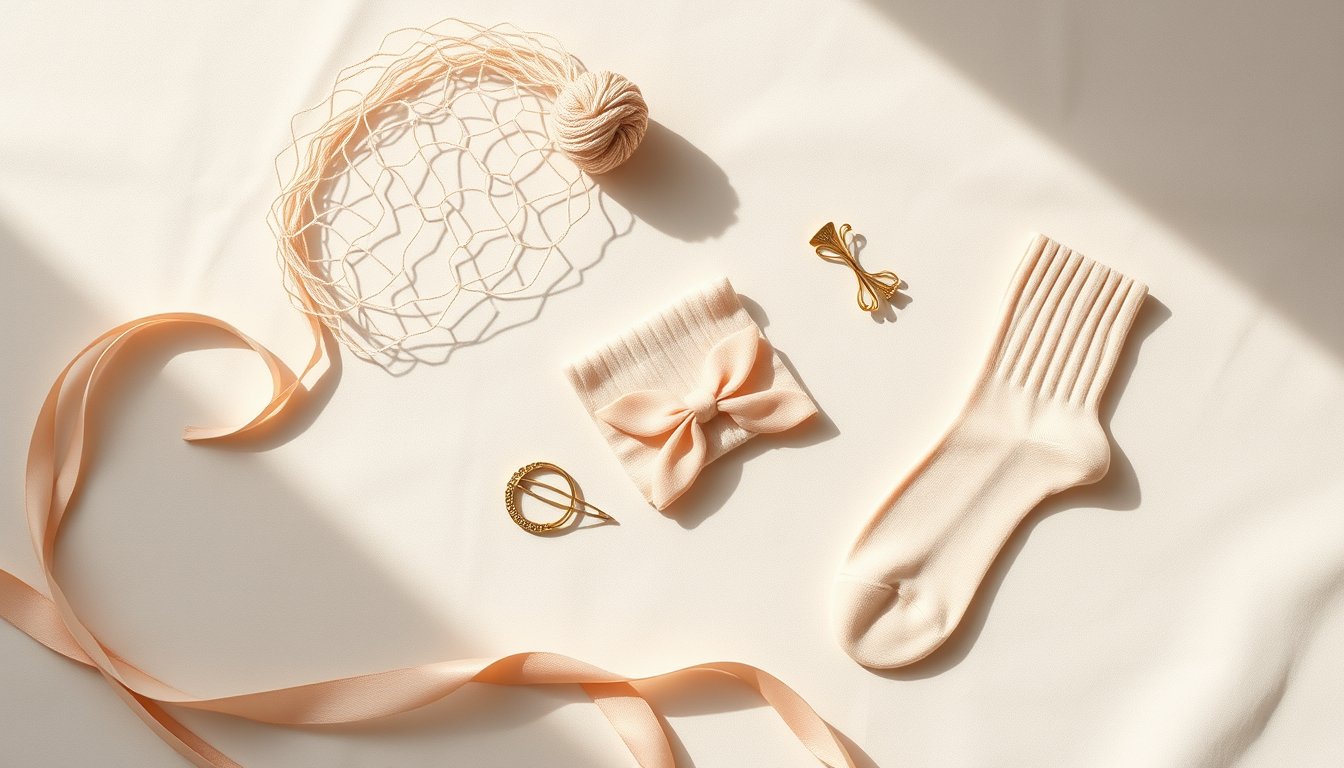
Short answer: ballet accessories are the extras that go with the uniform: hair supplies, a waist belt or ribbon, warm layers, a bag, and for younger dancers props for creative movement. A beginner needs only a few. Add the rest as the dancer moves to exams, performances and more advanced classes.

What ballet accessories does a dancer need?

Accessory What it is for Who needs it
Hair supplies A neat bun: hair ties, pins, a hairnet Everyone with long hair
Waist belt or ribbon Defines the waist, and in some schools shows the level Students whose school uses one
Warm layers Wrap top, cardigan, leg warmers Cold studios and long classes
Dance bag Carries the uniform and shoes Everyone
Props Ribbons, wands, hoops, shakers for creative movement Young children
Exam extras Number bibs, certificate folder Dancers taking exams

What should a beginner buy first?

  1. The uniform and shoes your school asks for.
  2. Hair supplies for a neat bun.
  3. A dance bag to keep everything together.
  4. A warm layer, if the studio is cold.

Everything else can wait until your teacher asks for it.

What are the best accessories for young children?

Young dancers learn through play, so props are a favorite. Ribbons, wands, shakers, hoops and wings are used in creative movement classes to build rhythm, coordination and imagination. Browse our ballet props for options in many colors. Always choose props that are light and safe for the age of the child, and supervise play.

What accessories are useful for exams?

Dancers taking exams often need a neat waist belt or ribbon, number bibs for group exams and a folder for the certificate. Rules differ between schools and examination centers, so ask your teacher for the list. We are not affiliated with any examination board, and this guide is general advice.

What makes a good ballet gift?

  • For a young dancer: a prop set or a hair bow.
  • For a teen: a warm wrap top, leg warmers or a dance bag.
  • For a teacher: a hand bell, a certificate folder or a nutcracker figure.
  • For a student’s end-of-term gift: a stretch band or a training block for home practice.

How do I look after accessories?

Keep small items in a pouch inside the dance bag. Wash fabric items gently, and let them air dry. Keep ribbons and bows flat, so they keep their shape. Check props for loose parts before each use.

How do I choose quality accessories without overspending?

  • Buy the basics first. Hair supplies, a bag and a warm layer are used every week.
  • Choose plain colors that match the uniform and are easy to replace.
  • Check the size and the safety of anything a young child will hold or wear.
  • Wait for the teacher’s list before buying exam extras, because every school is different.

For the full class packing list, see our ballet bag essentials guide.

Frequently Asked Questions

What hair accessories does a ballet student absolutely need?

The essentials are hair ties, bobby pins (at least two packs to avoid running out), and a hair net that matches the dancer's hair color. A bun donut or former is helpful but not strictly essential for a beginner.

When does a ballet student need a waist belt?

Check the RAD grade requirements. In the RAD syllabus, an elastic waist belt in a specific color is introduced as a uniform item at certain grade levels. Your teacher's grade-specific uniform list will say when it is required.

What props are used in RAD Early Years ballet exams?

The most common RAD prop items for Early Years and Foundation levels are pom-poms, ribbons on sticks and garlands. The specific props are published in the RAD syllabus for each level, and your teacher will tell you exactly what is needed.

nn

Shop at ZoeDancewear

Ballet Stretch Band with Numbered Loops u2014 numbered loops help students track foot flexibility progress. Free shipping over $99 to the US.