Posted on

Toddler Ballet Outfit: What to Wear to a First Class

Toddler Ballet Outfit: What to Wear to a First Class

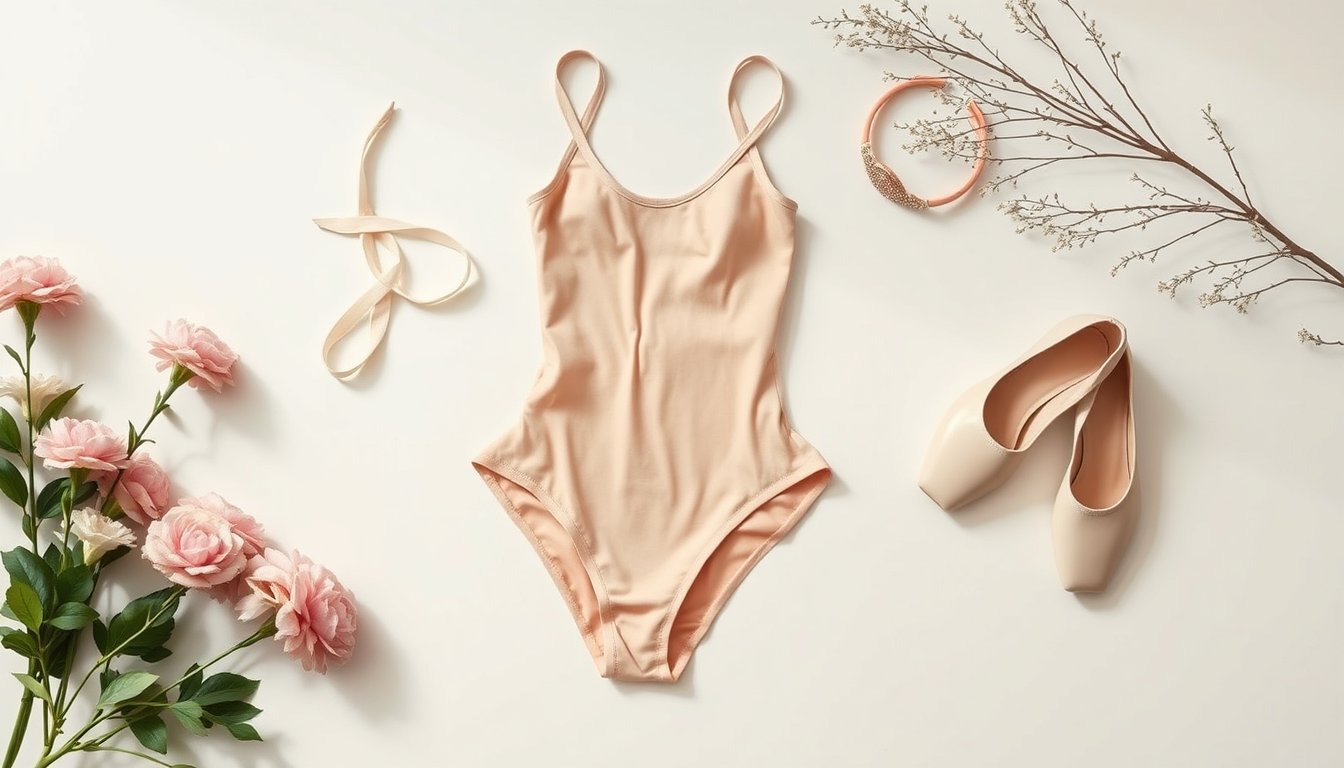
Short answer: a toddler usually wears a soft, comfortable leotard, ballet tights or footless tights and soft ballet shoes, with hair tied back. A light skirt is a popular extra. Choose pieces the child can pull on easily and that do not itch or pinch.

What does a toddler need for the first class?

Item What to look for
Leotard Soft cotton blend, snaps or an easy pull-on style, no scratchy labels.
Tights Ballet pink, a little room in the length, and a soft waistband.
Ballet shoes Soft, flexible, with elastics sewn on, and a snug fit.
Skirt Optional. A light tutu or chiffon skirt feels special for little dancers.
Hair A small bun or ponytail, off the face.

What if my toddler has never done ballet?

You do not need to buy everything on day one. For a trial class, comfortable leggings and a fitted top are usually fine. Many schools prefer to see how the child settles first. Ask the teacher what the school asks for, and start with the leotard and tights, which are the most important pieces.

How do I make dressing easy?

  • Choose elastic waists and pull-on styles that a child can manage.
  • Avoid tiny buttons, hooks and tight neck openings.
  • Label every item with the child’s name.
  • Dress your toddler at home, so you only need to put on shoes and a skirt at the studio.
  • Practice putting on the shoes together before the first class.

How do I pick the right size?

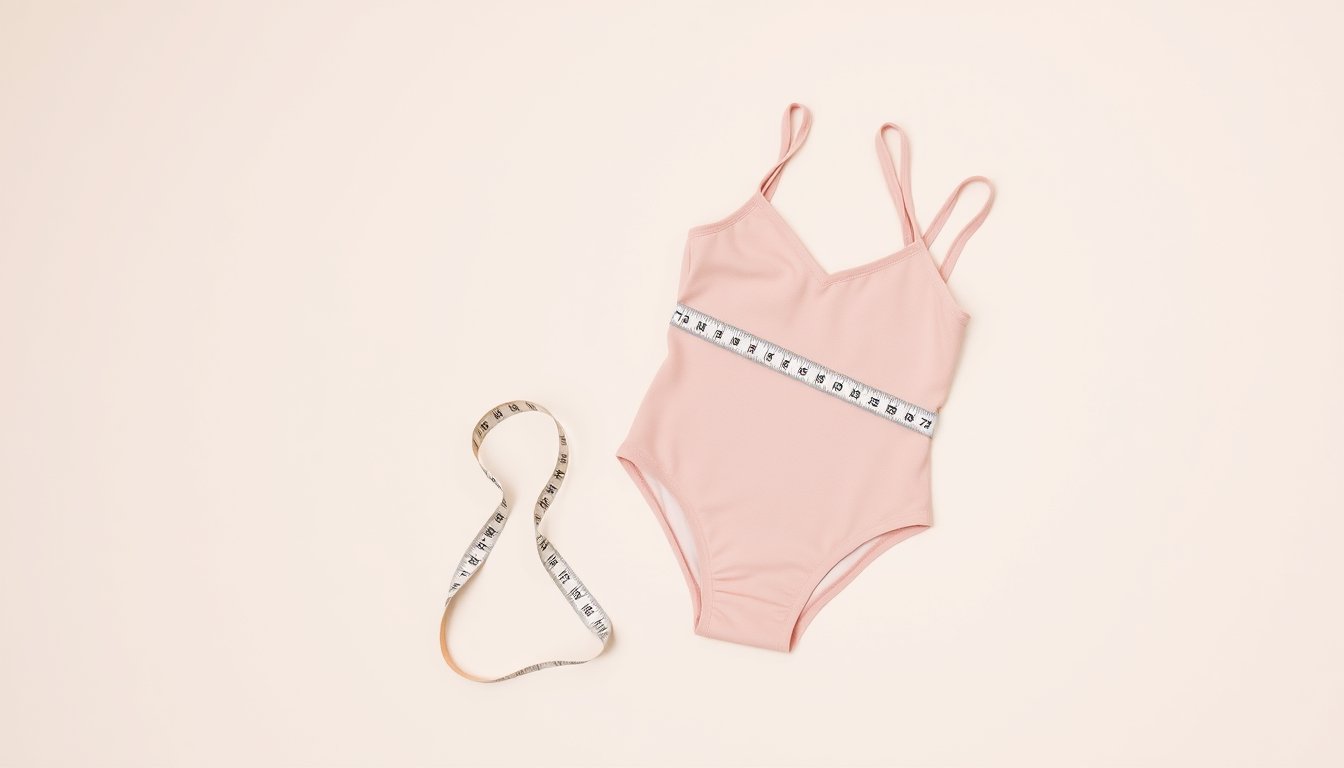
Toddlers grow quickly, so measure the child’s height and use the size guide. Leave a little room for growth, but do not choose a size that is too loose, because baggy fabric can trip a small dancer. If the child is between sizes, go up one. Our size guide lists height ranges for the youngest levels.

What about comfort and safety?

  • Check that the leotard has no loose threads or scratchy seams.
  • Make sure the shoes are not slippery on the studio floor.
  • Remove any necklaces, bracelets or clips that could snag.
  • Bring a small water bottle and a snack for after class.

How often will my toddler outgrow the uniform?

Often every six to twelve months. Check the fit at the start of each term, and choose a stretchy leotard that grows with the child for as long as possible. Hand-me-downs are common, so a neat, labeled uniform is easy to pass on.

What fabrics are best for toddlers?

Toddlers have sensitive skin, so choose soft cotton blends and flat seams. Avoid scratchy lace at the neckline and rough labels, which can irritate. Look for leotards with a snap closure at the crotch if the child is still learning to use the toilet independently, as it makes bathroom trips easier.

How do I get through a tricky first class?

  • Arrive early so your toddler can look around the studio.
  • Bring a favorite small toy for the car ride, not for class.
  • Let the child pick a leotard color if you have a choice.
  • Stay positive and keep goodbyes short.
  • Do a short dress rehearsal at home so the outfit feels familiar.

What does a class day look like?

Most toddler classes last about 30 to 45 minutes. They include warm-up games, simple steps, music and imagination, such as pretending to be butterflies. The focus is on fun, rhythm and listening, not technique. A comfortable outfit helps the child join in without distraction.

What about shoes?

Choose soft ballet shoes with a snug fit and elastics sewn on. Toddlers’ feet change fast, so check the fit each term. If your toddler struggles to put on shoes, practice at home first, or use shoes with a simple elastic strap.

See also: See our complete toddler ballet wear guide for a full checklist of what young beginners need for their first class.

What is a toddler leotard, and what is a toddler tutu?

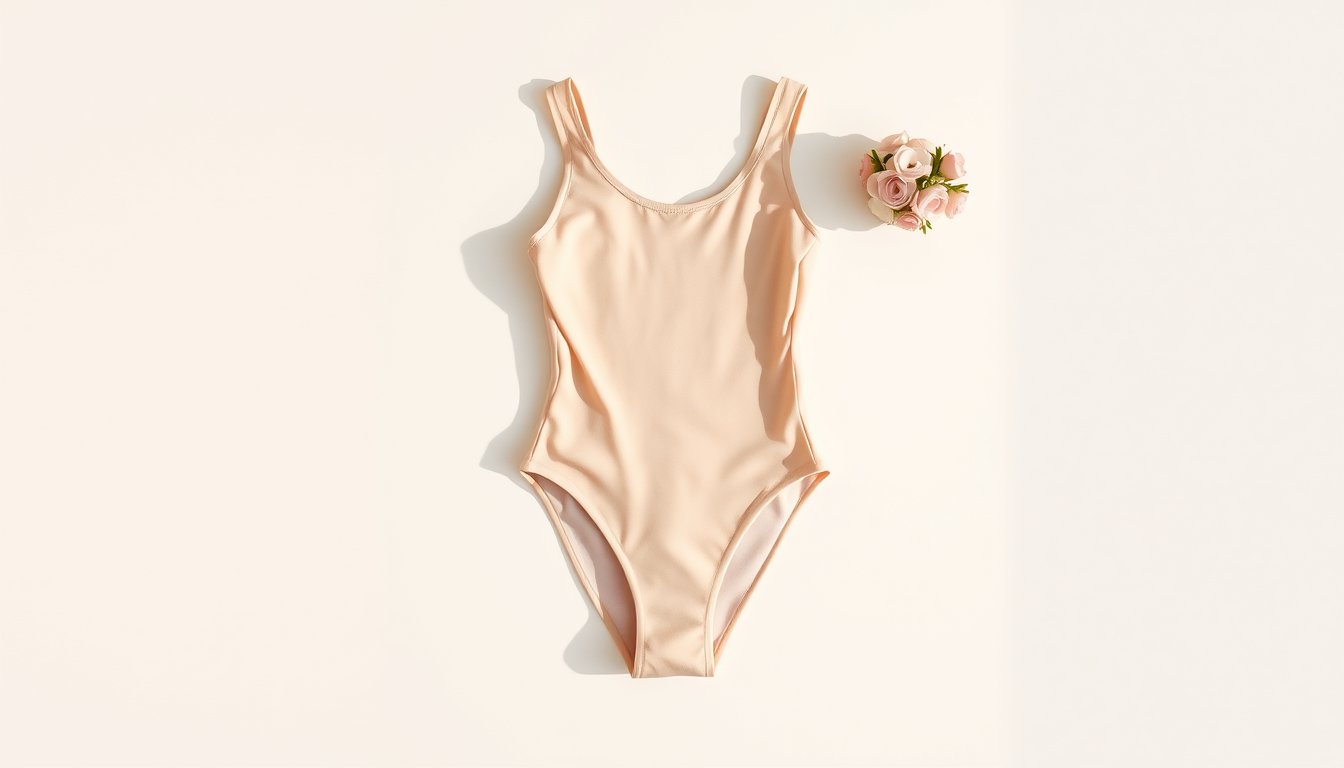
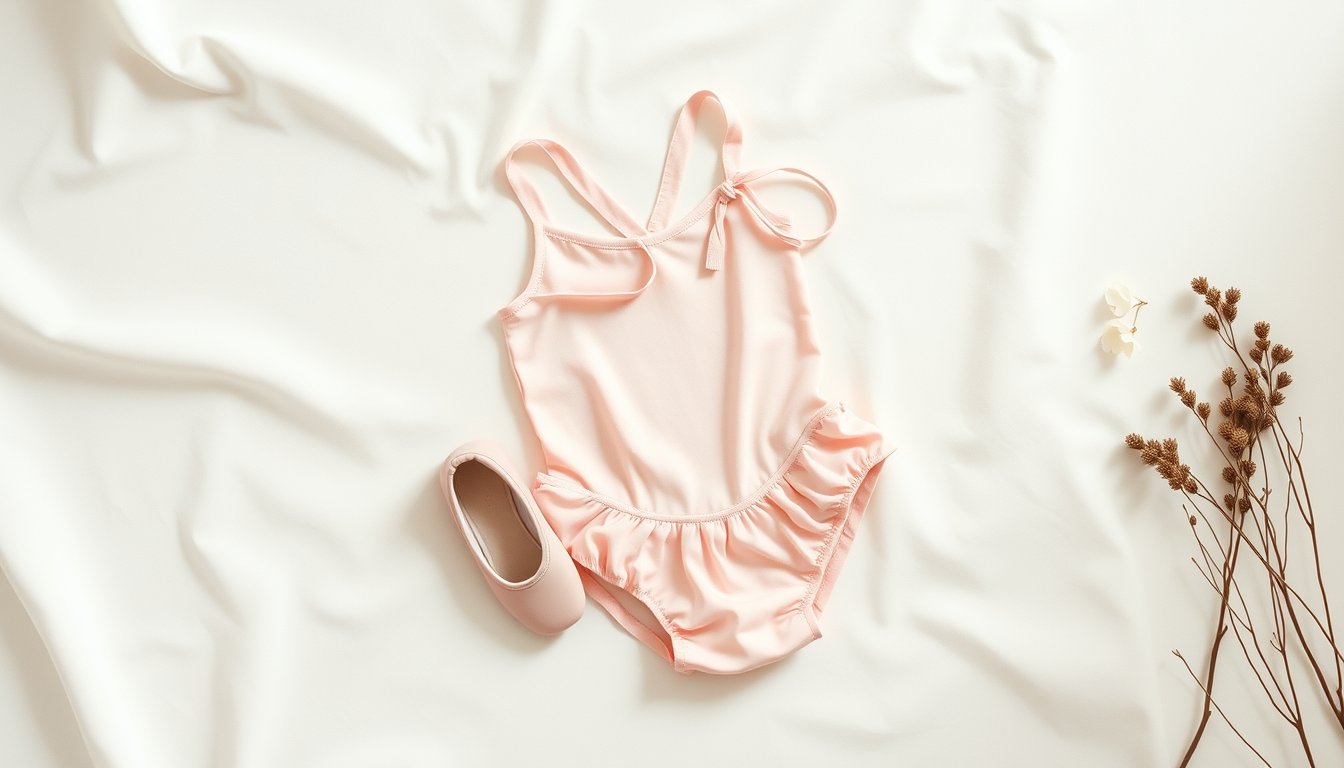
A toddler leotard is a soft, stretchy one-piece in a small size, usually with short sleeves, a closed or snap gusset and no scratchy labels. A toddler tutu is a light, layered tulle skirt with a soft elastic waist, made for play and a first class or show. For a young child, choose the lightest, softest pieces, and check the height range on the size chart. Our short-sleeve leotard and skirt set starts at size 110 (about 95 to 105 cm), and the tutu in our orange leotard and white tutu set is made for dancers about 100 to 130 cm tall.

Frequently Asked Questions

What size leotard should I buy for a three-year-old?

Most brands size toddler leotards by height rather than age. Measure your child's height and check the brand's chart. For three-year-olds, a size marked 2-3Y or 3-4Y is usually right, but heights vary widely at this age.

Do toddlers need proper ballet shoes or will socks work?

Many Pre-Primary classes allow bare feet or soft non-slip socks for the first term. Soft leather or canvas ballet shoes become more useful once the child starts barre work. Ask the teacher what they prefer before buying shoes.

Should a toddler's leotard have snaps at the bottom?

Snaps make toilet trips much easier for young children, and that is the main reason to choose them for under-fives. Once a child is reliably toilet-trained, a pull-on style is just as practical and usually cheaper.
Posted on

White Tutu Skirt for Early Years Ballet: What Parents Should Know

White Tutu Skirt for Early Years Ballet: What Parents Should Know

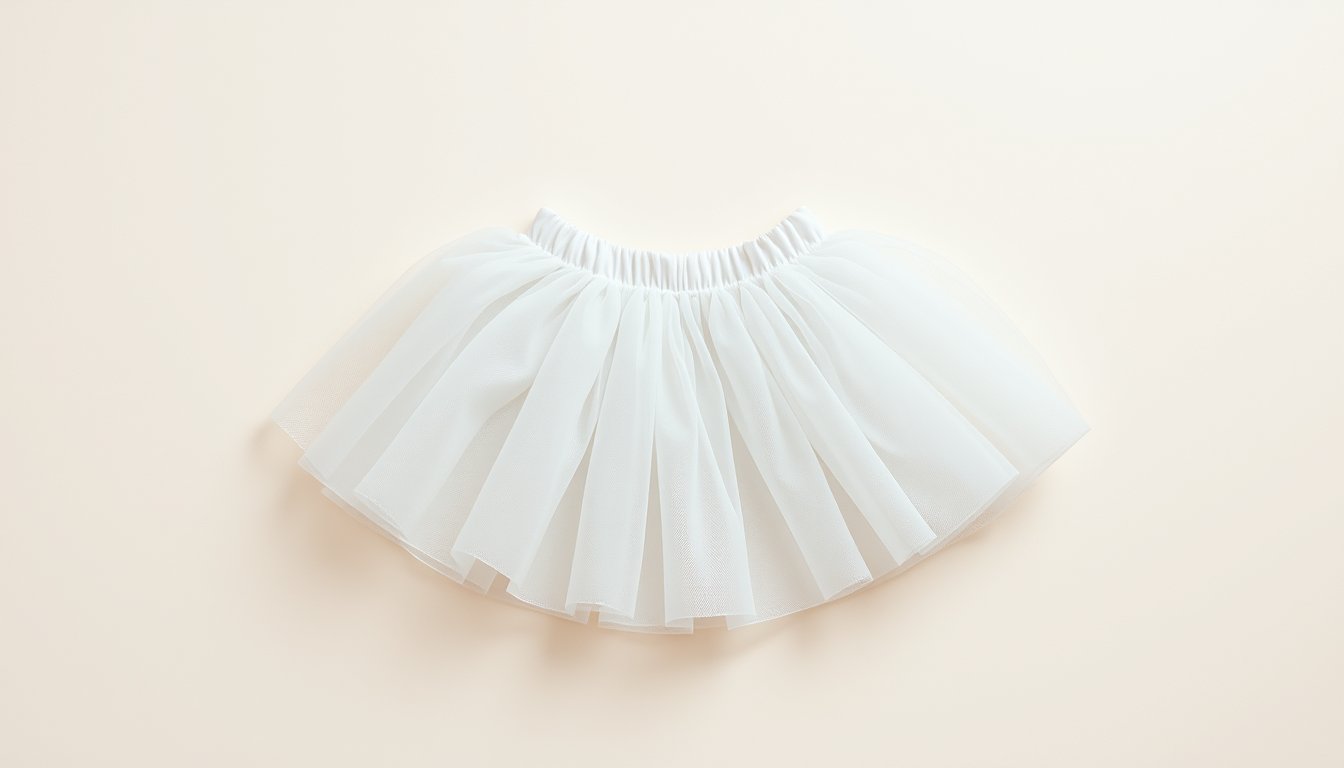
Short answer: a white tutu skirt is a soft, fluffy skirt worn over a leotard in Early Years ballet classes. It adds fun and helps children feel like ballerinas. Choose a lightweight, elastic-waist skirt that fits snugly at the hips and sits at about the thigh or knee.

What is a tutu skirt for?

In early classes, children learn through play and imagination. A tutu skirt makes the class feel special and encourages children to move gracefully. It is also a gentle way to introduce the idea of a uniform. Many schools use a simple tutu skirt for the youngest dancers and move to a chiffon or wrap skirt at the next level.

How is it different from a stage tutu?

Class tutu skirt Stage tutu
Weight Light and soft Stiff and structured
Waist Elastic Fitted bodice or hook-and-eye
Use Class and play Performances

What should I look for?

  • Soft layers. Soft tulle that does not scratch the skin.
  • Elastic waist. Comfortable and easy for a child to pull on.
  • Light weight. Heavy skirts tire small dancers.
  • Short length. A skirt that sits at the thigh lets the teacher see the legs.
  • Colors. White is the classic choice. Ask the school if it prefers a color.

How should it fit?

The waistband should sit at the natural waist and stay put without leaving a mark. The skirt should not drag on the floor. If the child is between sizes, choose the larger one for a growing child, and check the waist with a finger gap.

How do I care for it?

  1. Spot-clean marks with a damp cloth where possible.
  2. Wash gently by hand, in cool water, or in a mesh bag.
  3. Hang to dry and fluff the layers with your hands.
  4. Store it hung or loosely folded, so the tulle does not flatten.

Do all Early Years classes need a tutu?

No. Some schools ask for a leotard only, and others allow any skirt. Check your uniform list. Our size guide will help you choose the right size.

What is the best way to dress a toddler in a tutu?

Put the leotard and tights on first. Then slip the tutu over the legs and pull it up to the waist, with the elastic sitting at the natural waist. Check the skirt sits evenly all around. For very young dancers, practice at home, so dressing is part of the fun and not a rush before class.

What if the skirt scratches?

  • Choose a skirt with a soft inner lining.
  • Wash it before the first class, as it can soften the net.
  • Make sure the leotard covers the waist so the net does not touch bare skin.
  • Avoid very stiff net for young children.

How do I keep a white skirt clean?

White shows marks easily. Keep it in a clean bag, away from dark items that can transfer dye. Spot-clean marks as soon as possible with a damp cloth and mild soap. If the skirt turns gray, soak it gently in cool water with a little mild soap and rinse well.

Can the skirt be used for performances?

A light class skirt can work for a simple school show, but stage costumes are usually separate. Ask your teacher before the show to find out whether the school provides costumes or asks you to buy a specific one.

Frequently Asked Questions

Does a white tutu skirt need to be a specific style for Pre-Primary ballet?

For most Early Years and Pre-Primary classes, any soft, fluffy white tutu skirt with an elastic waist is acceptable. Your teacher may specify a length or style — a mid-thigh or knee-length skirt is typical. Confirm with the school before buying.

How do you wash a white tutu skirt without it going grey?

Hand wash in cool water with a gentle detergent, rinse thoroughly, and air dry away from direct sunlight. Machine washing even on a delicate cycle can flatten the tulle layers and cause fabric to grey over time.

At what stage do children stop wearing a white tutu skirt?

Most children move away from the white tutu skirt at the Primary grade or Grade 1 level, when the RAD uniform transitions to a specific leotard color and a chiffon wrap skirt. Check the grade requirements with your teacher.

Posted on

What to Wear for a Ballet Exam: A Practical Uniform Checklist

What to Wear for a Ballet Exam: A Practical Uniform Checklist

Short answer: for a ballet exam most dancers wear the leotard, tights, ballet shoes and hair style their school has chosen for that level, plus an exam number. The exact colors and styles are set by your teacher and the examination board, so confirm them before you buy anything.

Who decides the exam uniform?

Two sources decide it. The examination board publishes dress guidance for each level. Your dance school then chooses the specific leotard color, skirt style and extras it wants its students to wear. If the two ever differ, follow your teacher, who is responsible for entering you for the exam. Uniform rules change from time to time, so always check the current requirements and not last year’s.

We are not affiliated with or endorsed by any examination board. This guide is general advice, not an official rulebook.

What is on the checklist?

Item What to check
Leotard Color and sleeve style set by your school. Short sleeves or camisole straps are the most common.
Skirt Only if your school requires one. Some levels use a light wrap or pull-on skirt, others none.
Tights Ballet pink is the usual choice. Check whether your school wants footed or convertible tights.
Ballet shoes Usually pink, with elastics sewn on, and a good fit with room for the toes to lie flat.
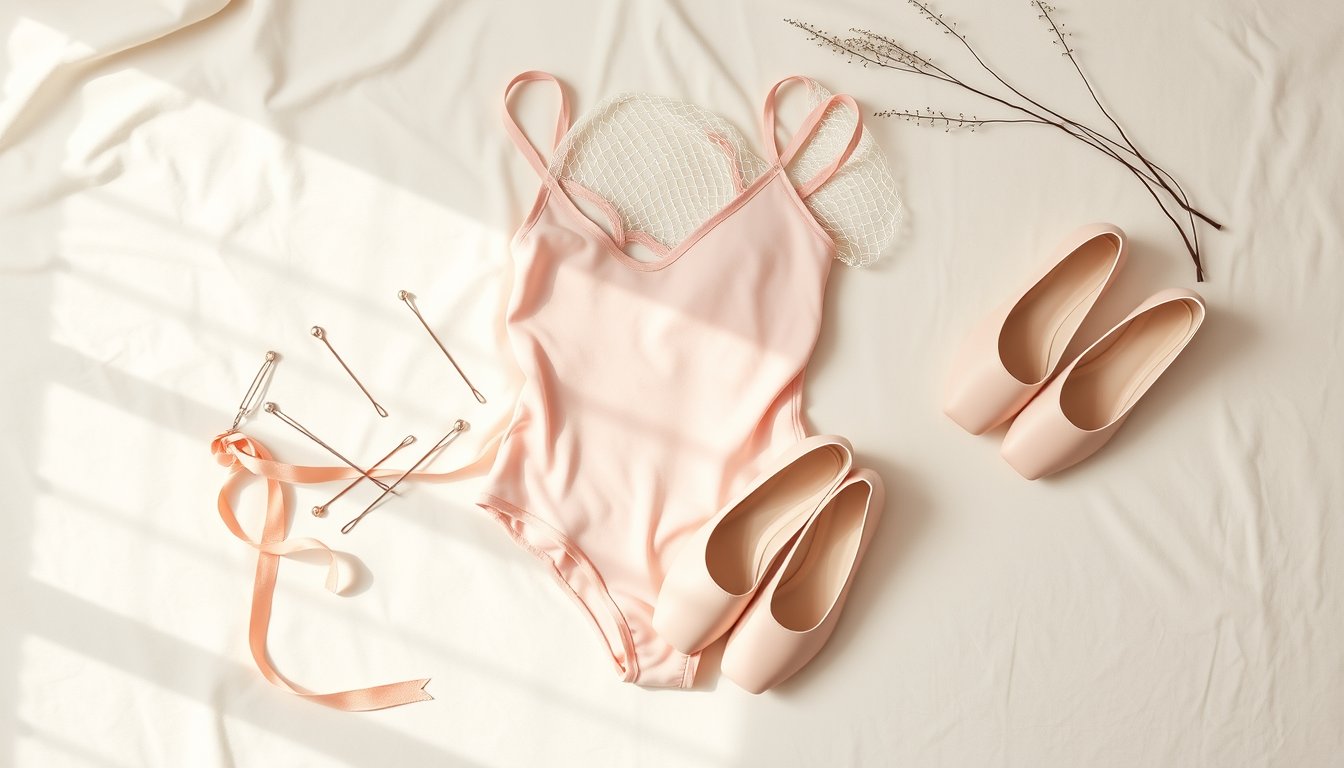
Hair A neat bun, secured off the face and neck. Bring spare pins and a hairnet.
Exam number Candidates are often given a number to wear so the examiner can identify them. Ask the school how it is attached.
Belt Some schools use colored elastic belts to show the level. Confirm with your teacher whether yours does.
Jewelry Usually none, apart from small plain studs if the school allows them.

How do I choose the right size?

Choose by height first and use age only as a rough guide. If the dancer is between sizes, size up, because a leotard that is too tight restricts movement. Our size guide shows height and weight ranges for each style. Try everything on at home a few weeks before the exam so there is time to exchange it.

What should I do the week before?

  1. Wash and check every item, and sew on any loose elastics.
  2. Pack the exam bag the night before: uniform, spare tights, hair pins, hairnet, water and a warm layer.
  3. Practice putting the hair up and attaching the number so nothing is new on the day.
  4. Arrive early, dressed for class under a warm layer, and keep the uniform clean until the exam.

Can I wear last year’s uniform?

If it still fits well and meets this year’s requirements, yes. Check for faded color, stretched elastics and worn feet in the tights. Examiners look for a neat, tidy line, so a crisp uniform helps.

What do examiners notice about the uniform?

Examiners are watching the dancing, not the shopping list, but a neat uniform helps them see the work. A clean, well-fitted leotard shows the line of the back and shoulders. Tights without wrinkles at the knee and ankle show the leg. Shoes that fit properly let the foot work through the floor. When everything is tidy, the dancer looks confident and the examiner can focus on technique.

Common uniform mistakes

  • Buying too late. Order at least four weeks ahead, so there is time to exchange a size.
  • Trying everything on for the first time on the day. A strap that digs in or an elastic that is too long is a distraction.
  • Forgetting spares. A run in the tights is easy to fix when a spare pair is in the bag.
  • Hair that is not secure. Practice the bun and use enough pins and a hairnet so it stays put through the whole exam.
  • Wearing a new pair of shoes. Break shoes in for a few classes so they are comfortable but still look fresh.

A simple exam-day bag list

Pack Why
Uniform in a clean bag Keeps it crisp until you change.
Spare tights and spare shoe elastics Quick fixes without panic.
Hairpins, hair net and hair tie Fix the bun if it moves.
Warm layer and leg warmers Stay warm while waiting.
Water bottle and a small snack Energy before and after.
Exam number and pins Know how it attaches before you arrive.

If you are buying for a child, let them help pack the bag so they know where everything is. It makes the day calmer for everyone.

Frequently Asked Questions

Can I buy a leotard from any brand for my child's RAD exam?

You need to check with your teacher first. The examination board sets the leotard color for each grade, and your school then chooses the specific brand or style. Buying the wrong color is a common mistake, so confirm before purchasing.

What happens if my child forgets part of their exam uniform?

Contact your teacher immediately — most studios have spare items like spare hair nets or tights. For essential items like the leotard, the exam may need to be rescheduled, so always prepare the night before and double-check the list.

Do exam uniform rules change every year?

The examination board publishes guidance that stays fairly stable between syllabus revisions, but your school may update its requirements. Check the current uniform list with your teacher at the start of each dance year rather than relying on what an older sibling wore.

Posted on

Ballet Class Dress Code: What to Wear for Every Level

Ballet Class Dress Code: What to Wear for Every Level

Short answer: for ballet class, wear a fitted leotard, ballet tights and ballet shoes, with hair tied neatly away from the face. A light skirt or warm-up layer is often allowed, but loose clothing hides the body line, so teachers usually prefer fitted pieces.

Why is ballet class clothing so fitted?

The teacher needs to see the shoulders, back, hips, knees and feet to give corrections. Loose T-shirts and baggy pants hide those lines. Fitted clothing also moves with the dancer and does not catch on feet or hands.

What is the basic dress code?

Item Basic rule
Leotard Fitted, comfortable, in the color your school asks for.
Tights Ballet pink or the school’s color, with no holes or runs.
Shoes Soft ballet shoes, snug but not tight.
Hair A bun or secure ponytail, off the face and neck.
Skirt Optional at many schools. Light and short enough not to hide the legs.
Warm-ups A wrap top or cardigan and leg warmers for the start of class, taken off once warm.

What should I wear to a first ballet lesson?

Wear what you already have that is closest to the dress code: leggings or tights and a fitted top are fine for a trial class. Ask the school before you buy anything. Most teachers are happy to wait a few weeks before a uniform is required.

What should children wear?

Young children should wear something they can move in and put on themselves where possible. A simple leotard with a light skirt is the usual choice at the youngest levels. Avoid anything scratchy and choose elastic waists and soft seams.

What should adults and teens wear?

Adults and teens follow the same logic: a fitted leotard or top, tights or fitted leggings, and soft shoes. Many adult classes are relaxed about colors, but a fitted line is still helpful for corrections.

What do I do with my hair?

Pull it back firmly into a bun or low ponytail with no loose strands. Short hair can be clipped back. The aim is that hair never covers the face during turns.

Quick tips

  • Label every item with the dancer’s name.
  • Keep a spare pair of tights in the dance bag.
  • Wear warm layers to class and take them off when the body is warm.
  • Check the size guide before ordering and size up if between sizes.

Why do schools set a dress code?

A dress code is not about fashion. It makes classes safer and easier to teach. When everyone wears fitted clothing and secure hair, the teacher can see each dancer’s alignment and correct it quickly. A uniform also helps younger children feel part of a group, and it removes the stress of choosing an outfit each week. For families, a clear list means less guessing and fewer wasted purchases.

What if the school has no strict dress code?

Some adult and community classes are relaxed. In that case, choose comfortable, fitted clothing that lets you move through a full range, such as a leotard or fitted top with leggings or tights. Avoid long loose layers, zippers and anything that hangs over the hands. Even without rules, a neat appearance helps you focus and helps the teacher see you.

How should clothes fit?

  • Leotard: snug on the torso without pinching at the shoulders or legs.
  • Tights: smooth at the ankles and knees, with no sagging at the crotch.
  • Shoes: toes lying flat, with no space at the front and no squeezing at the sides.
  • Layers: close-fitting enough that the teacher can see posture when they are on.

How do I look after the uniform?

Wash leotards and tights on a gentle cycle, in cool water, and let them air dry. Hot dryers can damage elastic, so avoid them. Check ballet shoes for wear and replace them when the sole splits or the elastic stretches. Write the dancer’s name inside every item, because many uniforms look alike in a changing room. Keep a small repair kit in the dance bag with a needle, thread, spare elastic and safety pins.

When should I buy a bigger size?

Children grow quickly. If the leotard strap pulls up when the arms lift, or tights tug at the waist, it is time for the next size. Do not buy several sizes ahead, as a very loose leotard also hides the dancer’s line. A snug fit with a little room to grow is a good guide.

What are good practice clothes for ballet?

Good ballet practice clothes are fitted, stretchy and comfortable: a leotard or fitted top, tights or leggings, and soft ballet shoes. If you practice at home, choose clothes that let you see your posture in the mirror. For clothing for ballet class in general, avoid baggy tops, jeans and anything with zips or hard buttons. See also our guide to where to buy ballet shoes and how to fit them.

Frequently Asked Questions

Why can't my child wear shorts or leggings to ballet class?

The teacher needs to see the shape of the hips, knees and feet to give accurate corrections. Shorts hide the hips; thick leggings hide the knee alignment. Fitted tights show all of these clearly, which is why they are the standard.

Are there dress codes for adult ballet classes too?

Most adult recreational classes are much more relaxed — fitted leggings, a dance top and bare feet or soft shoes are usually fine. If you plan to take exams or enter a more structured school, the rules become stricter.

Can my child wear a skirt in ballet class every week?

Light chiffon or georgette wrap skirts are allowed in most classes, but many teachers ask students to remove them during certain exercises so they can check the hips and legs. Check with your teacher before buying one.

Posted on

Ballet Leotard Size Chart: How to Measure and Choose the Right Size

Ballet Leotard Size Chart: How to Measure and Choose the Right Size

Short answer: choose a ballet leotard by height first, then check the chest and torso measurements on the size chart. If the dancer is between sizes, choose the larger one. A good leotard feels snug and smooth, with no pulling at the shoulders or digging in at the legs.

What should I measure?

You need three numbers. Measure them with a soft tape, over a thin layer of clothing or a leotard the dancer already owns.

Measurement How to take it
Height Stand against a wall with bare feet and mark the top of the head.
Chest Around the fullest part of the chest, under the arms, with the tape level.
Torso length From the top of the shoulder, down the front through the legs, and up the back to the same shoulder point. This is the most important number for long-torso or short-torso dancers.

Many children’s charts use height only. Adult charts usually add chest, waist and hip measurements.

How do I read a size chart?

  1. Find the height range that includes the dancer.
  2. Check the chest measurement against the same row.
  3. If the torso length is given, make sure it is at least the dancer’s measurement.
  4. Where the numbers fall in different sizes, follow the torso length and height first.

Age labels such as “6 to 8” are only a rough guide. Children of the same age can be very different heights.

What if the dancer is between sizes?

Choose the larger size. A leotard that is slightly large still looks neat, while one that is too small pulls on the shoulders and gets worn out faster. If a leotard is going to be worn for an exam, make sure it is not so loose that it wrinkles at the waist.

How should a leotard fit?

  • Shoulders. Straps lie flat and do not slip or dig in.
  • Torso. No wrinkles at the waist and no pulling at the seat when the dancer bends.
  • Legs. The leg openings sit smoothly, without leaving red marks.
  • Movement. The dancer can raise the arms, bend and sit without the leotard riding up.

What about growing children?

Children grow in spurts, so check the fit at the start of each term. Signs it is time for a bigger size are straps that pull up when the arms lift, a seat that creeps up and marks on the shoulders. Avoid buying two sizes ahead, because a very baggy leotard hides the line the teacher wants to see.

Where can I find our size information?

Our size guide lists height and weight ranges for each style. If you are unsure, send us the dancer’s height and weight and we will help you choose.

How do children’s and adult charts differ?

Children’s charts are usually based on height, with age shown as a rough label. This works because children of the same age can vary a lot in height. Adult charts add chest, waist and hip measurements because adult bodies vary more in proportion. If you are buying for a teenager, check which chart the shop uses, since some use children’s sizes and others use adult sizes.

Common sizing mistakes

  • Choosing by age alone. A tall seven-year-old may need an older size.
  • Ignoring torso length. A leotard that is short in the torso pulls up at the shoulders.
  • Buying two sizes up. The fabric bags at the waist and the straps slip.
  • Not allowing for stretch. Different fabrics stretch differently, so check the fabric type on the chart.

A simple fit test at home

  1. Put the leotard on over tights.
  2. Raise both arms above the head. The straps should not pull off the shoulders.
  3. Bend forward and sit down. The seat should stay in place.
  4. Do a few plié bends. The leg openings should not roll or dig in.

If the leotard passes all four steps, the size is right. If any step fails, try the next size and compare.

What if my size is not on the chart?

If the dancer is much taller or shorter than the chart for their age, use height first and check the torso length. Send us the dancer’s height and weight through our contact page, and we will help you choose.

Frequently Asked Questions

What if my child falls between two sizes on the leotard chart?

Choose the larger size. A slightly larger leotard can be worn comfortably and will last longer as the child grows. A leotard that is too small will pull at the shoulders and dig in at the leg openings, which affects movement.

How often should I re-measure my child for a new leotard?

Children grow quickly, so remeasure at the start of each dance year, and again mid-year for children aged four to seven who can change size rapidly. If the leotard is pulling at the shoulders or the torso feels short, it is time to size up.

Are adult leotard sizes the same across all brands?

No. Brands use different grading systems, and the same size number can vary by a couple of centimeters between manufacturers. Always check the specific brand's size chart using your own measurements rather than relying on the size you bought previously.

Posted on

Pink or Skin-Tone Ballet Tights? How to Choose

Pink or Skin-Tone Ballet Tights? How to Choose

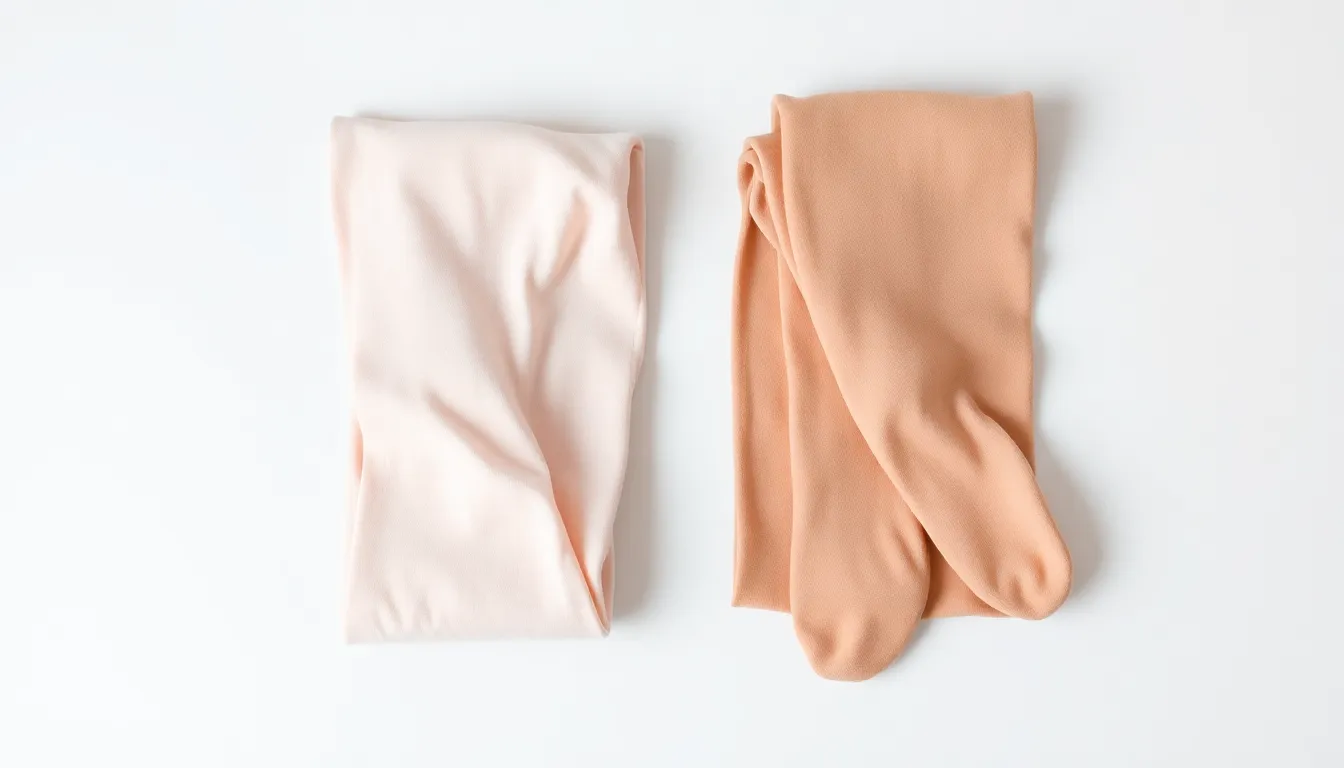
Short answer: for most ballet classes and exams, dancers wear ballet pink tights. Skin-tone tights are chosen for stage, or when a school asks for a color that matches the dancer. If you are unsure, ask your teacher before you buy.

Why is ballet pink the usual color?

Pink tights have been the standard in many schools for generations. They give a clean, uniform look across the whole class and match pink ballet shoes. In an exam room, where examiners see many dancers in a row, uniform color is a strong reason schools stay with pink.

When are skin-tone tights used?

Skin-tone tights are used when the aim is for the leg line to look continuous and natural, for example in stage performances, or when a school has chosen them. They also suit dancers who prefer a color closer to their skin.

How do I pick the right shade?

  1. Check your school’s uniform list first.
  2. If the school allows either, choose the one that matches your ballet shoes.
  3. For skin-tone tights, hold the tights up next to the dancer’s leg in daylight before you buy.
  4. Buy one spare pair, as tights can snag on the first day.

How do they compare?

Ballet pink Skin tone
Typical use Class and exams Stage and some schools
Look Uniform and classic Natural, continuous leg line
Shoe match Pink ballet shoes Often paired with skin-tone shoes
Ask the school? Yes Yes

What else should I check?

  • Fit. Choose by height first and size up if between sizes. Tights that are too short pull at the waist.
  • Foot style. Footed tights cover the foot. Convertible tights have a hole to pull over the heel. See our guide to footed and convertible tights.
  • Toe seam. A flat seam sits more comfortably in a ballet shoe.
  • Waistband. It should be soft and not roll down.

What are ballet tights made of?

Most ballet tights are a blend of nylon and spandex. Nylon gives the smooth, slightly shiny look, and spandex gives the stretch. A higher spandex content means more give and better recovery, so the tights keep their shape after many washes. Cotton blends are softer and warmer, but they usually look matte and may show wrinkles more easily. Many dancers keep one pair of each for different seasons.

How do I match skin tone?

Skin tones vary widely, so one “nude” does not fit everyone. If you are choosing skin-tone tights, compare the tights with the dancer’s leg in daylight, not under a store light. Choose the shade that is closest to the legs and slightly lighter rather than darker, because tights look deeper once they are stretched. If the dancer wears skin-tone shoes, match the shoes and tights so the line from leg to foot looks continuous.

How do I care for ballet tights?

  1. Wash in cool water with mild soap, ideally in a mesh bag.
  2. Skip fabric softener, which can reduce stretch.
  3. Dry flat or hang away from heat.
  4. Replace tights as soon as they show runs or thin spots.

Common questions from parents

How many pairs do we need? Two is a good start, so one can be washed while the other is used. A third pair for exam day gives peace of mind.

Do tights need to be new for an exam? A pair that has been washed once is fine, but avoid tights with any visible wear.

Can boys wear them? Dress codes vary by school. Ask the teacher what is expected.

Check the size guide before you order, and choose the next size up if between sizes.

Frequently Asked Questions

What shade of pink should I buy for RAD ballet tights?

RAD guidance specifies a light ballet pink — not a deep rose or hot pink. The exact shade is best matched by buying from a specialist dance retailer rather than general hosiery, as dance brands use a consistent standard pink.

Are skin-tone tights appropriate for children's ballet class?

For most graded class and exam work, ballet pink is required. Skin-tone tights are typically chosen for stage performances where the costume and lighting design require a particular look, or when a teacher specifically requests them.

Can boys wear pink tights in ballet?

Male students typically wear white tights or ballet trousers rather than pink. Pink is the female uniform standard in most RAD schools. Check with your teacher if you are unsure.

nn

Shop at ZoeDancewear

Footed Ballet Tights for Girls and Adults u2014 available in ballet pink and nude, to match your school dress code. Free shipping over $99 to the US.

Posted on

Footed vs Convertible vs Stirrup Ballet Tights

Footed vs Convertible vs Stirrup Ballet Tights

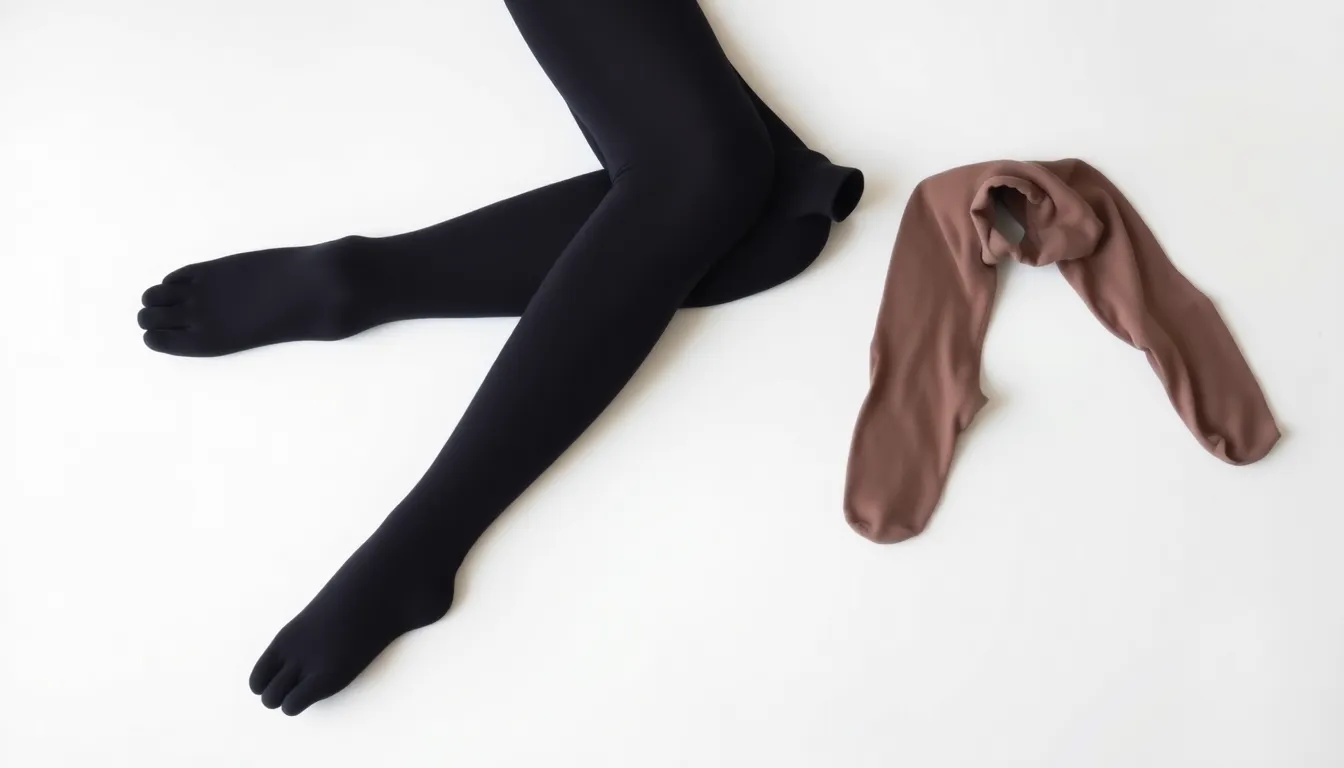
Short answer: footed tights cover the whole foot, convertible tights have a hole at the heel so the foot can be left out, and stirrup tights have a strap that loops under the foot. Footed is the simplest for class and exams; convertible and stirrup are popular when dancers switch between shoes and bare feet.

See also: For character and theatrical work, see our guide to opaque and patterned tights for dance.

What are footed tights?

Footed tights have a built-in foot, like regular tights. They go on in one step, they are the easiest to wear for young children, and they stay put inside the ballet shoe. A flat toe seam helps them sit comfortably in a soft shoe.

What are convertible tights?

Convertible tights have an opening at the bottom of the foot. The dancer can wear the foot as normal, or roll the foot up above the ankle to leave the toes bare. They suit dancers who switch between ballet shoes and bare feet in the same class.

What are stirrup tights?

Stirrup tights have no foot. A strap loops under the arch, holding the leg in place. They are popular in dance schools that work barefoot, and for modern or contemporary work, but are less common for classical ballet exams.

How do they compare?

Footed Convertible Stirrup
Foot Covered Optional Bare, strap under arch
Easiest for kids Yes Medium Medium
Barefoot work No Yes Yes
Typical use Class and exams Mixed classes Contemporary, barefoot

Which should I buy?

  • Ballet class and exams: footed unless your school says otherwise.
  • Mixed barefoot and shoe classes: convertible.
  • Contemporary or barefoot classes: stirrup.

How do I look after ballet tights?

  1. Turn them inside out and put them in a mesh wash bag.
  2. Wash gently at a cool temperature with mild soap, without fabric softener.
  3. Do not wring them out. Press out the water.
  4. Dry flat or hang away from direct heat.
  5. Trim loose threads instead of pulling them, to stop a run.

What should I look for when choosing tights?

  • Fit. The crotch should sit close to the body and not sag. Tights that are too small pull at the waist and wear out faster.
  • Seams. A flat toe seam is more comfortable in a ballet shoe. Run a finger across the toe to check for bulk.
  • Waistband. Choose a soft waistband that does not roll or dig in.
  • Stretch. Tights should stretch smoothly at the knees without becoming see-through.

Are footed or convertible tights better for children?

Footed tights are usually the easiest for children. They go on in one step and do not slip. Convertible tights offer flexibility, but the extra hole can be confusing for small dancers who must remember to roll it back, and a loose edge can slip inside the shoe. If your child has both ballet and a barefoot class on the same day, convertible is worth having. Otherwise footed is simpler.

How many pairs do I need?

Two pairs for weekly classes is a good start. One goes in the wash while the other is in use. Keep a spare in the dance bag for emergencies, especially before an exam. If the dancer has several classes in a week, three pairs make life easier.

How long do ballet tights last?

With careful washing, a pair often lasts a term or two, but it depends on how often they are worn and how rough the floor is. Replace tights when they develop runs, thin knees or a loose waistband. A run can spread quickly, so a small dab of clear nail polish at the end of a run may stop it for a day, but do not rely on it for an exam.

If you are unsure which style your school prefers, ask the teacher before you buy. Our size guide will help you pick the right size.

Where can I buy ballet tights?

You can buy ballet tights at a local dance shop or online. A shop lets you check the color and feel in person. Online gives more choice and a size chart. Whichever you choose, check the size by height and weight, and the type of foot: footed, convertible or stirrup. Our footed ballet tights come in sizes S to 2XL.

Frequently Asked Questions

Which tights are best for a child's RAD ballet exam?

Footed tights are the standard choice for RAD graded exams. They give a clean, finished look and stay in place inside ballet shoes. Convertible and stirrup styles are more popular in contemporary or jazz settings.

Can you wear convertible tights with ballet shoes?

Yes — just fold the foot opening under the arch or tuck it into the shoe. However, the folded fabric can create a lump inside the shoe, which some dancers find uncomfortable. Footed tights are neater for class and exams.

Do stirrup tights stay up during ballet class?

The stirrup strap keeps them in position under the foot, so they do not bunch at the ankle the way loose socks might. They are secure, but the open foot look is less formal, so they are best for practice rather than exams.

nn

Shop at ZoeDancewear

Footed Ballet Tights for Girls and Adults u2014 available in pink and nude, sizes S to 2XL, suitable for RAD graded ballet. Free shipping over $99 to the US.

Posted on

Do Ballet Tights Go Under or Over the Leotard? Why Dancers Wear Tights

Do Ballet Tights Go Under or Over the Leotard? Why Dancers Wear Tights

Short answer: in most ballet classes, tights go on first and the leotard goes over them, with the leg openings of the leotard sitting over the top of the tights. Some schools prefer the reverse, so check. Dancers wear tights to keep muscles warm, show the line of the legs, and look neat and uniform.

Which goes on first, tights or leotard?

For most classes, put the tights on first and then the leotard. The leotard sits over the tights and covers the waistband, so the line from the torso to the legs looks smooth. If a skirt is worn, it goes on last.

Some schools or dancers prefer the leotard first and the tights over it. Both are common. The best rule is to follow your teacher and keep the waistband flat and wrinkle-free.

How do I put them on neatly?

  1. Sit down and gather one leg of the tights, so only the foot is open.
  2. Slide the foot in and gently pull up to the ankle, then the knee.
  3. Repeat on the other leg, then stand and pull the waist up to the hips.
  4. Smooth out any wrinkles, especially at the ankles and knees.
  5. Put on the leotard and adjust the leg openings so they sit flat.

Why do ballet dancers wear tights?

  • Warmth. They keep the leg muscles comfortable.
  • Visible line. The teacher can see the knees, ankles and feet clearly.
  • Uniform look. A class in matching tights looks neat and focused.
  • Shoe comfort. Tights protect the skin from friction inside ballet shoes.

What should I check before class?

  • No holes, runs or loose threads.
  • The waistband is flat and does not roll.
  • The crotch sits at the right height, not hanging low.
  • The tights match your school’s color.

What size should I wear?

Choose by height first and size up if between sizes. A pair that is too small pulls at the waist and wears out quickly. Our size guide helps with height and weight.

What about skirts, shorts and warm-ups?

The usual order is tights, leotard, then the extra piece. A wrap or pull-on skirt goes over the leotard, with the waistband at the natural waist. Fitted shorts, if the teacher allows them, also go over the tights. Warm-up tops go on last so they can come off easily. Keep each layer flat and smooth so nothing bunches under the next.

How do I stop tights from rolling down?

  • Choose the right size. Tights that are too big will slide down.
  • Pull them up fully at the hips and smooth the waistband flat.
  • Wear the leotard over the waistband so it holds the tights in place.
  • Avoid wearing tights that are stretched out from many washes.

What if the tights are too long or too short?

If the tights are too long, the crotch sags and the ankles wrinkle. If they are too short, they pull at the waist and the dancer feels restricted. Both are signs to try another size. The size guide uses height, which is the best guide for length, and age is only a rough reference.

Is it hygienic to wear tights without underwear?

Practice differs by school and by dancer. Many dancers wear a seamless dance underlayer or a leotard with a built-in lining. If you have any doubt, ask your teacher or school for guidance. Whatever you choose, wash tights and leotards after every use.

Quick checklist before class

Check Done?
Tights are free of holes and runs ☐
Waistband is flat under the leotard ☐
Leg openings of the leotard sit flat ☐
Spare tights are in the dance bag ☐

Frequently Asked Questions

Do RAD examiners check how tights are worn?

Examiners look at the overall presentation, and a leotard sitting neatly over the top of the tights is the expected, tidy appearance. Tights showing above the leotard leg opening look untidy and may draw a comment.

Why do ballet dancers wear tights at all?

Tights keep the leg muscles warm and show the line of the leg clearly, which helps the teacher see and correct alignment. They also give a uniform, professional appearance and reduce friction inside shoes.

Is it acceptable to wear underwear under ballet tights?

For young children, yes — a small pair of briefs under the tights is practical for quick toilet trips. For older students, tights worn correctly serve as the underwear layer, and visible underwear lines look untidy in class and exams.

nn

Shop at ZoeDancewear

Footed Ballet Tights for Girls and Adults u2014 smooth opaque footed tights that tuck neatly under any leotard. Free shipping over $99 to the US.