
Posted on

Ballet Uniform Policy: What to Include in Your School’s Dress Code

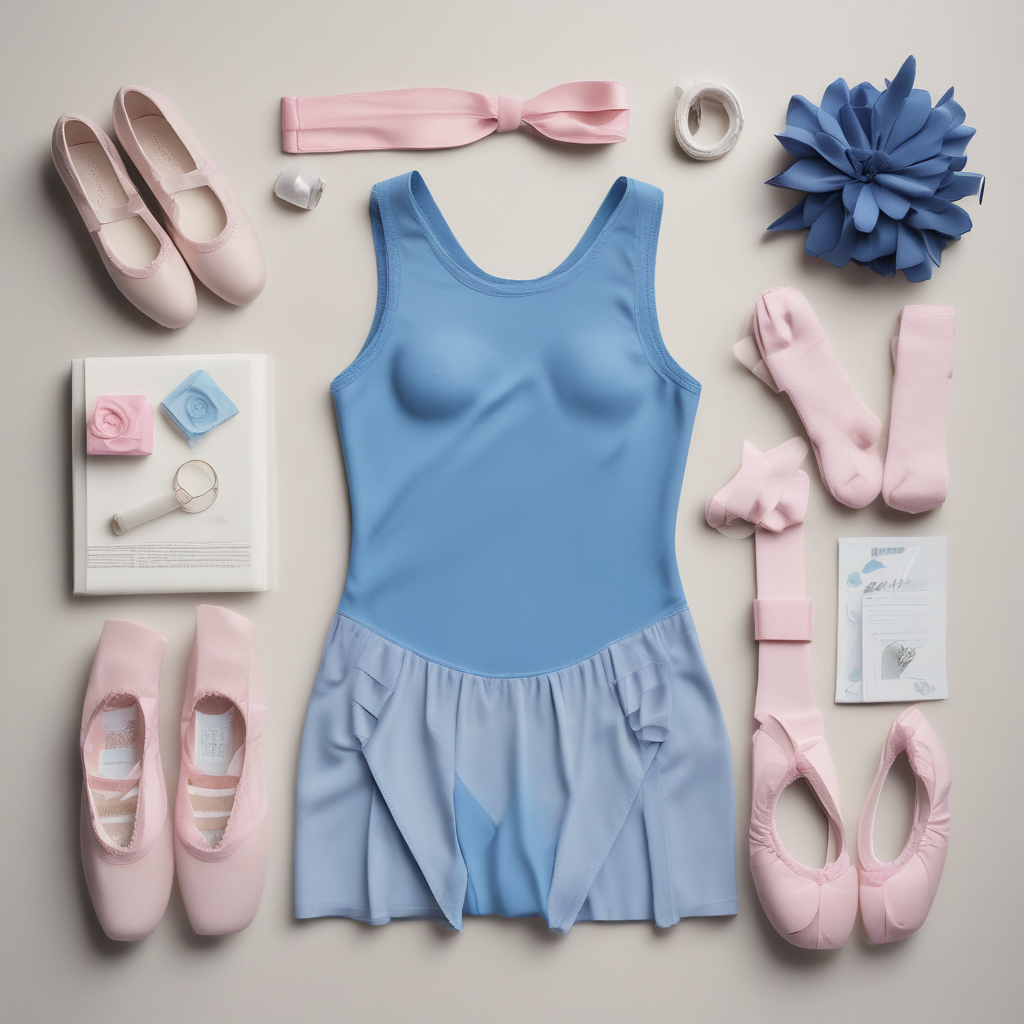
Ballet school dress code policy – ballet uniform items arranged formally on white background

A clear, written uniform policy saves teachers time, reduces parent confusion, and ensures students are correctly dressed for class and examinations. Without a policy, questions about what is acceptable — and what is not — arise repeatedly throughout the year. This guide covers what to include in a ballet school dress code.

Why a Written Uniform Policy Matters

A written policy provides a reference point for teachers, parents and students that removes ambiguity. When a parent asks whether their daughter can wear a lilac leotard instead of royal blue, the answer is in the policy, not subject to individual negotiation. A consistent dress code also:

  • Creates a professional learning environment in which students focus on technique rather than appearance
  • Allows teachers to see body alignment and technique clearly
  • Teaches students discipline and respect for the class environment
  • Prepares students for the standards expected in examination and professional settings

What Your Uniform Policy Should Cover

1. Required Items by Class Level

List the specific required items for each class level or grade group. For each item, specify:

  • The item type (leotard, tights, shoes)
  • Colour — exact shade where possible (“ballet pink” or “RAD-approved royal blue” is clearer than “blue”)
  • Style (e.g. “camisole/wide-strap, no decorative panels” or “full-sole only for Pre-Primary”)
  • Where applicable, approved brands or suppliers

2. Hair Requirements

Specify how hair must be worn for class and examinations separately if requirements differ. Common requirements include:

  • Hair above the collar must be tied back (minimum)
  • All hair in a secure ballet bun for class from a specified grade onwards
  • No loose hair during barre or centre work
  • Grade-specific accessories (ribbons, bows) for examination terms

3. Jewellery and Accessories

Specify what is and is not permitted. Most schools allow:

  • Small stud earrings (sleepers) or no jewellery at all
  • No rings, bracelets or necklaces during class
  • No nail polish (or clear only) for class

4. Footwear Rules

Specify the required footwear for each class type and the rules around shoe hygiene. Important points:

  • Whether students may enter the studio in outdoor shoes (usually not — this protects sprung floors)
  • Whether split-sole shoes are permitted or when they are introduced
  • Pointe shoe policy — when students may begin pointe work and the approval process

5. Examination Uniform Specifications

Examination uniform is often more precisely specified than class uniform. Include a separate section for each examination grade listing:

  • The exact leotard colour and style for each grade
  • Any additional items required (belt, bow, skirt, character shoes)
  • Hair requirements for the exam day
  • Jewellery and makeup policy for examinations

6. Warm-Up and Streetwear Policy

Clarify what is acceptable to wear before and after class but not during class. Most schools allow:

  • Ballet wrap cardigan or knit warm-up top during the warmup portion of class
  • Leg warmers worn during the warm-up only
  • No outdoor clothes or school uniform in the studio

7. Consequences of Non-Compliance

State clearly what happens if a student arrives without correct uniform. Common approaches:

  • A reminder is issued and the student participates in class but the situation is logged
  • For repeated non-compliance, a written note is sent home to parents
  • For examinations, arriving in incorrect uniform may affect the presentation grade

How to Communicate the Policy

A policy is only effective if parents and students have read it. Distribute it:

  • As part of the enrolment pack for all new students
  • In a dedicated section of the school website or parent portal
  • As a reminder email at the start of each term
  • As a concise printed summary pinned to the changing room noticeboard

Review and update the policy at least once per year, especially when the RAD or other exam boards issue updated syllabus uniform specifications.

Supplier Information in Your Policy

Including direct links to recommended products in your policy — or maintaining a page on your website with approved products and links — dramatically reduces the number of parent enquiries about where to buy items. A list of approved products also prevents parents from buying from the wrong supplier and arriving with items in the wrong shade or style.

Frequently Asked Questions

How detailed should a ballet school dress code be?

Detailed enough to answer the most common parent questions, but not so long that it will not be read. A well-structured policy of 1–2 pages, with a summary table of requirements by grade, strikes the right balance. Parents are more likely to read and follow a concise, clear document than a lengthy policy.

Should the dress code be legally binding?

Dress codes for private dance schools are generally enforceable as a condition of enrolment, not as a legal contract. The policy should be included in or referenced by the enrolment agreement that parents sign when registering.

What if a parent disagrees with the uniform requirements?

Explain the reasoning behind the requirements — alignment visibility, RAD specification, professional standards — and refer them to the written policy. Where the requirement is an RAD specification, direct parents to the RAD website for confirmation that the requirement comes from the exam board, not the school’s personal preference.

How do I handle requests for religious or medical uniform modifications?

These should be handled sensitively on a case-by-case basis. Common accommodations include allowing opaque tights under a leotard, or permitting a sports hijab in a school-appropriate colour. Document any agreed accommodations in writing to ensure consistency.
Posted on

Tights vs Leggings: What Is the Difference for Ballet?

Tights vs Leggings: What Is the Difference for Ballet?

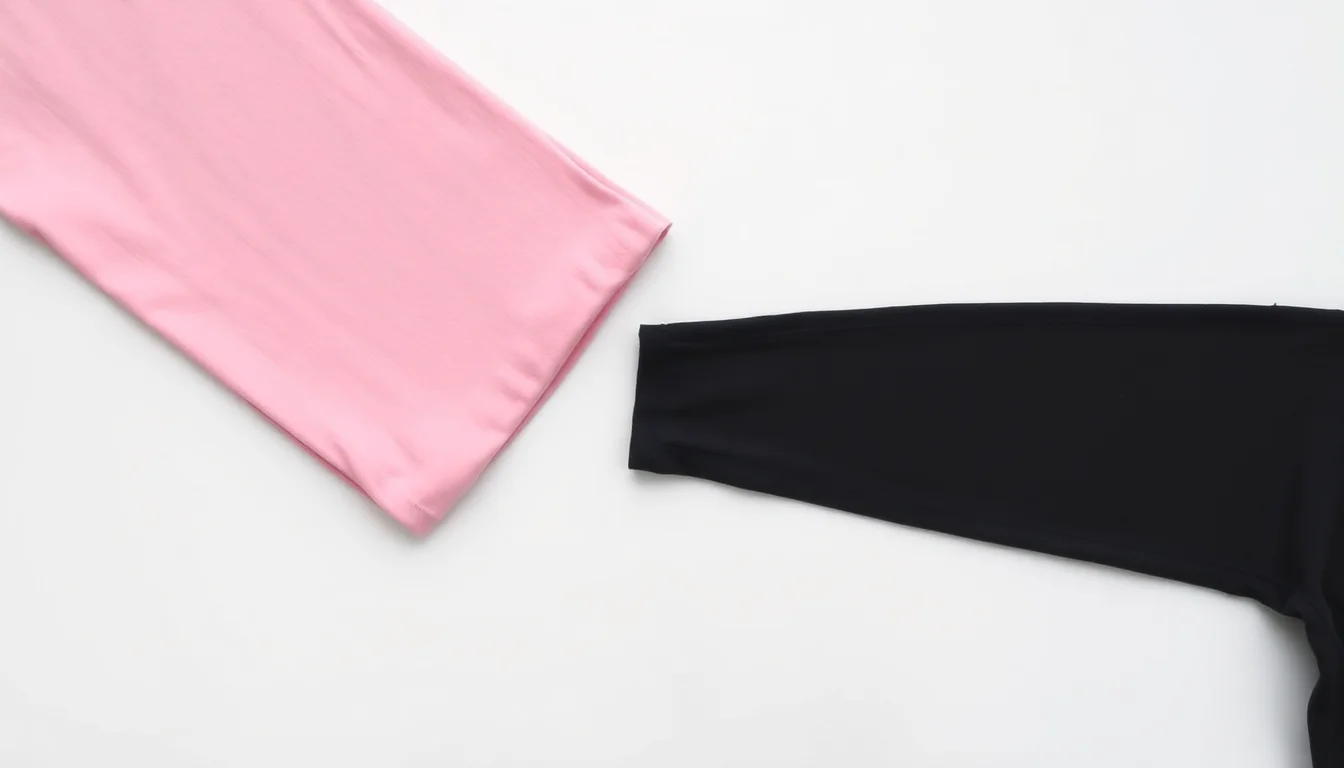
Short answer: Tights are a single-piece garment that covers both legs and the waist. They come in a wide range of thicknesses (measured in denier) from very sheer to thick and opaque.

What Are Tights?

Tights are a single-piece garment that covers both legs and the waist. They come in a wide range of thicknesses (measured in denier) from very sheer to thick and opaque. Dance tights are engineered for movement, with reinforced gussets, high stretch content, and a professional finish designed to stand up to the demands of class and performance.

What Are Leggings?

Leggings are stretchy, form-fitting trousers ending at the ankle. Unlike tights they are much thicker and more opaque, have a waistband at the natural waist, and do not include feet. Leggings are designed as outerwear for casual or gym use.

Key Differences

Feature Tights Leggings
Coverage Waist to toes Waist to ankle
Thickness Sheer to 80 denier Much thicker (opaque)
Feet Footed, convertible, or stirrup No feet
Purpose Base layer / performance Outerwear / casual
Used in ballet class Yes — required Usually not

Which Is Correct for Ballet Class?

Ballet tights are the correct choice — not leggings. Dance schools and syllabi specify ballet tights because they allow the teacher to see the dancer’s leg lines, foot placement, and muscle engagement clearly. The sheer or semi-sheer finish also maintains the clean, uniform look that is part of ballet’s professional tradition. Most RAD and ISTD schools specify pink ballet tights for girls.

When Are Leggings Acceptable in Dance?

  • Worn over tights as a warm-up layer in cold studios
  • Some contemporary and commercial dance styles
  • Adult barre fitness classes where strict dress codes may not apply
  • Hip hop and street dance

For classical ballet and RAD examinations, tights are always the correct choice.

Types of Ballet Tights

  • Footed tights: Full coverage to the toes; standard for most ballet classes
  • Convertible tights: A hole in the toe allows them to be worn both footed and footless
  • Stirrup tights: A strap under the arch, toes exposed
  • Fishnet tights: For performances and character work

Frequently Asked Questions

What is the difference between tights and leggings?

Tights are a sheer or semi-sheer single-piece garment covering the waist to the toes, worn as a base layer. Leggings are thick, opaque, ankle-length trousers worn as outerwear. Ballet class requires tights, not leggings.

Can I wear leggings to ballet class?

Most ballet schools require tights. Check your school’s dress code. Some permit dark leggings for adult beginner classes, but for RAD and ISTD graded classes, ballet tights are standard.

What denier should ballet tights be?

Most ballet tights are 40 to 70 denier — enough coverage for a professional appearance while remaining lightweight and letting the teacher see leg lines.

What colour tights for ballet?

Pink is standard for most girls’ RAD classes. Some schools specify white or skin-tone for certain grades or performances. Always check your school’s specific dress code.

Posted on

Ballet Dress vs Leotard: When to Wear Each

Ballet Dress vs Leotard: When to Wear Each

Short answer: What Is the Difference? A leotard is the standard close-fitting base garment worn in ballet class. It covers the torso and may have long sleeves, short sleeves, cap sleeves, or be sleeveless, but…

What Is the Difference?

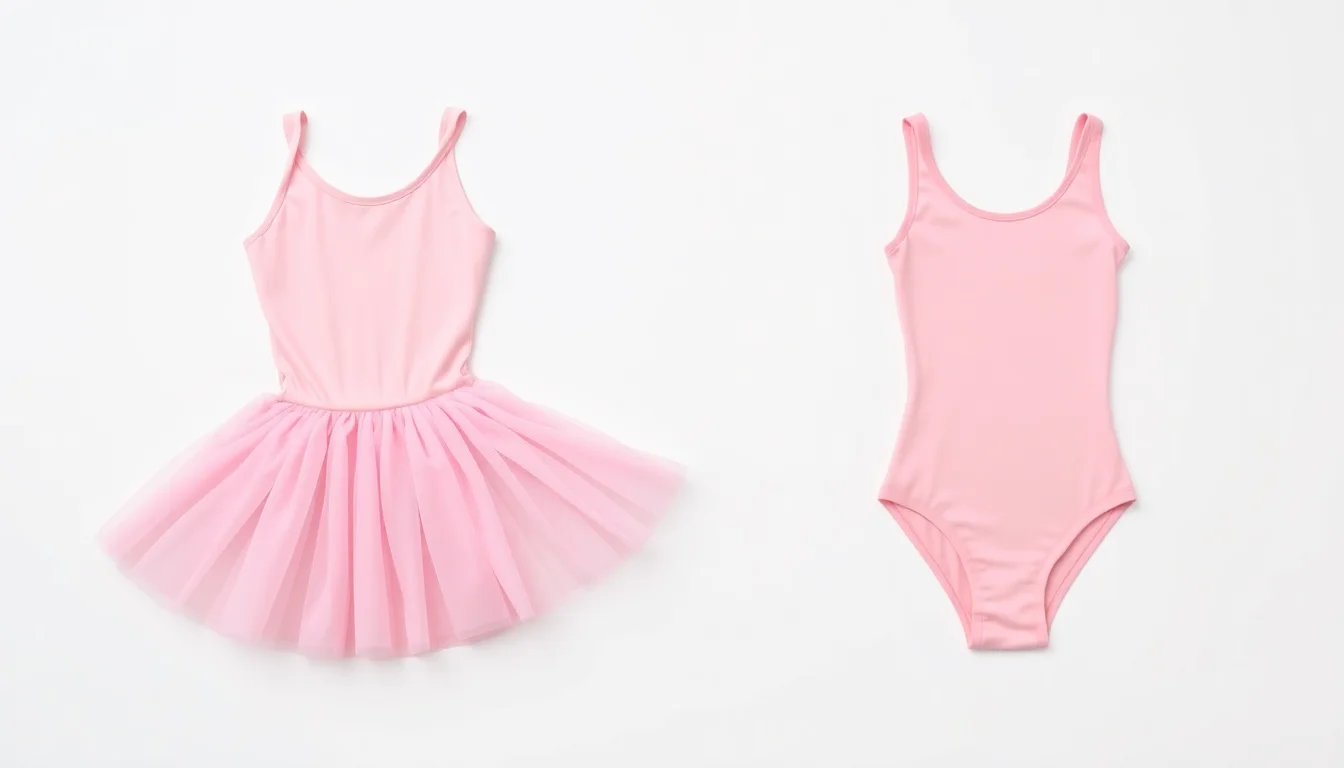
A leotard is the standard close-fitting base garment worn in ballet class. It covers the torso and may have long sleeves, short sleeves, cap sleeves, or be sleeveless, but it has no attached skirt. A ballet dress combines a fitted leotard bodice with an attached skirt — an all-in-one garment ideal for younger students.

When Is a Ballet Dress Worn?

Ballet dresses are most commonly worn by younger students — typically those in the Pre-Primary and Primary grades of the RAD syllabus (children aged approximately three to seven). The dress gives a neat, easy-to-manage look and is ideal for class performances, photos, and demonstrations. Pale pink is the most common colour for beginners. Ballet dresses are also used for:

  • End-of-year shows and informal performances
  • Photo days
  • Festival and competition classes for younger ages

When Is a Plain Leotard Worn?

As students progress to Grade 1 and above, most schools transition to plain leotards worn with separate skirts or without a skirt. This allows the teacher a clear view of the student’s body alignment, hip placement, and leg lines — essential for technical training. Plain leotards with tights and no skirt are standard for:

  • Technical RAD examination classes
  • Higher-grade ballet training
  • Pointe work
  • Stretch and conditioning sessions

RAD Dress Code Summary

  • Pre-Primary: Pink ballet dress, pink tights, pink soft shoes
  • Primary: Pale blue leotard or dress, black character skirt, pink tights
  • Grade 1 upward: Grade-specific coloured leotard; separate skirts may be permitted for warm-up

Always confirm the specific requirements with your child’s school — there is some variation between dance schools.

Frequently Asked Questions

What is a ballet dress?

A ballet dress combines a fitted leotard bodice with an attached skirt in one garment. It is standard attire for younger ballet students in Pre-Primary and Primary grades.

Do older ballet students wear ballet dresses?

Older students typically wear plain leotards. From Grade 1 onward, most RAD schools specify a plain leotard in the grade-specific colour, allowing the teacher to see alignment and technique clearly.

What colour should a ballet dress be?

Pale pink is most common for beginners. The required colour depends on the dance school’s dress code — pale blue is common for Primary grade in RAD schools.

Can my child wear a ballet dress for higher grades?

In most cases, from Grade 1 upward the school will specify a plain leotard rather than a dress. Following the school’s dress code is important for examinations.