Posted on

What Do Ballet Dancers’ Feet Really Look Like?

Social media has made ballet dancers’ feet famous — or infamous. Images of blistered, calloused, and bruised toes circulate endlessly alongside the pristine aesthetic of a pointe shoe. But how much of this reflects the reality of a typical ballet student, and how much is the very specific experience of a professional dancing eight hours a day?

The Myth vs the Reality

The dramatic “ballerina feet” photos that go viral typically belong to professional dancers at major companies — people dancing 30 to 40 hours per week on hard stages, often in multiple pairs of pointe shoes per week. Their feet do look different from non-dancers’ feet. This is real.

What is not real is the assumption that every child in a ballet class will end up with the same feet. A recreational student taking one or two classes per week looks nothing like a company soloist by the end of their training — and neither do their feet.

Changes You Will See in Most Pointe Dancers

Calluses are the most common adaptation. The skin on the tips and sides of the toes thickens in response to repeated pressure — this is the body’s natural protection mechanism, not damage. Most dancers consider their calluses useful padding.

Thickened toenails can develop on the big toes and second toes from repetitive pressure inside the pointe shoe box. Keeping nails trimmed straight across reduces this significantly.

Minor bruising under the toenail (subungual haematoma) appears as a dark purple or black toenail after a period of intensive dancing, usually when the shoe is slightly too long. Correct fitting largely prevents this.

More Serious Changes in Professional Dancers

At professional intensity, the following are documented but not inevitable:

  • Hallux valgus (bunion) — a deviation of the big toe joint outward, partly genetic but exacerbated by narrow shoe boxes and high training volumes
  • Tailor’s bunion — similar deviation of the little toe joint
  • Hammertoes — toes that curl downward at the joint, often from years of gripping in the pointe shoe
  • Stress fractures — in the metatarsals or sesamoid bones, usually from overtraining without adequate rest

These conditions are serious and worth knowing about. They are also largely absent from the health histories of recreational dancers who stopped training in their late teens.

What Do Recreational Dancers’ Feet Look Like?

For the typical ballet student — attending two to four classes per week through childhood and teens — the realistic picture is: slightly tougher skin on the toes, perhaps one or two black toenails from ill-fitting shoes over the years, and strong, flexible arches. Not glamorous, but also not alarming.

Many former recreational dancers report that their feet are actually healthier than their peers’ — stronger, more flexible and more body-aware from years of pointing, flexing and working through the full range of motion.

How to Keep Feet Healthy in Ballet

  • Get pointe shoes professionally fitted — the wrong box shape causes most preventable damage.
  • Use toe pads or gel spacers from the first pointe session.
  • Trim toenails straight across and short.
  • Allow rest days — feet need recovery time like any other part of the body.
  • See a dance physiotherapist if any pain persists beyond a few days.

Frequently Asked Questions

Do all ballet dancers have damaged feet?

No. The dramatic foot images associated with ballet are largely from professional dancers training at very high intensity. Recreational dancers who dance two to four times per week with correct footwear and technique typically have normal, healthy feet.

Are calluses on ballet dancers’ feet a sign of damage?

No — calluses are a normal and often protective adaptation. The skin thickens in areas of repeated friction, which actually provides natural cushioning. Problems arise when calluses crack or become very thick; regular moisturising keeps them manageable.

Why do some professional ballerinas have bunions?

Bunions (hallux valgus) have a strong genetic component, but are worsened by narrow shoe boxes and high training volumes. Many professional dancers are genetically predisposed to bunions and would develop them regardless of ballet — dancing at high intensity does accelerate the progression.

What can I do to prevent foot problems in ballet?

The most effective prevention strategies are: correct pointe shoe fitting by a trained fitter, using toe pads from the start of pointe work, keeping toenails trimmed straight, building training volume gradually, and taking rest days. Never continue dancing through sharp or persistent pain.
Posted on

How to Protect Your Toes in Pointe Shoes: Gel Pads, Lambswool and More

The moment a young dancer puts on their first pair of pointe shoes, the question of toe protection becomes very real. The rigid box of a pointe shoe concentrates considerable pressure onto the tips and sides of the toes — and the right protection makes the difference between a manageable ache and a genuinely painful experience that puts dancers off pointe work entirely.

Why Toe Protection Matters

In pointe shoes, the dancer’s full body weight is distributed across the tips of the toes through a hard or semi-hard box. Without any padding between skin and box, friction causes blisters, bruising under the toenails and skin breakdown in a matter of days. Good toe protection:

  • Distributes pressure more evenly across the toe tips
  • Reduces friction between skin and the inner lining of the box
  • Allows the dancer to focus on technique rather than pain
  • Slows the rate at which skin breaks down during intensive periods

Gel Toe Pads

Gel pads (often called toe pads or pirouette pads) are the most popular modern solution. They fit over the toes like a sock or cap and are made from soft silicone or polymer gel. The gel absorbs impact and distributes pressure across the whole toe tip rather than concentrating it on the nail.

Pros: Reusable, washable, good shock absorption, available in cut-to-fit or pre-shaped versions.
Cons: Can feel slightly bulky inside a fitted box, and some dancers find them sweaty in warm studios.

Brands such as Bunheads, Gaynor Minden and Pillows for Pointes all make popular gel pad options. Try a few to find what suits your foot shape.

Lambswool

Lambswool has been used in pointe shoes since the technique was first developed. It is the traditional choice and still widely preferred by professional dancers. A small amount of natural lambswool is teased into a loose bundle and wrapped around the toes, providing a soft cushion that moulds precisely to the foot.

Pros: Lightweight, breathable, infinitely adjustable, very natural feel.
Cons: Needs to be replaced regularly (usually after every few sessions), technique to apply it correctly takes a little practice.

Ouch Pouches and Fabric Pouches

Fabric pouches (such as the Bunheads Ouch Pouch) are small fabric bags lined with gel that slip over the toes. They are a middle ground between gel pads and lambswool — less bulky than full gel pads but more structured than lambswool.

They are particularly good for dancers who want some protection without the sensation of a thick pad inside the shoe.

Tape Methods

Many dancers — particularly professionals — use medical tape (zinc oxide tape or kinesiology tape) directly on the skin to reduce friction on specific pressure points. Common areas to tape include:

  • The tip and edge of the big toe
  • The outside of the little toe
  • Any blisters that have formed

Taping requires practice to apply correctly and works best as a supplement to pads rather than a complete substitute, especially for recreational dancers.

Spacers and Toe Separators

Gel toe separators between the first and second toes can reduce friction between them and help dancers whose toes naturally cross or overlap. They also provide some relief for early hallux valgus (bunion) discomfort.

Which Protection Is Right for You?

The best protection depends on your foot shape and the brand of pointe shoe you wear. A wider-box shoe (such as Bloch or Capezio) typically has more room for gel pads. A narrower-box shoe (such as Freed or Gaynor Minden) may work better with lambswool or a thin ouch pouch. Ask your pointe shoe fitter when you next get fitted — they will know what works with each shoe.

Frequently Asked Questions

What is the best toe protection for pointe shoes?

There is no single best option — it depends on your foot shape, shoe brand and personal preference. Gel pads are the most popular modern choice and a good starting point for beginners. Lambswool is preferred by many professionals for its lightweight, adjustable fit. Try both and see which feels better in your specific shoe.

Do I need toe protection for my first pair of pointe shoes?

Yes. Toe protection should be part of your very first pointe shoe setup. The skin on the toes needs time to toughen up (calluses develop over weeks), and without padding in the meantime, even short sessions can cause painful blisters.

How often should I replace gel toe pads?

Gel pads last several months if washed after each use and stored flat or in a mesh bag. Replace them when the gel starts to harden, crack or lose its cushioning feel — usually after three to six months of regular use.

Can toe pads change how my pointe shoe fits?

Yes — any padding adds volume inside the box. If you add thick gel pads to a shoe that already fits snugly, the fit may become too tight. Always try potential pads inside your shoes before buying — your fitter can advise on whether to size up when switching from lambswool to gel pads.

Posted on

Character Shoes for RAD Ballet: A Complete Buying Guide by Grade

Character shoes appear in RAD ballet from Grade 3 onwards, and choosing the wrong pair can mean being turned away at an exam. This guide covers everything you need to know — from which heel height is required at each grade, to whether to buy black or tan, and how to get the fit right the first time.

What Are Character Shoes?

Character shoes are low-heeled, strapped dance shoes used in character dance — the theatrical, folk-influenced style that forms part of the RAD syllabus from Grade 3. They are distinct from ballet slippers (which are flat and soft-soled) and pointe shoes. Character shoes have a small block heel, a T-bar or ankle strap, and a smooth leather or faux-leather upper that allows turns and sliding steps on studio floors.

RAD Grade Requirements at a Glance

RAD Grade Heel Height Colour
Grade 3 Approx. 1.5 cm Black
Grade 4 Approx. 1.5 cm Black
Grade 5 Approx. 2 cm Black
Grade 6 (Intermediate Foundation) Approx. 2.5 cm Black or tan (check with teacher)
Grade 7 (Intermediate) Approx. 2.5 cm Tan
Grade 8 (Advanced Foundation) Approx. 5 cm / kitten heel Tan or black depending on variation

Note: Always confirm current requirements with your teacher, as RAD syllabus specifications can be updated between editions.

Black vs Tan Character Shoes

In the lower grades (3–5), black character shoes are standard. Tan or flesh-toned shoes appear from the intermediate grades onwards and are designed to create a visual line from the leg through the foot — particularly important in character variations where the costume may include bare-legged looks.

If you are buying for a child in Grade 3 or 4, buy black. If they are Grade 6 or above, ask their teacher before purchasing — the requirement may vary by school or specific exam syllabus.

What to Look for When Buying Character Shoes

Heel Height

The heel must match the grade requirement. A heel that is too high or too low will be visible in an exam and may affect the mark. Check the specification in the current RAD syllabus or ask the teacher.

Strap Style

A T-bar (T-shaped strap) is the most common and most secure style for younger dancers. An ankle strap is also acceptable and tends to be preferred by older students. Avoid slip-on styles without a strap — the shoe needs to stay firmly on the foot during character footwork.

Sole

Character shoes should have a smooth, hard leather or synthetic sole that allows gliding and stamping movements without gripping the floor. They should not have rubber soles — rubber grips too much for character work.

Fit

Character shoes should fit like a smart shoe — snug but not tight, with about half a centimetre of growing room for children. The heel should sit firmly in the cup without slipping. The strap should fasten comfortably without cutting in.

Sizing Tips for Children

Character shoes often run small compared to school shoes. If your child usually wears a UK size 2 in school shoes, try a 2.5 in character shoes first. Always try them on with the tights they will be worn with in class — tights add just enough thickness to affect the fit.

How Long Do Character Shoes Last?

With weekly class use, a good pair of character shoes typically lasts one to two dance years for growing children. The heel and sole wear down faster than the upper, so if the shoe still fits but the heel is damaged, a cobbler can often replace the heel tip inexpensively.

Frequently Asked Questions

What are character shoes used for in RAD ballet?

Character shoes are worn for the character dance sections of the RAD syllabus, which begin in Grade 3. Character dance draws on European folk dance traditions — polkas, mazurkas and waltzes — and requires a specific type of low-heeled, strapped shoe that allows stamping, clicking heels and smooth sliding steps on a studio floor.

What heel height do I need for RAD Grade 3?

RAD Grade 3 character shoes typically require a heel of approximately 1.5 cm. Always confirm with your teacher as requirements can vary by the current syllabus edition. Buying a shoe with the correct heel height is important — examiners are trained to notice incorrect footwear.

Can I use the same character shoes for multiple RAD grades?

Possibly — if the heel height requirement stays the same between grades (for example, Grades 3 and 4 both require approximately 1.5 cm) and the shoes still fit, you can continue wearing them. However, children’s feet grow quickly, and by Grade 5 the heel requirement increases, so most children need at least two pairs across their exam years.

Are character shoes the same as jazz shoes?

No. Jazz shoes are typically flat or have a very minimal heel and are used in jazz and contemporary dance. Character shoes have a defined block heel and are specifically used in character dance. They are not interchangeable in RAD exams.

How do I clean character shoes?

Wipe the upper with a slightly damp cloth after each use. For leather shoes, apply a small amount of leather conditioner or black shoe polish monthly. Allow them to dry naturally — never put character shoes near a radiator or in direct sunlight, as this can crack the leather or warp the heel.

Posted on

Does a Ballet Turning Board Really Help? An Honest Guide for Parents and Students

If your child has been working on pirouettes, you have probably heard the phrase “turning board” mentioned at the dance studio. These small discs promise to speed up the learning curve for spins — but do they actually work? The short answer is yes, but only when used correctly and at the right stage of training.

What Is a Ballet Turning Board?

A ballet turning board (sometimes called a pirouette board, spin board or pirouette disc) is a smooth, low-friction disc placed on the floor. A dancer stands on it and practises the mechanics of turning — spotting, core engagement and the position of the working leg — without the resistance of a normal studio floor.

By reducing friction, the board isolates the upper-body mechanics of a pirouette so the dancer can focus on what their arms, head and core are doing, rather than fighting the floor surface.

What the Research and Teachers Say

Ballet teachers who use turning boards consistently report that students develop better spotting technique and core stability faster when they add board work to their practice routine. The board acts as immediate feedback: if a dancer’s weight is off-centre, the spin collapses straight away. On a regular floor, small weight errors are masked by friction, so bad habits build up unseen.

The key word is supplement. A turning board is a training tool, not a shortcut. Dancers still need to develop the leg strength, ankle stability and proprioception that come from regular barre and centre work.

Who Should Use a Turning Board?

Turning boards are most beneficial for dancers who:

  • Already understand the basic mechanics of a pirouette (en dehors and en dedans)
  • Are working on Grade 4 RAD and above, or equivalent
  • Have enough ankle strength to relevé safely without rolling in
  • Want to improve spotting speed and consistency

Very young beginners (Pre-Primary to Grade 2) are generally too early for turning board work — at that stage, building strength and body awareness is more important than drilling spin mechanics.

How Long Before You See Results?

Most students notice an improvement in spotting clarity within two to four weeks of regular board practice (10–15 minutes, three to four times a week). Transferring that improvement back to the studio floor takes another two to four weeks of combined work. Total time to noticeably better pirouettes: roughly six to eight weeks with consistent practice.

Round vs Rectangular: Which Type Works Best?

Both shapes work. Round discs feel more natural for turns, while rectangular boards give a stable standing platform if the dancer also wants to work on arabesque balances or développé. Our Ballet Pirouette Turning Board is available in both styles so you can choose the shape that suits your training goals.

Tips for Getting the Most From a Turning Board

  • Always warm up first — cold ankles and a slippery board are a bad combination.
  • Start with half-turns before progressing to full rotations.
  • Use it on a non-slip mat on hard floors so the board stays in place.
  • Practise spotting at the mirror before adding rotation.
  • Never use on carpet — the board needs a smooth, hard surface to work properly.

Frequently Asked Questions

Do turning boards really help with pirouettes?

Yes — when used alongside regular ballet training, turning boards measurably improve spotting technique and core alignment. They are not a replacement for floor work, but they accelerate the learning process for the mechanics of turning.

What age is a turning board suitable for?

Most ballet teachers recommend turning boards for children aged 9 and above who are working on Grade 4 RAD or equivalent. Younger dancers are better served by building core strength and body awareness through regular class work first.

How often should I practise on a turning board?

Ten to fifteen minutes of focused turning board practice three to four times a week is enough to see improvement. Quality matters more than duration — it is better to practise 20 clean half-turns than 100 sloppy full turns.

Can I use a turning board at home?

Yes — one of the main benefits of a turning board is that it can be used on any smooth hard floor at home, such as a kitchen or utility room. Always place it on a non-slip mat and ensure there is clear space around you.

What is the difference between a round and a rectangular turning board?

Round discs are specifically designed for pirouette practice and feel the most natural for turning. Rectangular boards offer a larger standing platform and are also useful for working on balance in arabesque or other static poses. Both types improve spinning technique.

Posted on

What Is a Romantic Tutu? Ballet’s Most Elegant Skirt

What Is a Romantic Tutu? Ballet's Most Elegant Skirt

Short answer: What Is a Romantic Tutu? The romantic tutu is a long, soft ballet skirt made from multiple layers of tulle or organza that falls to the calf or ankle.

What Is a Romantic Tutu?

The romantic tutu is a long, soft ballet skirt made from multiple layers of tulle or organza that falls to the calf or ankle. It is the earliest style of ballet tutu and is associated with the Romantic era of the early 19th century — a period in ballet history defined by supernatural themes, ghostly heroines, and an emphasis on ethereal femininity.

Unlike the stiff, flat classical tutu most people picture when they think of ballet, the romantic tutu flows and moves with the dancer, creating a cloud-like silhouette that is simultaneously structured and weightless.

The History of the Romantic Tutu

The romantic tutu emerged in Paris in the 1820s and 1830s as ballet shifted away from elaborate court spectacle toward emotional storytelling. The new style demanded costumes that could suggest the supernatural — sylphs, ghosts, water spirits, and fairies. The long, soft skirt was perfect: it gave the illusion of a dancer who barely touched the ground, floating rather than walking.

The Italian ballerina Marie Taglioni is closely associated with the romantic tutu’s rise. Her performances in La Sylphide (Paris, 1832) established the romantic style that swept European ballet and made the tutu’s soft, bell-shaped silhouette iconic. Shortly after, Carlotta Grisi wore a similar tutu in the original production of Giselle (Paris, 1841), cementing the romantic tutu’s place in ballet history.

How the Romantic Tutu Is Made

A romantic tutu is constructed from:

  • Multiple layers of tulle, organza, or silk: Typically eight to twelve layers, each cut slightly longer than the one below to create depth and movement
  • A fitted bodice: Attached directly to the skirt in performance versions, creating an all-in-one garment
  • A pale colour palette: White is most traditional; soft pastels (pale blue, lavender, blush pink) are also used for specific productions

The skirt is not boned or wired — it hangs naturally from the waist, which is what gives it its characteristic softness and flow.

Romantic Tutu vs Classical Tutu: The Key Differences

Feature Romantic Tutu Classical (Pancake) Tutu
Length Calf to ankle Very short — projects horizontally from the hips
Fabric Soft tulle or organza Stiff net, boned or wired
Shape Flowing, bell-shaped Flat, circular, pancake
Era Romantic (1830s–1840s) Imperial Russian (1890s onward)
Purpose Suggests ethereal, supernatural quality Showcases leg lines and footwork
Example ballets La Sylphide, Giselle Swan Lake, Sleeping Beauty, Nutcracker

When Is the Romantic Tutu Worn Today?

The romantic tutu remains in active use in the repertoire of ballet companies worldwide. It is worn in productions of:

  • La Sylphide (1832) — the defining romantic ballet, still performed regularly
  • Giselle (1841) — one of the most performed ballets in the world
  • Some productions of Les Sylphides (1909) — Fokine’s plotless homage to the Romantic era
  • Various contemporary works that reference or reinterpret the Romantic period

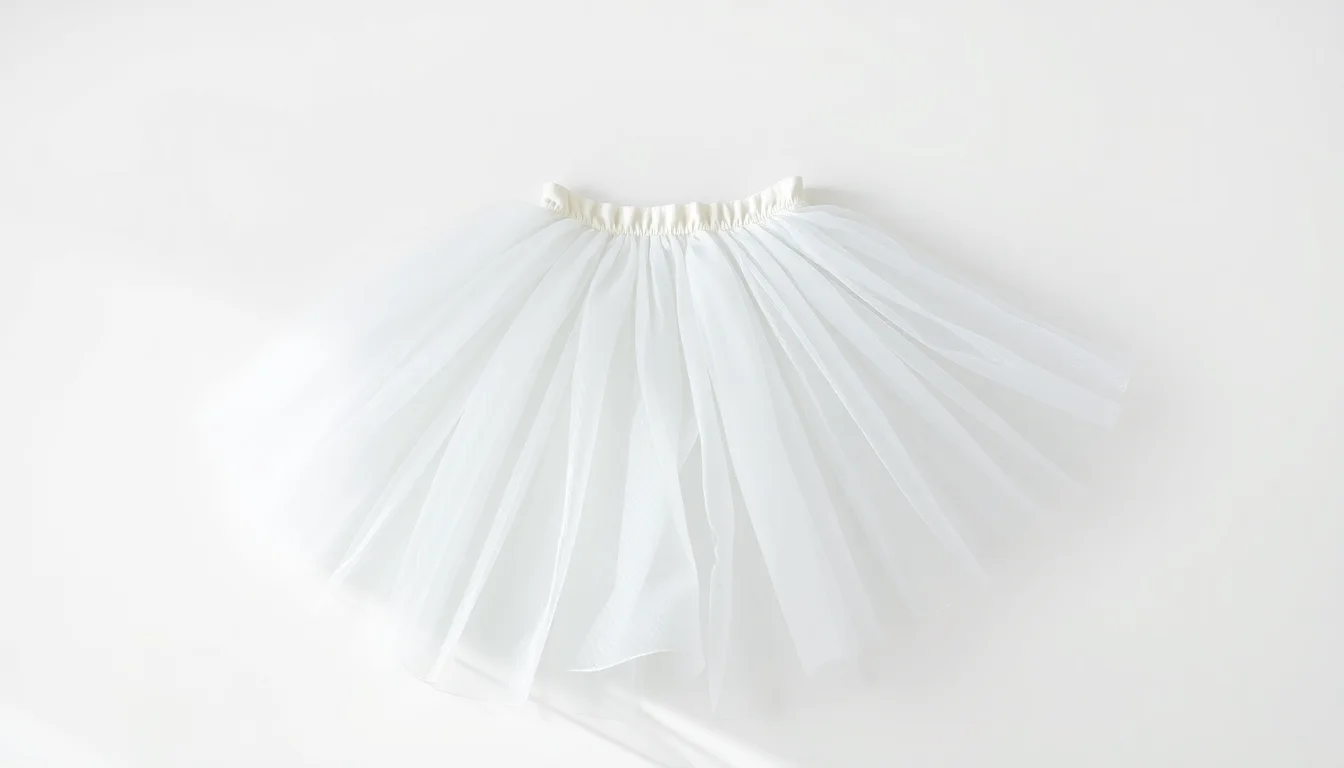
For student performances and shows, a simpler version of the romantic tutu silhouette is achieved with a longer chiffon or organza ballet skirt over the leotard.

The Romantic Tutu and Pointe Work

Interestingly, the romantic tutu and the pointe shoe emerged at roughly the same time in the 1820s–1830s. Both developments served the same artistic purpose: to make the ballerina appear to float above the ground. The romantic tutu’s soft, floor-length layers obscure the feet, which means the dancer’s pointe work must be exceptionally precise — the footwork is heard but not always clearly seen.

Frequently Asked Questions

What is a romantic tutu?

A romantic tutu is a long, soft ballet skirt made from multiple layers of tulle or organza, falling to the calf or ankle. It is associated with the Romantic era of ballet in the 1830s–1840s and is worn in ballets such as La Sylphide and Giselle.

What is the difference between a romantic and classical tutu?

A romantic tutu is long, soft, and flows from the waist. A classical (pancake) tutu is short, stiff, and projects horizontally from the hips. The romantic tutu creates an ethereal silhouette; the classical tutu showcases the dancer’s leg lines and footwork.

Who created the romantic tutu?

The romantic tutu developed gradually in Paris in the 1820s–1830s. It is most closely associated with the choreographer Filippo Taglioni and his daughter Marie Taglioni, whose performances in La Sylphide (1832) made the soft, flowing tutu silhouette iconic.

Why is it called a romantic tutu?

It is called a romantic tutu because it emerged during the Romantic era of art and literature — a period that prized emotion, nature, and the supernatural over the formal rationalism of the previous century. The soft, flowing skirt perfectly embodied the aesthetic of this era.

Is the romantic tutu still used in ballet today?

Yes. La Sylphide and Giselle, the two great Romantic-era ballets, are still regularly performed by companies worldwide. The romantic tutu remains an essential part of the classical ballet costume repertoire.

Posted on

What Is a Character Skirt? A Ballet Parent’s Guide

What Is a Character Skirt? A Ballet Parent's Guide

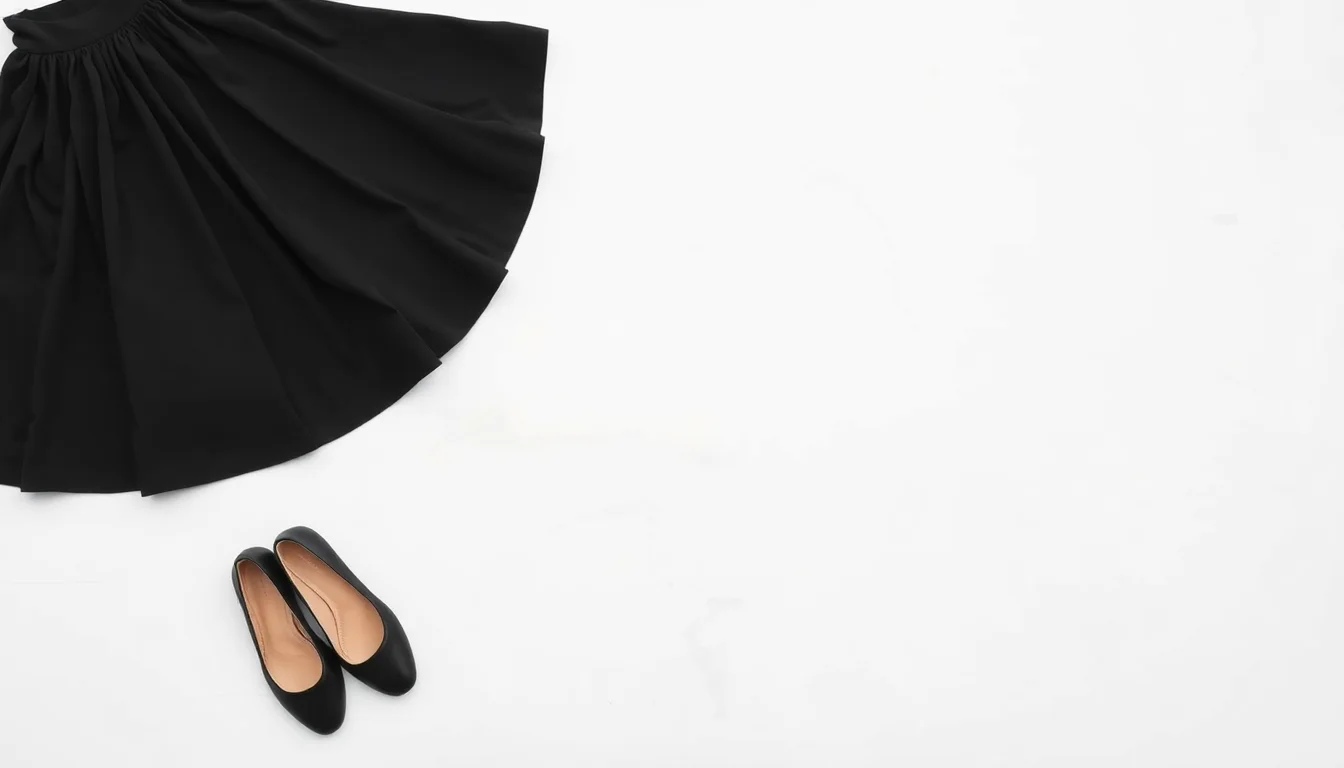
Short answer: What Is a Character Skirt? A character skirt is the black mid-length skirt worn by female ballet students for the character and national dance sections of their class and examinations.

What Is a Character Skirt?

A character skirt is the black mid-length skirt worn by female ballet students for the character and national dance sections of their class and examinations. In the Royal Academy of Dance (RAD) syllabus, it is introduced at the Primary grade and remains part of the required uniform through all subsequent grades.

Character dance — also called national dance — draws on folk dance traditions from countries such as Hungary, Russia, Poland, and Spain. The character skirt replaces the free-flowing tutu of classical ballet with a more structured, practical garment that suits the stronger, earthier movements of character work.

What Does a Character Skirt Look Like?

A standard RAD character skirt is:

  • Black — the required colour across all RAD grades
  • Mid-length — falling to just below the knee or at the mid-calf, depending on the grade
  • Slightly flared — with enough volume to move during turns and kicks, but not a full circle skirt
  • Firm fabric — typically a polyester or cotton blend that holds its shape rather than floating loosely

Some character skirts have a decorative trim at the hem — a narrow ribbon or braid band in a contrasting colour. The RAD uniform specifications for each grade will confirm whether a trim is required.

When Is the Character Skirt Introduced?

The character skirt is introduced at the RAD Primary grade, when students are typically aged five to seven. At this level, students perform their first simple character exercises as part of the examination syllabus. From Primary onward, the skirt remains a permanent part of the class uniform alongside the grade-specific leotard and character shoes.

What Is a Character Skirt Worn With?

A character skirt is always worn:

  • Over the grade-specific leotard and pink ballet tights
  • With character shoes — not soft ballet shoes. Character shoes have a low Cuban or Spanish heel and a strap across the instep.
  • Without a separate wrap skirt or additional layers for examinations

During classical sections of the class (pliés, tendus, pointe work), the character skirt is typically removed and the student works in just their leotard and tights.

How Should a Character Skirt Fit?

The character skirt should sit at the natural waist and fall to approximately mid-calf or just below the knee. It should be comfortable enough to allow full hip and leg movement — high kicks, stamps, and turns — without being so loose that it moves erratically. Most character skirts fasten with a button or hook and eye at the back waist or with an elasticated waistband for younger students.

Check the RAD’s current published uniform specifications for the exact hemline length required for your child’s grade, as this can vary slightly.

How to Care for a Character Skirt

  • Machine wash on a gentle cycle at 30°C
  • Hang to dry — do not tumble dry, as heat can damage the fabric and cause shrinkage
  • Iron on a low setting if needed; hang after ironing to cool flat
  • Store hanging or folded flat — avoid cramming into a bag to prevent creasing

Frequently Asked Questions

What is a character skirt in ballet?

A character skirt is the black mid-length skirt required for character and national dance sections of RAD ballet classes and examinations. It is introduced at the Primary grade and is worn with character shoes rather than soft ballet shoes.

What grade do you start wearing a character skirt?

In the RAD syllabus, the character skirt is introduced at the Primary grade. This is typically for children aged five to seven. It continues to be worn from Primary through all subsequent grades.

What colour is a character skirt?

The standard RAD character skirt is black. Some grades may require a decorative trim at the hem; always check the RAD’s current published uniform requirements for the specific grade.

What are character shoes?

Character shoes are low-heeled shoes worn for character dance. They have a small Cuban or Spanish heel (typically 1–4 cm) and a strap across the instep. They are different from soft ballet shoes and are required for character sections of RAD examinations.

Can my child wear their character skirt for the whole ballet class?

The character skirt is usually worn only for the character sections of class and examinations. During classical ballet work (barre exercises, pointe work, centre work), the skirt is typically removed and the student works in their leotard and tights alone.

Posted on

How Much Do Pointe Shoes Cost? A Complete Buyer’s Guide

How Much Do Pointe Shoes Cost? A Complete Buyer's Guide

Short answer: Typical Pointe Shoe Prices Pointe shoes are handmade by skilled craftspeople from layers of fabric, paste, and leather — and the price reflects that.

Typical Pointe Shoe Prices

Pointe shoes are handmade by skilled craftspeople from layers of fabric, paste, and leather — and the price reflects that. Here is what you can typically expect to pay:

Type Approximate Price
Entry-level student shoes (e.g. Bloch, Capezio) £30–£50 / AU$65–$90
Mid-range student shoes (e.g. Freed Classic, Grishko) £55–£80 / AU$100–$150
Professional / specialist shoes (e.g. Gaynor Minden) £80–£120 / AU$150–$220

What Affects the Price?

  • Brand: Established professional brands command higher prices due to reputation and quality
  • Construction: Handmade shoes from specialist factories — particularly Russian-made shoes — cost more than standardised production
  • Materials: Satin type, shank material (leather vs fibreglass), and box construction all affect cost
  • Region: Prices vary between the UK, Europe, Australia, and North America due to import costs and distribution

The Cost of a Professional Fitting

A professional pointe shoe fitting at a specialist dance shop is strongly recommended — not optional. An experienced fitter will assess the foot’s shape, measure length and width, and try multiple styles to find the correct fit. Allow 30 to 45 minutes and expect to try several pairs. Some shops charge a fitting fee; others include it in the purchase price. Never buy a first pair of pointe shoes online without a prior professional fitting — the wrong shoe can cause serious injury.

Ongoing Replacement Costs

Pointe shoes wear out quickly. Ongoing costs depend on class frequency:

  • 2–3 classes/week: a new pair every 4 to 12 weeks
  • 5+ classes/week: a new pair every 2 to 4 weeks
  • Professional dancers: several pairs per week

At £50–£80 per pair, this is a meaningful ongoing expense. Rotating two pairs and drying them between uses can extend each pair’s life.

Additional Costs for First-Time Pointe Students

  • Toe pads: Gel, foam, or lambswool padding — £5–£25
  • Ribbons and elastics: For sewing onto the shoes — £3–£10
  • Sewing kit: Needle and strong thread in a matching colour
  • Warm-up booties (optional): To keep feet warm between exercises

Frequently Asked Questions

How much do pointe shoes cost?

Pointe shoes typically cost £30–£120 (approximately AU$65–$220) depending on brand and construction. Entry-level student shoes from Bloch or Capezio start around £30–£50; professional-grade shoes from Gaynor Minden or Freed reach £80–£120 or more.

Why are pointe shoes so expensive?

They are handmade by skilled craftspeople using layered construction methods. The materials — satin, leather, glue, and stiffening paste — and the labour involved in shaping each shoe to its last account for the cost.

How often do pointe shoes need to be replaced?

For a student taking 2–3 classes per week, a pair may last 4 weeks to 3 months. Advanced students taking 5+ classes per week may need new shoes every 2 to 4 weeks.

Can I buy cheap pointe shoes online?

Very inexpensive shoes (under £20) from general retail websites are not safe — they lack the construction and support needed for dancing and can cause serious injury. Only buy from specialist dancewear retailers and follow a professional fitting.

Do pointe shoes come with ribbons and elastics?

Most are sold without ribbons and elastics, which must be purchased separately and sewn on. Some entry-level shoes include a basic elastic, but this should always be verified with a teacher or fitter.

Posted on

Plus Size Ballet Wear: What to Buy and How to Choose

Plus Size Ballet Wear: What to Buy and How to Choose

Short answer: Ballet Is for Every Body Ballet is for every body type, shape, and size. Many adults discovering ballet for the first time — whether through a beginner class, an adult barre programme, or a…

Ballet Is for Every Body

Ballet is for every body type, shape, and size. Many adults discovering ballet for the first time — whether through a beginner class, an adult barre programme, or a long-held dream — wonder where to find comfortable, professional dancewear that fits well. Options have expanded significantly in recent years, and finding high-quality ballet attire in extended sizes is much more straightforward than it used to be.

What to Look for in Plus Size Ballet Wear

  • Stretch and recovery: High-stretch fabrics (80% nylon / 20% Lycra or similar) that move with you and return to shape
  • Supportive construction: Well-structured gusset, quality seams, and a supportive chest panel make a significant difference
  • Genuine extended sizing: Look for brands offering UK 20+/EU 48+ cut from extended patterns, not simply a larger version of a standard cut
  • Longer torso options: Some brands offer extended-torso styles that sit comfortably on a longer body

Leotard

A well-fitting leotard is the foundation. Choose a style with a modest neckline if you prefer more coverage — a high neck or long-sleeve leotard provides extra confidence without compromising movement. Clean-cut designs with minimal seaming are most flattering and professional.

Ballet Tights

Dance tights are generally available in wider size ranges than street hosiery because they are made from high-stretch performance fabric. Always convert your measurements to the specific brand’s size chart — sizing varies significantly. Ballet tights should feel supportive without excessive pulling or bunching.

Ballet Shoes

Soft ballet shoes come in width fittings as well as lengths. Wider-fitting options are important for those with broader feet. When ordering online, use the brand’s measurement guide and select the width fitting where available.

Wrap Skirt

A chiffon or jersey wrap skirt ties at the waist and adjusts to any size — a universally flattering, versatile option for class and rehearsal.

Confidence and Community

Adult ballet communities are welcoming. Most adult beginner classes have a mix of body types and levels, and the focus is on the joy of movement and the challenge of learning. Well-fitting dancewear that feels professional significantly boosts confidence in the studio.

Frequently Asked Questions

Is ballet appropriate for plus size adults?

Absolutely. Ballet is for all body types. Adult beginner classes focus on the enjoyment of movement and personal progression. Many students of all sizes find ballet a rewarding physical and artistic practice.

Where can I find plus size ballet wear?

Many dancewear brands now offer extended size ranges. Look specifically for brands with genuine extended-size patterns. Always check the size chart and use your actual measurements.

What should I wear to my first adult ballet class?

Comfortable movement clothing is fine for a first class. Once you continue, a basic leotard, tights, and soft ballet shoes are standard. Your school will provide guidance on any specific dress code.

What size range do ballet tights come in?

Most professional dance tights are available to UK size 18–22; some specialist brands go further. High-stretch performance fabrics accommodate a wider range than standard hosiery.

Posted on

What Are Ballet Arms? Port de Bras for Beginners

What Are Ballet Arms? Port de Bras for Beginners

Short answer: What Is Port de Bras? Port de bras is a French term meaning "carriage of the arms." It refers both to the positions the arms take in ballet and to the flowing exercises that move the arms through…

What Is Port de Bras?

Port de bras is a French term meaning “carriage of the arms.” It refers both to the positions the arms take in ballet and to the flowing exercises that move the arms through these positions. Expressive, well-trained arms frame the body, enhance leg lines, and communicate emotion to the audience. Beautiful port de bras takes dedicated practice — it is not automatic.

The Arm Positions in RAD Ballet

  • Bras bas (Preparatory position): Both arms hang in a low, rounded oval in front of the body. Hands slightly in front of the hips, palms facing each other, fingers lightly curved. The starting and resting position from which most combinations begin.
  • First position (arms): Both arms raised from bras bas to a rounded oval at approximately waist height. Elbows slightly higher than the wrists; hands level.
  • Second position (arms): Both arms extend to the sides at shoulder height, softly rounded, palms facing the floor.
  • Third position (arms): One arm raised above the head; the other extends to second. Used in many barre combinations and adage exercises.
  • Fifth en haut: Both arms raised overhead in a rounded oval, framing the face. Arms should be in front of the head, not falling behind it.

Qualities of Good Port de Bras

  • Softness: Elbows never locked; wrists flowing; fingers gently curved, not stiff or splayed
  • Weight: Arms have a sense of gentle weight — they float rather than feeling rigid or floppy
  • Connection to the back: Arm movement initiates from the back and shoulder blades, not just the hands
  • Coordination: Arms move with the head and épaulement (shoulder placement)

Common Mistakes

  • Raised or tense shoulders (shoulders should remain down and back)
  • Straight, locked elbows
  • Wrists dropped below the line of the arms
  • Fingers too stiff or too widely spread
  • Arms moving without connection to the back

Port de Bras as a Class Exercise

In ballet class, “port de bras” also refers to specific exercises that practise arm carriage — moving through a series of positions combined with inclinations of the head and spine. These appear at the barre and in the centre and are part of the RAD syllabus at all levels.

Frequently Asked Questions

What does port de bras mean?

Port de bras means “carriage of the arms” in French. It refers both to the positions arms take in ballet and to the flowing exercises that develop expressive, coordinated arm movement.

How many arm positions are there in ballet?

The RAD teaches five core arm positions: bras bas, first, second, third, and fifth en haut. The Cecchetti method uses seven. All are built on the same principle of soft, rounded, expressive arm carriage.

How do I improve my port de bras?

Release tension in the neck, shoulders, and elbows while maintaining lightness and movement. Practise in a mirror, use slow music, and ask your teacher for specific feedback.

When are arm positions introduced in ballet?

From the very first lesson — starting with bras bas. More specific and expressive port de bras exercises develop through the grades as technique advances.

Posted on

How to Sew Elastics on Pointe Shoes: Step-by-Step

How to Sew Elastics on Pointe Shoes: Step-by-Step

Short answer: Why Do Pointe Shoes Need Elastics? Pointe shoes come with ribbons for tying but most dancers also sew one or two elastics across the heel to keep the back of the shoe firmly against the foot when…

Why Do Pointe Shoes Need Elastics?

Pointe shoes come with ribbons for tying but most dancers also sew one or two elastics across the heel to keep the back of the shoe firmly against the foot when rising en pointe. Without an elastic, the heel can gap or pull away, making it unsafe and giving an untidy appearance. Your teacher will advise whether you need a single elastic or the cross-elastic method.

What You Will Need

  • Your new pointe shoes
  • Elastic approximately 1.5–2 cm wide (grosgrain ribbon elastic or standard dance elastic in matching colour — pink for pink shoes)
  • A needle and strong thread matching the shoe colour
  • Sharp scissors
  • A lighter or nail varnish to seal the cut ends of the elastic and prevent fraying

How to Measure the Elastic

Put the shoe on your foot. Fold the heel of the shoe down to find the natural fold point — the place where the back of the shoe meets the heel when you flex the foot. The elastic will be sewn from one side of this fold to the other. Cut a piece of elastic long enough to span with approximately 1–2 cm overlap on each side for sewing — typically 18–22 cm, varying by foot size. The elastic should hold the heel snugly without digging in when you flex the foot fully.

Single Elastic Method: Step by Step

  1. Fold down the heel lining to find the fold point.
  2. Mark where the elastic will attach — approximately 1–2 cm from the back seam on each side.
  3. Seal the ends of the elastic with flame or nail varnish to prevent fraying.
  4. Thread the needle with a double strand of thread and knot the end.
  5. Sew one end of the elastic to the inside of the shoe at the first mark, using several strong stitches through the elastic and the canvas lining. Do not sew through the satin exterior.
  6. Stretch the elastic across the back of the shoe and sew the other end at the second mark with the same number of stitches.
  7. Knot securely and cut the thread.
  8. Replace the heel lining.

Cross Elastic Method

The cross elastic method uses two shorter pieces of elastic sewn at an angle to form an X across the Achilles tendon area, offering greater security for narrow heels or for students who find a single elastic slips. Follow the same basic method, attaching each piece diagonally so the two elastics cross in the centre above the heel.

Elastics vs Ribbons

Ribbons are the long satin ties that wrap around the ankle and tie at the front — separate from elastics. Elastics keep the heel of the shoe against the foot; ribbons support the ankle and finish the look. Most teachers recommend sewing both. See our guide on how to sew ribbons on pointe shoes for full ribbon instructions.

Frequently Asked Questions

Do you sew elastics or ribbons on pointe shoes?

Most dancers sew both. Ribbons wrap around the ankle and tie at the front. Elastics cross the back of the heel to stop the shoe gaping. Both are usually sewn before the shoes are worn in class.

Should the elastic be sewn inside or outside?

The elastic is sewn to the inside of the shoe through the canvas lining. Stitches must not go through the satin exterior. The elastic itself crosses the outside of the shoe over the back of the heel.

What colour elastic for pointe shoes?

Use elastic matching the colour of your shoes — pink for pink satin shoes. This maintains a professional appearance required by most schools and examination boards.

Can I buy pointe shoes with elastics already sewn on?

Some beginner shoes include a basic elastic, but most professional shoes are sold without ribbons or elastics. Students sew their own to ensure correct positioning and tension for their individual foot.