Posted on

Ballet Turnout: What It Is and Why It Matters

Ballet Turnout: What It Is and Why It Matters

Short answer: What Is Turnout in Ballet? Turnout is the outward rotation of both legs from the hip socket, so that the knees and feet point to the sides rather than straight forward.

What Is Turnout in Ballet?

Turnout is the outward rotation of both legs from the hip socket, so that the knees and feet point to the sides rather than straight forward. It is one of the most fundamental principles of classical ballet technique — visible in every one of the five foot positions and underlying every step, jump, and turn.

Perfect classical turnout is 180 degrees (both feet pointing in exactly opposite directions), but this is rare and depends on hip socket anatomy. Most professional dancers achieve 120 to 150 degrees of working turnout. The key is that turnout must come from the hips, not from forcing the knees or feet.

Why Is Turnout Important?

Turnout is not merely an aesthetic choice — it serves practical technical functions:

  • Stability: A turned-out stance gives a wider, more stable base for balance and jumping
  • Range of motion: Turned-out legs can extend higher to the side and behind than legs in parallel
  • Line: Turnout creates the long, elegant lines associated with classical ballet
  • Tradition: Turnout has been a fundamental requirement since the 17th century

True Turnout vs Forced Turnout

True turnout comes from rotation in the hip joint — specifically from the external rotator muscles deep in the glutes. Forced turnout occurs when a dancer rolls the feet outward without rotation coming from the hip, placing excessive stress on the knees, ankles, and arches.

Forced turnout is one of the most common causes of injury in young ballet students. Good teachers develop natural turnout gradually and never push or manipulate a child’s legs beyond their natural range.

How Much Turnout Is Needed?

  • Beginners and young students: Natural turnout — however limited — is perfectly acceptable. Focus is on correct use of existing range.
  • Intermediate grades: Students work within their natural range while developing it gradually through conditioning.
  • Advanced students: Greater working turnout is expected, developed over years of correct training.

How to Develop Turnout Safely

  • Consistent barre work reinforcing rotation from the hips
  • Strengthening exercises for the external rotator muscles
  • Stretching the hip flexors and inner thighs
  • Floor-based exercises such as the butterfly stretch
  • Avoiding cheating by rolling the knees or feet outward

Frequently Asked Questions

What is ballet turnout?

Ballet turnout is the outward rotation of both legs from the hip socket so the feet and knees point to the sides. It is fundamental to all five foot positions and underlies every movement in classical ballet.

Does everyone have the same turnout?

No. Natural turnout varies significantly between individuals and is determined primarily by hip socket anatomy. Genetics play a large role in how much natural turnout a dancer has.

Can you improve your turnout?

Yes. Working turnout can be improved through consistent practice, strengthening the external rotators, and stretching the hip flexors. The ultimate limit, however, is set by bone structure.

Is forcing turnout dangerous?

Yes. Forcing turnout by rolling the knees or ankles puts excessive strain on knee ligaments, ankle tendons, and arches — a leading cause of injury in young dancers that must always be corrected by a teacher.
Posted on

Ballet Warm-Up Booties: What They Are and When to Wear Them

Ballet Warm-Up Booties: What They Are and When to Wear Them

Short answer: What Are Ballet Warm-Up Booties? Warm-up booties — also called dance booties, pointe shoe warmers, or ballet booties — are padded, insulated foot coverings worn over ballet shoes or bare feet…

What Are Ballet Warm-Up Booties?

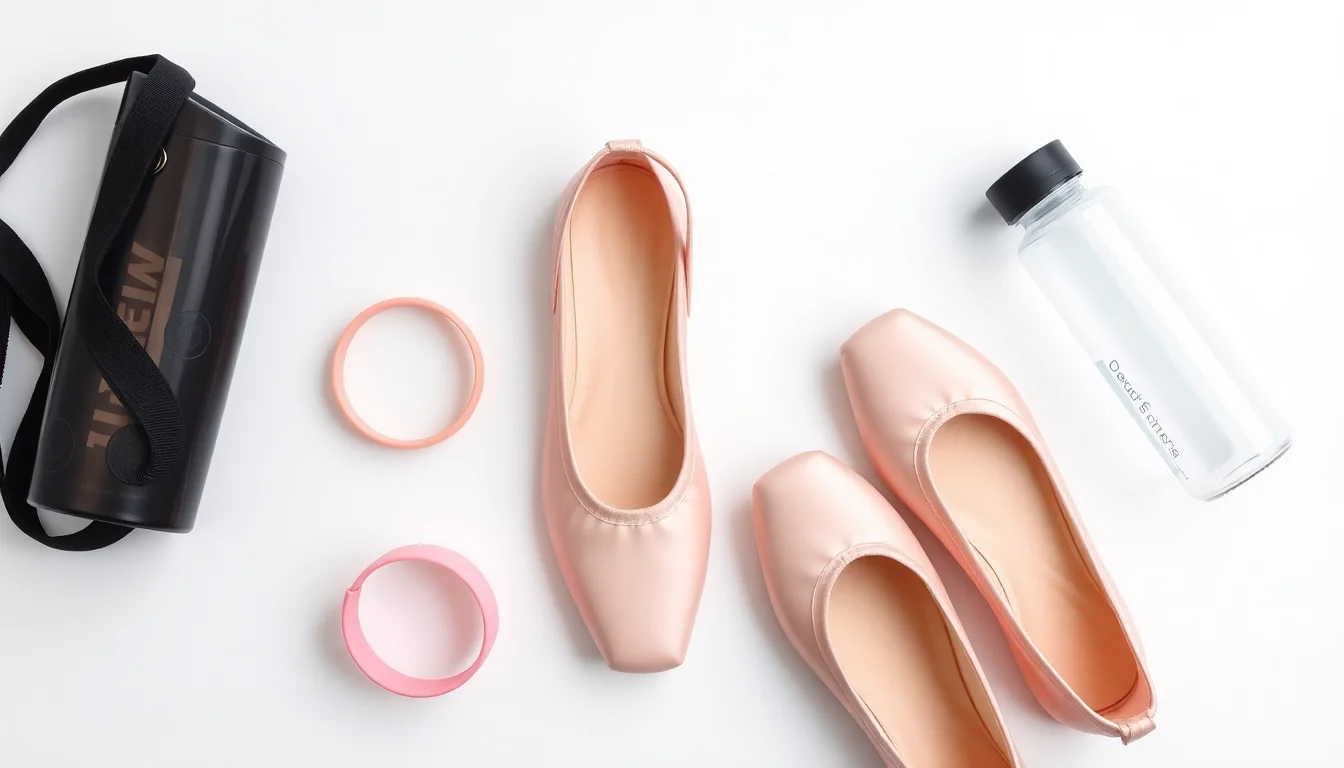
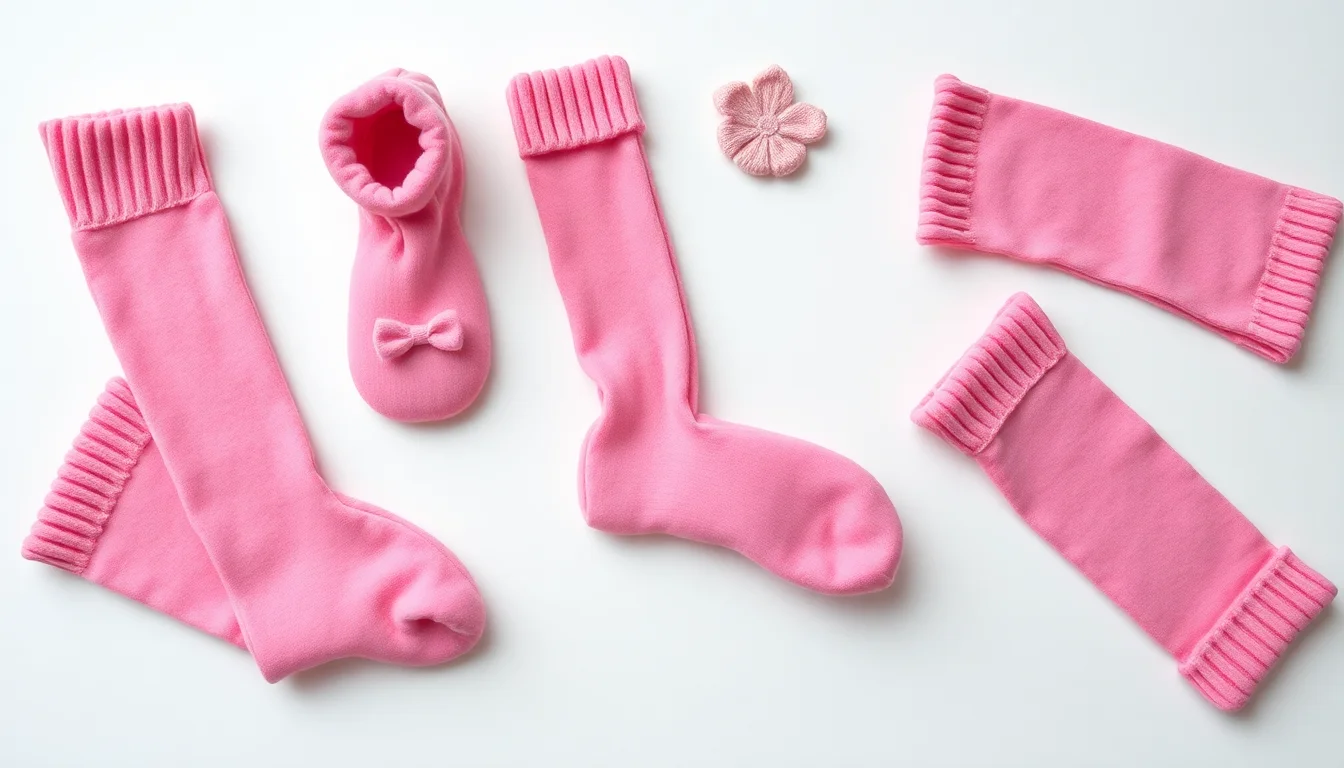
Warm-up booties — also called dance booties, pointe shoe warmers, or ballet booties — are padded, insulated foot coverings worn over ballet shoes or bare feet during the warm-up portion of class. They keep the feet and ankles warm, promoting blood flow and reducing the risk of strains, particularly in cold studios or winter months.

What Do They Look Like?

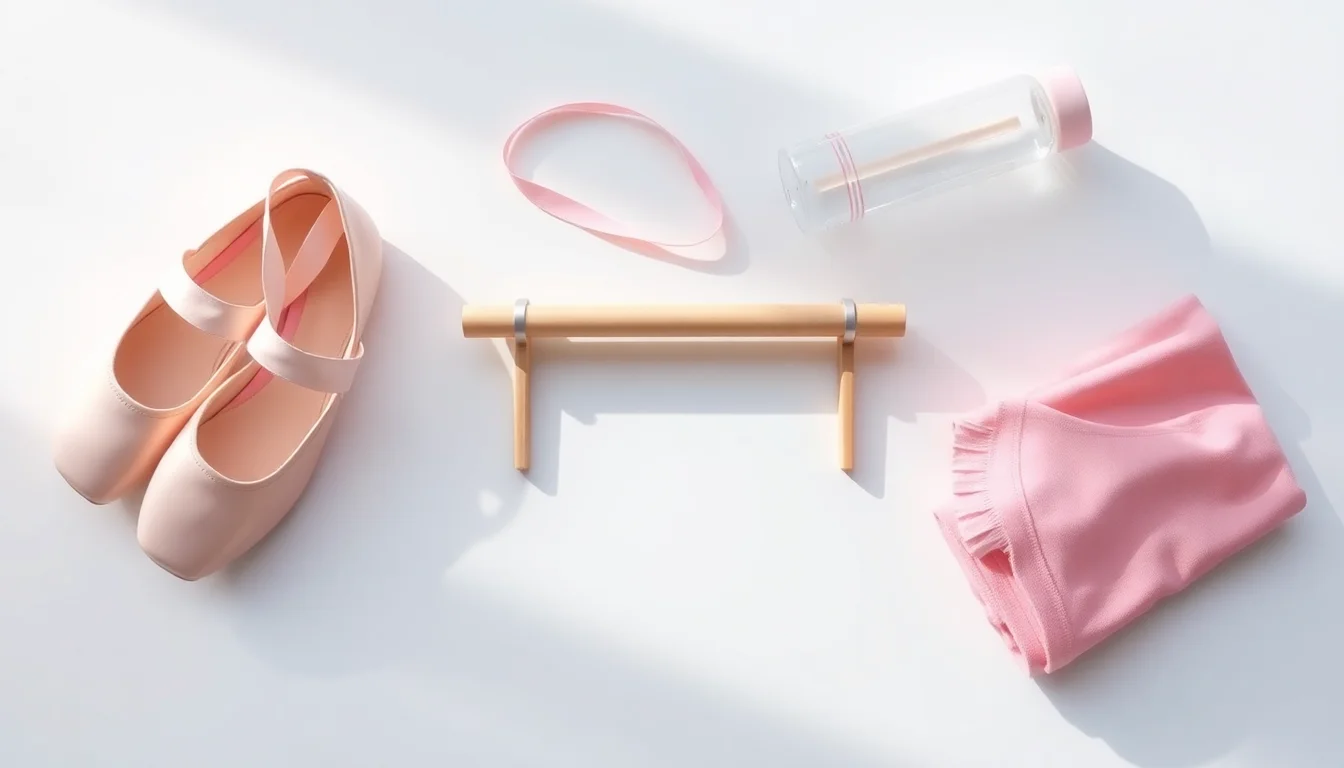
Warm-up booties typically resemble a low, soft boot or thick sock and are made from suede, velvet, or knit fabric. Some are designed to slip over pointe shoes or soft shoes; others go over bare or socked feet. They are usually available in ballet pink, black, or neutral tones.

Why Do Dancers Wear Them?

Cold muscles are more susceptible to injury. In ballet, where precise footwork, turnout, and jumping are demanded from the first combination, properly warmed feet and ankles are essential. Warm-up booties:

  • Trap heat around the foot and ankle during standing barre work
  • Reduce the risk of plantar fasciitis, tendon strains, and muscle tears
  • Are particularly valuable for pointe students whose feet undergo significant stress
  • Keep feet comfortable during standing rehearsal breaks and slow adagio passages

When Should They Be Worn?

  • At the barre during the warm-up portion of class, particularly in colder months
  • In the waiting area before class begins
  • During standing rehearsal breaks between active sections

Booties are removed once the dancer is fully warm — usually after the barre section — and before any jumps, turns, or travelling work. Dancing in warm-up booties during allegro or centre work is not recommended as they reduce floor feel.

Are Booties the Same as Leg Warmers?

No. Leg warmers cover the lower leg and ankle but leave the foot exposed. Warm-up booties cover the foot itself. Many dancers use both together — leg warmers for the calf and ankle, booties for the foot — for complete coverage during the barre warm-up.

Frequently Asked Questions

What are ballet warm-up booties?

Ballet warm-up booties are padded, insulated foot coverings worn over ballet shoes or bare feet during the warm-up section of class to keep the feet and ankles warm and reduce injury risk.

When do you remove warm-up booties?

Remove them once fully warm — typically after the barre section and before centre work, where freedom of movement and floor feel are essential.

Can warm-up booties be worn over pointe shoes?

Yes. Some booties are designed specifically to fit over pointe shoes, protecting the box and keeping the feet warm before pointe work begins.

Are warm-up booties the same as leg warmers?

No. Leg warmers cover the calf and ankle; warm-up booties cover the foot. Many dancers use both together for complete coverage during barre warm-up.

Posted on

Leotard vs Unitard: What Is the Difference?

Leotard vs Unitard: What Is the Difference?

Short answer: A leotard is a close-fitting, one-piece garment that covers the torso but leaves the legs bare. It may have long sleeves, short sleeves, cap sleeves, or be sleeveless with straps.

What Is a Leotard?

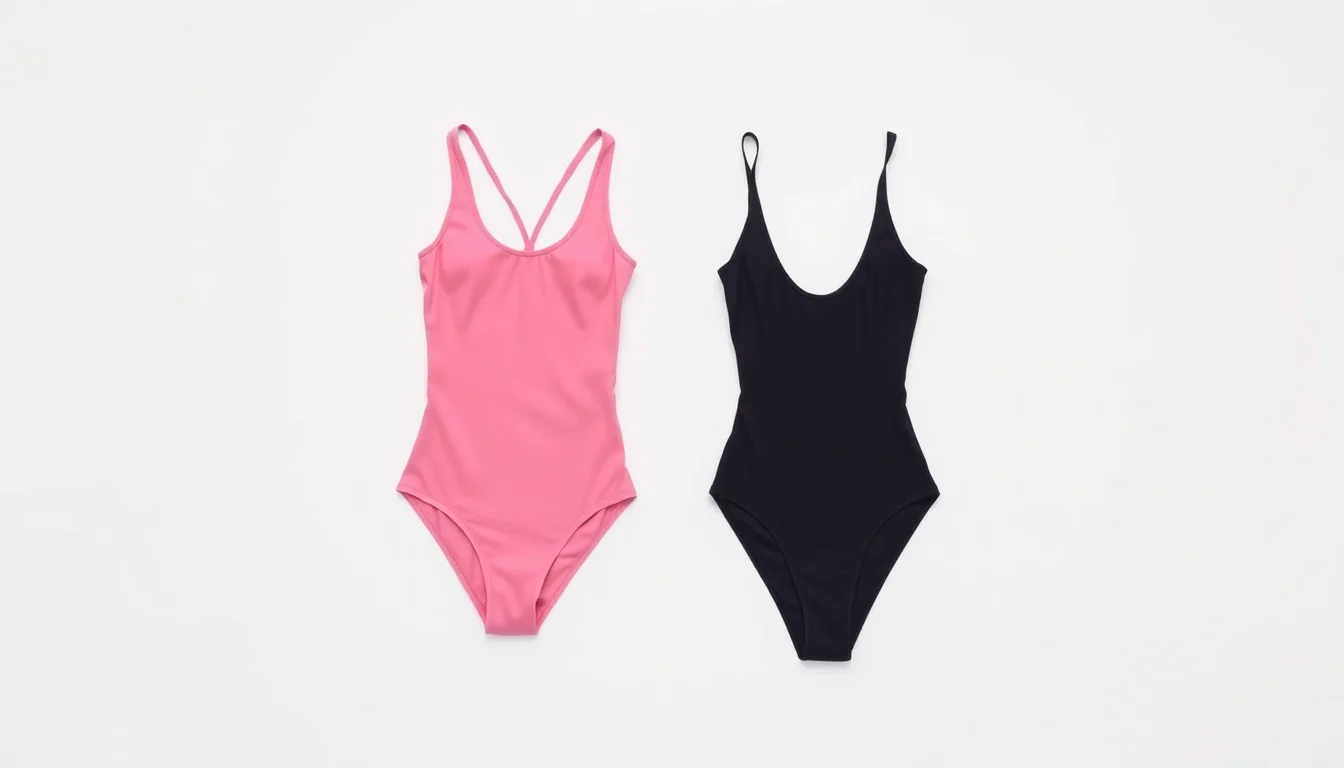
A leotard is a close-fitting, one-piece garment that covers the torso but leaves the legs bare. It may have long sleeves, short sleeves, cap sleeves, or be sleeveless with straps. Named after Jules Léotard, the 19th-century French acrobat who popularised the style, the leotard is the standard base garment worn in ballet classes worldwide.

What Is a Unitard?

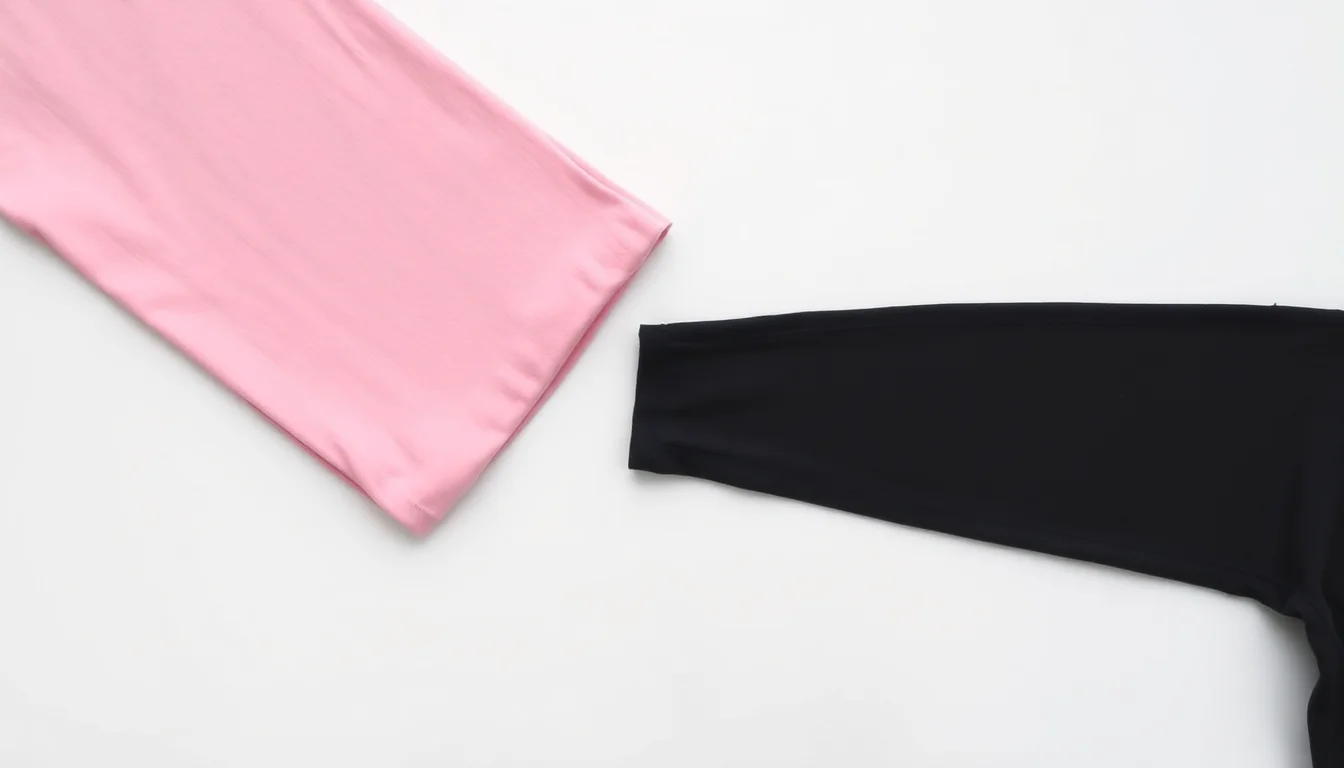
A unitard is a one-piece garment covering both the torso and the legs — essentially a leotard with attached tights or trousers. The name blends “uniform” and “leotard.” Unitards come in full length (whole leg), cropped (to the knee), or short (to the hip). They are commonly used in contemporary dance, figure skating, gymnastics, and theatrical performance.

Key Differences

Feature Leotard Unitard
Leg coverage None — bare legs Full or partial
Used in classical ballet Yes — standard Occasionally in performance
Used in contemporary dance Yes Yes — very common
Worn with tights Yes, typically Usually worn alone

Leotards in Ballet Class

The leotard is the standard garment for classical ballet class, worn with ballet tights and sometimes a skirt. Ballet leotards come in grade-specific colours dictated by the school’s dress code. The RAD syllabus specifies particular leotard colours for each grade to help teachers identify students and maintain a professional environment.

Unitards in Dance

Unitards appear frequently in contemporary ballet performance as costume pieces, creating a sleek unbroken line across the whole body. Some adult beginners prefer the coverage of a unitard in class. While most strict ballet dress codes specify a leotard with separate tights, unitards may be permitted in adult classes at many schools.

Which to Buy for Ballet?

For a child starting ballet, a leotard is the correct choice for almost all schools. Check the school’s dress code for the required colour and style. For adult beginners or contemporary dance classes, a unitard is a practical option if the school permits it.

Frequently Asked Questions

What is the difference between a leotard and a unitard?

A leotard covers the torso only; a unitard covers the torso and legs. In ballet class, leotards are worn with separate tights. Unitards are a one-piece alternative covering the whole body.

Can you wear a unitard instead of a leotard to ballet class?

This depends on the school’s dress code. Most traditional ballet schools require a leotard with separate tights. Some adult and contemporary classes may permit unitards. Always check before purchasing.

What is a camisole leotard?

A camisole leotard is a sleeveless style with thin spaghetti straps — like a camisole top. It is popular for warmer classes and is worn with ballet tights in the same way as any other leotard.

Are unitards used in professional ballet?

Yes. Unitards appear in contemporary and neoclassical ballet performances and in some conservatoire training contexts, particularly in contemporary dance.

Posted on

Ballet Barre Exercises for Beginners

Ballet Barre Exercises for Beginners

Short answer: Barre work opens every classical ballet class. Students hold the horizontal rail for balance and work through a sequence of exercises that warm the body, establish alignment, and build the…

What Is Barre Work?

Barre work opens every classical ballet class. Students hold the horizontal rail for balance and work through a sequence of exercises that warm the body, establish alignment, and build the technical foundation for centre work. The barre provides support so beginners can focus on technique before working without assistance.

Why Barre Exercises Matter

Barre work develops the essentials of ballet technique:

  • Turnout from the hips
  • Alignment of the spine, pelvis, and shoulders
  • Foot articulation and strength
  • Core stability and muscle memory

Every step performed in the centre or on stage is built on patterns learned at the barre.

The Essential Barre Exercises

1. Plié

A plié (plee-AY) is a bending of the knees with feet turned outward. The demi-plié is a half bend on flat feet; the grand plié is a full bend, rising onto the balls of the feet in first and second positions. Pliés warm the knees and hips and develop strength for jumps and landings.

2. Tendu

A tendu (tahn-DU) slides the foot along the floor until only the tip of the toe touches, then returns to first or fifth. Tendus develop foot articulation and strengthen the legs.

3. Dégagé

A dégagé (day-gah-ZHAY) is like a tendu but the foot brushes off the floor to a small height. It develops speed, coordination, and the brushing action needed for bigger jumps.

4. Rond de Jambe

A rond de jambe (rawnd de ZHAHM) — “circle of the leg” — traces a semicircle on the floor (à terre) or in the air (en l’air). Develops hip flexibility and turnout.

5. Battement Frappé

A frappé (frah-PAY) — “struck” — starts with toes at the ankle of the supporting leg and strikes sharply out to a pointed position. Develops the quick foot action needed for allegro work.

6. Développé

In a développé (day-vuh-loh-PAY) the working leg slowly unfolds from passé to a fully extended position in the air. Builds the strength, flexibility, and control for arabesque and attitude lines.

7. Grand Battement

A grand battement (grahn bat-MAH) is a full leg swing, kicking to 90° or beyond and returning to fifth. Develops strength, hip freedom, and the dynamic power for grand allegro jumps.

Practising at Home

Many barre exercises can be practised at home using a sturdy chair or kitchen worktop as a support. Wear your soft ballet shoes or bare feet on a non-slip surface, and use a mirror to check alignment.

Frequently Asked Questions

What exercises are done at the barre in ballet?

Standard exercises include pliés, tendus, dégagés, rond de jambes, battements frappés, développés, and grand battements — performed in a set order that warms the body systematically.

Can beginners do barre exercises at home?

Yes, using a chair for support. Learn correct technique from a qualified teacher first to avoid reinforcing bad habits at home.

How long should barre work take?

In an adult class, 20 to 30 minutes. In a children’s class, around 10 to 15 minutes before moving to centre exercises.

What should I wear for barre exercises?

For a ballet class: a fitted leotard, ballet tights, and soft ballet shoes. For a barre fitness class: workout wear and grip socks.

Posted on

How Long Do Pointe Shoes Last?

How Long Do Pointe Shoes Last?

Short answer: How Long Do Pointe Shoes Typically Last? A pair of pointe shoes typically lasts between 12 and 20 hours of active dancing for a student.

How Long Do Pointe Shoes Typically Last?

A pair of pointe shoes typically lasts between 12 and 20 hours of active dancing for a student. For a professional ballet dancer training and performing full time, this may reduce to 10 to 12 hours — meaning professionals can go through several pairs a week. The lifespan depends on body weight, intensity of use, foot sweat levels, and the specific shoe model.

Lifespan by Class Frequency

  • Beginner (1–2 classes/week): One pair can last three to six months
  • Intermediate (3–4 classes/week): Approximately six to twelve weeks
  • Advanced (5+ classes/week): As little as two to four weeks

A student doing a lot of jumping work will wear through the shank (the stiff sole) faster. One doing more slow adagio work may find the box (toe area) softens sooner.

What Makes Pointe Shoes Wear Out?

Pointe shoes are handmade from layers of fabric, cardboard, paste, and leather. Over time these break down through:

  • Sweat and moisture: Soften and break down the paste and cardboard in the box
  • Repeated impact: Landing from jumps compresses and cracks the box
  • Rolling through the shoe: Weakens the shank at points of greatest flex
  • Weight and foot strength: Greater force wears shoes faster

Signs Your Pointe Shoes Are Dead

  • The box feels completely soft when you press it
  • The shoe makes a crunching or clicking sound when you roll through it
  • The shank bends with little or no resistance
  • The platform (tip) has worn through or feels unstable
  • You can no longer achieve a fully straight line when rising en pointe

Dancing in dead pointe shoes can cause serious injury to the feet, ankles, and knees. Never continue wearing shoes that have reached this point.

How to Make Pointe Shoes Last Longer

  • Allow them to dry fully between classes — never store in a sealed bag
  • Rotate between two pairs if possible
  • Harden the box with shellac or a commercial hardener where appropriate
  • Avoid wearing pointe shoes for anything other than dancing
  • Store loosely in a breathable bag

Frequently Asked Questions

How long do pointe shoes last?

For students, pointe shoes typically last 12 to 20 hours of active dancing. Depending on class frequency, this means a pair can last from six weeks to six months. Professionals may go through a pair every 10 to 12 hours.

Why do professional dancers use so many pointe shoes?

Professionals dance six or more hours daily and perform multiple shows per week. The intense constant use wears out the box and shank very quickly. Principal ballerinas at major companies may use over 150 pairs per year.

How do I know when pointe shoes are dead?

A dead shoe has a collapsed, soft box and a shank that offers little resistance. If you cannot achieve a clean, straight line en pointe, or the shoe feels unstable, it is time to replace it.

Can you repair pointe shoes?

Shoe life can be extended slightly with hardening techniques and careful drying. But once the box has fully collapsed, the shoe cannot be restored to safe use.

Do harder shanks last longer?

Generally yes. Harder shanks resist bending longer and are preferred by stronger, more advanced dancers. The right shank hardness extends both comfort and shoe lifespan.

Posted on

History of Ballet: Origins and How It Began

History of Ballet: Origins and How It Began

Short answer: Where Did Ballet Come From? Ballet originated in Renaissance Italy in the 15th century before developing into a formal art form in France in the 17th century.

Where Did Ballet Come From?

Ballet originated in Renaissance Italy in the 15th century before developing into a formal art form in France in the 17th century. The word ballet comes from the Italian balletto, a diminutive of ballo meaning “dance.” What began as elaborate court entertainment performed by noble amateurs grew over three centuries into one of the world’s most technically demanding performance traditions.

Ballet in Renaissance Italy

Ballet’s earliest precursors were the Italian balli — choreographed court spectacles performed at weddings, banquets, and celebrations. These combined dance, music, song, and elaborate costumes to demonstrate the power and refinement of the court. Catherine de Medici, who became Queen of France in 1547, brought Italian dance traditions to Paris and became an important patron of early ballet development.

France: The Birthplace of Codified Ballet

The pivotal moment came in 1661 when King Louis XIV established the Académie Royale de Danse in Paris — the first professional ballet academy in history. Louis XIV was himself a skilled performer. His dance master Pierre Beauchamp codified the five positions of the feet that remain the foundation of ballet technique to this day. In 1681, the first professional performance featuring trained female dancers took place in Paris.

The Romantic Era (1820s–1840s)

The early 19th century brought a revolution in style. The Romantic era shifted focus from court spectacle to emotional storytelling, with supernatural themes and the newly invented pointe shoe. The romantic tutu — long, soft, and flowing — was introduced to suggest otherworldly femininity. Key works include La Sylphide (Paris, 1832) and Giselle (Paris, 1841). The ballerina became the central figure of ballet for the first time.

Imperial Russia (1860s–1900s)

As Romantic ballet faded in Western Europe, it flourished in Imperial Russia under Tsarist patronage. The French choreographer Marius Petipa, working in St Petersburg with Tchaikovsky, created the great classical ballets that remain at the core of every company’s repertoire: Swan Lake (1895), The Sleeping Beauty (1890), and The Nutcracker (1892).

The 20th Century: Ballets Russes and Beyond

In 1909, Sergei Diaghilev launched the Ballets Russes in Paris, collaborating with Picasso, Matisse, Stravinsky, and Nijinsky. Their revolutionary work broke with classical tradition and changed dance permanently. Their touring planted the seed for ballet companies across Britain, Australia, and America. The Royal Academy of Dance (RAD) was founded in London in 1920 and today teaches ballet in over 80 countries.

Ballet Today

Today ballet is a global art form. Major companies include the Royal Ballet, the Paris Opera Ballet, the Bolshoi, the Mariinsky, the New York City Ballet, and the Australian Ballet. Ballet training reaches millions worldwide, from Pre-Primary classes for toddlers to professional conservatoire programmes.

Frequently Asked Questions

Where did ballet originate?

Ballet originated in Renaissance Italy in the 15th century as choreographed court entertainment. It developed into a codified art form in France in the 17th century under King Louis XIV.

Who invented ballet?

No single person invented ballet. King Louis XIV and his dance master Pierre Beauchamp formalised the technique in the 17th century. Jean-Baptiste Lully, Jean-Georges Noverre, and later Marius Petipa also made fundamental contributions.

What was the first ballet?

The Ballet Comique de la Reine, performed at the French court in 1581, is often cited as the first recorded ballet. It combined dance, music, poetry, and elaborate spectacle in a single theatrical event.

When were pointe shoes invented?

Pointe shoes developed in the early 19th century. The Italian ballerina Marie Taglioni popularised dancing on the tips of the toes in the 1820s–1830s. The structured modern pointe shoe evolved through the 19th and 20th centuries.

What is the oldest ballet still performed?

La Sylphide (1832) and Giselle (1841) are among the oldest ballets still regularly performed. Of the full-length classical works, The Sleeping Beauty (1890) and Swan Lake (1895) remain among the most performed in the world.

Posted on

Tights vs Leggings: What Is the Difference for Ballet?

Tights vs Leggings: What Is the Difference for Ballet?

Short answer: Tights are a single-piece garment that covers both legs and the waist. They come in a wide range of thicknesses (measured in denier) from very sheer to thick and opaque.

What Are Tights?

Tights are a single-piece garment that covers both legs and the waist. They come in a wide range of thicknesses (measured in denier) from very sheer to thick and opaque. Dance tights are engineered for movement, with reinforced gussets, high stretch content, and a professional finish designed to stand up to the demands of class and performance.

What Are Leggings?

Leggings are stretchy, form-fitting trousers ending at the ankle. Unlike tights they are much thicker and more opaque, have a waistband at the natural waist, and do not include feet. Leggings are designed as outerwear for casual or gym use.

Key Differences

Feature Tights Leggings
Coverage Waist to toes Waist to ankle
Thickness Sheer to 80 denier Much thicker (opaque)
Feet Footed, convertible, or stirrup No feet
Purpose Base layer / performance Outerwear / casual
Used in ballet class Yes — required Usually not

Which Is Correct for Ballet Class?

Ballet tights are the correct choice — not leggings. Dance schools and syllabi specify ballet tights because they allow the teacher to see the dancer’s leg lines, foot placement, and muscle engagement clearly. The sheer or semi-sheer finish also maintains the clean, uniform look that is part of ballet’s professional tradition. Most RAD and ISTD schools specify pink ballet tights for girls.

When Are Leggings Acceptable in Dance?

  • Worn over tights as a warm-up layer in cold studios
  • Some contemporary and commercial dance styles
  • Adult barre fitness classes where strict dress codes may not apply
  • Hip hop and street dance

For classical ballet and RAD examinations, tights are always the correct choice.

Types of Ballet Tights

  • Footed tights: Full coverage to the toes; standard for most ballet classes
  • Convertible tights: A hole in the toe allows them to be worn both footed and footless
  • Stirrup tights: A strap under the arch, toes exposed
  • Fishnet tights: For performances and character work

Frequently Asked Questions

What is the difference between tights and leggings?

Tights are a sheer or semi-sheer single-piece garment covering the waist to the toes, worn as a base layer. Leggings are thick, opaque, ankle-length trousers worn as outerwear. Ballet class requires tights, not leggings.

Can I wear leggings to ballet class?

Most ballet schools require tights. Check your school’s dress code. Some permit dark leggings for adult beginner classes, but for RAD and ISTD graded classes, ballet tights are standard.

What denier should ballet tights be?

Most ballet tights are 40 to 70 denier — enough coverage for a professional appearance while remaining lightweight and letting the teacher see leg lines.

What colour tights for ballet?

Pink is standard for most girls’ RAD classes. Some schools specify white or skin-tone for certain grades or performances. Always check your school’s specific dress code.

Posted on

Is Ballet a Sport? The Debate Explained

Is Ballet a Sport? The Debate Explained

Short answer: The Physical Demands of Ballet Ballet makes extraordinary physical demands. Professional ballet dancers train for six to eight hours per day, develop exceptional strength in the legs, core, and…

The Physical Demands of Ballet

Ballet makes extraordinary physical demands. Professional ballet dancers train for six to eight hours per day, develop exceptional strength in the legs, core, and back, achieve extreme flexibility, perform explosive jumps, and support partners in lifts. Research published in the Journal of Dance Medicine and Science has found that the physiological demands of professional ballet are equivalent to those of professional football.

Arguments for Ballet as a Sport

  • Athleticism: Ballet requires strength, flexibility, speed, and endurance comparable to elite sport
  • Training intensity: Daily physical conditioning regimes at the professional level match those of most sports
  • Competition: Ballet competitions exist worldwide — the Youth America Grand Prix (YAGP), Prix de Lausanne, and the RAD’s Genée International Ballet Competition all attract thousands of entrants
  • Injury rates: Ballet injury rates are comparable to contact sports, indicating the physical demands involved

Arguments Against Ballet as a Sport

  • Art, not competition: Most ballet performance is presented as an art form for an audience, not a competition
  • Aesthetic judging: When ballet is competitive, it is judged on artistic and aesthetic criteria, not purely physical outcomes
  • No defined winning condition: Unlike most sports, ballet does not have a clear winner and loser in its primary form

Major Ballet Competitions

Ballet does have a competitive dimension that adds to its claim as a sport:

  • Youth America Grand Prix (YAGP) — one of the world’s largest student ballet competitions
  • Prix de Lausanne — a prestigious competition offering scholarships to top ballet schools
  • Genée International Ballet Competition — run by the RAD for students aged 14 to 19
  • RAD Examinations — graded assessments providing structured progression through the syllabus

The Consensus

Most people in the dance world and most sports scientists who have studied it agree that ballet occupies a unique position — combining the physical demands of a sport with the expressive demands of a performing art. Many prefer to call it a performing art and athletic discipline rather than forcing it into either category alone.

Frequently Asked Questions

Is ballet considered a sport?

Ballet is generally classified as a performing art rather than a sport, though it has many athletic qualities. It requires physical conditioning comparable to elite sport, but its primary purpose is artistic expression rather than competition.

Is ballet harder than gymnastics?

Both require exceptional physical ability and years of training. Gymnastics involves more extreme acrobatic elements; ballet places greater emphasis on sustained technique, artistry, and performance across a long career.

Are there ballet competitions?

Yes. The YAGP, the Prix de Lausanne, and the Genée International are among the most prestigious. The RAD also runs formal graded examinations that assess students through structured levels.

Do ballet dancers have the same fitness as athletes?

Research suggests professional ballet dancers have fitness levels comparable to professional athletes, with similar training intensities and injury rates to those seen in contact sports.

Posted on

Ballet Dress vs Leotard: When to Wear Each

Ballet Dress vs Leotard: When to Wear Each

Short answer: What Is the Difference? A leotard is the standard close-fitting base garment worn in ballet class. It covers the torso and may have long sleeves, short sleeves, cap sleeves, or be sleeveless, but…

What Is the Difference?

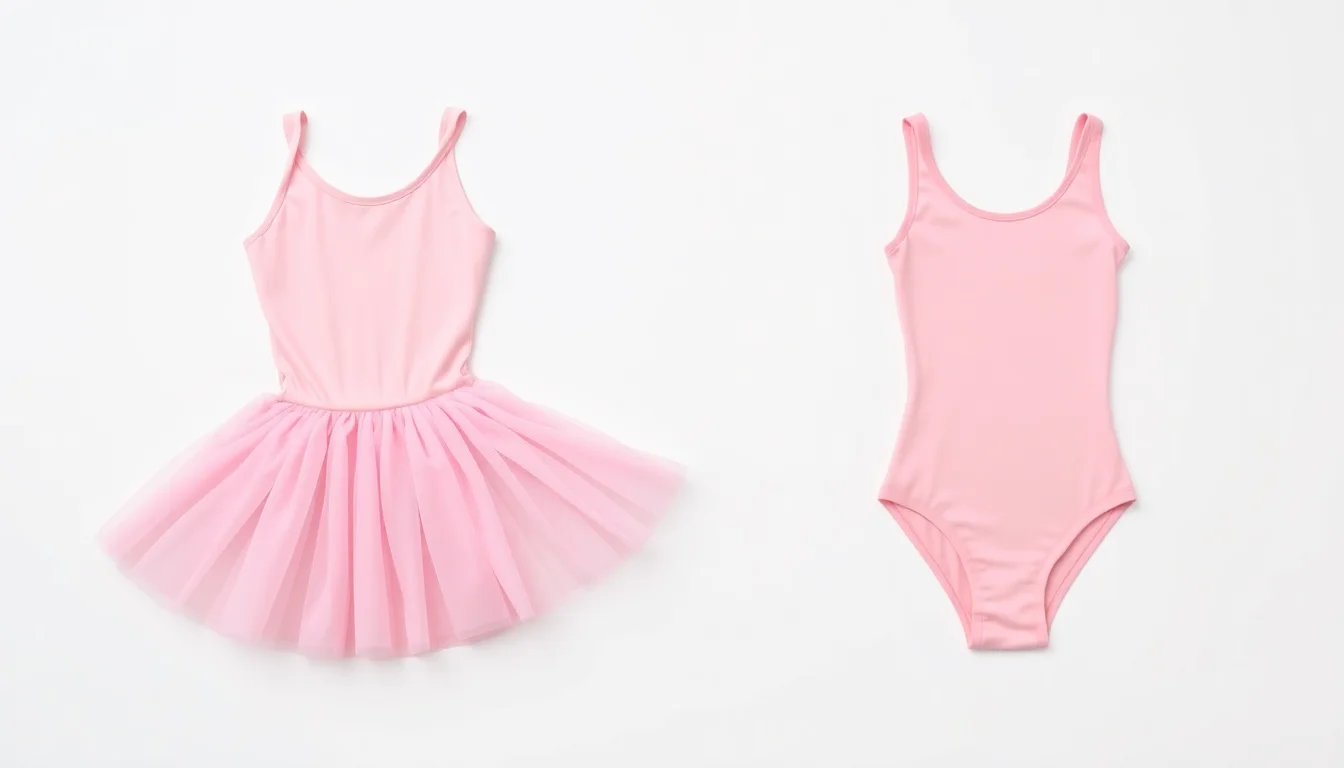
A leotard is the standard close-fitting base garment worn in ballet class. It covers the torso and may have long sleeves, short sleeves, cap sleeves, or be sleeveless, but it has no attached skirt. A ballet dress combines a fitted leotard bodice with an attached skirt — an all-in-one garment ideal for younger students.

When Is a Ballet Dress Worn?

Ballet dresses are most commonly worn by younger students — typically those in the Pre-Primary and Primary grades of the RAD syllabus (children aged approximately three to seven). The dress gives a neat, easy-to-manage look and is ideal for class performances, photos, and demonstrations. Pale pink is the most common colour for beginners. Ballet dresses are also used for:

  • End-of-year shows and informal performances
  • Photo days
  • Festival and competition classes for younger ages

When Is a Plain Leotard Worn?

As students progress to Grade 1 and above, most schools transition to plain leotards worn with separate skirts or without a skirt. This allows the teacher a clear view of the student’s body alignment, hip placement, and leg lines — essential for technical training. Plain leotards with tights and no skirt are standard for:

  • Technical RAD examination classes
  • Higher-grade ballet training
  • Pointe work
  • Stretch and conditioning sessions

RAD Dress Code Summary

  • Pre-Primary: Pink ballet dress, pink tights, pink soft shoes
  • Primary: Pale blue leotard or dress, black character skirt, pink tights
  • Grade 1 upward: Grade-specific coloured leotard; separate skirts may be permitted for warm-up

Always confirm the specific requirements with your child’s school — there is some variation between dance schools.

Frequently Asked Questions

What is a ballet dress?

A ballet dress combines a fitted leotard bodice with an attached skirt in one garment. It is standard attire for younger ballet students in Pre-Primary and Primary grades.

Do older ballet students wear ballet dresses?

Older students typically wear plain leotards. From Grade 1 onward, most RAD schools specify a plain leotard in the grade-specific colour, allowing the teacher to see alignment and technique clearly.

What colour should a ballet dress be?

Pale pink is most common for beginners. The required colour depends on the dance school’s dress code — pale blue is common for Primary grade in RAD schools.

Can my child wear a ballet dress for higher grades?

In most cases, from Grade 1 upward the school will specify a plain leotard rather than a dress. Following the school’s dress code is important for examinations.

Posted on

Ballet Shoe Size Chart: How to Find the Right Fit

Ballet Shoe Size Chart: How to Find the Right Fit

Short answer: Why Ballet Shoe Sizing Is Different Ballet shoes do not follow everyday footwear sizing. Most brands use their own numbering systems, and ballet shoes are generally two to three sizes smaller than…

Why Ballet Shoe Sizing Is Different

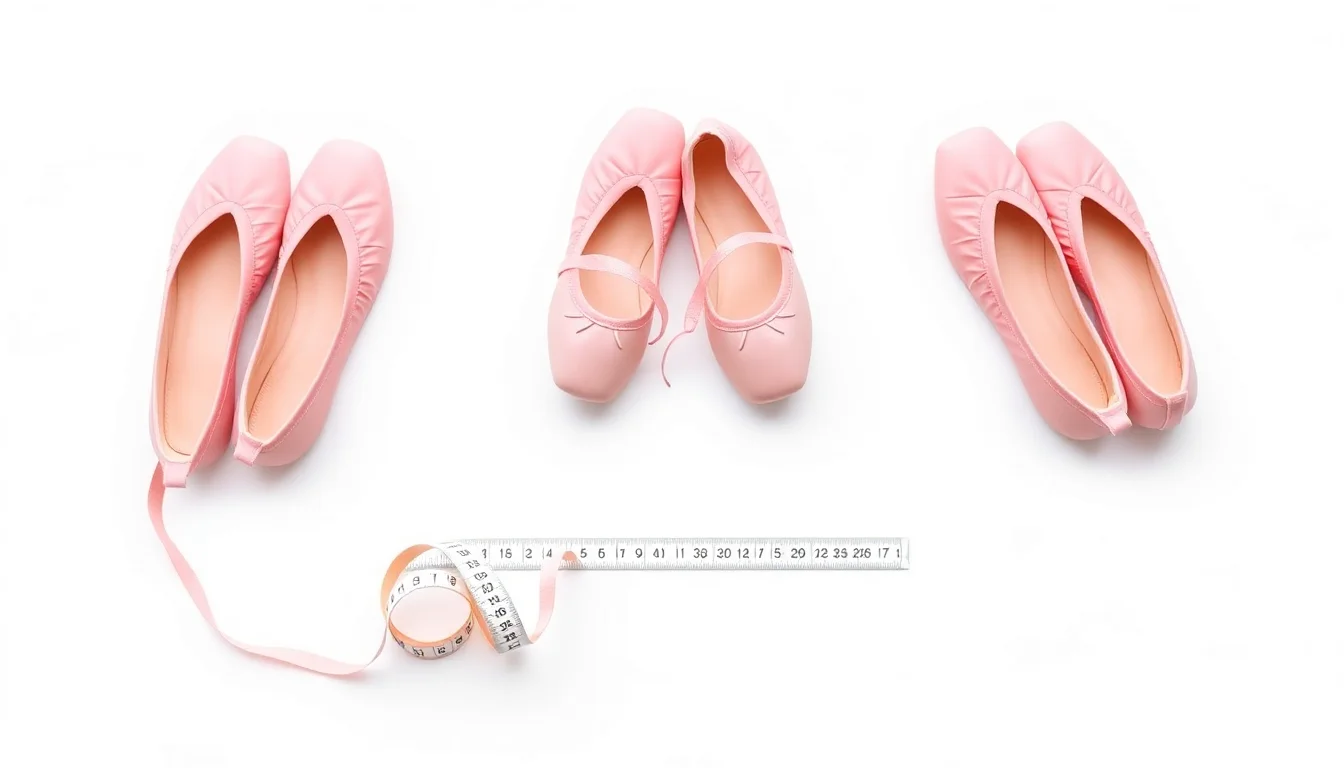
Ballet shoes do not follow everyday footwear sizing. Most brands use their own numbering systems, and ballet shoes are generally two to three sizes smaller than street shoes. They are designed to fit snugly around the foot for maximum control and floor feel — extra material bunches or slips and compromises both safety and technique.

How to Measure Your Child’s Feet

  1. Have your child stand on a piece of paper.
  2. Trace around the foot carefully with a pencil held vertically.
  3. Measure the length from the heel to the tip of the longest toe in centimetres.
  4. Measure the widest part of the foot across the ball.
  5. Use both measurements with the brand’s size chart.

Measure both feet and use the larger one. Measure toward the end of the day when feet are at their largest.

Approximate Size Conversions (UK Children)

UK Street Size Approx Ballet Shoe Size
5.5 (toddler) 0.5 – 1
7 1.5 – 2
9 3.5 – 4
11 5 – 5.5
13 7 – 7.5
2 (junior) 9 – 9.5
4 11 – 11.5
6 (adult) 13 – 13.5

Note: These are approximate guides only. Always check the specific brand’s size chart, as numbering varies between manufacturers.

Canvas vs Leather: Does Sizing Differ?

Yes. Leather ballet shoes typically require sizing up compared to canvas because leather stretches less. Canvas shoes mould more closely to the foot over time. When switching between materials, always re-measure rather than assuming the same size applies.

Split Sole vs Full Sole

Split sole and full sole shoes from the same manufacturer are usually sized the same, but the arch feel differs. A split sole leaves the arch exposed, giving greater feel for articulation. A full sole supports the whole foot. Both are correct depending on the student’s age, level, and teacher recommendation.

Growth Allowance for Children

Allow no more than a thumb’s width of growing room at the toe — enough for six to twelve months of wear without compromising safety. A shoe that is too large is unsafe and hinders technique.

Frequently Asked Questions

How do I know what size ballet shoe to buy?

Measure the foot length and width in centimetres, then compare to the manufacturer’s size chart. Ballet shoes are typically two to three sizes smaller than street shoes. A fitting at a specialist dance shop is the most reliable method.

Should ballet shoes be tight or loose?

Snug but not painful. Toes should reach but not curl. Very little extra material should be visible at the toe. The heel should sit firmly without slipping.

What is the difference between canvas and leather ballet shoes?

Canvas shoes are lightweight and breathable; they mould to the foot with wear. Leather shoes are more durable with a slightly firmer fit. Most teachers accept both, though some prefer one material for specific grade levels.

Can I buy ballet shoes online without measuring?

It is best to measure first. Street shoe size alone is not reliable for ballet shoes due to brand-specific sizing. Most dance brands provide detailed size charts for online purchases.

nn

Shop at ZoeDancewear

Stretch-Canvas Ballet Shoes u2014 available in a full range of sizes, see the sizing guide before ordering. Free shipping over $99 to the US.