Posted on

Famous Ballerinas: The Most Iconic Dancers in Ballet History

Ballet has produced extraordinary performers across four centuries — dancers whose technique, artistry and dedication changed what the art form could be. This guide covers the most influential and celebrated ballerinas in the history of classical dance.

Short answer: The most famous ballerinas in history include Anna Pavlova, Margot Fonteyn, Mikhail Baryshnikov (male, but iconic), Natalia Makarova, Sylvie Guillem and Misty Copeland — each transforming ballet in their own era.

Anna Pavlova (1881–1931)

Russian-born Anna Pavlova is arguably the most famous ballerina who ever lived. Her performance of The Dying Swan — a solo choreographed for her by Michel Fokine to music by Saint-Saëns — became one of the defining images of classical ballet. Pavlova was the first prima ballerina to tour the world with her own company, bringing ballet to audiences in Asia, Australia, South America and North America who had never seen it before. Her light, ethereal style and extraordinary expressiveness set the standard for generations of ballerinas after her.

Margot Fonteyn (1919–1991)

British prima ballerina assoluta Margot Fonteyn spent her entire career with the Royal Ballet, becoming its defining ballerina for three decades. Her partnership with Rudolf Nureyev from 1962 onward is one of the most celebrated in ballet history — their chemistry on stage in Romeo and Juliet and Marguerite and Armand was described as electric. Fonteyn was known for the musicality and intelligence of her dancing rather than extreme technique, and her influence on the identity of British ballet is immeasurable.

Galina Ulanova (1910–1998)

Soviet prima ballerina Galina Ulanova was celebrated as the greatest lyrical ballerina of the twentieth century. Her portrayals of Juliet in Prokofiev’s Romeo and Juliet and Giselle in the Bolshoi’s production were filmed and remain studied today. Soviet audiences regarded her as a national treasure, and even Western critics described her as the definitive interpreter of the Romantic and Soviet classical repertoire.

Maya Plisetskaya (1925–2015)

Also a Bolshoi prima ballerina, Maya Plisetskaya was Ulanova’s successor and in many ways her opposite — where Ulanova was lyrical and restrained, Plisetskaya was explosive, dramatic and technically fearless. Her Dying Swan became as celebrated as Pavlova’s, and her long arms and extraordinary musicality made her one of the most filmed and photographed ballerinas of the Soviet era. She continued performing into her seventies.

Natalia Makarova (born 1940)

Natalia Makarova defected from the Kirov Ballet in 1970 and went on to reshape the way Western companies performed the Russian classics. Her Giselle for American Ballet Theatre and her staging of La Bayadère for ABT (the first full-length production in the West) brought authentic Kirov style and tradition to American audiences. She later won a Tony Award for her Broadway role in On Your Toes.

Sylvie Guillem (born 1965)

French ballerina Sylvie Guillem transformed what audiences expected from a classical dancer. Known for her extraordinary flexibility — her 180-degree extensions became her trademark — she moved freely between the Paris Opéra Ballet, the Royal Ballet and international contemporary companies throughout her career. Her work with choreographers including Russell Maliphant and Akram Khan gave her a second career in contemporary dance that was equally acclaimed.

Alessandra Ferri (born 1963)

Italian ballerina Alessandra Ferri is known for the emotional depth of her dramatic portrayals. A principal with the Royal Ballet and then American Ballet Theatre, her Juliet and Manon are considered definitive. Unusually, Ferri returned to dancing after retirement and continues to perform in her sixties, collaborating with contemporary choreographers as well as in the classical repertoire.

Misty Copeland (born 1982)

American ballerina Misty Copeland became the first African American female principal dancer at American Ballet Theatre in 2015. Her rise — she began training at the unusually late age of thirteen — and her advocacy for diversity and inclusion in classical ballet made her one of the most publicly visible ballerinas of the modern era. Her memoirs Life in Motion and Ballerina Body reached mainstream audiences far beyond the dance world.

Francesca Hayward (born 1992)

British principal dancer with the Royal Ballet, Francesca Hayward became widely known outside ballet when she appeared in the 2019 film Cats. A graduate of the Royal Ballet School, she is one of the most watched current ballerinas, known for her musicality, lightness and beautiful classical lines.

What made these ballerinas famous?

The most celebrated ballerinas share several qualities beyond technical ability:

  • Distinct artistic identity — each developed a recognisable personal style beyond correct execution
  • Memorable partnerships — Fonteyn with Nureyev, Pavlova with her own company
  • Breakthrough roles — a signature performance that defined their reputation
  • Longevity and influence — they trained students, staged works or changed the direction of companies

Frequently asked questions

Who is considered the greatest ballerina of all time?

There is no single answer — opinions differ by era and tradition. Anna Pavlova is most often cited for her global influence and the lasting image of The Dying Swan. Margot Fonteyn is considered the greatest British ballerina. Soviet critics consistently ranked Galina Ulanova as the greatest lyrical dancer of the twentieth century. Among living dancers, Sylvie Guillem is frequently named for her combination of classical and contemporary achievement.

Who is the most famous ballerina alive today?

Among currently active dancers, Misty Copeland is probably the most widely known to general audiences, thanks to her advocacy work and media presence. Among ballet audiences, Francesca Hayward (Royal Ballet), Osipova (Royal Ballet) and Semionova are frequently cited as the most admired current performers.

Who was the first famous ballerina?

Marie Camargo (1710–1770) and Marie Sallé (1707–1756) are considered the first widely celebrated ballerinas of the Baroque period. Later, Marie Taglioni (1804–1884) defined the Romantic era of ballet and is credited with popularising dancing en pointe. Anna Pavlova, born in 1881, became the first ballerina to achieve global fame through international touring.

Are there famous male ballet dancers too?

Yes — Rudolf Nureyev, Mikhail Baryshnikov, Vaslav Nijinsky and Carlos Acosta are among the most celebrated male dancers in ballet history. The term ballerina technically refers to female dancers; male principal dancers are called premiers danseurs. Rudolf Nureyev’s partnership with Margot Fonteyn remains one of the most iconic in the history of ballet.
Posted on

Battement in Ballet: Types, Meanings and How Each One Is Used

A battement is a fundamental ballet movement in which the working leg beats, brushes or lifts away from the supporting leg. The word comes from the French battre, meaning to beat. Battements appear throughout every level of RAD and ISTD training and are a core part of the barre work that begins every ballet class.

Short answer: A battement is a ballet movement where the working leg sweeps, lifts or beats away from the standing leg. There are several types — including grand battement, battement tendu and battement dégagé — each training different aspects of leg strength, turnout and footwork.

Types of battement in ballet

Battement tendu

In a battement tendu (French: stretched beat), the working foot slides along the floor away from the supporting leg, extending fully until only the tips of the toes remain in contact with the floor. The leg returns to first or fifth position the same way. Tendus train foot articulation, the pointed position, and the connection between the leg and the floor. They appear at barre from the very first levels of RAD and ISTD training.

Battement dégagé (jeté)

A dégagé (also called battement jeté in some syllabi) begins like a tendu but the working foot leaves the floor entirely, lifting to approximately 20–25 degrees. The foot brushes through the tendu position before and after it leaves the floor. Dégagés are faster than tendus and develop the quick, light footwork needed for allegro work.

Grand battement

In a grand battement (large beat), the working leg lifts as high as possible — ideally 90 degrees or above — while the supporting leg remains fully extended and turned out. The leg is thrown upward with energy and then controlled on the way down. Grand battements develop the range of movement, strength and control needed for arabesques, développés and grand allegro jumps.

Battement frappé

In a frappé (struck beat), the working foot starts in a wrapped position at the ankle and strikes sharply to a pointe position low off the floor. Frappés develop the sharp, quick leg action used in pas de chat, assemblé and other allegro steps.

Battement fondu

In a fondu (melting beat), both legs bend and extend simultaneously — the supporting leg bends (fondu) as the working leg extends to the floor or into the air, then both straighten together. Fondus develop the smooth, continuous leg action used in adagio and port de bras movements.

Petit battement

A petit battement (small beat) is a quick, small movement in which the lower working leg beats alternately in front of and behind the supporting ankle. It develops the rapid, light leg action used in batterie (beaten steps) and pointe work.

Why battements matter in ballet training

Battements are the primary way ballet training develops the working leg. Each type targets a specific quality:

  • Tendus — foot articulation, pointed position, placement
  • Dégagés — speed, quickness off the floor
  • Grand battements — flexibility, range, strength
  • Frappés — sharp attack, quick leg action
  • Fondus — smooth coordination, adagio quality
  • Petits battements — precision, lightness, batterie preparation

Every centre exercise, jump and turn has its roots in the battement exercises practised at the barre. A student whose tendus and dégagés are well placed will find their pirouettes, grand allegro and pointe work easier to develop.

How battements are used at the barre

A standard ballet barre begins with pliés, then moves through battements in roughly the order of complexity: tendus, dégagés, ronds de jambe, fondus, frappés, petits battements, grands battements. This order is not arbitrary — it warms the foot and leg progressively, preparing the joints and muscles for the greater range and speed required later in the sequence.

Battement in RAD examinations

In RAD syllabi, battements appear from Pre-Primary through Advanced levels. At early grades, the focus is on the action of the foot and the basic shape. At higher grades, the speed, height and coordination of the battements with port de bras and épaulement become the main focus of assessment.

Frequently asked questions

What does battement mean in ballet?

Battement comes from the French word for beat or beating. It refers to a family of movements where the working leg beats, brushes or lifts away from the supporting leg. There are many types of battement — including tendu, dégagé, frappé, fondu, petit battement and grand battement — each with a different quality and purpose in training.

What is the difference between battement tendu and battement dégagé?

In a battement tendu, the working foot slides fully extended along the floor without leaving it. In a battement dégagé (or jeté), the working foot lifts just off the floor — approximately 20–25 degrees — before returning. Both share the same sliding action through the foot, but the dégagé adds a small lift at the end, making it faster and lighter than the tendu.

What is a grand battement?

A grand battement is a large, sweeping leg lift where the working leg is thrown upward as high as possible (ideally to 90 degrees or higher) while the supporting leg remains straight and turned out. The leg is then controlled on the way down. Grand battements appear at the end of the barre sequence and develop the range and strength needed for arabesques, développés and grand allegro.

How do you improve battement tendu?

Focus on three things: fully articulating the foot as it slides (heel, ball, toe in sequence), maintaining the turnout of the working leg throughout the movement, and keeping the supporting hip stable. Common mistakes include sickling the foot during the extension, losing turnout as the leg reaches the side or back, and gripping in the hip flexors. Slow, careful tendus with a teacher’s feedback are more effective than many quick, imprecise ones.

What level do battements appear in RAD ballet?

Battement tendus appear from RAD Pre-Primary level. Dégagés, fondus and frappés are introduced progressively through Grades 1–3. Grand battements and petits battements appear from Grade 4 onward. Each level builds on the previous one, adding more complex coordination, épaulement and port de bras.

Posted on

Is Dance a Sport? The Full Answer for Every Style

Dance is physically demanding, requires years of training, and involves competition — yet it is classified differently depending on who you ask. Whether dance counts as a sport depends on how you define the word, and the answer is more nuanced than a simple yes or no.

Short answer: Dance meets most definitions of a sport — it requires physical skill, strength, stamina and training. Whether it is officially classed as a sport depends on the organisation and the style of dance. Competitive dance is widely recognised as a sport; performance-only dance sits in a grey area.

What makes something a sport?

The most widely used definition of a sport includes three elements:

  • Physical activity — the activity requires significant physical skill, strength or stamina
  • Rules and structure — there is a recognised set of rules governing performance
  • Competition — participants compete against others, with a winner determined by judges or objective scoring

Dance satisfies all three of these criteria when performed competitively. Recreational or performance dance satisfies the first two but not the third.

Is dance physically demanding enough to be a sport?

Yes. Research comparing the physical demands of dance with traditional sports consistently shows that dancers work at intensities comparable to professional athletes. A study published in the Journal of Dance Medicine and Science found that professional ballet dancers had aerobic and anaerobic capacities equivalent to competitive swimmers and gymnasts.

Dancers regularly train for six or more hours per day, sustain muscle injuries at rates comparable to contact sports, and require the same conditioning, recovery protocols and injury prevention strategies as athletes in recognised sports.

Which forms of dance are officially recognised as sports?

DanceSport — ballroom and Latin dance performed competitively — is recognised by the International Olympic Committee (IOC) as a sport. It has its own world governing body (World Dance Council) and a full competitive circuit.

Breaking (breakdancing) was included as an Olympic sport at the Paris 2024 Olympics, making it the first street dance style to achieve Olympic status.

Competitive dance in styles including ballet, jazz, contemporary, tap and hip hop is governed by national and international competition bodies in most countries. Dancers are scored by judges on technique, artistry and performance quality.

Is ballet a sport?

Ballet is one of the most debated cases. It is not included in the Olympics, and ballet companies do not compete against each other. However, ballet dancers train with the same rigour as elite athletes, and ballet technique competitions such as the Youth America Grand Prix (YAGP) and the Prix de Lausanne do involve direct competition with judged scoring.

For a detailed breakdown of the ballet-specific debate, see our guide: Is Ballet a Sport? The Debate Explained.

Is dance a sport or an art form?

The most accurate answer is that dance is both. Unlike most sports, dance also carries significant artistic and expressive content that is judged alongside physical execution. This is why some prefer the term performing art for non-competitive dance, while competitive dance is widely accepted as a sport.

The distinction matters practically: sports receive different funding, insurance and school curriculum classification than arts. As competitive dance grows, more national bodies are classifying it under sport rather than arts programmes.

Is dance in the Olympics?

Currently, two dance disciplines have Olympic status:

  • DanceSport (ballroom and Latin) — IOC-recognised sport, not yet in the Olympic programme
  • Breaking — included at Paris 2024 Olympics

Ballet, contemporary dance and jazz dance are not in the Olympic programme, though they are recognised as competitive disciplines by national sports bodies in many countries.

Frequently asked questions

Is dance considered a sport or hobby?

At a recreational level, dance is usually described as a hobby or an art form. At a competitive level — with training schedules, judges, scoring systems and national competitions — dance is widely classified as a sport. The distinction is not about the style of dance but about whether competition is involved.

Is dancing a sport for school PE credit?

In most countries, dance can count toward physical education credits at school level. Many national curriculum frameworks classify dance as a sport or physical activity. Check with your school or local education board for the classification in your region.

Is competitive dance harder than traditional sports?

Physical difficulty is hard to compare across disciplines. Competitive dancers require strength, flexibility, balance, stamina and artistic skill simultaneously. Studies suggest that elite dancers have physical conditioning equivalent to professional athletes in sports such as gymnastics and swimming. Whether it is “harder” depends on the style and level of competition.

Why is ballet not in the Olympics?

Ballet has not been included in the Olympic programme primarily because it does not yet have a single unified international competitive structure that meets IOC requirements. National and international ballet competitions exist, but ballet as a profession is oriented around companies and performances rather than individual competition. Olympic inclusion would require a recognised governing body and standardised judging criteria accepted by the IOC.

Can you get a sports scholarship for dance?

In many countries, scholarships for dance are available through arts programmes rather than athletics departments, though this varies. In the United States, some universities offer scholarships for competitive dance (including DanceSport) through their athletics divisions. In the UK, dance conservatoires offer merit-based scholarships through arts funding bodies.

Posted on

Ballerina Costume for Girls: What to Buy for Shows, Parties and Dress-Up

A ballerina costume is a complete outfit worn to look like a ballet dancer — typically a tutu dress or skirted leotard in pink, white or lilac, often with a tutu attached. It is different from a ballet class uniform: a costume is for dress-up, birthday parties, Halloween, or a recital performance, not for everyday class.

Short answer: A ballerina costume is a tutu dress or skirted leotard worn for performance, parties or dress-up. For RAD class uniform, your school will specify the exact leotard and skirt required by grade.

Ballerina costume vs ballet class uniform: what is the difference?

Parents often search for a “ballerina costume” when they need one of two different things:

  • A recital or performance costume — worn on stage during a show. Usually specified by the teacher in the school’s preferred colour and style.
  • A dress-up or party costume — for a ballet-themed birthday party, Halloween, or a child who loves dressing up as a ballerina at home.
  • A class uniform — for RAD or ISTD graded classes. These have specific colour and style requirements and are not the same as a costume.

If you need a class uniform, check with your dance school for the exact RAD grade requirements before buying. This guide covers costumes for performance, parties and dress-up.

Types of ballerina costumes for girls

Tutu dress

A tutu dress combines a fitted bodice with an attached tutu skirt in one piece. It is the most recognisable ballerina look and suits birthday parties, Halloween, and school costume days. Tutu dresses come in a wide range of colours — pink and white are the most popular, but purple, blue and black are also common.

For dress-up use, a full net tutu dress with an elasticated waist is the most practical: easy to put on, comfortable to wear for a few hours, and available in a wide size range from toddler through to ages 10-12.

Skirted leotard (attached skirt)

A skirted leotard has a built-in or attached chiffon or mesh skirt. It gives a cleaner, more realistic ballet look than a full tutu dress and is closer to what a dancer actually wears in a recital. This style is popular for younger dancers who are in class and want a costume that looks like their classmates’s performance wear.

Tutu + leotard set

A separate tutu worn over a leotard gives the most flexibility — the leotard can be used for class later and the tutu stored separately. This is a good option if the child already has leotards, or if the costume is for a specific recital where a colour-matched leotard is already specified.

Costume with accessories

Some ballerina costume sets include matching accessories: a tiara or headband, wrist ribbons, or a magic wand. These are popular for birthday parties and younger children. The accessories rarely last long in active wear, so they are best suited to photo opportunities and party use rather than anything physically demanding.

What age are ballerina costumes for?

Ballerina costumes are available from toddler sizes (age 2-3) through to adult sizes. For children aged 3-8, a simple elasticated-waist tutu dress or skirted leotard is the easiest option. For older children and teens, a skirted leotard in a specific colour gives a more refined look for performances.

Adult ballerina costumes follow the same logic: a tutu dress for parties or Halloween, a proper skirted leotard or practice tutu for adults who take ballet classes and want a performance-ready look.

How to choose the right size

Children’s costume sizing is inconsistent between brands. For the most accurate fit:

  • Measure chest, waist and height and compare against the brand’s own size chart — do not rely on age labels alone
  • For a leotard bodice, measure the chest snugly; the leotard should be close-fitting without restricting breathing
  • For a full tutu dress with a waistband, measure the natural waist
  • When in doubt, size up — a slightly large tutu dress is still wearable; a bodice that is too small is not

Colours: what does each colour mean in ballet?

Ballet leotard and costume colours often follow the aesthetic conventions of classical ballet:

  • Pink — the most traditional ballerina colour; associated with Romantic-era ballet and the iconic tutu
  • White — used for pure or ethereal characters (Swan Lake, Giselle); also common for recital wear
  • Lilac or lavender — popular for younger dancers; a softer alternative to pink
  • Black — more dramatic; used for contemporary and jazz costumes more than classical ballet
  • Blue — associated with some classical roles; popular for dress-up

For a party or Halloween costume, choose the colour the child prefers. For a recital, follow the school’s specification exactly.

Ballet shoes to wear with a ballerina costume

For dress-up and party use, ballet-style flats or soft slipper socks are a practical alternative to real ballet shoes. Real canvas or satin ballet shoes are delicate and may be damaged on party floors or outdoor surfaces. If the costume is for a stage recital, your dance school will specify the shoe colour and style required.

Frequently asked questions

What is a ballerina costume made of?

Most ballerina costumes for children use a stretchy Lycra or nylon blend for the bodice and net or tulle for the tutu layers. Performance costumes and higher-quality dress-up pieces may use a velvet or satin bodice. For everyday dress-up, a machine-washable Lycra and net combination is the most practical.

Is a ballerina costume the same as a ballet class uniform?

No. A ballet class uniform follows the specific colour and style requirements set by the exam board (RAD, ISTD or BATD) and the school. A ballerina costume is for parties, performances or dress-up and does not follow uniform rules. If you need a class uniform, ask your school which leotard colour and style your child’s grade requires.

What age can children wear a ballerina costume?

Ballerina costumes are available from toddler sizes (approximately age 2) upward. Styles with an elasticated waist and simple pull-on tutu are the easiest for young children to wear and manage themselves. For a child’s very first ballet class, a simple leotard and tights is more appropriate than a full costume.

Can I use a ballerina costume for a RAD ballet exam?

No. RAD exams require the specific uniform for the student’s grade — the correct leotard colour and style, white socks or tights, and the examination belt. A costume is not permitted in a RAD examination. Check with your teacher for the exact requirements for your child’s grade.

What accessories come with a ballerina costume?

Some ballerina costume sets include a tiara or headband, wrist ribbons, or a fairy wand. These accessories are intended for dress-up and parties. For a real ballet performance, accessories are specified by the teacher and typically include a hairnet, bun pins, and any specified headpiece for the production.

What is the difference between a tutu dress and a skirted leotard?

A tutu dress is a single garment: bodice and tutu skirt sewn together. A skirted leotard has a built-in or attached chiffon or mesh skirt that lies flat (not puffed out). Tutu dresses create the full ballerina silhouette; skirted leotards give a more refined, closer-to-class look. Both are worn for performances and dress-up.

Posted on

Dance Knee Pads: When Dancers Need Them and How to Choose

Dance knee pads protect the knees during floorwork — the lowering movements, slides, and floor sequences used in contemporary, modern jazz, and floor barre. They are not required for classical ballet at the barre, but they are used regularly once classes include any work below standing height.

Short answer: Dance knee pads cushion the knee during floorwork. Lightweight neoprene or gel-insert styles are the most common choice for ballet and contemporary dancers.

When do dancers need knee pads?

Knee pads become useful as soon as a class includes:

  • Floorwork sequences where the knees contact the floor
  • Sliding or rolling movements in contemporary or modern classes
  • Floor barre exercises performed lying or kneeling
  • Rehearsals for performance pieces with extended kneeling

Students in RAD grades through to Grade 5 rarely need knee pads in class. From RAD Grade 6 upward, and in any contemporary or jazz class that includes floorwork, a lightweight pair is worth keeping in the dance bag.

Types of dance knee pads

Neoprene sleeve knee pads

A neoprene sleeve pulls on over the leg and sits snugly around the knee. These are the thinnest and most discreet option — they fit under tights or leggings without creating bulk and stay in place during movement. The compression also provides mild warmth, which is helpful for dancers recovering from a minor knee strain.

Gel-insert knee pads

Gel inserts provide more cushioning than a plain neoprene sleeve. They suit intensive rehearsal periods where the knees contact a hard studio floor repeatedly. The gel layer absorbs impact without restricting flex, so they do not affect plié or relevé.

Padded shorts with built-in knee protection

Some contemporary dance shorts include built-in padding over the knee and hip. These are used mainly in contemporary and street-style classes where falls and slides are more frequent than in ballet.

Elastic wrap knee pads

Elastic wrap styles fasten with a hook-and-loop closure. They are adjustable and suit dancers with a wider or narrower knee than a standard sleeve fits. They are bulkier than sleeve styles and more visible under tights.

What to look for when buying dance knee pads

Thickness: For ballet floorwork, a thin 3–5 mm neoprene sleeve is usually enough. For intensive contemporary or hip-hop work on a hard floor, a thicker gel insert (8–10 mm) gives more protection.

Grip: The pad should stay in place during arabesque and développé without sliding down. Look for a silicone grip band at the top edge.

Profile: A low-profile sleeve fits under tights and is barely visible from the front. Bulkier styles may not fit cleanly under dance tights for performance.

Washability: Dance knee pads are worn against the skin during class. Choose a style that can be machine-washed or hand-washed easily.

Knee pads for children vs adults

Children doing creative movement or younger contemporary classes rarely need knee pads. If a young dancer’s class includes floorwork regularly and they are experiencing knee discomfort, a very thin neoprene sleeve in a youth size is the appropriate starting point — not a padded sports version, which is usually too bulky for studio use.

Adult dancers returning to class after time away are more likely to benefit from a supportive sleeve because the knees take longer to adapt to the demands of floorwork. A mild-compression neoprene sleeve provides support without restricting movement and can be worn prophylactically during periods of intensive rehearsal.

Knee pads vs knee supports: what is the difference?

A dance knee pad protects against floor impact — it cushions the contact point. A knee support or brace stabilises the joint ligaments and is used for injury management or prevention. If a dancer has a specific knee injury, a physiotherapist should advise on the correct type of support. For general floorwork protection with no underlying injury, a standard dance knee pad is sufficient.

Frequently asked questions

Do ballet dancers need knee pads?

Classical ballet at the barre and centre does not require knee pads. They become useful in classes that include floorwork — contemporary, modern jazz, floor barre or theatrical ballet pieces where the knees contact the floor. From RAD Grade 6 upward and in any contemporary class, a lightweight neoprene sleeve is worth having.

What is the best type of knee pad for dance?

A thin neoprene sleeve is the best starting point for most dancers. It is discreet, fits under tights, and provides enough cushioning for studio floor contact. For more intensive floorwork or harder floors, upgrade to a gel-insert style. Avoid bulky sports knee pads — they restrict movement and show under dance tights.

Can knee pads be worn under dance tights?

Yes. Thin neoprene sleeve knee pads are designed to fit under tights. They sit flat against the leg without creating visible bulk. Thicker padded styles may create a ridge visible through tights, so they are better worn over the tights or for rehearsals where appearance does not matter.

What size knee pad do I need for dance?

Measure the circumference of the leg just above the knee. Most manufacturers list a size chart based on this measurement. When between sizes, choose the larger size for a compression sleeve so it does not cut off circulation, and the smaller size for a gel pad so it stays in place during movement.

Are dance knee pads the same as sports knee pads?

No. Sports knee pads (volleyball, skateboarding) are designed for high-impact contact and are much bulkier. Dance knee pads are thinner, lower-profile, and designed to fit under or over dance tights without restricting the range of movement needed for pliés, développés and floor rolls.

Posted on

Ballet Dancewear Sets: What Comes in a Set and How to Choose

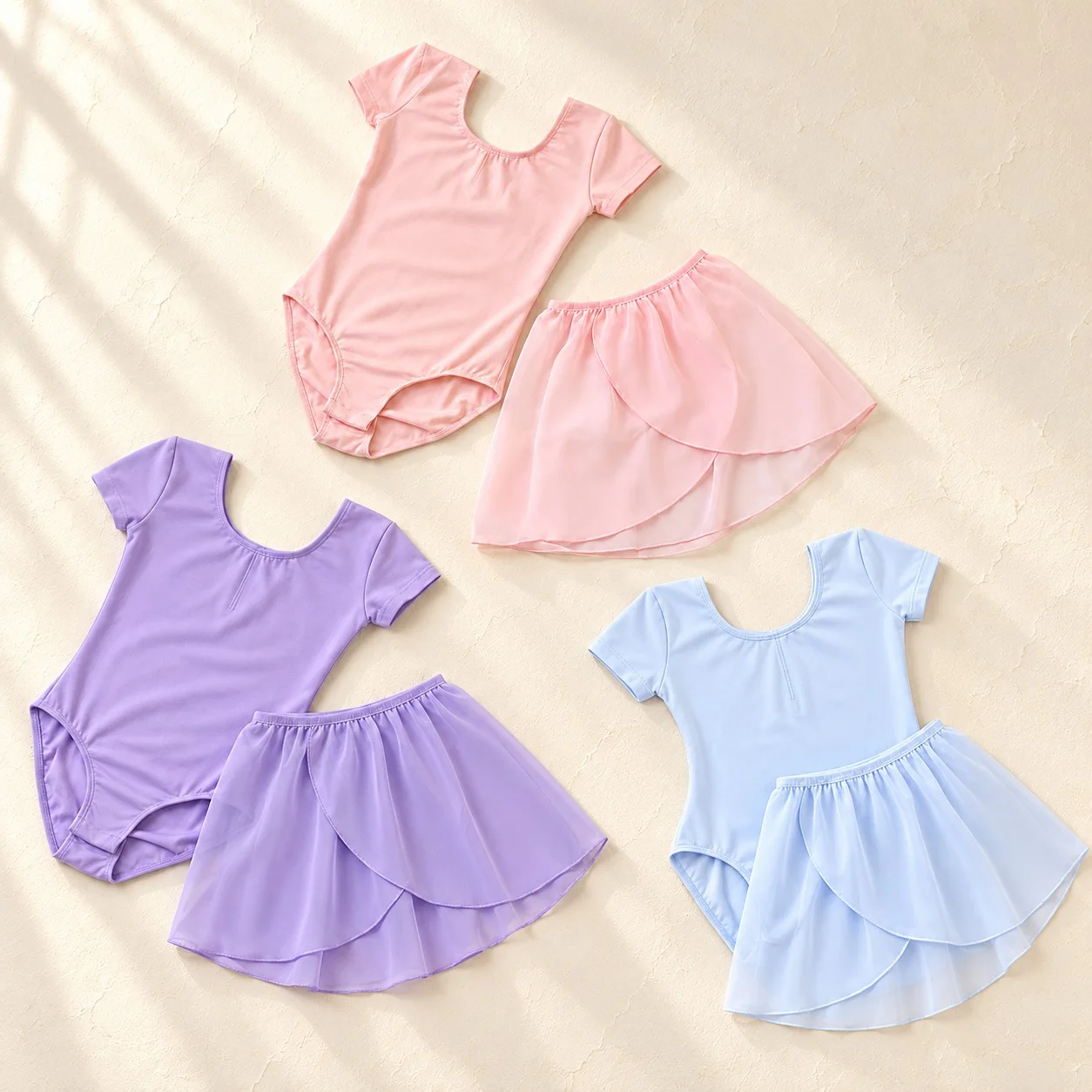
Three children's short-sleeve ballet leotards with matching chiffon skirts in pale pink, lavender and light blue

Short answer: a ballet dancewear set is a matching leotard and skirt, and sometimes extras such as a belt, a bow or chest pads, sold together in one size run. A set saves time, matches the colors and often costs less than buying each piece. Buy separate pieces if your school asks for a specific style or color.

What is usually in a ballet set?

Piece Often included?
Leotard Yes
Skirt (chiffon or tutu) Often
Waist ribbon or belt Sometimes
Bow or hair accessory Sometimes
Chest pads Sometimes, in teen and adult sets
Tights and shoes Rarely; bought separately

What sets do we offer?

Is a set better than separate pieces?

  • A set is better for a first outfit, a gift, or when you want the colors to match without guessing.
  • Separate pieces are better when the school names the exact leotard, when a child is in two different sizes top and bottom, or when you want to replace one piece.

How do I choose the size for a set?

  1. Choose by height first. Check the size chart on the product page.
  2. If you are between sizes, choose the larger one.
  3. Check the note on the skirt. Some skirts have a fixed size range.

Our leotard size chart explains how sizes work.

What else do I need with a set?

Ballet tights and soft ballet shoes, and a neat bun. Our guide to a girl’s first ballet class lists everything, and our guide to a dance uniform explains why schools ask for matching clothes.

How do I care for a set?

  • Wash on a gentle cycle in cool water, and air dry.
  • Keep the skirt away from velcro and rough zips, which snag chiffon.
  • Hang the skirt up after class so it does not crease.
Posted on

Platter Tutu vs Romantic Tutu: What Is the Difference?

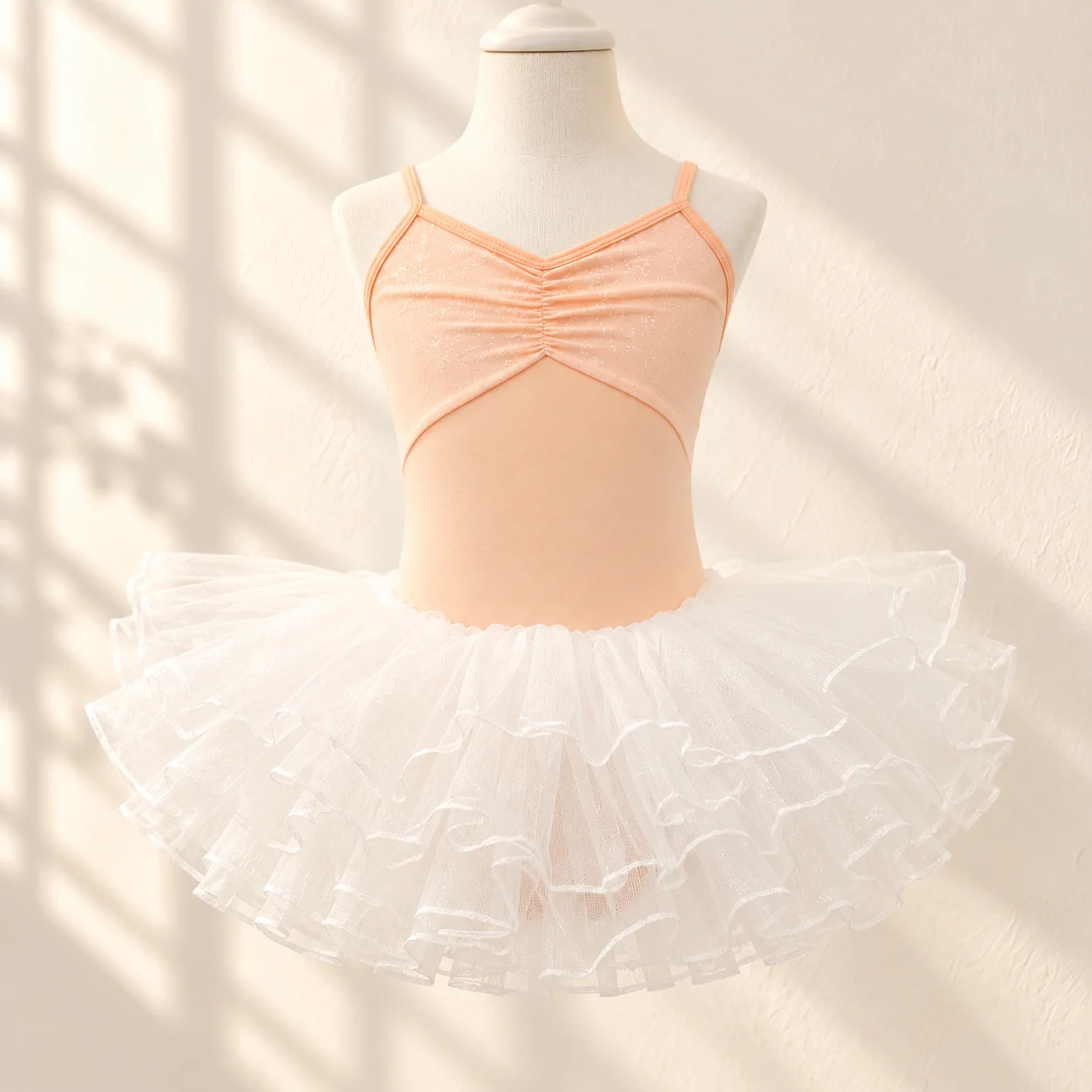
Orange camisole leotard and white tulle tutu skirt shown at an angle on a mannequin

Short answer: a platter tutu, also called a classical tutu, has a flat, stiff skirt that sticks out sideways from the hip like a plate, and it shows off the legs. A romantic tutu is a soft, bell-shaped skirt that falls to the calf or ankle. Platter tutus suit classical, bright pieces, and romantic tutus suit soft, dreamy ones.

How do they differ?

Platter (classical) tutu Romantic tutu
Shape Flat disc at the hip Soft bell
Length Short, shows the legs Calf or ankle length
Feel Stiff, structured Light, flowing
Used for Classical variations and bright solo pieces Dreamy, ghostly or spirit roles
Movement Shows quick footwork Floats with the dancer

What is a platter tutu?

A platter tutu has many layers of stiff tulle supported by a hoop or a firm base, so the skirt lies almost flat. It is made to show the leg line and the footwork clearly. It is a performance garment, not a class uniform, and usually costs more and takes more care than a soft skirt.

What is a romantic tutu?

A romantic tutu is made of several layers of soft tulle, falling in a bell shape to the calf or ankle. It gives a light, floating look and is common in dreamy, spirit and ghost roles. See our guide to the romantic tutu.

What about everyday and children’s tutus?

Children’s and party tutus are usually soft, layered tulle skirts with an elastic waist, for play, photos and first shows. The tutu in our orange leotard and white tutu set is a soft layered skirt made for dancers about 100 to 130 cm tall, and it is not a classical platter tutu. See our guide to types of ballet tutus for the full range.

How do I choose?

  1. Decide the use. Class, a recital, a photo or a party.
  2. Check the dress code. Most ballet classes do not use a tutu.
  3. Check the size. A platter tutu is fitted to the hips, so measure waist and hips. A soft tutu is more forgiving.
  4. Think about storage. A stiff tutu needs flat storage or a wide hanger.

Can I wear a platter tutu for photos?

Yes, if you choose a size that fits well. Ask the shop how the tutu is built, because some party tutus are sold as “platter” but are not stiff.

Posted on

Dance Bodysuits and Body Tights: How They Differ From Leotards and Unitards

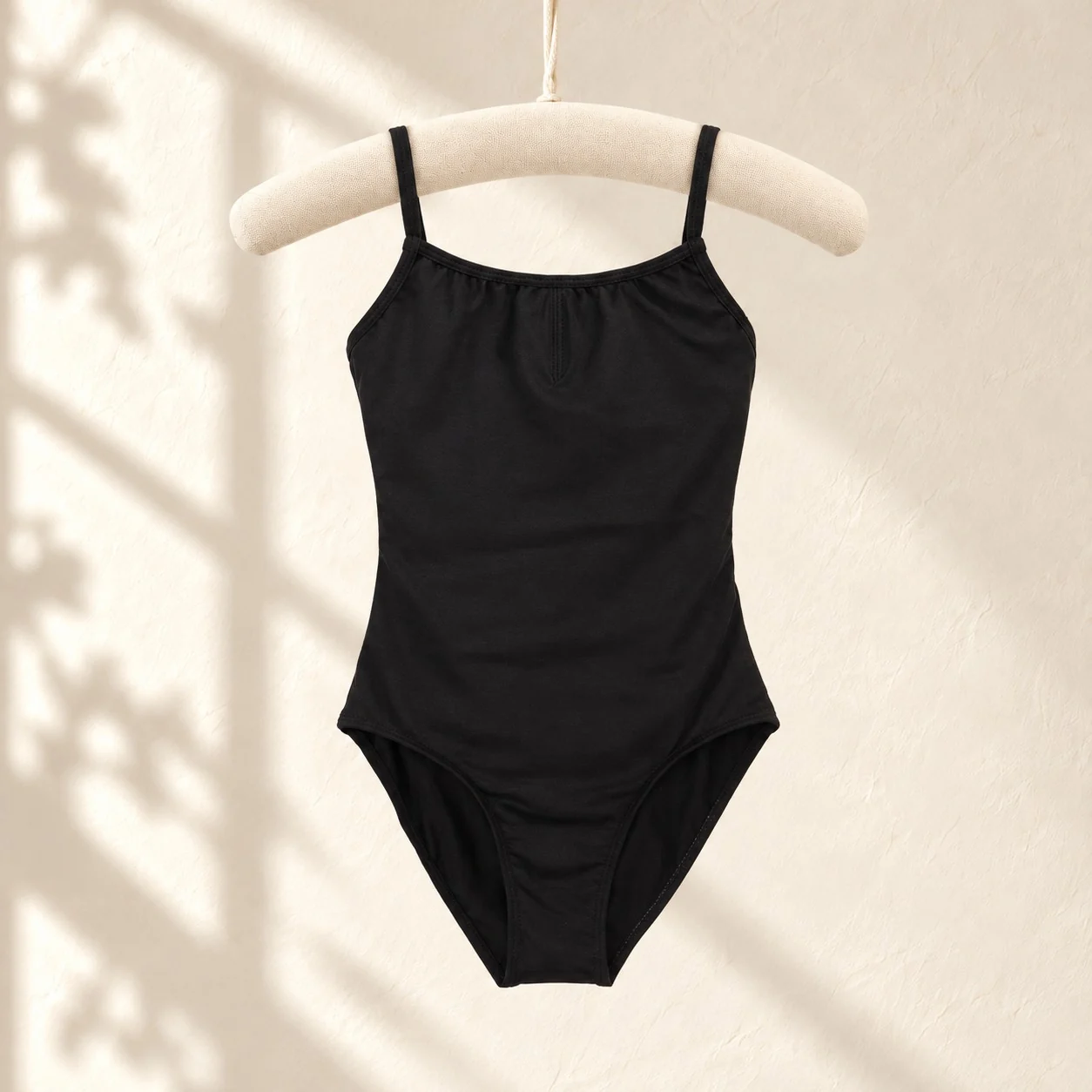
Black thin-strap camisole ballet leotard with a gathered front on a cream hanger

Short answer: in dance, a bodysuit is a close-fitting one-piece, much like a leotard, often in a skin-tone or mesh style worn under costumes. Body tights are tights that run from the feet up over the torso, with or without sleeves. A unitard covers the torso and legs. Shop names vary, so always check the product photo and description.

How do they compare?

Leotard Bodysuit Body tights Unitard
Covers Torso Torso Torso and legs, often feet Torso and legs
Usually worn With tights Under costumes or with skirts Alone or under costumes
Typical use Ballet class Stage, costume base, modern Contemporary, stage looks

Our guides to unitard vs leotard and the biketard explain the others.

When do dancers wear a bodysuit?

  • Under a costume, so the dancer has a smooth, comfortable base layer.
  • In contemporary or modern classes, where a simple one-piece is preferred.
  • For a skin-tone look, where the line of the body should stay clear.

When do dancers wear body tights?

Body tights give a full, smooth look from neck to toe. They are used in contemporary pieces, stage work and cold studios. Check that the legs and the torso are long enough, because tights that are too short pull at the shoulders and the crotch.

How do I choose the right shade and size?

  1. Shade. Tan, nude and black are common. Choose a nude that matches the skin tone, so the line looks continuous.
  2. Size. Choose by height first, then check the chest and torso. If you are between sizes, choose the larger one.
  3. Fabric. A smooth, stretchy nylon and spandex blend moves with the body and stays in place.
  4. Closure. Check whether the crotch has snaps, and whether the back is open or closed.

Is a black unitard a good choice?

Yes. A black unitard is a practical base layer for modern and contemporary classes, and it hides marks well. For ballet class, a leotard and tights are usually the safer choice, so check the dress code first. See our unitard vs leotard guide.

Common mistakes when buying

  • Buying by the name only. A “bodysuit” in one shop is a “leotard” in another, so read the description.
  • Choosing the wrong nude. A shade that does not match the skin breaks the line.
  • Skipping the sit test. Sit, bend and raise the arms in the fitting. Nothing should pull.

What is a mock neck bodysuit?

A mock neck bodysuit is a one-piece top with a close-fitting, low collar that sits partway up the neck, and it can have short, long or no sleeves. Dancers wear it for contemporary, lyrical and jazz classes, as a base layer, or under a skirt or shorts. Choose a stretchy fabric and the right torso length, and check your school’s dress code before ordering. See also unitard vs leotard.

Posted on

Christmas and Nutcracker Leotards and Dance Outfits

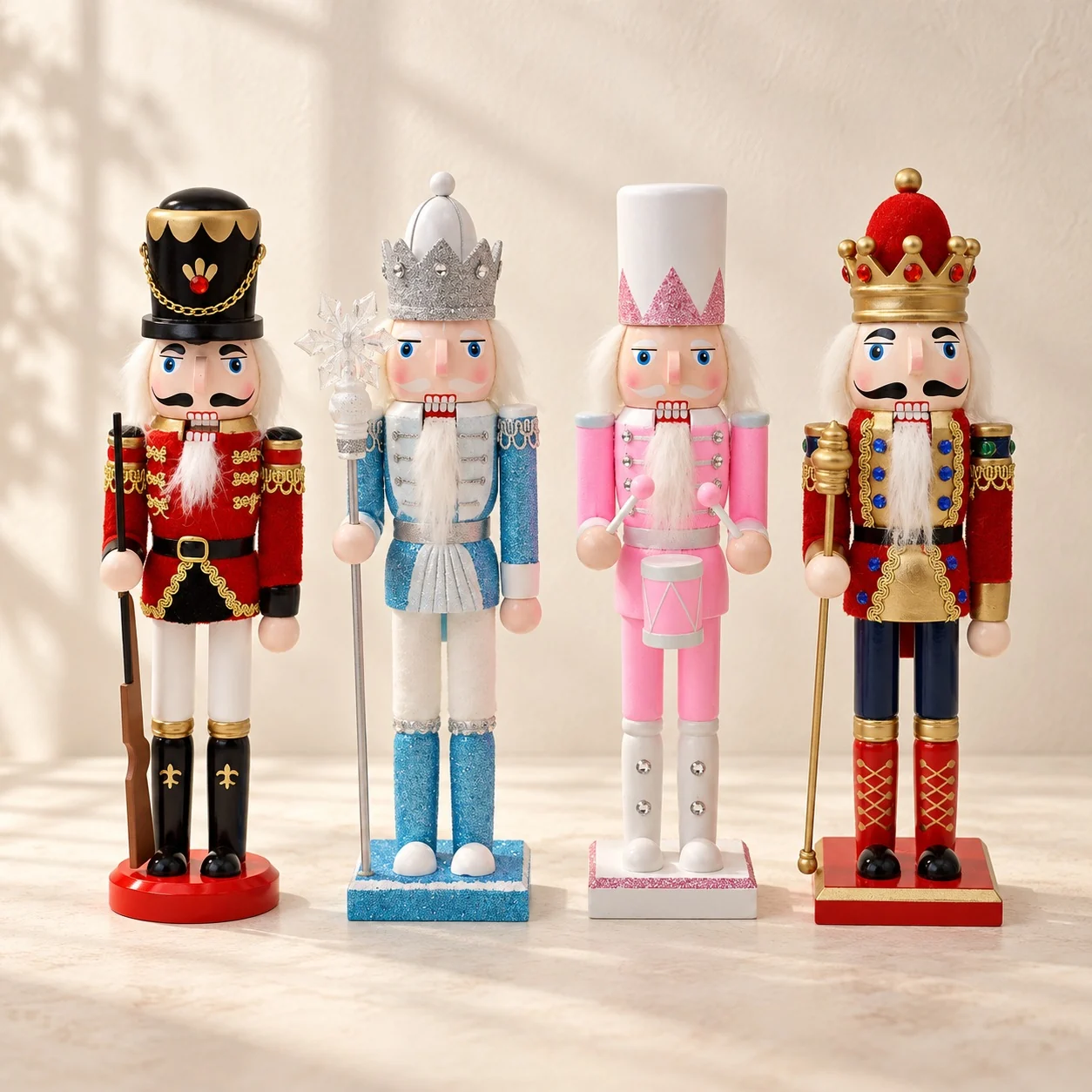
Four painted nutcracker figures in red, ice blue, pink and red and navy standing in a row

Short answer: for Christmas and Nutcracker season, keep the base simple: a leotard in red, green, wine, navy or white, tights in the usual color, and a warm layer. Add festive touches such as a hair bow, a tutu or a themed prop. Costumes for the show itself are normally given by the school, so ask before you buy.

What colors look festive but still work for class?

Color Good for
Wine red or deep red A rich holiday look that also works all year
Forest or sage green Soft, natural, goes with pink tights
Navy A winter look; hides marks
White or pale pink Snow and Sugar Plum themes

Our girls’ sleeveless ballet leotard comes in colors including Wine Red, Sage Green, Navy and Light Pink. If you need help choosing a color, see our guide to leotard colors.

What should my child wear to Nutcracker rehearsals?

  • The usual class uniform: leotard, tights and ballet shoes.
  • A warm layer for the cold hall: a wrap top, cardigan or leg warmers.
  • Hair neatly tied back, in a bun if the rehearsal asks for one.
  • A labeled bag with water and a small snack.

Who buys the Nutcracker costume?

In most schools, the show costume is arranged or hired by the school, and parents are told what tights, shoes and hair accessories to bring. Ask your teacher for the costume list before you buy a tutu or a holiday costume. Our guide to the Nutcracker characters shows which roles use which looks.

What holiday touches can I add to a class outfit?

  1. A red or green hair bow, in a style your school allows. See our ballet hair bow.
  2. A pair of leg warmers over tights.
  3. A light tulle skirt for photos, not for class, unless the teacher says so.

Our knit leg warmers come in Blush Pink, sizes S and M.

What are good Nutcracker gifts for dancers?

A nutcracker figure for the shelf, a hair bow, leg warmers or a warm cardigan are easy gifts. Our painted nutcracker figure comes in four styles. See also our Christmas gift guide for ballet dancers.

Tips for a smooth show day

  • Label every shoe, tights packet and hair accessory.
  • Pack a spare pair of tights, in case of a run.
  • Arrive early, and keep the costume on its hanger until it is time.

What does Clara wear in The Nutcracker?

Clara is usually shown in a light party dress or a nightgown in the first act. For a recital look, choose a soft dress or a pastel leotard with a skirt. Check your school’s costume plan before you buy.

Posted on

Black, White and Pink Ballet Shoes: Which Color to Choose

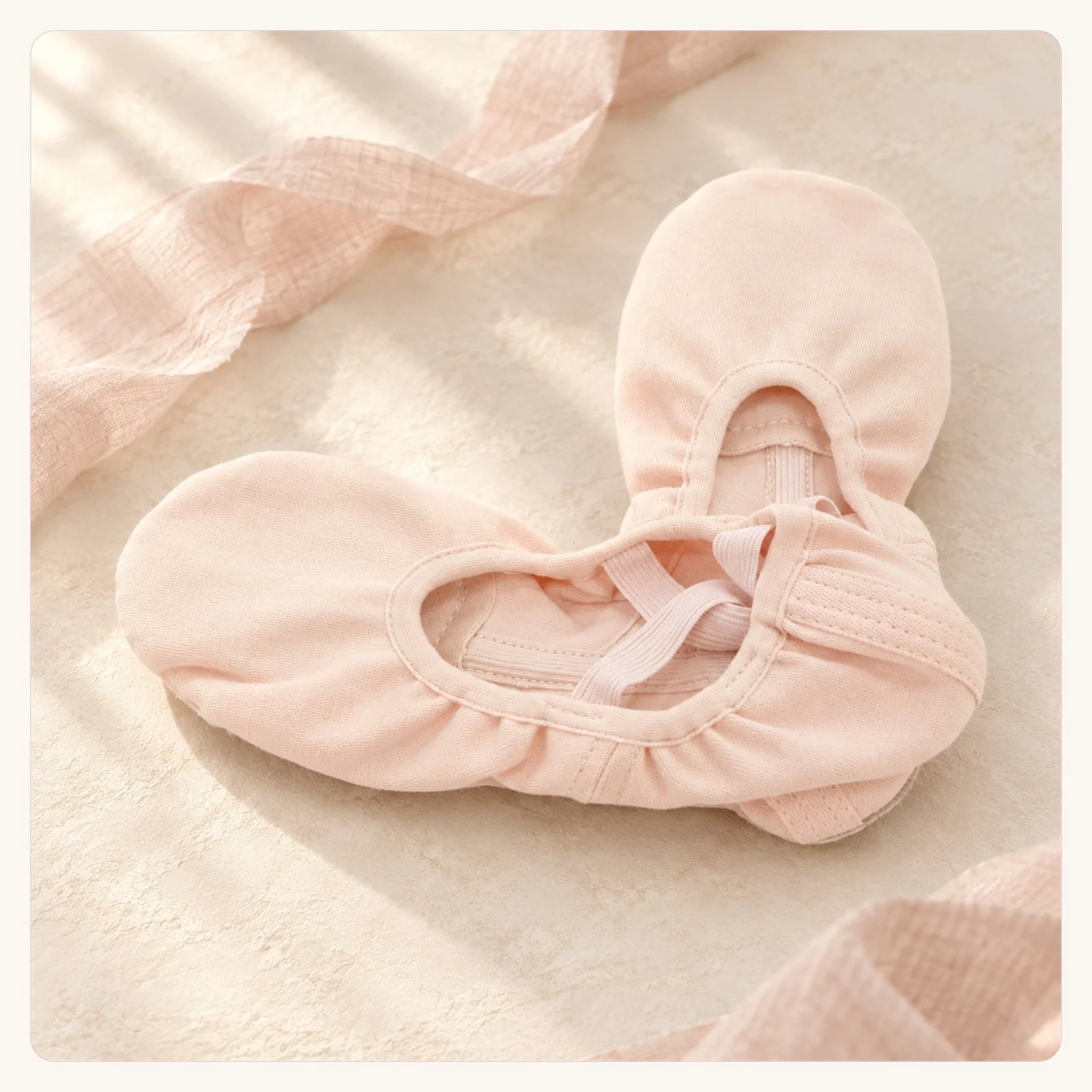
Pale pink stretch-canvas ballet slippers with cross elastics

Short answer: pink is the standard color of ballet shoes for most girls and is the safest choice for a first pair. Black and white ballet shoes are used by some schools, by many boys and men, by adults who prefer a plain look, and for stage looks. Always check the school dress code first, because the color is often set by the school.

Which ballet shoe color suits whom?

Color Often worn by Good to know
Pink Girls and women in most schools Matches pink tights; the usual first pair
Black Boys and men, some adult classes, some schools Hides marks; stands out against pale tights
White Boys and men, some schools, stage looks Shows dirt quickly
Tan or skin tone Dancers who want the foot to blend with the leg Often matched to the skin tone

Should the shoes match the tights?

For a long, clean leg line, many dancers choose shoes and tights in the same family, such as pink shoes with pink tights. Black shoes with pink tights break the line, which some schools do not mind and others avoid. See our guide to pink or skin-tone tights.

Does the color change how the shoe fits?

No. Fit depends on the size, the shape and the material, not the color. Measure the foot, check the size chart and choose the larger size if you are between sizes. Our guides on how ballet shoes should fit and the shoe size chart explain how.

What about the material: canvas, leather or satin?

  • Canvas: light, soft and easy to wash. A popular choice for children and adults.
  • Leather: durable and molds to the foot. It also keeps its color longer in class.
  • Satin: mostly for performances, because it wears out faster.

Our canvas vs leather guide compares them in more detail. Our stretch-canvas ballet shoes are pink, with a pre-attached cross elastic and a split suede sole, in sizes 23 to 41.

What should adults choose?

Adults often pick the color that matches their tights and leotard, or black for a plain look. Check the studio’s preference first, because many adult classes have no strict rule.

How do I keep the color looking good?

  1. Wear the shoes only in the studio, not outdoors.
  2. Brush off dust after class, and spot clean marks with a damp cloth.
  3. Let them air dry, away from heaters and direct sun.
  4. Store them in a bag, not loose in the bottom of a dance bag.

See our guide on how to clean ballet shoes.

When do dancers wear black or white ballet slippers?

Black and white ballet slippers are worn when a school or performance asks for them, and pink is the usual choice for class. Check your dress code before you buy. For adult sizes and fit, see women’s ballet slippers and men’s ballet shoes.