Posted on

What Is a Male Ballerina Called?

What Is a Male Ballerina Called?

Short answer: The Correct Term: Danseur A male ballet dancer is correctly called a danseur — from the French word for dancer.

The Correct Term: Danseur

A male ballet dancer is correctly called a danseur — from the French word for dancer. The word ballerina, which many people use for all ballet dancers regardless of gender, technically refers specifically to a female dancer. Using “male ballerina” is understandable in everyday language but is not accurate within the ballet world.

Danseur vs Danseur Noble

Within ballet companies, male dancers are classified further by their roles:

  • A danseur noble (noble dancer) takes on the leading romantic roles — the princes and heroes in ballets such as Swan Lake, The Sleeping Beauty, and Romeo and Juliet.
  • A demi-caractère dancer performs lighter, more playful roles requiring a quicker, more comedic technique.
  • A caractère dancer specialises in dramatic roles that require strong acting as well as dancing.

Why Do People Say “Male Ballerina”?

The phrase exists because “ballerina” has become the popular English word for any classical ballet dancer. Ballet professionals and teachers prefer the accurate terms: danseur for a male dancer, and danseuse or ballerina for a female dancer of principal rank.

Famous Male Ballet Dancers

  • Rudolf Nureyev — Soviet-born star who became one of the greatest male dancers of the 20th century
  • Mikhail Baryshnikov — Celebrated for athletic brilliance and charisma
  • Carlos Acosta — Cuban-born principal at the Royal Ballet, now Artistic Director of Birmingham Royal Ballet
  • Vadim Muntagirov — Royal Ballet principal, considered one of the finest danseurs nobles of his generation

Boys and the RAD Syllabus

The Royal Academy of Dance actively encourages male participation in ballet from an early age. Boys follow the same graded examination syllabus as girls, with some variations in style and choreography. Male students wear specific uniform — read our guide to male ballet attire for full details on what boys wear to class.

What Do Male Ballet Students Wear?

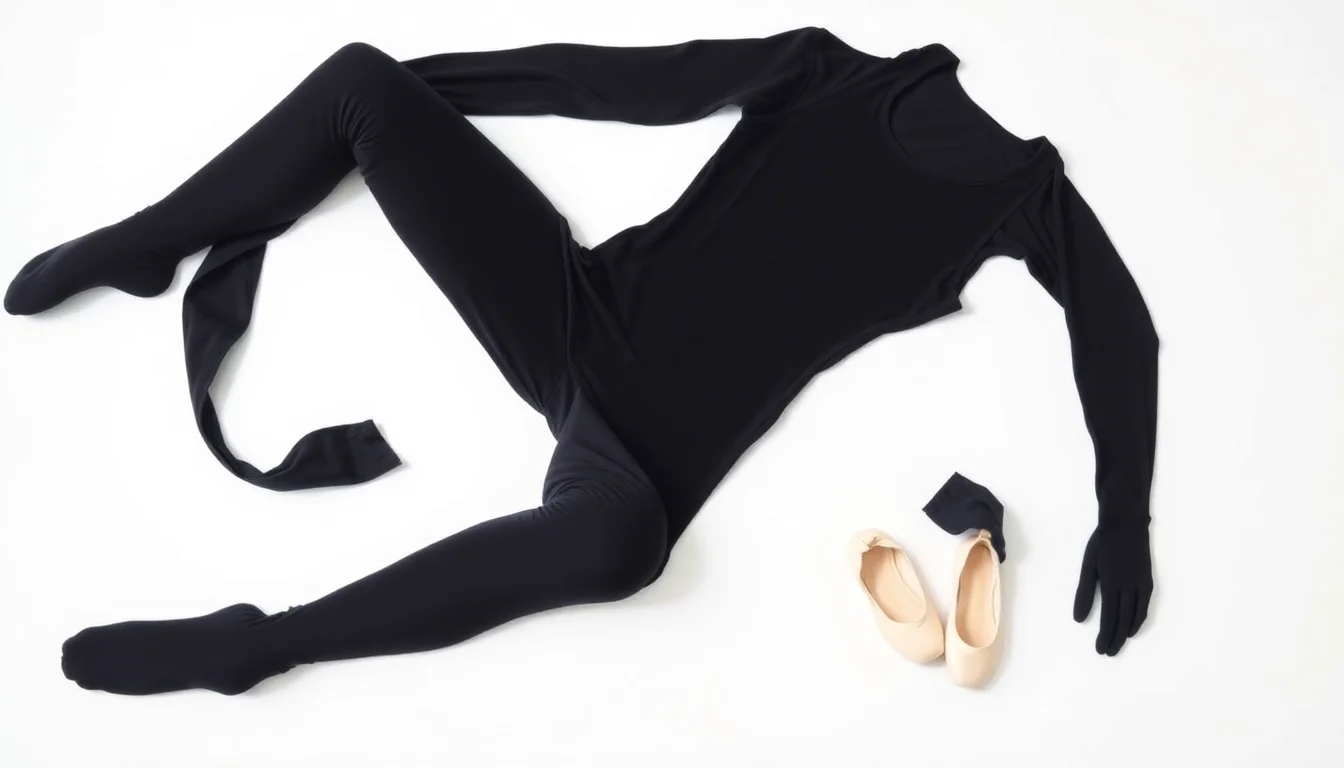
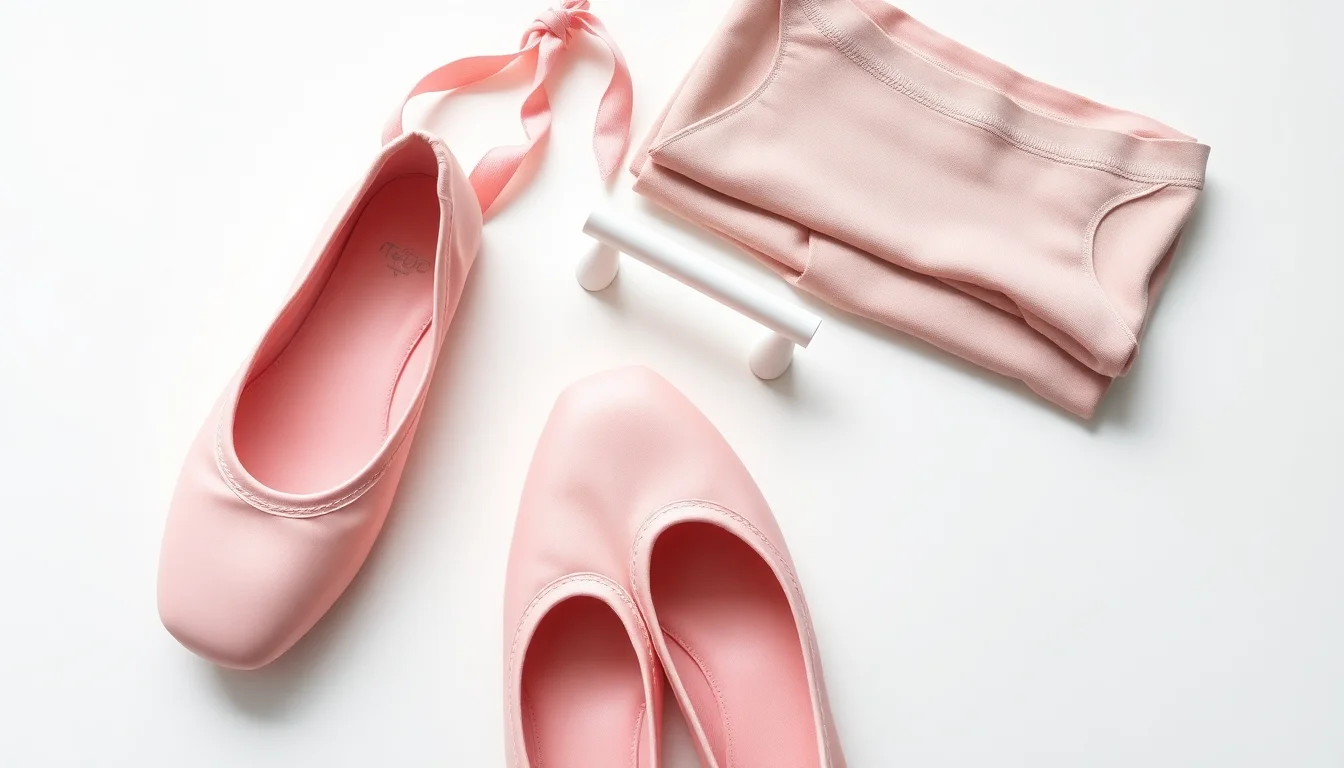
Male ballet students typically wear a fitted white or black T-shirt or tank top, plain black ballet tights or dance trousers, and white or black soft ballet shoes. In more advanced classes and performances, male dancers wear dance belts, tights, and fitted tops designed for full freedom of movement.

Frequently Asked Questions

What is a male ballerina called?

A male ballet dancer is called a danseur. Ballerina technically refers to a female dancer. Danseur comes from the French word for dancer and is standard in the professional ballet world.

What is a danseur noble?

A danseur noble is a male ballet dancer of principal rank who performs the leading romantic roles in classical ballets — the princes partnering the prima ballerina.

Can boys do ballet?

Absolutely. Ballet is for everyone. Boys who study ballet develop exceptional strength, coordination, flexibility, and performance skills that benefit them across all sports and physical activities.

At what age do boys start ballet?

Boys can begin ballet at the same age as girls — usually around three to four for pre-school classes, or five to six for structured beginners’ classes. There is no age too young or too old to start.
Posted on

Ballet Terms Explained: Common Steps and Movements

Ballet Terms Explained: Common Steps and Movements

Short answer: Why Does Ballet Use French? Ballet developed in France in the 17th century under King Louis XIV, who established the first professional ballet academy — the Académie Royale de Danse — in…

Why Does Ballet Use French?

Ballet developed in France in the 17th century under King Louis XIV, who established the first professional ballet academy — the Académie Royale de Danse — in Paris in 1661. French became the international language of ballet, and today the same terms are used in every studio worldwide, from London to Sydney to New York.

Basic Positions and Posture Terms

  • Turnout — outward rotation of the legs from the hip socket
  • Plié — a bending of the knees; demi-plié is a half bend, grand plié a full bend
  • Relevé — rising onto the balls of the feet (or onto pointe)
  • En pointe / sur les pointes — dancing on the tips of the toes in pointe shoes
  • Épaulement — the placement and movement of the shoulders

Common Ballet Movements

  • Tendu — stretching the foot along the floor without lifting it
  • Dégagé — brushing the foot off the floor to a small height
  • Arabesque — standing on one leg with the other extended behind at 90° or higher
  • Attitude — one leg raised behind with a bent knee
  • Passé / Retiré — the foot drawn up to the knee of the supporting leg
  • Fondu — a melting or sinking down
  • Grand battement — a large kick of the whole leg
  • Jeté — a jump from one foot to the other
  • Assemblé — a jump where both feet come together in the air
  • Sauté — a jump (used as a prefix)

Ballet Terms for Turns

  • Pirouette — a complete rotation of the body on one leg
  • Chaîné turns — a series of fast, linked turns across the floor
  • Fouetté — a whipping action used to propel turns
  • En dedans — turning inward (toward the supporting leg)
  • En dehors — turning outward (away from the supporting leg)

Class Direction Terms

  • À la seconde — to the side
  • En croix — in the shape of a cross (front, side, back, side)
  • Croisé — crossed; legs appearing to cross when viewed from the front
  • Effacé — open; legs appearing open when viewed from the front
  • Adage / Adagio — slow, flowing movements requiring control and balance
  • Allegro — fast, lively movements; grand allegro involves big jumps
  • Port de bras — the carriage of the arms

Ballet Attire Terms

  • Tutu — the ballet skirt; classical (flat, stiff) or romantic (long, soft)
  • Leotard — the close-fitting base garment worn in class
  • Pointe shoes — reinforced shoes that allow dancing on the tips of the toes
  • Character shoes — low-heeled shoes for character and national dance

Frequently Asked Questions

What language are ballet terms in?

Ballet terms are in French, established as the standard language of ballet by the Académie Royale de Danse in the 17th century.

What does plié mean in ballet?

Plié means “bent” in French. It refers to bending the knees while keeping the feet turned outward. A demi-plié is a half bend; a grand plié goes to the lowest point.

What is an arabesque in ballet?

An arabesque is where the dancer stands on one leg and extends the other leg straight behind at 90 degrees or higher — one of the most iconic shapes in classical ballet.

What does en pointe mean?

En pointe means “on the tips of the toes.” It refers to dancing in pointe shoes, which have a reinforced box allowing the dancer to support their full weight on the toe tips.

What is the difference between petit allegro and grand allegro?

Petit allegro covers small, quick jumps (glissades, assemblés, petits jetés). Grand allegro involves large travelling jumps such as grand jetés and tours en l’air.

Posted on

What Is Barre? A Beginner’s Guide

What Is Barre? A Beginner's Guide

Short answer: What Does Barre Mean? The word barre comes from French and refers to the horizontal rail fixed to the walls of a ballet studio.

What Does Barre Mean?

The word barre comes from French and refers to the horizontal rail fixed to the walls of a ballet studio. Every classical ballet class begins with barre work — a series of exercises performed while holding the rail for balance. Today the term also describes a popular fitness class format inspired by ballet technique.

Barre Work in Classical Ballet

In a ballet class, barre work is the warm-up and technical foundation section that opens every lesson. Students hold the rail and work through a set sequence of exercises designed to warm the body systematically and establish correct alignment before moving to unsupported centre work. Typical exercises include:

  • Plié — bending and straightening the knees in turnout
  • Tendu — stretching the foot along the floor
  • Dégagé — brushing the foot off the floor
  • Rond de jambe — circling the working leg
  • Battement frappé — a sharp striking action
  • Grand battement — a large swinging kick of the whole leg

Barre Fitness Classes

Barre fitness classes draw on ballet-inspired movements to build muscle endurance, flexibility, and core strength. They are aimed at adults with little or no dance experience and typically use very small repetitive movements — often called micro-movements or pulses. Common formats include Pure Barre, Ballet Barre, and HIIT Barre. No dance experience is required.

What Is the Difference Between Barre and Ballet?

The key difference is purpose. Ballet is a classical art form with a codified technique, graded examinations, and a progression from beginner to professional. Barre fitness is a contemporary workout class borrowing ballet-inspired movements for physical conditioning. Ballet classes include barre work, but ballet and barre fitness are not the same thing.

What to Wear

For a classical ballet class: a fitted leotard, tights, and soft ballet shoes. For a barre fitness class: comfortable workout wear and grip socks are typical.

Benefits of Barre Training

  • Strengthens the core, legs, and glutes
  • Improves posture and body alignment
  • Builds flexibility and joint mobility
  • Low-impact and suitable for most fitness levels
  • Develops body awareness and coordination

Frequently Asked Questions

What is a barre in ballet?

In ballet, a barre is the horizontal rail attached to the studio wall. Dancers hold it during the warm-up section of class to assist with balance while performing technical exercises.

What is a barre fitness class?

A barre fitness class is a workout class inspired by ballet technique. It uses a studio barre or chair for support and focuses on small, repetitive movements to tone the muscles. No dance experience is required.

Is barre good for beginners?

Yes. Both classical barre work and barre fitness classes are excellent for beginners. Classical ballet barre introduces correct alignment from the first lesson; barre fitness classes are designed for people of all fitness levels.

What is barre basics?

Barre basics refers either to a beginner-level barre fitness class or to the fundamental exercises at the barre in a classical ballet class — pliés, tendus, and dégagés.

How long does barre work last in a ballet class?

In an adult class, barre work typically takes 20 to 30 minutes. In a children’s class it is shorter — around 10 to 15 minutes — before moving to centre exercises.

Posted on

Ballet Positions Explained: All 5 Positions for Beginners

Ballet Positions Explained: All 5 Positions for Beginners

Short answer: What Are the Five Positions of Ballet? The five positions of ballet are the foundation of classical technique.

What Are the Five Positions of Ballet?

The five positions of ballet are the foundation of classical technique. Every step, jump, and turn begins and ends in one of these positions. They were codified in France in the late 17th century by Pierre Beauchamp, dance master to King Louis XIV, and have remained unchanged ever since.

First Position

Heels together, toes turned outward. The feet ideally form a straight line, though the degree of turnout depends on each dancer’s natural hip rotation and must never be forced. Arms rest in a soft oval shape just below the hips — the preparatory position or bras bas. First position is the starting point for pliés, relevés, and most basic exercises.

Second Position

Feet turned out and separated by approximately one foot’s width (hip-width for younger children). Arms extend to the sides at shoulder height, softly curved, palms facing down. Second position gives a stable, wide base and is used for jumps and stretching exercises at the barre.

Third Position

One heel placed in front of the arch of the other foot, both turned out. Third position is used mainly in the early RAD grades (Pre-Primary and Primary) as a stepping stone toward fifth position. It is a transitional stance that introduces the idea of placing one foot in front of the other.

Fourth Position

One foot placed one step directly in front of the other, both turned out. Fourth position is the preparation for pirouettes and develops balance. Arms are in opposition — if the right foot is forward, the left arm is raised. There are open and crossed variants depending on the exercise.

Fifth Position

One foot placed directly in front of the other, heel of the front foot touching the toe of the back foot. Both feet are fully turned out. Fifth position requires significant hip flexibility and is typically introduced from RAD Grade 1 onward. It is the most demanding position and the foundation for the majority of advanced ballet work.

Arm Positions (Port de Bras)

Alongside the five foot positions, ballet uses a set of arm positions called port de bras. In the RAD syllabus these include bras bas (preparatory, arms low), first (arms in front at waist height), second (arms to the sides), third (one up, one to the side), and fifth en haut (both raised overhead). Arms should always be soft and rounded — never straight or locked.

What to Wear When Practising

To practise the five positions at home, wear a well-fitting leotard, ballet tights, and either soft ballet shoes or bare feet on a non-slip surface. A sturdy chair makes an effective home barre for supported exercises.

Key Tips for Beginners

  • Never force turnout — it must rotate from the hip, not the knees or ankles.
  • Keep the core gently engaged in every position.
  • Focus on correct alignment rather than maximum range of motion.
  • Practise in front of a mirror to check posture.

Frequently Asked Questions

What are the 5 positions of ballet?

The five positions of ballet are first, second, third, fourth, and fifth. They define where the feet are placed and the orientation of the toes, and they underpin all classical ballet movement.

What is first position in ballet?

In first position the heels are together and both feet are turned outward. It is the most basic starting position in ballet, taught from the very first lesson.

Do beginners need to learn all five positions at once?

No. Most syllabi introduce positions gradually. RAD Pre-Primary students work mainly in first and second. Third and fourth are added in Primary and Grade 1. Fifth position typically arrives at Grade 1 or 2.

What is a ballerina position called?

The iconic leg-behind pose is called an arabesque — standing on one leg with the other extended straight behind. The standing-on-one-leg pose with the working knee bent and raised is called an attitude. Both use the five foot positions as a starting and ending point.

Is ballet turnout safe for young children?

When taught correctly, the five positions are safe. The risk comes from forcing turnout beyond a child’s natural hip range. A qualified teacher ensures positions are achieved gradually and within comfortable limits.

Posted on

RAD Grades 6, 7 and 8 Ballet Uniform: Senior Grade Requirements

RAD Grades 6, 7 and 8 Ballet Uniform: Senior Grade Requirements

RAD Grades 6, 7 and 8 represent the senior stage of the graded syllabus, taken by students who have passed through Grades 1–5 and are typically aged between fourteen and eighteen. At this level the technical demands are significantly higher, character work is more sophisticated, and the standard of presentation for examinations is correspondingly more exacting. The uniform reflects this seniority with a distinct palette from the junior grades.

Short answer: RAD Grades 6, 7 and 8 represent the senior stage of the graded syllabus, taken by students who have passed through Grades 1–5 and are typically aged between fourteen and eighteen.

Leotard colours at Grades 6, 7 and 8

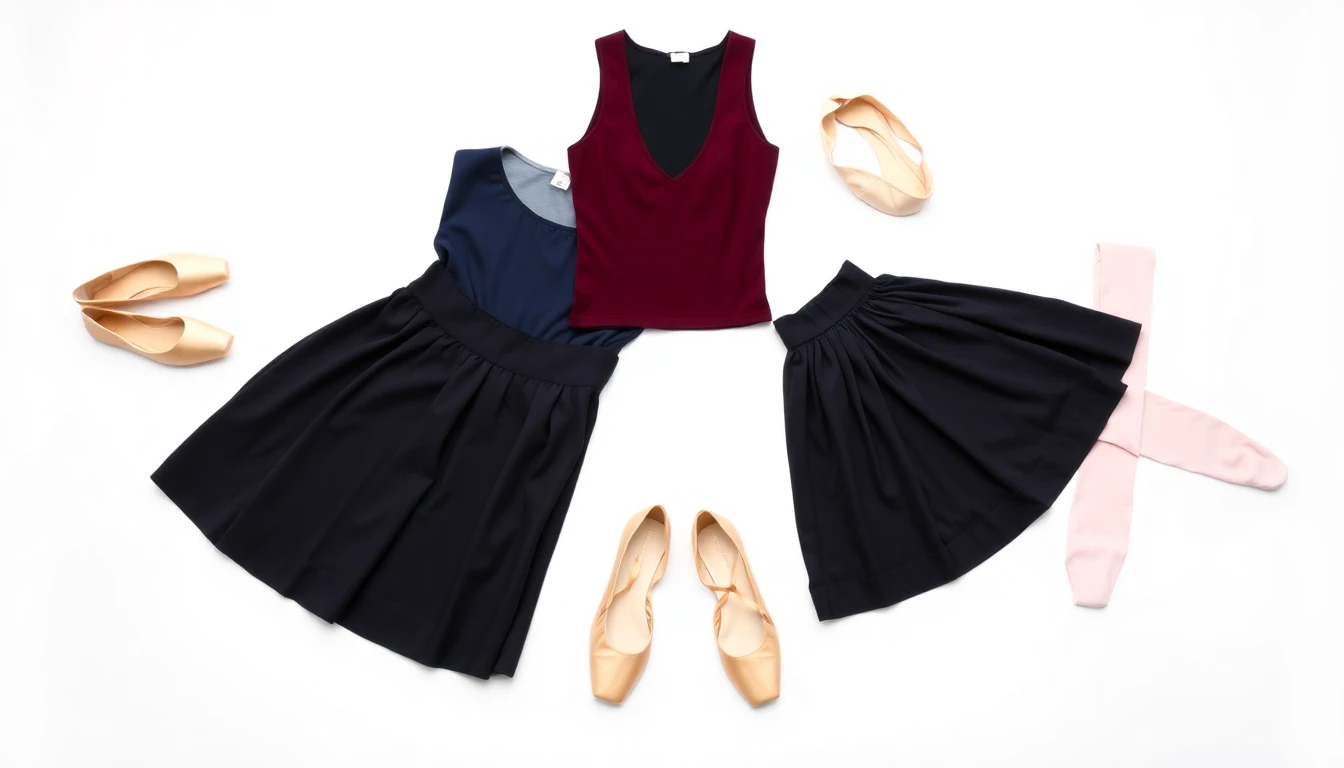
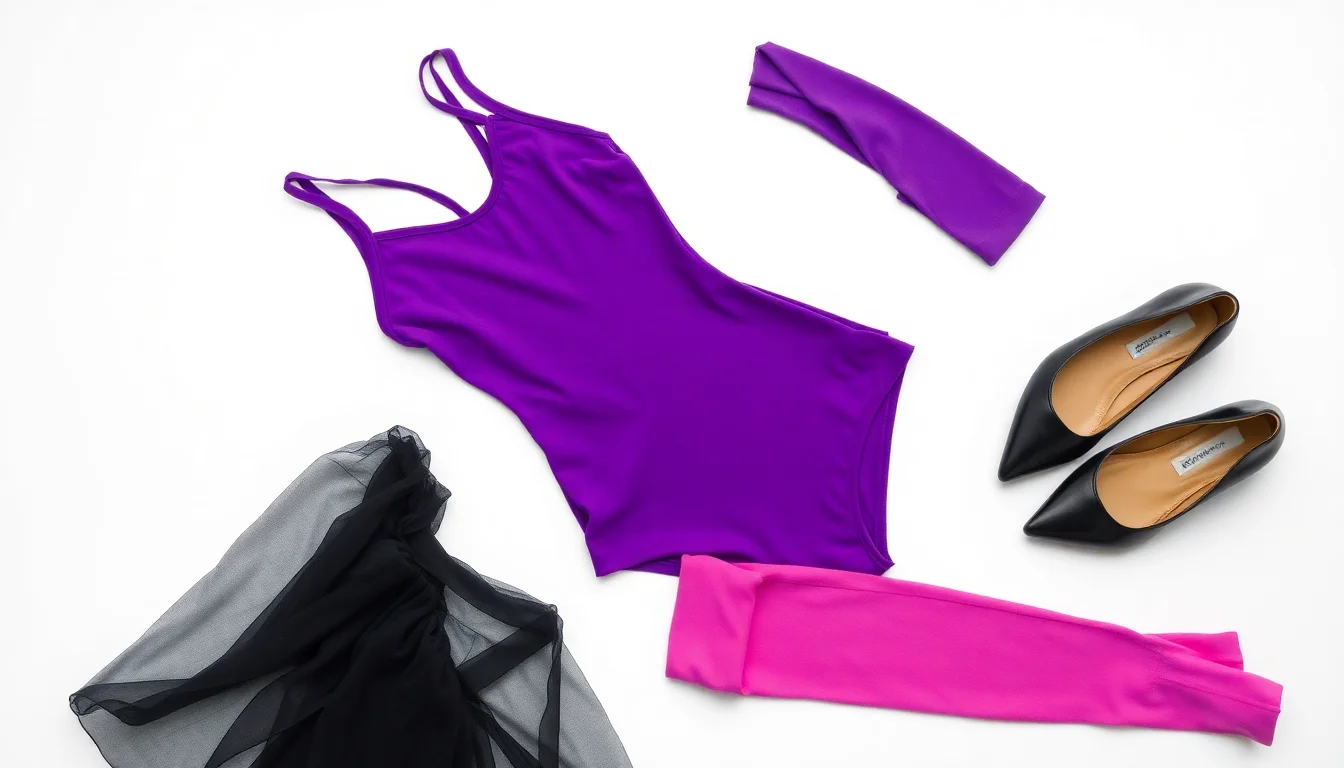
As with all RAD grades, the specific leotard colours for Grades 6–8 vary between schools, as each studio establishes its own colour progression through the syllabus. At the senior level, schools commonly use deeper or richer shades to distinguish these grades from the softer colours of the junior levels — navy, burgundy, deep teal or dark green are frequently used, though the exact assignment varies. The style at senior level may include more sophisticated design options: a higher neck, long sleeves, or a crossover back.

Character shoes and skirts at Grades 6–8

Cuban heel character shoes remain the standard for character work at these grades, now worn with greater skill and precision than at the junior levels. The character sequences in the senior syllabus are more extended and technically demanding, requiring shoes that fit correctly and are fully broken in. A new pair of character shoes should be worn in gradually over several classes before an examination. The character skirt at Grades 6–8 is often longer and more substantial than junior skirts, reflecting the increased sophistication of the character dance material.

Ballet shoes at senior level

Split sole ballet shoes are standard for students at Grades 6–8. Students at this level have developed the foot strength and control to use the full flexibility of a split sole effectively. Canvas, leather and stretch canvas are all appropriate — the choice of material is usually personal preference or teacher recommendation. Students who are also working on pointe work alongside their graded syllabus may bring pointe shoes to certain classes; confirm with your teacher what footwear is required for each class type.

Exam presentation at senior level

At Grades 6–8, the standard of overall presentation in an examination is significantly higher than at junior grades. Hair must be impeccably neat — a smooth, firm bun with no flyaways and a properly fitted hairnet. The uniform must be complete, clean and in excellent condition. Tights should be fresh and free of marks or ladders. The total picture — posture, presentation, and appearance — is assessed as part of the holistic impression a student makes on the examiner.

Frequently Asked Questions

What is the leotard color for RAD Grades 6, 7 and 8?

The RAD senior grades typically use a specific darker or more sophisticated color than the junior grades — often a deep plum, navy or similar. The exact specification changes with syllabus revisions. Check the current RAD grade syllabus with your teacher.

Do Grade 6 to 8 students still need a character skirt?

Yes — character work remains part of the syllabus through the senior grades, and the black character skirt continues to be required. The technique and complexity of character work increases significantly at these levels.

Are there any additional uniform requirements at the senior grade levels?

Senior grades may introduce specific requirements around presentation, such as a particular hairstyle, specific accessories or higher-heeled character shoes. Your teacher's detailed uniform list for the specific grade is the definitive source.

nn

Shop at ZoeDancewear

Black Character Dance Skirt u2014 four satin ribbon bands, worn for RAD character work at grades 6 and above. Free shipping over $99 to the US.

Posted on

Ballet Hair Accessories: Ribbons, Headbands and Bows for Class

Ballet Hair Accessories: Ribbons, Headbands and Bows for Class

The most common hair accessory in ballet is the plain hairnet that covers a bun — functional, invisible and universally required for examinations. But beyond the net, there is a range of hair accessories worn at different stages of ballet training: from the long satin hair ribbons that young children carry in their buns to the floral headbands used in character work. Each accessory has a specific context and is not always appropriate in every class or exam setting.

Short answer: The most common hair accessory in ballet is the plain hairnet that covers a bun — functional, invisible and universally required for examinations.

Satin hair bows and ribbon bows

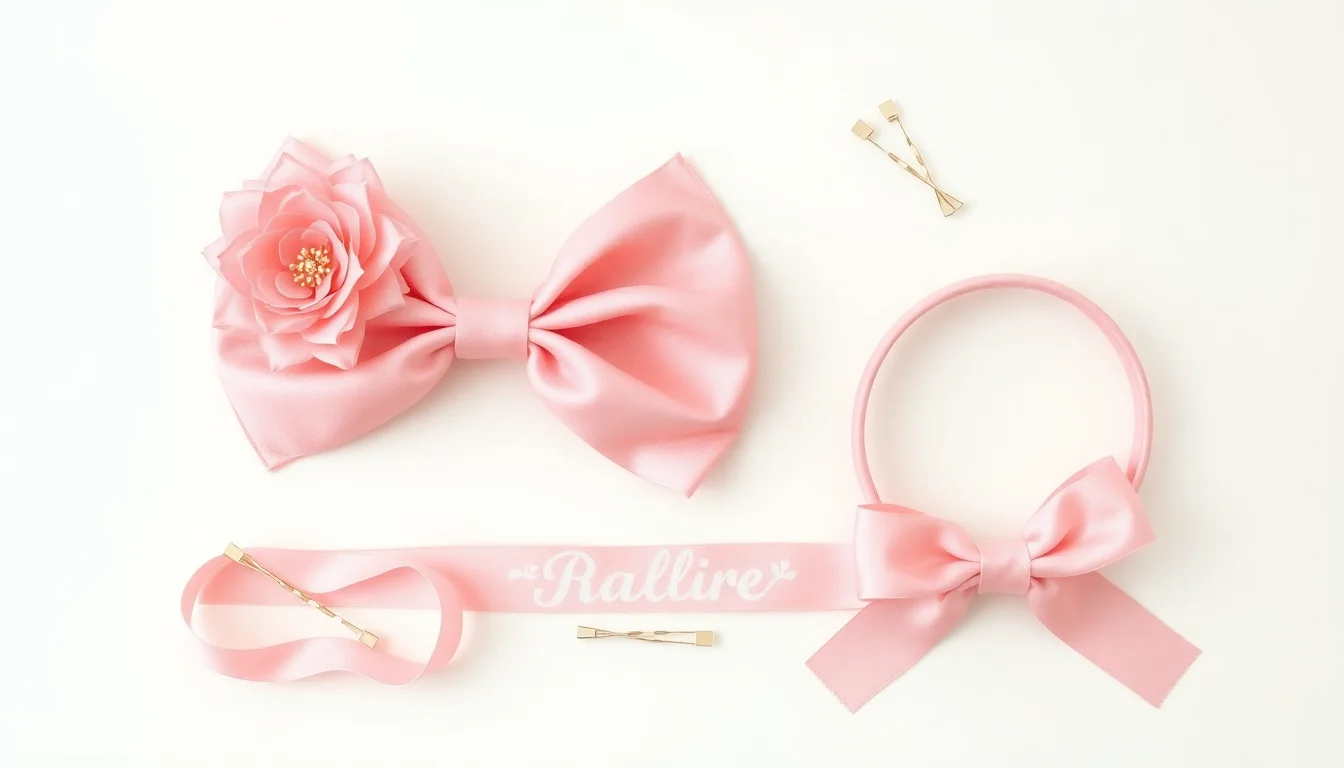
A classic ballet hair bow — a large satin bow worn at the base of the bun or on a headband — is most associated with young children in Early Years and Pre-Primary classes. It adds a decorative touch and is often used in performance costumes and end-of-term shows at this level. For everyday class use, a bow is usually school-specific: some studios include it as part of their uniform, while others keep the look plain and reserve decorations for performance.

Long trailing satin ribbons attached to a bow or clip are sometimes used in Early Years performances, where the ribbon creates a visual effect as the child moves. They are a performance accessory rather than an everyday class item.

Flower headbands and floral bun decorations

Flower headbands and floral bun covers appear most commonly in performance contexts — ballet shows, recitals and end-of-year performances — particularly at the younger levels. Some schools issue or specify a standard floral headband for performances to create a uniform look across the group. Floral accessories are not typically appropriate for graded examinations, where the RAD expects a plain, undecorated appearance.

Hair ribbons for character dance

In character dance sections of the RAD syllabus, a long satin ribbon attached to the hair is sometimes specified as part of the costume for particular dances at specific grades. Unlike everyday hair accessories, this ribbon is a costume element tied to the character being portrayed. Check your teacher’s guidance for whether and when a character hair ribbon is needed for your grade’s examination work.

What hair accessories are and are not allowed in RAD examinations?

For RAD graded examinations, the general expectation is a plain bun with a hairnet in a colour that matches the hair. Decorative accessories — bows, flowers, sparkly pins, large clips — are not part of the standard exam appearance unless specifically required for a character piece within the examination. Small plain pins used to secure the bun are acceptable; visible decorative elements generally are not. If you are unsure whether a specific accessory is permitted, ask your teacher in advance. A plain, neat appearance with no accessories in doubt is always the safe choice.

Frequently Asked Questions

Can a child wear a headband to ballet class instead of tying their hair back?

A plain, simple headband in a color that matches the hair or the uniform is usually acceptable for casual classes and is often used for very young children whose hair is not yet long enough for a bun. For exams, hair must be properly tied back according to the grade requirements.

What type of hair ribbon is used for RAD Early Years ballet?

Young children in Early Years and Foundation ballet sometimes carry a long satin hair ribbon as a prop or wear one threaded through their bun as a decorative element. The RAD syllabus specifies the required colors for prop ribbons at each level.

Are decorative bows acceptable for RAD examinations?

For RAD examinations, presentation should be neat and classic. Simple accessories in the correct uniform colors may be acceptable, but elaborate decorative bows are generally discouraged. Check with your teacher what is appropriate for the specific grade.

nn

Shop at ZoeDancewear

Ballet Hair Bow with Long Ribbons u2014 satin bow with long ribbon streamers, lace and pearl details. Free shipping over $99 to the US.

Posted on

How to Store Ballet Shoes and Keep Your Dance Kit Organised

How to Store Ballet Shoes and Keep Your Dance Kit Organised

Proper storage of ballet shoes and dancewear extends the life of the kit and makes weekly preparation for class much faster. A ballet shoe stored damp in a sealed bag will develop odour and mould. A few minutes of organisation after class each week makes a noticeable difference to how long the kit lasts.

Short answer: Proper storage of ballet shoes and dancewear extends the life of the kit and makes weekly preparation for class much faster.

How to store soft ballet shoes between classes

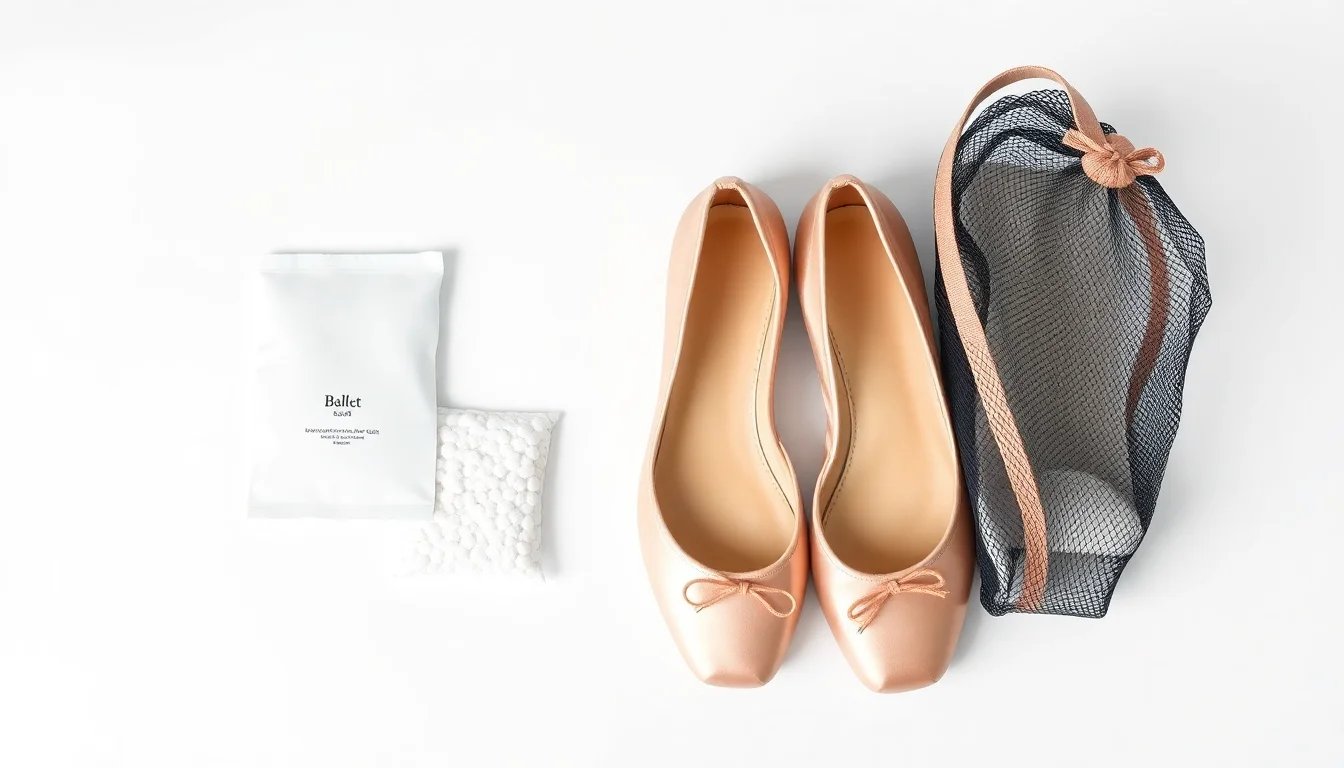
After every class, remove ballet shoes from the dance bag and leave them to air dry in an open, ventilated space — not inside the bag. Sweat and moisture that sit inside a closed bag create the conditions for odour-causing bacteria and mould to develop. Leave the shoes upright or flat in a place with good airflow overnight. For canvas shoes, a small sachet of silica gel or a cedar ball placed inside the shoe helps absorb residual moisture and keeps the interior fresh.

How should pointe shoes be stored?

Pointe shoes should never be stored in a sealed bag or in a humid environment. After wearing, remove them from the bag and leave them to dry completely before storing — this can take several hours. The box (the hardened toe area) softens dramatically when wet from dancing and needs to be fully dried in its correct shape. Some dancers stuff the toe with tissue while drying to help the shoe hold its form. Once dry, store pointe shoes in a mesh bag or a breathable fabric pouch — not in plastic. Pressure on the sides of the box can permanently distort the shape.

What to pack in the dance bag each week

A well-organised dance bag makes the pre-class rush much calmer. Keep a checklist inside the bag and restock after each class rather than before. A standard kit list includes:

  • Leotard (freshly washed)
  • Ballet tights (check for ladders before packing)
  • Soft ballet shoes
  • Character shoes (if required)
  • Hair supplies: elastic, pins, hairnet, gel
  • Water bottle (closed, not a cup)
  • Spare elastic and pins (small emergency supply)

How to keep the bag itself clean and fresh

Dance bags need regular airing and occasional washing. Canvas bags can usually be machine washed; check the care label. Leather or structured bags should be wiped down inside with a damp cloth and left open to air after class. If the bag smells despite these measures, a small open sachet of baking soda left inside the empty bag overnight removes residual odours effectively.

Frequently Asked Questions

How should pointe shoes be stored between classes?

Take them out of the bag after class, remove toe pads, and place them in a breathable mesh bag or leave them open on a shelf. Allow them to dry completely before the next class — damp pointe shoes break down quickly.

Is it bad to leave ballet shoes in the car between classes?

Heat in a parked car can soften the glue in ballet shoes and accelerate the breakdown of pointe shoe shanks and boxes. Store shoes at room temperature and avoid leaving them in a hot car, especially in summer.

How do I prevent ballet tights from developing holes quickly?

Wash them inside-out in a mesh laundry bag, avoid stretching them when wet, and store them folded rather than stuffed into a tight space. Trim long toenails before class to avoid snagging the fabric from inside.

Posted on

What to Expect at Your Child’s First Ballet Class

What to Expect at Your Child's First Ballet Class

A child’s first ballet class is an exciting milestone, and a little preparation makes the experience smoother for everyone. Most beginner ballet classes for young children are relaxed, creative and fun — but knowing what to expect helps children feel confident and helps parents prepare the right kit, arrive on time and understand what is happening behind the studio door.

Short answer: A child's first ballet class is an exciting milestone, and a little preparation makes the experience smoother for everyone.

What do children do at a first ballet class?

At beginner level — typically Pre-Primary or the equivalent — a first ballet class focuses on movement games, simple actions set to music, and learning how to work together as a group. Children might explore different ways of moving (tiptoeing, skipping, stretching), use a prop like a ribbon or scarf, learn the basic positions of the feet, or follow the teacher in a simple sequence.

There is no pressure to get steps right from day one. The focus is on making class fun, building confidence, and establishing the basic habits — listening to music, working in a group, following instruction — that underpin all future ballet training.

How long is a beginners’ ballet class?

First ballet classes for the youngest students (ages three to five) typically run for 30 to 45 minutes. This is shorter than the one-hour or 90-minute classes common for older students, because young children’s concentration spans are shorter and the activities are more physically demanding relative to their size. As children progress through the grades, class lengths increase gradually.

Should parents stay during the class?

Most studios ask parents to wait outside the studio for the duration of class, particularly from age four or five upward. Children often settle and focus better when parents are not in the room — the same effect seen in school drop-offs. Some studios have a viewing window where parents can observe quietly; others prefer that parents wait in the reception or hallway. For very young children (aged two to three), some parent-and-toddler ballet classes involve parents participating alongside the child.

What should your child wear on the first day?

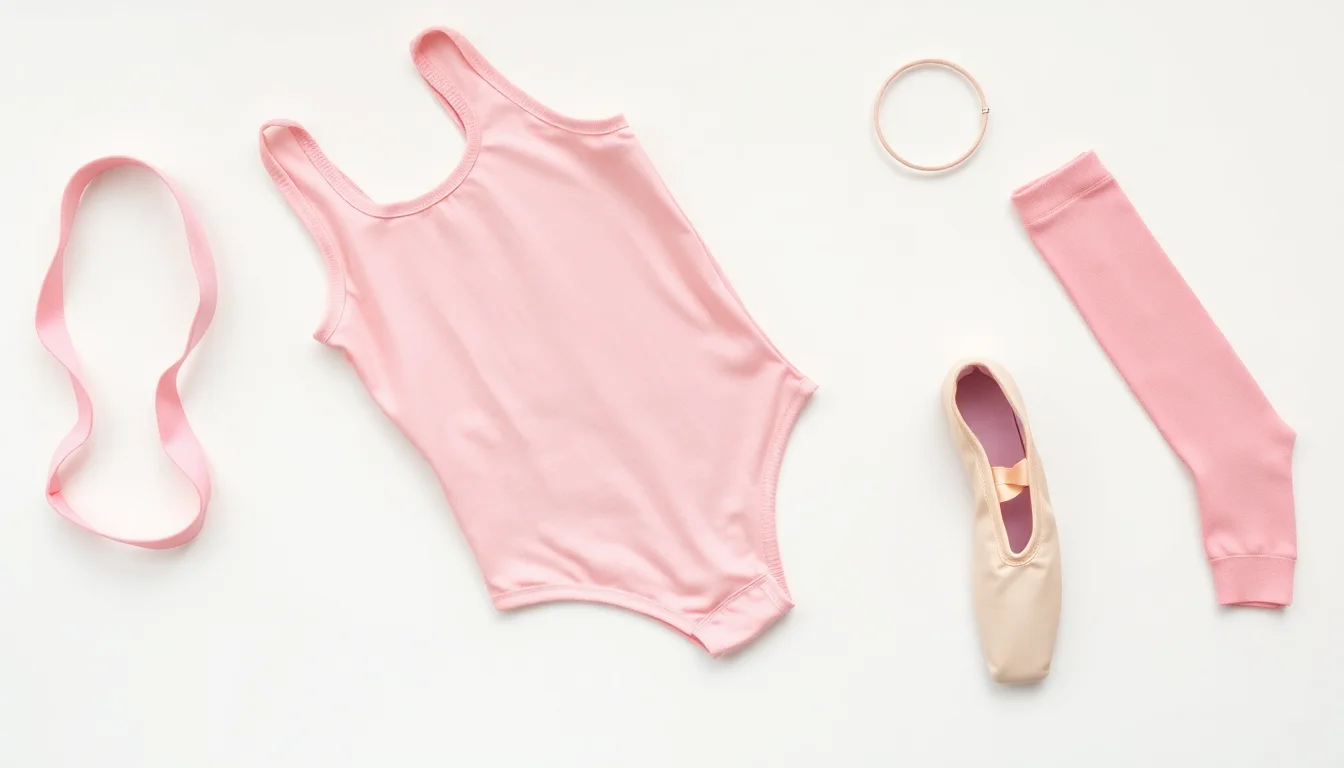
Wearing the proper class uniform from day one is always a good idea — it helps the child feel like a dancer and establishes the habit early. At minimum, the child needs a leotard in the school’s specified colour, pink ballet tights, and soft ballet shoes. Hair should be up and secured before arriving at the studio. If the school has not yet specified a leotard colour, a simple pink leotard and pink tights is the safe default for most beginner classes. Bring a small bag with the child’s name on it containing a water bottle, spare hair pins, and any changing items needed.

Frequently Asked Questions

Should I stay to watch my child's first ballet class?

Most schools ask parents to wait outside the studio for regular classes. Watching through the door can distract young children. Some schools have a window or a designated viewing spot — follow the school's policy rather than assuming you can observe.

What if my child is upset at their first ballet class?

This is very common. Let the teacher handle it — experienced ballet teachers are skilled at settling nervous or shy children. If the child continues to be very distressed after a few classes, discuss it with the teacher rather than pushing through.

Does a child need to know any ballet before their first class?

No preparation is needed. A beginner class starts from scratch. The teacher will introduce everything step by step. The only preparation needed is having the correct uniform and arriving a few minutes early so the child can settle.

Posted on

Balletcore Outfit Ideas: How to Wear the Ballet Aesthetic

Balletcore Outfit Ideas: How to Wear the Ballet Aesthetic

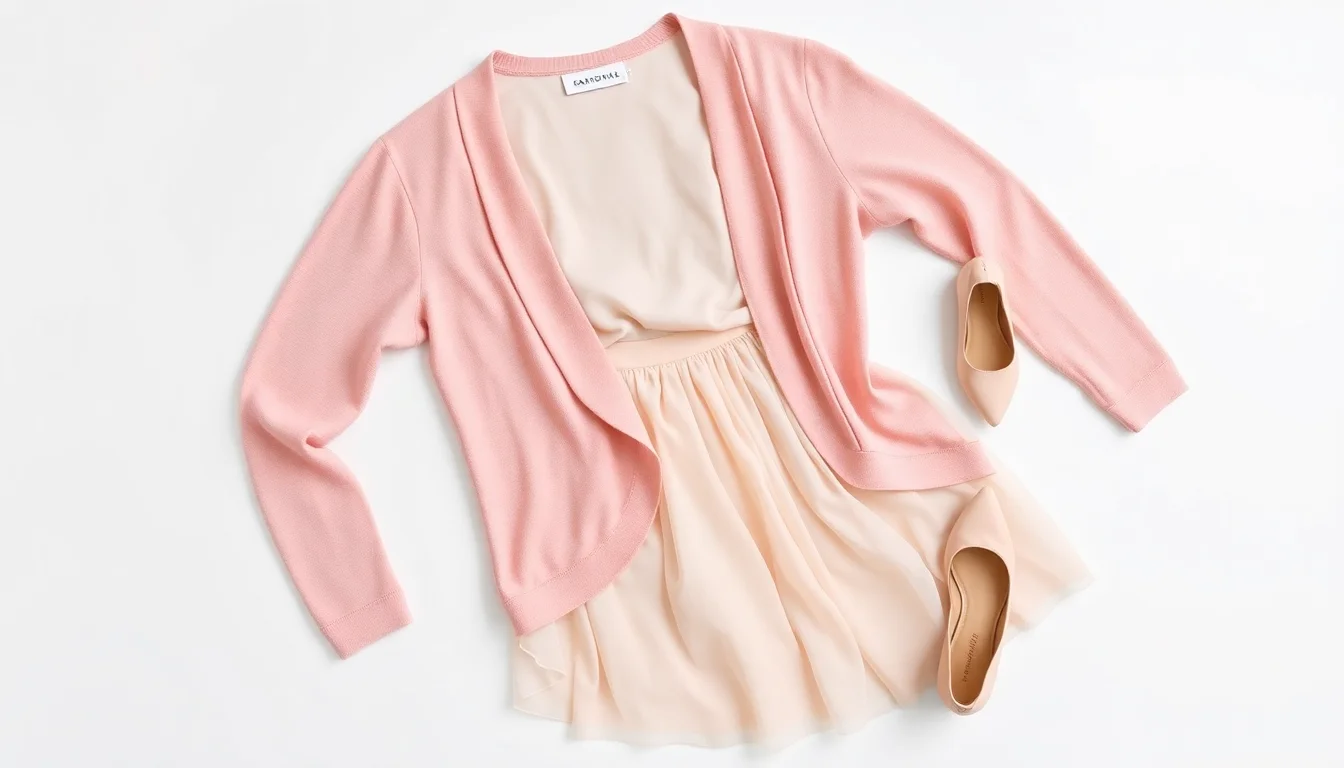
Balletcore is the fashion trend that takes classic ballet studio staples — leotards, wrap cardigans, chiffon skirts, ballet flats and pale hosiery — and wears them as everyday clothing. The aesthetic rose to wide popularity in 2023 and remains one of the leading style influences heading into 2026, seen on fashion weeks, in editorial campaigns and across social media. For ballet students and dance parents, many of these pieces are already in the dance wardrobe.

Short answer: Balletcore is the fashion trend that takes classic ballet studio staples — leotards, wrap cardigans, chiffon skirts, ballet flats and pale hosiery — and wears them as everyday clothing.

What are the key pieces of a balletcore outfit?

The balletcore wardrobe centres on a small number of signature pieces:

  • Wrap cardigan or ballet wrap top — the most recognisable balletcore staple. Worn loosely tied at the waist, in soft neutral shades like blush, cream, taupe or pale grey.
  • Leotard or body — worn as a top, tucked into trousers or skirts. Scooped neck or boat-neck styles work best for an everyday look.
  • Chiffon midi skirt or wrap skirt — often layered over slim trousers or tights for a soft, fluid silhouette.
  • Ballet tights or sheer hosiery — worn with skirts and dresses, often in a pale nude or soft pink shade.
  • Ballet flats — pointed toe, low cut, in satin, leather or canvas. The ribbon-tied detail is popular in fashion versions of this shoe.

What colours work for balletcore?

The balletcore palette is deliberately soft and restrained. Blush pink, ivory, white, pale lavender, dusty rose, sage green and warm taupe are the core shades. Neutrals — camel, cream and pale grey — ground the look without competing with the soft accents. Black also works in a more contemporary balletcore interpretation, particularly in wrap tops and fitted skirts. The key is to avoid bold, saturated colours or heavy pattern — balletcore is about softness and restraint.

Can you wear studio dancewear as balletcore?

Yes — this is part of the appeal of the trend. A ballet wrap cardigan from the dance wardrobe, worn over jeans with pointed flats, is already a balletcore look. A chiffon skirt worn over fitted trousers or cycling shorts is another easy studio-to-street combination. The pieces do not need to be from fashion labels to work — genuine dancewear from a ballet specialist often looks better than high-street imitations because the fabric quality is higher.

How is balletcore different from wearing dancewear as fashion?

Balletcore is an aesthetic, not a category: it is the combination of pieces, the palette, and the overall mood. Wearing a leotard alone as a shirt is athleisure or gym wear. Wearing that same leotard with a chiffon wrap skirt, a loose cardigan and soft flats is balletcore. The layering, the softness of the colour palette, and the intentional mix of studio staples with regular clothing is what creates the distinctive look.

Frequently Asked Questions

Can real ballet dancewear be worn as everyday balletcore clothing?

Yes — many actual dancewear pieces work perfectly as everyday balletcore outfits. A ribbed wrap cardigan, a chiffon wrap skirt or ballet flats are designed for dance but translate naturally into fashion styling.

What are the key pieces for a balletcore wardrobe?

A wrap top or cardigan, a flowing midi skirt or chiffon wrap skirt, ballet flats, and pale hosiery are the core pieces. Muted tones — dusty pink, white, cream, warm grey — give the aesthetic a studio-inspired look.

Is the balletcore trend suitable for non-dancers?

Absolutely. Balletcore is a fashion aesthetic, not a dress code. You do not need to dance to wear it. Many of the pieces are comfortable, feminine and practical for everyday wear — especially the cardigans and wrap skirts.

Posted on

RAD Grade 3, 4 and 5 Ballet Uniform: What Changes?

RAD Grade 3, 4 and 5 Ballet Uniform: What Changes?

RAD Grades 3, 4 and 5 represent the middle stage of the graded syllabus, where technique becomes more demanding and the uniform reflects this increased seriousness. Cuban heel character shoes are introduced, leotard colours often change at each grade, and the overall presentation expected for examinations becomes more precise. Students at this level are typically aged between ten and fourteen.

Short answer: RAD Grades 3, 4 and 5 represent the middle stage of the graded syllabus, where technique becomes more demanding and the uniform reflects this increased seriousness.

Leotard colours for Grades 3, 4 and 5

Leotard colours vary between dance schools at these grades. A commonly used progression assigns a distinct colour to each grade, but there is no single RAD-mandated colour scheme for these levels. Each school develops its own colour progression across the grades to allow teachers and examiners to quickly identify a student’s level. Always confirm the correct colour for your specific school before purchasing. If you are moving between schools or returning after a break, the new school’s colour may differ from your previous one.

Cuban heels at Grade 3

One of the most significant uniform changes at Grade 3 is the introduction of Cuban heel character shoes. Cuban heels are higher and more defined than the low, flat heels worn at Grades 1–2, typically five to six centimetres in height. This heel is required for character dance sections because it affects posture and the style of step patterns in the syllabus. Character shoes with Cuban heels should fit snugly around the heel and instep, with the toe box roomy enough for the toes to lie flat.

Ballet shoes at Grades 3–5

Split sole ballet shoes become more common from Grade 3 onward, as students have developed enough foot strength to use the increased flexibility appropriately. However, the transition from full sole to split sole is the teacher’s decision and should not be made independently. If your teacher has not specified split soles, continue with the style currently in use.

What else changes at Grades 4 and 5?

By Grades 4 and 5, the examination work includes more extended sequences, more complex port de bras and a higher standard of overall presentation. Hair must be immaculate — a firm, smooth bun with no loose strands — and the uniform must be complete and tidy. Tights should be free of ladders on exam day. At this level, judges are assessing artistry and presentation as well as technique, so the overall picture matters. Some schools introduce a different character skirt length or style at Grades 4–5 — check the school’s uniform guide as students progress through each grade.

Frequently Asked Questions

When does the character shoe heel height increase in RAD exams?

Cuban heel character shoes are typically introduced at Grade 3 or 4, replacing the lower kitten heel used in earlier grades. The exact grade depends on the school and the specific RAD syllabus guidance in use. Confirm with your teacher.

What is the leotard color at RAD Grade 3?

Grade 3 often introduces a different color from Grade 1 and 2 — commonly a turquoise, teal or similar — but this varies by school. The RAD syllabus specifies the color, and the school may choose a specific shade within that. Ask your teacher before buying.

Do Grade 3 to 5 students need a skirt for non-character work?

For the ballet portions of class and exams, most schools use a chiffon wrap skirt over the leotard. For character sections, the black character skirt replaces the chiffon wrap. Your teacher's grade-specific list will clarify which is required when.

nn

Shop at ZoeDancewear

Footed Ballet Tights for Girls and Adults u2014 pink footed tights worn for RAD grades 3-5, sizes S to 2XL. Free shipping over $99 to the US.