Posted on

RAD Grade 1 and Grade 2 Ballet Uniform Guide

RAD Grade 1 and Grade 2 Ballet Uniform Guide

RAD Grade 1 and Grade 2 mark the transition from introductory ballet into the graded syllabus, and the uniform becomes more structured to reflect this. Both grades share a similar uniform palette, though individual schools may choose slightly different shades. Character work is fully integrated at this level, making a character skirt and character shoes essential additions to the kit list.

Short answer: RAD Grade 1 and Grade 2 mark the transition from introductory ballet into the graded syllabus, and the uniform becomes more structured to reflect this.

Leotard colour for Grade 1 and Grade 2

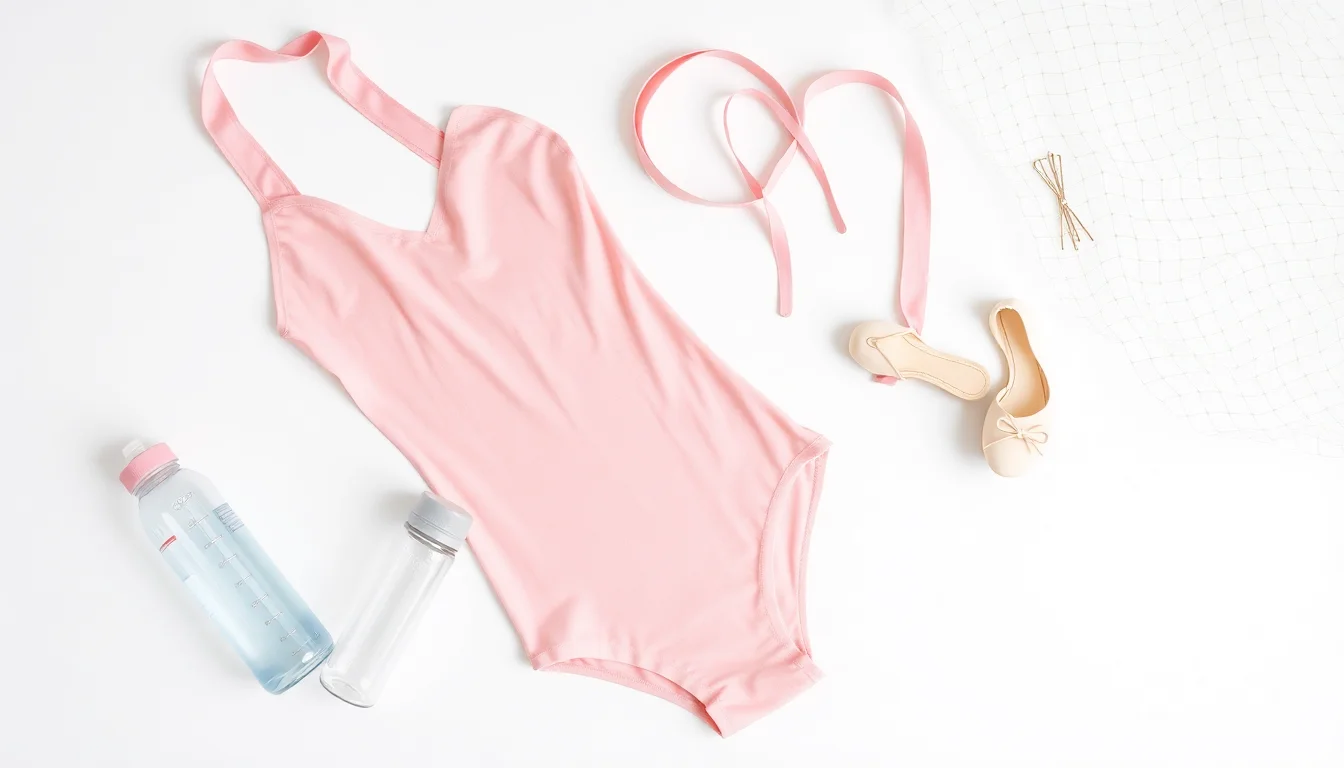
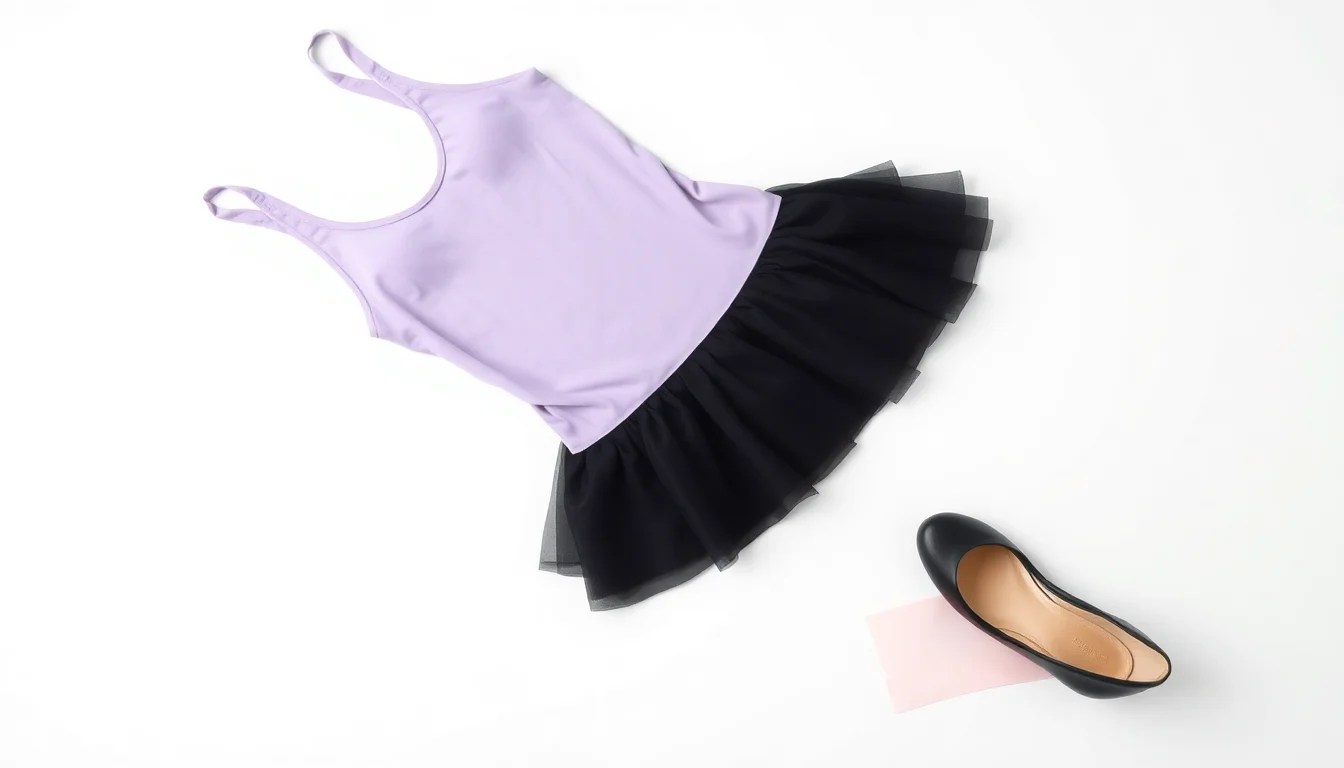
The most common convention for Grade 1 and Grade 2 is a pale blue or lavender leotard — similar to Primary grade, though some schools use a slightly different shade to distinguish the grades from each other. Because there is variation between schools, it is essential to check your studio’s specific uniform list rather than purchasing based on a general guide alone. The leotard style is typically sleeveless or short-sleeved, in a plain or lightly detailed design.

Character skirt requirements

At Grade 1 and Grade 2, character skirt work is a core part of the syllabus. The character skirt is worn over the leotard and tights for the character dance sections of class and examination. The standard skirt for these grades is a mid-length, lightweight style — often tiered or circular cut — in black or a dark colour as specified by the school. Some schools issue character skirts directly; others require parents to purchase them. Confirm the required length and fabric with your teacher before buying.

Shoes for Grade 1 and Grade 2

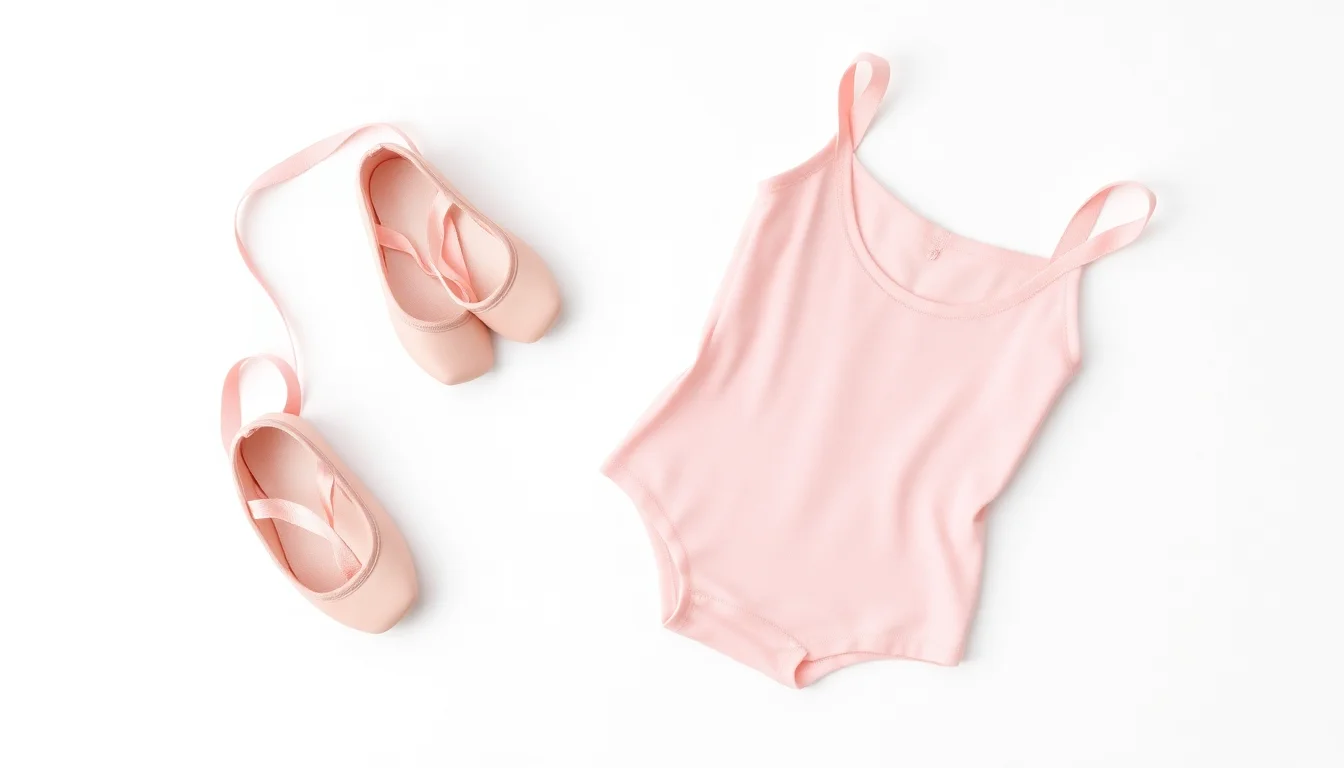
Students at these grades wear soft ballet shoes for the ballet sections of class, and low-heeled character shoes for character work. The character shoe at Grade 1–2 level is typically a low-profile heel of one to one and a half centimetres — a Mary Jane or T-bar style in black leather. Cuban heels are generally introduced from Grade 3 onward. Some teachers transition students to split sole ballet shoes at Grade 1 or 2, depending on foot development and ability.

Tights and hair for Grade 1–2 examinations

Pink footed tights are standard across Grade 1 and Grade 2. Hair should be in a neat ballet bun, secured with pins and a hairnet, completely off the face and neck. For examinations, the appearance should be clean and uniform: no visible jewellery, no nail polish, and no clothing other than the specified uniform items. A tidy, well-prepared student allows the examiner to focus entirely on the work.

Frequently Asked Questions

What leotard color is required for RAD Grade 1?

The specific color required for Grade 1 varies by school and regional guidance, but the RAD syllabus provides a color per grade. Many schools use a mid-blue or similar for this level. Always confirm the exact shade with your teacher or school.

Do Grade 1 and Grade 2 students use character shoes?

Yes — character work is fully integrated at Grade 1 and 2, and most schools require character shoes with a small kitten heel at this level. Your teacher will specify the exact heel height and color required.

Does the character skirt change between Grade 1 and Grade 2?

The character skirt style is generally consistent through Grade 1 and 2 — the same black mid-length skirt used from the Primary grade. The key change between grades is the leotard color and any accessories specific to the grade.
Posted on

High Neck Ballet Leotard: When and Why Dancers Wear Them

High Neck Ballet Leotard: When and Why Dancers Wear Them

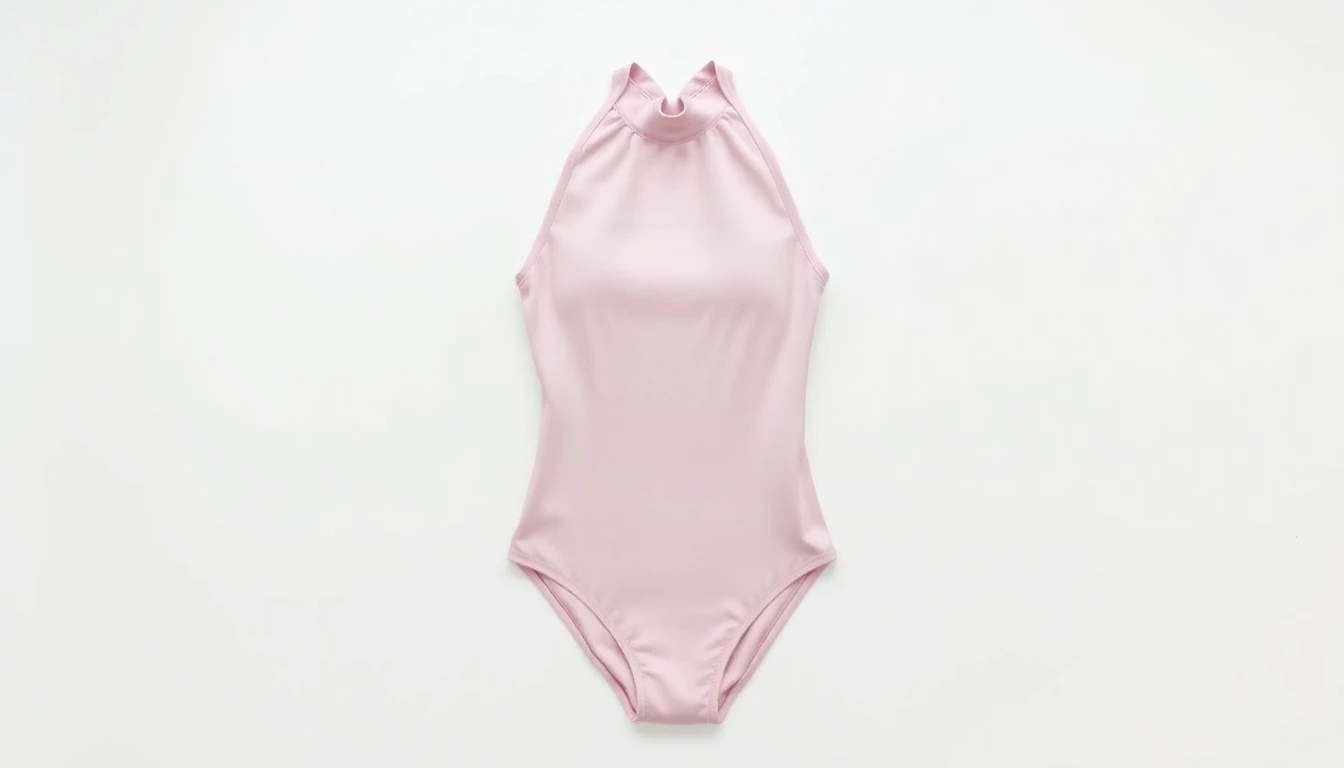
A high neck ballet leotard features a neckline that sits higher on the chest than a standard scoop neck or sweetheart design — typically covering the collarbone and sometimes as high as the base of the throat. This style has become increasingly popular in both studio and performance settings, offering a sleek silhouette with more coverage. The RAD’s updated guidance acknowledges that some students may prefer this style for reasons of modesty or personal preference.

Short answer: A high neck ballet leotard features a neckline that sits higher on the chest than a standard scoop neck or sweetheart design — typically covering the collarbone and sometimes as high as the base…

What is a high neck leotard?

High neck leotards come in several variations: a crew neck that sits just below the throat, a turtleneck that folds over, and a mock-neck style. In the context of ballet, the most common high neck design is a crew neck or raised scoop — covering the chest and collarbone while remaining fitted and unobstructed at the shoulders and arms. Some high neck leotards also feature long sleeves, combining maximum coverage with a structured look.

Can a high neck leotard be worn for RAD examinations?

The RAD’s current policy acknowledges that alternatives to the traditional leotard design may be worn where students prefer more coverage, provided the overall colour and modest, neat appearance are maintained. A high neck leotard in the correct grade colour is generally acceptable. However, individual schools and teachers may have their own uniform requirements that specify a particular neckline — always check with your teacher before purchasing a high neck style for exam use.

If the school’s uniform list specifies a particular model or brand of leotard, follow that guidance even if a high neck style would otherwise be permitted.

Is a high neck leotard suitable for beginners?

Yes. High neck leotards are available in children’s sizes from the beginner level upward. For young students, a high neck design with short sleeves offers excellent coverage and is unlikely to slip during class. The neckline does not restrict movement in ballet — port de bras, head movements and epaulement are all performed without restriction in a well-fitted high neck design.

How does a high neck leotard affect fit and sizing?

The neckline should sit comfortably against the skin without pulling down during shoulder movements or pinching at the throat. When trying on a high neck leotard, raise both arms above the head and turn the head side to side to check that the neckline stays in position and does not feel restrictive. The rest of the leotard — chest, waist and girth — should be measured and sized in the same way as any other style.

Frequently Asked Questions

Can a student wear a high-neck leotard for RAD exams?

Most RAD schools accept a high-neck leotard in the correct grade color. The RAD has acknowledged that some students prefer higher coverage for modesty or personal preference. Check with your teacher to confirm the school's position.

Are high-neck leotards appropriate for young children?

Yes — high-neck styles are often popular with younger children as they provide more coverage and some children find them more comfortable. The key criterion is the correct color for the grade, not the neckline style.

Do high-neck leotards show the shoulder line as clearly as scoop necks?

The shoulder line and upper arm are still clearly visible in most high-neck styles. The high front panel is the main coverage difference. For the teacher's purpose of seeing posture, the back and shoulder blade area is what matters most, and this is fully visible in a high-neck style.

Posted on

Long Sleeve vs Short Sleeve Ballet Leotard: Which to Choose

Long Sleeve vs Short Sleeve Ballet Leotard: Which to Choose

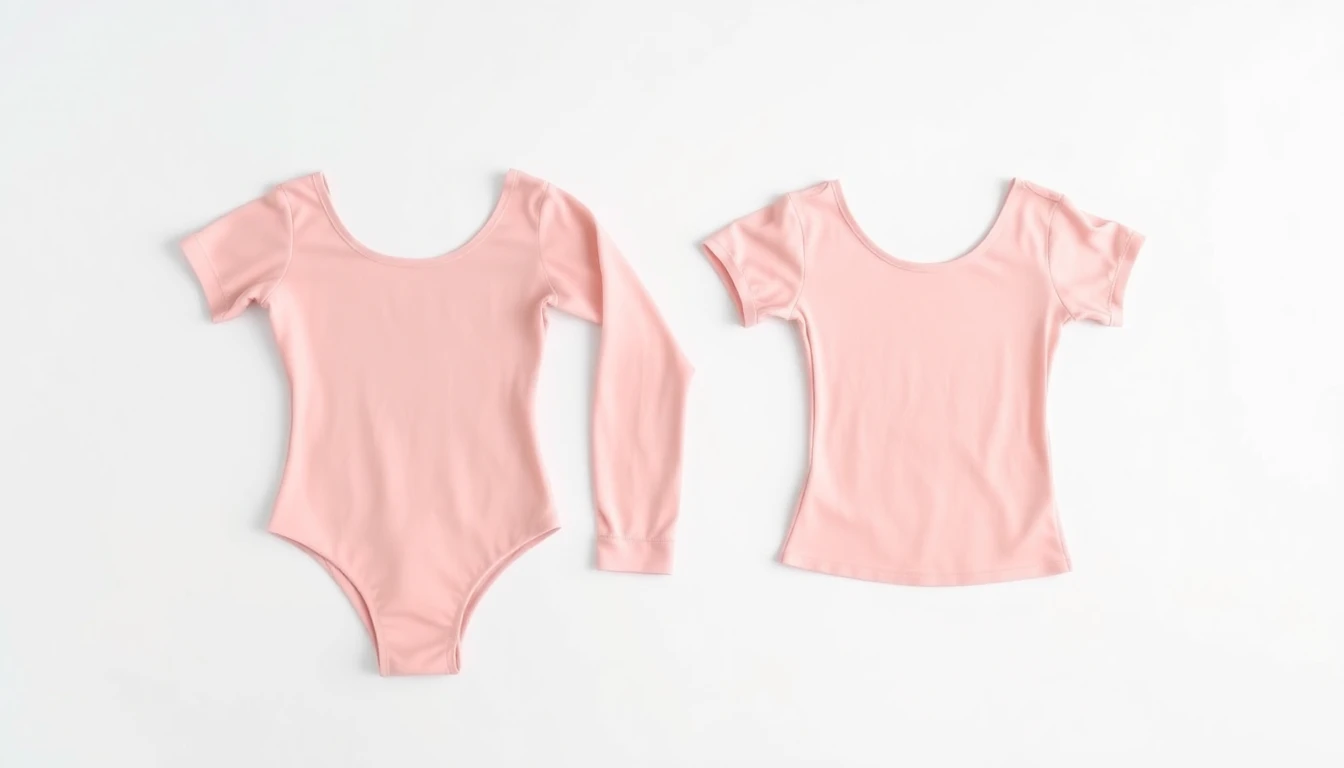
Long sleeve and short sleeve ballet leotards are both acceptable in most dance schools, and the choice often comes down to personal preference, studio uniform requirements, and the time of year. At RAD examination level, the syllabus does not specify sleeve length as a strict requirement for most grades, but many schools have their own uniform lists that do. Always confirm with your studio before purchasing.

Short answer: Long sleeve and short sleeve ballet leotards are both acceptable in most dance schools, and the choice often comes down to personal preference, studio uniform requirements, and the time of year.

When are short sleeve ballet leotards typically worn?

Short sleeve leotards — usually with a cap sleeve or a sleeve that covers the top of the upper arm — are the most common style for children in beginner and graded classes. They offer more coverage than a sleeveless design, which prevents straps from slipping on younger, more energetic dancers, and they are cooler than long sleeve styles for active classes in warm studios.

For Early Years and Foundation level students, a short sleeve leotard is often the default recommendation because it stays in place during the jumping and skipping activities that make up much of a young child’s class.

When are long sleeve ballet leotards worn?

Long sleeve leotards are associated with more advanced ballet training and performance work. At Grades 3 and above in some schools, a long sleeve leotard becomes an option — or a requirement — for class. They are also commonly seen in adult ballet classes and performance contexts where a more polished silhouette is desired.

In colder months, a long sleeve leotard can replace a warm-up cardigan for the early part of class, providing warmth without an extra layer while keeping the arms visible for correction.

Does sleeve length affect how a leotard fits?

Yes. Long sleeve leotards have a longer body length to accommodate the extended sleeve, and the sleeves themselves must be long enough without being too tight across the upper arm. When measuring for a long sleeve style, check the sleeve length against the chart as well as the standard body measurements. For younger children, long sleeves can sometimes ride up during active movement or feel restrictive around the elbow during port de bras. A properly fitted long sleeve leotard should allow the arms to reach fully overhead without pulling at the shoulder seams.

What does the RAD recommend?

The RAD’s current syllabus allows flexibility on sleeve style in most grades, prioritising the overall uniform colour and a neat, uncluttered appearance over specific sleeve length. Some schools issue their own uniform lists with a prescribed style for each grade. If your school has a printed uniform guide, follow it. If there is no specific guidance, a short sleeve or sleeveless leotard in the correct colour is always a safe choice.

Frequently Asked Questions

Is a long sleeve leotard warmer than a camisole for ballet class?

Yes — long sleeves keep the arms and shoulders warmer, which is useful in cold studios. However, many dancers prefer to use a short-sleeve leotard plus a cardigan or wrap top, as the separate warm-up layer can be removed once warm.

Does the RAD specify sleeve length for leotards?

The RAD syllabus specifies leotard color and general style but does not always mandate exact sleeve length. Individual schools may have preferences. Check the school's uniform list as some specify camisole, short sleeve or long sleeve by grade.

Are long-sleeve leotards more restrictive for arm movements?

A well-fitted long-sleeve leotard in a four-way stretch fabric should not restrict arm movements. Cheap or poorly cut long-sleeve styles can pull at the shoulders during high arm positions. Try before you buy, or choose a quality stretch fabric.

Posted on

How to Wash a Ballet Leotard and Dance Clothes

How to Wash a Ballet Leotard and Dance Clothes

Ballet leotards are made from delicate stretch fabrics — typically nylon-spandex blends or cotton-lycra — that can lose their shape, fade or pill if washed incorrectly. With the right care, a well-made leotard should hold its shape and colour through a full dance year of weekly classes.

Short answer: Ballet leotards are made from delicate stretch fabrics — typically nylon-spandex blends or cotton-lycra — that can lose their shape, fade or pill if washed incorrectly.

Can you machine wash a ballet leotard?

Most ballet leotards can be machine washed, but the settings matter. Use a cold water cycle (30°C maximum), a gentle or delicate programme, and place the leotard inside a mesh laundry bag to protect it from snagging. Turn the leotard inside out before washing to protect the outer surface and any decorative details.

Use a mild liquid detergent rather than a powder — powder can leave residue in the fibres. Avoid fabric softener entirely: it coats the elastane fibres and causes the fabric to lose its stretch over time. Avoid bleach, even diluted, as it breaks down both colour and elastane.

Is hand washing better than machine washing?

Yes, for longevity. Hand washing in cool water with a small amount of mild detergent is gentler on the fabric and elastic than even a delicate machine cycle. Swirl the leotard gently in the water for one to two minutes, then rinse thoroughly with cool clean water until the detergent is completely removed. Do not wring or twist — press the water out gently between your hands.

A useful habit for active students: rinse the leotard in cold water immediately after class, before sweat and salt have time to set into the fabric. This extends the time between full washes and reduces odour build-up.

How to dry a ballet leotard correctly

Never tumble dry a ballet leotard. The heat damages elastane and can cause the fabric to shrink or pucker permanently. After washing, lay the leotard flat on a clean dry towel, reshape it gently, and roll the towel up to press out excess water. Then unfold and leave the leotard flat to air dry, away from direct sunlight (which fades colour) and away from radiators (which damage elastane). Hanging a leotard to dry by the straps stretches the shoulder seams over time — laying flat is always better.

How often should a ballet leotard be washed?

After every wear. Ballet leotards are in direct contact with the skin and absorb sweat during active classes. Wearing a leotard twice without washing leads to odour setting permanently into the fabric. If the leotard is worn more than once a week, rotating between two leotards reduces wear on each one and gives time for thorough drying between wears.

Frequently Asked Questions

What temperature should I wash a ballet leotard at?

Wash ballet leotards in cool water — 30°C or below. Hot water degrades the elastane fibers, causing the leotard to stretch out and lose its shape. Cold water is gentler and sufficient to clean dancewear that has been worn in sweat.

Can I put a ballet leotard in the tumble dryer?

No — tumble dryers damage stretch fabrics. The heat breaks down the elastane fibers and can cause the leotard to shrink or become misshapen. Always air dry flat or on a hanger away from direct sunlight.

How often should a ballet leotard be washed?

Wash after every class. Leotards are worn against the skin and absorb sweat. Washing them after each use prevents odor, bacteria build-up and fabric breakdown from salt in perspiration.

Posted on

How to Measure for a Ballet Leotard: A Parent’s Sizing Guide

How to Measure for a Ballet Leotard: A Parent's Sizing Guide

Ballet leotards must fit snugly without restricting movement — too loose and they bunch and wrinkle during class, too tight and they are uncomfortable and may limit range of motion. Most leotard sizing is based on a combination of height and chest measurement, but the most useful single measurement for fit is the girth.

Short answer: Ballet leotards must fit snugly without restricting movement — too loose and they bunch and wrinkle during class, too tight and they are uncomfortable and may limit range of motion.

What measurements do you need for a ballet leotard?

For most children’s leotards, the key measurements are:

  • Height — measured from the floor to the top of the head in bare feet, standing straight
  • Chest — measured around the widest part of the chest, directly under the armpits, keeping the tape level and not too tight
  • Waist — measured around the narrowest point of the waist
  • Girth — the single most useful measurement; measured from the top of one shoulder, down through the crotch, and back up to the same shoulder

The girth measurement tells you how long the body of the leotard needs to be from shoulder to crotch. A leotard that is too short in the girth will pull down at the neckline or pull up uncomfortably at the leg opening.

How to take the girth measurement correctly

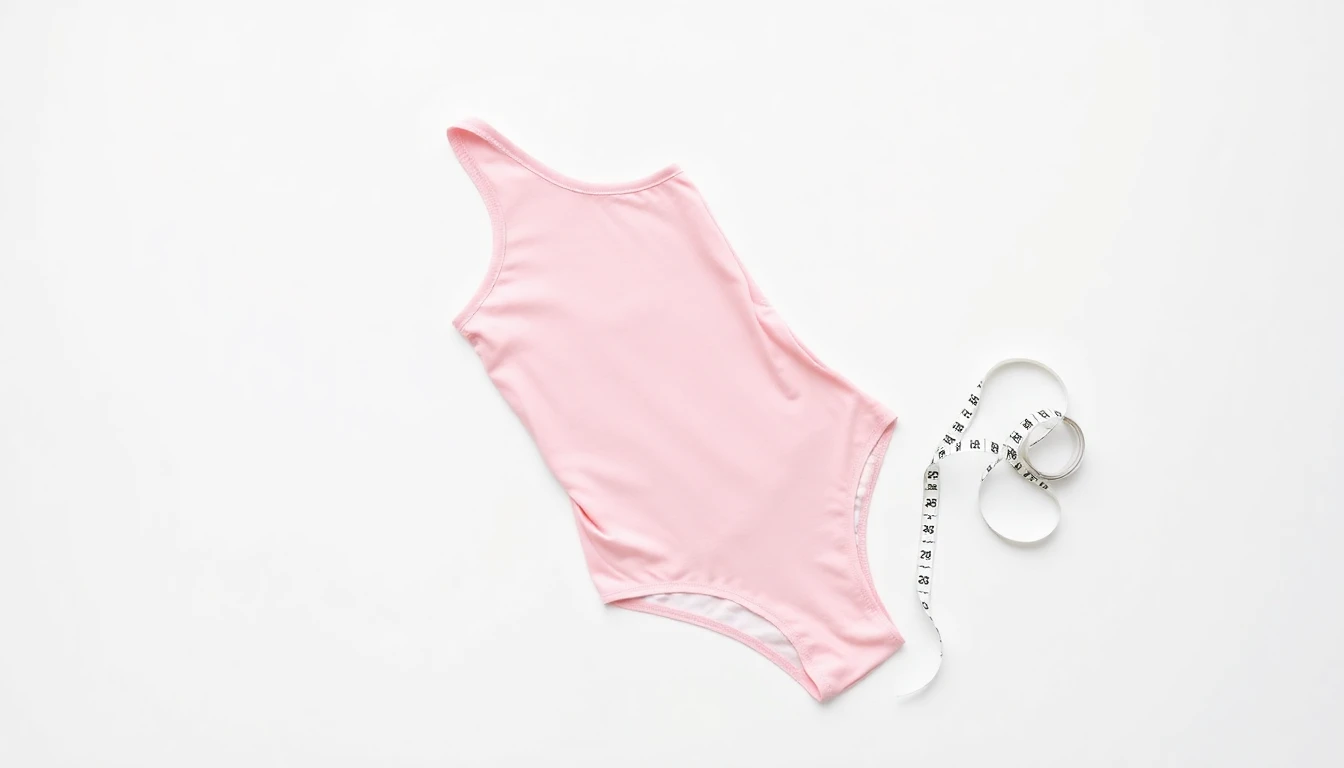
Have the child stand upright in underwear. Place the end of a soft measuring tape at the top of one shoulder, run it straight down the front of the body, between the legs, and up the back to the same shoulder. Note the number. Take this measurement twice and use the average. This is the girth measurement and is the most reliable predictor of leotard fit for a growing child.

How to choose the right size from a size chart

Most dancewear brands provide size charts with height and chest ranges for each size label. Match the child’s measurements against the chart and, when the measurements fall between two sizes, size up rather than down. Leotards are worn over tights which add a small amount of bulk, and a slightly larger leotard that fits properly is always preferable to one that is technically the right size but feels restrictive.

Note that different brands size differently — a size 6 in one brand may correspond to a size 8 in another. Always use the brand’s own measurement chart rather than relying on age labels.

How to check the fit before buying

If you are shopping in a dance store, have the child try the leotard on over their tights. Ask them to raise both arms overhead: the neckline and shoulder straps should not pull significantly. Have them do a small squat: the crotch seam should not pull down uncomfortably. If the store does not allow trying on, purchase from a retailer with a clear exchange or returns policy in case the size needs to change.

Frequently Asked Questions

What is the girth measurement and why is it important for leotards?

The girth is the measurement from the front shoulder, down through the crotch and back up to the back shoulder. This measurement determines whether the torso length is right — a leotard that is too short in the girth will pull and be uncomfortable.

Do I measure over clothes for a ballet leotard?

Take measurements over a thin layer of clothing or an existing leotard. Measuring over bulky clothes will give you a larger number and result in a leotard that is too big. The tape should lie flat against the body with no slack.

My child is between sizes — should I size up or down for a ballet leotard?

Always size up. A slightly larger leotard is wearable and will last a little longer as the child grows. A leotard that is too small will pull at the shoulders, dig in at the leg openings and restrict movement.

Posted on

How to Break In Ballet Shoes: A Beginner’s Guide

How to Break In Ballet Shoes: A Beginner's Guide

Brand new ballet shoes can feel stiff across the toe box and slippery on the sole, especially leather full-sole styles. Breaking in a new pair correctly makes them more comfortable and reduces the risk of blisters in early classes. The process is gentle and takes a few sessions — there is no need to force the shoe.

Short answer: Brand new ballet shoes can feel stiff across the toe box and slippery on the sole, especially leather full-sole styles.

Do canvas ballet shoes need breaking in?

Canvas shoes, particularly stretch canvas styles, require very little breaking in compared to leather. The fabric is soft from the start and moulds to the foot within the first one or two wears. The main adjustment is sole stiffness: new soles can feel slightly resistant underfoot, but this softens quickly with normal class use. Stretch canvas shoes are the easiest to break in of all ballet shoe types — most dancers find they feel comfortable from the very first class.

How to break in leather ballet shoes

Leather ballet shoes take longer to mould to the foot, particularly through the toe box and at the flex point across the ball of the foot. Start by wearing them indoors with thin socks for fifteen to twenty minutes each day in the week before classes begin. This warms the leather slightly and encourages it to soften around the toes without stress on the material.

To encourage the sole to flex at the right point, hold the heel of the shoe firmly and gently bend the sole forward at the ball of the foot several times. Do not crease or fold the shoe sharply — work gradually over several sessions. Once the leather has softened, a light application of leather conditioner will keep it supple.

What about non-slip grip on a new sole?

New ballet shoe soles can be slippery on a sprung wood studio floor, particularly canvas styles. This is normal and improves after a few classes as the sole develops a light texture through use. Some dancers lightly scuff the sole on a rough surface (a concrete step or the studio threshold) to take the initial slipperiness off. Do this gently — the aim is a very slight texture, not to damage the material. Some studios have rosin boxes at the entrance to the studio floor — stepping in these before class gives the sole instant grip.

When are ballet shoes fully broken in?

Most canvas shoes feel broken in after two or three classes. Leather shoes may take four to six classes before they feel genuinely comfortable and supple throughout. If a shoe is causing blisters or pain at a specific point after several wears, check the fit — the shoe may be too narrow or too long rather than simply not broken in yet. A correctly fitted shoe should not cause pain beyond the mild stiffness of the first few wears.

Frequently Asked Questions

How long does it take to break in new canvas ballet shoes?

Canvas shoes typically feel comfortable after two to three classes. The canvas softens with wear and body heat. There is no need to force them — wearing them for a full class and removing them afterward lets them mold naturally.

Should I soak ballet shoes to break them in?

Slightly dampening canvas shoes — not soaking — then wearing them until dry can help them mold to the foot shape. Never soak leather ballet shoes, as this weakens the glue and deforms the structure.

Why are new leather ballet shoes slippery on the sole?

New leather soles have a smooth finish that can be slippery. Lightly scuffing the sole on a rough surface (such as concrete) before the first class gives the sole enough texture to grip the studio floor safely.

Posted on

How to Clean Ballet Shoes: Canvas, Leather and Satin

How to Clean Ballet Shoes: Canvas, Leather and Satin

Ballet shoes pick up dust, rosin and sweat quickly, particularly canvas and leather styles worn in weekly classes. Regular light cleaning extends the life of the shoe and keeps it looking presentable for class and exams. The correct method depends on the material — canvas, leather and satin each require a different approach.

Short answer: Ballet shoes pick up dust, rosin and sweat quickly, particularly canvas and leather styles worn in weekly classes.

How to clean canvas ballet shoes

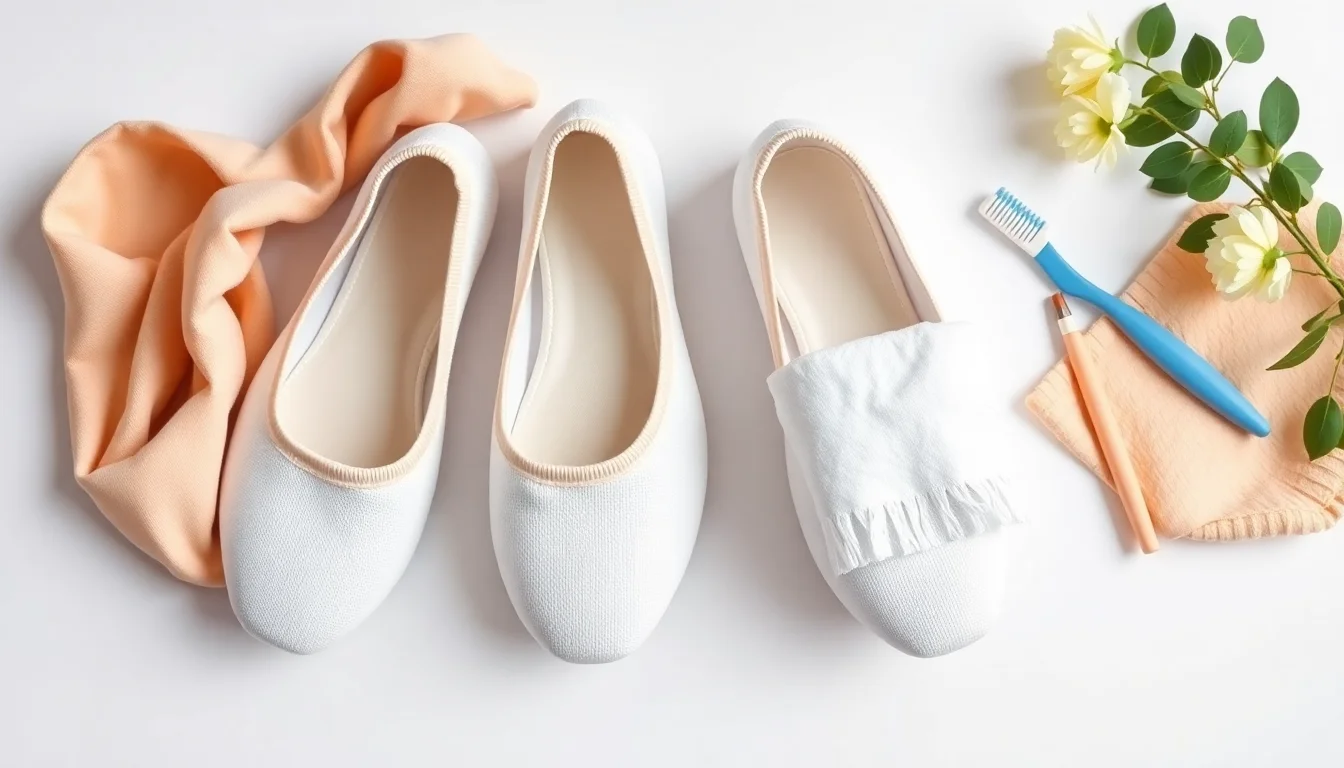
Canvas is the most forgiving material to clean. For a light clean, use a soft brush (an old toothbrush works well) to remove loose dirt from the sole and upper, then wipe the surface with a damp cloth and a small drop of mild soap. Rub gently in circular motions and remove the soap with a clean damp cloth.

For a deeper clean, canvas shoes can be machine washed inside a mesh laundry bag on a cool, gentle cycle (30°C maximum). Do not tumble dry — reshape the shoe by hand, stuff the toe with tissue, and leave flat to air dry away from direct heat. Note that repeated machine washing weakens the canvas fibres, so hand cleaning is preferable unless the shoe is very soiled.

How to clean leather ballet shoes

Leather shoes should never be soaked or machine washed. Wipe the upper with a damp cloth to remove surface dirt, then leave to dry at room temperature. Once dry, apply a small amount of leather conditioner to keep the material supple and prevent cracking at the flex points. Buff lightly with a dry cloth. For the sole, use a stiff brush to remove compacted dirt. Avoid petroleum-based products on leather as they can break down the glue at the seams.

How to clean satin ballet shoes

Satin requires the most careful handling. Do not machine wash satin shoes or immerse them in water, as this damages the fabric’s sheen and causes the sole to warp. Instead, spot-clean stains by blotting — never rubbing — with a damp cloth and very mild soap. Work from the outer edge of the stain inward to prevent spreading. Leave to dry naturally away from sunlight. Satin shoes are best suited for performances or examinations rather than everyday class use.

How to reduce shoe odour between classes

After every class, remove the shoes from the dance bag and leave them in open air to dry. Shoes left damp in a sealed bag develop odour and can mould. A small sachet of silica gel or cedar chips inside the shoe overnight absorbs moisture effectively. Baking soda is a free alternative — a teaspoon left inside each shoe overnight, then fully shaken out before wearing, neutralises odour without damaging any material.

Frequently Asked Questions

How do I get scuff marks off white ballet shoes?

A soft rubber eraser removes light scuffs from white satin ballet shoes. For leather shoes, a small amount of white shoe cream applied with a soft cloth then buffed works well. Avoid soaking leather shoes — too much water damages the shape.

Can I put canvas ballet shoes in the washing machine?

Canvas ballet shoes can be washed in a mesh laundry bag on a cold, gentle cycle. Remove the elastics beforehand if possible, and always air dry — never put ballet shoes in a tumble dryer as the heat damages the glue and fabric.

How often should ballet shoes be cleaned?

Clean them lightly after every few classes to prevent ground-in dirt and odor. A thorough wash every four to six weeks is enough for regular class shoes. Exam shoes should be cleaned before every exam.

Posted on

Ballet Class Etiquette: Rules for Students and Parents

Ballet Class Etiquette: Rules for Students and Parents

Ballet classes follow traditions and conventions that help students focus, respect the teacher, and make the most of their time in the studio. These are not arbitrary rules — they reflect the discipline that is central to ballet as an art form. Understanding them before a child’s first class makes the experience smoother for everyone.

Short answer: Ballet classes follow traditions and conventions that help students focus, respect the teacher, and make the most of their time in the studio.

Arrival and preparation

Students should arrive at the studio with enough time to change, put on shoes, and prepare before class begins — usually ten to fifteen minutes early. Arriving late disrupts the warm-up and the other students, and many teachers will ask a late student to observe rather than join class midway through.

Hair must be up and secured before entering the studio, shoes must be on and tied, and all clothing should be in order. The transition from street clothes to dance clothes is part of the preparation mindset for class.

Behaviour inside the studio

Students stand quietly at the barre or in their place while waiting for the teacher to begin. Chatting with friends during class is discouraged. When the teacher speaks or demonstrates, students stop what they are doing and pay full attention. Mobile phones are left in the changing room and must not be used during class. Food and drinks other than water in a closed bottle are not permitted in the studio.

Respecting the teacher and classmates

In ballet, it is traditional to acknowledge the teacher at the start and end of class with a bow or curtsey. This signals that the class is beginning or ending and is part of the professional culture of dance. Students address teachers by their given name or as “Miss” or “Mister”, depending on the school’s convention.

More experienced students are given precedence in certain situations, such as crossing the floor. Less experienced dancers wait for their turn. Watching and learning from older students when given the opportunity is encouraged.

What is expected of parents?

Parents should not enter the studio during class unless invited. Coaching from the doorway or calling instructions to a child during class undermines the teacher’s authority and distracts the students. End-of-term performances and observation days are the correct moments for parents to see their child in class. Outside of these, the best thing a parent can do is arrive on time, ensure the child is dressed correctly, and collect them promptly afterwards.

Frequently Asked Questions

Why do ballet students curtsy or bow at the end of class?

The reverence (curtsy or bow) at the end of class is a tradition that teaches students to respect the art form, the teacher and the pianist. It marks the formal end of the lesson and acknowledges the teacher's time.

Can parents watch a ballet class?

Many schools have viewing days a few times per year, but parents are usually not in the studio during regular classes. Observing can distract children and inhibit their learning. Check the school's policy — some schools have observation windows.

What should a student do if they arrive late to ballet class?

A late student should wait at the door until the teacher acknowledges them and signals that it is acceptable to enter. Walking in during an exercise is disruptive. Most schools ask late students to warm up briefly at the back of the room before joining the class.

Posted on

What Age to Start Ballet Classes: A Guide for Parents

What Age to Start Ballet Classes: A Guide for Parents

Most children can start ballet from the age of three, though the ideal starting age depends more on the child’s readiness than on a fixed number. Early ballet classes for three- to five-year-olds focus on movement, imagination, and learning how to work in a group — not on formal technique. Many dance schools offer introductory classes from age two and a half, but three is the most common starting point for structured beginners’ programmes.

Short answer: Most children can start ballet from the age of three, though the ideal starting age depends more on the child's readiness than on a fixed number.

What happens in a ballet class for three to five year olds?

At the youngest level — often called Creative Movement, Baby Ballet or RAD Pre-Primary in Dance — classes are built around music, games, and imaginative movement. Children might pretend to be butterflies, use scarves and ribbons as props, learn simple positions of the feet, and practise listening to music and moving together as a group. The focus is on enjoyment, coordination and building the habit of coming to class, not on achieving a perfect arabesque.

Classes are usually 30 to 45 minutes long, shorter than older students’ sessions, to match the attention spans of young children.

When does formal ballet technique begin?

Structured ballet technique — barre exercises, centre work, and learning named steps — typically begins at around five to seven years old, which corresponds to RAD Primary grade. At this point children are expected to follow instructions, remember sequences, and work with greater concentration. Most good dance schools move children into graded classes when their teacher feels they are ready, rather than by age alone.

Is it too late to start ballet at age six, eight or ten?

No. Children who begin ballet at six, seven or eight years old can still reach a very high level if they enjoy it and train consistently. Many professional dancers did not start until they were seven or eight. The very early classes (ages three to five) are primarily about building a love of movement and basic body awareness — most of what is learned formally begins at Primary level anyway. A child starting at seven is not significantly behind one who started at three in terms of technical development.

How do you know if your child is ready for ballet?

Signs that a child is ready for their first ballet class include an ability to follow simple instructions, a willingness to separate from parents for the length of the class, and an interest in music and movement. Children do not need to be particularly flexible, coordinated or outgoing to start — ballet classes teach all of these things. Many schools offer trial classes before enrolment. A trial is the best way to see whether your child enjoys the environment and whether the teacher is a good fit.

Frequently Asked Questions

What is the ideal age to start ballet for a child?

Three is the most common starting age for structured ballet classes, though many schools offer movement classes from age two and a half. The priority at this age is fun, coordination and learning to follow group instructions — not formal technique.

Is it too late to start ballet at age ten?

Ten is not too late for a child who has never danced before. They will progress through the grades quickly because their body control and concentration are better than a three-year-old's. Many professional ballet dancers started between age seven and ten.

What should a three-year-old be expected to do in a ballet class?

At three, the class should focus on simple movement games, following along with the teacher, basic positions and moving to music. There is no expectation of technical precision. The goal is to enjoy the experience and begin listening to a teacher.

Posted on

What to Wear Under a Ballet Leotard: A Parent’s Guide

What to Wear Under a Ballet Leotard: A Parent's Guide

One of the most common questions from parents new to ballet is whether their child should wear underwear under a leotard. The short answer: in ballet, tights usually serve as the underwear layer. For young children, however, wearing small briefs underneath is completely acceptable and often more practical for toilet breaks. As dancers get older and move into more advanced training, purpose-made dance undergarments become the norm.

Do children wear underwear under a ballet leotard?

For young ballet students — typically those under eight or nine years old — wearing soft cotton underwear under the leotard is fine and often recommended for comfort and practicality. At this age the priority is keeping the child comfortable and ensuring easy access for toilet trips mid-class, particularly in Pre-Primary and Primary levels where classes can include young children not yet fully confident with independent bathroom visits.

As students progress, most teachers encourage them to stop wearing regular underwear beneath the leotard, as the visible seams and lines underneath thin leotard fabric can look untidy. Pink footed tights worn over the leotard provide the coverage needed without visible undergarment lines.

What about seamless briefs and dance liners?

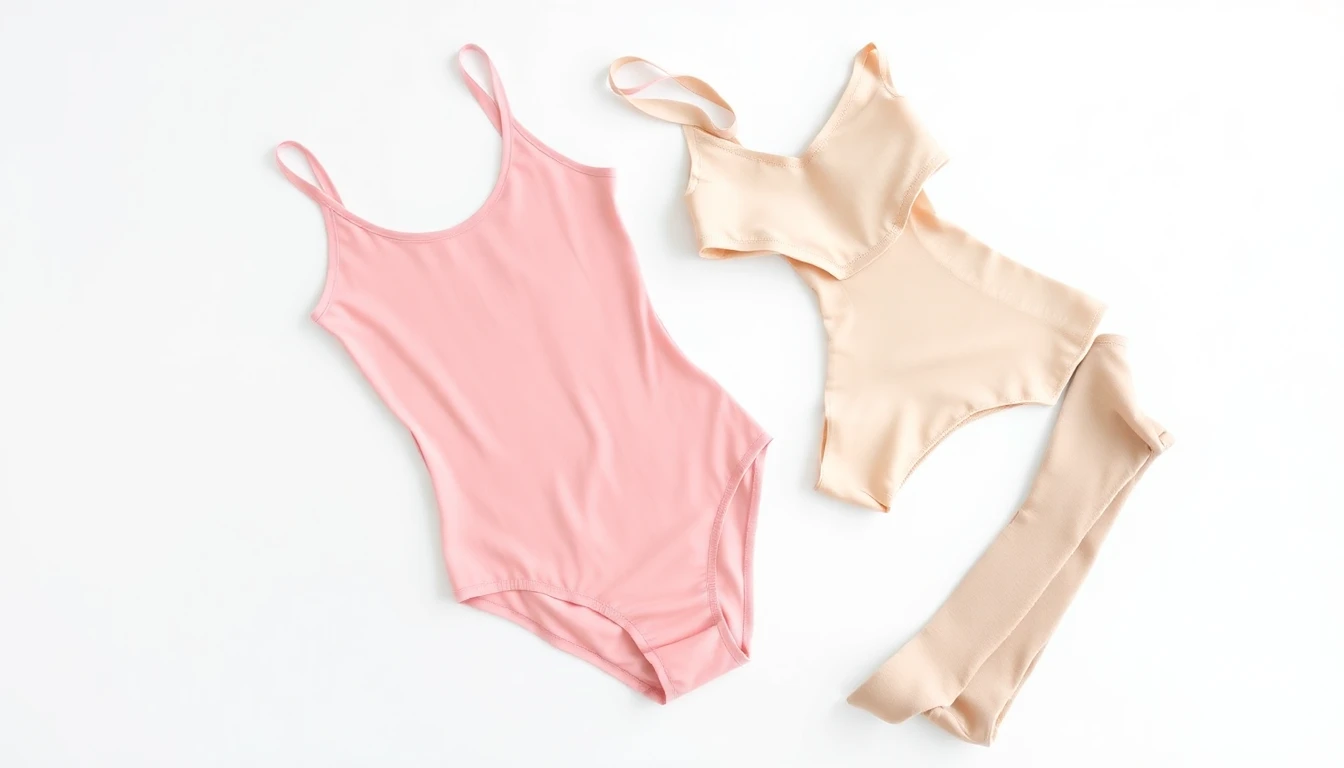
For older students who prefer an extra layer, seamless dance briefs are the correct solution. These are cut high in the leg with flat edges so they cannot be seen through leotard fabric. They are specifically designed for dancewear and differ from regular underwear in both cut and fabric weight. Some advanced students also use a body liner — a thin, full-body layer worn between the skin and the leotard — which smooths the silhouette and reduces visible seams.

Both seamless briefs and body liners are optional in most dance schools. If your studio has a specific policy, it will usually be covered in the welcome letter or uniform guide.

Do older or adult ballet students wear a bra under a leotard?

This depends on personal preference and the leotard design. Many leotards intended for older students include built-in chest lining or removable cups that provide adequate support without a separate bra. For leotards without built-in support, a ballet-specific bra — designed with a low or racer back to stay hidden beneath the leotard — is the correct choice. Standard sports bras with wide back bands are generally not suitable under ballet leotards because the band shows below the back of the leotard.

What about tights — over or under the leotard?

In ballet, tights are traditionally worn over the leotard. This gives a cleaner line through the hips and is the standard convention in most RAD schools. The tights are pulled on last, over the leotard, before shoes and any warm-up layers. Some adult contemporary and barre fitness classes allow tights worn under the leotard, but for graded RAD exams the over-the-leotard convention applies.

See also: For a full guide to what dancers wear under their leotard, see ballet briefs and dance underwear explained.

Frequently Asked Questions

Should young children wear underwear under a ballet leotard?

For young children aged roughly three to seven, wearing small cotton briefs under the leotard is practical and common. It makes toilet trips easier and is more comfortable for children who are not yet used to the feeling of tights and a leotard alone.

Do older students need to wear underwear under a leotard?

For older students and adults, properly fitted tights worn correctly serve as the underwear layer. Wearing additional underwear is a personal preference, but it can create visible lines and bulk that look untidy under tight-fitting dance clothes.

What should a male student wear under ballet tights?

Male students wear a dance belt under their tights. This is the correct undergarment — it provides support and a clean silhouette under form-fitting ballet tights. Regular underwear is not suitable as it creates visible lines and does not support movement.