Posted on

Darcey Bussell: The Life and Career of the Royal Ballet’s Prima Ballerina

Darcey Bussell: The Life and Career of the Royal Ballet's Prima Ballerina

Who Is Darcey Bussell?

Dame Darcey Bussell CBE (born 27 April 1969) is Britain’s most famous ballerina of the modern era. She joined the Royal Ballet in 1988 and was promoted to Principal Dancer — the company’s highest rank — within a single year, the fastest such promotion in the company’s history. She retired from full-time performing in 2007 and has since become one of Britain’s best-known arts personalities.

Early Life and Training

Born Darcey Andrea Pemberton in London, Bussell grew up in Edinburgh and began dancing as a child. She trained at the Arts Educational School in London before transferring to the Royal Ballet School at age 13. At the Royal Ballet School she was spotted immediately as an exceptional talent — unusually tall for a ballerina at 5 feet 7 inches, she had the proportions and physicality that set her apart from her contemporaries.

She graduated from the Royal Ballet School in 1987 and joined Sadler’s Wells Royal Ballet (now Birmingham Royal Ballet) before moving to the Royal Ballet in 1988.

Rise at the Royal Ballet

The choreographer Kenneth MacMillan cast Bussell in the lead role of his new ballet The Prince of the Pagodas in 1989 while she was still a corps de ballet dancer. Her performance was so remarkable that Artistic Director Anthony Dowell promoted her to Principal Dancer immediately following the production — becoming the youngest principal in the Royal Ballet’s history at the time.

Her career at the Royal Ballet produced celebrated performances in virtually every major classical role: Princess Aurora in The Sleeping Beauty, Odette/Odile in Swan Lake, Juliet in Romeo and Juliet, Clara in The Nutcracker, and a wide range of contemporary works. She worked closely with Kenneth MacMillan, Frederick Ashton, and Wayne McGregor, among others.

Her Signature Style

Bussell was celebrated for her exceptional line — the unusually long, clean arc of her legs and arms gave every pose an extraordinary visual quality — and for a natural musicality that made her dancing seem effortless even in the most technically demanding passages. Her height, which might have been considered a disadvantage in classical ballet, became one of her most distinctive assets: it gave her a stage presence that commanded attention from anywhere in the auditorium.

Retirement and Later Career

Bussell announced her retirement from the Royal Ballet in 2006, taking her final bow in June 2007 in front of a packed Royal Opera House to a standing ovation. She has since been appointed:

  • President of the Royal Academy of Dance (2012–2019) — one of the most influential positions in international ballet education
  • A judge on Strictly Come Dancing (BBC, 2012–2018), which brought her to a nationwide mainstream audience
  • Ambassador and patron of numerous dance and arts organizations across the UK and Australia

She has authored books on ballet, presented documentaries, and continued to be a leading advocate for dance education, particularly for young people and those from disadvantaged backgrounds.

Connection to the RAD

As President of the Royal Academy of Dance from 2012 to 2019, Bussell was closely associated with the organization that governs the syllabus many children around the world — including ZoeDancewear customers — study. Her advocacy for accessible, high-quality dance education brought national attention to the RAD’s work in the UK and internationally.

Frequently Asked Questions

Why did Darcey Bussell retire so young?

Bussell retired at 38 — relatively young by some standards — citing the physical toll of a full-time performing career and a desire to spend more time with her family. She has been open about the fact that continuing to perform at the highest level would have required compromises she was not willing to make. She remains deeply involved in dance in non-performing roles.

Is Darcey Bussell still involved in ballet?

Yes, extensively. While she no longer performs, she has been active as a teacher, mentor, documentary presenter, and ambassador for dance. She remains one of the most visible advocates for ballet education in the English-speaking world.

Where can I watch Darcey Bussell dance?

The Royal Ballet’s archive includes filmed performances featuring Bussell in major roles. Some are available through the Royal Ballet’s streaming platforms and DVD releases. Her performances in The Sleeping Beauty and Romeo and Juliet with the Royal Ballet are particularly celebrated recordings.
Posted on

The Nutcracker Characters: Who’s Who in Tchaikovsky’s Classic Ballet

The Nutcracker Characters: Who's Who in Tchaikovsky's Classic Ballet

Why The Nutcracker Matters for Dance Families

The Nutcracker is the most performed ballet in the world. Virtually every ballet school stages a version at Christmas, and millions of children see it as their first live ballet performance. Knowing the characters before you go makes the experience far richer — especially for young audience members following their first full-length story ballet.

The Main Characters in The Nutcracker

Clara (or Marie)

The story’s heroine — a young girl celebrating Christmas Eve with her family. In some productions she is called Clara, in others Marie. She receives a nutcracker doll as a gift from her mysterious godfather Drosselmeyer, and it is her bravery that saves the Nutcracker Prince during the battle with the Mouse King. Clara is usually danced by a young student from the company’s school — often one of the first major roles a young dancer performs on a professional stage.

The Nutcracker / The Nutcracker Prince

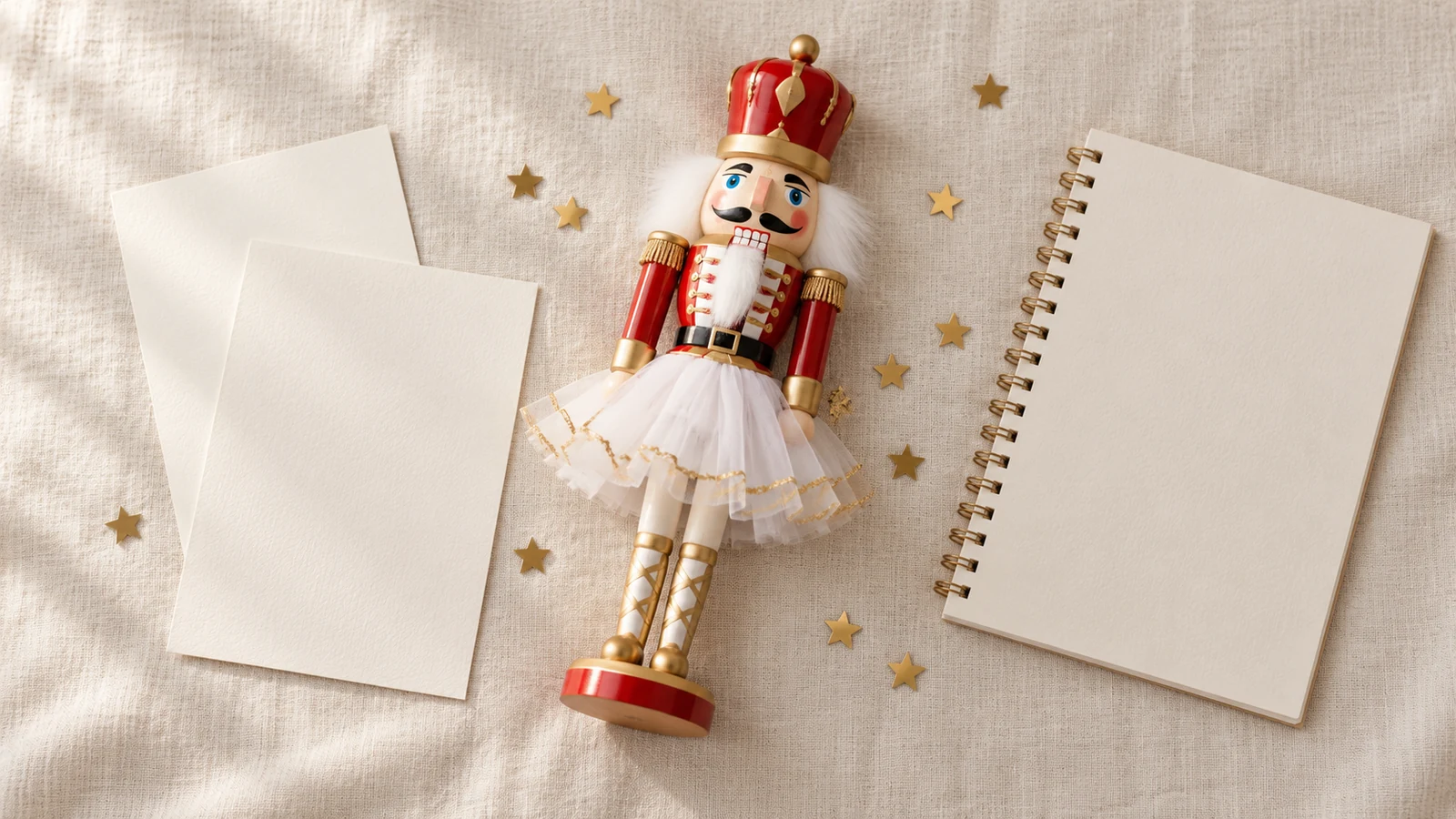
The enchanted doll that Clara receives as a Christmas gift. At midnight, the Nutcracker comes to life and leads the toy soldiers against the Mouse King’s army. After the battle, he is revealed to be a prince who has been under a spell. He takes Clara on a magical journey through the Land of Snow and into the Kingdom of Sweets.

Drosselmeyer

Clara’s eccentric godfather — a mysterious, one-eyed toymaker who arrives at the Christmas party with extraordinary mechanical toys and, of course, the nutcracker doll. Drosselmeyer is a dramatic character role, usually played by a senior male dancer. He guides Clara through the fantasy world and may have a deeper connection to the Nutcracker Prince depending on the production.

The Sugar Plum Fairy

The ruler of the Kingdom of Sweets who welcomes Clara and the Prince. The Sugar Plum Fairy’s grand pas de deux in Act II is one of the most technically demanding and celebrated passages in the classical ballet repertoire. Her solo variation and the duet with her Cavalier are what most audiences come to see. This role is always danced by the company’s leading ballerina.

The Cavalier (Sugar Plum Fairy’s Partner)

The Sugar Plum Fairy’s partner in the Act II grand pas de deux. In some productions he is identified with the Nutcracker Prince. The Cavalier’s role requires exceptional partnering skill, strong jumps, and elegant turns.

The Mouse King

The villain of Act I, leading his army of mice against the Nutcracker’s toy soldiers. The Mouse King has seven heads in the original story; most stage productions simplify this to a single crowned figure in a dramatic mouse costume. He is defeated when Clara throws her shoe at him.

The Divertissement Characters: The Kingdom of Sweets

Act II features a series of dances performed in honor of Clara and the Prince. These character dances represent different sweets and countries:

  • Spanish (Hot Chocolate) — bold and dramatic, castanets and passionate footwork
  • Arabian (Coffee) — slow and exotic, often featuring a sinuous solo or trio
  • Chinese (Tea) — quick and light, with acrobatic touches
  • Russian (Candy Canes / Trepak) — high-energy, featuring athletic jumps and turns
  • Danish (Marzipan Shepherdesses) — delicate and charming, usually performed by younger dancers or students
  • Mother Ginger and her Children (Polichinelles) — a comic scene where small children emerge from under Mother Ginger’s enormous skirt
  • Waltz of the Flowers — a large ensemble piece for the corps de ballet, one of Tchaikovsky’s most beloved passages

Productions Vary — What to Expect

No two Nutcracker productions are exactly alike. The Royal Ballet’s version differs from American Ballet Theatre’s, which differs again from a regional company’s staging. Some versions update the setting or costumes; others add storyline changes. Check the program notes for the specific production you are attending.

Frequently Asked Questions

How old is the role of Clara typically danced by?

At professional companies, Clara is usually danced by a student from the company’s affiliated school, typically aged 10 to 14 depending on the production’s physical requirements. In amateur productions, the age range is wider.

Is the Nutcracker suitable for very young children?

Most productions are appropriate for children aged 4 and over. The battle scene between the toy soldiers and mice can be exciting and slightly scary for very young children, but it is brief. The second act is gentle and magical throughout. Check the production’s recommended age guidance when booking.

Which Nutcracker music is most famous?

The Dance of the Sugar Plum Fairy (featuring the celesta), the Waltz of the Snowflakes, the Arabian Dance, and the Russian Trepak are the most widely recognized pieces. The entire score is by Pyotr Ilyich Tchaikovsky, composed in 1892.

Does Clara dance the whole ballet?

In traditional productions, Clara’s role in Act II is largely as an observer — she watches the divertissements and the Sugar Plum Fairy’s grand pas de deux. Some modern productions give Clara a more active dancing role throughout.

Posted on

What Is a Ballet Tendu? The Exercise Every Dancer Must Master

What Is a Ballet Tendu? The Exercise Every Dancer Must Master

Tendu: The Most Important Exercise in Ballet

If you have watched your child’s ballet class or started adult ballet yourself, you will have seen tendu many times — it appears in virtually every class, at every level, from Pre-Primary through to professional company warm-ups. Understanding what it is and why it matters helps you appreciate why teachers spend so much time on it.

What Does Tendu Mean?

Tendu (full name: battement tendu) is a French term meaning “stretched” or “tight.” In ballet, a tendu is the action of sliding the working foot along the floor until the leg is fully extended and the toes are pointed, then drawing it back to the starting position.

The foot travels along the floor throughout — it does not lift. The toes remain in contact with the floor until the very end of the movement, when only the tip of the pointed toe touches the ground.

The Mechanics of a Tendu

A correctly executed tendu involves:

  • A fully stretched, pointed foot — the instep lifted, all toes lengthened along the floor
  • A completely straight working leg — no bend in the knee throughout
  • A stable, upright supporting leg with the hip square and core engaged
  • Turnout maintained from the hip — not forced from the ankle or foot
  • Arms held in the correct position for the level and the exercise

The tendu can travel to the front (devant), to the side (à la seconde), or to the back (derrière). It is performed at the barre and in the center of the room.

Why Tendu Is Done Every Single Class

Teachers return to tendu at the start of every barre because it accomplishes several things simultaneously:

  • Warms up the foot and ankle — the full stretch and return activates the intrinsic foot muscles that ballet relies on heavily
  • Trains the pointed foot — a well-articulated foot is one of ballet’s most fundamental aesthetic requirements
  • Establishes turnout — the rotation of the working leg through a tendu reinforces the hip turnout that underpins all classical technique
  • Builds the muscle memory for other steps — dégagé, jeté, frappé, and grand battement all begin with the mechanics of a tendu
  • Teaches control — the return to fifth or first position requires as much precision as the opening movement

Tendu at Different Levels

At RAD Pre-Primary and Primary level, tendu is introduced in its simplest form — usually called a “point” or a “stretch” — to teach children how to articulate the foot. As students progress through Grades 1 to 8 and beyond, the speed increases, the musicality becomes more nuanced, the port de bras (arm movements) layer in, and combinations of tendu become more complex.

Professional dancers at major companies still begin class with tendu. It never becomes obsolete.

What Good Tendu Looks Like

A well-executed tendu looks clean, effortless, and precise. The foot glides without gripping the floor. The pointed foot has a continuous arc from heel to toe. The body remains still and upright — there is no hip shift, no shoulder rise, no look of effort. The return is as controlled as the opening slide.

Frequently Asked Questions

At what age do children learn tendu?

The concept of pointing the foot is introduced at Pre-Primary level (age 3–5), though it may not be called “tendu” yet. The formal battement tendu with its technical requirements appears from Grade 1 onwards in the RAD syllabus.

Why does my child’s tendu look messy?

Common issues include a sickling foot (the ankle rolling inward so the toes point to the side), a bent knee, or gripping the toes rather than lengthening them. These are corrected progressively through class. Tense or curled toes are often a sign of tight foot muscles — gentle foot-rolling exercises at home can help.

Is tendu the same as a “point”?

In early childhood ballet, teachers often say “point your foot” to mean the same action. Tendu is the formal classical term used from Grade 1 upward. The mechanics are the same.

Does wearing the right ballet shoe help with tendu?

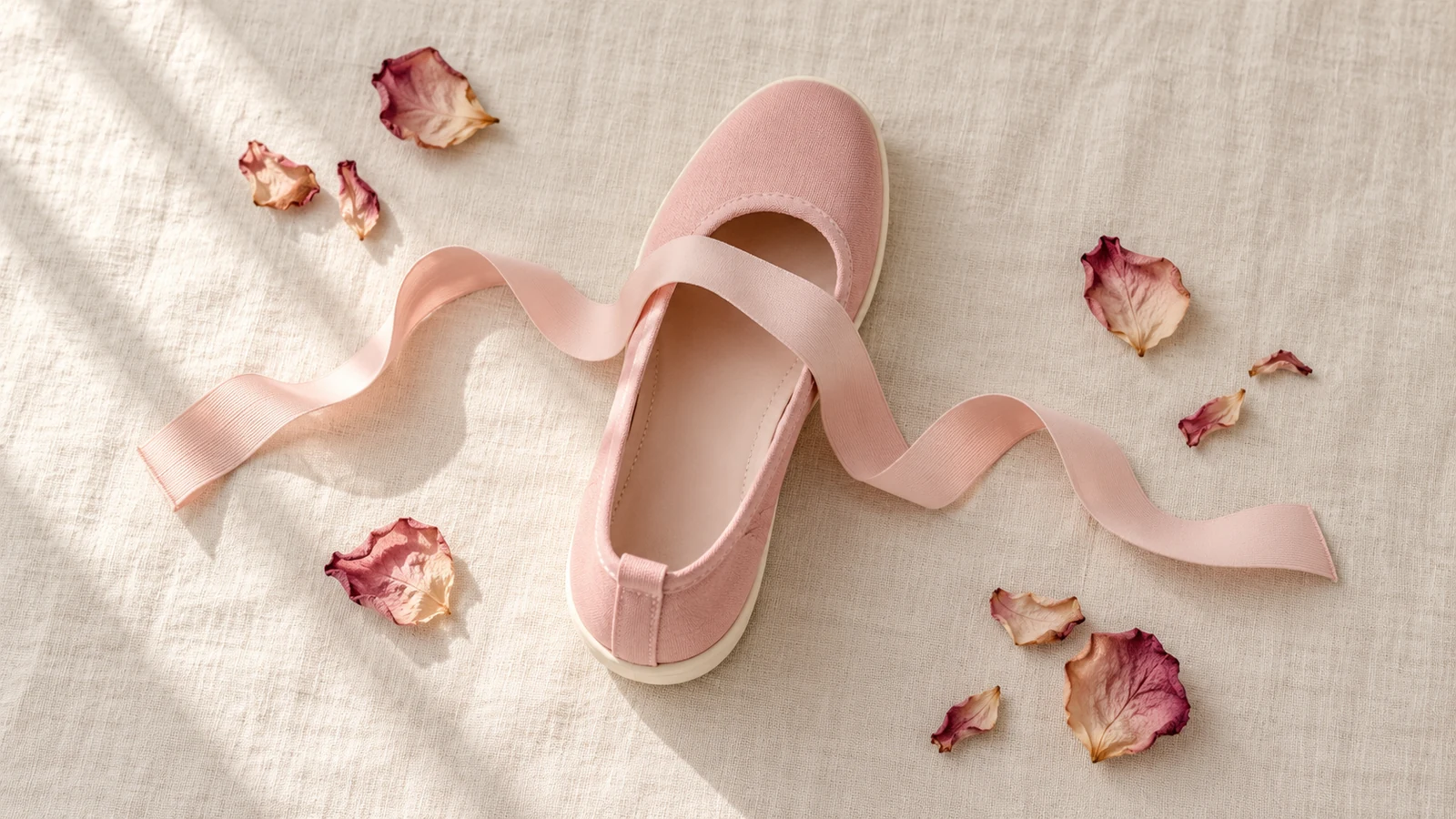
Yes. A well-fitted canvas or leather ballet shoe that fits snugly allows the foot to articulate fully. Shoes that are too big mask the foot’s line; shoes that are too tight restrict movement. Proper fit is essential for developing a clean tendu.

Posted on

How to Choose the Right Ballet School for Your Child

How to Choose the Right Ballet School for Your Child

Why Choosing the Right Ballet School Matters

The school your child attends shapes their technique, confidence, and love of dance for years. A good fit means a qualified teacher, a structured syllabus, and an environment where your child feels safe and encouraged. A poor fit can put a child off dance altogether.

Look for a Recognized Exam Board

The most widely respected ballet syllabi in the English-speaking world are:

  • RAD (Royal Academy of Dance) — used across the UK, Australia, New Zealand, Canada, and beyond. Graded from Pre-Primary to Grade 8, then vocational levels.
  • ISTD (Imperial Society of Teachers of Dancing) — also UK-based with international reach.
  • BATD (British Association of Teachers of Dancing) — a smaller but well-regarded board.

Ask whether teachers are registered with their exam board. RAD-registered teachers, for example, hold a current licence to teach the RAD syllabus and take regular professional development.

Visit the Studio Before You Commit

Most schools offer a free trial class. Use it. Watch how the teacher interacts with students — do they correct technique kindly? Is the atmosphere encouraging? Are the children paying attention and enjoying themselves?

Also check:

  • Class sizes (smaller classes allow more individual feedback)
  • The condition of the studio floor (sprung or semi-sprung floors reduce injury risk)
  • Whether the changing area is clean and supervised for younger children

Ask About Teacher Qualifications

Ballet teachers should hold a teaching qualification, not just a performance background. Ask which exam board they are registered with and how long they have been teaching. A good teacher welcomes these questions.

Consider the Uniform Policy

Most ballet schools specify exactly what students wear — leotard color, tights style, shoe type, and hair requirements. This ensures everyone is equal in class and the teacher can see each child’s alignment. Check what uniform is required before enrolling, and budget for it. RAD uniform guides by grade can help you understand what to buy at each level.

Understand the Commitment and Costs

Ballet at lower grades (Pre-Primary to Grade 2) typically requires one class per week. From Grade 3 upwards, two or more classes per week is standard. Costs include term fees, exam fees (usually charged separately), costume hire for shows, and uniform. Ask for a full fee schedule before signing up.

Frequently Asked Questions

What age should my child start ballet?

Most schools accept children from age 2.5 to 3 for creative movement classes. Formal RAD Pre-Primary in Dance typically begins at age 3 to 4. There is no harm in waiting until age 5 or 6 for a child who is not yet ready to follow instructions in a group setting.

Does the exam board matter?

For most children, the quality of the teacher matters more than the board. However, RAD is the most internationally recognized, which is useful if your family moves countries or if a child wants to audition for professional training later.

How do I know if a teacher is qualified?

Ask directly. You can also check the RAD’s teacher register at rad.org.uk, or ask to see a copy of the teacher’s licence.

Can my child try more than one school?

Yes. Many families trial two or three schools before choosing. Most offer a free or low-cost trial lesson. Trust your child’s reaction after the class.

Posted on

What to Eat Before Ballet Class: A Practical Guide for Dance Parents

What to Eat Before Ballet Class: A Practical Guide for Dance Parents

Why Nutrition Matters for Young Ballet Students

Ballet requires coordination, focus, and physical effort. A child who arrives at class hungry or over-full will struggle to concentrate and may feel dizzy or fatigued. Getting the pre-class snack right is one of the easiest ways parents can support their child’s dancing.

The Ideal Timing

Aim to give your child a light meal or snack one to two hours before class. This gives enough time for digestion without arriving at the studio with an empty stomach. If class falls right after school with no gap, a small snack 30 minutes before is better than nothing.

What to Eat: Good Options

The best pre-ballet snacks combine slow-release carbohydrates for sustained energy with a small amount of protein to keep hunger at bay:

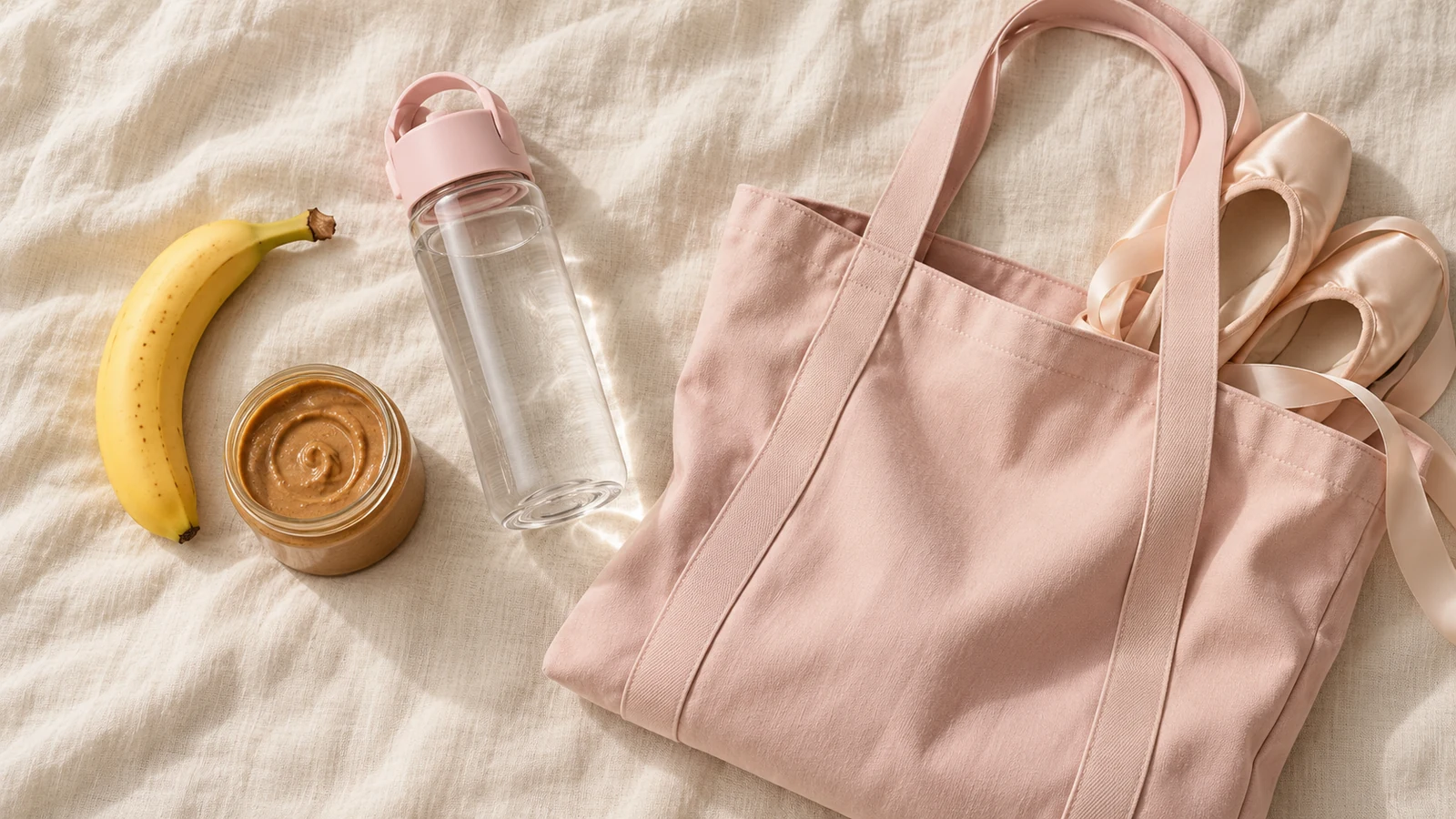
  • Banana with a small amount of peanut butter
  • Wholegrain crackers with cheese
  • Yoghurt with fruit
  • A small bowl of oats with honey
  • Half a whole-grain sandwich with a light filling
  • Rice cakes with nut butter

What to Avoid

  • Heavy or fried meals — the body diverts blood to digestion rather than the muscles, leaving dancers feeling sluggish.
  • Sugary drinks and sweets — these cause a quick energy spike followed by a crash mid-class.
  • Carbonated drinks — stomach discomfort during jumps and turns is a common complaint.
  • Very large portions — a full stomach makes jumps and floor work uncomfortable.

Hydration Before and During Class

Children often forget to drink water during a busy school day. Encourage regular sips throughout the afternoon, and pack a water bottle for the studio. Most teachers allow students to take a water break, especially in warmer months.

After Class: Recovery Snack

Ballet is physically demanding. A post-class snack helps muscles recover and keeps energy levels stable, especially important if dinner is still an hour away. Good options include a glass of milk, a boiled egg on toast, a smoothie, or a small bowl of pasta with protein.

Frequently Asked Questions

What if class is immediately after school?

Pack a small, easy-to-eat snack in your child’s school bag: a banana, a handful of nuts and dried fruit, or a small yoghurt pouch. These take less than five minutes to eat on the way to the studio.

My child says they feel dizzy in class — could it be food-related?

Dizziness during class is often a sign of low blood sugar from not eating enough beforehand, or dehydration. Try adding a slightly larger pre-class snack and increasing water intake throughout the day. If dizziness continues, speak to your GP.

Should young children eat differently from teenage dancers?

Teenagers doing multiple classes per week have higher energy needs overall, and may need a more substantial pre-class meal. The basic principles — slow-release carbohydrates, some protein, adequate hydration — remain the same at every age.

Posted on

How to Practice Ballet at Home: Equipment, Space and Safe Routines

How to Practice Ballet at Home: Equipment, Space and Safe Routines

Can You Really Practice Ballet at Home?

Yes — with a few simple preparations, home practice is a valuable addition to studio classes. It builds muscle memory, improves flexibility, and gives dancers extra time to work on exercises set by their teacher. Home practice should always supplement studio lessons, not replace them.

Space Requirements

You do not need a large room. A cleared area of around 2m × 2m (roughly 6ft × 6ft) is enough for most barre and center exercises. Remove obstacles such as furniture with sharp corners and rugs that can slip. The direction of travel for longer combinations does require a bit more length, so a hallway or living room cleared of clutter works well.

Flooring: What Works and What Doesn’t

The ideal surface is a smooth, clean wooden or laminate floor — similar to a dance studio. This allows ballet shoes to slide naturally and reduces the risk of ankle sprains from catching on carpet. Avoid:

  • Thick carpet — it catches the toe and strains the ankle
  • Polished marble or tiles — too slippery, especially for turns
  • Outdoor surfaces — too uneven for ballet footwork

A portable dance floor panel or vinyl dance mat can be placed over carpet if there is no suitable hard floor available.

Do You Need a Ballet Barre?

A portable freestanding ballet barre is the best investment for home practice. Look for one that is height-adjustable and made of steel rather than lightweight plastic. If a barre is not possible, a sturdy kitchen countertop, a solid dining chair (held at the top of the back, not the seat), or a wall-mounted rail works as a substitute. The support should be at hip height and stable — never use something that wobbles.

What to Wear at Home

Wear the same type of clothing you wear to class: a fitted leotard and tights allows you to see your lines and check your posture in a mirror. Leg warmers are especially useful at home when the floor may be cooler than a studio. Wear proper canvas or leather ballet shoes — bare feet or socks increase slipping risk.

Using a Mirror

A full-length mirror is extremely helpful for checking alignment — particularly head position, shoulder height, and the line of the working leg. Stand side-on as well as facing forward to check your back and posture.

Safe Home Practice Habits

  • Always warm up before practicing exercises, even a short walk or gentle stretching
  • Do not attempt new exercises or high jumps at home without instruction from your teacher first
  • Never practice in socks on a hard floor — the slip risk is high
  • Keep home sessions short: 15 to 30 minutes of focused practice is more beneficial than an hour of unfocused repetition

Frequently Asked Questions

What exercises can my child do at home?

Ask their teacher which exercises to practice at home. Typically: the five positions of the feet, pliés, tendus, dégagés, and basic stretches such as sitting in second position. Avoid jumps on hard floors without proper sprung flooring.

How often should my child practice at home?

Two to three short sessions per week (15 to 20 minutes each) between studio classes is a good target for most primary-grade students. More is not always better — adequate rest is equally important.

Can home practice replace studio classes?

No. A teacher’s eye is essential for spotting alignment errors that a student cannot see in a mirror. Home practice reinforces what has already been taught; it is not a substitute for professional instruction.

Posted on

How Many Ballet Classes Per Week? A Guide by RAD Grade

How Many Ballet Classes Per Week? A Guide by RAD Grade

Why Frequency Matters in Ballet Training

The number of classes per week is one of the most common questions dance parents ask. Too few classes and progress stalls; too many for a young child and the risk of burnout or injury increases. The right answer depends on the grade and the individual child.

The figures below are general guidelines based on common practice at RAD-registered schools. Your child’s teacher will give more precise advice based on their own school’s schedule and exam calendar.

RAD Pre-Primary in Dance (Ages 3–5)

Recommended: 1 class per week (30–45 minutes)

At this stage, children are developing basic coordination, listening skills, and a love of music and movement. One class per week is standard and sufficient. The priority is enjoyment, not technique.

RAD Primary in Dance (Ages 4–6)

Recommended: 1–2 classes per week (45 minutes each)

Some schools add a second class at Primary level to strengthen fundamentals before Grade 1. One class remains adequate for children who are not preparing for an early exam.

RAD Grade 1 and Grade 2 (Ages 6–9)

Recommended: 2 classes per week

From Grade 1 onwards, most schools expect students to attend at least twice per week to be eligible for their annual RAD exam. Single-class attendance is often allowed but may delay exam entry by a year.

RAD Grade 3, 4 and 5 (Ages 9–13)

Recommended: 2–3 classes per week

The syllabus becomes more complex at these grades. Three classes per week gives students time to consolidate the set work alongside open-class training. Some schools separate exam class from open class at this point.

RAD Grade 6, 7 and 8 (Ages 12+)

Recommended: 3–4 classes per week

Senior grades require a high level of technical control. Students at these levels are often also taking character dance classes and may be preparing for vocational auditions, making three to four sessions per week standard.

RAD Vocational Graded (Intermediate Foundation, Intermediate, Advanced)

Recommended: 4–6 classes per week

Vocational training is serious and demanding. Students at this level are typically attending specialist dance schools or very intensive community programs.

Can Too Many Classes Harm a Young Dancer?

Yes. Over-training in young dancers — particularly before growth plates have closed (usually around age 16–18) — can lead to stress fractures, hip problems, and burnout. A child under 10 rarely benefits from more than three ballet sessions per week. Listen to your child’s energy levels and speak to their teacher if you are unsure.

Frequently Asked Questions

Does missing classes affect RAD exam eligibility?

Yes. Most RAD-registered teachers require students to attend a minimum number of classes per term to be entered for an exam. Ask your teacher about their specific attendance policy at the start of each term.

Can my child do extra classes outside their regular school?

In principle, yes. However, inform both teachers so they can ensure training is complementary and not conflicting in terms of syllabus and exam timing.

How do I know if my child is doing too much ballet?

Signs of over-training include persistent tiredness, loss of enjoyment, recurring minor injuries, and decreased appetite. If you notice these signs, speak to your teacher about adjusting the schedule.

Posted on

What to Wear to a Ballet Audition: Dress Code and Preparation Guide

What to Wear to a Ballet Audition: Dress Code and Preparation Guide

Why Audition Dress Code Matters

An audition is your opportunity to make every element of your presentation count. Wearing the correct attire allows the panel to see your body lines, technique, and posture without distraction. Many audition panels have very specific requirements, so always read the audition guidelines carefully before preparing.

The Classic Ballet Audition Look

For most ballet auditions — including junior associate programs, summer intensives, and full-time training places — the default is:

  • Girls: Black leotard, pink tights (or skin-tone if specified), hair in a neat bun, canvas or leather ballet shoes. No attached skirt, no embellishments, no jewelry.
  • Boys: White fitted T-shirt or tank top, black tights or fitted dance shorts, canvas ballet shoes.

This classic look is intentional. It removes every distraction and allows the panel to focus entirely on the dancer’s technique and potential.

Check the Specific Audition Requirements

Always read the audition information pack carefully. Requirements vary:

  • Some auditions require a specific leotard color (e.g. Royal Ballet School Junior Associates specifies a particular shade of pink)
  • Some require skin-tone tights rather than pink
  • Pointe shoe requirements depend on level — younger children rarely need them
  • Some auditions require character shoes in addition to ballet shoes

Hair: Why a Neat Bun Is Non-Negotiable

Hair must be completely off the face and neck. A clean, smooth bun (not a messy top-knot) is the professional standard. Use hairpins, a hair net, and hairspray to secure everything in place. Loose strands or hair that moves around is distracting and signals a lack of preparation. See our full ballet bun tutorial and bun accessories guide for step-by-step help.

What to Wear: Leotard Choice

Choose a plain, well-fitting leotard with no embellishment. Avoid large logos, decorative straps, mesh panels, or anything that draws the eye away from technique. A slightly higher cut at the hip can look cleaner on stage, but comfort and fit come first — a leotard that needs adjusting mid-class is a distraction.

Shoes and Accessories

  • Bring shoes in good condition — not falling apart, but not brand-new either (new shoes have not been broken in and may be uncomfortable)
  • No jewelry, including earrings — remove everything
  • No nail polish on toes if you are attending a pointe-level audition (panels sometimes check foot shape)
  • Bring a spare pair of tights — ladders happen

Frequently Asked Questions

Can I wear a colored leotard to a ballet audition?

Only if the audition guidelines specify it. If the guidelines say “any leotard,” stick to black — it is the cleanest, most professional choice and allows your lines to read clearly.

Should I wear pointe shoes to an audition?

Only if the audition letter explicitly requests them. Children under 11 will almost never be asked to wear pointe shoes. Bringing them along in your bag (just in case) is sensible.

What should I bring in my audition bag?

Spare tights, a hairbrush and extra pins, your ballet shoes (and character shoes if required), a water bottle, and a light snack. Arrive at least 20 minutes early.

Posted on

Common Ballet Injuries in Young Dancers and How to Prevent Them

Common Ballet Injuries in Young Dancers and How to Prevent Them

Are Injuries Common in Ballet?

Ballet is a physically demanding art form, and injuries do occur — particularly in young dancers whose bodies are still developing. The good news is that the majority of common ballet injuries are preventable with proper technique, appropriate footwear, adequate rest, and gradual training progression.

The Most Common Ballet Injuries in Young Dancers

1. Ankle Sprains

The most frequent acute injury in ballet. Sprains typically happen when a dancer rolls the ankle inward on landing from a jump. Symptoms include swelling, bruising, and pain on the outer ankle. Treatment follows the RICE method (Rest, Ice, Compression, Elevation). Return to class should only happen once the ankle is pain-free and stable.

2. Shin Splints (Tibial Stress Syndrome)

Pain along the inner or front edge of the shinbone, usually caused by jumping on hard floors or sudden increases in training load. Shin splints should not be ignored — untreated cases can progress to stress fractures.

3. Knee Pain

Patellofemoral pain (around the kneecap) is common in growing dancers, especially during grand pliés and landing from jumps. Growth spurts can temporarily worsen knee pain as bones grow faster than surrounding muscles and tendons.

4. Hip Flexor Strain

Overworking the hip flexors — the muscles that lift the leg in front — can cause pain in the front of the hip, particularly during repeated battement exercises.

5. Lower Back Pain

Often linked to poor core stability, overextended lumbar arch, or too much focus on flexibility without equal attention to strength.

Prevention: What Parents and Students Can Do

Proper Warm-Up and Cool-Down

Muscles that are warm and pliable are far less prone to injury than cold ones. A five to ten minute warm-up before class — light walking, gentle joint circles, and dynamic stretching — significantly reduces injury risk. An equal cool-down and static stretch after class helps maintain flexibility and prevent stiffness.

Correct Footwear

Ill-fitting ballet shoes are a leading cause of foot and ankle problems. Shoes that are too long cause the toes to curl; shoes that are too tight restrict circulation and alter alignment. Get shoes fitted properly and replace them when worn through the sole. Warm-up layers such as leg warmers keep muscles warm between exercises.

Gradual Training Progression

Sudden jumps in training intensity — adding extra classes, starting a summer intensive, or increasing jump height — are a common trigger for overuse injuries. Build training load gradually and build in rest days.

Rest and Recovery

Rest is not laziness — it is when the body repairs and adapts. Young dancers in particular need at least one full rest day per week.

When to See a Doctor

Seek medical attention if your child has pain that:

  • Persists for more than a few days without improving
  • Is severe enough to alter the way they walk
  • Wakes them at night
  • Is localised to one specific point on a bone (possible stress fracture)

Frequently Asked Questions

Should my child dance through mild pain?

Not without guidance from a teacher or healthcare professional. There is a difference between the ache of new muscles being worked and pain that signals an injury. When in doubt, rest and seek advice.

Are ballet injuries more likely at certain ages?

Growth spurts (usually ages 9–12 in girls and 11–14 in boys) are a higher-risk period. Bones grow faster than surrounding soft tissue, temporarily reducing flexibility and increasing strain on tendons and growth plates.

Does dancing en pointe cause injuries?

Pointe work is safe when introduced at the right time, with correct technique, in properly fitted pointe shoes. Starting too early — before adequate strength and technique are established — significantly raises the risk of injury. Most teachers follow RAD or ISTD guidelines, which recommend not starting pointe before age 11–12.

Posted on

What Happens in a RAD Ballet Exam: A Parent’s Insider Guide

What Happens in a RAD Ballet Exam: A Parent's Insider Guide

RAD Exams: What Parents Need to Know

If your child has been preparing for a Royal Academy of Dance (RAD) exam, you may be curious — or anxious — about what actually happens in the examination room. This guide explains the format, who is present, what is assessed, and what to expect on exam day.

Who Is in the Room?

  • The RAD examiner — a qualified, independent assessor appointed by the RAD, not affiliated with your child’s school. They assess the syllabus exercises and make the final grading decision.
  • The teacher — in most cases, the child’s own ballet teacher is present in the exam room to support students and introduce each exercise. However, the teacher does not help once an exercise has begun.
  • The pianist — a live pianist plays the set music for each exercise. This is one of the distinctive features of the RAD format.
  • Other students — exams are usually taken in small groups (often three to eight students), rarely as solo exams at lower grades.

What the Exam Looks Like

Students enter the examination room in their uniform — the correct leotard color for their grade, neat bun, correct shoes and tights. They perform the set exercises from their grade’s syllabus in order: barre exercises, center work, and any set dances or free movement sections.

The examiner watches quietly, making notes. There is no commentary during the exam. Students should focus on their teacher’s instructions and the music, not on the examiner.

How Long Does It Take?

Exam duration depends on the grade:

  • Pre-Primary and Primary: around 20–30 minutes
  • Grade 1–3: around 30–45 minutes
  • Grade 4–8: 45 minutes to 1 hour or more

What Is Being Assessed?

The RAD examiner assesses students across several areas, typically including:

  • Technical accuracy — correct positions of feet, arms, and body
  • Musicality — dancing in time with the music and responding to its phrasing
  • Performance quality — expression, focus, and overall presentation
  • Physical qualities — turnout, line, coordination, and strength as appropriate for the grade

Students are not judged against each other. Each student is assessed individually against the RAD’s own criteria.

Can Parents Watch?

No. Parents wait outside the examination room. This is standard RAD practice. Young children are accompanied into the room by their teacher, and parents can usually see their child briefly at the door before the exam begins.

When Do Results Come?

Results are typically sent to the teacher within six to eight weeks of the exam, who then passes them on to parents. Results come as a formal certificate with a grade: Distinction, Merit, Pass, or (rarely) a deferred result.

Frequently Asked Questions

What if my child cries or freezes on the day?

It happens occasionally, particularly with very young students. Experienced examiners are used to nerves and always try to put children at ease. If a young child becomes very upset, the teacher can step in to support them.

What does a Distinction mean?

RAD results use a graded scale. Distinction is the highest available result, followed by Merit and Pass. The specific mark ranges are published in the RAD’s syllabus documentation.

My child has taken the same grade twice — is that normal?

Yes. Some children benefit from spending two years on a grade to consolidate technique before moving on. It is common and not a sign of failure.