Posted on

How Ballet Grades Work: Pre-Primary to Grade 8 Explained for Parents

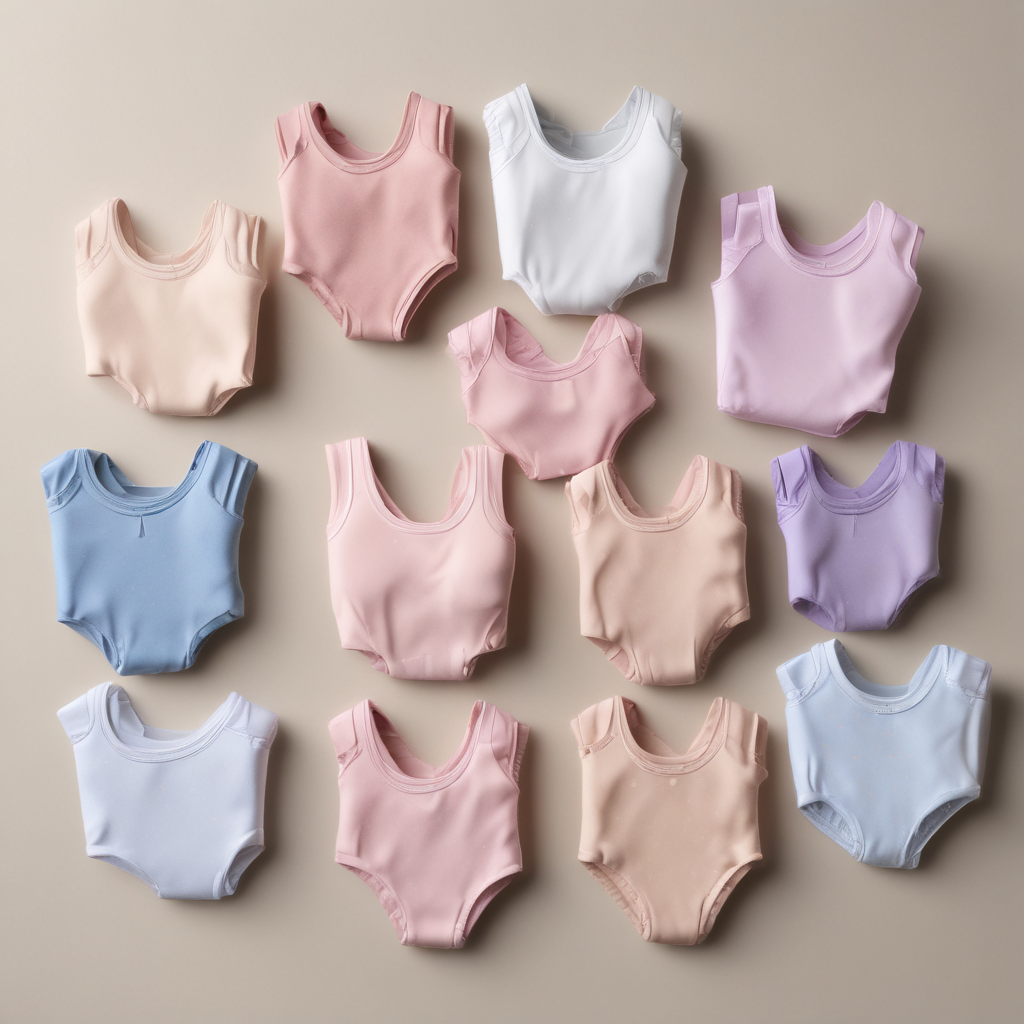
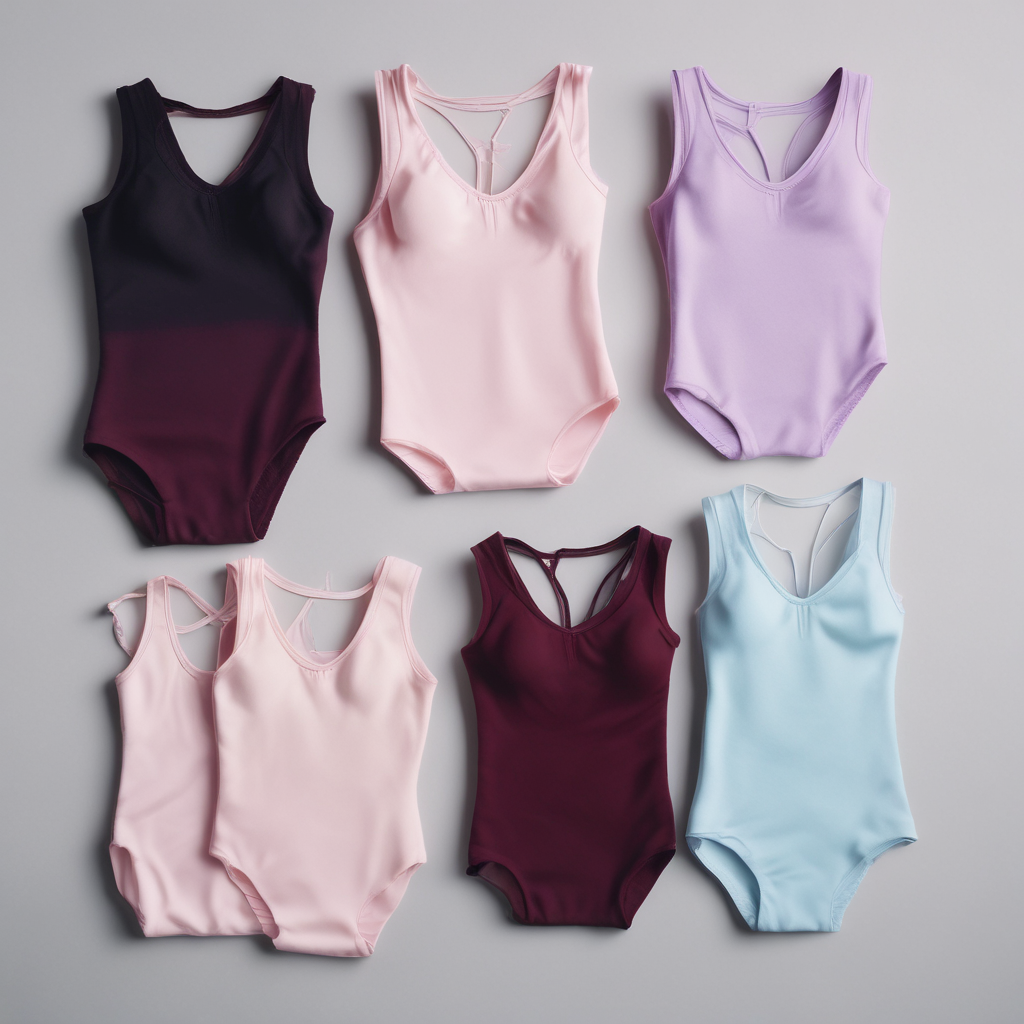
How ballet grades work – coloured RAD leotards by grade from Pre-Primary to Grade 8

If your child has just started ballet or is preparing to move into graded work, the RAD grading system can feel confusing at first. What is the difference between Pre-Primary and Primary? When does a child start working toward exams? What happens after Grade 8? This guide explains how the system works from the very beginning.

What Is the RAD?

The Royal Academy of Dance (RAD) is one of the world’s leading dance education and examination bodies, based in London. Their graded syllabus is used by accredited teachers in over 80 countries and sets a consistent standard for ballet training from early childhood through to pre-professional level.

Not every ballet school uses the RAD system. Some use the Imperial Society of Teachers of Dancing (ISTD), the British Association of Teachers of Dancing (BATD) or their own in-house structure. If you are unsure which system your child’s school uses, ask the teacher.

The RAD Graded Syllabus: An Overview

The RAD graded syllabus runs in two sections: the Primary grades (Pre-Primary and Primary) and the Main Grades (Grades 1 through 8). Together they cover approximately 10–12 years of training for a typical student who begins around age 4.

Pre-Primary (Ages 4–6 Approximately)

Pre-Primary is the starting point of the RAD system. Children at this level focus on musicality, coordination and basic dance vocabulary through games, songs and exploratory movement. Exams are optional at this level — many schools use it as a foundation year before entering formal examination work. The uniform is a simple pink leotard and pink ballet shoes.

Primary (Ages 5–7 Approximately)

Primary introduces more structured barre and center work. Students begin to learn basic RAD exercises and the vocabulary used throughout the graded syllabus. The first formal RAD examination is available at Primary level. The uniform is typically the same as Pre-Primary — pink leotard, pink tights, pink shoes.

Grades 1 and 2 (Ages 7–9 Approximately)

Grade 1 and Grade 2 introduce more demanding technique: turned-out positions, rises and basic pointe preparation exercises. Students learn specific exercises for each part of the class — barre, center, allegro. The uniform changes from pink to a blue leotard (typically royal or sky blue) with pink tights.

Grades 3, 4 and 5 (Ages 9–13 Approximately)

These middle grades develop classical technique more fully: clean footwork, expressive port de bras, small jumps and classical enchainements. Character dance is introduced. The uniform typically changes to a burgundy or raspberry-colored leotard.

Grades 6, 7 and 8 (Ages 13–16 Approximately)

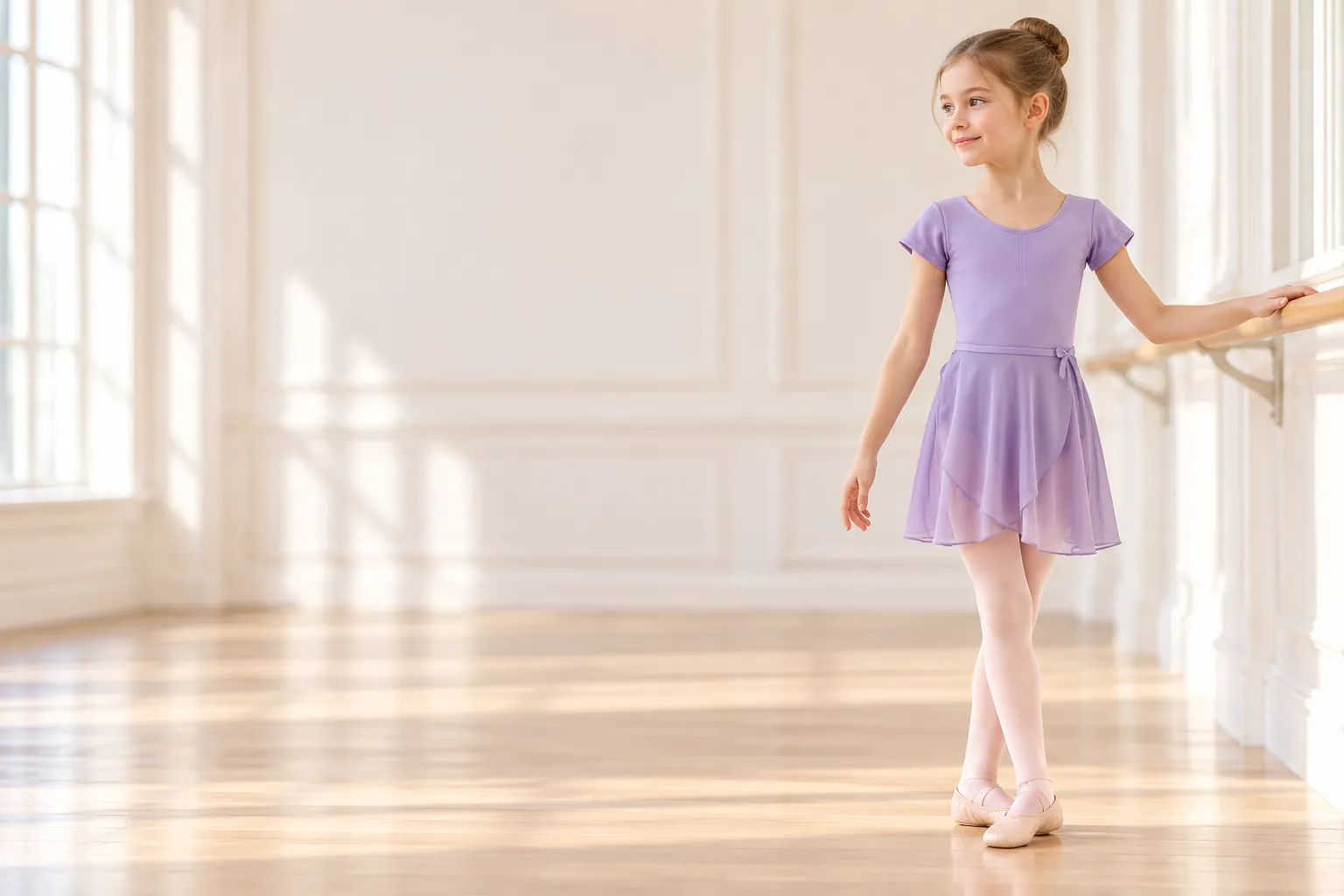
The senior graded years demand consistency, expressiveness and technical refinement. Students at Grade 6–8 level work with considerable detail on port de bras, pointe work for eligible students, and more complex allegro and pirouette work. The uniform at this level is typically a purple leotard worn with a long mesh skirt, an elastic belt and a matching bow.

After Grade 8: Vocational Graded Examinations

Students who wish to continue formal RAD examination work after Grade 8 can progress to the Vocational Graded syllabus: Intermediate Foundation, Intermediate, Advanced Foundation, Advanced 1 and Advanced 2. These are pre-professional level examinations designed for serious students considering dance as a career path or entering full-time training.

How Long Does Each Grade Take?

There is no fixed timeline. The speed of progression depends on the student’s natural aptitude, the frequency of classes, the school’s approach to examination preparation, and individual development. On average, many students take 1–2 years per grade during the middle grades (3–5). The teacher decides when a student is ready to enter an examination — parents should not pressure this decision.

Do All Students Take Exams?

No. Examinations are optional. Many students enjoy ballet purely for the joy of dancing and never take an exam. Others work through the full graded syllabus and beyond. The RAD system is designed to work for both — the classes are valuable regardless of whether the student sits the examination.

What Does the Uniform Tell You About the Grade?

The leotard color is a useful shorthand for which grade a student is working at. Teachers and examiners can identify a student’s level at a glance. This also means the uniform must be correct — wearing the wrong color to an examination will be noticed.

Frequently Asked Questions

What age should a child start RAD ballet?

Most RAD-accredited schools begin with Pre-Primary classes for children aged 4–5. Some schools accept children from age 3 for creative movement classes, but formal RAD work typically starts at 4. There is no upper age limit — adults can begin ballet at any age.

Can a child skip grades?

In theory, yes — the RAD does not mandate that every grade must be taken in sequence. In practice, most teachers recommend working through the grades progressively because each grade builds on the technical foundation of the previous one. Skipping grades may leave gaps in technique that become problematic at higher levels.

How do I know if my child’s school is RAD-accredited?

RAD-accredited teachers are registered with the RAD and have completed RAD teacher training. You can search for registered teachers and schools on the RAD website (rad.org.uk). Accredited teachers display their RAD registration and use the RAD logo.

What happens during a RAD examination?

Students are examined in a group (typically 4–6 students) by an independent RAD examiner. The examination follows the syllabus exercises set for that grade: barre work, center work, character and free movement sections. Results are typically returned within 6–8 weeks.
Posted on

End-of-Year Ballet Show: What to Pack and What to Buy

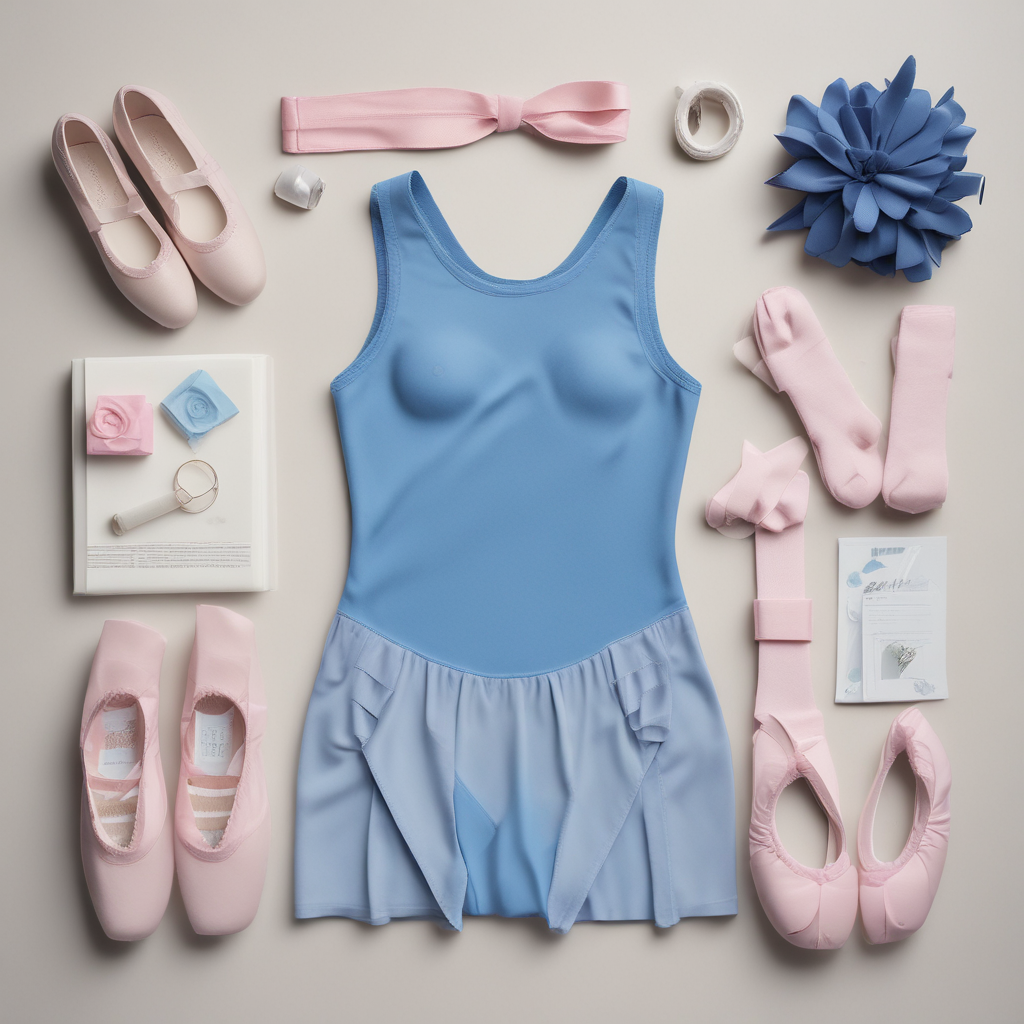
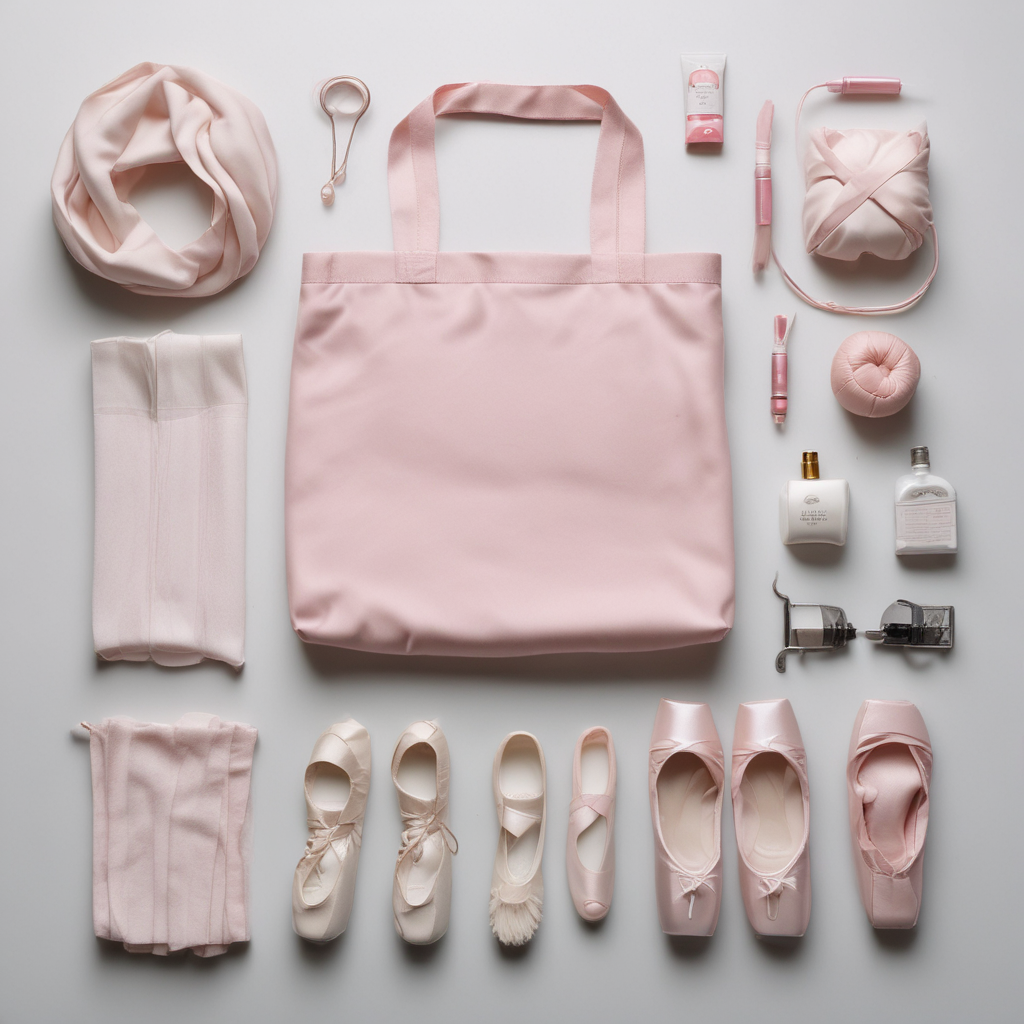
End-of-year ballet show packing guide – dance bag with costumes and accessories

The end-of-year ballet show is one of the highlights of a young dancer’s year — and one of the most logistically demanding days for dance parents. Costumes, multiple outfit changes, hair, shoes, makeup and the general excitement of backstage life all need to be managed calmly. This guide covers everything you need to prepare in advance and what to pack on the day.

Before Show Day: What to Buy in Advance

Shows often require items beyond the standard class uniform. Your school will send a costume list or production notes, but there are standard items that almost every show requires:

  • Clean, matching ballet tights: Check your child has a matching pair for each costume. Many schools require all-pink tights regardless of the costume color — confirm with the teacher.
  • Ballet shoes in good condition: Inspect shoes well before show day. Replace if the sole is worn through, elastics are fraying or shoes no longer fit correctly. Do not put your child in a new, unworn pair on show day.
  • Fishnets or character tights: Some older students or character sections require fishnet tights or character tights in a specific color. Check the production notes.
  • Hair accessories: Ribbons, bows, headbands or fascinators may be required depending on the role and choreography. Confirm exactly what is needed — some schools provide these, others require parents to source them.
  • Stage makeup: Many schools require basic stage makeup from around age 8 upwards for shows. Check whether the school provides it or requires parents to apply it.

What to Pack in the Show Bag

Pack everything in a clearly labeled bag. If your child has multiple costume changes, use a separate zip bag for each costume in the order they are worn.

Essential Items

  • All costumes (checked off against the production list)
  • All required tights — one spare pair for each costume
  • Correct shoes for each section of the show
  • Full hair kit: comb, brush, hair ties, kirby grips, net, bun spray, any decorative accessories
  • Stage makeup if required
  • Water bottle with a secure, non-spill cap
  • Small, easy snack for backstage — avoid messy or strongly scented foods
  • Your child’s name on every item, including individual shoes and accessories

Nice to Have

  • Safety pins — invaluable backstage for costume emergencies
  • Clear nail polish for stopping a tights ladder spreading
  • Baby wipes for quick makeup touch-ups or sticky fingers
  • A small sewing kit for loose elastic or a dropped hem
  • Hairspray for flyaways

Hair Preparation for Show Day

Show hair is usually more elaborate than everyday class hair. Many shows require a specific style — a French plait into a bun, or a high ponytail for a contemporary piece. Practice the style at least twice at home before show day. Allow extra time on the day — backstage is chaotic and rushing complicated hairstyles causes stress.

What Happens Backstage

First-time show parents are often surprised by how different backstage is from the orderly classroom. Help your child feel settled by arriving at the call time given by the school, labelling every item clearly, and briefing younger children in advance about what to expect.

After the Show: Care and Storage

After the show, check all costumes back in if they belong to the school. Items belonging to your child should be washed promptly — sweat and stage makeup left in fabric will cause staining. Wash according to garment care labels. Store clean dance items in a breathable bag, not a sealed plastic container.

Frequently Asked Questions

Do I need to buy a costume or does the school provide one?

It depends on the school. Many schools hire or own costumes and charge a costume deposit or hire fee. Others require parents to purchase specific items — often tights, shoes and accessories — while providing the main costume garment. Check your school’s production information well in advance.

My child has two costumes for the show — how do I organize changes?

Pack each costume in a separate clear zip bag, labeled with your child’s name and the order (e.g. “Change 1 — first half”, “Change 2 — second half”). Include all accessories, tights and shoes for each change in the correct bag.

Should I apply stage makeup myself or ask the school to do it?

Most schools either apply makeup themselves for younger children or give parents clear guidance on what to apply and how. For older children (typically 10+), parents often apply makeup at home before the call time. Follow your school’s instructions exactly — over-applying is a common mistake.

Can siblings watch from backstage?

Generally no. Backstage is a controlled environment for health and safety reasons, and non-performing siblings create additional management challenges. Siblings should watch from the audience. Check your school’s policy — some schools designate a limited backstage window for parents of very young children only.

Posted on

New Ballet Student Starter Kit: What to Buy Before the First Term

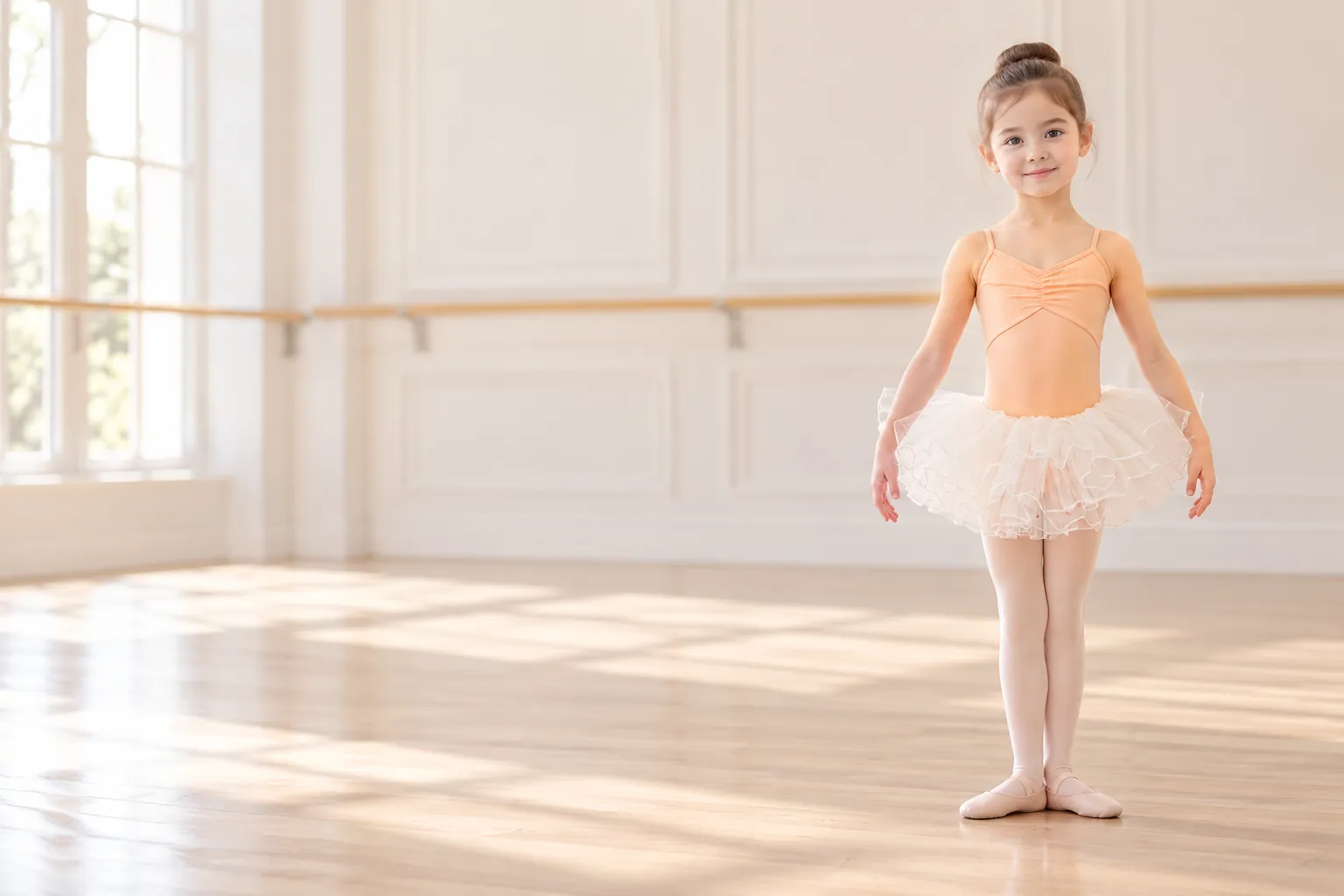
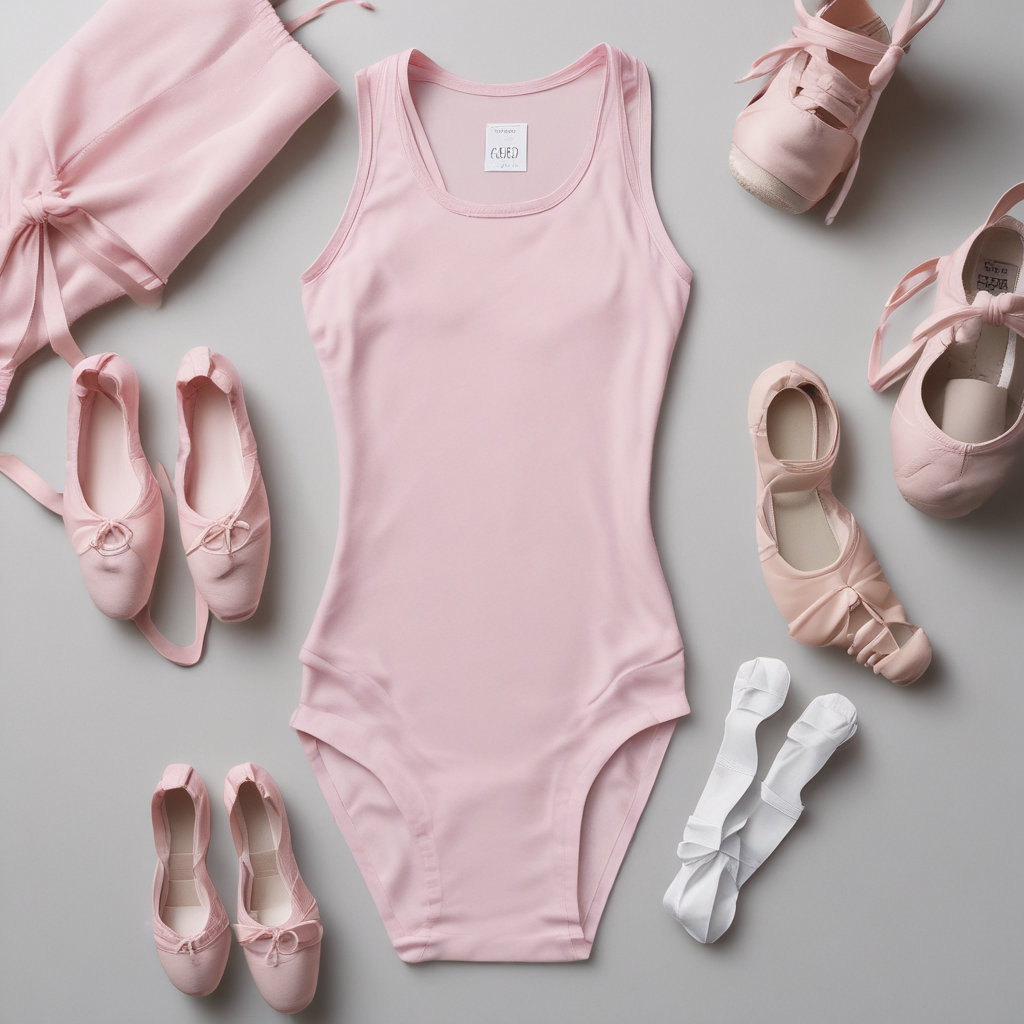
New ballet student starter kit – pink leotard, tights and ballet shoes for beginners

Your child has a place at a ballet school and the term starts in a few weeks. If you have never bought ballet uniform before, it can be difficult to know where to start: what is essential, what can wait, and what the teacher actually cares about versus what is optional. This guide breaks it down clearly.

The Non-Negotiable Starter Essentials

Before the first class, every new ballet student needs three things:

  1. A leotard in the school’s required color — the teacher should tell you this before term starts. Do not buy a leotard before you know the color.
  2. Ballet tights in the correct color — almost always pink for Pre-Primary and Primary; check with the school.
  3. Ballet shoes in the correct style — almost always pink canvas full-sole for beginners. The school may specify a particular brand.

These three items are what every teacher will check on the first day. Everything else — warm-up clothes, bags, accessories — can follow in the first few weeks.

Choosing the Right Ballet Shoes for a Beginner

For very young beginners (Pre-Primary, aged 4–6), a pink canvas full-sole ballet shoe is the standard. The full sole provides more structure and is better for developing feet than a split sole, which is designed for more advanced students.

Ballet shoes should fit snugly but not tightly. The toe should not curl, but there should be no more than a small amount of growing room (1–1.5cm maximum). Overly large shoes are a common buying mistake — they cause tripping, slide off during class, and make it harder for the teacher to see foot placement.

If possible, have ballet shoes fitted in-person at a specialist dance shop. If ordering online, use the brand’s size guide and measure the child’s foot in centimeters rather than relying on standard shoe size conversions.

The Leotard: What to Look For

Ballet leotards for young children should be:

  • The correct color as specified by the school
  • A comfortable, close-fitting style without excessive decoration
  • Made from a fabric with enough stretch for full range of movement (nylon-lycra blend is standard)
  • The right size — not sized up for growing room, as a baggy leotard looks untidy

For Pre-Primary and Primary students, a simple tank-top or short-sleeve style is usual. If the teacher does not specify the sleeve style, a simple tank in the correct color is safe.

Tights: What to Buy

Pink full-footed tights are the standard starter purchase. Buy two pairs — one to wear and one spare. Ballet tights ladder, snag and wear out, and having a backup means class is not disrupted by a wardrobe emergency.

Size tights by height, not age. If your child is between sizes, go up one size.

What Can Wait: Second Month Additions

These items are useful but not essential for the very first class:

  • Warm-up clothes: A ballet cardigan or wrap sweater for keeping warm before class and during breaks.
  • Ballet bag: A small tote or backpack for carrying uniform to and from school. Any bag works initially.
  • Hair accessories: For the first few classes, a plain hair tie and a few kirby grips to secure a bun are enough.

What Not to Buy Yet

  • Pointe shoes: Pointe work begins only when a teacher assesses the student as physically and technically ready, typically no earlier than age 11 and after several years of consistent training. Never buy pointe shoes speculatively.
  • Character shoes: Required at some grade levels but not for beginners. Wait until the teacher says they are needed.
  • Multiple leotards in different colors: Buy the required color for the current grade only.

A Realistic Budget for a New Starter

A complete starter kit — leotard, tights (two pairs) and ballet shoes — typically costs between £25 and £60 depending on brand and where you buy. Buying online from a specialist ballet retailer is often more economical than a high street dance shop, and the quality is comparable when you buy from a reputable supplier.

Frequently Asked Questions

Do I need to buy the exact brand the school recommends?

Sometimes. Some schools have agreements with specific suppliers or recommend a particular brand for consistency, especially for shoes. If the school specifies a brand, follow the guidance. For leotards and tights, most schools are more flexible as long as the color and style are correct.

How quickly do young children outgrow ballet uniform?

Very quickly. Leotards and tights for children aged 4–8 may need replacing every 6–12 months. Ballet shoes often need replacing every term or two during growth spurts. Buy the correct size now and plan to replace rather than buying larger to save money — oversized uniform looks untidy and affects how the teacher can assess technique.

Can I buy second-hand ballet uniform?

Yes, for leotards and warm-up clothes. For ballet shoes, second-hand is generally not recommended — worn shoes mould to the previous wearer’s foot and may not support your child’s foot correctly. Tights should not be purchased second-hand for hygiene reasons.

Should I wash ballet uniform before the first wear?

Yes. Wash leotards and tights before first use to remove any manufacturing residue. Wash at 30°C on a gentle cycle and air dry. Do not tumble dry.

Posted on

How to Order Ballet Uniforms for a Dance School: A Teacher’s Guide

Ballet school uniform ordering guide – stacked ballet leotards in multiple grade colours

Managing ballet uniform ordering for an entire school or studio is a different challenge from helping a single family buy the right leotard. Teachers and studio managers need to plan ahead, communicate clearly with parents, manage multiple grade requirements simultaneously, and handle the inevitable last-minute requests. This guide covers how to do it efficiently.

Planning Your Annual Uniform Order

The most efficient approach is to plan uniform needs at the beginning of each academic year. At that point, you know:

  • Which students are moving to a new grade (and therefore need new uniform colors)
  • Which new starters are joining (who need a complete starter kit)
  • Which students have outgrown last year’s uniform and need replacements

Sending a uniform requirements form to parents at the start of each year — listing the required items, colors and sizes for each grade — allows you to anticipate demand and place consolidated orders rather than dealing with individual family requests throughout the term.

Creating a Uniform Requirements List

Your uniform list should specify, for each grade or class level:

  • Leotard color and style (e.g. “Sky blue tank-top leotard”)
  • Tights color and style (e.g. “Pink footed ballet tights”)
  • Shoe type and any brand specifications
  • Skirt or dress requirements, if applicable
  • Belt color and any accessories required
  • Hair requirements (bun, accessories, color of ribbon if specified)
  • Exam-specific items for examination terms

Including product links from a trusted supplier reduces confusion and ensures parents buy the correct items.

Choosing a Ballet Uniform Supplier

When selecting a supplier for school orders, consider:

  • Stock consistency: Can the supplier reliably fulfill orders for the same item across a full academic year? Color and style changes between batches cause visual inconsistency in class.
  • Size range: Does the supplier carry a full range of children’s and adult sizes?
  • Bulk pricing: Does the supplier offer school or volume pricing?
  • Returns policy: Can you exchange sizes if a student’s items do not fit?
  • Shipping speed and reliability: A supplier who takes 3 weeks to deliver is not useful for urgent term-start orders.

Handling Parent Orders: Two Approaches

There are two common models for school uniform management:

1. Centralised School Ordering

The school collects sizes and payments from parents, places one consolidated order, and distributes items to students. This gives more control over what is purchased and ensures uniformity, but adds administrative burden to teachers or admin staff.

2. Direct Parent Ordering

The school specifies the required items with supplier links, and each family orders directly. This removes the admin burden from the school but requires clearer communication to ensure parents buy exactly the right items.

A hybrid approach — the school manages starter kits and grade changes centrally, parents handle replacements directly — often works well for established schools.

Managing Exam Term Ordering

Examination terms require additional planning. Extra items often needed for exam terms:

  • Exam number bibs if your center uses them
  • Character shoes and character skirts for relevant grades
  • Grade-specific accessories (belts, bows, ribbons)
  • Replacement tights and shoes for students who have outgrown or damaged theirs

Order exam items at least 6 weeks before the examination date. Last-minute orders risk late delivery and student stress.

Communicating with Parents

Clear, specific communication prevents the most common school uniform problems. Avoid vague descriptions like “pink leotard” — specify the exact shade and style. Include photos where possible. Confirm a deadline by which orders must be placed if you are using centralised ordering.

Frequently Asked Questions

How far in advance should schools place bulk orders?

For standard in-stock items, 2–3 weeks before the start of term is usually sufficient. For custom or branded items, allow 4–6 weeks. For examination terms, place orders at least 6 weeks before the exam date.

Can we get custom branding on uniforms?

Some suppliers offer custom branding on selected items such as bun kits, bags and accessories. The minimum order quantity for custom branding is typically 20–50 units depending on the item. Contact the supplier to confirm which items are available for branding and what the lead time is.

What is the best way to handle exchanges for wrong sizes?

Establish a clear exchange policy at the start of the year. For centralised orders, request a 10% size buffer — extra small and large sizes — to handle exchanges without requiring a new order. Confirm the supplier’s exchange policy with parents upfront so expectations are clear.

How do I handle students who cannot afford uniform?

Many schools maintain a small stock of second-hand or spare uniform items for families in financial difficulty. Some exam boards and dance education charities also provide hardship funds. Handle this sensitively and privately to protect the child’s dignity.

Posted on

Ballet Uniform Policy: What to Include in Your School’s Dress Code

Ballet school dress code policy – ballet uniform items arranged formally on white background

A clear, written uniform policy saves teachers time, reduces parent confusion, and ensures students are correctly dressed for class and examinations. Without a policy, questions about what is acceptable — and what is not — arise repeatedly throughout the year. This guide covers what to include in a ballet school dress code.

Why a Written Uniform Policy Matters

A written policy provides a reference point for teachers, parents and students that removes ambiguity. When a parent asks whether their daughter can wear a lilac leotard instead of royal blue, the answer is in the policy, not subject to individual negotiation. A consistent dress code also:

  • Creates a professional learning environment in which students focus on technique rather than appearance
  • Allows teachers to see body alignment and technique clearly
  • Teaches students discipline and respect for the class environment
  • Prepares students for the standards expected in examination and professional settings

What Your Uniform Policy Should Cover

1. Required Items by Class Level

List the specific required items for each class level or grade group. For each item, specify:

  • The item type (leotard, tights, shoes)
  • Color — exact shade where possible (“ballet pink” or “RAD-approved royal blue” is clearer than “blue”)
  • Style (e.g. “camisole/wide-strap, no decorative panels” or “full-sole only for Pre-Primary”)
  • Where applicable, approved brands or suppliers

2. Hair Requirements

Specify how hair must be worn for class and examinations separately if requirements differ. Common requirements include:

  • Hair above the collar must be tied back (minimum)
  • All hair in a secure ballet bun for class from a specified grade onwards
  • No loose hair during barre or center work
  • Grade-specific accessories (ribbons, bows) for examination terms

3. Jewelry and Accessories

Specify what is and is not permitted. Most schools allow:

  • Small stud earrings (sleepers) or no jewelry at all
  • No rings, bracelets or necklaces during class
  • No nail polish (or clear only) for class

4. Footwear Rules

Specify the required footwear for each class type and the rules around shoe hygiene. Important points:

  • Whether students may enter the studio in outdoor shoes (usually not — this protects sprung floors)
  • Whether split-sole shoes are permitted or when they are introduced
  • Pointe shoe policy — when students may begin pointe work and the approval process

5. Examination Uniform Specifications

Examination uniform is often more precisely specified than class uniform. Include a separate section for each examination grade listing:

  • The exact leotard color and style for each grade
  • Any additional items required (belt, bow, skirt, character shoes)
  • Hair requirements for the exam day
  • Jewelry and makeup policy for examinations

6. Warm-Up and Streetwear Policy

Clarify what is acceptable to wear before and after class but not during class. Most schools allow:

  • Ballet wrap cardigan or knit warm-up top during the warmup portion of class
  • Leg warmers worn during the warm-up only
  • No outdoor clothes or school uniform in the studio

7. Consequences of Non-Compliance

State clearly what happens if a student arrives without correct uniform. Common approaches:

  • A reminder is issued and the student participates in class but the situation is logged
  • For repeated non-compliance, a written note is sent home to parents
  • For examinations, arriving in incorrect uniform may affect the presentation grade

How to Communicate the Policy

A policy is only effective if parents and students have read it. Distribute it:

  • As part of the enrolment pack for all new students
  • In a dedicated section of the school website or parent portal
  • As a reminder email at the start of each term
  • As a concise printed summary pinned to the changing room noticeboard

Review and update the policy at least once per year, especially when the RAD or other exam boards issue updated syllabus uniform specifications.

Supplier Information in Your Policy

Including direct links to recommended products in your policy — or maintaining a page on your website with approved products and links — dramatically reduces the number of parent enquiries about where to buy items. A list of approved products also prevents parents from buying from the wrong supplier and arriving with items in the wrong shade or style.

Frequently Asked Questions

How detailed should a ballet school dress code be?

Detailed enough to answer the most common parent questions, but not so long that it will not be read. A well-structured policy of 1–2 pages, with a summary table of requirements by grade, strikes the right balance. Parents are more likely to read and follow a concise, clear document than a lengthy policy.

Should the dress code be legally binding?

Dress codes for private dance schools are generally enforceable as a condition of enrolment, not as a legal contract. The policy should be included in or referenced by the enrolment agreement that parents sign when registering.

What if a parent disagrees with the uniform requirements?

Explain the reasoning behind the requirements — alignment visibility, RAD specification, professional standards — and refer them to the written policy. Where the requirement is an RAD specification, direct parents to the RAD website for confirmation that the requirement comes from the exam board, not the school’s personal preference.

How do I handle requests for religious or medical uniform modifications?

These should be handled sensitively on a case-by-case basis. Common accommodations include allowing opaque tights under a leotard, or permitting a sports hijab in a school-appropriate color. Document any agreed accommodations in writing to ensure consistency.

Posted on

Ballet Wrap Top vs Wrap Cardigan vs Shrug: What’s the Difference?

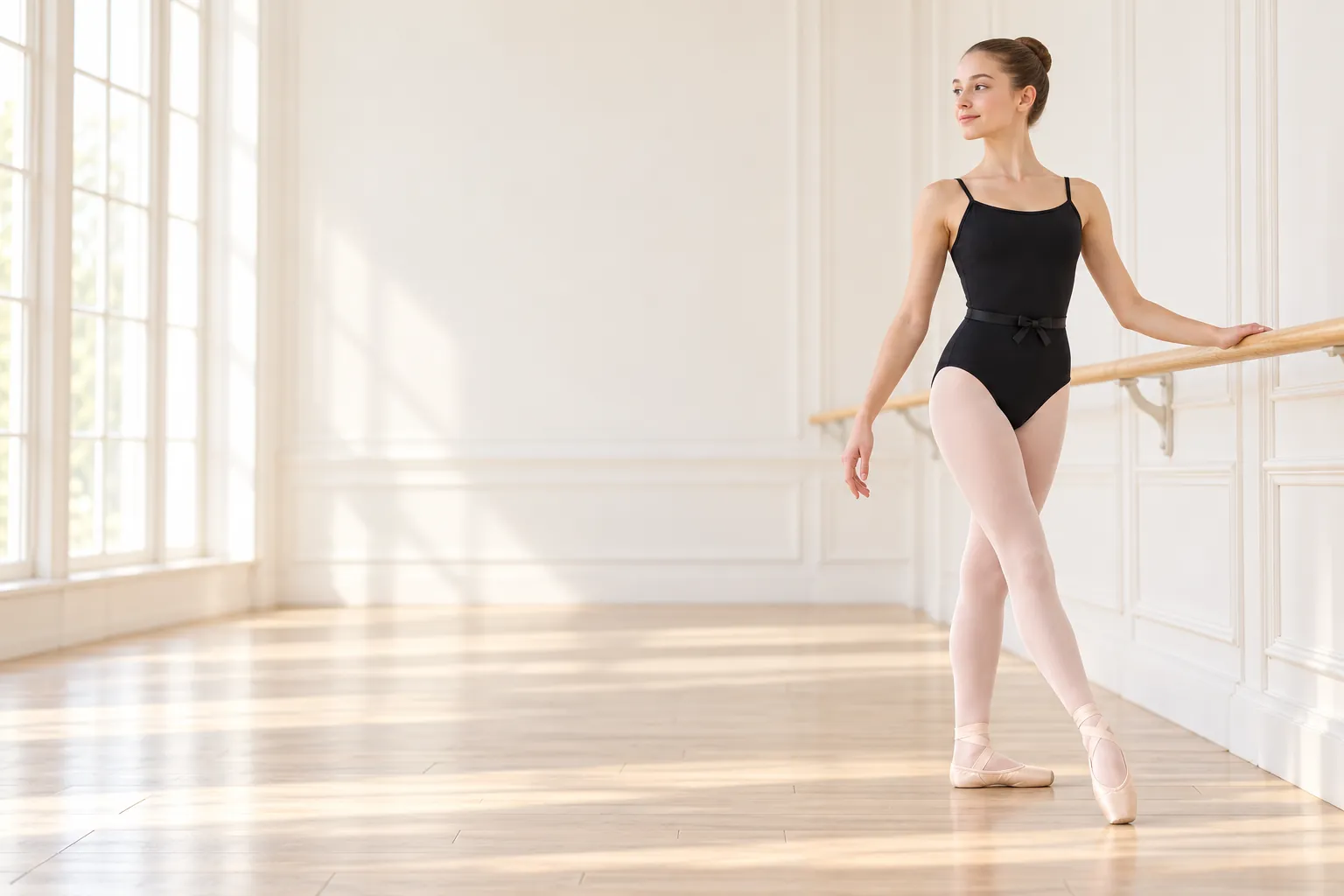
A dancer in a black camisole leotard beside a ballet barre

Short answer: a ballet wrap top crosses over the chest and ties at the front or side, a wrap cardigan is a longer knit that wraps around the body, and a shrug is a short cover-up for the shoulders and arms. All three keep dancers warm over a leotard, but they sit differently and suit different moments.

See also: Browse our Ribbed Knit Ballet Cardigan — available in six colors and sizes XS to XXL.

What is a ballet wrap top?

A ballet wrap top is a short, fitted piece with long sleeves and a crossover front. The ends tie at the waist or side so the top stays in place when you move. Because it is short and fitted, the teacher can still see the body line. It is the most common warm-up layer in class.

What is a wrap cardigan?

A wrap cardigan is a longer, softer knit with a front that wraps or overlaps. It gives more warmth than a wrap top and is often worn to and from the studio. It covers more of the hips, so many dancers take it off once the body is warm.

What is a ballet shrug?

A shrug is a very short cover-up that sits on the shoulders and arms and often leaves the torso bare. It is the lightest option and is useful for rehearsal or when only the arms and shoulders need warmth.

How do they compare?

Wrap top Wrap cardigan Shrug
Length To the waist To the hips Short, at the ribs
Warmth Medium Highest Lowest
Body line visible Mostly Less Most
Best for Class and barre Travel, cold studios Rehearsal, warm rooms

How should it fit?

  • Fitted but not tight, so the arms move freely.
  • Sleeves long enough to cover the wrists when the arms are down.
  • A tie that stays closed during turns.

How do I wear one over a leotard?

Put the leotard and tights on first, then cross the wrap over the chest and tie it at the side. For a neater look, tuck the ends flat so they do not catch on the hands. Take it off once class has warmed up, because the teacher will want to see the shoulders and back.

Which should I choose?

  • Cold studio or long class: a wrap cardigan.
  • Everyday class: a wrap top.
  • Warm room or rehearsal: a shrug.

Always check your school’s rules first, as some do not allow warm-ups once the class is under way.

What materials are best for ballet warm-ups?

Soft knits are the most common. Cotton blends are comfortable and breathable, while acrylic or wool blends add more warmth. A small amount of stretch helps the sleeves move with the arms. Very heavy, bulky knits can hide the shoulders and make it hard for the teacher to see alignment, so choose a smooth, medium-weight knit for class. For rehearsals in cold studios, a thicker cardigan is fine for the first few minutes.

How should I care for a ballet warm-up?

  1. Check the label first. Most knits do best on a gentle, cool wash.
  2. Turn the piece inside out to protect the surface from pilling.
  3. Dry flat to keep the shape of the sleeves.
  4. Store it folded, not on a hanger, so the shoulders do not stretch.

Is a warm-up allowed in exams?

Dancers wear warm-ups before and between exercises but remove them for the exam itself. The examiner needs to see the uniform clearly. Pack the warm-up in the exam bag and put it on while waiting, and ask your teacher whether it can be worn during any part of the session.

What colors should I choose?

Many schools choose black, ballet pink or the school color. If your school has no preference, a color that matches the leotard keeps the look tidy. Dark colors hide marks, while lighter colors look fresh but need more frequent washing. If the warm-up is a gift, ask the teacher which color the school prefers.

How do I pick the right size?

Use the size guide for height and chest, and size up if the dancer is between sizes. The sleeves should reach the wrist when the arms hang down and should not ride up when the arms lift. The wrap should close comfortably without pulling across the back. Children grow quickly, so leave a little room, but not so much that the top slips off the shoulders.

What is a wrap sweater, and is it the same as a ballet wrap top?

A wrap sweater (also called a wrap sweater top or wrap around sweater) is a knit that crosses over the front and ties or fastens at the side. A ballet wrap top is the dance version: shorter, fitted and made to sit over a leotard. A ballerina sweater is another name for the same idea, a soft, cropped wrap knit worn over the leotard before and after class.

Wrap sweaters for women and teens: what should I look for?

  • Cropped length. It should end at the waist so the hips and line stay visible.
  • Soft, light knit. Medium-weight knits move with the arms and do not feel heavy.
  • Secure tie. The ends should stay closed during port de bras and turns.
  • Sleeves to the wrist. Long enough to warm the arms, without covering the hands.

Frequently Asked Questions

Which warm-up top is best for a beginner ballet student?

A simple wrap top or a ribbed knit cardigan is the most practical choice for beginners. They are easy to take on and off over a leotard and keep the core and arms warm during the early part of class.

Can a ballet shrug be worn during the whole class?

A shrug covers the shoulders and upper arms but leaves the midriff exposed, so it stays on without hiding the body line. Many teachers allow it throughout class, though some prefer students to take off all warm-up layers for center work.

Is a zip cardigan suitable for ballet warm-up?

Zip cardigans can work, but a zip can snag on a leotard or become uncomfortable during floor work. A wrap or button-free knit cardigan that opens flat is easier to manage quickly during class.

nn

Shop at ZoeDancewear

Ballet Mesh Shrug u2014 long-sleeve and flutter-sleeve versions, lightweight mesh for class. Free shipping over $99 to the US.

nn

Shop at ZoeDancewear

Ribbed Knit Ballet Cardigan u2014 long-sleeve knit cardigan, warm and easy to slip on and off. Free shipping over $99 to the US.

Related guide: What Is a Ballet Wrap Top? Complete Guide to Styles, Fabric & Fit — covers materials, fit, sizing and care for all warm-up layer styles.

Posted on

How to Wear Leg Warmers for Ballet (and Look Neat Doing It)

Young dancers in a ballet studio

Short answer: pull leg warmers on over your tights, so they sit just below the knee or at the ankle, and smooth them flat. For class, wear them snug enough to stay up without squeezing, and take them off once your muscles are warm if your teacher asks.

See also: See our Ballet Leg Warmers — ribbed knit, sold as a pair, available in S and M.

Where should leg warmers sit?

There are three common lengths. Ankle warmers sit around the ankle and keep the joint warm. Calf-length warmers cover the lower leg. Knee-length warmers reach the knee. Each is worn over tights, never under them, so the knee line stays visible when you take them off.

How do I put them on?

  1. Put on your tights first and smooth out any wrinkles.
  2. Gather the leg warmer in your hands, like rolling up a sock.
  3. Slip it over the foot and pull it up to the length you want.
  4. Straighten the seam and flatten the top edge so it does not roll.
  5. Repeat on the other leg and check both match in height.

How do I stop them from slipping?

  • Choose the right size. A warmer that is too wide will always slide down.
  • Pull the top edge a little higher, then fold it down once to double the elastic.
  • Wear them over tights, which grip a little better than bare skin.
  • Avoid very slippery knits for fast, moving classes.

When should I take them off?

Leg warmers are for the start of class, when muscles are cold. Many teachers ask dancers to remove them after the barre or once warm, so they can see the knees and legs clearly. If your teacher asks, take them off without fuss and place them neatly by the barre.

What goes well with leg warmers?

A fitted leotard, a wrap top and tights keep the look neat. Choose colors that match the uniform, such as black, pink, white or a school color. Plain knit warmers look tidy; bulky, chunky ones can hide the lines of the legs.

Are leg warmers allowed in exams?

Usually not during the exam itself, and often not during class once warm. They are fine for warming up before. Check your school’s guidance.

Which length is best for ballet?

Length Best for Notes
Ankle Warming the ankle and Achilles before class The easiest to wear, with little bulk.
Calf Everyday class in a cool studio Covers the lower leg without hiding the knee.
Knee Cold rooms and long waits Gives the most warmth, so take off once warm.

What should I avoid?

  • Warmers that are too bulky. They hide the shape of the leg and may annoy the teacher.
  • Warmers that are too loose. They slip and bunch around the ankle, which is a hazard in a jump.
  • Warmers with loose threads. They can snag on the shoe or catch on the floor.
  • Different lengths on each leg. Check both before you start.

How do I care for leg warmers?

Wash them gently, in cool water, and dry them flat. Knit leg warmers can lose their shape if they are hung wet. If the elastic loosens, fold the top once to double it, or replace the pair. Keep one clean pair in the dance bag so there is always a spare.

Leg warmers for kids

For children, choose a soft knit that does not itch, and a pair that is easy to pull on. Labeling them with a name saves arguments in the changing room. Because children’s legs are shorter, ankle or calf length is often more comfortable than knee length. Check the size guide for the height range, and leave a little room for growth, but not so much that the warmers slip down.

Frequently Asked Questions

Should leg warmers go over or under tights?

Leg warmers always go over tights, not under them. Wearing them under would compress the tights and restrict circulation. Pulling them on last, over the tights, keeps them easy to remove when the teacher asks.

How tight should ballet leg warmers be?

They should stay up without sliding but not dig in or leave marks on the skin. If they keep falling down, the size is too large; if they leave red lines, they are too tight. A gentle grip at the top is the right feeling.

Can I wear leg warmers to a RAD exam?

Leg warmers are a warm-up item, not part of the official RAD examination uniform. They are worn before the exam begins and must be removed before you enter the examination room.

nn

Shop at ZoeDancewear

Ballet Leg Warmers u2014 ribbed-knit warm-up legwarmers — pull on over ballet shoes or bare feet. Free shipping over $99 to the US.

Posted on

Why Do Ballet Dancers Wear Leg Warmers?

Young dancers in a ballet studio

Short answer: ballet dancers wear leg warmers to keep their muscles and joints warm. Warm muscles move more freely, which is helpful at the start of class when the body is still cold. They are a practical layer worn over tights, not a fashion item.

See also: Looking for leg warmers? See our ribbed knit Ballet Leg Warmers, available in S and M.

What are leg warmers?

Leg warmers are tube-shaped knit coverings worn over the lower legs, from the ankle to the knee, and sometimes higher. They have no foot, so they fit over ballet shoes and tights. Unlike tights they can be taken off in seconds once the body is warm.

Why do dancers wear them?

  • Keep muscles warm. Cold muscles feel stiff. Keeping the calves and ankles warm makes the first exercises more comfortable.
  • Protect the joints. Warm ankles and knees feel looser, which helps dancers move through a full range.
  • Easy to remove. They can come off between exercises as the body warms up.
  • Comfort in cold studios. Many studios are cool in the morning or winter.

We can’t promise medical benefits, and leg warmers do not replace a proper warm-up. Teachers still start class with gentle exercises to raise the body temperature.

Where did the tradition come from?

Dancers have long worn extra layers in cold rehearsal rooms. Knitted warm-ups became a familiar part of the dancer’s look and later made their way into fashion. In the studio, however, the purpose is still practical.

When should dancers take them off?

When the body is warm and the teacher wants to see the legs and knees clearly. Many teachers ask for them to come off after the barre.

Do beginners need leg warmers?

No. They are a helpful extra, not a requirement. If your studio is warm, tights may be enough. If class is early or the room is cold, a pair is a useful addition to the dance bag.

When are leg warmers most useful?

They are most useful at the very start of class and between exercises. A dancer coming in from a cold day, or sitting on the floor while the teacher gives instructions, loses body heat quickly. Pulling on warmers during those pauses keeps the lower legs comfortable. In summer or in a warm studio they are often not needed at all. Many dancers also wear them while traveling to and from class.

How are they different from other warm-ups?

Leg warmers Wrap top or cardigan Warm-up pants
Area covered Ankle to knee Torso and arms Whole leg
Easy to remove Yes Yes Slower
Hides lines A little Some Most

Leg warmers are the lightest way to keep the legs warm and take no time to remove.

Are there any rules about leg warmers?

Each teacher decides. Some allow warmers throughout class for beginners, and others ask for them to come off after the barre so they can see the knees and legs. For exams, warmers are usually not worn during the dancing. If you are not sure, ask. A short, polite question is always welcome.

What should I look for when buying?

  • A soft, stretchy knit that does not itch.
  • A snug top edge that stays in place.
  • A color that matches the uniform or the school.
  • A length that suits the dancer: ankle, calf or knee.

A simple, plain pair lasts longest and goes with everything in the dance bag.

Frequently Asked Questions

Do leg warmers actually prevent dance injuries?

Warm muscles are more elastic and less prone to strains and tears. Leg warmers help maintain the temperature of the calf and ankle muscles between exercises, which reduces the risk of pulls during jumps and quick footwork.

At what age should a child start wearing leg warmers in ballet?

There is no set age. Many teachers introduce them from Grade 2 or 3 onwards when the work becomes more demanding. For very young children in Pre-Primary or Primary, they are usually not necessary.

What material are ballet leg warmers made from?

Most are made from a knitted wool, acrylic or cotton blend that stretches to fit but holds its shape. Ribbed knit is the most common style because it gives good warmth without being too thick or heavy.

nn

Shop at ZoeDancewear

Ballet Leg Warmers u2014 ribbed-knit, available in pink and grey, one size fits most. Free shipping over $99 to the US.

Posted on

How to Tie a Ballet Wrap Skirt (Step by Step)

A young dancer in a lilac leotard resting a hand on a ballet barre

Short answer: wrap the skirt around the waist with the tie ends at the front, cross the ends, pull them around to the back, and tie a flat bow or double knot at the side. Keep the knot on the hip, not the back, so it does not press into the spine when lying down.

See also: Browse our range of ballet skirts and wrap skirts.

What is a ballet wrap skirt?

A ballet wrap skirt is a light skirt, usually in chiffon or georgette, that wraps around the waist and fastens with ties instead of an elastic band. It is easy to put on and take off, and it adjusts to different waist sizes. Many schools allow one over a leotard for class or exams.

How do I tie it?

  1. Hold the skirt open and place the middle of the waistband at the back, with the two tie ends hanging at the front.
  2. Bring one side across to the front so the skirt overlaps, then hold it in place with your hand.
  3. Cross the ties at the front, take them around the back, then bring them to the side.
  4. Tie a small, flat bow or a double knot on the hip and tuck the ends under the waistband.

How do I keep it neat and in place?

  • Put it on over the leotard and tights, with the waistband at the natural waist.
  • Smooth the overlap so no gap shows.
  • Choose a skirt size that overlaps by a few inches, not one that only just closes.
  • Use a double knot for young dancers so it does not undo during class.

Common problems

Problem Quick fix
The skirt gapes Wrap more tightly or choose a larger size.
The bow comes undone Use a double knot and tuck the ends.
The ties feel bulky Move the knot to the side and flatten it.
The skirt rides up Fasten at the natural waist, not the hip.

When is a wrap skirt used?

Some schools use a wrap skirt at the Foundation and graded levels, in a color set by the school. Check whether it is required or optional before buying, and always keep the leotard and tights as the main uniform underneath.

Why choose a wrap skirt over a pull-on skirt?

A wrap skirt fits a range of waist sizes, so it lasts longer for a growing dancer. It also adjusts easily if the dancer wears a slightly thicker leotard or has just eaten. A pull-on skirt, by contrast, has a fixed waist and can be quicker to put on for very young children. Many schools allow either, so choose the one the dancer can manage alone.

How do I teach a child to tie it?

  1. Practice at home first, with no rush.
  2. Let the child hold the front edges and bring them together.
  3. Teach them to cross the ties, go around the back and bring them to the side.
  4. Show how to make a bow by making one loop, then wrapping the other tie around it.
  5. Do a small tug test, so they learn that a firm bow stays tied.

With practice, most children can tie the skirt in under a minute. A calm, steady routine works better than correcting every mistake.

What size should I choose?

Use the child’s height and waist measurement. A wrap skirt should overlap by at least a few inches so it does not gape when the dancer moves. If the dancer is between sizes, choose the larger one, because the wrap can always be tied tighter. See our size guide for height ranges.

How do I care for chiffon skirts?

  • Wash gently by hand or in a mesh bag on a cool cycle.
  • Do not wring. Press out the water and hang to dry.
  • Iron only on a low setting, with a cloth over the fabric, if it needs it.
  • Store it flat or hung so the chiffon does not crease.

A tidy skirt makes the whole uniform look polished, and it only takes a minute to smooth it before class.

Frequently Asked Questions

Why does my child's wrap skirt knot keep sliding to the back?

The knot is probably too far in the center back. Tie it at the hip, not the center, and make sure the first knot is pulled snug before forming the bow. Using two loops (double bow) instead of one also stops it slipping.

What length should a ballet wrap skirt be?

For class and exams, a skirt that falls to the mid-thigh is standard. Younger children often wear slightly shorter skirts so they can move freely. Skirts that fall below the knee are more associated with romantic tutu work or performance.

Can I use a safety pin to keep the wrap skirt in place?

Many dancers use a small safety pin at the waist tie as a backup, especially for performances. Make sure the pin is flat against the body and will not scratch or snag. For exams, check whether pins are visible and tidy.

Posted on

Ballet Bun Accessories: Nets, Pins, Covers and Bun Builders

Ballet Bun Accessories: Nets, Pins, Covers and Bun Builders

A secure, neat ballet bun requires more than a hair tie. The four main bun accessories — nets, pins, bun covers and donut formers (bun builders) — each do a different job. Using the right combination for the dancer’s hair type and the occasion (class vs. examination) makes a significant difference in how long the bun lasts and how tidy it looks.

Short answer: A secure, neat ballet bun requires more than a hair tie. The four main bun accessories — nets, pins, bun covers and donut formers (bun builders) — each do a different job.

Hair Nets

A hair net is placed over the finished bun to flatten stray hairs and give the bun a smooth, contained appearance. For ballet, use a small circular “bun net” rather than the large full-head catering nets. They come in black, brown, blonde and auburn — choose the closest match to the dancer’s hair color. A slightly smaller net grips better than one that is too large. See our full guide: hair nets for ballet buns.

U-Shaped Bun Pins

U-shaped pins (also called hairpins or bun pins) are the primary anchor for the bun. They are longer than standard kirby grips and are inserted through the bun at an angle into the ponytail base to hold the whole structure to the head. Use at least four to six pins spaced evenly around the bun. The pin should go through the hair, not just over the surface, to grip properly.

Kirby Grips / Bobby Pins

Shorter than bun pins, kirby grips are used around the edge of the bun and to pin flyaways flat. They are also used to secure the hair net once it is in place. Buy them in quantity — they disappear constantly. Wavy-edged grips grip more than smooth-edged ones.

Bun Covers

A bun cover is a small fabric disc that fastens over the top of the finished bun with an elastic loop at the back. It completely covers the bun and gives a uniform, smooth appearance — more polished than a net alone. Bun covers are most commonly used for RAD examinations and performances where appearance is formally assessed. They come in colors matched to hair: black, brown, blonde, auburn and sometimes white for performances. The cover sits directly over the net, not in place of it.

Donut Former (Bun Former / Bun Builder)

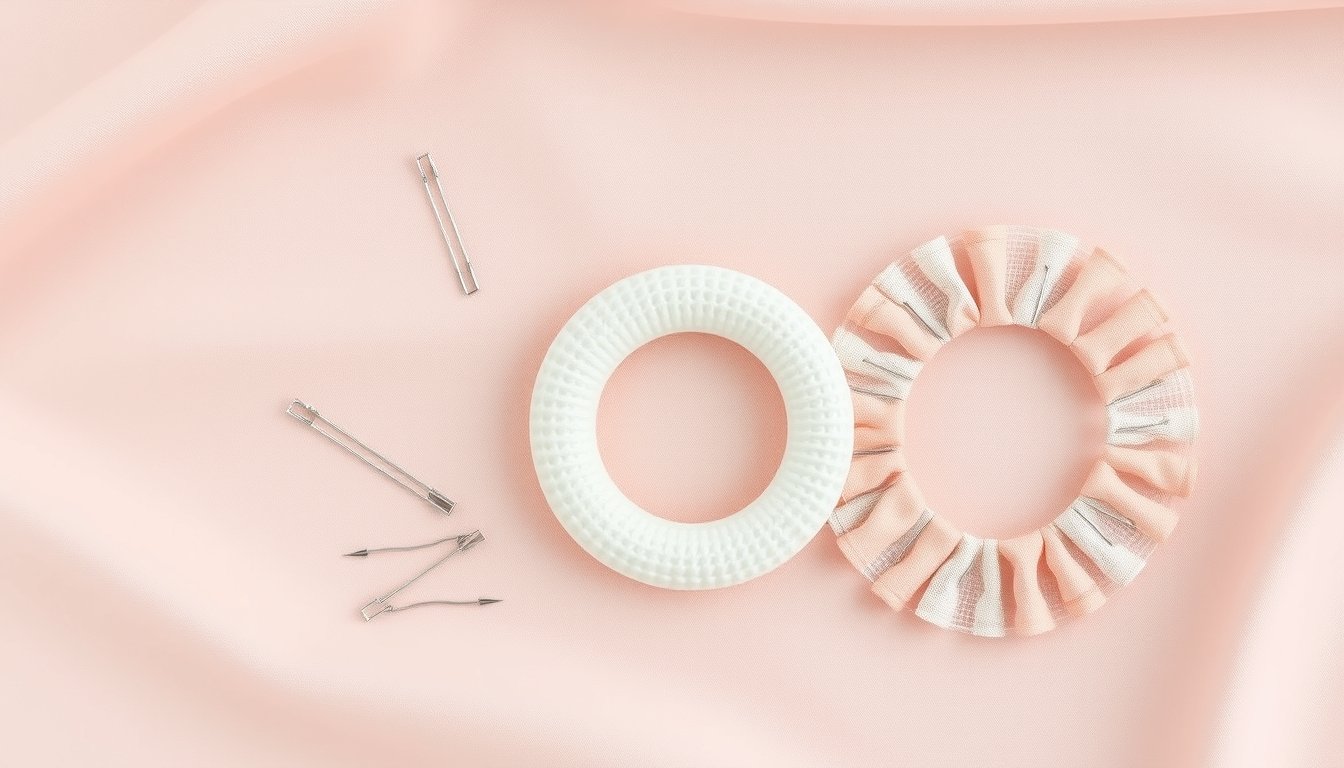
A donut former is a foam or mesh ring placed at the base of the ponytail to create and maintain a round bun shape. The ponytail is pulled through the hole in the donut, fanned out over the surface, and pinned underneath. Without a former, creating a round, even bun is difficult — the hair tends to flatten or shift during class. Formers come in small (for young children and fine hair), medium and large sizes. Choose a size appropriate to the dancer’s hair volume.

For Examinations: What Level of Finish Is Expected?

For everyday class: net + pins is the standard minimum. For examinations: net + pins + bun cover is the expected finish at most RAD schools. For performances: consider gel or edge spray to smooth the hairline, in addition to the full net and cover combination.

For a complete list of bun kit items, see our ballet bun kit guide.

What is a bun cover, and what is a bun maker?

A bun cover is a small mesh, fabric or lace cover that goes over a finished bun to keep it tidy, and sometimes to hide the hair net or pins. A bun maker, also called a bun donut or bun shaper, is a ring or sponge shape that you wrap hair around to build a fuller, rounder bun. Choose a color that matches your hair, and check your school’s rules for exams and performances. For the steps, see how to do a ballet bun and hair nets for ballet buns.

Frequently Asked Questions

What is a bun cover and when is it used?

A bun cover is a fabric or net circle that sits over the finished bun for a polished, covered appearance. It is most common for performances, formal exams and competitions where a neat presentation is important. It adds an extra layer of security over pins and net.

U-shaped pins versus bobby pins — what is the difference?

Bobby pins are small, flat clips that grip a thin section of hair. U-shaped pins (also called hair pins) are longer and more curved, designed to anchor large sections of hair or whole bun sections. Both are needed for a secure exam bun.

How do I stop a hair net slipping off a thin bun?

Double the net over so it sits twice as thick on the bun, and use bobby pins to anchor it to the base of the bun rather than just laying it over the top. A small amount of hair spray applied before placing the net also helps it grip.

nn

Shop at ZoeDancewear

Ballet Hair Bow with Long Ribbons u2014 satin bow with trailing ribbons — adds a finishing touch to any ballet bun. Free shipping over $99 to the US.