Posted on

When Does a Ballet Student Start Pointe Work? Age and Readiness Guide

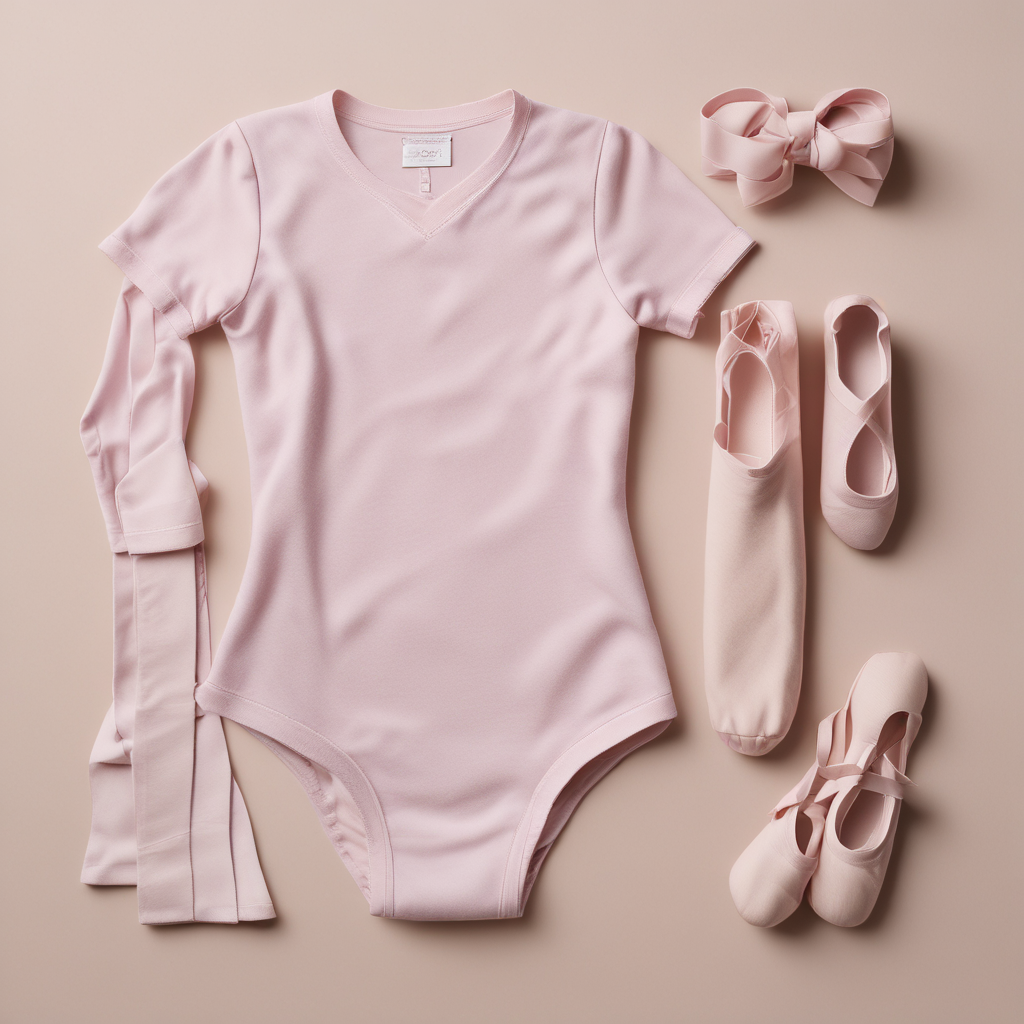
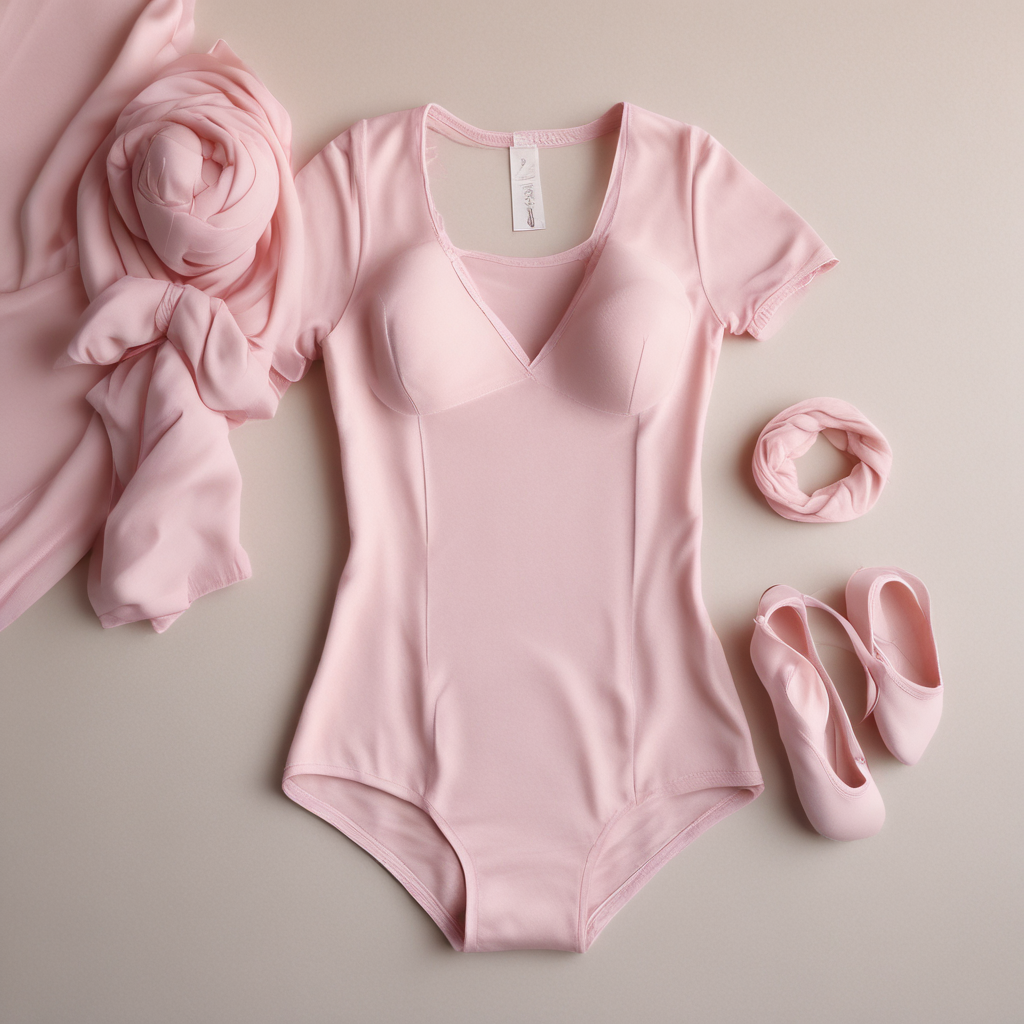
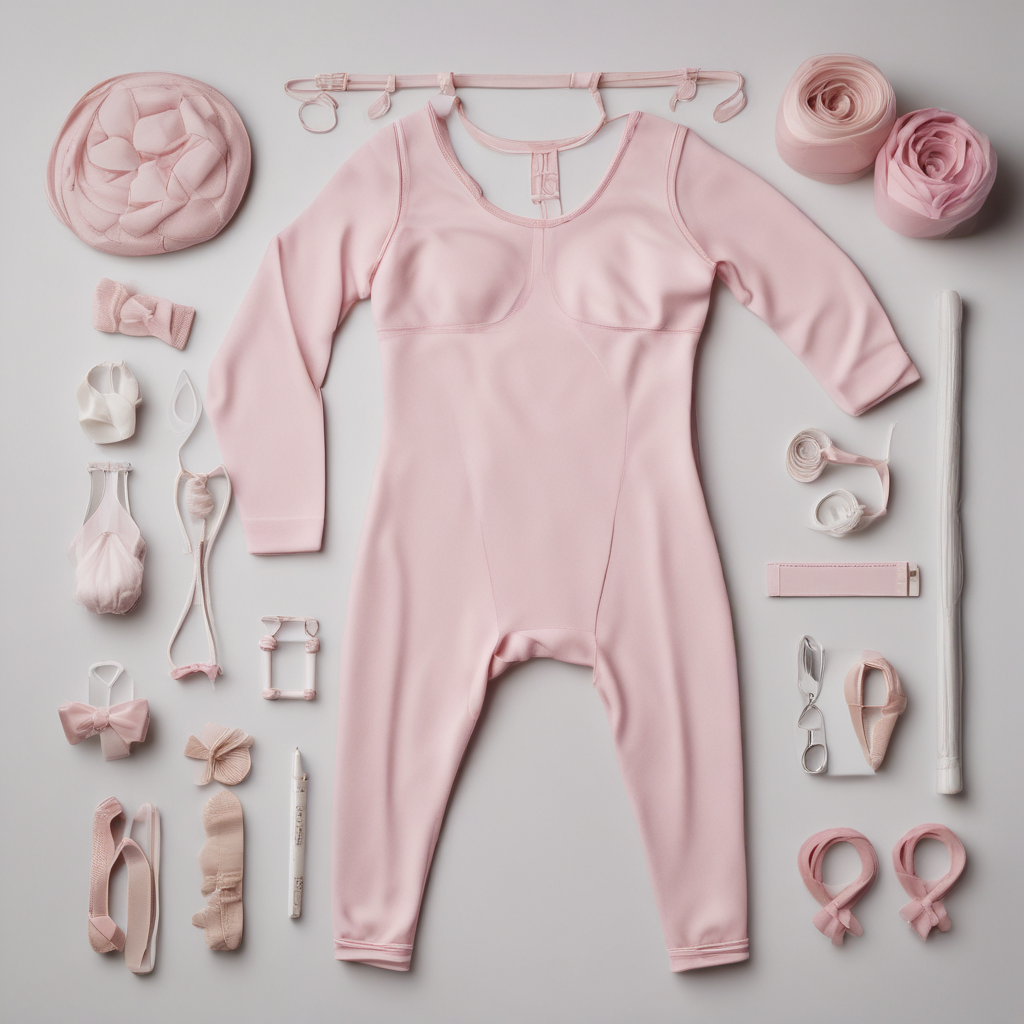
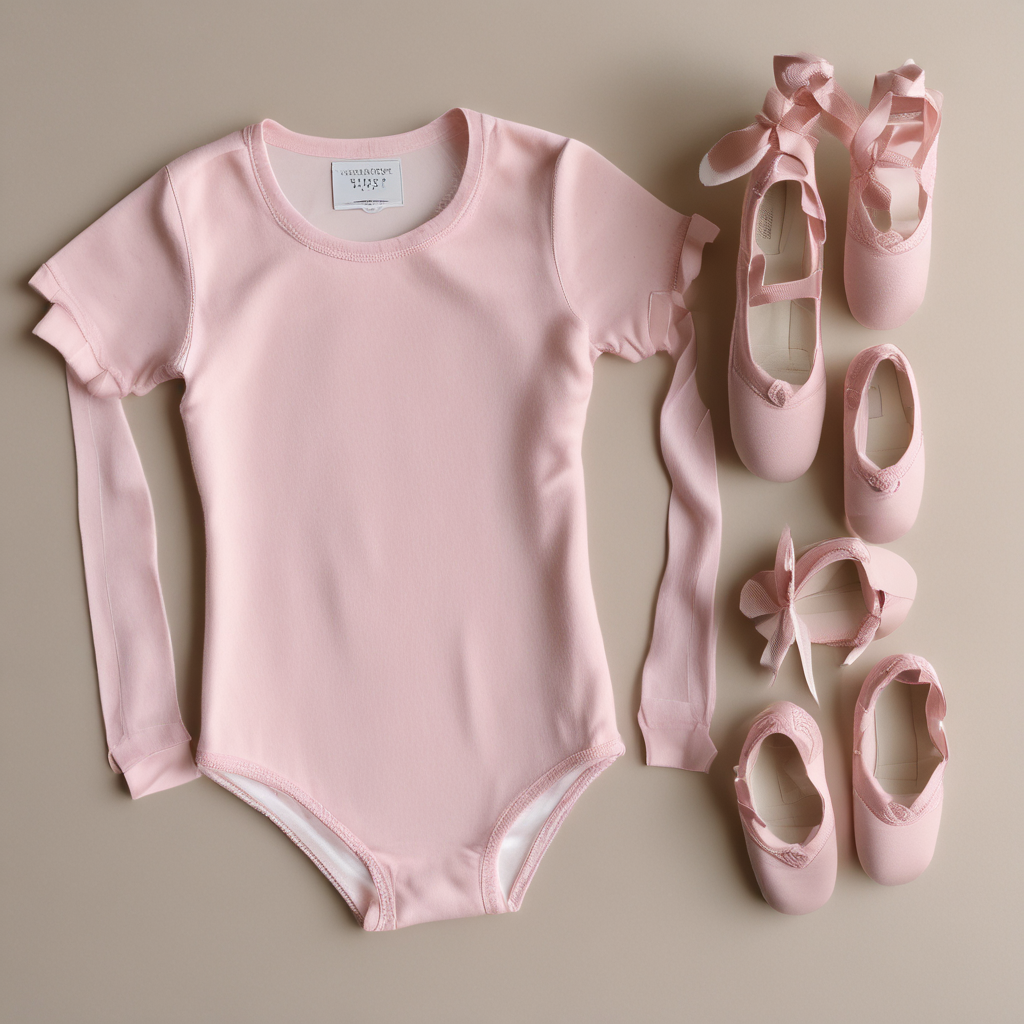
Young dancer ballet kit with canvas shoes and tights suggesting readiness milestone on cream linen

Pointe work is one of the most iconic aspects of classical ballet — and one of the most anticipated milestones for young dancers. But starting too early can cause lasting damage to a child’s developing feet and ankles. The question of when to begin pointe training is both medical and technical, and the decision should always rest with the student’s teacher in consultation with a dance medicine professional where possible.

The Minimum Age Guideline: 11 to 12 Years Old

Most reputable RAD-affiliated and mainstream ballet schools will not put students on pointe before the age of 11 to 12 years old. This guideline exists because the growth plates in a child’s feet (the areas where bones are still forming) typically begin to close around this age. Working on pointe before the growth plates have sufficiently developed risks permanent deformity and stress injuries.

Some organizations set a minimum of 11; others prefer 12. No responsible teacher should begin pointe work with a student younger than 10, regardless of technical ability.

Age Is Not Enough: What Else Must Be In Place

Meeting the age threshold is necessary but not sufficient. Before a student begins pointe work, a qualified teacher will assess:

  • Years of consistent training — usually at least 3–4 years of regular ballet classes (2–3 times per week minimum)
  • Core and ankle strength — the ability to hold a controlled relevé on one foot with no wobbling or sickling
  • Foot and ankle alignment — correct placement without rolling in (pronation) or sickling in or out
  • Demi-pointe position — a well-established demi-pointe with even weight distribution across the toes
  • Balance and control at the barre and in center — pointe requires greater stability demands than flat work

Pre-Pointe Training: What Happens Before Pointe Shoes

Many schools include a dedicated pre-pointe conditioning phase in the year or two before a student begins pointe work. This may include:

  • Theraband exercises for foot and ankle strengthening
  • Balance and proprioception exercises (often done in demi-pointe or on one leg)
  • Core strengthening work
  • Demi-pointe shoes — soft block shoes that mimic the feel of pointe shoes without going on full pointe, helping the foot get used to the positioning

For a detailed guide on demi-pointe shoes, see our Demi Pointe Shoes guide.

Pointe Shoe Fitting: A Specialist Process

When a student is cleared for pointe work by their teacher, the first step is a professional pointe shoe fitting at a specialist dance shop — not a general shoe shop, and not online. Pointe shoes must be fitted in person to account for foot shape, toe length, arch height, and shank strength requirements. A poorly fitting pointe shoe is not just uncomfortable; it can cause blisters, black toenails, bunions, and stress fractures.

How to Support a Student Starting Pointe

As a parent, you can support the transition to pointe by:

  • Ensuring your child attends all classes consistently leading up to pointe
  • Encouraging them to do any pre-pointe exercises the teacher assigns at home
  • Being patient — the fact that a friend started pointe first doesn’t mean your child is behind
  • Not pushing the teacher to start early — they will initiate when the student is ready

Frequently Asked Questions

My daughter is 11 and has been dancing for 4 years. Why hasn’t she started pointe yet?

Age and years of training are starting conditions, not guarantees. If the teacher hasn’t suggested pointe yet, it means they feel there are still strength, technique, or alignment factors to address first. Ask the teacher directly what skills your daughter needs to develop — it’s a reasonable and productive conversation.

Can a student do pointe work at home without a teacher?

No. Pointe work must be supervised by a qualified teacher, especially in the early stages. Unsupervised pointe practice is one of the leading causes of acute foot injuries in young dancers.

My 9-year-old is asking about pointe shoes. What do I tell her?

Explain that pointe shoes are something to look forward to when her feet and body are ready — usually around age 11 or 12. In the meantime, every class she attends is building the foundation she’ll need. Many students find this explanation reassuring rather than disappointing.

Posted on

Ballet Uniform Rules: What Teachers Enforce and Why

Complete RAD ballet class uniform flat lay with leotard tights shoes and belt on cream linen

If you’ve attended a ballet parents’ meeting or read a dance school handbook, you may have been surprised by the level of detail around uniform: specific leotard colors, particular tights, hair in a bun with no flyaways, no jewelry, no logos. For parents new to ballet, this can feel excessive. But every rule in a ballet dress code exists for a reason — and understanding those reasons makes it much easier to get your child dressed correctly every week.

Hair Must Be Secured Away from the Face

Hair in a ballet class must be completely off the face and neck, typically in a neat bun. This rule exists for several reasons:

  • Safety — loose hair can get caught in a partner’s hands during supported work
  • Visibility — teachers need to see the line of the neck, the head position, and the angle of the jaw in profile
  • Focus — repeatedly moving hair out of the face breaks concentration for the student and the class
  • Professional habit — ballet training builds discipline alongside technique, and personal presentation is part of that

Even at Pre-Primary level, hair should be in a bun. For young children with fine hair, clips or a snood may supplement the bun. For tips on achieving a secure bun, see our step-by-step ballet bun guide.

Grade-Specific Leotard Colors

Teachers enforce grade colors because they allow at-a-glance identification of each student’s level. In a mixed-age waiting room or a school with multiple classes at the same time, a teacher can look across the room and immediately see who belongs in which class. More importantly, it removes the distraction of students comparing outfits and focuses attention on movement.

The color system also motivates students — wearing a new color is a tangible sign of promotion and achievement.

No Jewelry in Class

Rings, necklaces, bracelets, and earrings are not permitted in most ballet classes. Stud earrings may be acceptable at some schools if they’re small and flat. The reasons are practical:

  • Necklaces and bracelets can catch on a partner during partnering work
  • Rings can scratch a partner’s skin in contact work
  • Dangling earrings can be pulled out accidentally
  • Shiny or decorative items distract other students

Specific Tights and Shoes

The tights-and-shoes rule isn’t about aesthetics — it’s about uniformity of line. A class in which every student is wearing the same color tights and shoes is visually coherent, allowing the teacher to assess group alignment and symmetry efficiently. Mismatched footwear or tights of different deniers makes the leg line inconsistent and distracts from technique assessment.

No Logos or Branded Casual Wear

Many schools do not permit branded activewear in class — no sports brand logos, no printed t-shirts, no casual gym shorts. This is part of creating a focused, professional environment distinct from a gym or recreation center. Ballet class is a studio, not a playground, and the dress code helps reinforce that distinction for young students.

Talking to Your Child’s School About the Dress Code

If you’re struggling to find a particular item, or if a rule seems unclear, the best approach is to ask the teacher or administrator directly. Most schools are accommodating when a parent is genuinely trying to comply — they’re far less understanding when a parent consistently ignores the policy without explanation.

Frequently Asked Questions

My daughter has sensitive skin and can’t wear certain fabrics. What should I do?

Speak to the teacher privately. Most schools will accommodate genuine medical or sensory needs — they need to know the situation to offer alternatives. Bring a doctor’s note if the school requests one.

Can my son wear shorts to ballet class instead of dance tights?

Some schools allow boys to wear dance shorts or joggers rather than tights, especially in the early grades. Check the specific school’s policy — boys’ uniform rules often differ from girls’.

My daughter’s leotard fits but the teacher says it’s the wrong color. How does this happen?

Leotard shades can look different on screen vs in person. If you ordered online and the color doesn’t match, compare it to the school’s swatch before wearing it to class. Most schools would prefer you return it and get the right shade rather than letting it slide.

Posted on

How to Buy Ballet Shoes Online: Measuring, Sizing and What to Avoid

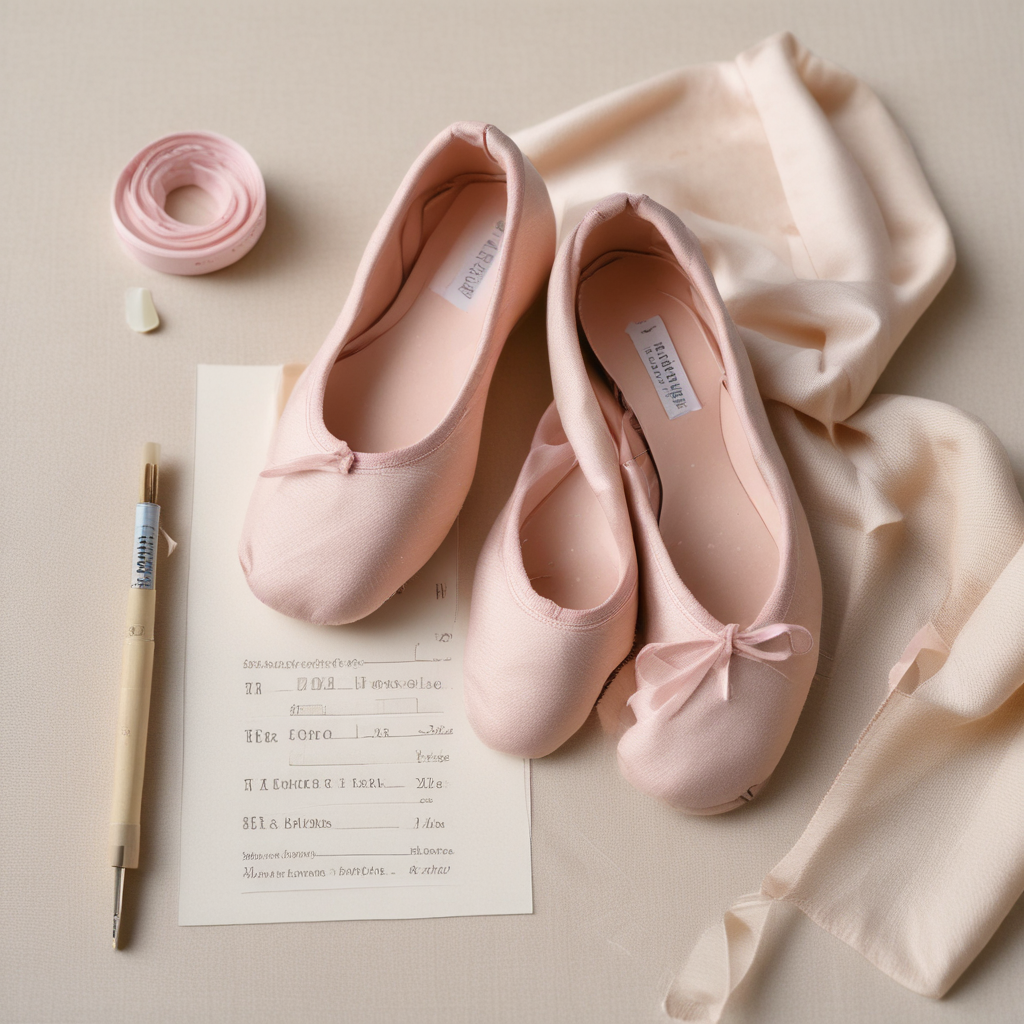
Soft pink canvas ballet shoes with size chart and measuring tape for online buying guide on cream linen

Buying ballet shoes online is faster and often cheaper than going to a specialist store — but it comes with real risks if you don’t know what you’re doing. Ballet shoes that fit incorrectly can affect a child’s technique, cause blisters, and need replacing much sooner than expected. With the right approach to measuring and size selection, you can shop online confidently and get the right fit first time.

Step 1: Measure Your Child’s Feet at Home

You’ll need a piece of paper, a pencil, and a ruler or tape measure.

  1. Place the paper on a hard floor and have your child stand on it with their full weight on that foot
  2. Trace around the foot, holding the pencil vertically — not at an angle
  3. Measure from the heel to the tip of the longest toe in centimeters or inches
  4. Also measure the widest point of the foot (across the ball)
  5. Repeat for the other foot and use the larger measurement

Measure feet in the afternoon or evening when they’re at their largest. Feet swell slightly during the day, just as they do after activity.

Step 2: Use the Brand’s Size Chart, Not General Shoe Sizes

Ballet shoe sizing does not match regular shoe sizing. A child who wears a size 2 in school shoes may need a size 1 or 1.5 in ballet shoes — or a size 3. Every brand has its own size chart, and you should use the chart provided by the brand you’re purchasing from, not a generic conversion table.

Most quality dancewear brands publish their size charts in centimeters and sometimes inches. Match your measured foot length to the corresponding ballet shoe size, then check the width column if available.

Step 3: Account for Growing Room

Ballet shoes are worn snug — but not painfully tight. The traditional fitting guideline is approximately one thumb’s width from the longest toe to the end of the shoe. For children who are growing quickly, buying with one size of growing room is common, but be aware that a shoe that’s too large will cause the foot to slide and won’t give the correct feedback during class.

If your child is between sizes, size up by one. If you’re buying for a child who seems to grow overnight, consider buying two pairs in different sizes at once.

What to Check in the Product Listing

Before adding a ballet shoe to your cart, confirm:

  • Material — canvas, leather, or satin? Canvas is correct for most RAD classes
  • Sole type — full sole or split sole? Check with your teacher which is appropriate
  • Width options — narrow, medium, or wide? If your child has a particularly wide or narrow foot, check the brand offers this
  • Color — pink is standard for girls; white or black for boys depending on the school
  • Elastic or ribbons — most children’s shoes come with elastic; some come with ribbons instead. Check which your school requires

Common Mistakes When Buying Ballet Shoes Online

  • Using regular shoe size without checking the brand’s chart — the most common error
  • Ordering satin shoes instead of canvas — satin is for performance, not class
  • Choosing the cheapest option without checking reviews — very cheap ballet shoes often have poor sole adhesion and fall apart quickly
  • Not measuring both feet — fit to the larger foot
  • Ignoring the return policy — check that the retailer accepts returns on unworn shoes in case the size is wrong

When to Go In Person Instead

For a child’s very first pair of ballet shoes, an in-person fitting at a specialist dance shop is strongly recommended. The fitter can assess foot shape, width, arch, and toe structure to find the best match. Once you know the brand and size that works for your child, repeat orders can safely be done online.

Frequently Asked Questions

My child’s feet are half sizes. How do I handle that when ordering online?

Most ballet shoe brands do not offer half sizes. When you’re between sizes, round up rather than down. A slightly larger shoe can be helped with a small cotton toe spacer or by tightening the elastic; a too-small shoe has no fix.

Can I order two sizes and return one?

Yes, as long as the retailer’s return policy permits unworn returns. This is a practical approach for children in a rapid growth phase. Keep the boxes and tissue, don’t remove the tags, and don’t let your child stand on a hard floor in both pairs before you’ve decided.

How quickly should I reorder when the current shoes feel snug?

As soon as the toes start touching the end. Don’t wait until the shoes are genuinely painful — by that point the child has likely been dancing in uncomfortable shoes for weeks.

nn

Shop at ZoeDancewear

Stretch-Canvas Ballet Shoes u2014 standard sizing with a half-size down guide, easy to order online. Free shipping over $99 to the US.

Posted on

Purple Ballet Leotard: RAD Grade 6, 7 and 8 Uniform Requirements

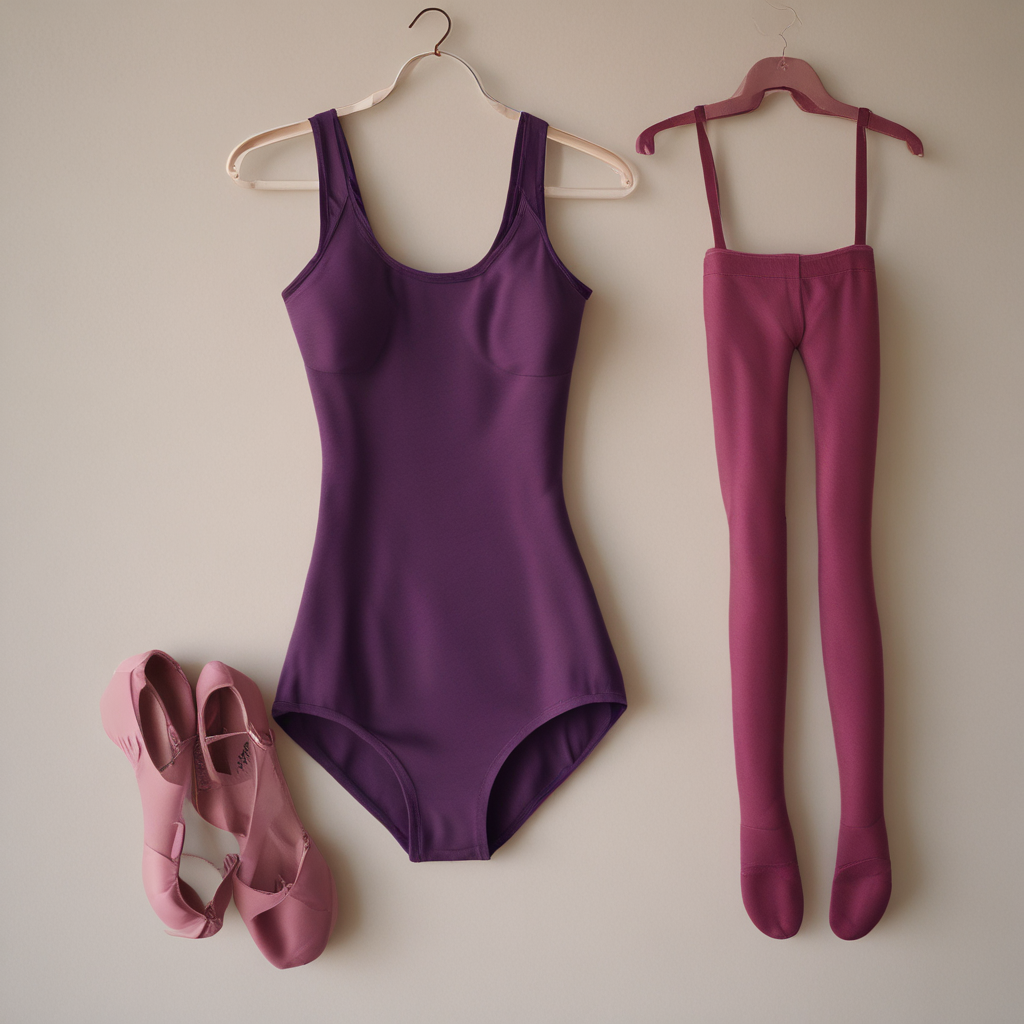
Deep purple and burgundy RAD senior grade ballet leotards flat lay on cream linen

By the time a student reaches RAD Grades 6, 7, and 8, they have dedicated years to technical training and are working toward a high standard of classical ballet. The uniform at this level reflects that seriousness: deeper, more formal colors replace the lighter pinks and lilacs of the earlier grades. Purple and burgundy leotards mark the senior tier of RAD graded examinations, and getting the shade and style right matters.

What Color Is the Grade 6, 7, and 8 Leotard?

RAD Grades 6 through 8 typically use a deep purple, burgundy, or wine-toned leotard. The exact shade varies by school — some use a true royal purple, others a burgundy or plum. This level coincides with more advanced examination work and the beginning of a transition toward vocational study.

In some schools, Grade 6 retains a mid-purple and Grades 7–8 shift to deeper burgundy. Always check the school’s uniform policy for each specific grade, as there is more variation at senior level than in the foundational grades.

Style Requirements at Senior Grade Level

At Grades 6–8, leotard styles become more refined. The most common requirements are:

  • Camisole or low-back style — allowing full visibility of shoulder blades, arm placement, and back line
  • No decorative elements — no lace panels, no sparkle, no added skirts unless the school specifies otherwise
  • Secure straps — the leotard must stay in place during barre work, center work, and allegro combinations

By this level, students are expected to present a clean, professional appearance in class at all times.

Tights, Shoes, and Belt at Grade 6–8

The standard pairing for the senior grade uniform is:

  • Pink footed or convertible tights — standard ballet pink remains correct unless the school specifies flesh-tone
  • Pink or skin-tone canvas or leather ballet shoes — depending on school preference and the teacher’s guidance
  • Elastic belt — this may become optional at some schools by Grade 6, but many still require it
  • Hair — neat bun, no decorative accessories unless specifically permitted

Transitioning to Vocational Level After Grade 8

After completing Grade 8, students who continue RAD training progress to the Vocational Graded examinations: Intermediate Foundation, Intermediate, Advanced Foundation, Advanced 1, and Advanced 2. The uniform at vocational level changes again — typically moving to black or dark navy leotards. For a full breakdown of vocational uniform, see our RAD Vocational Graded Ballet Uniform guide.

Buying a Senior Grade Leotard: Practical Tips

Senior-level students are usually more established in their sizing, but there are still a few things to keep in mind:

  • Measure annually — growth spurts don’t stop at 12, and a leotard that fits in September may be too small by January
  • Deep colors show fading more obviously after washing — follow care instructions carefully and wash at 30°C inside out
  • Inspect stitching and gusset before buying online — senior students train more intensively, so durability matters more

Frequently Asked Questions

Is burgundy the same as purple for RAD Grade 7 or 8?

Not exactly, but in practice many schools use the terms interchangeably. Burgundy is a deeper, wine-red purple; royal purple is a true violet. Check with your school to confirm which shade is expected, as both appear at this grade range.

Does my Grade 6 daughter still need to wear an elastic belt?

This depends on the school. Some schools drop the belt requirement at Grade 5 or 6; others continue it through Grade 8. Ask your teacher directly.

My daughter was promoted from Grade 5 to Grade 6 mid-year. How quickly does she need the new leotard?

Most teachers allow 2–3 weeks grace after a grade promotion. Let your teacher know you’re sourcing the new leotard and they will advise on the expected timeline.

Posted on

White Ballet Leotard: When Do Ballet Dancers Wear White?

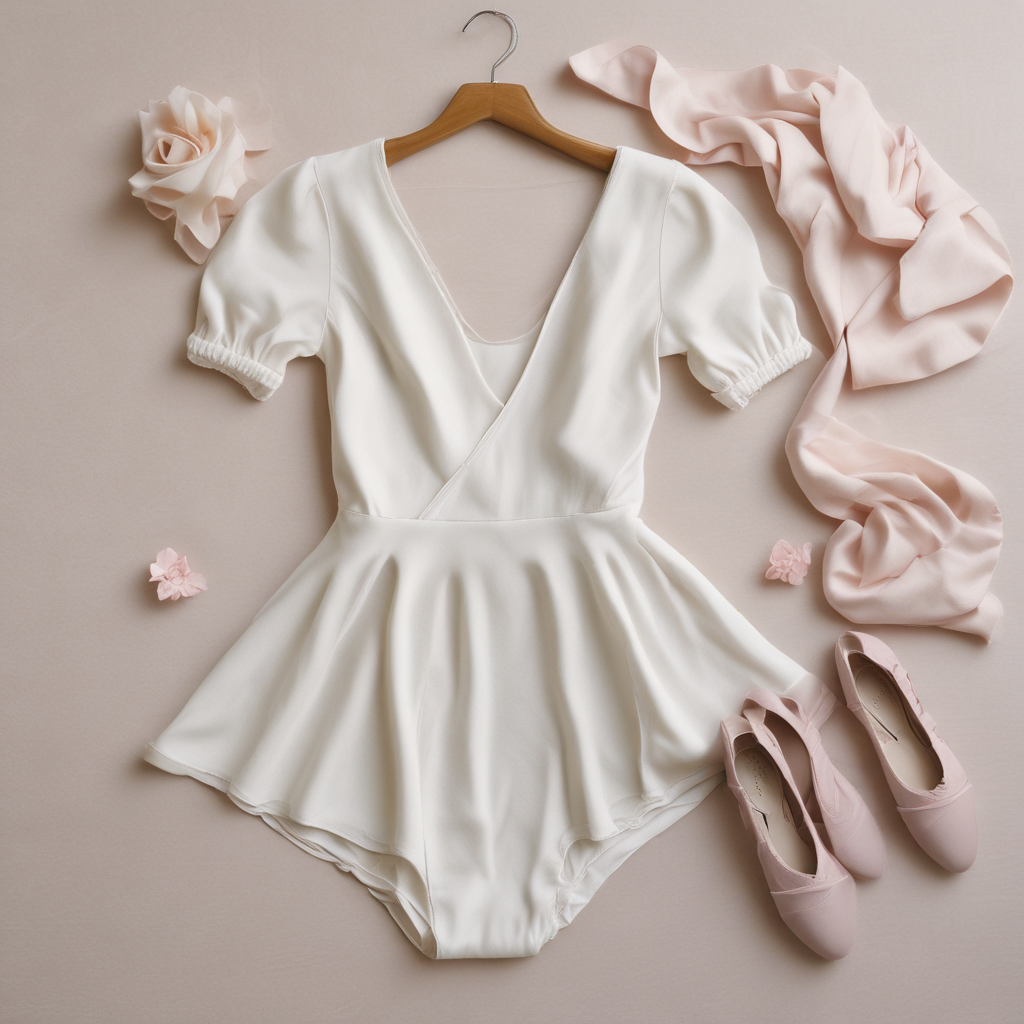
White ballet leotard and white chiffon skirt flat lay for performance on cream linen

You’ve probably seen images of ballerinas in white tutus and leotards and assumed white must be a standard part of ballet training. In practice, white leotards are rarely worn in regular RAD ballet classes — and wearing one when your school expects a specific grade color can cause problems. This guide explains when white leotards are appropriate and when they’re not.

White Leotards and RAD Class: The Short Answer

For RAD graded class, white is almost never the correct leotard color. RAD uses a color-coded uniform system tied to each grade level — pink for Pre-Primary and Primary, blue or lilac for Grades 1–5, purple and burgundy for Grades 6–8, and black for Vocational. White sits outside this system and is not a standard RAD class color at any grade.

If your child’s school has told them to wear a white leotard, this is a specific school decision or relates to a performance, not general RAD policy.

When White Leotards Are Worn in Ballet

There are several contexts where a white leotard is appropriate or even required:

  • End-of-year performances and shows — many schools dress students in white for showcase events, especially younger students performing fairy or swan roles
  • Competition and festival wear — competitions that don’t use a grade uniform often allow or specify white, sometimes with added skirts or accessories
  • Adult ballet classes — adult recreational classes frequently have a relaxed dress code where any plain leotard color is acceptable, and white is a popular choice
  • Photography and studio headshots — white photographs well under studio lighting
  • Some ISTD and BATD schools — other exam boards have different color systems where white may appear at certain levels

What to Look for in a White Ballet Leotard

If you do need a white leotard for a performance or specific purpose, here’s what to consider:

  • Opacity — white fabric must be fully opaque and lined in the body to avoid being see-through under stage lighting
  • Fabric weight — heavier nylon-spandex blends stay white longer than thin, cheaper fabrics
  • Gusset lining — especially important in white, where any lack of coverage is immediately visible
  • Washing care — wash white leotards separately in cold water to prevent graying; never tumble dry

White Tights with a White Leotard

For performances, a white leotard is often paired with white tights rather than the usual ballet pink. White-on-white creates a clean, ethereal look often associated with classical roles like the corps de ballet in Swan Lake. However, for RAD class even if a white leotard were permitted, the standard pink tights would remain correct.

Is White Ever Required for RAD Examinations?

No. RAD examinations follow the grade-specific color uniform. A student sitting a Grade 3 exam, for example, would wear the correct Grade 3 leotard in the school’s specified blue or lilac shade, not white. Arriving in a white leotard for an RAD exam would be a uniform non-compliance issue.

Frequently Asked Questions

My daughter wants a white leotard for everyday class. Is that okay?

Not if her school follows the RAD color-coded uniform system. The grade color is part of the uniform policy, and wearing the wrong color affects how teachers track students’ levels. Save the white leotard for performance or recreational use.

Can I use a white leotard for the school show?

Usually yes — school shows often use white or performance-specific costumes that differ from class uniform. Check with the school what they’re providing and what parents need to source.

What’s the difference between a white ballet leotard and a white gymnastics leotard?

Ballet leotards are cut higher in the leg, lower in the back, and use stretchier fabric to allow for a full range of movement. Gymnastics leotards often have decorative elements and more coverage. For ballet performances, always use a purpose-made ballet leotard.

Posted on

Pink Ballet Leotard: RAD-Approved Colors by Grade

Pink RAD ballet leotard and chiffon skirt set flat lay on cream linen

If your child has just started ballet at a Royal Academy of Dance school, you may have noticed that pink is one of the most common leotard colors you’ll encounter. But not any pink will do. RAD schools follow strict uniform guidelines, and the specific shade and style of pink leotard varies from grade to grade. This guide breaks down exactly which pink leotards are RAD-approved and how to find the right one for your child’s level.

Why RAD Uses Pink Leotards in the Early Grades

The RAD assigns specific colors to each grade as part of their uniform policy. Pink is associated with the foundational levels of training — Pre-Primary, Primary, and Grade 1 — where the focus is on developing basic movement, musicality, and classroom behavior. The soft, traditional pink color reflects the classical nature of ballet training and helps teachers identify students at the correct level at a glance.

As students progress through the grades, the colors shift toward lilac, purple, and eventually darker, more professional tones. Pink is essentially the starting color of the RAD journey.

Pre-Primary: Candy Pink or Pale Pink Leotard

For Pre-Primary students (typically ages 3–5), the standard is a short-sleeved candy pink leotard. This is a bright, clear pink — not hot pink, not dusty rose, but a cheerful mid-tone pink. Most RAD schools specify a crossover or tank-style leotard in this shade. Paired with pink ballet tights and canvas or soft leather ballet shoes, this creates the classic Pre-Primary look.

When shopping, look for leotards labeled “candy pink,” “bright pink,” or “ballet pink.” If in doubt, check the shade against the color swatch provided by your dance school.

Primary Grade: Similar Pink, Often with Specific Style Requirements

At Primary level (ages 5–7), the pink leotard continues, but some schools request a slightly different style — commonly a camisole leotard or one with a specific neckline. The shade typically remains in the candy pink to pale pink range. Your teacher or school will clarify the exact style they prefer.

At this stage, an elastic belt in matching pink or white is often added to define posture and encourage proper alignment.

Grade 1 and Beyond: When Pink Changes

By Grade 1 (ages 6–8), many RAD schools begin to introduce variation. Some continue with pink for Grade 1, while others transition to pale blue or a specific shade assigned by their school. From Grade 2 onward, the uniform color shifts away from pink entirely. Check your school’s handbook for the exact color assigned to each grade, as regional variations exist even within RAD-affiliated schools.

How to Choose the Right Pink Leotard

When buying a pink leotard for RAD class, keep these points in mind:

  • Ask for a color swatch or shade name from your school — “pink” covers a wide spectrum, and the wrong shade stands out in class.
  • Choose dancewear-grade fabric — nylon-spandex or polyester-spandex blends hold their shape and color through washing, unlike fashion leotards.
  • Check the style — some schools prefer short sleeve, others camisole. Avoid spaghetti straps unless the school approves them.
  • Size up if between sizes — leotards are cut snug and can feel tight. A size up gives room for growth without the leotard pulling or riding up.

Common Questions Parents Ask About Pink Ballet Leotards

Frequently Asked Questions

Can my child wear any pink leotard or does it have to be a specific brand?

RAD schools specify color and style, not brand. As long as the shade and style match the school’s uniform guide, any reputable dancewear brand is acceptable. Avoid fashion or gymnastics leotards, which may look similar but are cut differently.

What if I can’t find the exact shade of pink?

Bring a swatch from a leotard you already own and compare it to the school’s sample, or ask the teacher directly. Most schools are understanding if the shade is close, especially for very young beginners who are still growing quickly.

My daughter is between sizes. Should I size up or down?

Always size up for leotards. A slightly larger leotard looks neat and allows for growth, while a too-small leotard restricts movement and causes discomfort during class.

Does the pink leotard need to match the pink tights?

Ideally yes — a candy pink leotard pairs with ballet pink tights (a standard shade sold by all major dancewear brands). The two pinks are close but not identical, and that’s fine. No one expects a perfect match.

Posted on

Lilac Ballet Leotard Guide: Which RAD Grades Wear Lilac?

Lilac RAD Grade 4-5 ballet leotard and skirt set flat lay on cream linen

The transition from blue to lilac marks a significant step in a young dancer’s RAD journey. Lilac leotards are typically introduced at Grade 4 or Grade 5, depending on the school, and they carry a more mature, elegant feel than the candy pinks and pale blues of earlier grades. If your child has recently been promoted to Grade 4 or 5 and you’re trying to find the right lilac leotard, this guide covers everything you need to know.

Which RAD Grades Wear Lilac?

In standard RAD uniform practice, lilac is assigned to Grade 4 and Grade 5. Some schools use the same shade for both grades; others make a subtle distinction. The shift to lilac signals the transition into the intermediate tier of RAD training, where technique becomes more demanding and performance quality is assessed more rigorously in examinations.

If you’re unsure whether your child’s school uses lilac for Grade 4 or Grade 5 specifically, ask the teacher. Individual schools may also use pale lavender or soft purple in this range, so always confirm the exact shade.

What Shade of Lilac Is Correct?

The RAD-approved lilac is a soft, medium-toned purple-pink — not gray-lavender, not dusty mauve, and not deep purple. It reads as a gentle lilac in natural light, similar to the color of lilac flowers. Shade names vary by brand: “lilac,” “soft lilac,” “ballet lilac,” and “pale violet” are all terms used for approximately the same color.

The best approach is to compare swatches in person before purchasing, or to buy from a brand already used by other families at the same school so you can check side by side.

Style Requirements for Grade 4 and 5 Leotards

By Grade 4, most RAD schools expect a more streamlined leotard style — typically a camisole or low-back leotard rather than the short-sleeved styles worn in lower grades. The transition away from sleeves reflects the increased focus on port de bras (arm movement) and line assessment at exam level. A sleeveless or camisole cut allows teachers to observe shoulder placement and upper body alignment more easily.

Some schools also ask for a specific back style, so check the school’s written uniform policy before purchasing.

What to Pair with a Lilac Leotard

The standard pairing for a lilac leotard is:

  • Pink ballet tights — standard ballet pink footed or convertible tights remain correct across all RAD grades unless otherwise specified
  • Pink canvas or leather ballet shoes — tied neatly with an elastic or ribbon depending on school preference
  • Elastic belt — in pink or white, still required at Grade 4–5 in most RAD schools
  • Hair in a bun — securely pinned, with no loose strands

Buying the Right Lilac Leotard: What to Look For

When shopping for a Grade 4 or 5 leotard, look for these features:

  • Fabric: nylon-lycra or polyester-spandex for shape retention and easy washing
  • Gusset: a lined gusset is important for comfort in class, especially at this more active training level
  • Sizing: dancewear runs small — measure your child’s chest, waist, and height against the size chart and size up if between sizes
  • Shade: compare to the school’s sample before purchasing online if possible

Frequently Asked Questions

Is lilac the same as lavender for ballet leotards?

They’re very similar but not identical. Lavender tends to be a softer, grayer tone, while lilac is a slightly warmer, more pink-purple. For RAD purposes, both terms are often used interchangeably. Check your school’s swatch to confirm.

My child is starting Grade 4 in September. When should I buy the new leotard?

Buy it 2–3 weeks before term starts so you have time to exchange if the size or shade isn’t right. Don’t wait until the week before — dancewear sizes sell out quickly at the start of term.

Can my daughter wear her old blue leotard until the lilac one arrives?

Most teachers are understanding for the first week or two of a new grade. Communicate with the school in advance and they’ll usually give a short grace period.

Posted on

RAD Vocational Graded Ballet Uniform: What to Buy

RAD Vocational Graded Ballet Uniform: What to Buy

RAD Vocational Graded examinations — Intermediate Foundation, Intermediate, Advanced Foundation, Advanced 1 and Advanced 2 — mark a significant step up from graded work. At this level, the uniform is more tailored, the expectations more precise, and the stakes higher. This guide covers everything a student and parent needs to know when purchasing for vocational examinations.

What Is the RAD Vocational Graded Syllabus?

Vocational Graded exams sit above the Grade 1–8 series and are designed for students pursuing ballet seriously, typically from around age 13 upwards. They prepare dancers for professional training pathways. The exams assess technical precision, artistry and musicality at a level beyond graded work.

There are five vocational levels in order:

  1. Intermediate Foundation (IF)
  2. Intermediate
  3. Advanced Foundation (AF)
  4. Advanced 1 (Adv 1)
  5. Advanced 2 (Adv 2)

Leotard Requirements at Vocational Level

The RAD specifies particular leotard colors and styles for vocational examinations. These differ by level and are updated with each syllabus edition, so always confirm with your teacher before ordering.

As a general guide under current RAD specifications:

  • Intermediate Foundation and Intermediate: Typically a mid-blue or sky-blue leotard
  • Advanced Foundation: A darker or richer blue tone, often royal or sapphire
  • Advanced 1 and Advanced 2: Black camisole leotard is standard at these levels

Leotard style matters at vocational level. A camisole (sleeveless, low-back) cut is the norm for most vocational exams, as it allows examiners to assess alignment, shoulder placement and upper-body lines clearly. Avoid decorative details such as lace trims, bows or mesh panels unless specified by your school.

Skirt and Tutu Requirements

At vocational level, students typically wear a long or short mesh practice skirt depending on the specific exam. For most vocational graded exams, a black or matching-color wrap skirt in chiffon or georgette is worn. Some schools use a short classical tutu for specific sections.

Always confirm the skirt style and length required for your student level directly with the teacher, as requirements can vary by school.

Ballet Shoes for Vocational Students

By the time a student reaches vocational level, they are almost certainly on pointe. Pointe shoes are required for all female vocational exam candidates, and the fitting must be professionally done. Do not attempt to select pointe shoes without a trained fitter, as poorly fitted shoes cause injury.

Male vocational students typically wear black full-sole or split-sole canvas ballet shoes. White canvas or leather shoes may be specified for certain syllabus sections — check with your teacher.

Tights and Accessories

Pink ballet tights (not theatrical pink — standard pink) are standard for female vocational students. Fishnet tights are worn in some character sections. A white or nude-tone leotard undergarment is sometimes worn underneath, and a ballet belt is typically worn at vocational level to emphasize line and correct uniform appearance.

Hair must be in a neat, secure ballet bun at all times during vocational examinations. Use a hair net, pins and bun spray as needed.

Where to Buy Vocational Ballet Uniform

Vocational students usually need a higher-specification version of standard items: a better-fitting leotard, more reliable pointe shoes, and polished accessories. At Zoe Dancewear, our leotard range includes black camisole styles with clean finishes suitable for Advanced 1 and Advanced 2 examinations. Our elastic belts, chiffon skirts and hair accessories are used by vocational students in multiple countries.

Frequently Asked Questions

Do vocational RAD exams have stricter uniform rules than graded exams?

Yes. At vocational level, the RAD typically specifies exact leotard colors per exam level, and examiners look at presentation as part of the overall assessment. The tolerance for variation is lower than at graded level. Always confirm exact requirements with your teacher before purchasing.

Can a student wear the same leotard for all vocational exams?

No. The leotard color changes at different vocational levels. A student progressing from Intermediate Foundation to Advanced 2 will need different leotards for at least two or three levels. Plan for this when budgeting.

When should pointe shoes be fitted for a vocational exam?

Allow at least 6–8 weeks before the exam date for a professional fitting, breaking in the shoes, and teacher approval of the fit. Last-minute fittings often result in poorly broken-in shoes that affect technique during the exam.

Is a ballet belt compulsory at vocational level?

It is not always specified in the RAD syllabus uniform notes, but many teachers require it as part of correct presentation. A smooth, matching-color elastic belt helps define the waist line and is standard practice at advanced levels.

Posted on

Ballet Tights Size Guide: How to Find the Right Size for Your Child

Ballet tights size guide – pink footed tights folded with measuring tape flatlay

Ballet tights are one of the most frequently reordered items in a dancer’s kit — and one of the most commonly bought in the wrong size. Too small and they roll down, restrict movement or ladder quickly. Too large and they bag at the ankles and knees, looking untidy for class and examinations. This guide explains how to measure correctly and choose the right size every time.

How Ballet Tights Are Sized

Most ballet tights for children are sized by height in centimeters (cm) or by age, and sometimes by a combination of both. Adult tights are typically sized by height and waist or hip measurement. Sizes vary between brands, so always check the specific size chart provided by the manufacturer rather than assuming sizes are consistent across products.

Common children’s sizing categories:

  • Height-based (e.g. 92–104cm, 104–116cm): Most reliable for ballet tights as height affects the crotch-to-waist length most directly
  • Age-based (e.g. 2–4 years, 5–7 years): Useful as a starting point but less reliable as children vary in height
  • XS/S/M/L/XL: Used for teen and adult tights; check whether these correspond to height or waist

How to Measure Your Child for Ballet Tights

Take three measurements for the most accurate size selection:

  1. Height: Have your child stand straight against a wall without shoes. Measure from the floor to the top of the head in centimeters.
  2. Waist: Measure around the natural waist — the narrowest point above the hips. Keep the tape snug but not tight.
  3. Hip/Seat: Measure around the fullest part of the hips and bottom.

For most children’s ballet tights, height is the primary measurement. If your child’s height falls between two sizes, size up rather than down. Ballet tights have stretch, and a slightly larger size will accommodate growth and wash-and-wear stretch better than a size that starts tight.

Footed vs Convertible Tights: Does Sizing Differ?

The sizing process is the same for footed, convertible and stirrup styles. However, with convertible tights, a slightly longer leg length is less noticeable because the foot hole can be rolled up. With footed tights, a poor foot-to-leg fit is immediately visible, so accurate sizing matters more.

What Color Ballet Tights Does Your Child Need?

The color is determined by the exam board and school. For RAD examinations:

  • Pre-Primary and Primary: Pink tights (standard ballet pink)
  • Grades 1–5: Pink tights
  • Grades 6–8: Pink tights (some schools specify theatrical pink or flesh tone)
  • Vocational: Pink tights; flesh/skin-tone in some sections

If you are unsure, ballet pink is the safe default for RAD graded work. Skin-tone tights are usually only required for vocational level or performance work.

How Many Pairs Does a Ballet Student Need?

For regular weekly class, two pairs minimum is practical — one to wear and one clean spare. For students preparing for exams, three pairs is better: one to wear to the exam, one backup, and one for class. Ballet tights are delicate and can ladder unexpectedly, so having a spare on exam day is essential.

How to Make Ballet Tights Last Longer

Wash at 30°C in a mesh laundry bag on a gentle cycle. Turn inside out before washing. Do not tumble dry — lay flat or hang to dry. Do not use fabric softener, which weakens elastane fibres over time. Trim fingernails before putting tights on, as sharp edges are a common cause of laddering.

How do I read tights sizes?

Tights sizes are usually based on height and weight, not shoe size. Measure your height and weight, find the range on the size chart and choose the size that covers both. If you are between sizes, choose the larger one for comfort and a smoother fit at the knee. Check each brand’s chart, as sizes differ. For footed styles, see our footed ballet tights.

Frequently Asked Questions

Should I size up or down when buying ballet tights?

Size up when in doubt. Ballet tights will stretch slightly with wear, and a pair that starts tight will become uncomfortable quickly and is more likely to ladder. A slightly generous size wears better and lasts longer.

My child is tall but slim — which measurement do I use?

Use height as the primary measurement. Most ballet tights are designed for a range of builds and the waistband is elasticated to accommodate variation. If your child is significantly outside the typical height-to-waist ratio, try a size based on height and adjust the waistband with a safety pin inside if needed.

How often should ballet tights be replaced?

With regular class use (once or twice a week), well-maintained tights typically last a full term (10–12 weeks). They should be replaced sooner if they develop visible thinning, repeated ladders, or have lost elasticity and bag at the knees or ankles.

Do ballet tights shrink in the wash?

Some shrinkage is possible if washed at high temperatures or tumble dried. Wash at 30°C or below on a gentle cycle and air dry to maintain the original size and shape.

nn

Shop at ZoeDancewear

Footed Ballet Tights for Girls and Adults u2014 available in S to 2XL, see the size chart for the right fit. Free shipping over $99 to the US.

Posted on

RAD Exam Day Checklist: Everything Your Child Needs

RAD exam day checklist – ballet uniform items laid out ready for examination day

RAD ballet examinations are a significant milestone for any young dancer. Months of preparation go into mastering the syllabus, and the last thing any family wants is for exam day to be disrupted by a missing item or a wardrobe malfunction. This checklist covers everything your child needs to arrive prepared, composed and dressed correctly.

The RAD Exam Checklist: At a Glance

  • Correct leotard for the grade (right color and style)
  • Ballet skirt or dress if required for the grade
  • Clean, correct-color ballet tights (bring one spare pair)
  • Ballet shoes — fitted, broken in, with secure elastics
  • Ballet belt if required by the school
  • Hair in a secure ballet bun with net, pins and bun spray
  • Grade-specific hair accessories (ribbons or bows if required)
  • Exam number bib if issued by the school
  • Warm-up clothes (cardigan, leg warmers, booties) for waiting
  • Water bottle with a secure cap

Uniform: Grade-by-Grade Quick Reference

The correct uniform varies by RAD grade. Use this as a double-check the morning of the exam — always confirm with your teacher in advance as colors are updated between syllabus editions.

  • Pre-Primary and Primary: Pink leotard, pink tights, pink ballet shoes (full sole)
  • Grades 1–2: Royal blue or sky blue leotard, pink tights, pink ballet shoes
  • Grades 3–5: Burgundy or raspberry leotard, pink tights, pink ballet shoes
  • Grades 6–8: Purple leotard with long skirt, belt and bow

Shoes: What to Check the Night Before

Inspect ballet shoes the evening before the exam:

  • Check elastics are securely sewn and have not frayed or snapped
  • Check drawstring is intact and tied correctly
  • Ensure shoes are clean — canvas shoes can be spot-cleaned with a damp cloth and left to dry overnight
  • Confirm the shoes fit well — do not put a child in shoes that are too tight hoping they will stretch

Hair: Prepare the Night Before

Ballet bun preparation is one of the most time-consuming parts of exam morning. For students with longer or thicker hair, prepare the bun the night before where possible, or at minimum have all equipment laid out and ready:

  • Fine-tooth comb and detangling spray
  • Hair ties and secondary elastic
  • Hairpins in matching hair color
  • Hair net in matching color
  • Bun spray or hairspray for flyaways
  • Grade-specific hair accessories (ribbons, bows)

What to Bring for Waiting Time

Exams often involve a waiting period before the student enters the examination room. Bring:

  • Warm-up clothes that are easy to remove quickly — a wrap cardigan, not a pullover jumper
  • Leg warmers and warm-up booties to keep muscles warm while waiting
  • Water bottle — hydration is important, avoid carbonated drinks
  • A quiet activity for waiting such as reading or drawing

What Not to Bring

  • Jewelry — rings, necklaces, stud earrings beyond small sleepers are usually not permitted
  • Nail polish or makeup (unless your school specifies otherwise for Grades 6+)
  • Perfume or strong-scented products — distracting in a small exam room
  • Food or drinks to be consumed in the exam room

The Night Before: Final Checklist

  1. Lay out all uniform items (leotard, tights, skirt/belt/bow, shoes)
  2. Check shoes and repair any loose elastics
  3. Wash and dry tights if needed
  4. Pack bag with spare tights, water, snack, hair kit
  5. Set alarm to allow enough time for hair before leaving the house

Frequently Asked Questions

What happens if my child wears the wrong uniform to a RAD exam?

The examiner may note the discrepancy, and in some cases it can affect the presentation mark. More importantly, a child who is aware they are incorrectly dressed may become anxious, which can affect performance. Always double-check with the teacher a week before the exam — not on the day.

Can my child wear makeup to a RAD exam?

For graded exams (Pre-Primary through Grade 8), makeup is generally not worn. For vocational exams and performance assessments, light stage makeup may be appropriate. Check your school’s policy and the current RAD guidelines for the specific exam your child is taking.

How early should we arrive on exam day?

Aim to arrive 20–30 minutes before the scheduled exam time. This allows for changing, a brief warmup if permitted, and settling nerves without rushing. Confirm the call time with your teacher or the exam center directly.

What if tights ladder on exam day?

Always pack a spare pair of tights. Clear nail polish dabbed on a small ladder can stop it spreading temporarily if no spare is available. Most exam centers will allow a brief delay for a quick change, but do not rely on this — bring a spare.