Posted on

Baby Blue Ballet Leotard: Which RAD Grades Wear Blue Uniform?

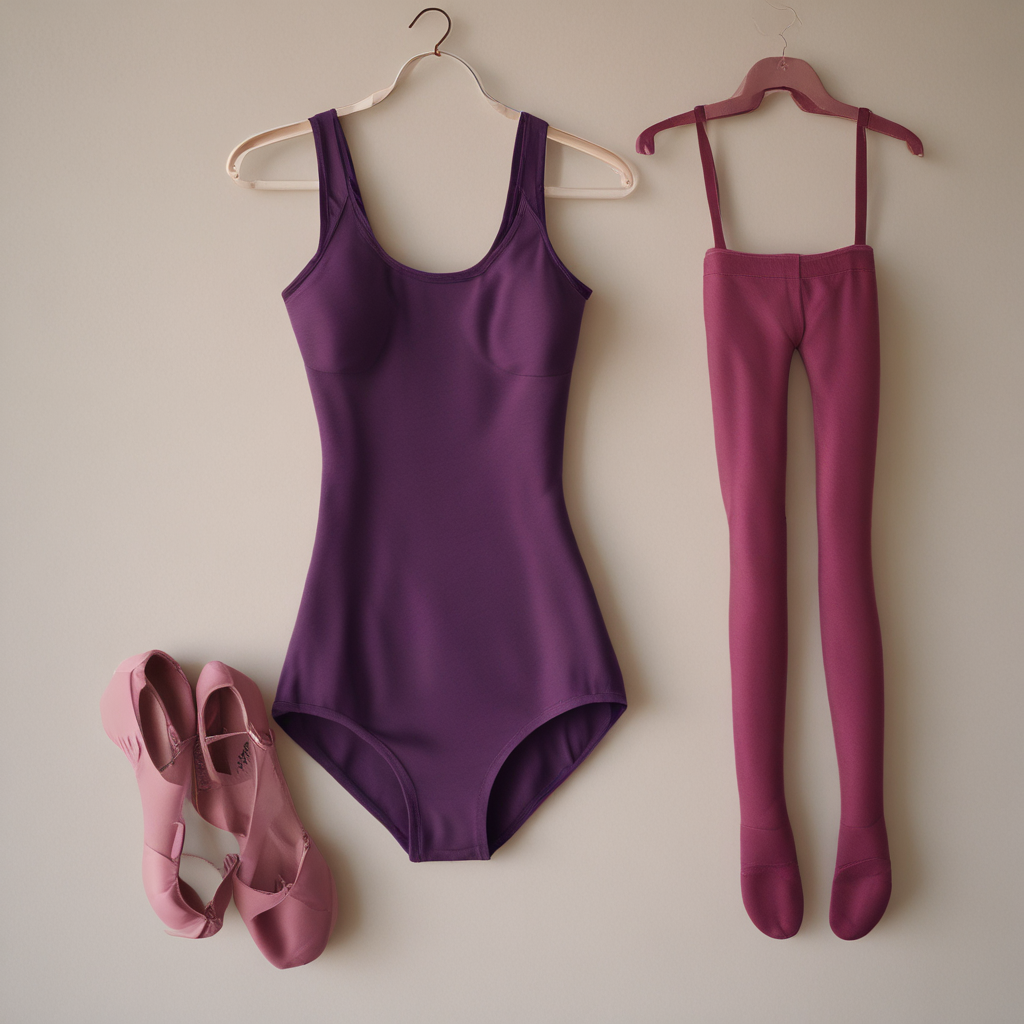
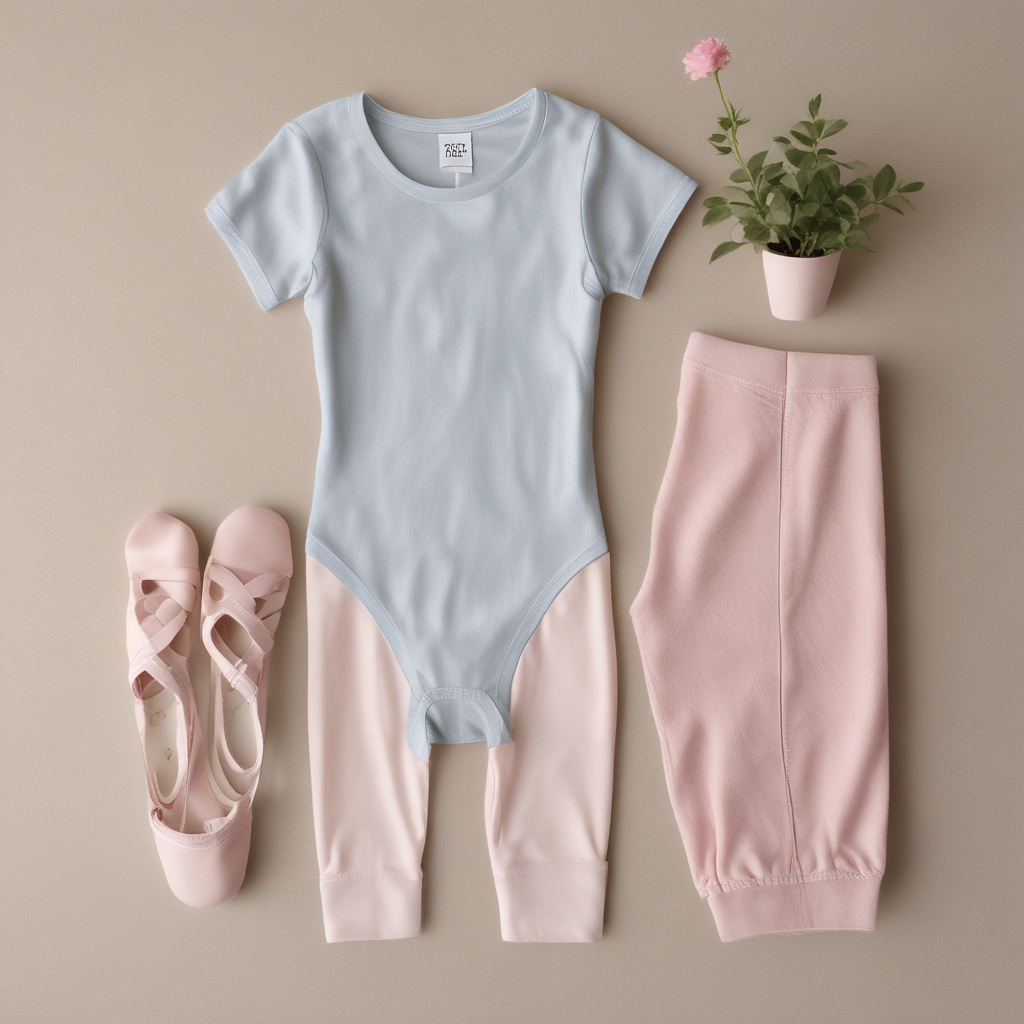
Baby blue RAD ballet leotard with pink tights and shoes for early grades on cream linen

Baby blue and pale blue ballet leotards appear across the RAD syllabus at several grade levels, making blue one of the most frequently requested uniform colors for young ballet students. If your child has just been told they need a blue leotard, here is exactly what you need to know.

Which RAD Grades Wear Blue?

The RAD color coding system assigns specific leotard colors to grade levels to help teachers immediately identify a student’s stage of training. Blue shades — ranging from pale sky blue to baby blue — are used at the early grades of the Primary and Grade 1 syllabus in many UK and international RAD-affiliated schools.

However, it is important to note that while the RAD provides guidance on uniform, individual dance schools often apply their own specific shade preferences or may use blue at a slightly different grade than the national standard. Always check your child’s specific school uniform policy first. The school’s policy is the definitive reference, not a general grade chart.

What Shade of Blue Is Correct?

RAD uniform guidance refers to a soft, pale blue rather than a bright or navy blue. The correct shade is sometimes described as cornflower blue, sky blue, baby blue or powder blue depending on the school and era of their uniform policy. If the school has a preferred supplier, buying directly from that supplier is the surest way to match the exact shade.

If buying from a general dancewear retailer, bring a sample of the existing uniform or ask the school office for a color reference before purchasing online. Shades that look similar on screen can differ significantly under studio lighting.

What Goes With a Blue Leotard?

In RAD uniform, the leotard is typically worn with:

  • Pink footed ballet tights (the standard for most RAD grades from Pre-Primary through Grade 5)
  • A pink chiffon wrap skirt at certain grade levels (confirm whether the school requires a skirt at this stage)
  • Soft pink canvas ballet shoes
  • Hair in a neat bun with a matching or neutral hair accessory

The contrast of baby blue with pink tights and shoes is the classic RAD junior uniform appearance and is immediately recognisable in any RAD dance school setting.

Blue Leotard Styles for Ballet

For RAD class use, the leotard style is typically a short-sleeve or capped-sleeve design with a round or scoop neckline. Cap sleeve and short sleeve styles are the most common for younger students because they give freedom of arm movement while maintaining a tidy, covered appearance. Sleeveless styles may be permitted at higher grades — confirm with the school.

The leotard should be in a smooth nylon-elastane fabric rather than cotton for class use. See our guide on cotton vs nylon ballet leotard fabrics for why nylon performs better in an active class setting.

Boys in Blue?

Male RAD students at early grade levels typically follow a different uniform — usually a white fitted top and black shorts or tights rather than a colored leotard. If you have a son in RAD ballet, check his school’s specific boys’ uniform policy. Our guide on boys’ ballet class outfits covers the male uniform in detail.
Posted on

Lace Ballet Leotard: Styles, When It Is Worn, and How to Choose

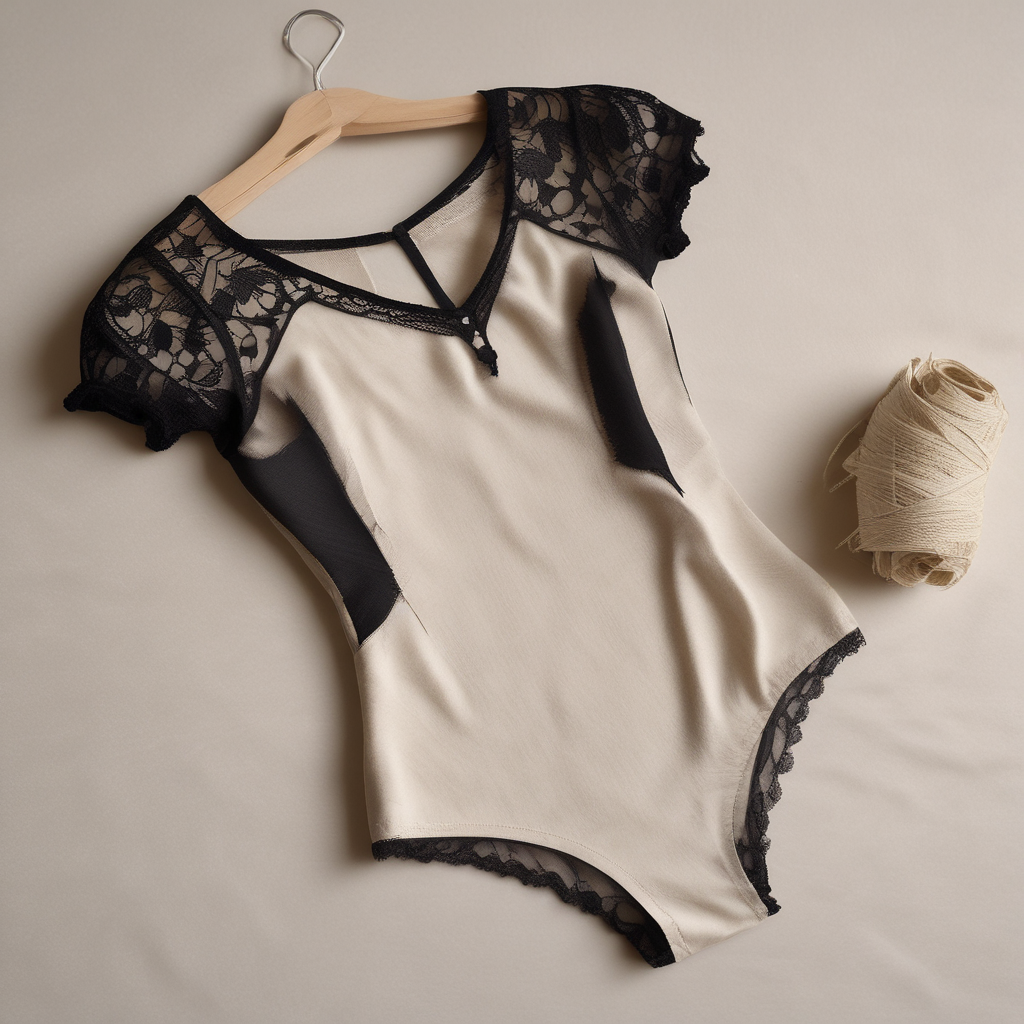
Black lace ballet leotard with delicate lace detail flat lay on cream linen

Lace ballet leotards are among the most visually striking options in dancewear. The delicate texture catches light beautifully on stage, and the pattern adds a sense of elegance that plain fabric cannot replicate. But lace is not always appropriate for everyday class use, and choosing when and how to wear it makes the difference between an appropriate uniform choice and one that draws a teacher’s correction.

When Is a Lace Leotard Worn in Ballet?

Lace leotards are most commonly worn for:

  • End-of-year performances and showcases — where the visual impact matters more than technical uniformity
  • Examinations at vocational level — some RAD vocational syllabi allow more expressive uniform choices
  • Adult ballet classes — where uniform codes are generally less strict than children’s classes
  • Photoshoots and performances — where aesthetic appeal is the primary consideration

For standard RAD graded classes in Pre-Primary through Grade 8, a plain leotard in the correct grade color is almost always required. Lace panels are generally not permitted as a substitute for the plain leotard specified in the RAD dress code. Always confirm with your child’s teacher before purchasing a lace leotard for class use.

Types of Lace Used in Ballet Leotards

Stretch lace panels: The most practical option, stretch lace panels are incorporated into specific sections of the leotard — across the back, along the neckline, or at the sleeves — while the main body of the leotard remains in a solid stretch fabric. The combination gives the visual interest of lace without sacrificing the fit and performance of a standard leotard.

All-over lace with lining: Some leotards use lace across the entire outer surface, with a solid lining underneath for coverage. These tend to be less breathable and are generally reserved for performance and photoshoot use rather than active class wear.

Lace trim and appliqué: Decorative lace at the neckline, hem or sleeve edges of an otherwise plain leotard. This is the most subtle approach and may be permitted in some class settings where all-over lace would not be.

Caring for Lace Leotards

Lace requires more careful handling than plain stretch fabric. Hand wash in cool water with a gentle detergent, supporting the lace panels as you rinse rather than wringing or scrubbing. Do not machine wash unless the garment label specifically permits it. Lay flat to dry — hanging a lace leotard while wet can stretch the lace out of shape. Store folded rather than on a hanger for the same reason.

What Colors Are Available?

The most common colors for lace ballet leotards are black and white, which photograph and perform particularly well under stage lighting. Pink, nude and lilac lace leotards are also widely available and suit a ballet aesthetic. For performances that use costume-specific colors, custom or bespoke options exist, but for general purpose use the neutral palette is the most versatile.

Black Lace Leotard for Ballet

A black lace leotard is a popular choice for adult ballet students, contemporary class, and senior RAD vocational levels. Black lace catches light differently from plain black fabric and gives a more dramatic appearance, which suits more expressive or contemporary choreography. For younger students, black is typically reserved for RAD Grade 6 and above or adult classes — confirm with the school’s dress code. Our RAD color guide covers which grades wear which base colors.

nn

Shop at ZoeDancewear

Girls Sleeveless Ballet Leotard u2014 scoop-back silhouette, a clean base for layering or performing. Free shipping over $99 to the US.

Posted on

Cotton vs Nylon Ballet Leotard: Which Fabric Is Best for Class?

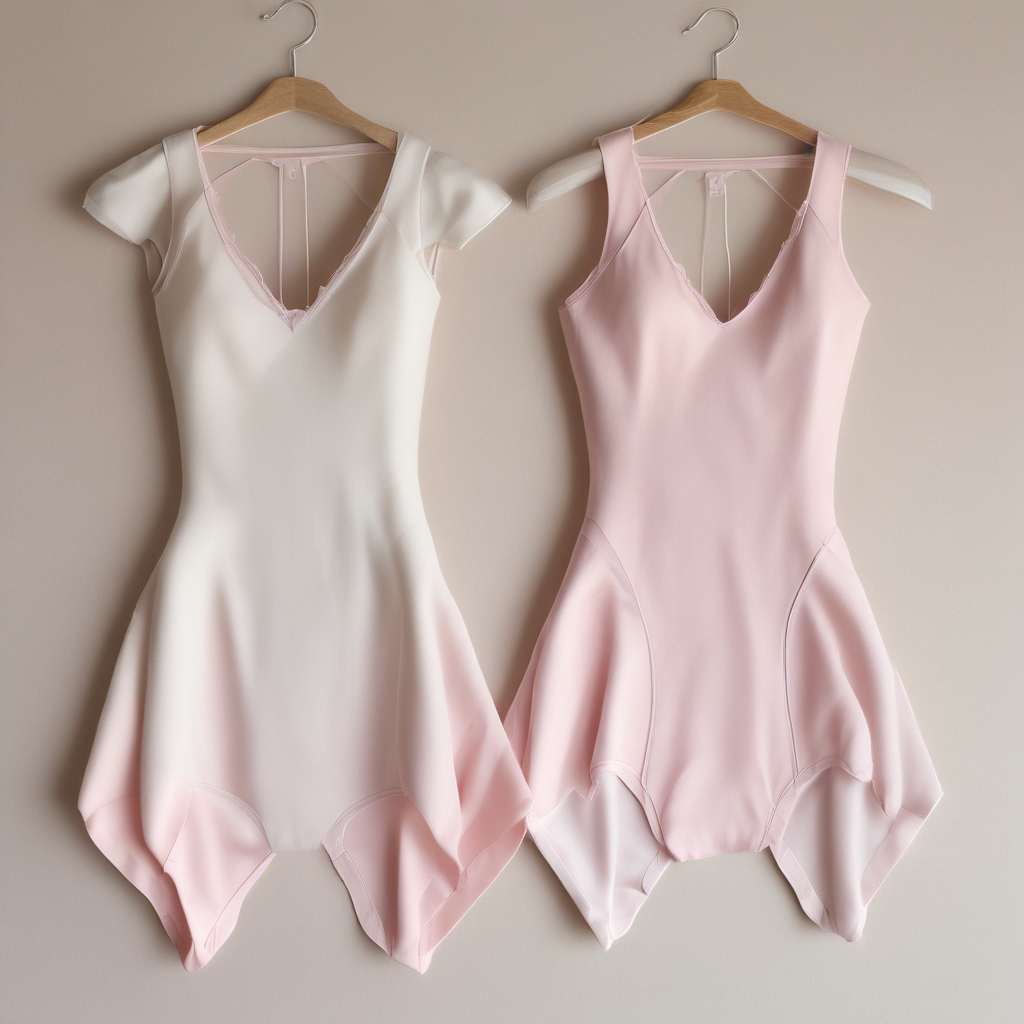
Two ballet leotards in different fabrics cotton and nylon comparison flat lay on cream linen

When buying a ballet leotard, the material matters almost as much as the fit. Cotton and nylon (also sold as nylon-lycra, polyamide or elastane blends) are the two most common fabric families, and they behave very differently in a dance class environment.

Cotton Ballet Leotards

Cotton leotards are soft, breathable and comfortable against the skin. They feel gentle and natural, which makes them popular for very young children whose skin is sensitive. Cotton also tends to be less shiny, giving the garment a matte, understated appearance.

The main limitation of cotton for dance is its behavior when wet. Cotton absorbs sweat readily but holds onto moisture — after an active class, a cotton leotard can feel heavy and clammy. Cotton also has limited natural stretch and does not snap back to its original shape the way nylon does. Cotton blends — mixed with a small percentage of elastane — improve the stretch significantly while keeping the softness of cotton.

Nylon and Elastane Ballet Leotards

Nylon-elastane blends are the industry standard for dance and gymnastics leotards. The fabric stretches in all four directions, returns to its original shape after every movement, and does not retain moisture the way cotton does. Sweat wicks away from the skin during class, and the leotard remains lightweight throughout. Nylon leotards hold their shape across hundreds of washes and maintain their color better than cotton over time.

What RAD Schools Typically Specify

Most RAD-affiliated schools specify a nylon or nylon-elastane leotard for class use — the fabric performs consistently throughout a demanding class and maintains its appearance across the school year. A cotton or cotton-blend leotard may be acceptable for toddler and Pre-Primary levels where classes are shorter and less physically demanding.

What About Examinations and Performances?

For examinations and end-of-year performances, nylon-elastane leotards have a cleaner, smoother line under stage lighting and retain their shape better through a long examination morning. Cotton can look slightly crumpled and may show sweat more visibly under bright lights.

Summary

For everyday ballet class, a nylon-elastane leotard is the practical choice: it performs better, lasts longer, and looks better throughout the school year. Cotton or cotton-blend leotards suit toddler-level classes or sensitive-skinned younger children. For RAD examinations and performances, nylon is almost universally the better choice. See our full RAD leotard color guide for information on which colors are required at each grade level.

nn

Shop at ZoeDancewear

Girls Sleeveless Ballet Leotard u2014 cotton-nylon blend, breathable, stretchy and class-ready. Free shipping over $99 to the US.

Posted on

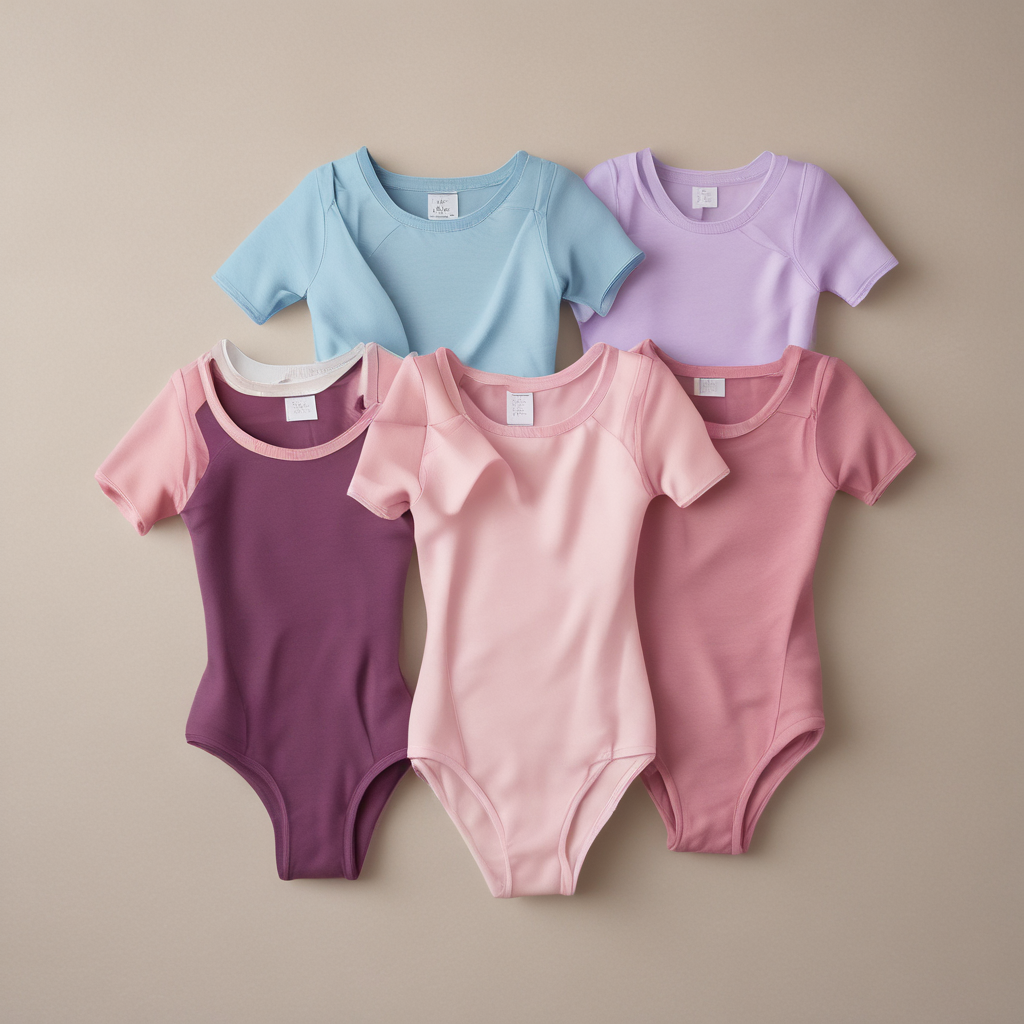
Ballet Leotard Colors by RAD Grade: A Complete Visual Guide

Row of RAD grade ballet leotards in grade colors from pink to purple on cream linen

One of the most searched questions among ballet parents is: “What color leotard does my child need?” The answer depends entirely on which grade they’re in and which exam board their school uses. For Royal Academy of Dance (RAD) schools, here is a complete grade-by-grade color guide — from the very first Pre-Primary class all the way through to the Vocational level.

RAD Ballet Leotard Colors by Grade

The RAD color system is designed so that every grade has a distinct color, making it easy for teachers to identify students at a glance. Here is the standard color progression:

  • Pre-Primary: Candy pink (bright ballet pink) — usually short-sleeved
  • Primary: Candy pink or pale pink — style may change from Pre-Primary
  • Grade 1: Pale blue or ice blue — the first “non-pink” grade at many schools
  • Grade 2: Pale or airforce blue
  • Grade 3: Blue — slightly deeper than Grade 2 at some schools; lilac at others
  • Grade 4: Lilac
  • Grade 5: Lilac or pale purple (varies by school)
  • Grade 6: Purple or deep lilac
  • Grade 7: Purple or burgundy
  • Grade 8: Burgundy or deep purple
  • Intermediate Foundation / Intermediate: Black or dark navy camisole leotard
  • Advanced Foundation and above: Black — typically more formal styles

Note: These are common RAD patterns, not a single mandated universal system. Individual schools may vary shades by one grade, and some have school-specific colors. Always confirm with your school’s written uniform policy.

Why the Colors Change Through the Grades

The progression from pale pink through lilac, purple, and eventually black mirrors the dancer’s journey from beginner to advanced student. Each color shift marks a new level of expectation — technically, physically, and in terms of discipline and presentation. For students, wearing the right color is a badge of their current achievement and a visible signal of their grade to teachers and peers.

What to Do When the Colors Look Similar

Some grade transitions involve shades that look very similar — particularly in the lilac-to-purple range. If you’re buying online and can’t compare the shade in person:

  • Ask the school if they have a color swatch or can name a specific shade
  • Check if the school recommends a specific brand — other parents in the grade can often tell you what worked
  • When buying from a new brand, look for fabric sample swatches or order from a retailer with a free returns policy

Boys’ Leotard Colors in RAD

For male students, the RAD uniform is different. Boys typically wear a white or black fitted top or t-shirt rather than a leotard, with either dance shorts or black tights. The grade color system is primarily applied to girls’ leotards. Boys’ uniform varies significantly by school, so ask the teacher directly for guidance.

What Changes Other Than Color?

As students progress through the grades, the leotard style also evolves. Lower grades (Pre-Primary through Grade 3) often wear short-sleeved leotards; higher grades transition to camisole or sleeveless styles that allow better visibility of arm line and back positioning. Some grades also move from crossover or gathered-waist styles to plain, undecorated leotards.

Frequently Asked Questions

My child was recently promoted. Does she need the new color right away?

Most schools allow a grace period of 2–3 weeks after a grade promotion to source the new uniform. Communicate with the teacher so they know you’re working on it.

Can my daughter keep wearing her old color in class while we wait for the new leotard?

For a week or two, yes — most teachers understand. Beyond that, wearing the wrong grade color can cause confusion in class and occasionally affects morale (the student herself usually wants to wear the right color).

My school says “lilac” but the leotards I’m finding online look purple. Are they the same?

Not exactly. Lilac is a lighter, softer purple-pink; purple is deeper and more saturated. If you’re unsure, ask the school to confirm the shade name they use or whether they can show you a physical sample.

nn

Shop at ZoeDancewear

Girls Sleeveless Ballet Leotard u2014 available in the key RAD colors, sizes 100-170. Free shipping over $99 to the US.

Posted on

Do Ballet Leotards Run Small? How to Size Up Correctly

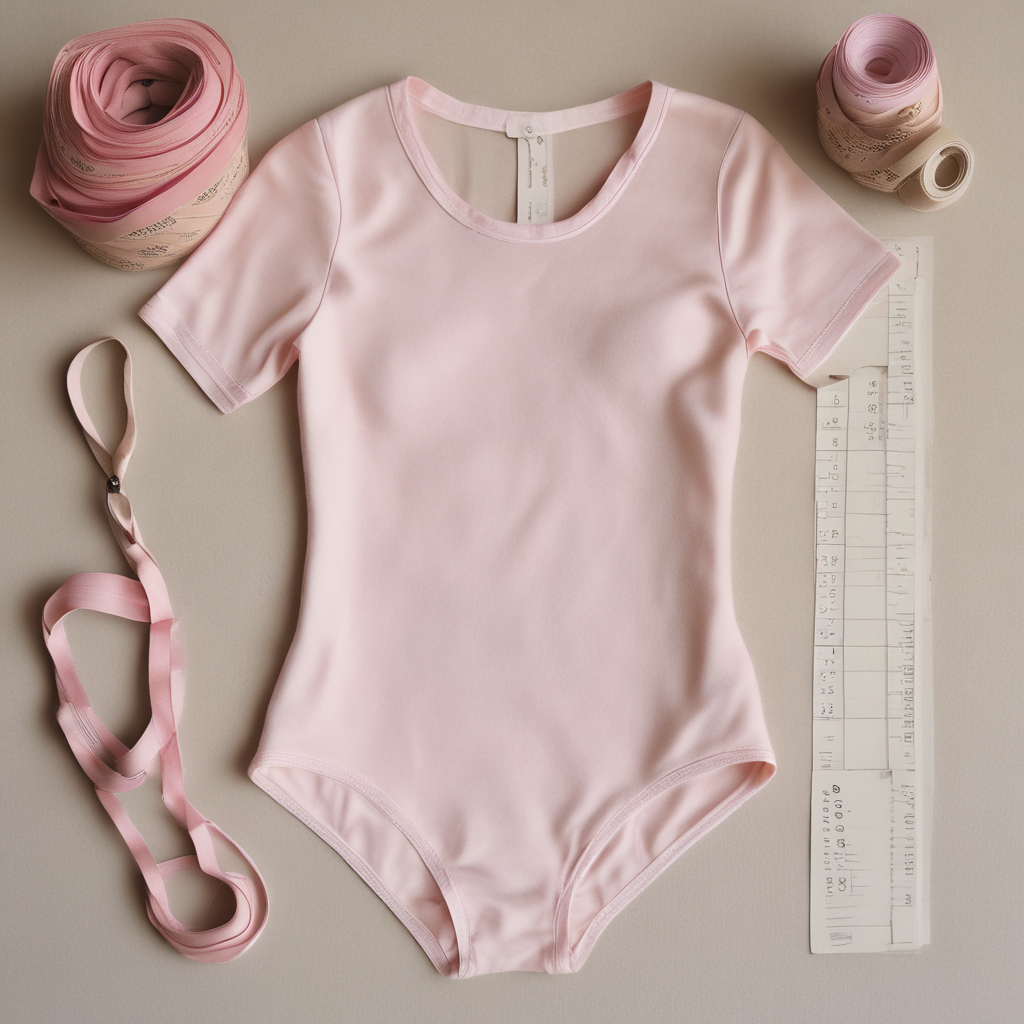
Ballet leotard with measuring tape and size chart for sizing guide on cream linen

If you’ve ever ordered a ballet leotard in your child’s usual clothing size and found it too small on arrival, you’re not alone. Ballet leotards consistently run smaller than standard clothing, and understanding why — and how to measure correctly — will save you the hassle of returns and exchanges.

Why Do Ballet Leotards Run Small?

Ballet leotards are designed to fit close to the body for two reasons: to allow teachers to see the dancer’s alignment and body line, and to prevent fabric from bunching or shifting during movement. A leotard with excess fabric looks untidy and can interfere with port de bras (arm movements) if the back gapes or the straps shift.

Because of this, manufacturers cut ballet leotards to a snugger standard than everyday activewear. The fabric itself is usually high-stretch, so the leotard stretches to fit the body rather than having excess fabric built in. This is correct — but it does mean that the size label doesn’t correspond to street clothing sizes.

How Much Smaller Do They Run?

The difference varies by brand and age range:

  • For children’s leotards, many brands run approximately one size smaller than standard clothing (a child who wears age-8 clothing may need an age-10 leotard)
  • For adult leotards, sizing often corresponds to bust measurement rather than dress size, and can run 1–2 sizes smaller than a regular top
  • Within the same brand, the sizing is usually consistent — once you know your child’s leotard size in a brand, you can usually reorder in the same size

How to Measure for a Ballet Leotard

Don’t rely on clothing size or age. Measure directly:

  1. Chest: measure around the fullest part of the chest, keeping the tape parallel to the floor
  2. Waist: measure around the natural waist, typically 2–3 cm above the belly button
  3. Height: most brands include height in their size chart as it affects the torso length

Match these three measurements against the brand’s specific size chart. Height is often the deciding factor for children — a tall child with a slim build needs a leotard with a longer torso, even if their chest and waist measurements are average.

What Happens If the Leotard Is Too Small

A leotard that’s too small will:

  • Pull at the hips and restrict leg movement
  • Cut into the shoulders and straps if the torso is too short
  • Create an uncomfortable wedge effect that’s distracting in class
  • Cause the child to tug at the leotard during class, which teachers find disruptive

What Happens If the Leotard Is Too Large

A leotard that’s too big:

  • Bunches at the chest and back, obscuring line
  • Allows the straps to fall off the shoulders
  • May have excess fabric at the gusset, which looks untidy

A slightly large leotard is preferable to a slightly small one — it won’t cause physical discomfort. But very oversized leotards look sloppy and the child will grow out of them faster than expected.

When to Size Up Proactively

If your child is between sizes or is currently in a rapid growth phase, size up. A slightly larger leotard looks better than one that’s visibly too tight, and it extends the leotard’s usable life by several months.

For the full guide to measuring your child for dancewear, see our How to Measure for a Ballet Leotard guide.

Frequently Asked Questions

My child is between ages 8 and 10 on the size chart. Which should I order?

Size up to age 10. You can always adjust fit slightly with accessories (like a belt pulling in the waist) but there’s no way to make a leotard larger once purchased.

Do adult ballet leotards run small too?

Yes, typically. Adult dancewear sizing is often based on bust measurement rather than standard dress size, and garments are cut to fit snugly. Check the brand’s specific chart and measure before ordering.

Why did my daughter’s leotard shrink after washing?

High-stretch fabrics can lose some elasticity if washed in hot water or tumble dried. Always wash ballet leotards at 30°C in a gentle cycle and hang or lay flat to dry.

Posted on

Pink Ballet Leotard: RAD-Approved Colors by Grade

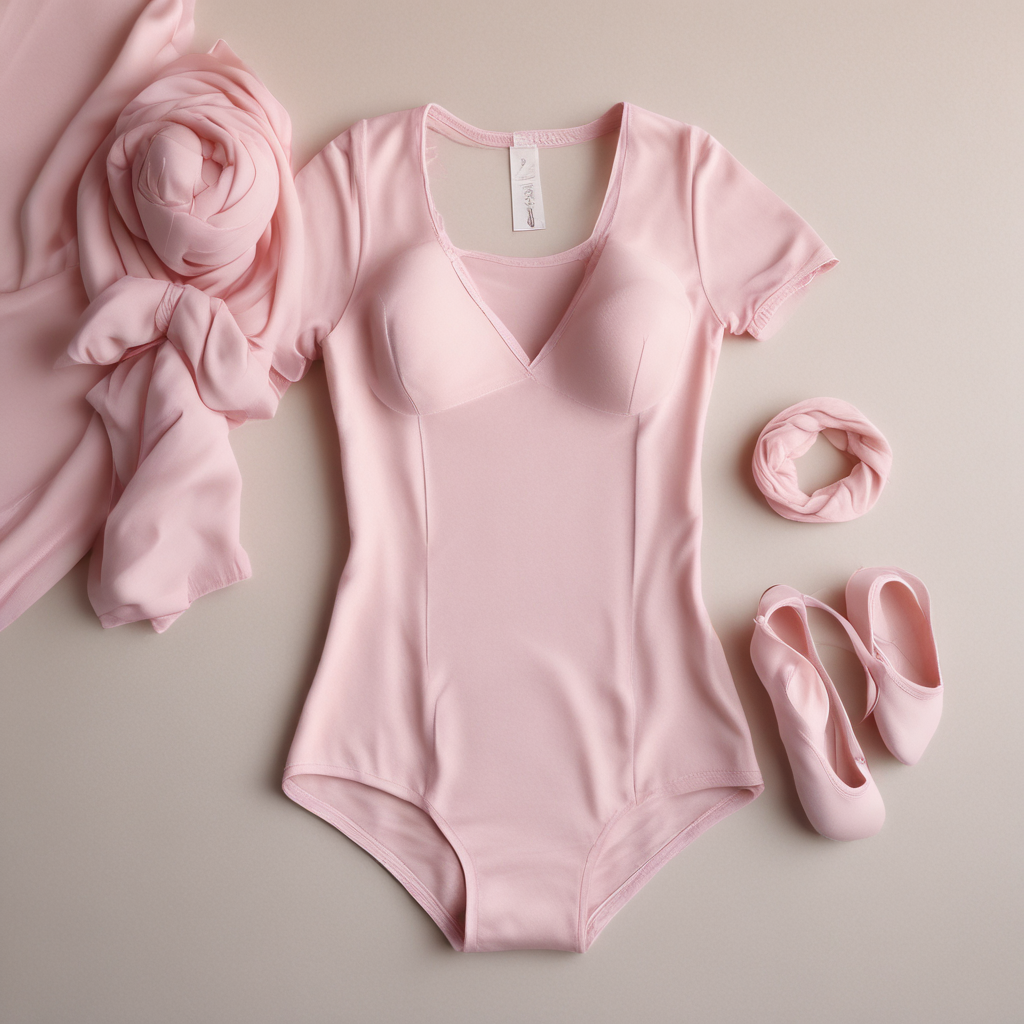
Pink RAD ballet leotard and chiffon skirt set flat lay on cream linen

If your child has just started ballet at a Royal Academy of Dance school, you may have noticed that pink is one of the most common leotard colors you’ll encounter. But not any pink will do. RAD schools follow strict uniform guidelines, and the specific shade and style of pink leotard varies from grade to grade. This guide breaks down exactly which pink leotards are RAD-approved and how to find the right one for your child’s level.

Why RAD Uses Pink Leotards in the Early Grades

The RAD assigns specific colors to each grade as part of their uniform policy. Pink is associated with the foundational levels of training — Pre-Primary, Primary, and Grade 1 — where the focus is on developing basic movement, musicality, and classroom behavior. The soft, traditional pink color reflects the classical nature of ballet training and helps teachers identify students at the correct level at a glance.

As students progress through the grades, the colors shift toward lilac, purple, and eventually darker, more professional tones. Pink is essentially the starting color of the RAD journey.

Pre-Primary: Candy Pink or Pale Pink Leotard

For Pre-Primary students (typically ages 3–5), the standard is a short-sleeved candy pink leotard. This is a bright, clear pink — not hot pink, not dusty rose, but a cheerful mid-tone pink. Most RAD schools specify a crossover or tank-style leotard in this shade. Paired with pink ballet tights and canvas or soft leather ballet shoes, this creates the classic Pre-Primary look.

When shopping, look for leotards labeled “candy pink,” “bright pink,” or “ballet pink.” If in doubt, check the shade against the color swatch provided by your dance school.

Primary Grade: Similar Pink, Often with Specific Style Requirements

At Primary level (ages 5–7), the pink leotard continues, but some schools request a slightly different style — commonly a camisole leotard or one with a specific neckline. The shade typically remains in the candy pink to pale pink range. Your teacher or school will clarify the exact style they prefer.

At this stage, an elastic belt in matching pink or white is often added to define posture and encourage proper alignment.

Grade 1 and Beyond: When Pink Changes

By Grade 1 (ages 6–8), many RAD schools begin to introduce variation. Some continue with pink for Grade 1, while others transition to pale blue or a specific shade assigned by their school. From Grade 2 onward, the uniform color shifts away from pink entirely. Check your school’s handbook for the exact color assigned to each grade, as regional variations exist even within RAD-affiliated schools.

How to Choose the Right Pink Leotard

When buying a pink leotard for RAD class, keep these points in mind:

  • Ask for a color swatch or shade name from your school — “pink” covers a wide spectrum, and the wrong shade stands out in class.
  • Choose dancewear-grade fabric — nylon-spandex or polyester-spandex blends hold their shape and color through washing, unlike fashion leotards.
  • Check the style — some schools prefer short sleeve, others camisole. Avoid spaghetti straps unless the school approves them.
  • Size up if between sizes — leotards are cut snug and can feel tight. A size up gives room for growth without the leotard pulling or riding up.

Common Questions Parents Ask About Pink Ballet Leotards

Frequently Asked Questions

Can my child wear any pink leotard or does it have to be a specific brand?

RAD schools specify color and style, not brand. As long as the shade and style match the school’s uniform guide, any reputable dancewear brand is acceptable. Avoid fashion or gymnastics leotards, which may look similar but are cut differently.

What if I can’t find the exact shade of pink?

Bring a swatch from a leotard you already own and compare it to the school’s sample, or ask the teacher directly. Most schools are understanding if the shade is close, especially for very young beginners who are still growing quickly.

My daughter is between sizes. Should I size up or down?

Always size up for leotards. A slightly larger leotard looks neat and allows for growth, while a too-small leotard restricts movement and causes discomfort during class.

Does the pink leotard need to match the pink tights?

Ideally yes — a candy pink leotard pairs with ballet pink tights (a standard shade sold by all major dancewear brands). The two pinks are close but not identical, and that’s fine. No one expects a perfect match.

Posted on

Lilac Ballet Leotard Guide: Which RAD Grades Wear Lilac?

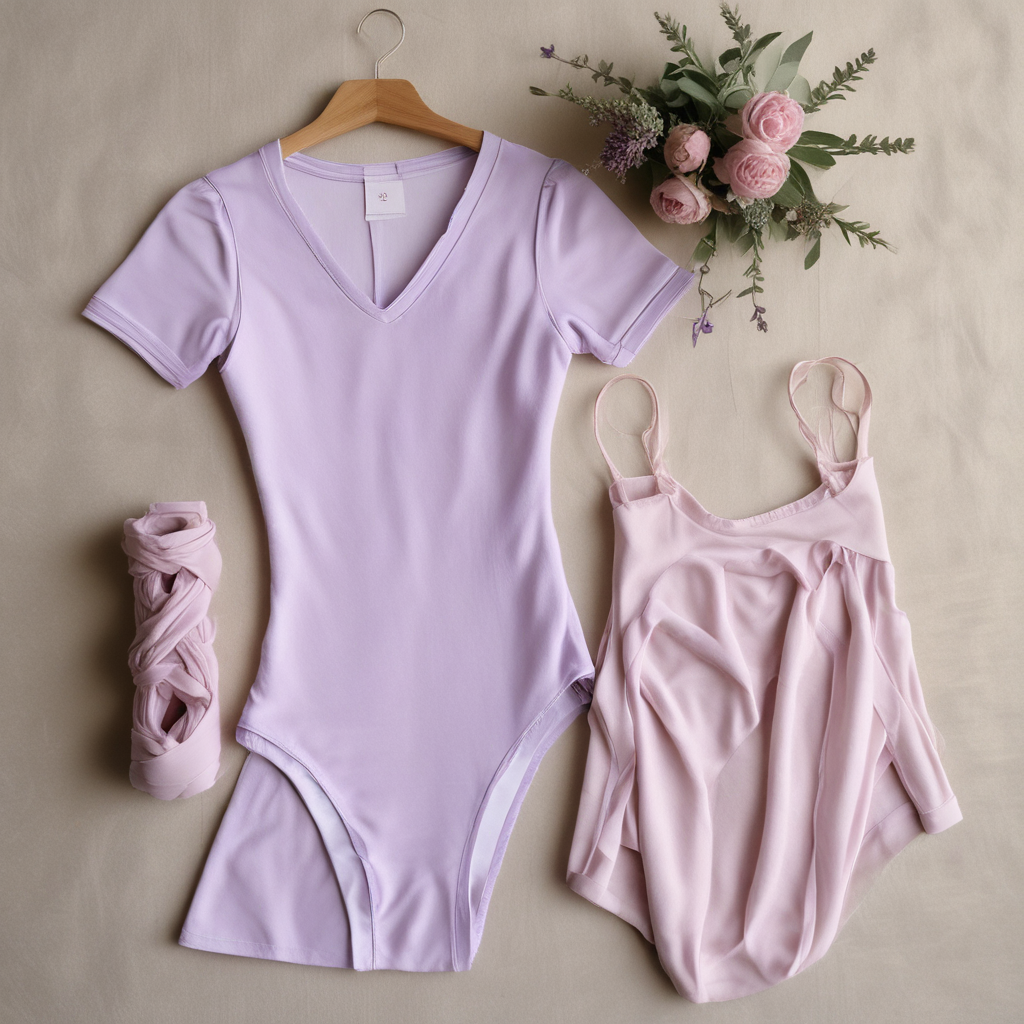
Lilac RAD Grade 4-5 ballet leotard and skirt set flat lay on cream linen

The transition from blue to lilac marks a significant step in a young dancer’s RAD journey. Lilac leotards are typically introduced at Grade 4 or Grade 5, depending on the school, and they carry a more mature, elegant feel than the candy pinks and pale blues of earlier grades. If your child has recently been promoted to Grade 4 or 5 and you’re trying to find the right lilac leotard, this guide covers everything you need to know.

Which RAD Grades Wear Lilac?

In standard RAD uniform practice, lilac is assigned to Grade 4 and Grade 5. Some schools use the same shade for both grades; others make a subtle distinction. The shift to lilac signals the transition into the intermediate tier of RAD training, where technique becomes more demanding and performance quality is assessed more rigorously in examinations.

If you’re unsure whether your child’s school uses lilac for Grade 4 or Grade 5 specifically, ask the teacher. Individual schools may also use pale lavender or soft purple in this range, so always confirm the exact shade.

What Shade of Lilac Is Correct?

The RAD-approved lilac is a soft, medium-toned purple-pink — not gray-lavender, not dusty mauve, and not deep purple. It reads as a gentle lilac in natural light, similar to the color of lilac flowers. Shade names vary by brand: “lilac,” “soft lilac,” “ballet lilac,” and “pale violet” are all terms used for approximately the same color.

The best approach is to compare swatches in person before purchasing, or to buy from a brand already used by other families at the same school so you can check side by side.

Style Requirements for Grade 4 and 5 Leotards

By Grade 4, most RAD schools expect a more streamlined leotard style — typically a camisole or low-back leotard rather than the short-sleeved styles worn in lower grades. The transition away from sleeves reflects the increased focus on port de bras (arm movement) and line assessment at exam level. A sleeveless or camisole cut allows teachers to observe shoulder placement and upper body alignment more easily.

Some schools also ask for a specific back style, so check the school’s written uniform policy before purchasing.

What to Pair with a Lilac Leotard

The standard pairing for a lilac leotard is:

  • Pink ballet tights — standard ballet pink footed or convertible tights remain correct across all RAD grades unless otherwise specified
  • Pink canvas or leather ballet shoes — tied neatly with an elastic or ribbon depending on school preference
  • Elastic belt — in pink or white, still required at Grade 4–5 in most RAD schools
  • Hair in a bun — securely pinned, with no loose strands

Buying the Right Lilac Leotard: What to Look For

When shopping for a Grade 4 or 5 leotard, look for these features:

  • Fabric: nylon-lycra or polyester-spandex for shape retention and easy washing
  • Gusset: a lined gusset is important for comfort in class, especially at this more active training level
  • Sizing: dancewear runs small — measure your child’s chest, waist, and height against the size chart and size up if between sizes
  • Shade: compare to the school’s sample before purchasing online if possible

Frequently Asked Questions

Is lilac the same as lavender for ballet leotards?

They’re very similar but not identical. Lavender tends to be a softer, grayer tone, while lilac is a slightly warmer, more pink-purple. For RAD purposes, both terms are often used interchangeably. Check your school’s swatch to confirm.

My child is starting Grade 4 in September. When should I buy the new leotard?

Buy it 2–3 weeks before term starts so you have time to exchange if the size or shade isn’t right. Don’t wait until the week before — dancewear sizes sell out quickly at the start of term.

Can my daughter wear her old blue leotard until the lilac one arrives?

Most teachers are understanding for the first week or two of a new grade. Communicate with the school in advance and they’ll usually give a short grace period.

Posted on

Purple Ballet Leotard: RAD Grade 6, 7 and 8 Uniform Requirements

Deep purple and burgundy RAD senior grade ballet leotards flat lay on cream linen

By the time a student reaches RAD Grades 6, 7, and 8, they have dedicated years to technical training and are working toward a high standard of classical ballet. The uniform at this level reflects that seriousness: deeper, more formal colors replace the lighter pinks and lilacs of the earlier grades. Purple and burgundy leotards mark the senior tier of RAD graded examinations, and getting the shade and style right matters.

What Color Is the Grade 6, 7, and 8 Leotard?

RAD Grades 6 through 8 typically use a deep purple, burgundy, or wine-toned leotard. The exact shade varies by school — some use a true royal purple, others a burgundy or plum. This level coincides with more advanced examination work and the beginning of a transition toward vocational study.

In some schools, Grade 6 retains a mid-purple and Grades 7–8 shift to deeper burgundy. Always check the school’s uniform policy for each specific grade, as there is more variation at senior level than in the foundational grades.

Style Requirements at Senior Grade Level

At Grades 6–8, leotard styles become more refined. The most common requirements are:

  • Camisole or low-back style — allowing full visibility of shoulder blades, arm placement, and back line
  • No decorative elements — no lace panels, no sparkle, no added skirts unless the school specifies otherwise
  • Secure straps — the leotard must stay in place during barre work, center work, and allegro combinations

By this level, students are expected to present a clean, professional appearance in class at all times.

Tights, Shoes, and Belt at Grade 6–8

The standard pairing for the senior grade uniform is:

  • Pink footed or convertible tights — standard ballet pink remains correct unless the school specifies flesh-tone
  • Pink or skin-tone canvas or leather ballet shoes — depending on school preference and the teacher’s guidance
  • Elastic belt — this may become optional at some schools by Grade 6, but many still require it
  • Hair — neat bun, no decorative accessories unless specifically permitted

Transitioning to Vocational Level After Grade 8

After completing Grade 8, students who continue RAD training progress to the Vocational Graded examinations: Intermediate Foundation, Intermediate, Advanced Foundation, Advanced 1, and Advanced 2. The uniform at vocational level changes again — typically moving to black or dark navy leotards. For a full breakdown of vocational uniform, see our RAD Vocational Graded Ballet Uniform guide.

Buying a Senior Grade Leotard: Practical Tips

Senior-level students are usually more established in their sizing, but there are still a few things to keep in mind:

  • Measure annually — growth spurts don’t stop at 12, and a leotard that fits in September may be too small by January
  • Deep colors show fading more obviously after washing — follow care instructions carefully and wash at 30°C inside out
  • Inspect stitching and gusset before buying online — senior students train more intensively, so durability matters more

Frequently Asked Questions

Is burgundy the same as purple for RAD Grade 7 or 8?

Not exactly, but in practice many schools use the terms interchangeably. Burgundy is a deeper, wine-red purple; royal purple is a true violet. Check with your school to confirm which shade is expected, as both appear at this grade range.

Does my Grade 6 daughter still need to wear an elastic belt?

This depends on the school. Some schools drop the belt requirement at Grade 5 or 6; others continue it through Grade 8. Ask your teacher directly.

My daughter was promoted from Grade 5 to Grade 6 mid-year. How quickly does she need the new leotard?

Most teachers allow 2–3 weeks grace after a grade promotion. Let your teacher know you’re sourcing the new leotard and they will advise on the expected timeline.

Posted on

White Ballet Leotard: When Do Ballet Dancers Wear White?

White ballet leotard and white chiffon skirt flat lay for performance on cream linen

You’ve probably seen images of ballerinas in white tutus and leotards and assumed white must be a standard part of ballet training. In practice, white leotards are rarely worn in regular RAD ballet classes — and wearing one when your school expects a specific grade color can cause problems. This guide explains when white leotards are appropriate and when they’re not.

White Leotards and RAD Class: The Short Answer

For RAD graded class, white is almost never the correct leotard color. RAD uses a color-coded uniform system tied to each grade level — pink for Pre-Primary and Primary, blue or lilac for Grades 1–5, purple and burgundy for Grades 6–8, and black for Vocational. White sits outside this system and is not a standard RAD class color at any grade.

If your child’s school has told them to wear a white leotard, this is a specific school decision or relates to a performance, not general RAD policy.

When White Leotards Are Worn in Ballet

There are several contexts where a white leotard is appropriate or even required:

  • End-of-year performances and shows — many schools dress students in white for showcase events, especially younger students performing fairy or swan roles
  • Competition and festival wear — competitions that don’t use a grade uniform often allow or specify white, sometimes with added skirts or accessories
  • Adult ballet classes — adult recreational classes frequently have a relaxed dress code where any plain leotard color is acceptable, and white is a popular choice
  • Photography and studio headshots — white photographs well under studio lighting
  • Some ISTD and BATD schools — other exam boards have different color systems where white may appear at certain levels

What to Look for in a White Ballet Leotard

If you do need a white leotard for a performance or specific purpose, here’s what to consider:

  • Opacity — white fabric must be fully opaque and lined in the body to avoid being see-through under stage lighting
  • Fabric weight — heavier nylon-spandex blends stay white longer than thin, cheaper fabrics
  • Gusset lining — especially important in white, where any lack of coverage is immediately visible
  • Washing care — wash white leotards separately in cold water to prevent graying; never tumble dry

White Tights with a White Leotard

For performances, a white leotard is often paired with white tights rather than the usual ballet pink. White-on-white creates a clean, ethereal look often associated with classical roles like the corps de ballet in Swan Lake. However, for RAD class even if a white leotard were permitted, the standard pink tights would remain correct.

Is White Ever Required for RAD Examinations?

No. RAD examinations follow the grade-specific color uniform. A student sitting a Grade 3 exam, for example, would wear the correct Grade 3 leotard in the school’s specified blue or lilac shade, not white. Arriving in a white leotard for an RAD exam would be a uniform non-compliance issue.

Frequently Asked Questions

My daughter wants a white leotard for everyday class. Is that okay?

Not if her school follows the RAD color-coded uniform system. The grade color is part of the uniform policy, and wearing the wrong color affects how teachers track students’ levels. Save the white leotard for performance or recreational use.

Can I use a white leotard for the school show?

Usually yes — school shows often use white or performance-specific costumes that differ from class uniform. Check with the school what they’re providing and what parents need to source.

What’s the difference between a white ballet leotard and a white gymnastics leotard?

Ballet leotards are cut higher in the leg, lower in the back, and use stretchier fabric to allow for a full range of movement. Gymnastics leotards often have decorative elements and more coverage. For ballet performances, always use a purpose-made ballet leotard.

Posted on

New Ballet Student Starter Kit: What to Buy Before the First Term

New ballet student starter kit – pink leotard, tights and ballet shoes for beginners

Your child has a place at a ballet school and the term starts in a few weeks. If you have never bought ballet uniform before, it can be difficult to know where to start: what is essential, what can wait, and what the teacher actually cares about versus what is optional. This guide breaks it down clearly.

The Non-Negotiable Starter Essentials

Before the first class, every new ballet student needs three things:

  1. A leotard in the school’s required color — the teacher should tell you this before term starts. Do not buy a leotard before you know the color.
  2. Ballet tights in the correct color — almost always pink for Pre-Primary and Primary; check with the school.
  3. Ballet shoes in the correct style — almost always pink canvas full-sole for beginners. The school may specify a particular brand.

These three items are what every teacher will check on the first day. Everything else — warm-up clothes, bags, accessories — can follow in the first few weeks.

Choosing the Right Ballet Shoes for a Beginner

For very young beginners (Pre-Primary, aged 4–6), a pink canvas full-sole ballet shoe is the standard. The full sole provides more structure and is better for developing feet than a split sole, which is designed for more advanced students.

Ballet shoes should fit snugly but not tightly. The toe should not curl, but there should be no more than a small amount of growing room (1–1.5cm maximum). Overly large shoes are a common buying mistake — they cause tripping, slide off during class, and make it harder for the teacher to see foot placement.

If possible, have ballet shoes fitted in-person at a specialist dance shop. If ordering online, use the brand’s size guide and measure the child’s foot in centimeters rather than relying on standard shoe size conversions.

The Leotard: What to Look For

Ballet leotards for young children should be:

  • The correct color as specified by the school
  • A comfortable, close-fitting style without excessive decoration
  • Made from a fabric with enough stretch for full range of movement (nylon-lycra blend is standard)
  • The right size — not sized up for growing room, as a baggy leotard looks untidy

For Pre-Primary and Primary students, a simple tank-top or short-sleeve style is usual. If the teacher does not specify the sleeve style, a simple tank in the correct color is safe.

Tights: What to Buy

Pink full-footed tights are the standard starter purchase. Buy two pairs — one to wear and one spare. Ballet tights ladder, snag and wear out, and having a backup means class is not disrupted by a wardrobe emergency.

Size tights by height, not age. If your child is between sizes, go up one size.

What Can Wait: Second Month Additions

These items are useful but not essential for the very first class:

  • Warm-up clothes: A ballet cardigan or wrap sweater for keeping warm before class and during breaks.
  • Ballet bag: A small tote or backpack for carrying uniform to and from school. Any bag works initially.
  • Hair accessories: For the first few classes, a plain hair tie and a few kirby grips to secure a bun are enough.

What Not to Buy Yet

  • Pointe shoes: Pointe work begins only when a teacher assesses the student as physically and technically ready, typically no earlier than age 11 and after several years of consistent training. Never buy pointe shoes speculatively.
  • Character shoes: Required at some grade levels but not for beginners. Wait until the teacher says they are needed.
  • Multiple leotards in different colors: Buy the required color for the current grade only.

A Realistic Budget for a New Starter

A complete starter kit — leotard, tights (two pairs) and ballet shoes — typically costs between £25 and £60 depending on brand and where you buy. Buying online from a specialist ballet retailer is often more economical than a high street dance shop, and the quality is comparable when you buy from a reputable supplier.

Frequently Asked Questions

Do I need to buy the exact brand the school recommends?

Sometimes. Some schools have agreements with specific suppliers or recommend a particular brand for consistency, especially for shoes. If the school specifies a brand, follow the guidance. For leotards and tights, most schools are more flexible as long as the color and style are correct.

How quickly do young children outgrow ballet uniform?

Very quickly. Leotards and tights for children aged 4–8 may need replacing every 6–12 months. Ballet shoes often need replacing every term or two during growth spurts. Buy the correct size now and plan to replace rather than buying larger to save money — oversized uniform looks untidy and affects how the teacher can assess technique.

Can I buy second-hand ballet uniform?

Yes, for leotards and warm-up clothes. For ballet shoes, second-hand is generally not recommended — worn shoes mould to the previous wearer’s foot and may not support your child’s foot correctly. Tights should not be purchased second-hand for hygiene reasons.

Should I wash ballet uniform before the first wear?

Yes. Wash leotards and tights before first use to remove any manufacturing residue. Wash at 30°C on a gentle cycle and air dry. Do not tumble dry.