Posted on

Cotton vs Nylon Ballet Leotard: Which Fabric Is Best for Class?

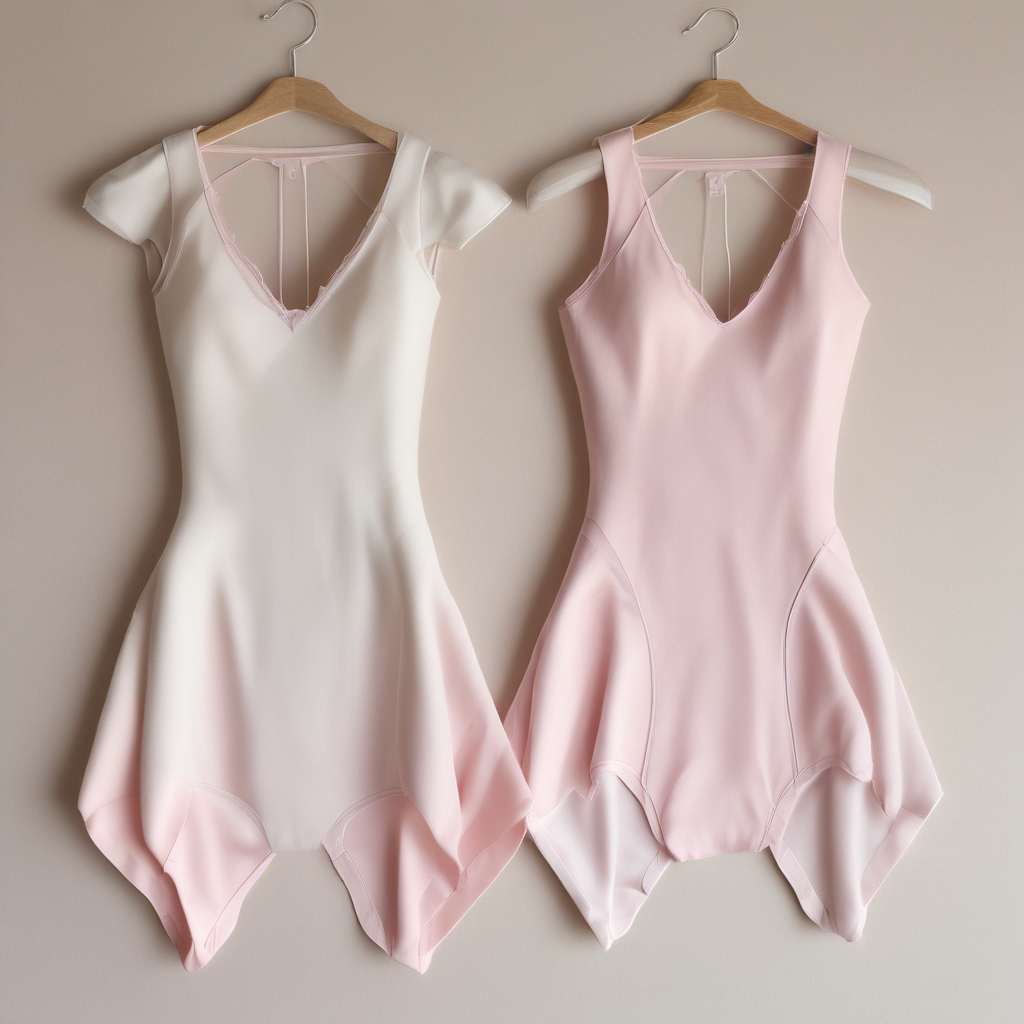
Two ballet leotards in different fabrics cotton and nylon comparison flat lay on cream linen

When buying a ballet leotard, the material matters almost as much as the fit. Cotton and nylon (also sold as nylon-lycra, polyamide or elastane blends) are the two most common fabric families, and they behave very differently in a dance class environment.

Cotton Ballet Leotards

Cotton leotards are soft, breathable and comfortable against the skin. They feel gentle and natural, which makes them popular for very young children whose skin is sensitive. Cotton also tends to be less shiny, giving the garment a matte, understated appearance.

The main limitation of cotton for dance is its behavior when wet. Cotton absorbs sweat readily but holds onto moisture — after an active class, a cotton leotard can feel heavy and clammy. Cotton also has limited natural stretch and does not snap back to its original shape the way nylon does. Cotton blends — mixed with a small percentage of elastane — improve the stretch significantly while keeping the softness of cotton.

Nylon and Elastane Ballet Leotards

Nylon-elastane blends are the industry standard for dance and gymnastics leotards. The fabric stretches in all four directions, returns to its original shape after every movement, and does not retain moisture the way cotton does. Sweat wicks away from the skin during class, and the leotard remains lightweight throughout. Nylon leotards hold their shape across hundreds of washes and maintain their color better than cotton over time.

What RAD Schools Typically Specify

Most RAD-affiliated schools specify a nylon or nylon-elastane leotard for class use — the fabric performs consistently throughout a demanding class and maintains its appearance across the school year. A cotton or cotton-blend leotard may be acceptable for toddler and Pre-Primary levels where classes are shorter and less physically demanding.

What About Examinations and Performances?

For examinations and end-of-year performances, nylon-elastane leotards have a cleaner, smoother line under stage lighting and retain their shape better through a long examination morning. Cotton can look slightly crumpled and may show sweat more visibly under bright lights.

Summary

For everyday ballet class, a nylon-elastane leotard is the practical choice: it performs better, lasts longer, and looks better throughout the school year. Cotton or cotton-blend leotards suit toddler-level classes or sensitive-skinned younger children. For RAD examinations and performances, nylon is almost universally the better choice. See our full RAD leotard color guide for information on which colors are required at each grade level.

nn

Shop at ZoeDancewear

Girls Sleeveless Ballet Leotard u2014 cotton-nylon blend, breathable, stretchy and class-ready. Free shipping over $99 to the US.
Posted on

How to Tie Pointe Shoes: Ribbons and Elastic Tying Methods

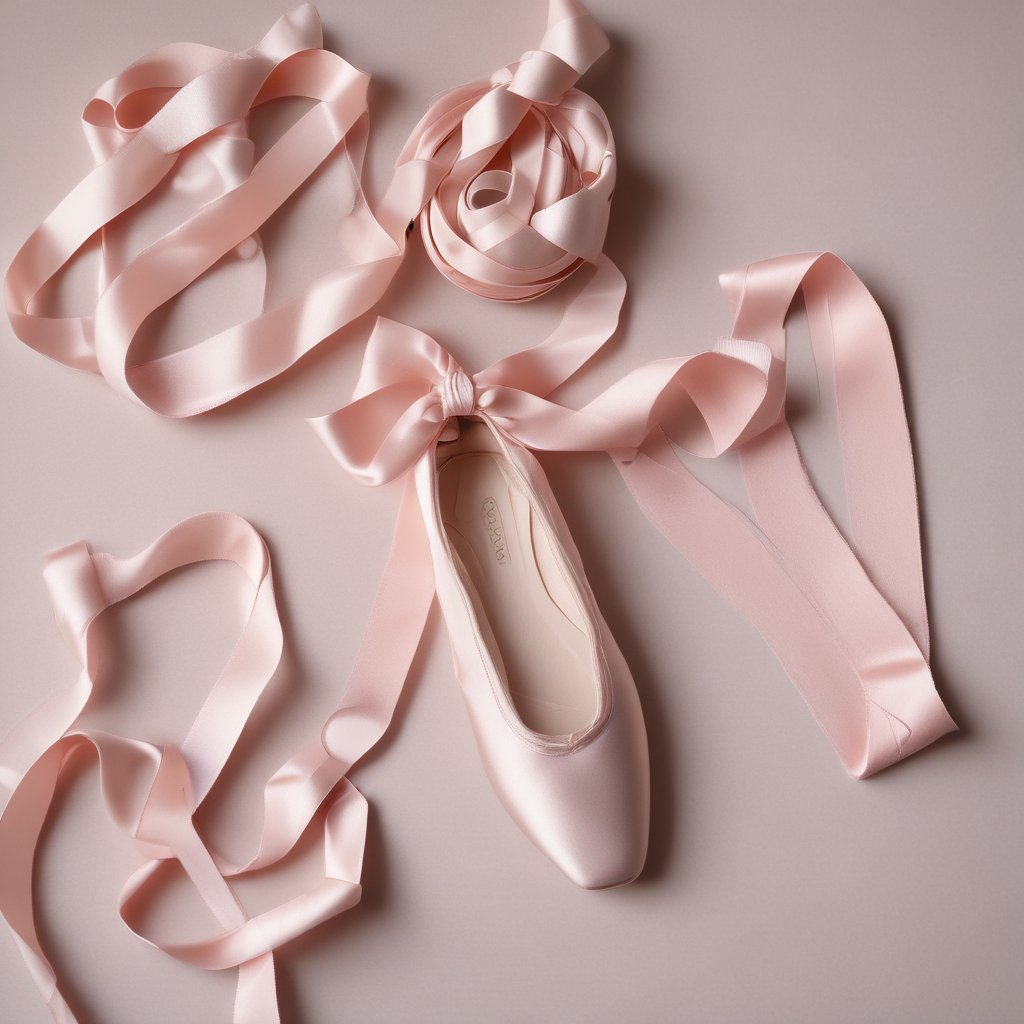
Pink ballet shoe ribbons and tying method flat lay on cream linen

Tying pointe shoe ribbons correctly is a skill every ballet student needs before they start pointe work. The ribbon must be tied firmly enough to stay secure through an entire class, neatly enough to satisfy a teacher, and in a specific place that does not press on the Achilles tendon.

The Standard Method

Wrap the inner ribbon (from the inside of the ankle) around the ankle first, crossing it toward the outside. Then wrap the outer ribbon over the top and cross it toward the inside. The two ribbons now cross at the front of the ankle in an X shape.

Continue wrapping: take both ribbons around the back of the ankle one more time so that the ribbons have completed one full circuit. Both ends should now be at the front or inner front of the ankle.

Tie the ends in a flat knot (reef knot or square knot): left over right, right over left. Do not use a bow — bows untie during class. Tuck the knot and the ribbon tails under the crossed sections of ribbon so they are hidden completely.

Where Should the Knot Sit?

The knot must never sit directly on the Achilles tendon at the back of the ankle — this is painful and can cause pressure injuries over time. The knot should sit on the inner front of the ankle, just inside the ankle bone, where it is hidden by the crossed ribbon sections.

How Tight Should the Ribbons Be?

Firm, but not circulation-restricting. You should be able to slide one finger between the ribbon and the ankle. If the ribbon leaves deep marks in the skin after class or causes tingling, it is too tight. If it slips down toward the heel during class, it is too loose.

How to Prevent the Knot From Coming Undone

  • Thread ribbon tails carefully: After knotting, thread each tail under several ribbon layers on the ankle rather than just tucking the tip.
  • A dab of hairspray on the knot: The slight tackiness helps the knot hold.
  • Safety pin: Pinning through the tucked knot is the most secure method for examinations.

What to Do If the Ribbon Comes Undone During Class

Stop, move to the side of the studio, and retie before continuing. Loose ribbons are a safety hazard — another dancer can catch their foot in a trailing ribbon and fall. For guidance on sewing ribbons and elastics onto new pointe shoes, see our guides on sewing ribbons and sewing elastics.

Posted on

How to Sew Elastics onto Pointe Shoes: The Beginner’s Guide

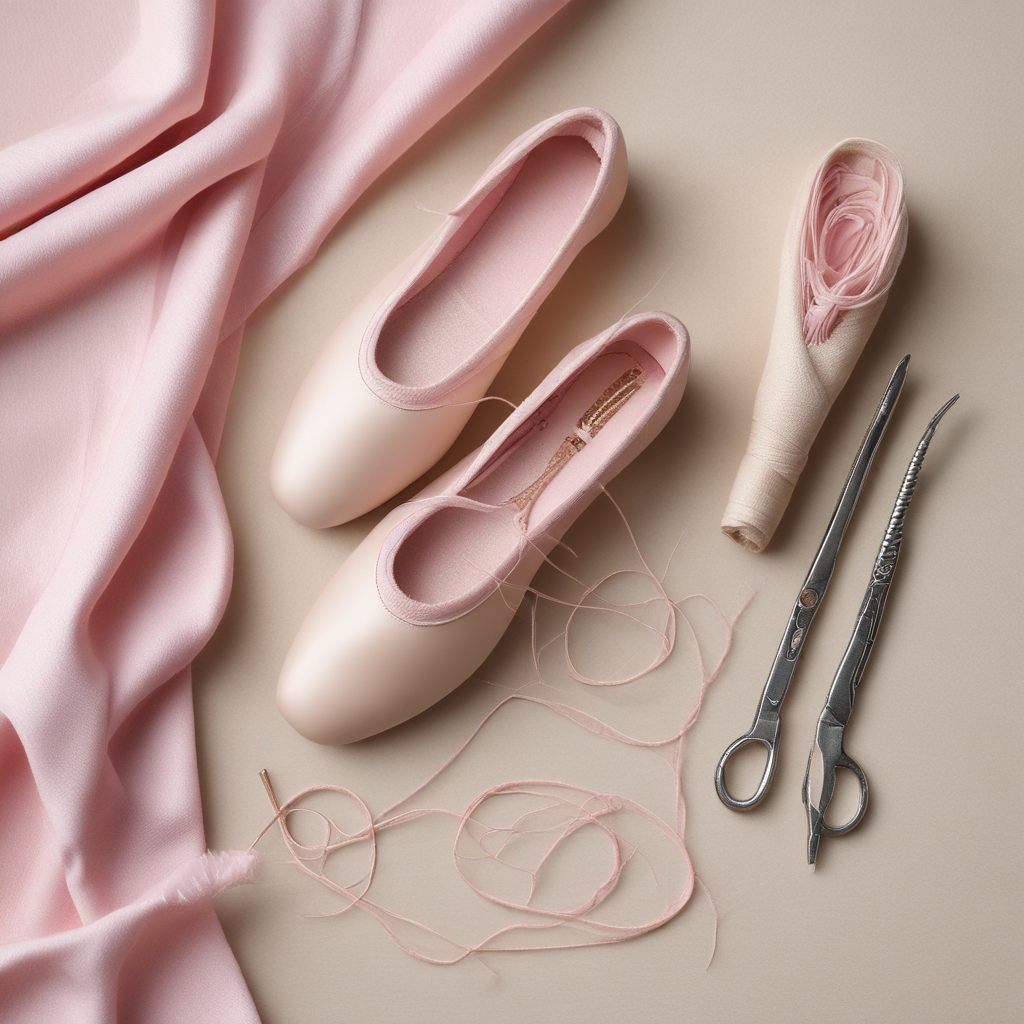
Ballet shoe sewing kit with elastic needle and thread on cream linen

While ribbons are the most visible part of a pointe shoe’s securing system, many teachers also require a single elastic cross-strap at the back of the ankle for additional support. This elastic prevents the heel of the shoe from slipping down during relevé and arabesque.

What You Will Need

  • Elastic — approximately 20 to 25 cm, 1.5 to 2 cm wide, in a color matching the shoe
  • Needle and strong thread (button thread or upholstery thread)
  • Scissors and a lighter to seal the elastic ends
  • Pins

Finding the Attachment Points

The attachment points sit at each side of the back seam of the shoe, approximately 2 cm forward from the heel seam. Put the shoe on the dancer’s foot and flex and point the foot several times. Observe where the back of the shoe sits relative to the ankle and mark the inside of the shoe where an elastic would naturally sit across the back of the heel without cutting in when the foot is pointed.

Sewing the Elastic

Fold approximately 1.5 cm of the elastic end back on itself and pin it to the inside lining of the shoe at the marked point. Sew through the folded end using firm, small running stitches forming a rectangle, then reinforce with an X through the center. Sew through the canvas lining of the shoe, not the outer satin.

Attach the other end of the elastic to the opposite side of the heel, checking the length by holding the shoe on the dancer’s foot before sewing. The elastic should be taut enough to keep the heel firmly in contact with the Achilles tendon when the foot is flat, without restricting movement when the foot is fully pointed.

Checking the Result

Once both ends are sewn, have the dancer do several relevés in place. The heel of the shoe should remain firmly in contact with the foot throughout. If the heel lifts even slightly on the rise, the elastic is too loose and needs to be resewn shorter. For guidance on sewing the ribbons themselves, see our ribbon sewing guide.

Posted on

Ballet Toe Pads: What They Are, When You Need Them, and How to Choose

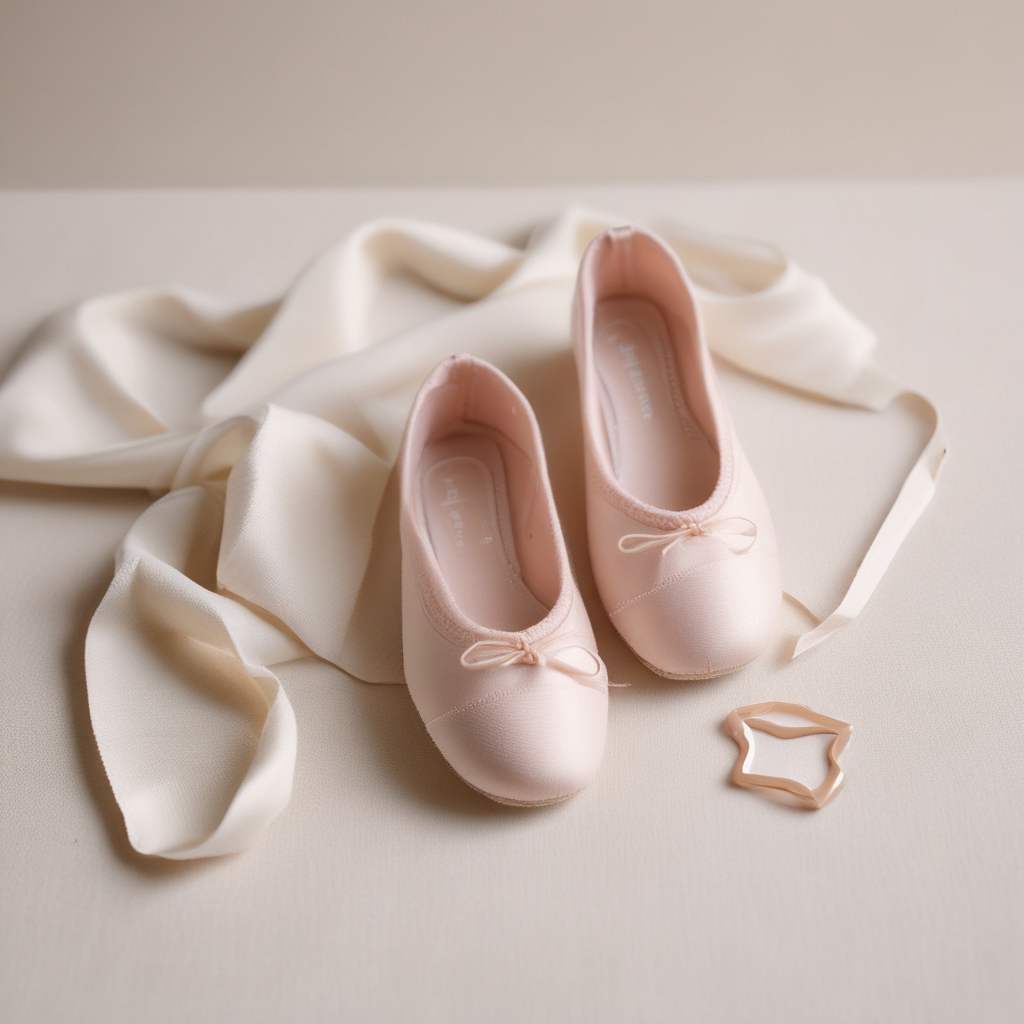
Ballet toe pads silicone gel pad beside pink canvas ballet shoes on cream linen

Ballet toe pads are small cushioning inserts worn inside ballet shoes to protect the toes from friction and pressure. They are often recommended for students who are approaching or beginning pointe work, but some dancers also use lightweight padding in flat ballet shoes when doing extensive demi-pointe or relevé work.

What Do Toe Pads Actually Do?

When a dancer rises to demi-pointe in flat shoes, or goes en pointe in pointe shoes, the toes bear a significant amount of weight and experience friction against the shoe. Toe pads create a soft barrier between the skin and the shoe material, reducing blistering and protecting the bony tips of the toes. They also help manage moisture — many toe pads are made from silicone gel or moisture-wicking fabric that reduces the sweating that contributes to blisters.

Types of Toe Pads

Silicone gel toe pads: The most common type for pointe work. Silicone moulds to the shape of the toes, distributes pressure evenly, and is washable and reusable. They come in full-toe versions covering all five toes, and individual toe covers targeting specific areas.

Foam toe pads: Lighter and thinner than silicone, preferred by advanced dancers who want minimal padding. They compress over time and need replacing more frequently.

Fabric toe pads: Made from cotton or terry fabric, the most breathable option and suitable for pre-pointe and demi-pointe work in flat shoes.

Do Children Need Toe Pads in Flat Ballet Shoes?

Most young children doing RAD grades one through five do not need toe pads for standard classes. Flat canvas ballet shoes are soft enough that blistering is not usually a problem. However, if a child develops a sore spot at the tip of the big toe from frequent relevé work, a thin fabric or silicone toe cap can help while the skin toughens.

When Does Pointe Work Begin?

Most RAD teachers begin pointe work from around eleven to thirteen years old. Our guide on when ballet students start pointe work covers the assessment criteria in detail. Once a student begins pointe work, toe pads become standard equipment.

How to Choose the Right Toe Pad

  • Stage of training: Pre-pointe students need lighter padding than students in pointe shoes.
  • Toe shape: Dancers with a longer second toe may need individual toe caps rather than a full pad.
  • Shoe fit: Toe pads take up space inside the shoe. Try the pad in the shoe before buying in bulk.
  • Sweat levels: Silicone can feel warm. If your dancer has warm feet, try a fabric option first.

Caring for Toe Pads

Silicone gel pads should be washed after every use in cool soapy water and air dried. Fabric pads can be machine washed on a gentle cycle in a laundry bag. Replace pads when they lose their shape, develop tears, or no longer provide cushioning.

What are ballet toe pads and toe spacers?

Ballet toe pads are soft pads, often gel or lambswool, that cushion the toes inside pointe shoes. Toe spacers sit between the toes to stop them rubbing. Try them with your own shoes and check the fit, as a pad that is too thick can crowd the box. See how to protect your toes in pointe shoes.

Posted on

Ballet Bun Tutorial: Step-by-Step Guide for Dance Parents

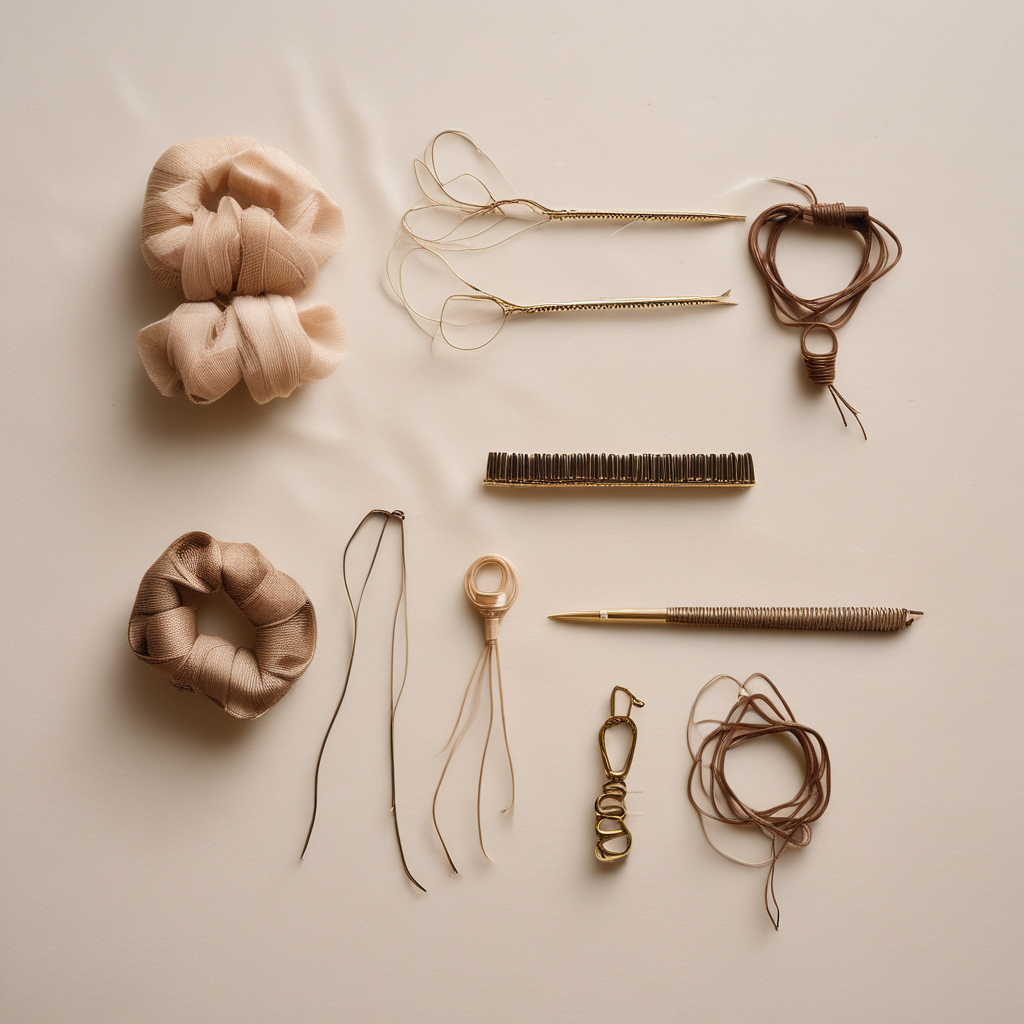
Ballet bun hair accessories kit with bobby pins hair net and elastics on cream linen

The ballet bun is one of those things that looks simple until you are standing behind a seven-year-old with five minutes before class and a pack of bobby pins that keep falling on the floor. With the right technique and the right tools, a secure bun takes about three minutes once you have practiced it a few times.

What You Will Need

  • Fine-toothed comb or tail comb
  • Hair elastics — one for the ponytail, one for the bun
  • Bobby pins (at least six, matching hair color)
  • Hair net (matching hair color)
  • Hairspray or hair gel for flyaways

The hair net is the single most important item for a tidy bun that lasts through a full class. Without it, even a well-constructed bun will loosen as the dancer moves.

Step 1: Smooth the Hair Back

Start with brushed, dry hair. Apply a small amount of hair gel to the hairline if there are flyaways along the sides. Use the tail comb to create a clean center parting if required by the school.

Step 2: Create the Ponytail

Gather all the hair at the crown of the head. For most ballet schools the ponytail sits at the very top of the head — a high placement gives the finished bun a cleaner silhouette. Secure with a hair elastic.

Step 3: Divide and Twist

Divide the ponytail into two equal sections. Twist both sections in the same direction until the whole ponytail is twisted firmly from base to tip. Holding the twisted ponytail taut, wind it around its own base in a circle, keeping the coil flat against the head.

Step 4: Secure the Bun

Wrap a second hair elastic around the outside of the coiled bun to hold it in place. Push bobby pins through the edges of the bun, angling them inward and downward toward the scalp. Six to eight pins are usually sufficient for shoulder-length or longer hair.

Step 5: Add the Hair Net

Open the hair net and slip it over the entire bun. Stretch the net down around the edges and tuck any loose ends underneath. Secure the hair net with two or three extra bobby pins pushed through the net and into the bun. This final step holds stray hairs in place and gives the bun a smooth, finished appearance.

Step 6: Tidy the Edges

Apply hairspray lightly over the whole style, holding the can at arm’s length. Mist lightly — enough to tame flyaways without making the hair crunchy.

Troubleshooting

The bun keeps falling down: The ponytail base is too low or not secured firmly enough. Add more pins through the very bottom edge of the bun.

Flyaways will not stay down: Apply a small amount of gel directly to the flyaway before pinning. Hairspray alone is not always enough for fine hair.

The bun looks messy after class: More pins and a hair net. There is no shortcut for this one.

nn

Shop at ZoeDancewear

Ballet Hair Bow with Long Ribbons u2014 satin bow with long ribbons — the finishing touch for a neat ballet bun. Free shipping over $99 to the US.
Posted on

Satin Ballet Shoes: When Do Dancers Wear Them and Are They Worth It?

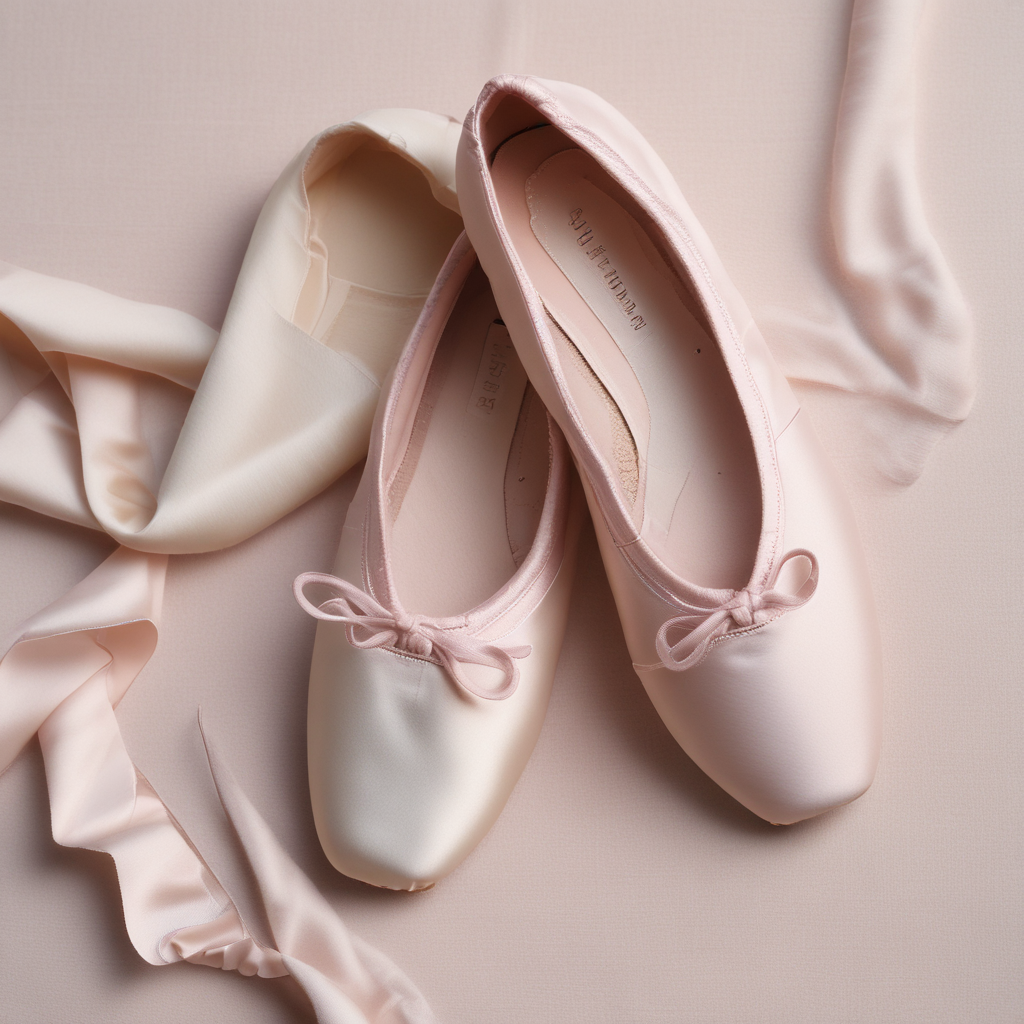
Pale pink satin ballet shoe beside canvas ballet shoe comparison flat lay on cream linen

Satin ballet shoes are the shoes most people picture when they think of ballet. Pale pink, smooth, elegant — they feature in every ballet photo and are the shoe of choice for many performance photographs. But satin shoes are not the same as the canvas shoes used in daily classes, and understanding the difference will save you money and protect your child’s foot development.

What Are Satin Ballet Shoes?

Satin ballet shoes are made from a smooth, shiny woven fabric — traditionally silk satin, now more commonly a polyester or nylon blend. They are soft, lightweight and visually striking. Most satin ballet shoes are full sole, meaning the leather or suede sole runs the full length of the shoe from heel to toe.

When Are Satin Shoes Worn?

Satin shoes are primarily performance and examination shoes. Many dance schools ask students to wear satin shoes for their end-of-year show, their RAD graded examination, or for stage performances. The polished look of satin photographs beautifully under stage lighting and gives the foot a clean line that reads well to an audience.

Some younger children’s RAD class kits also include satin shoes as part of the standard uniform — check your school’s specific dress code, as this varies between studios.

Why Not Wear Satin Shoes Every Day?

Satin is not a durable material for daily class use. The fabric scuffs and marks quickly on studio floors, stains from sweat and rosin, and tears far more easily than canvas. More importantly, satin shoes do not stretch or mould to the foot the way stretch canvas shoes do. Canvas breathes better, holds its shape through washing, and adapts to the individual foot over time. For technique work, canvas is the more practical choice.

How Do Satin and Canvas Fit Differently?

Satin shoes tend to run slightly smaller than the same brand in canvas because the fabric has less give. If your child usually wears a UK 1 in canvas, start by trying a UK 1.5 in satin, then adjust based on the fit check described in our ballet shoe fitting guide. Always measure the foot fresh rather than assuming the same size across materials.

Do You Need Both Canvas and Satin?

Many dance families keep a pair of canvas shoes for everyday class and a separate pair of satin shoes for examinations and performances. This approach protects both pairs and ensures the satin shoes look their best when it matters. Canvas shoes are the everyday workhorse; satin shoes are kept for best.

If your school only requires one type of shoe, canvas is almost always the practical recommendation for class use. If your child is preparing for an RAD examination and the school’s dress code requires satin, budget for a pair specifically for that purpose.

Posted on

How Should Ballet Shoes Fit? A Parent’s Complete Fitting Guide

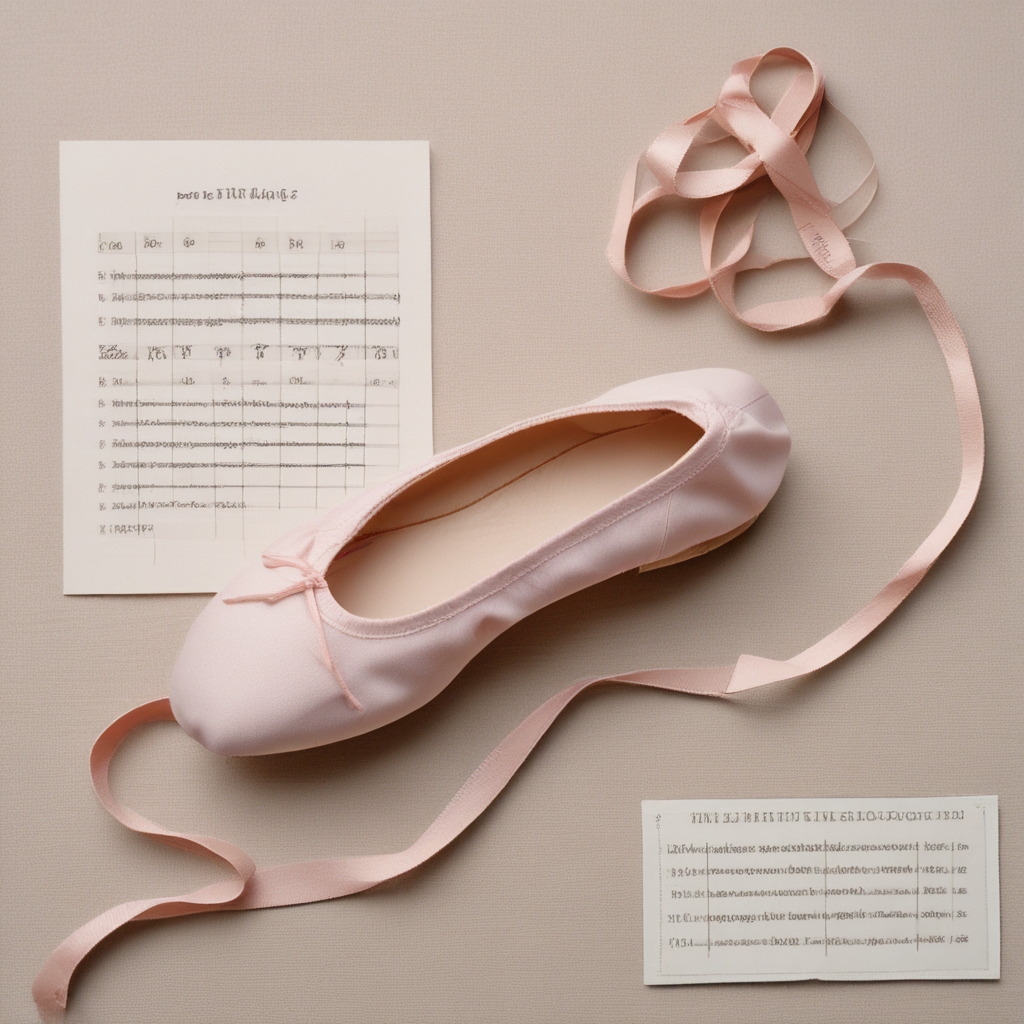
Pink canvas ballet shoes with cloth measuring tape for fitting guide on cream linen

Ballet shoes do not fit like school shoes. They sit snugly — sometimes uncomfortably snug by everyday standards — and that close fit is intentional. Understanding why ballet shoes fit the way they do, and what the difference between a correct fit and a damaging one looks like, saves a lot of frustration and wasted money.

The General Rule: Snug but Not Painful

A well-fitting ballet shoe should feel like a second skin. There should be no excess fabric bunching at the toes or the sides, and the shoe should not slip at the heel when the dancer walks. At the same time, the toes should not be curled or pressed against the end — that causes blisters and can contribute to longer-term foot problems.

Most manufacturers recommend sizing ballet shoes half to one full size smaller than a standard street shoe. This varies by brand and style, so always check the specific size chart for the shoe you are buying.

Fitting the Toes

Stand the dancer on a hard floor in the shoes. The tips of the longest toes should just brush — or come within a couple of millimeters of — the end of the shoe. You should not be able to push a finger between the toe and the shoe end when the dancer is standing flat.

When the dancer rises to demi-pointe, the toes should flatten slightly and the shoe should hold them without the fabric wrinkling excessively at the sides. A small amount of gathering in the drawstring area is normal; large folds of canvas across the top of the shoe indicate the shoe is too wide or too long.

Fitting the Heel

The heel of the shoe should sit flat against the Achilles tendon with no gap or slippage. Ask the dancer to rise to demi-pointe and lower back down several times: if the heel of the shoe lifts away from the foot, the shoe is too long or the elastics need adjusting.

Fitting the Width

Ballet shoes are available in different width fittings. Most standard shoes are made for a medium width foot. Dancers with wider feet should look specifically for wide-fitting shoes, as forcing a wide foot into a standard fitting shoe creates pressure points across the knuckles of the toes.

Our ballet shoe width fitting guide explains narrow, medium and wide options in detail and covers how to measure your child’s foot at home before buying.

How Much Growing Room Is Acceptable?

None, ideally. Unlike school shoes, ballet shoes should not have growing room built in. A shoe with half an inch of space at the toe will wrinkle at the instep, prevent the foot from pointing cleanly, and cause the dancer to grip with the toes to stop the shoe from falling off. This means ballet shoes need replacing more often than street shoes. Children in active classes often need new shoes every four to six months during growth spurts.

Buying Online: How to Measure at Home

Place a piece of paper on a hard floor. Have the dancer stand on it with their weight evenly distributed. Trace around both feet. Measure the distance from the back of the heel to the tip of the longest toe on each foot — feet are often slightly different sizes. Use the larger measurement as your reference.

Compare this to the brand’s size chart, and if your measurement falls between sizes, go for the smaller size when the brand suggests a snug fit, as most ballet shoe brands do. See our full online buying guide for more tips on measuring and sizing remotely.

nn

Shop at ZoeDancewear

Stretch-Canvas Ballet Shoes u2014 available in a full range of sizes, with a snug stretch-canvas fit. Free shipping over $99 to the US.
How should a ballet slipper fit?

A ballet slipper should feel snug like a second skin, with the toes lying flat and no folds across the arch. The heel should not slip when you rise. If the shoe feels loose, tying it tighter will not fix a size that is too big. See how to tie ballet slippers.

Posted on

Full Sole vs Split Sole Ballet Shoes: Which Is Right for Your Child?

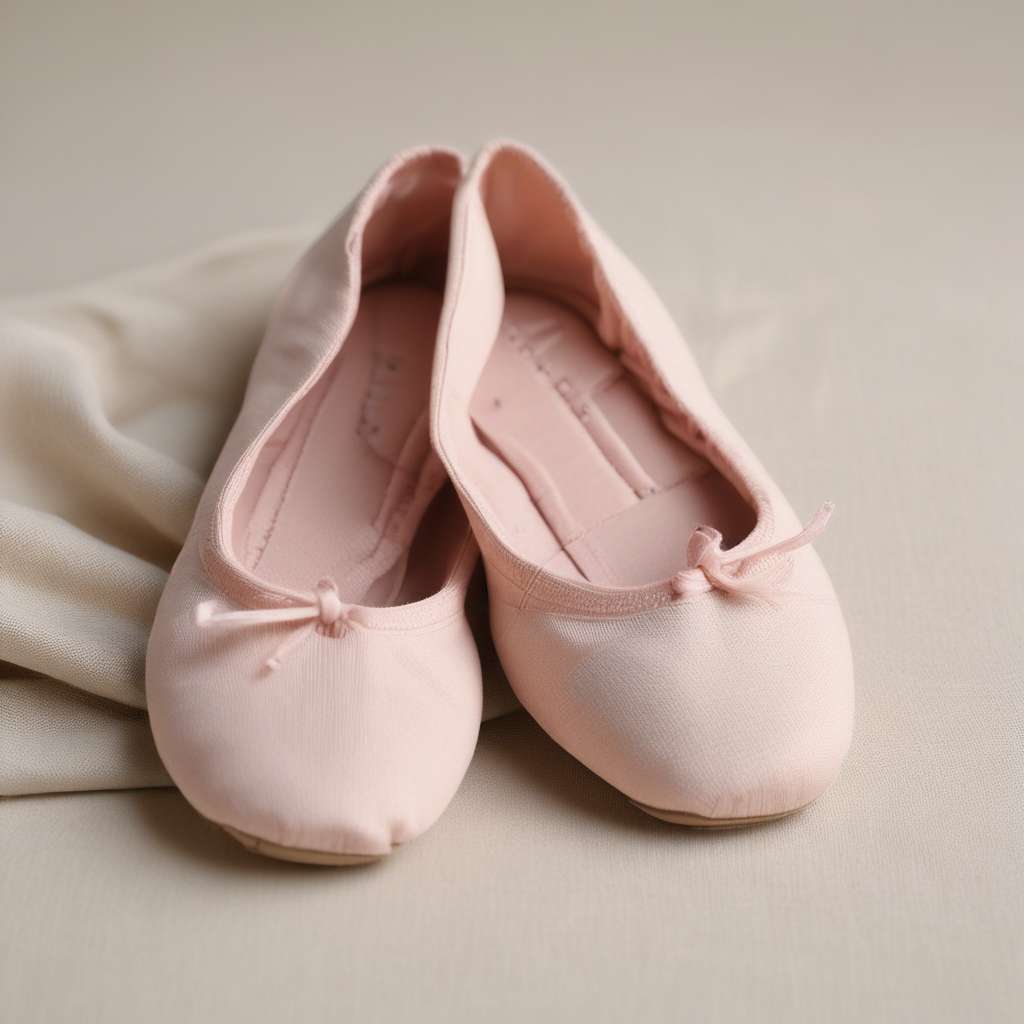
Full sole and split sole pink canvas ballet shoes comparison flat lay on cream linen

When you start shopping for ballet shoes you quickly notice two main styles: full sole and split sole. Both look similar on the outside, but they work very differently underfoot — and choosing the wrong one at the wrong stage can actually slow a young dancer’s progress.

What Is a Full Sole Ballet Shoe?

A full sole ballet shoe has a single piece of leather or canvas running the entire length of the sole, from heel to toe. Because the sole is continuous, the shoe offers moderate resistance when the foot tries to point. This resistance is precisely what makes full sole shoes excellent for beginners.

When a child is learning to point their foot, they are developing the small muscles of the arch and the intrinsic muscles between the metatarsals. A full sole shoe gives those muscles something to work against — a gentle resistance that builds strength gradually. Skipping this stage by moving too quickly to a split sole shoe is like learning to lift weights with zero resistance: you miss the foundational strengthening work.

What Is a Split Sole Ballet Shoe?

A split sole ballet shoe has two separate pads of material — one under the ball of the foot and one under the heel — with the arch of the foot exposed. With nothing supporting the middle of the foot, the shoe allows the full range of the dancer’s point to show without restriction.

Split sole shoes are flattering on the foot and popular with older, more experienced dancers whose arches are already strong and flexible. Without the built-in resistance of a full sole, the dancer’s own muscles must hold the arch and instep when pointing — which is only appropriate once those muscles have been properly developed.

Which Age and Stage Needs Which?

Most RAD teachers recommend full sole shoes for children up to approximately age seven or eight, or through Grade 3 level. At this stage the foot is still developing and the arch muscles need the resistance the full sole provides.

Once a student has a secure demi-pointe and begins RAD Grade 3 or above, many teachers allow a move to split sole canvas shoes. The dancer should already be able to hold a strong demi-pointe without the shoe doing the work for them.

Adult beginners follow slightly different guidance. Because an adult foot is already fully formed, many teachers start adults directly in a split sole canvas shoe, as the arch muscles in an adult respond differently to resistance training than a child’s developing foot.

Canvas vs Leather: Does It Affect the Choice?

Both full sole and split sole shoes come in canvas and leather versions. Canvas ballet shoes are the most common choice for class because they are lightweight, breathable and mould to the foot quickly. Leather full sole shoes are slightly more durable and are sometimes preferred for very young children whose feet grow fast and put shoes through more wear.

Satin ballet shoes, which you may have seen in performances, are almost exclusively full sole and are not suitable for everyday class use.

What Do RAD Dance Schools Usually Specify?

Many RAD-affiliated schools specify the shoe type in their uniform policy. Always check with your child’s teacher before purchasing. If your school has not specified, a good rule of thumb is:

  • Pre-Primary through Grade 2: full sole canvas or leather
  • Grade 3 and above: split sole canvas (teacher’s discretion)
  • Adult beginners: split sole canvas is widely accepted

Can You Tell the Difference by Looking?

From above, full sole and split sole shoes look almost identical. Turn the shoe over: a full sole shoe has an unbroken layer covering the whole underside, while a split sole shows the fabric of the upper between the two pads. The arch of a split sole shoe is noticeably flexible when you bend it in your hand.

Summary

Full sole ballet shoes build the arch strength that young dancers need. Split sole shoes let that strength show once it has been developed. Starting with a full sole shoe is not old-fashioned — it is the foundation for a clean, strong technique that will serve a dancer for years.

If you are unsure which type is right for your child’s current stage, ask their teacher before buying. Our guide to buying ballet shoes online also covers width fitting, sizing and what to look for when you cannot try shoes in person.

nn

Shop at ZoeDancewear

Stretch-Canvas Ballet Shoes u2014 split-sole canvas — flexible, lightweight and RAD-appropriate. Free shipping over $99 to the US.
Posted on

Easter Ballet Intensives: What to Bring and Wear

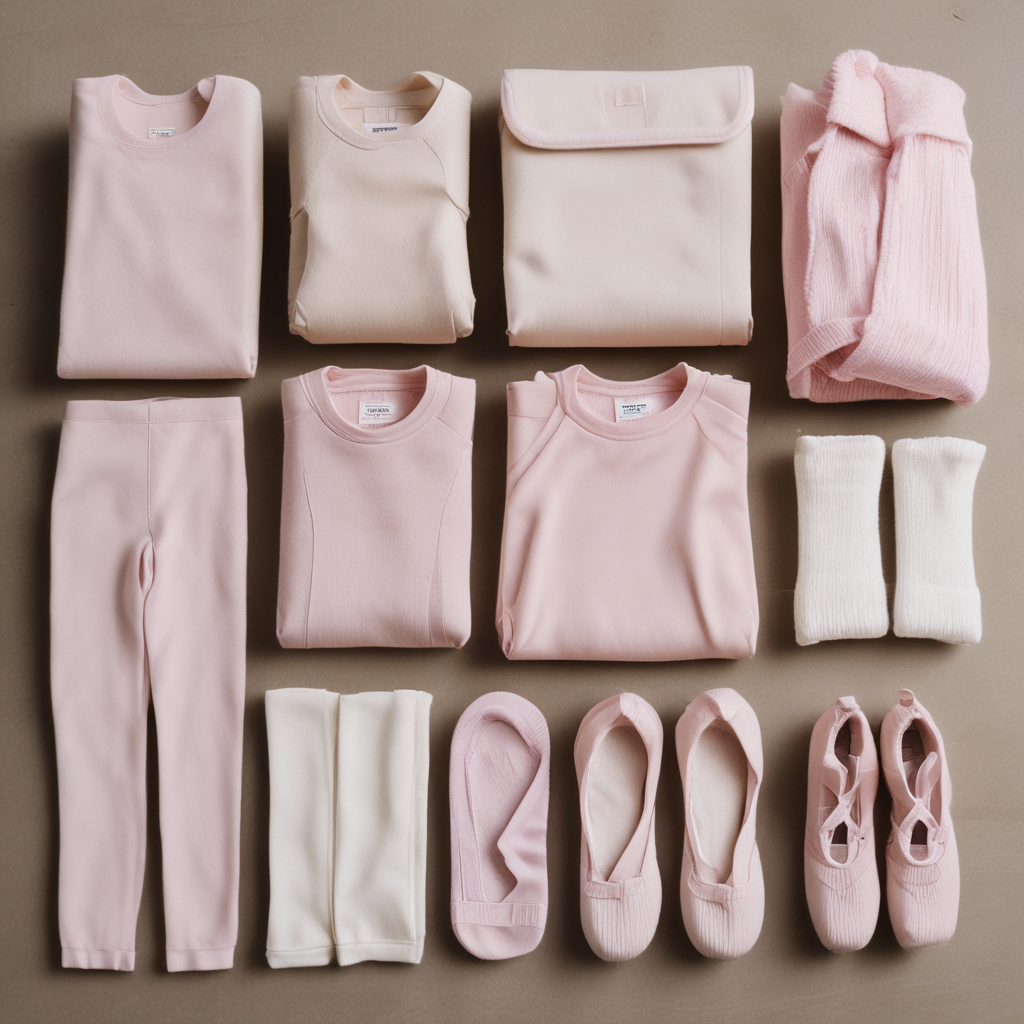
Ballet intensive packing kit with two sets of uniform and accessories on cream linen

Easter and summer holiday ballet intensives are a fantastic opportunity for committed students to accelerate their training. Unlike regular weekly classes, intensives pack 3–5 hours of ballet into a single day across several days. That level of training demands more careful preparation — both in terms of what your child wears and what they bring with them.

What Is a Ballet Intensive?

A ballet intensive is a series of classes held during school holidays, typically spanning 2–5 days. They may be run by your own dance school or by a visiting company or guest teacher. A typical day at an Easter intensive might include:

  • Morning technique class (60–90 minutes)
  • Repertoire or variations class (60 minutes)
  • Pas de deux or character work (45–60 minutes)
  • Cool-down or conditioning session

This is significantly more physical than a single weekly class, and the kit and nutrition requirements are correspondingly greater.

What to Wear for an Intensive

For most RAD-affiliated intensives, the standard uniform applies: grade leotard, pink tights, and ballet shoes. However, since students are working for multiple hours:

  • Bring a second leotard and tights — sweating through the morning leotard and changing into fresh kit for the afternoon session makes a real difference to both comfort and professionalism
  • Warm-up layers are essential — muscles that cool down between sessions need to warm up again. A ballet wrap cardigan and warm-up booties are important, not optional
  • Change of shoes — at intensive level, many students bring a spare pair of ballet flats in case their main pair gets soaked with sweat or the elastic pops

What to Pack for a Full Day of Classes

  • 2 sets of class uniform (leotard + tights + belt)
  • Ballet shoes (and a spare if available)
  • Warm-up cardigan or wrap
  • Leg warmers and/or warm-up booties
  • Full hair kit with extra pins — buns need redoing between sessions
  • Large water bottle — at least 750ml, refillable
  • Proper lunch and multiple snacks — this level of training burns far more energy than a weekly class
  • Foot care: plasters, vaseline, and toe pads for students doing pointe work
  • Any medications (e.g., pain relief for sore muscles — with parental permission form if required by the school)
  • A light cardigan or hoodie for the breaks between sessions to stay warm

Nutrition for an Intensive Day

Intensive ballet training is demanding on the body. Students need more fuel than a normal class day:

  • A substantial breakfast before the first class — porridge, eggs, or similar
  • A mid-morning snack (banana, rice cakes, or a protein snack)
  • A proper sit-down lunch with carbohydrates and protein — not just a sandwich
  • An afternoon snack
  • Consistent water throughout the day

Avoid heavy, high-fat meals immediately before class as they slow digestion and affect energy levels in class.

Looking After the Body Between Sessions

During breaks between classes:

  • Stretch gently rather than sitting completely still
  • Change out of sweaty kit if possible
  • Eat something even if not hungry — the body needs fuel
  • Rest the feet — sit rather than stand during longer breaks

After the final class of the day, a gentle cool-down stretch at home is helpful. Young bodies recover well, but high-volume training requires respect — monitor your child for signs of over-tiredness or pain that goes beyond normal muscle soreness.

Frequently Asked Questions

My daughter has never done an intensive before. What level should she be at?

Most Easter intensives are designed for students from Grade 3 upward, though this varies by the school hosting them. Some schools run beginner intensives for Grade 1–2 students. Check the prerequisite level with the school before registering.

Do I need to buy anything special for an intensive, or will regular class kit do?

Regular class kit is fine for the basic uniform. The main additional items are a second set of class clothes, more substantial food, a larger water bottle, and warm-up layers. Nothing completely new is required unless the intensive specifies otherwise.

My child is sore after day one of the intensive. Should I pull them out?

Some muscle soreness after an unusually high-volume day is normal. If it’s general tiredness and mild soreness, rest, hydration, and nutrition overnight should help. If there’s acute pain, swelling, or pain in a joint (not muscle), consult a doctor before continuing.

Posted on

Ballet Leotard Colors by RAD Grade: A Complete Visual Guide

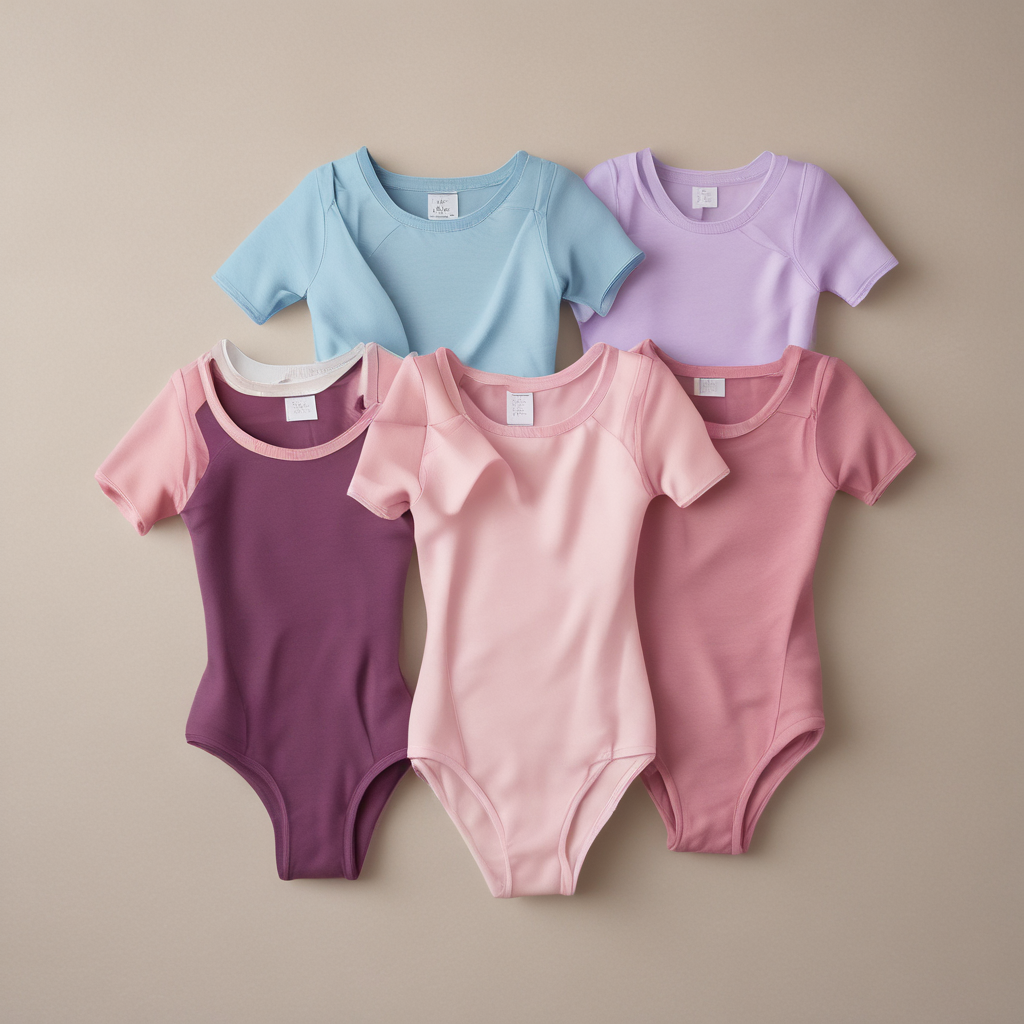
Row of RAD grade ballet leotards in grade colors from pink to purple on cream linen

One of the most searched questions among ballet parents is: “What color leotard does my child need?” The answer depends entirely on which grade they’re in and which exam board their school uses. For Royal Academy of Dance (RAD) schools, here is a complete grade-by-grade color guide — from the very first Pre-Primary class all the way through to the Vocational level.

RAD Ballet Leotard Colors by Grade

The RAD color system is designed so that every grade has a distinct color, making it easy for teachers to identify students at a glance. Here is the standard color progression:

  • Pre-Primary: Candy pink (bright ballet pink) — usually short-sleeved
  • Primary: Candy pink or pale pink — style may change from Pre-Primary
  • Grade 1: Pale blue or ice blue — the first “non-pink” grade at many schools
  • Grade 2: Pale or airforce blue
  • Grade 3: Blue — slightly deeper than Grade 2 at some schools; lilac at others
  • Grade 4: Lilac
  • Grade 5: Lilac or pale purple (varies by school)
  • Grade 6: Purple or deep lilac
  • Grade 7: Purple or burgundy
  • Grade 8: Burgundy or deep purple
  • Intermediate Foundation / Intermediate: Black or dark navy camisole leotard
  • Advanced Foundation and above: Black — typically more formal styles

Note: These are common RAD patterns, not a single mandated universal system. Individual schools may vary shades by one grade, and some have school-specific colors. Always confirm with your school’s written uniform policy.

Why the Colors Change Through the Grades

The progression from pale pink through lilac, purple, and eventually black mirrors the dancer’s journey from beginner to advanced student. Each color shift marks a new level of expectation — technically, physically, and in terms of discipline and presentation. For students, wearing the right color is a badge of their current achievement and a visible signal of their grade to teachers and peers.

What to Do When the Colors Look Similar

Some grade transitions involve shades that look very similar — particularly in the lilac-to-purple range. If you’re buying online and can’t compare the shade in person:

  • Ask the school if they have a color swatch or can name a specific shade
  • Check if the school recommends a specific brand — other parents in the grade can often tell you what worked
  • When buying from a new brand, look for fabric sample swatches or order from a retailer with a free returns policy

Boys’ Leotard Colors in RAD

For male students, the RAD uniform is different. Boys typically wear a white or black fitted top or t-shirt rather than a leotard, with either dance shorts or black tights. The grade color system is primarily applied to girls’ leotards. Boys’ uniform varies significantly by school, so ask the teacher directly for guidance.

What Changes Other Than Color?

As students progress through the grades, the leotard style also evolves. Lower grades (Pre-Primary through Grade 3) often wear short-sleeved leotards; higher grades transition to camisole or sleeveless styles that allow better visibility of arm line and back positioning. Some grades also move from crossover or gathered-waist styles to plain, undecorated leotards.

Frequently Asked Questions

My child was recently promoted. Does she need the new color right away?

Most schools allow a grace period of 2–3 weeks after a grade promotion to source the new uniform. Communicate with the teacher so they know you’re working on it.

Can my daughter keep wearing her old color in class while we wait for the new leotard?

For a week or two, yes — most teachers understand. Beyond that, wearing the wrong grade color can cause confusion in class and occasionally affects morale (the student herself usually wants to wear the right color).

My school says “lilac” but the leotards I’m finding online look purple. Are they the same?

Not exactly. Lilac is a lighter, softer purple-pink; purple is deeper and more saturated. If you’re unsure, ask the school to confirm the shade name they use or whether they can show you a physical sample.

nn

Shop at ZoeDancewear

Girls Sleeveless Ballet Leotard u2014 available in the key RAD colors, sizes 100-170. Free shipping over $99 to the US.