Posted on

What Is RAD Ballet? A Parent’s Introduction to the Royal Academy of Dance

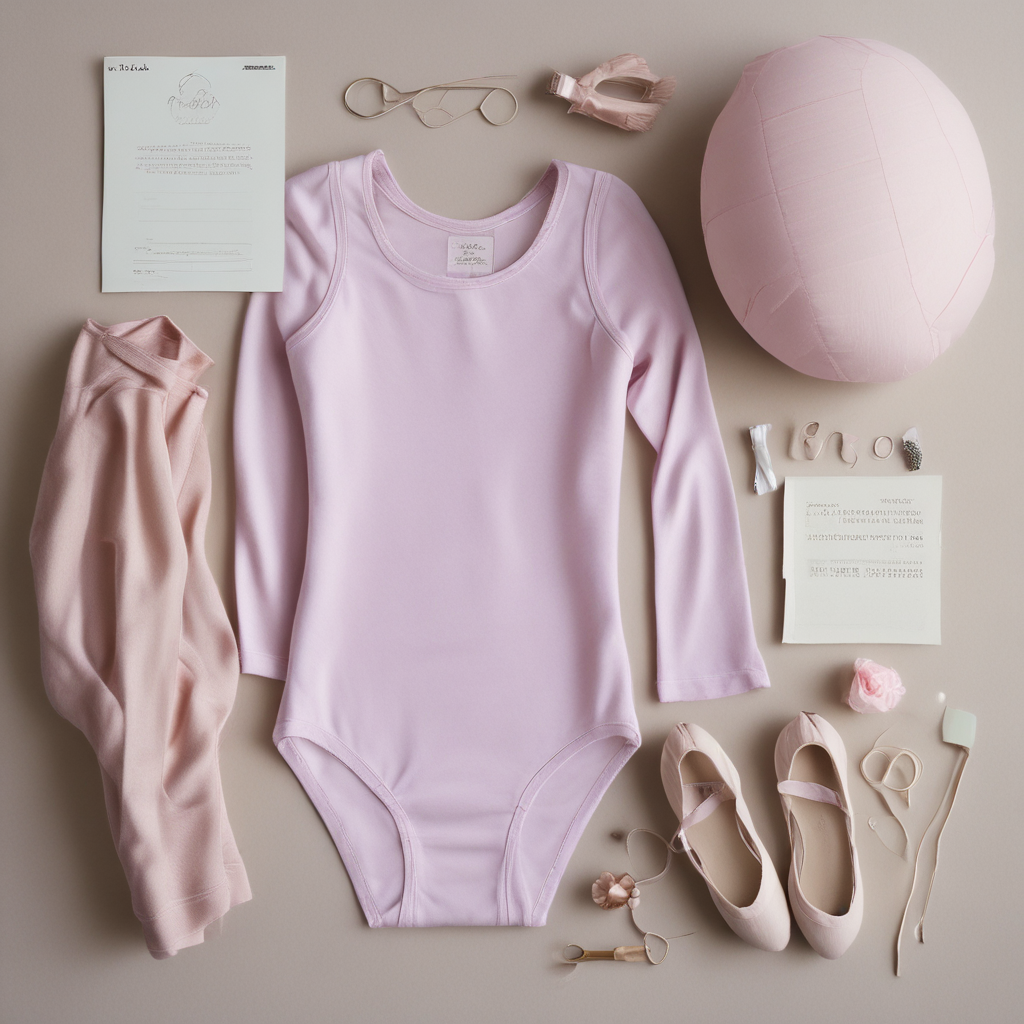
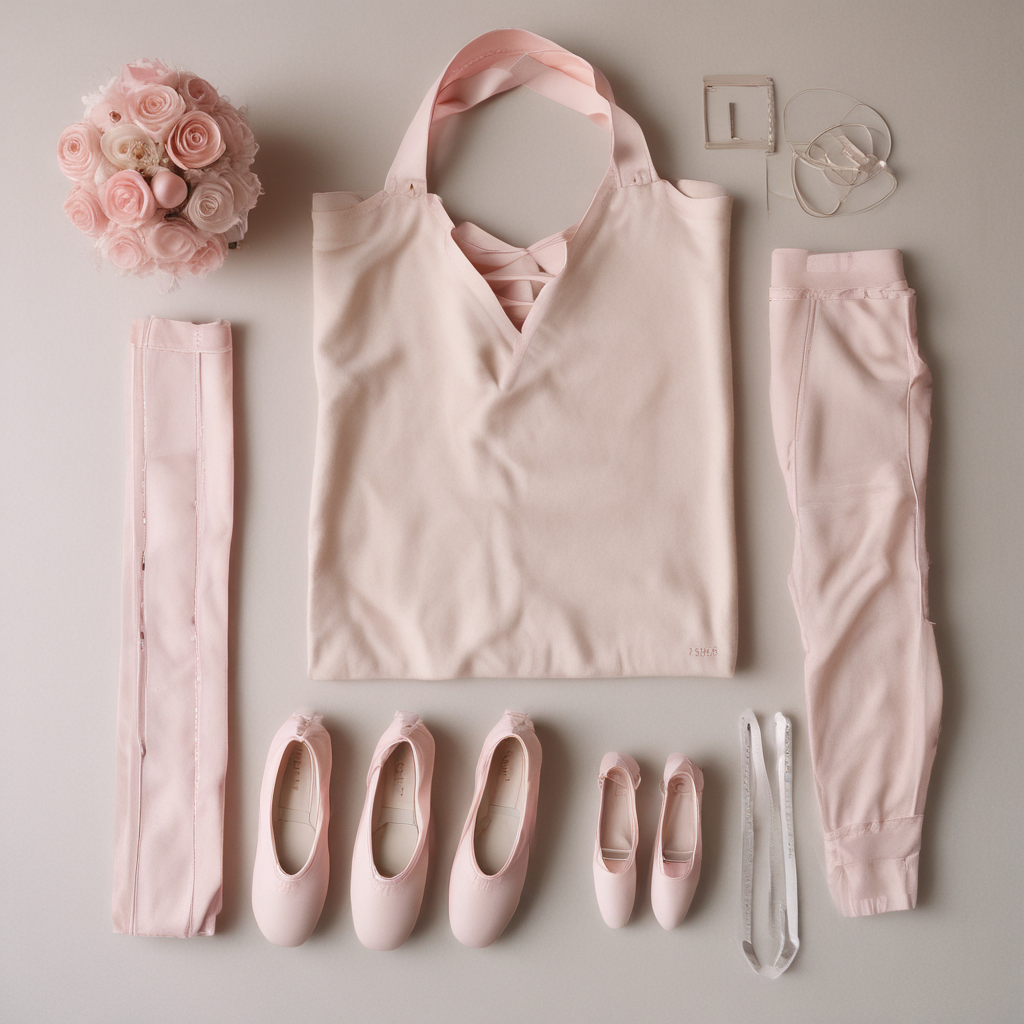
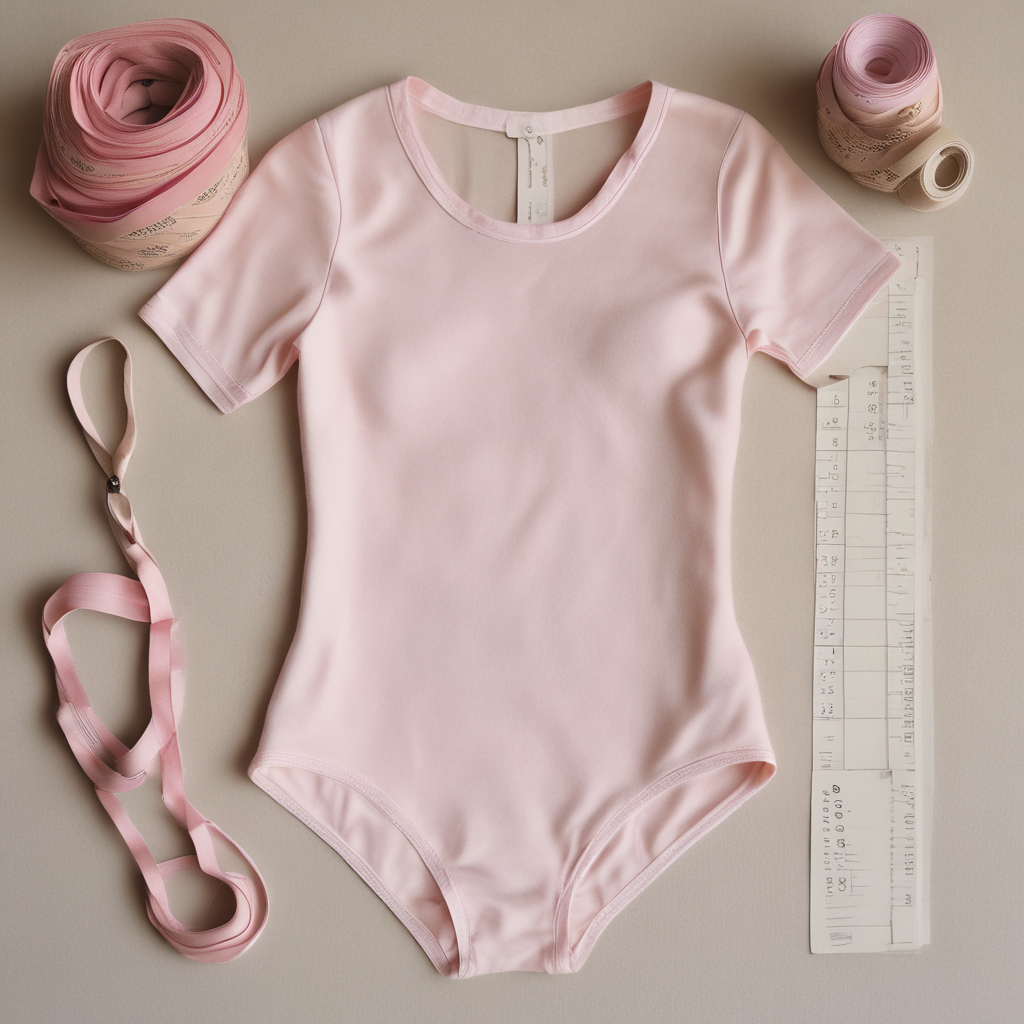
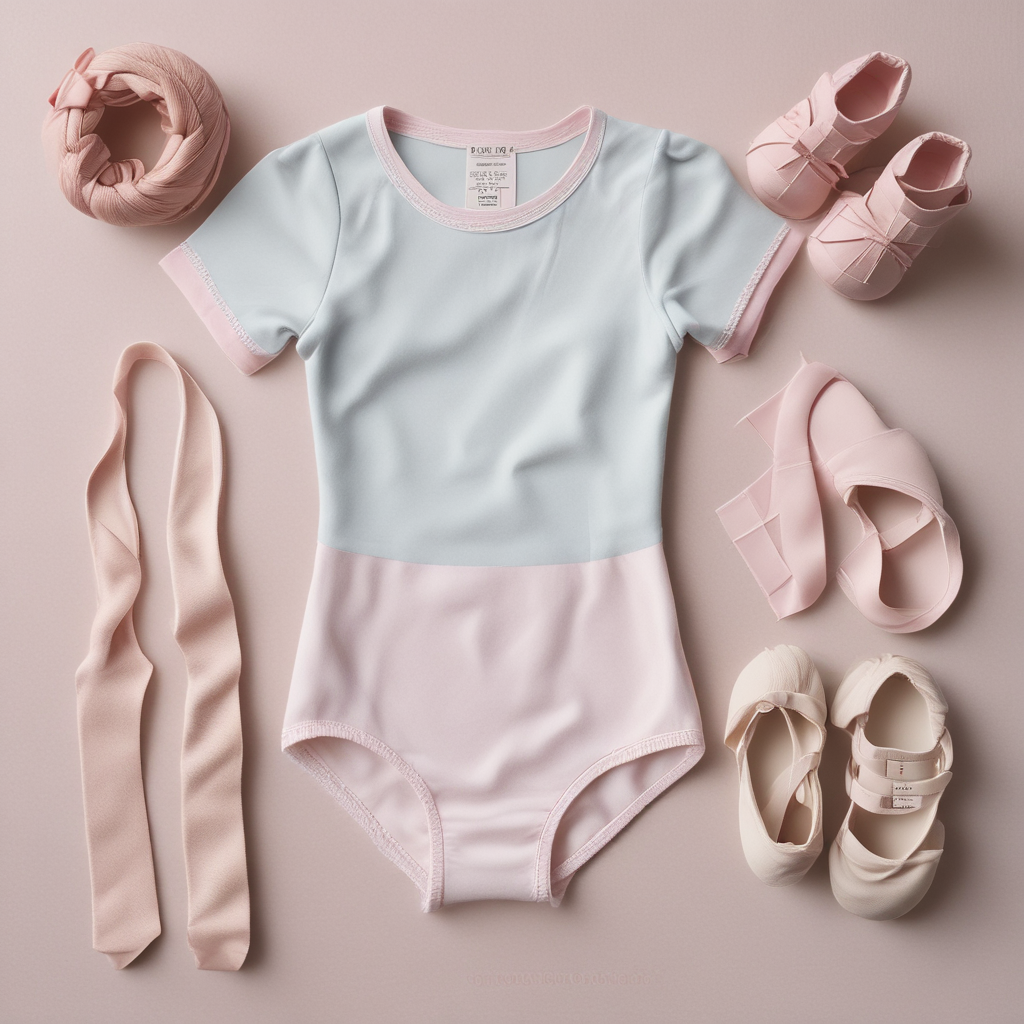
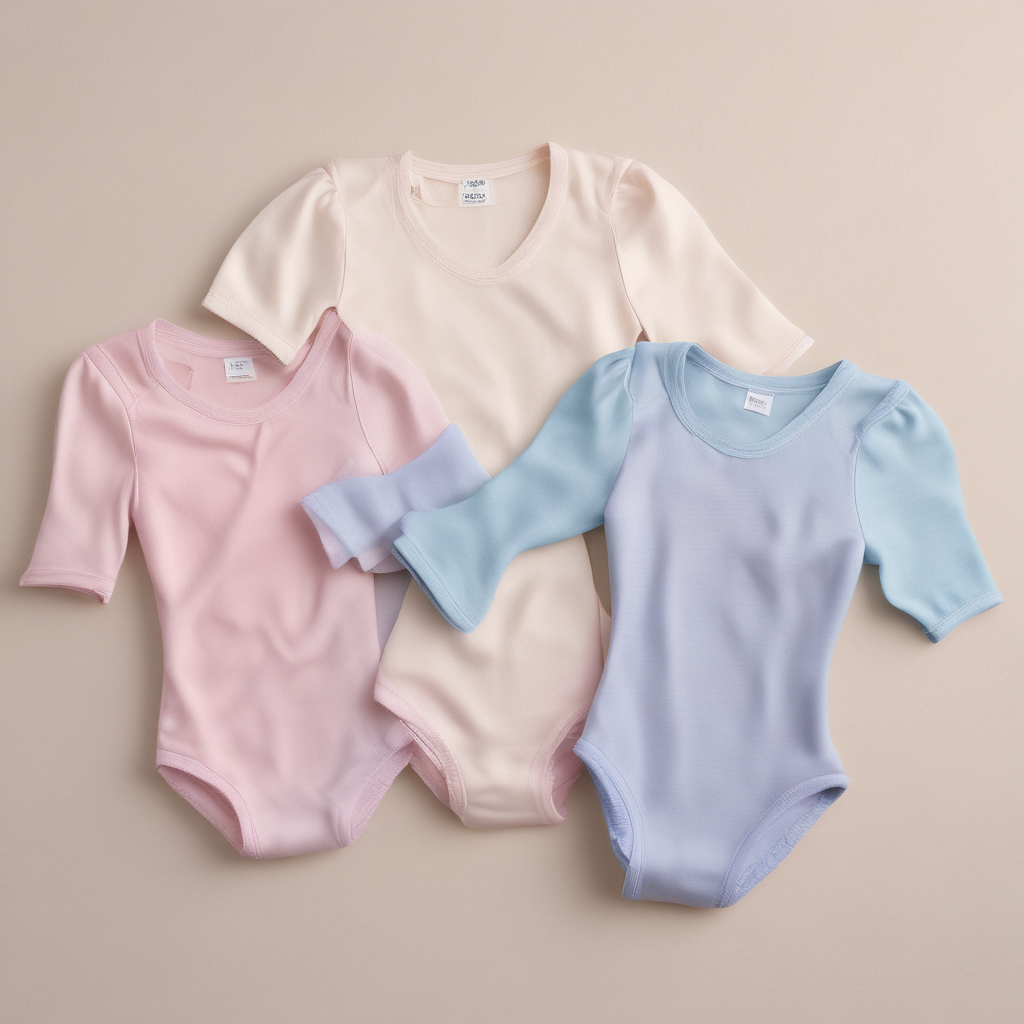
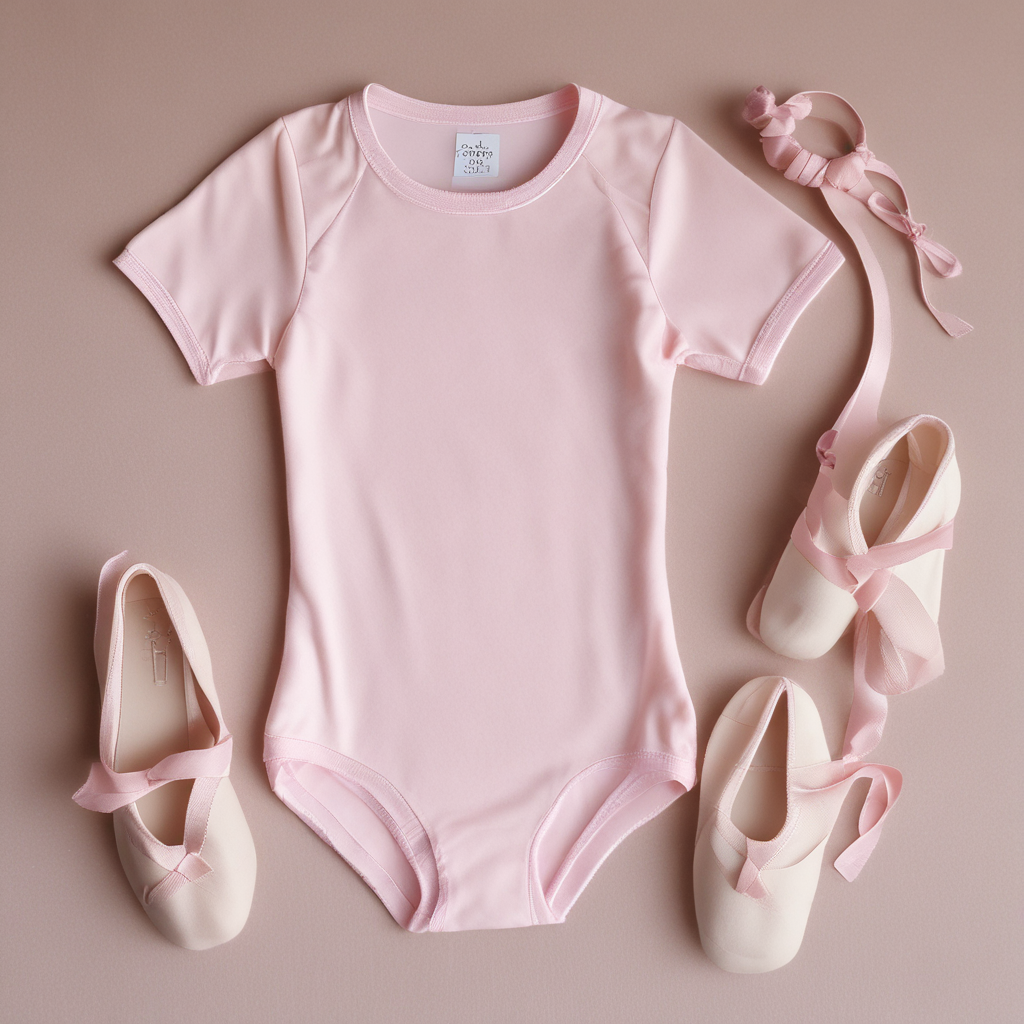
Classic RAD ballet uniform items including pink leotard tights and shoes on cream linen

When your child starts ballet classes, you’ll likely hear the term “RAD” used frequently — by the school, in uniform guides, and on examination certificates. But what exactly is the RAD, and what does it mean for your child’s ballet training? This guide explains everything parents need to know about the Royal Academy of Dance.

What Does RAD Stand For?

RAD stands for the Royal Academy of Dance. It is an international dance education organization headquartered in London, UK. Founded in 1920 and granted a Royal Charter in 1936, the RAD is one of the world’s leading providers of ballet teacher training and graded ballet examinations.

The RAD develops and maintains a ballet syllabus used by thousands of dance schools in over 79 countries. When a school is “RAD-affiliated,” it means the teachers are trained in the RAD method and students are assessed using the RAD grading system.

The RAD Grading System: From Pre-Primary to Advanced

The RAD divides ballet training into two main tiers:

Graded Examinations (typically ages 3–16+):

  • Pre-Primary in Dance
  • Primary in Dance
  • Grade 1 through Grade 8

Vocational Graded Examinations (more advanced students, typically 11+):

  • Intermediate Foundation
  • Intermediate
  • Advanced Foundation
  • Advanced 1
  • Advanced 2

Students typically progress through one to two grades per year, depending on class frequency and individual development. Not every student takes examinations — some schools focus on class work without formal assessment, and that’s valid too.

What Happens in an RAD Ballet Exam?

RAD examinations are conducted by an external examiner sent by the RAD. Students perform set exercises and dances from the syllabus, which they’ve been preparing in class over the year. The examiner awards marks and provides feedback. Exams typically take 20–45 minutes depending on the grade and are done in small groups.

Students receive a grade: Merit, Distinction, Pass, or — rarely — not-yet-achieved. Most students who are entered for exams achieve at least a Pass, because teachers only enter students they feel are ready.

What Makes RAD Different from Other Methods?

The two main ballet examination bodies in the UK are the RAD and the ISTD (Imperial Society of Teachers of Dancing). Both have respected syllabi, but the RAD is more widely recognized internationally — particularly relevant if your family moves countries or if your child aspires to a professional career. The RAD’s graded system is also more standardized across schools than some other methods.

Do All Ballet Schools Use RAD?

No. Many excellent schools use ISTD, BATD, or other curricula, or teach a non-examination-based approach. The quality of teaching matters more than the examining body. If you’re choosing a school, observe a class and meet the teacher rather than simply looking for an RAD affiliation.

What Does RAD Mean for the Uniform?

RAD schools follow a color-coded uniform system where each grade has a specific leotard color. This makes the uniform more structured than at some other schools. For a full breakdown of what your child needs at each grade, see our RAD Ballet Uniform Guide by Grade.

Frequently Asked Questions

Is RAD ballet better than other types of ballet training?

Not inherently — the quality of the individual teacher matters most. RAD is widely respected and internationally recognized, which has practical benefits, but excellent dancers have emerged from all major training systems.

Does my child have to take RAD exams?

No. Many students attend RAD schools without sitting formal examinations. The exams are optional, though most schools encourage them as they provide structured goals and professional feedback.

At what age can a child start RAD ballet?

Most RAD schools accept children from age 3 for Pre-Primary classes. Some schools have younger “baby ballet” or “Minis” classes that feed into the formal RAD system from age 3 or 4.

Is an RAD certificate recognized professionally?

RAD vocational grades (Intermediate and above) are recognized by arts organizations and professional schools. Graded examinations (Grade 1–8) are valuable for student motivation and teacher assessment but are not vocational qualifications in themselves.

Posted on

Ballet Exam Preparation: Practical Tips for Dance Parents

Ballet exam preparation items flat lay - fresh tights leotard shoes and hair kit on cream linen

A ballet examination is an exciting milestone for young dancers — and a logistical challenge for parents. In the weeks leading up to the exam, a little preparation goes a long way toward making the day smooth and stress-free. This guide covers everything you can do at home to support your child before and on exam day.

Start Uniform Checks Six Weeks Before the Exam

Don’t leave uniform to the last minute. Six weeks before the examination date, take out all the exam uniform and check:

  • Leotard: correct grade color, clean, no holes or stretched straps, proper fit (not too tight or too small)
  • Tights: no holes, pills, or runs — buy a fresh pair specifically for the exam
  • Ballet shoes: elastics secure, not worn through at the sole, the right color
  • Elastic belt: correct color, the right length for the current waist size
  • Hair accessories: hair net in the right color, enough pins, bun builder if used

Order any replacements early — dancewear delivery can take 7–10 days, and you don’t want to be scrambling the day before.

Practice the Hair for Class, Not Just the Day Before

Exam buns are more formal and polished than everyday class buns. Practice putting your child’s hair up in the exam style in the weeks before the examination so you’re confident on the day. The bun must:

  • Sit centered at the back of the head (not low like a chignon)
  • Have no flyaways or loose strands around the face or neck
  • Stay secure for the full duration of the exam (typically 20–45 minutes)
  • Be covered with a hair net in a matching color

For a step-by-step guide, see our How to Do a Ballet Bun guide. Products that help: clear elastic bands (not colored), kirby grips (bobby pins) in matching hair color, fine hairnet, and hairspray for flyaways.

The Week Before: What to Prepare

  • Wash and dry the leotard and tights so they’re clean but have been worn once — brand-new tights straight from the packet can be slightly stiff
  • Check that ballet shoes are clean and elastics are sewn securely
  • Pack the exam bag the evening before (see our RAD Exam Day Checklist for a full list)
  • Check the exam schedule — know the exact time and location, and plan to arrive 15–20 minutes early

Managing Nerves Before the Exam

It’s completely normal for children to feel nervous before an exam. Things that help:

  • Remind your child that the examiner is not there to catch them out — they genuinely want to see students at their best
  • Focus on what your child knows, not what they’re still perfecting
  • Avoid running through the whole exam syllabus the night before — a tired, over-rehearsed child performs worse than a rested one
  • Keep the morning calm and allow extra time so no one is rushing
  • Trust the teacher — if the teacher has entered your child for the exam, they believe the child is ready

On the Day of the Exam

Aim to arrive at the studio 15–20 minutes before the scheduled exam time. This gives your child time to warm up mentally, use the bathroom, and settle in without feeling hurried. Most schools have a warm-up class before the examiner begins, but confirm this with the teacher in advance.

After the exam, celebrate the effort regardless of the result. Exam grades come weeks after the exam — in the meantime, the experience of performing under formal conditions is itself valuable.

Frequently Asked Questions

Can I watch my child’s ballet exam?

Usually no — RAD exams are conducted privately with only the students, teacher, and examiner present. Some studios have a waiting area outside; others ask parents to return at a set time. Check your school’s policy in advance.

What happens if my child forgets something during the exam?

Forgetting a step or momentarily losing the combination is normal at all exam levels. The examiner is trained to put students at ease. If it happens, the teacher is usually nearby to quietly prompt or the child simply continues as best they can. It rarely affects the final grade as much as parents fear.

When do exam results come through?

RAD exam results are typically issued 4–8 weeks after the examination date. They come in the form of a certificate and mark sheet sent to the school, which then distributes them to students.

Posted on

How to Pack a Ballet Bag: Age-by-Age Checklist

Open pink ballet tote bag surrounded by class kit items on cream linen

Packing a ballet bag seems straightforward — shoes and tights, right? But as students move through the grades, the kit they need expands significantly. Getting into a good packing routine early makes class days calmer for everyone. Here’s a practical age-by-age guide to exactly what should be in your child’s ballet bag.

Ages 3–5: Pre-Primary and Primary (The Essentials Only)

For the youngest students, keep the bag simple. At this age, children don’t need much:

  • Ballet leotard (in the correct grade color)
  • Pink tights
  • Canvas ballet shoes
  • Water bottle
  • A small snack for after class (optional)
  • Hair accessories (elastic bands, kirby grips, small hair net)

Younger children often change at the studio, so pack their class clothes separately in a way that’s easy to get on and off. A small tote bag is usually enough at this stage.

Ages 6–9: Grades 1–4 (Growing Needs)

By this age, students are attending class more regularly and may have homework exercises to practice at home:

  • Grade leotard and pink tights
  • Canvas ballet shoes
  • Elastic belt in correct color
  • Spare pair of tights (holes happen)
  • Water bottle
  • Small snack
  • Hair kit: elastic bands, kirby grips, bun builder, hairnet, hairspray
  • Class notebook (some teachers give written notes on exercises)
  • Any props needed for that term (pom-poms, ribbons, tambourine — check the teacher’s list)

Ages 10–13: Grades 5–8 (Senior Grade Kit)

Older students are attending more frequently and the physical demands of class are higher:

  • Grade leotard and pink tights
  • Canvas or leather ballet shoes
  • Warm-up layers: wrap cardigan or ballet warm-up booties, leg warmers for pre-class
  • Elastic belt if still required
  • Spare tights
  • Water bottle and a substantial snack or small meal if classes are back-to-back
  • Full hair kit
  • Foot care: small tube of vaseline or barrier cream for blisters; plasters in toe sizes
  • Any accessories for current syllabus

Ages 12+: Pre-Pointe and Pointe Students

Students working toward or on pointe need a more comprehensive kit:

  • All of the above
  • Pointe shoes (in addition to flat ballet shoes for the non-pointe part of class)
  • Toe pads or ouch pouches
  • Ribbon and elastic sewing kit (needles, thread, spare ribbons)
  • Pointe shoe glue for emergency repairs
  • Pre-pointe resistance band for warm-up exercises

Bag Organization Tips

  • Label everything — ballet shoes, water bottles, and tights all look alike in a lost property box
  • Keep a small zip pouch for hair accessories so they don’t scatter throughout the bag
  • Repack the bag right after class while you remember what was used — don’t leave it until the next class day
  • Let older students pack their own bag from the checklist — it builds responsibility and means fewer “I forgot my belt” moments

Frequently Asked Questions

What size ballet bag do I need?

For younger students (Pre-Primary to Grade 3), a small tote bag works well. By Grade 4 and above, a medium backpack or duffel is more practical, especially if the student is changing at the studio and carrying warm-up clothes. By pointe level, a larger bag is usually necessary.

Should I pack spare ballet shoes?

Not necessary for most students. A well-fitting pair of shoes in good condition rarely has an emergency. However, if your child’s shoes are near the end of their life, it’s worth having the new pair ready in the bag before the old ones fall apart mid-class.

Can my daughter carry her own ballet bag?

Yes, and it’s a good idea to encourage this from Grade 2 or 3 onward. Taking ownership of their ballet kit teaches responsibility and is practical if they stay after school for a class.

Posted on

Ballet Class vs Ballet Exam: What Your Child Wears and Why It’s Different

Two ballet uniform sets side by side - class and exam comparison flat lay on cream linen

Many parents assume that the uniform their child wears to class every week is also what they wear to their ballet exam. In most cases, that’s true — but there are important differences that can catch families off guard. This guide explains exactly what your child should wear for a regular RAD class versus a formal RAD examination.

Class Uniform: The Everyday Standard

In a typical RAD ballet class, students wear:

  • Grade-specific colored leotard (candy pink for Pre-Primary, blue for Grade 1–3, lilac for Grade 4–5, etc.)
  • Pink ballet tights
  • Canvas or leather ballet shoes with elastic
  • Elastic belt (usually required up to around Grade 4 or 5)
  • Hair in a bun

For class, there’s some tolerance for minor variations — a slightly different shade of pink, a leotard that’s technically the right color but a slightly older style. Teachers know families are busy and uniforms wear out. The focus is on the movement, not the clothes.

Exam Uniform: The Formal Standard

For a formal RAD examination, the expectation is higher:

  • New or near-new tights — no runs, no pills, no fading
  • Correct grade color leotard, clean and unworn-looking — not stretched or faded
  • Polished ballet shoes with securely sewn elastics (not stitching coming loose)
  • Precise bun — no flyaways, centered, covered with a hair net, no decorative clips or accessories
  • No jewelry (earrings, necklaces, bracelets all off)
  • No nail polish at most schools

The examiner is assessing the student’s standard of presentation as part of their overall professionalism. A sloppy bun or mismatched tights sends the wrong signal, even if the technique itself is excellent.

What Specifically Changes Between Class and Exam

Item Class Exam
Tights In good condition New pair preferred, no damage
Leotard Correct color, reasonable condition Clean, fitting well, no fading
Hair Neat bun, minor flyaways acceptable Polished bun, hair net, no loose strands
Shoes Good condition Clean, secure elastics
Jewelry Usually off, small studs sometimes tolerated No jewelry at all
Nail polish Often tolerated Usually not permitted

When There Is No Separate Exam Uniform

At most RAD schools, the class uniform and exam uniform are the same items — just worn in their best condition for the exam. There isn’t a separate “exam-only” leotard or different style; the grade color remains the same. The difference is entirely in the standard of presentation, not the items themselves.

However, some schools do introduce a specific exam style that differs from the everyday class leotard. If your school sends home an exam uniform checklist, follow it precisely — don’t assume that what worked for class will work for the exam.

Preparing the Exam Uniform in Advance

The week before the exam, lay out all the items and check:

  1. Tights: no damage, correct shade
  2. Leotard: clean, correct color, fits properly
  3. Shoes: elastics intact, no worn-through areas
  4. Hair kit: enough pins, correct color hair net

Wash the leotard and tights in advance so they’re clean but have been through one wash cycle — fresh-from-packet tights can be stiff. For a full exam day packing list, see our RAD Exam Day Checklist.

Frequently Asked Questions

Do I need to buy a new leotard specifically for the exam?

Not unless the current one is worn, faded, or doesn’t fit well. The same leotard worn for class is correct for the exam — just make sure it’s in good condition and freshly washed.

My daughter has pierced ears and always wears small studs. Is that okay for the exam?

Most exam boards prefer no jewelry at all for examinations. Stud earrings are a grey area — some examiners overlook very small flat studs; others note it. The safest approach is to remove them for exam day.

Can my son wear dance shorts instead of tights for the exam?

This depends on the school’s exam policy and the level. Ask the teacher directly — boys’ exam uniform varies more than girls’, and the teacher will know what the examiner expects.

Posted on

Do Ballet Leotards Run Small? How to Size Up Correctly

Ballet leotard with measuring tape and size chart for sizing guide on cream linen

If you’ve ever ordered a ballet leotard in your child’s usual clothing size and found it too small on arrival, you’re not alone. Ballet leotards consistently run smaller than standard clothing, and understanding why — and how to measure correctly — will save you the hassle of returns and exchanges.

Why Do Ballet Leotards Run Small?

Ballet leotards are designed to fit close to the body for two reasons: to allow teachers to see the dancer’s alignment and body line, and to prevent fabric from bunching or shifting during movement. A leotard with excess fabric looks untidy and can interfere with port de bras (arm movements) if the back gapes or the straps shift.

Because of this, manufacturers cut ballet leotards to a snugger standard than everyday activewear. The fabric itself is usually high-stretch, so the leotard stretches to fit the body rather than having excess fabric built in. This is correct — but it does mean that the size label doesn’t correspond to street clothing sizes.

How Much Smaller Do They Run?

The difference varies by brand and age range:

  • For children’s leotards, many brands run approximately one size smaller than standard clothing (a child who wears age-8 clothing may need an age-10 leotard)
  • For adult leotards, sizing often corresponds to bust measurement rather than dress size, and can run 1–2 sizes smaller than a regular top
  • Within the same brand, the sizing is usually consistent — once you know your child’s leotard size in a brand, you can usually reorder in the same size

How to Measure for a Ballet Leotard

Don’t rely on clothing size or age. Measure directly:

  1. Chest: measure around the fullest part of the chest, keeping the tape parallel to the floor
  2. Waist: measure around the natural waist, typically 2–3 cm above the belly button
  3. Height: most brands include height in their size chart as it affects the torso length

Match these three measurements against the brand’s specific size chart. Height is often the deciding factor for children — a tall child with a slim build needs a leotard with a longer torso, even if their chest and waist measurements are average.

What Happens If the Leotard Is Too Small

A leotard that’s too small will:

  • Pull at the hips and restrict leg movement
  • Cut into the shoulders and straps if the torso is too short
  • Create an uncomfortable wedge effect that’s distracting in class
  • Cause the child to tug at the leotard during class, which teachers find disruptive

What Happens If the Leotard Is Too Large

A leotard that’s too big:

  • Bunches at the chest and back, obscuring line
  • Allows the straps to fall off the shoulders
  • May have excess fabric at the gusset, which looks untidy

A slightly large leotard is preferable to a slightly small one — it won’t cause physical discomfort. But very oversized leotards look sloppy and the child will grow out of them faster than expected.

When to Size Up Proactively

If your child is between sizes or is currently in a rapid growth phase, size up. A slightly larger leotard looks better than one that’s visibly too tight, and it extends the leotard’s usable life by several months.

For the full guide to measuring your child for dancewear, see our How to Measure for a Ballet Leotard guide.

Frequently Asked Questions

My child is between ages 8 and 10 on the size chart. Which should I order?

Size up to age 10. You can always adjust fit slightly with accessories (like a belt pulling in the waist) but there’s no way to make a leotard larger once purchased.

Do adult ballet leotards run small too?

Yes, typically. Adult dancewear sizing is often based on bust measurement rather than standard dress size, and garments are cut to fit snugly. Check the brand’s specific chart and measure before ordering.

Why did my daughter’s leotard shrink after washing?

High-stretch fabrics can lose some elasticity if washed in hot water or tumble dried. Always wash ballet leotards at 30°C in a gentle cycle and hang or lay flat to dry.

Posted on

Back to Ballet: Term Start Checklist for Dance Parents

Full ballet kit flat lay for new term checklist on cream linen

The start of a new ballet term — whether September, January, or after a summer break — is the perfect time to audit your child’s dance kit. Growth spurts, worn-out shoes, and faded leotards have a way of accumulating unnoticed over the holidays. A quick check before the first class saves you the panic of discovering nothing fits on a Tuesday morning.

Check Every Item Against Your Child’s Current Body

Children grow, and ballet kit needs to keep up. Before term starts, have your child try on every item:

  • Leotard: Can they move freely at the hips? Are the straps pulling? Is the torso length comfortable? If it’s tight anywhere, it’s time to replace it.
  • Tights: Are they still the right size? Tights that are too short pull at the crotch and are distracting in class. Check for holes, pills, and thinning around the knees.
  • Ballet shoes: Press gently at the toe end with the child standing — if there’s less than a finger’s width of room, they’re too small. Check the elastic: is it still sewn securely?
  • Elastic belt: Does it go around the waist comfortably without digging in? Replace if it’s stretched out or discolored.
  • Warm-ups: Wrap cardigans, booties, and leg warmers should fit comfortably over the class uniform.

Are They in the Right Grade This Term?

If your child has been promoted to a new grade, they’ll need a new leotard color. Check with the school in advance — don’t wait for the teacher to tell you at the first class. If there’s been a grade change, allow 1–2 weeks to order the new leotard so it arrives in time.

Stock Up on Consumables

Some items run out and need regular replenishing:

  • Hair pins (kirby grips/bobby pins) — these disappear constantly
  • Hairnets — replace torn or stretched ones
  • Clear hair elastics
  • A spare pair of tights (tights get holes at the worst moments)

Refresh the Bag Itself

Check the ballet bag for:

  • Broken straps or zippers that need repairing or replacing
  • Old snack wrappers and debris from last term
  • Lost property from the bottom of the bag (hair clips, socks, notes from the teacher)

Label everything with your child’s name before the first class. Lost property boxes fill up quickly at the start of a new term.

First Class of Term: What to Expect

The first class of a new term is often more relaxed than regular classes — teachers use it to assess where students are after the break, reintroduce exercises, and welcome any new students. It’s a good time for your child to settle back in without pressure.

If this is a new student’s first class, see our first ballet class guide for a full starter kit list.

September vs January Term: What’s Different

September is the biggest term start of the year — class levels are often reshuffled, new students join, and some students will have moved up a grade. January is usually a continuation of the autumn term’s syllabus, with exam preparation ramping up for spring exams.

For exam terms specifically, pay extra attention to uniform condition — you don’t want to be replacing a leotard two weeks before the examination.

Frequently Asked Questions

My daughter seems to need a new leotard every term. Is that normal?

For children in rapid growth phases (typically ages 8–12), yes — it’s common to need a new leotard every 1–2 terms. Buying one size up at the start of each year can help extend the life of each leotard.

Can I get away with not replacing tights if they’re only slightly worn?

For class, usually yes. For exams, always start fresh. Worn tights look unprofessional in an examination setting and are one of the easiest and cheapest things to replace.

My son started ballet last year and is moving up a grade. What does he need to change?

Boys’ uniform doesn’t typically use the same color-coded system as girls’. Check with the teacher whether any changes are needed — it may just be a new size of the same items.

Posted on

Ballet Birthday Party: What to Wear and What to Buy as a Gift

Ballet birthday party outfit with pink leotard chiffon skirt and accessories on cream linen

Ballet-themed birthday parties are a perennial favorite for young dancers — and for children who haven’t started ballet but are enchanted by the idea. Whether you’re hosting a party or buying a gift for a young dancer, this guide covers the best outfit options and the most thoughtful, practical gift ideas.

What to Wear to a Ballet Birthday Party

The dress code for a ballet-themed party depends on whether it’s an activity party (with actual dancing) or a themed celebration (with decorations, a cake, and costumes).

For an Activity Ballet Party (with dancing)

If the birthday party includes a real ballet class or dance session:

  • Pink or white leotard — a simple leotard looks great and allows movement
  • Pink or white ballet tights
  • Ballet shoes or jazz flats (studio floors vary — check with the host what’s appropriate)
  • Tutu skirt — a practice tutu or soft tulle skirt adds to the occasion without getting in the way
  • Hair in a bun or ponytail

Avoid loose hair, dangly jewelry, and anything with hard buckles or embellishments that could catch in fabric or scratch other children.

For a Themed Celebration Party (no dancing)

If it’s a themed party without actual dance activity, the outfit can be more elaborate:

  • Full tutu costume with sparkle leotard — perfect for a princess-ballet theme
  • Floral crown or tiara
  • Ballet-style flats rather than actual ballet shoes (which are designed for studio floors)

Best Ballet Gift Ideas for Young Dancers

Giving a ballet gift to a child who attends ballet classes requires some thought — the wrong size leotard or incorrect grade color isn’t helpful. Here are the safest, most appreciated gifts:

Gifts That Are Always the Right Size

  • Ballet bag — every dancer needs one, and a beautiful tote or backpack is a great gift at any size
  • Ballet hair kit — a bun kit with pins, nets, and a bun builder always comes in useful
  • Gift voucher from a dancewear brand — lets the family choose the right size and color
  • Ballet accessories — hairpins, decorative hair accessories for shows, and character skirts are usually size-free or easy to size

Gifts for the Specific Dancer

If you know the child’s grade and school:

  • A replacement leotard in the correct grade color (ask the parent for the size and shade first)
  • Fresh tights — always useful and always runs out
  • RAD syllabus book for their current grade (check with parent if the school uses these)

Gifts for a Child Starting Ballet Soon

  • A new ballet student starter kit — leotard, tights, ballet shoes, and a bag
  • A ballet storybook or illustrated dance book for younger children
  • A ticket to a ballet performance — seeing real professional ballet is inspiring at any age

Party Favor Ideas with a Ballet Theme

If you’re hosting the party, ballet-themed party favors work well for all guests:

  • Small tulle bags with hair pins and a lip balm
  • Mini bun kits (a small net, two pins, and a clear elastic in a small bag)
  • Ballet sticker sheets
  • Personalized pencils with a ballet design

Frequently Asked Questions

My daughter is turning 7 and wants a ballet party but doesn’t do ballet. Can she still wear a tutu?

Absolutely. Ballet-themed parties don’t require actual ballet training. A soft tutu skirt over a leotard or a sparkly leotard with a tulle skirt is the classic look and works perfectly for a themed party.

What’s the most practical ballet gift for a child I don’t know well?

A gift voucher from a reputable dancewear brand is the safest option. It avoids the leotard size and grade color problem entirely, and parents will genuinely use it for something they need.

Is it okay to give a ballet gift to a child who doesn’t do ballet?

Yes — many children who don’t formally study ballet love the aesthetic. A beautiful tutu skirt, ballet-themed stationery, or a ticket to a ballet performance makes a lovely gift for any child who loves dance.

Posted on

Ballet Shoes Width Fitting: Narrow, Medium and Wide Options

Soft pink canvas ballet shoes with measuring tape for width fitting guide on cream linen

When parents buy their child’s first pair of ballet shoes, they typically think about length — but width is equally important. A ballet shoe that’s too narrow pinches the toes and restricts development; one that’s too wide slips at the heel and gives the foot no support. Most children’s ballet shoes are available in at least two widths, and knowing your child’s foot width before you buy can save a lot of returns and discomfort.

Why Width Matters in Ballet Shoes

Unlike casual shoes, ballet shoes are designed to be a close, supportive fit. The sole wraps under the foot and the canvas or leather upper should sit flush against the foot with minimal bunching. A ballet shoe in the wrong width will:

  • Cause pain or blistering along the sides of the foot if too narrow
  • Slip at the heel and bunch at the toe box if too wide, affecting balance and technique
  • Restrict natural foot development in growing children if consistently worn in the wrong width

Common Width Options: What the Letters Mean

Most dancewear brands use a letter system for width:

  • B or N (Narrow) — for slim, narrow feet with minimal volume
  • C or M (Medium/Standard) — the most common width; fits the average foot shape
  • D or W (Wide) — for broader feet or feet with a higher arch
  • E or X (Extra Wide) — less common; available in some specialist brands

Not every style comes in every width. Canvas ballet shoes from major brands typically come in at least Narrow and Medium; some also offer Wide. Leather shoes tend to have fewer width options.

How to Measure Your Child’s Foot Width at Home

You’ll need a ruler or tape measure and a piece of paper:

  1. Have your child stand on the paper with their weight evenly distributed
  2. Trace around the foot with a pencil held vertically (not angled)
  3. Measure the widest point of the outline (usually across the ball of the foot)
  4. Compare to the brand’s width chart — most brands publish width measurements in millimeters or inches for each width code

Do this measurement in the afternoon or evening when feet are at their largest. Allow 2–3mm of room beyond the traced measurement for comfort.

Choosing Width for Different Foot Types

As a general guide:

  • Long, slim toes with a narrow instep → Narrow (B/N)
  • Average proportions → Medium (C/M)
  • Wide forefoot, short toes, high arch, or Egyptian-shaped foot → Wide (D/W)

Many children fall in the medium category, but children with particularly wide or narrow feet can struggle in standard sizing. If your child complains that ballet shoes feel tight across the toes even in the correct length, try the next width up.

Width vs Length: Getting Both Right

Ballet shoes are traditionally fitted with a thumb’s width of growing room from the longest toe to the end of the shoe. When sizing up for growth, stay in the correct width — don’t go up a width to compensate for length. A shoe that’s too wide across the ball of the foot is problematic regardless of how the length feels.

Many brands use size and width together, for example “3C” (size 3, medium width) or “4N” (size 4, narrow width). Check the full size code when reordering.

Frequently Asked Questions

My child’s shoe is gaping at the side — is that a width problem?

Yes. Gaping at the side of the shoe usually means the width is too large, or the style has too much volume for the foot. Try the same size in a narrower width, or look for a style with more streamlined construction.

Can ballet shoe width affect a child’s technique?

Yes, significantly. A shoe that’s too wide allows the foot to roll inward (pronate), which affects alignment from the ankle up. A shoe that’s too narrow prevents the toes from relaxing into the floor during demi-pointe work.

Should I measure both feet?

Always. Most people have one foot slightly larger or wider than the other. Fit to the larger foot, and if there’s a significant difference, mention it to the store or teacher.

Do ballet shoe widths differ between brands?

Yes. A “medium” in one brand may fit differently than a “medium” in another. Width codes are not standardized across manufacturers, so always check the specific brand’s measurement chart.

nn

Shop at ZoeDancewear

Stretch-Canvas Ballet Shoes u2014 stretch-canvas adapts to a range of foot widths for a snug fit. Free shipping over $99 to the US.

Posted on

Satin Ballet Shoes vs Canvas vs Leather: Full Comparison

Three types of ballet shoes - satin, canvas and leather comparison flat lay on cream linen

Walk into any dancewear store and you’ll find ballet shoes in three distinct materials: satin, canvas, and leather. Each has a specific purpose, and wearing the right material in the right context can make a real difference to how your child’s footwork looks and feels. This guide breaks down the differences, pros and cons, and when to use each type.

Canvas Ballet Shoes

Canvas is the most popular choice for regular class and RAD graded examinations. It’s lightweight, breathable, and molds to the foot quickly. Canvas shoes have a brushed cotton or nylon upper that stretches to follow the natural shape of the foot, making them comfortable from the first wear.

Best for: Everyday class, RAD graded examinations, beginners
Pros: Lightweight, machine washable, affordable, molds to foot quickly
Cons: Less durable than leather, can wear through faster in older or more active students

Leather Ballet Shoes

Leather shoes are more structured and durable than canvas. They take longer to break in but last considerably longer and hold their shape well over time. Full-sole leather shoes are often preferred for younger students whose feet are still developing, as the firmer sole encourages correct foot placement.

Best for: Younger beginners (full-sole), students whose canvas shoes wear out quickly
Pros: Very durable, good structure, excellent for full-sole development work
Cons: Heavier than canvas, takes longer to break in, cannot be machine washed

Leather ballet shoes come in pink (standard) and sometimes white. The most common colors at RAD schools are pink for girls and black or white for boys.

Satin Ballet Shoes

Satin ballet shoes look stunning and are associated with the romantic image of the ballerina — but they’re designed for performance, not everyday class. The delicate satin upper scuffs, tears, and marks easily and has no practical advantage in a normal class environment.

Best for: Stage performances, shows, photograph shoots
Pros: Beautiful appearance under stage lighting, available in many colors
Cons: Delicate and easily damaged, not suitable for regular use, often slip-prone on studio floors

For most RAD schools, satin shoes are not permitted for class or examination use. Check your school’s policy before purchasing.

Side-by-Side Comparison

Feature Canvas Leather Satin
Durability Medium High Low
Break-in time Minimal Moderate Minimal
Best use Class & exams Class & exams Performance
Machine washable Yes No No
Price range $ $$ $$

Which Should You Buy?

For most children in RAD classes, canvas is the right choice for everyday class and examinations. It’s comfortable, practical, and appropriate. Consider leather if your child goes through canvas shoes very quickly or if the school specifically recommends it for beginners.

Satin shoes are a separate purchase for special occasions. If your child’s school has an end-of-year show or performance, you may need a pair specifically for the event — but these shouldn’t replace their regular class shoes.

Frequently Asked Questions

Can my child wear satin shoes to RAD class?

Most RAD schools do not permit satin shoes for class or examinations. Satin is a performance material and doesn’t provide the grip needed on studio floors. Always check your school’s policy, but if in doubt, go with canvas.

Are leather shoes better for beginners than canvas?

Full-sole leather shoes offer more support for very young feet, but canvas is also suitable. Many teachers prefer canvas for its flexibility. Ask your teacher what they recommend for your child’s age and level.

My daughter’s canvas shoes have worn through at the toe. How long should they last?

Canvas shoes typically last 3–6 months for a child in regular class, depending on class frequency and how active the child is. If they’re wearing through faster, consider leather as a more durable alternative.

nn

Shop at ZoeDancewear

Stretch-Canvas Ballet Shoes u2014 canvas split-sole, the most popular choice for class. Free shipping over $99 to the US.

Posted on

Ballet Uniform by Exam Board: RAD vs ISTD vs BATD Comparison

Ballet leotards in different exam board colors - pink, blue and lilac flat lay on cream linen

The three most common ballet examination boards in the UK and internationally — the Royal Academy of Dance (RAD), the Imperial Society of Teachers of Dancing (ISTD), and the British Association of Teachers of Dancing (BATD) — each have their own grading systems and, crucially, their own uniform requirements. If your child is starting at a new school, moving between schools, or you’re simply not sure which board your school uses, this guide explains the key uniform differences.

What Are Exam Boards and Why Do They Set Uniform Rules?

Ballet exam boards are independent organizations that set syllabi, train teachers, and conduct examinations across dance schools worldwide. Each board has its own method, aesthetic, and approach to classical ballet training. The uniform is part of this identity — it allows teachers to identify students by grade quickly and helps maintain a professional, distraction-free class environment.

Most dance schools affiliate with one primary exam board. Some schools offer multiple pathways, but this is less common.

RAD (Royal Academy of Dance) Uniform

RAD is one of the world’s largest ballet examination boards and is particularly widespread in the UK, Australia, and South Africa. The RAD color system is well-established:

  • Pre-Primary: Candy pink short-sleeve leotard, pink tights, canvas shoes
  • Primary: Candy or pale pink leotard, pink tights
  • Grade 1: Pale blue leotard (varies by school)
  • Grades 2–3: Blue or airforce blue leotard
  • Grades 4–5: Lilac leotard
  • Grades 6–8: Purple or burgundy leotard
  • Vocational: Black or dark leotard

All grades: pink footed or convertible tights, pink or skin-tone canvas or leather ballet shoes, elastic belt (in lower grades), neat bun.

ISTD (Imperial Society of Teachers of Dancing) Uniform

ISTD’s Classical Ballet syllabus has a different color progression than RAD. While the exact specifications are set at school level within ISTD guidelines, common patterns include:

  • Primary Ballet: typically a pale pink or white leotard
  • Grade 1–2: pale blue or white
  • Higher grades: colors vary significantly by school

ISTD schools have more flexibility in their specific uniform choices than RAD schools, which means more variation between different ISTD-affiliated studios. Always ask your specific school for their dress code rather than assuming from the board’s general guidance.

BATD (British Association of Teachers of Dancing) Uniform

BATD is smaller than RAD and ISTD but has a strong presence in certain regions. BATD schools typically specify:

  • Leotard colors that may differ from RAD’s system entirely
  • Pale or white leotards are more common in BATD’s classical ballet pathway in the early grades
  • Specific styles that align with the BATD aesthetic

As with ISTD, there is significant school-level variation. Ask the teacher or check the school handbook for the specific requirements.

What to Do When Switching Schools or Exam Boards

If your child moves from an RAD school to an ISTD or BATD school (or vice versa), their existing leotard will likely be the wrong color. The transition process:

  1. Get the new school’s written uniform policy before buying anything
  2. Ask about a grace period — most schools give 2–4 weeks for new students to obtain the correct uniform
  3. Don’t assume your existing dancewear is compatible even if the grade level is similar

Frequently Asked Questions

How do I find out which exam board my child’s school uses?

Ask the teacher or check the school’s website. The exam board is usually listed in the “About” section or in the registration materials. You can also look for logos on the studio wall or ask about upcoming examination dates and who conducts them.

My child’s school uses RAD but a friend’s uses ISTD. Can they share leotards?

Only if the colors happen to match the requirements at each school — which is unlikely. The color systems differ between boards and also between individual schools within a board, so sharing is usually not practical.

Does it matter which exam board a school uses?

Each board has a respected, well-developed syllabus. The right choice depends on the quality of the individual school and teacher rather than the board itself. RAD is the most internationally recognized, which can be helpful if you move countries frequently.